
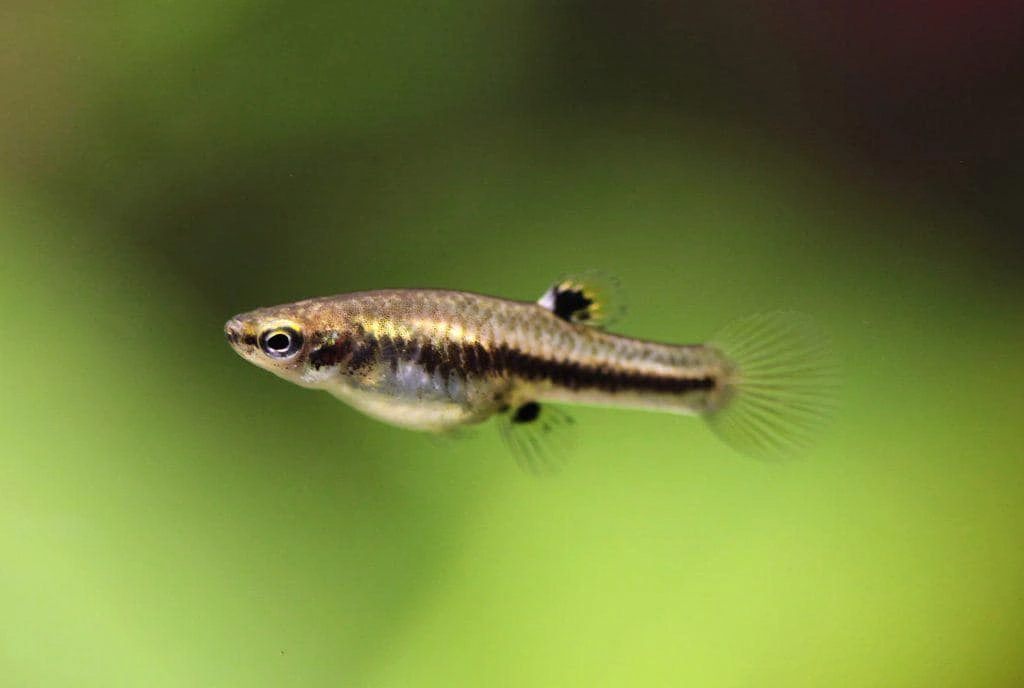
Care Requirements
Adult Size
1.2" (3cm)
Min Tank
5 gal
Temperature
68-82°F
pH Range
7-8.5
Lifespan
2-3 years
Min Group
6+ fish
Diet
Omnivore
Swim Level
Middle
Bioload
1/10
Hardness
10-25 dGH
About Least Killifish
The Least Killifish holds a remarkable distinction: it's one of the smallest vertebrates on Earth and the smallest livebearer. Adult males reach only about 2 cm (0.8 inches) — genuinely tiny fish that can be overlooked even in small tanks. Females grow larger at approximately 3 cm (1.2 inches), displaying the size dimorphism common in livebearers. Despite the 'killifish' common name, they're actually livebearers in the family Poeciliidae, related to guppies and mollies rather than true killifish.
Their reproductive biology is genuinely unique among fish. Females exhibit 'superfetation' — carrying multiple broods at different developmental stages simultaneously. Rather than releasing all fry at once like most livebearers, females give birth to 1-3 fry every few days over extended periods. A single female may carry embryos at 5 or more developmental stages concurrently. This strategy spreads reproductive investment across time, hedging against environmental variability.
Native to the southeastern United States from South Carolina through Florida and along the Gulf Coast to Louisiana, they inhabit densely vegetated ponds, ditches, swamps, and slow streams. This temperate to subtropical origin means they tolerate cooler temperatures than most tropical aquarium fish — thriving from low 60s°F through mid-80s°F. They don't require heaters in most homes and can summer outdoors in tubs or ponds in many climates.
For nano aquarists, Least Killifish offer compelling advantages: tiny size allowing genuine populations in small tanks, extreme hardiness, tolerance of wide parameter ranges, fascinating reproductive biology, compatibility with dwarf shrimp, and the appeal of keeping a genuinely unusual fish with legitimate claim to record-breaking tininess. They're underrated gems deserving more attention.
Natural Habitat & Origin
Least Killifish are native to the coastal plain of the southeastern United States, ranging from South Carolina through Florida and westward along the Gulf Coast to Louisiana. This extensive range spans subtropical to warm-temperate climates, explaining their remarkable temperature tolerance. They occupy lowland freshwater habitats: vegetated ponds, swamps, marshes, drainage ditches, and slow-moving streams. Their preferred habitat features dense aquatic vegetation that provides cover from predators, foraging surfaces, and shelter for fry.
Native Region
Southeastern USA — South Carolina to Florida and Gulf Coast to Louisiana
Habitat Type
Vegetated ponds, swamps, ditches, slow streams
Wild Water Conditions
Variable temperature (15-30°C), hard, alkaline (pH 7.0-8.5)
Appearance & Varieties
Least Killifish are extraordinarily small — males reach only about 2 cm (0.8 inches), females approximately 3 cm (1.2 inches). Body shape follows typical livebearer proportions: somewhat deep-bodied with a dorsally-flattened head and upturned mouth adapted for surface feeding. Coloration is subtle: olive to tan base with a dark lateral stripe running from snout through eye to caudal peduncle. Males display a modified anal fin (gonopodium) used for internal fertilization. Sexual dimorphism is pronounced — females can appear twice the size of males.
Popular Varieties
| Variety | Description | Rarity |
|---|---|---|
| Wild-Type | Olive-tan body with dark lateral stripe. The natural and only form available — no selectively-bred color varieties exist. | Uncommon in trade |
Tank Setup & Requirements
Quick Requirements Summary
Tank Size
Minimum Tank Size
5 gallons
Recommended Tank Size
10 gallons
Least Killifish thrive in planted tanks with hard, alkaline water. Their tiny size and hardiness make them ideal for nano setups that would be unsuitable for larger fish.
Water Parameters
Temperature 20-28°C (68-82°F), tolerates 15-30°C. pH 7.0-8.5, hardness 10-25 dGH. Unlike most tropical fish, they prefer hard, alkaline water and tolerate wide temperature ranges. They don't require heaters in many homes. Avoid soft, acidic conditions.
Substrate
Any substrate works — sand, gravel, or planted substrates. No specific requirements. Dark substrates may enhance their subtle coloration slightly. Planted substrates support the dense vegetation they prefer.
Plants & Decorations
Dense vegetation mimics their natural habitat and provides critical fry refuge. Floating plants (water lettuce, frogbit, duckweed) offer surface cover they appreciate. Fine-leaved plants give fry hiding spots. Java moss is particularly beneficial. Driftwood and rock arrangements provide additional structure.
Filtration & Water Flow
Gentle filtration — sponge filters ideal. Good water quality is important, but flow should be gentle given their tiny size. Sponge filters provide biological filtration without dangerous suction or strong current. Pre-filter sponges protect tiny fry.
Lighting
Moderate standard planted tank lighting works well. They're not light-sensitive but appreciate some shaded areas from floating plants.
Diet & Feeding Guide
Diet Type
omnivore
Feeding Frequency
1-2 times daily
Portion Size
Tiny amounts consumed within a couple minutes
Least Killifish are micro-omnivores eating tiny invertebrates, aufwuchs, and biofilm in the wild. Their small mouths require appropriately-sized foods. In mature planted tanks, biofilm supplements feedings.
Best Foods for Least Killifish
- Crushed flakes — Finely crushed quality flakes are readily accepted — must be powdered enough for their tiny mouths
- Micro pellets — Smallest available nano fish pellets work well
- Live micro foods — Daphnia, moina, baby brine shrimp, microworms, vinegar eels — excellent nutrition and trigger strong feeding response
- Frozen cyclops and baby brine shrimp — Appropriately-sized frozen options — bloodworms too large without chopping
- Biofilm and aufwuchs — They naturally graze biofilm from plant surfaces — mature planted tanks provide this constantly
Foods to Avoid
- Large food items — Their mouths are tiny even for small fish — food must be appropriately micro-sized
- Only surface foods — While they feed at the surface, varied presentation ensures all fish eat
Multiple tiny feedings work better than single larger ones. In established planted tanks, grazing supplements feedings. Their small size means small stomachs.
Behavior & Temperament
Least Killifish behavior combines typical livebearer activity with the constraints of their tiny size. They're active swimmers that explore their environment, particularly vegetated areas where they forage for micro-foods. Males display to females and occasionally posture at rival males, but aggression is minimal — they're peaceful community fish. Their reproductive behavior is fascinating: rather than obvious courtship culminating in mass fry release, reproduction is continuous and subtle. Females give birth to just 1-3 fry every few days. Despite tiny size, they're surprisingly bold once established, swimming openly and approaching the front of the tank during feeding.
Tank Mates: Compatibility Guide
Compatible Tank Mates
Excellent companions — similar size class, share planted environments, completely peaceful coexistence
Peaceful cleanup crew that ignore tiny fish
Tiny peaceful fish sharing similar nano requirements
Peaceful bottom dwellers small enough not to threaten them — different feeding zone
Peaceful algae eaters that ignore tiny tankmates
Tank Mates to Avoid
Any fish large enough to eat them
Their tiny size makes them prey for most fish — even 'peaceful' community fish may eat them
Fast, aggressive feeders
Will outcompete for food and may harass them
Soft water species
Water parameter mismatch — Least Killifish need hard, alkaline conditions most soft water species can't tolerate
Common Pairing Questions
Are Least Killifish good with shrimp?
Excellent — they're one of the most shrimp-safe fish available. Their tiny mouths simply cannot consume adult dwarf shrimp. Even shrimplets have reasonable survival rates compared to most fish.
Can they live with bettas?
Not recommended. Bettas may view them as food due to their tiny size, and the hard, alkaline water Least Killifish prefer doesn't suit bettas' soft water preferences.
Least Killifish breed readily in captivity — often requiring management to prevent overpopulation. Their unique superfetation reproduction makes breeding continuous rather than event-based. Unlike most livebearers that release large batches of fry at once, females give birth to just 1-3 fry every few days. A female may carry embryos at 5+ developmental stages simultaneously. Fry are tiny but fully-formed and immediately independent. Dense vegetation provides essential hiding spots. Population management becomes the challenge rather than breeding success.
Health Issues & Disease Prevention
Least Killifish are remarkably hardy — their native range includes variable conditions that selected for adaptability. Health problems are relatively rare when basic requirements are met.
Common Diseases
| Disease | Symptoms | Treatment |
|---|---|---|
| Ich | White spots on body and fins, scratching, clamped fins | Raise temperature to 82°F. Medication at reduced dosage appropriate for small fish. They're hardy and tolerate treatment well. |
| Fin rot | Deteriorating fin edges, ragged fins | Improve water quality; usually resolves without medication. Antibacterials for severe cases. |
| Internal parasites | Wasting despite eating, stringy feces | Anti-parasitic medication (praziquantel). More common in wild-caught specimens. |
| Soft water stress | General poor condition, failed reproduction, susceptibility to other issues | Ensure water is adequately hard and alkaline. Add minerals if necessary. They don't thrive in soft, acidic conditions. |
Signs of a Healthy Least Killifish
- Active swimming and foraging
- Good appetite
- Males displaying to females
- Females producing fry
- Full body condition
- Fins held open, not clamped
Prevention Tips
- Maintain hard, alkaline water
- Provide dense plant cover
- Don't overcrowd (manage breeding)
- Feed varied diet of appropriate size
- Quarantine new additions
Frequently Asked Questions
The common name 'Least Killifish' is misleading — they're actually livebearers in the family Poeciliidae, related to guppies and mollies, not true killifish (family Cyprinodontidae). The name likely originated from superficial resemblance to killifish in body shape and habitat. Their scientific name Heterandria formosa places them firmly among the livebearers. This taxonomic confusion occasionally causes care errors when keepers assume they need killifish conditions.
Genuinely tiny — males reach only about 2 cm (0.8 inches), making them one of the smallest vertebrates on Earth. Females grow to approximately 3 cm (1.2 inches). To put this in perspective, adult males are smaller than many aquarium fish fry. They're smaller than most dwarf shrimp. In a planted tank, they can be difficult to spot despite being active swimmers.
Superfetation is the ability to carry multiple broods at different developmental stages simultaneously. While most livebearers release all their fry at once from a single fertilization, female Least Killifish carry embryos at 5 or more developmental stages — from newly-fertilized eggs to nearly-ready fry. They give birth to just 1-3 fry every few days rather than large batches.
Often yes — their southeastern US native range includes areas with significant seasonal temperature variation. They tolerate temperatures from about 60°F to 86°F (15-30°C), thriving across most of this range. In homes maintaining normal room temperature (68-76°F), they do fine without heaters.
Excellent — they're one of the most shrimp-safe fish available. Their tiny mouths simply cannot consume adult dwarf shrimp, and they're not aggressive enough to harass them. Even shrimplets have reasonable survival rates with Least Killifish compared to most fish.
Tips for Keeping Least Killifish
Pro Tips
- ✓They're perfect for unheated tanks — few fish tolerate room temperature long-term.
- ✓Prepare for population management — they breed continuously and prolifically.
- ✓Dense planting is essential for fry survival — Java moss and floating plants provide critical refuge.
- ✓They thrive with typical 'hard water' species unlike most popular nano fish.
Common Mistakes to Avoid
- ✗Keeping in soft, acidic water — they need hard, alkaline conditions unlike many popular nano fish.
- ✗Housing with larger fish — their tiny size makes them food for most aquarium fish.
- ✗Food too large — must be crushed or micro-sized for their tiny mouths.
- ✗Not planning for breeding — they breed constantly and can overwhelm small tanks.
- ✗Sparse planting — dense vegetation is their natural habitat requirement.
Sources
- FishBase — Accepted scientific name, maximum size and native range for Least Killifish.
Related Species You Might Like
View All Fish →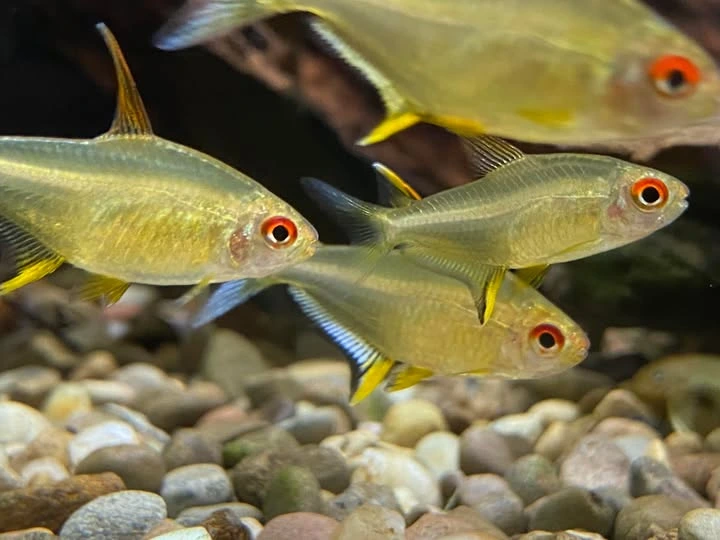
Lemon Tetra
Hyphessobrycon pulchripinnis
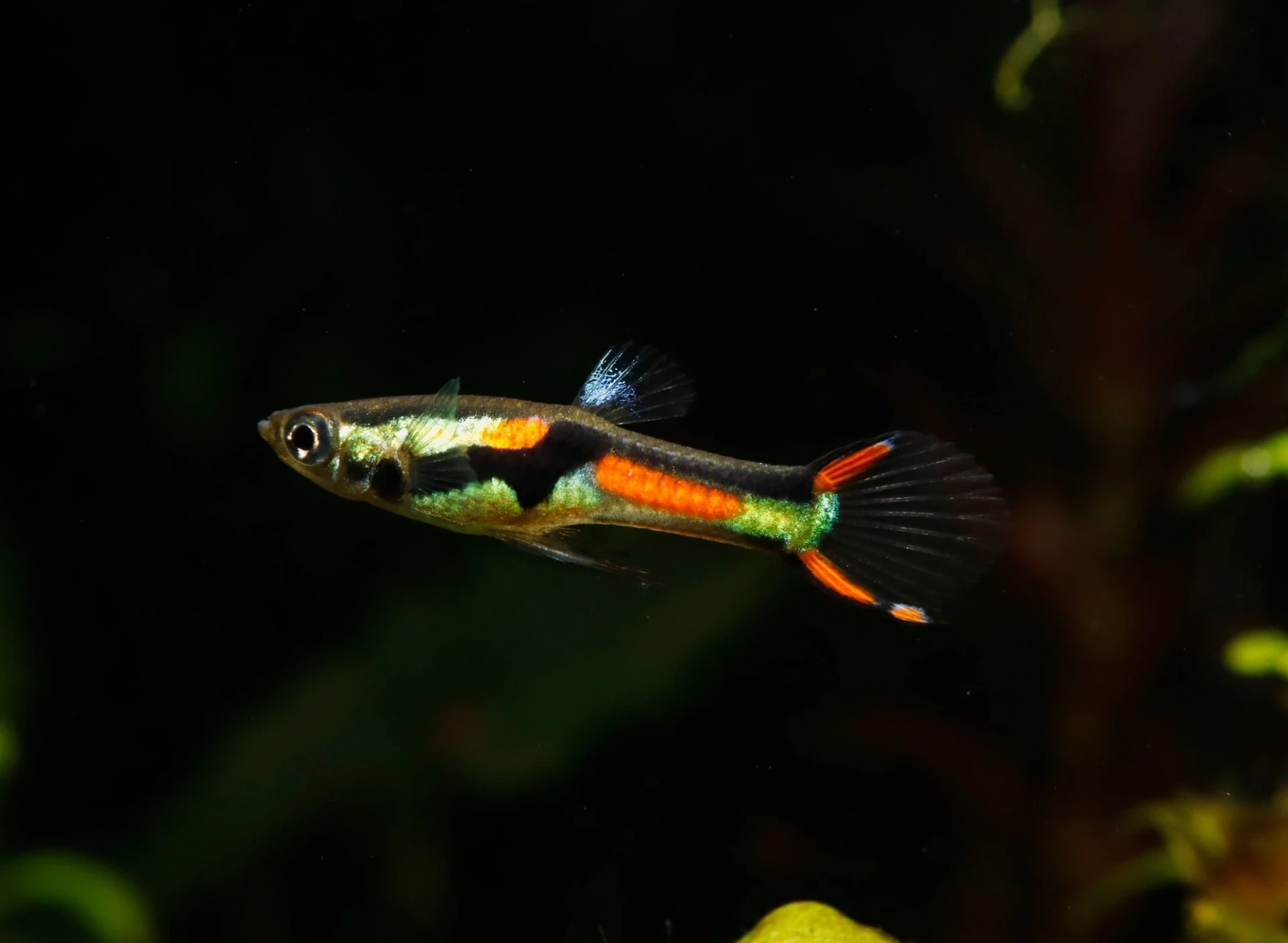
Endlers Livebearer
Poecilia wingei
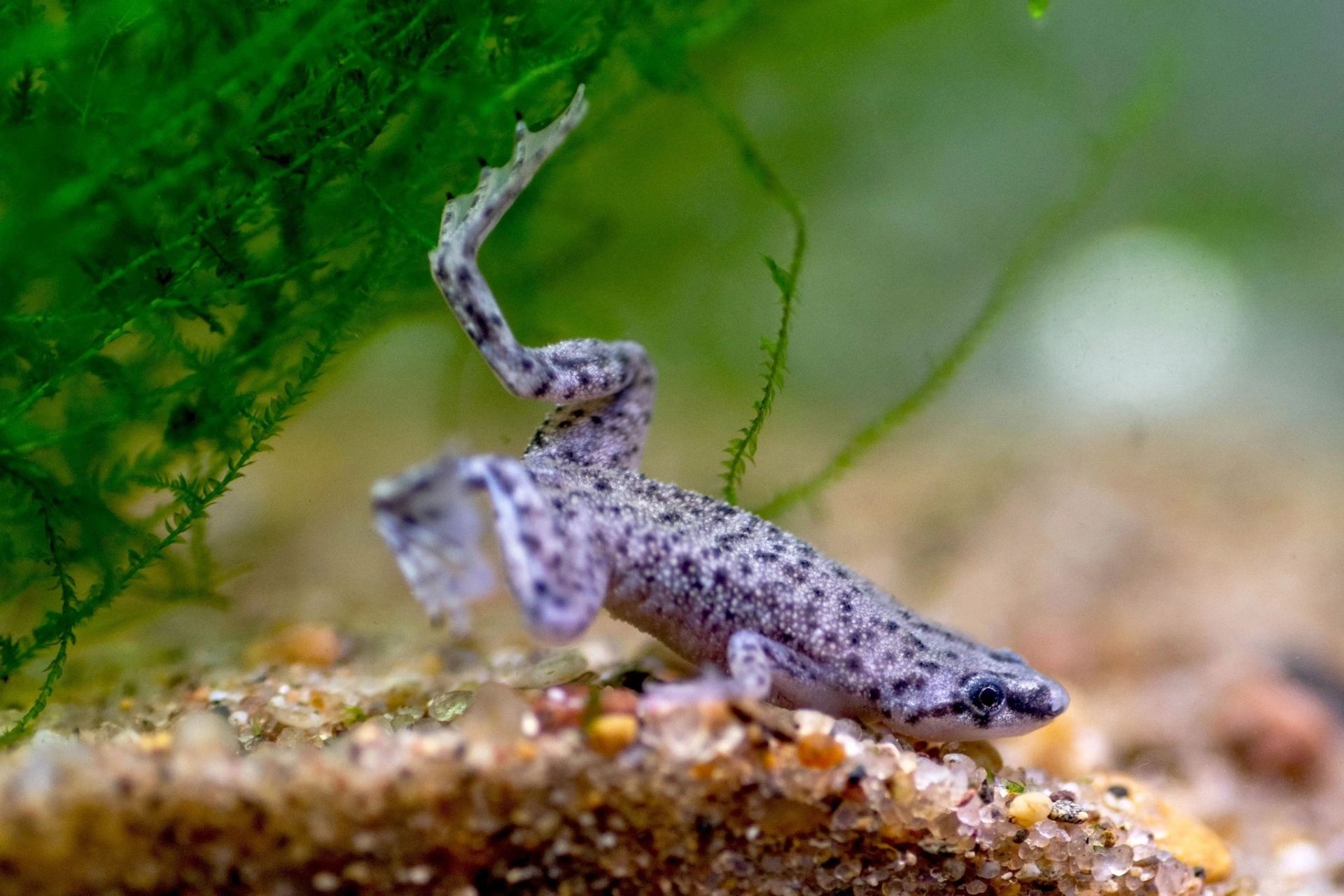
African Dwarf Frog
Hymenochirus boettgeri
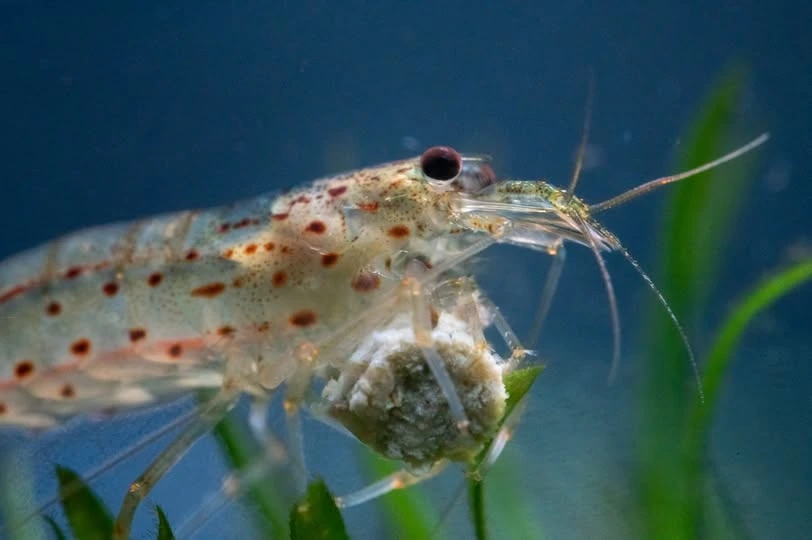
Amano Shrimp
Caridina multidentata
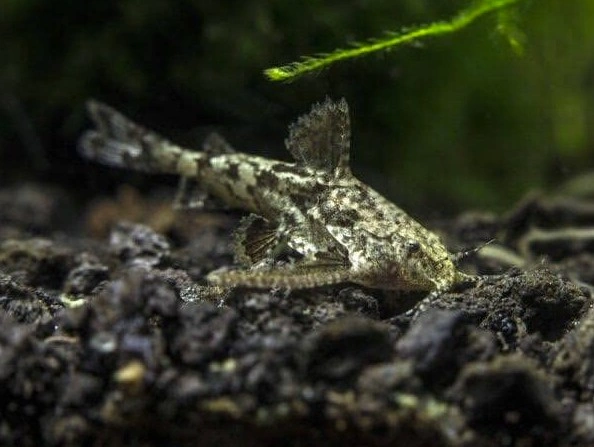
Asian Stone Catfish
Hara jerdoni
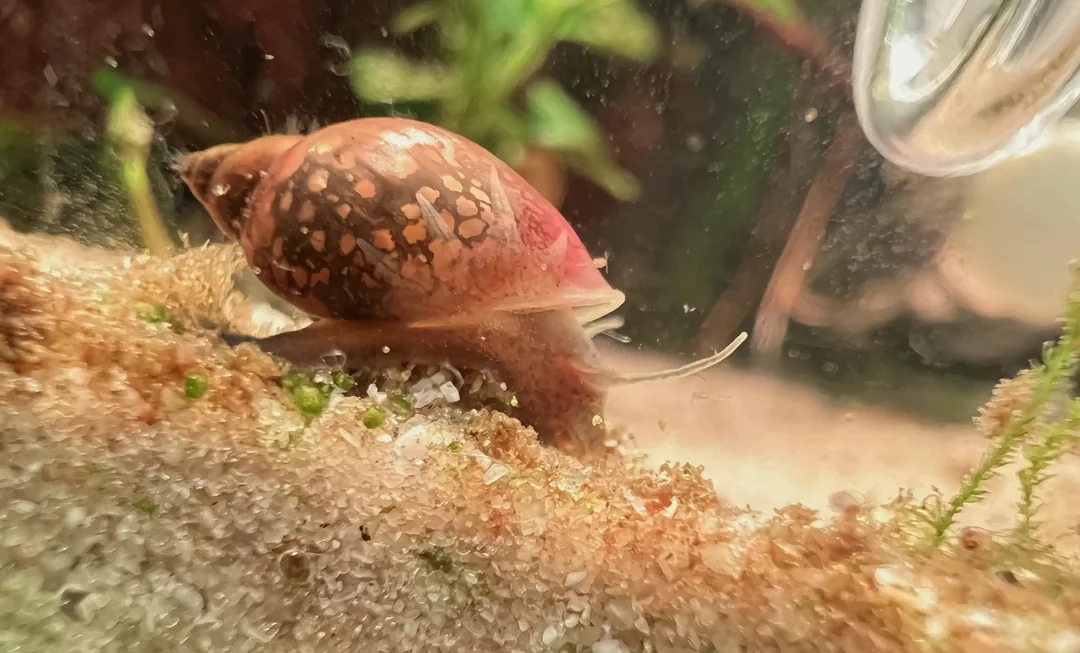
Bladder Snail
Physella acuta
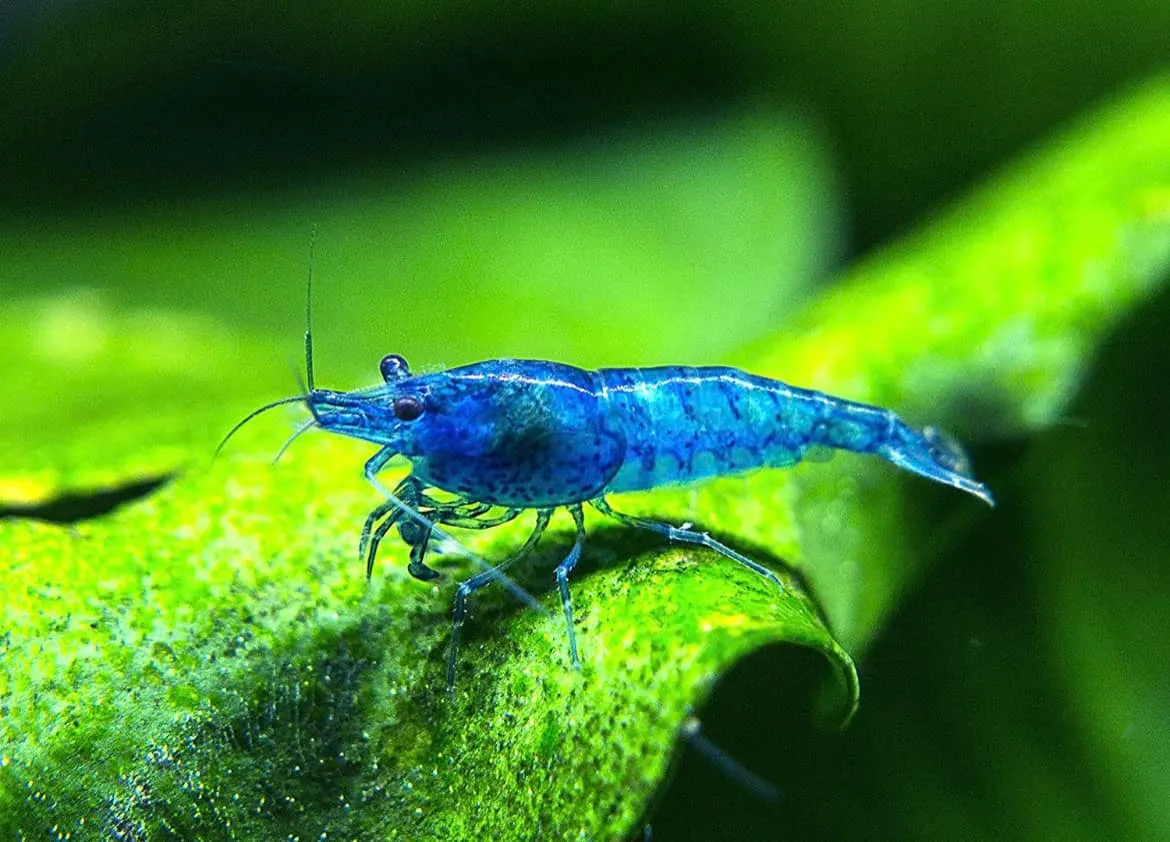
Blue Velvet Shrimp
Neocaridina davidi var. blue
Cherry Shrimp
Neocaridina davidi
Ready to Add Least Killifish to Your Tank?
Use our free stocking calculator to check compatibility, bioload, and get personalized recommendations.