
Water Lettuce Care Guide
Reviewed by the AquariumStocking team · Updated August 2026
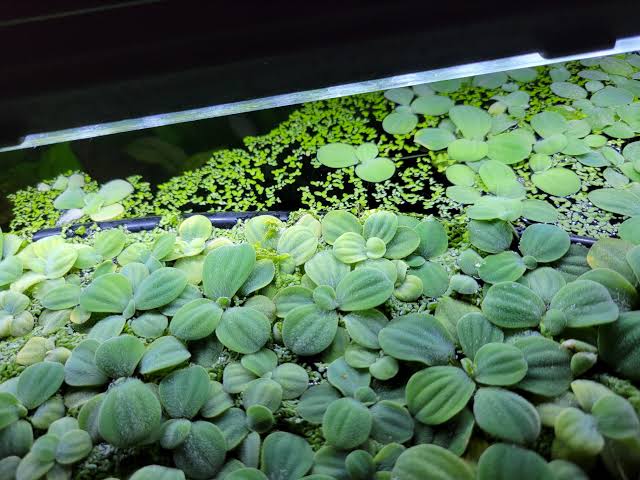
A rosette floater that is illegal to keep across the EU, Florida and Texas. Where it is legal, the problem is size: full-grown plants need real headroom above the water.
Water Lettuce quick facts
- Light demand
- Medium
- CO2 requirement
- Not needed
- Difficulty
- Beginner
- Growth rate
- Fast
- Placement
- Floating
- Growth habit
- Floating
- Substrate need
- None — floats at the surface
- Max size
- 15 cm (5.9 in) tall, ~25 cm wide
- pH
- 6.0–7.5
- Hardness
- 2–15 dGH
- Propagation
- Runners — daughter rosettes on stolons
- Temperature
- 22–30 °C (72–86 °F)
Never planted. The long feathery root mass hangs free and takes everything it needs from the water column.
Banned in some regions
| Jurisdiction | What is restricted | Official source |
|---|---|---|
| European Union | On the EU’s Union list of regulated invasive species under Regulation 1143/2014. Keeping, breeding, transporting, selling and releasing are prohibited across all member states. | View list |
| United States — Florida | Prohibited aquatic plant under Rule 5B-64.011. Possession, sale and transport require a state permit. | View list |
| United States — Texas | Listed as a prohibited exotic aquatic plant. Possession, sale and release are illegal. | View list |
Never put it in a drain, waterway or compost heap. Bag unwanted plants, freeze or dry them out completely, and dispose of them in household waste.
Lists last checked 2026-08-12. Rules change — check your own state or country before buying, and never assume a plant sold locally is legal to keep.
Overview
Water lettuce (Pistia stratiotes) is the one plant on this site where the first thing to establish is not care but legality. It is prohibited across the European Union, in Florida and in Texas, because it forms surface mats dense enough to deoxygenate whole waterways. If you are in any of those places, this page is background reading rather than a buying guide.
Where it is legal, it is an easy and rather good plant. A rosette of pale, ribbed, velvety leaves sits on the surface with a thick feathery root mass below — the most substantial root habitat of any common floater, and a genuine nursery for fry.
The catch is scale. Aquarium photos show two-centimetre juveniles; a mature plant is fifteen to twenty-five centimetres across and stands several centimetres above the waterline. In a standard lidded tank it grows straight into the cover glass and rots.
What you're buying
Check your local list first. Beyond that, the thing to get right at purchase is understanding what size the plant reaches, because shops sell juveniles and photograph them next to nano fish.
Legality first
Banned in the EU, Florida and Texas. Other US states and several countries maintain their own lists — check before ordering online.
Juvenile vs mature
Retail rosettes are two to five centimetres. Mature plants reach fifteen to twenty-five centimetres across with leaves standing well clear of the water.
Dwarf is not a variety
"Dwarf water lettuce" is the same species kept small by cramped conditions and low nutrients. Given space and light it grows to full size.
Two or three rosettes is a starting quantity, not a stocking level. It reproduces by runners and fills a surface within weeks.
Inspect the crown where the leaves meet. A soft or brown centre means the plant has been submerged or crushed, and unlike a damaged leaf, a rotten crown does not recover.
Light, CO2 & nutrients
Light
Medium
CO2
Not needed
Fertilisation
Water column (liquid)
Light
Medium light gets the best out of it, but low light will do. Sitting on the surface, it receives whatever the fixture puts out with nothing in between.
The leaves develop their characteristic deep ribbing and dense velvet under stronger light. In dim tanks the plant stays flatter and paler, and grows more slowly, which is not necessarily a bad outcome given how large it gets.
Whatever light you give the water lettuce is light the rest of the tank does not get. Plan the layout on that basis rather than trying to compensate later.
CO2
Not needed. Like every floater it draws carbon dioxide from the air across its emergent leaf surfaces, which no injection system can improve on.
In a CO2-injected tank a water lettuce mat is actually a liability: it slows gas exchange at the surface while contributing nothing to the plants below it.
Work out your CO2 injection rate →
Nutrients
It feeds through the root mass from the water column, and it feeds hard. Water lettuce is one of the most effective nutrient exporters available to a freshwater tank — it is used commercially for exactly that in wastewater treatment ponds.
That appetite has a downside in a lean tank: it can strip nitrogen and iron to the point where slower plants below start to suffer. If the crypts and swords go pale after adding it, the floater is winning, not the light.
Dose a standard all-in-one liquid and remove plants regularly. Harvesting is what turns uptake into actual export.
Water & temperature
pH
6.0–7.5
Hardness
2–15 dGH
Temperature
22–30 °C (72–86 °F)
Chemistry is not the limit. It tolerates pH 6.0 to 7.5, 2 to 15 dGH and anything from 22 to 30 °C — this is a plant that thrives in warm, still, nutrient-loaded water.
Two physical conditions matter far more. The surface must be calm, and there must be air space above it: several centimetres between the waterline and the lid, or the leaves press against the glass, stay wet, and rot.
Adding it to the tank
- 1Confirm it is legal where you live before it enters the tank at all.
- 2Rinse the root mass in a bucket and check for duckweed and snail eggs.
- 3Float rosettes crown-up; never push them under the water to "settle" them.
- 4Drop the water level so there are at least three to five centimetres of clearance under the lid.
- 5Lower or angle the filter outflow so no water lands on the leaves, and keep air stones out of the covered area.
It needs headroom, not just surface. A mature rosette stands several centimetres above the waterline — in a tight-lidded tank the leaves touch the cover glass, sit in condensation and rot. Open-top tanks and rimless setups suit it; standard hooded tanks often do not.
Placement & aquascaping role
Give it a defined area rather than the whole surface. Unrestricted, a handful of rosettes closes over a two-foot tank in a month and the tank below goes dark.
A quarter to a third of the surface is realistic for a planted tank. That is enough for the root habitat and the shade without shutting down everything else.
Because the plants are large and rigid, corralling works better here than with small floaters. A rigid airline or tubing barrier across one end holds a mature mat firmly where a floating ring would be pushed aside.
Growth, trimming & maintenance
Growth is fast and it accelerates: each mature rosette throws stolons, and every daughter does the same once established. Doubling in two weeks is normal in a warm, well-fed tank.
Maintenance is removal, weekly. Take whole rosettes out — snapping leaves off a plant you want to keep small does not work and just leaves damaged tissue to rot.
Removed plants are the disposal problem, not the tank problem. Dry or freeze them and bin them; do not compost, and never rinse them into a drain.
Propagation
You will not need to encourage this. Water lettuce reproduces continuously by stolons, and the daughter rosettes detach on their own once they have their own roots.
The useful skill is the opposite one: keeping the population down. Treat propagation as something to manage rather than to perform.
- 1Let a stolon produce a daughter rosette with independent roots.
- 2Pinch the stolon or let the connection break by itself.
- 3Float the daughter in the destination tank, crown up.
- 4Confirm the recipient tank is somewhere the plant is legal before moving it.
- 5Dry out or freeze any surplus and put it in household waste.
Troubleshooting & diagnosis
Water lettuce problems are almost always mechanical: something wet on top of the leaves, something pressing on them, or too little space. Deficiencies are a distant second.
| Symptom | Likely cause | Fix |
|---|---|---|
| Leaf tips brown and crisp | Leaves touching the lid, the light fixture, or sitting in condensation | Lower the water level to leave three to five centimetres of clearance, or run the tank open-topped. |
| Leaves going soft, translucent and collapsing | Surface agitation soaking the leaf tops | Angle the filter outflow downward, submerge the return, remove air stones under the mat. |
| Rosette centre brown and mushy | Crushed or submerged crown — usually shipping or handling damage | Remove the plant; a rotten crown does not recover and fouls neighbours. |
| New rosettes much smaller than the parents | Nutrient exhaustion or overcrowding | Thin the mat hard and dose an all-in-one liquid fertiliser. |
| Plants below the mat going pale and leggy | Shade, and nutrient competition from the floater | Cut the mat back to a quarter of the surface; increase dosing. |
| Yellowing between the veins on healthy new growth | Iron deficiency | Dose chelated iron; colour recovers over one to two weeks. |
Natural habitat & origin
Native range
Debated — pantropical, with fossil and early records in Africa and South America
Habitat type
Still and slow-moving nutrient-rich water: ponds, ditches, canals, flooded margins
Wild growing conditions
Warm water, full sun, high nutrient load
Pistia stratiotes grows on warm, still, nutrient-rich water throughout the tropics and subtropics. Its true native range is genuinely disputed — it has been moved by people for so long that botanists disagree over where it started — and it is now naturalised on every continent except Antarctica.
That spread is why the regulation exists. On an open waterway the plant forms mats thick enough to block light and gas exchange, deoxygenating the water beneath and displacing native vegetation. The traits that make it an efficient aquarium nutrient sponge are the same ones that make it a problem outdoors.
The ribbed, water-repellent velvet on the leaves is an adaptation to sitting in tropical rain and full sun. It sheds a downpour easily; what it cannot handle is continuous splash from a pump, or condensation trapped against the leaf by a lid.
Fish & invert compatibility
Nothing about water lettuce is delicate except the top of the leaves, so the compatibility question is mostly about grazing. The velvety leaves and long roots are attractive food to anything herbivorous and irrelevant to everything else.
Safe with Water Lettuce
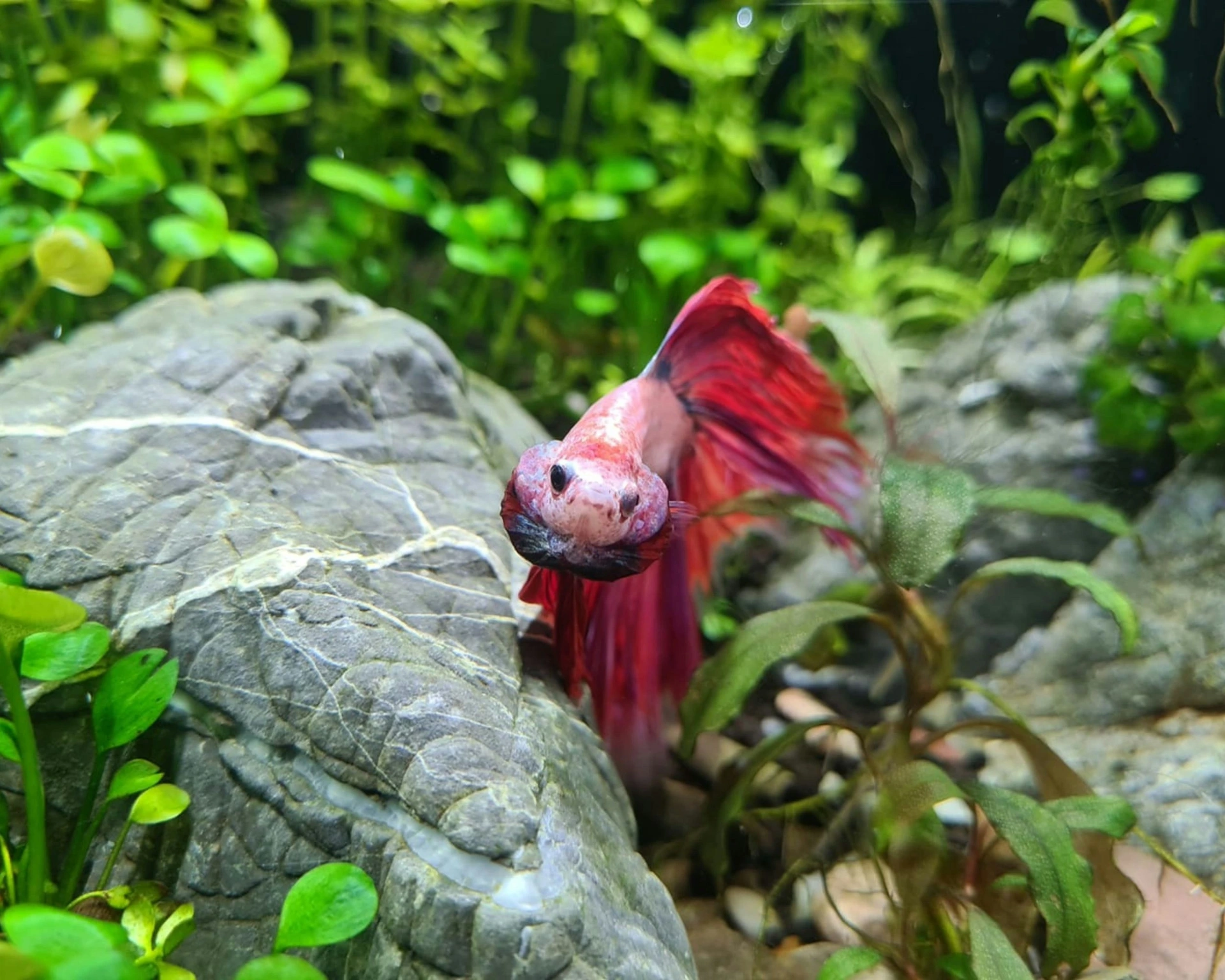 BettaBetta splendens
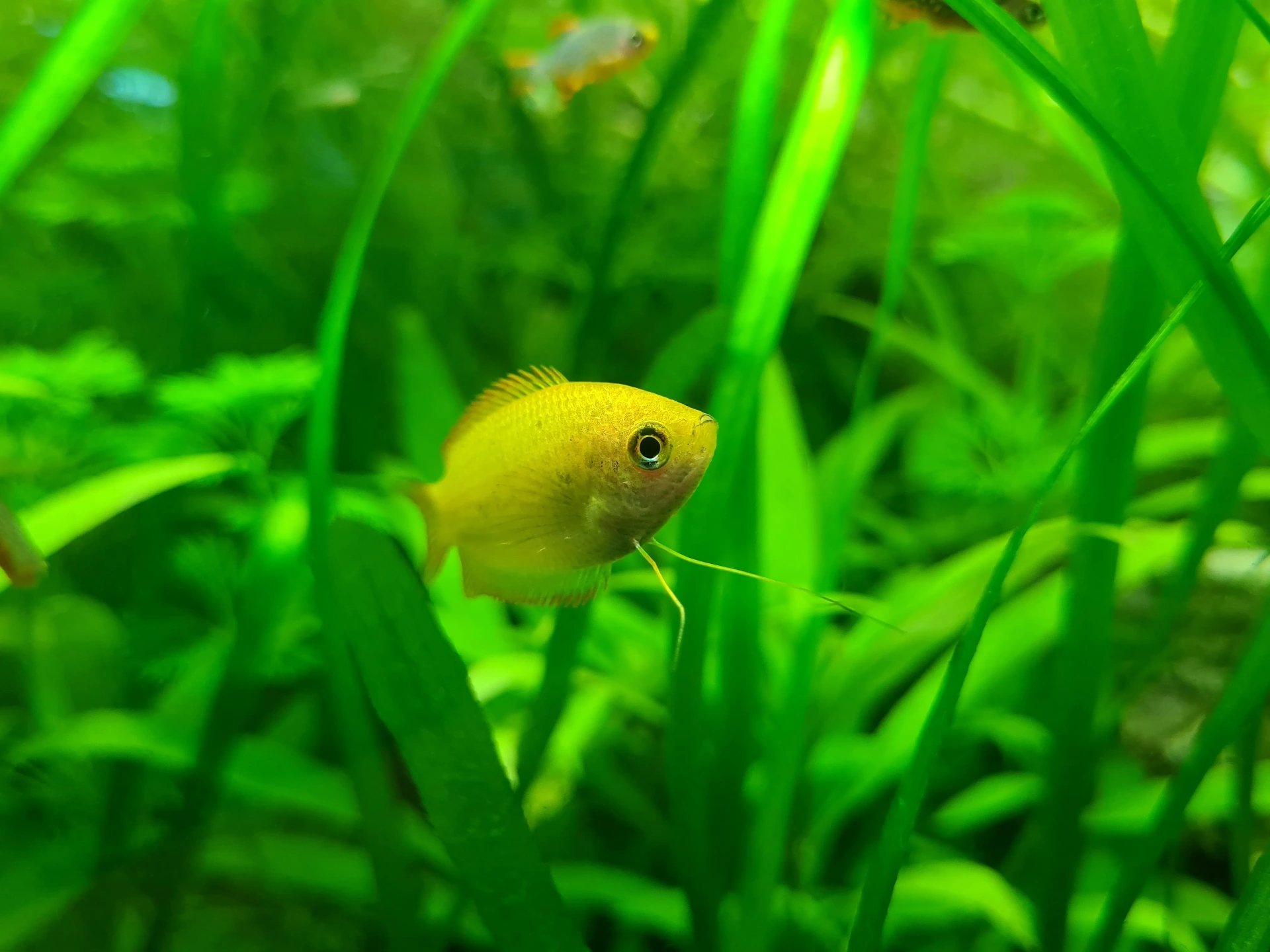 Honey GouramiTrichogaster chuna
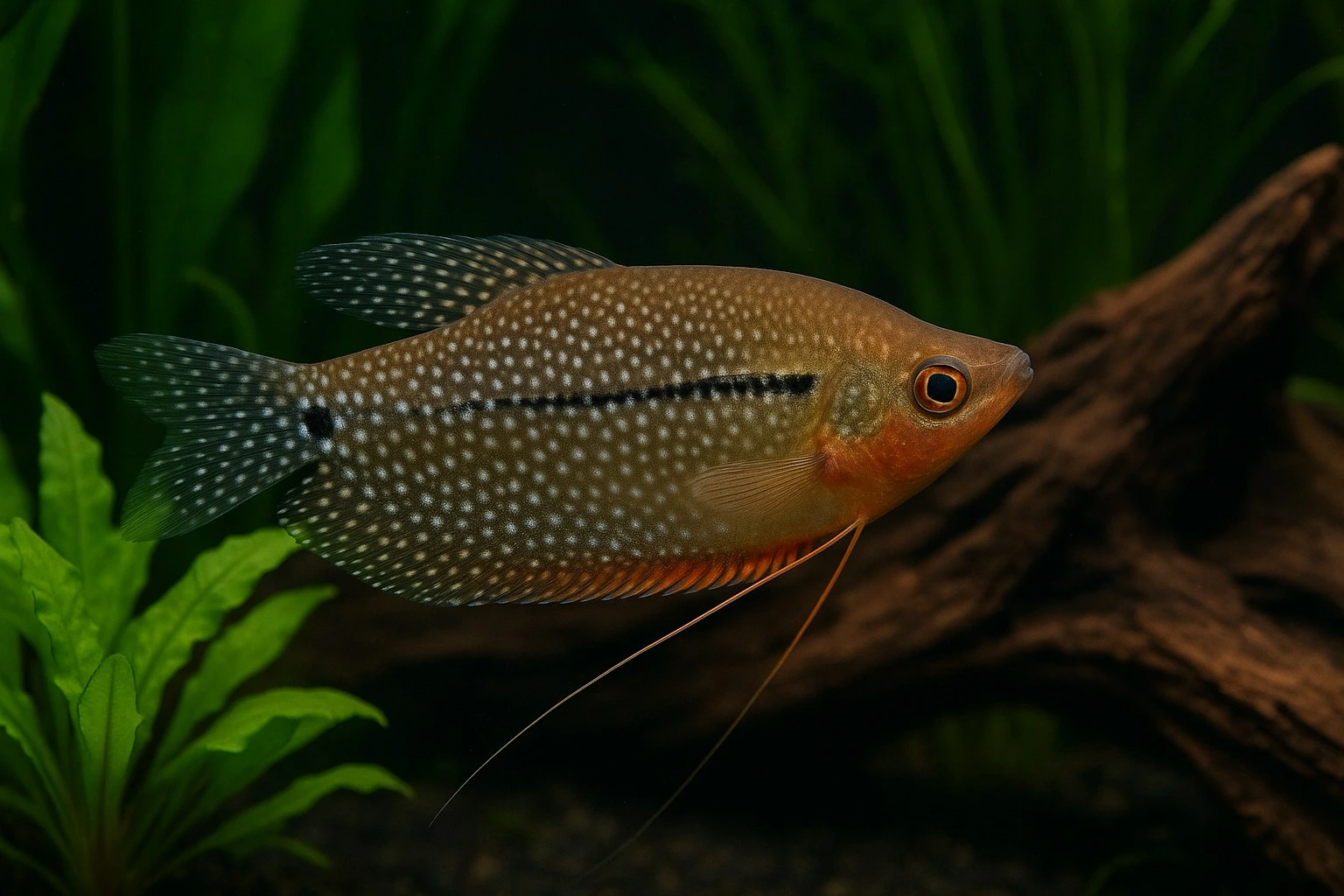 Pearl GouramiTrichopodus leerii
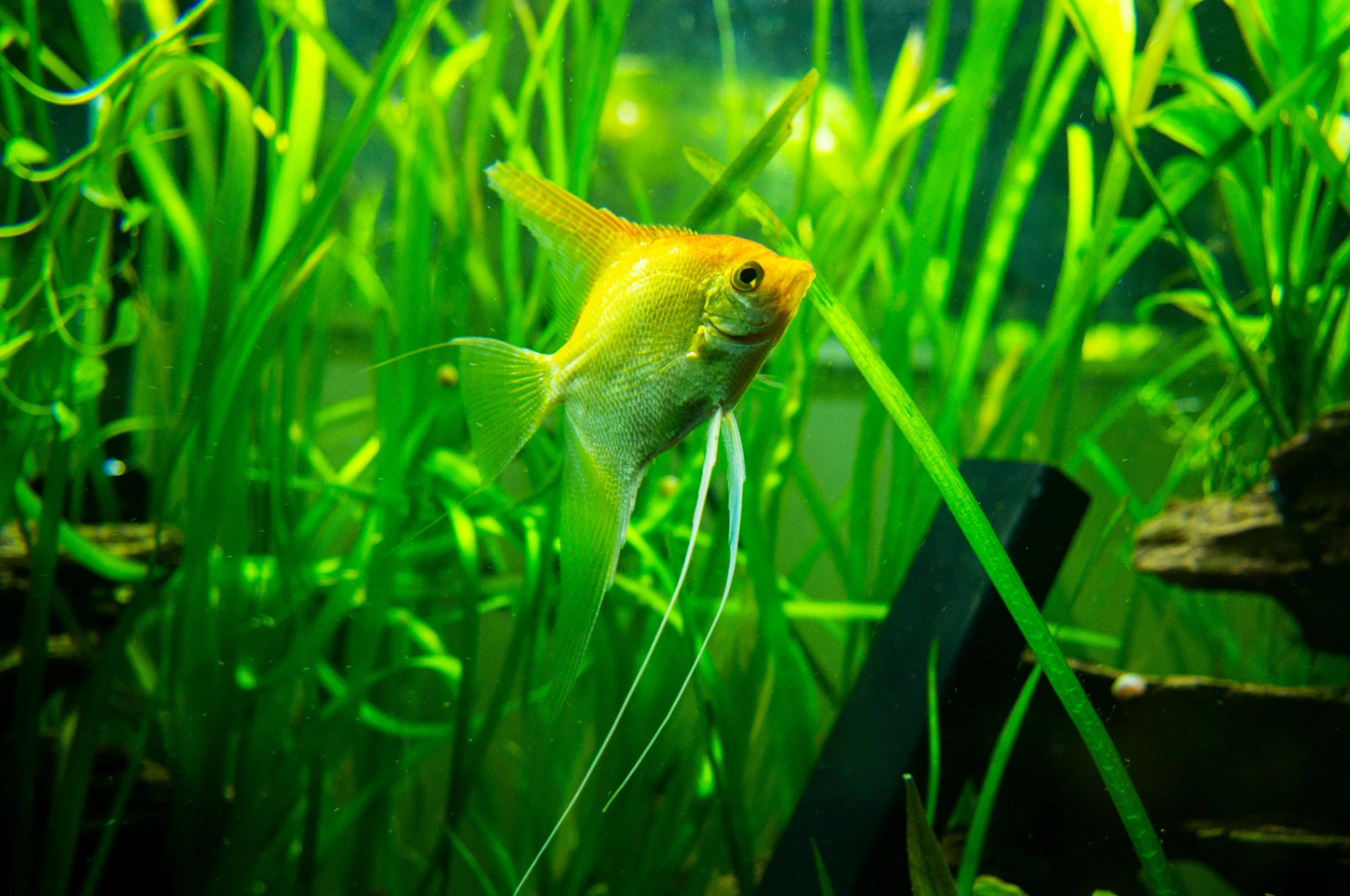 AngelfishPterophyllum scalare
 KribensisPelvicachromis pulcher
 Bolivian RamMikrogeophagus altispinosus
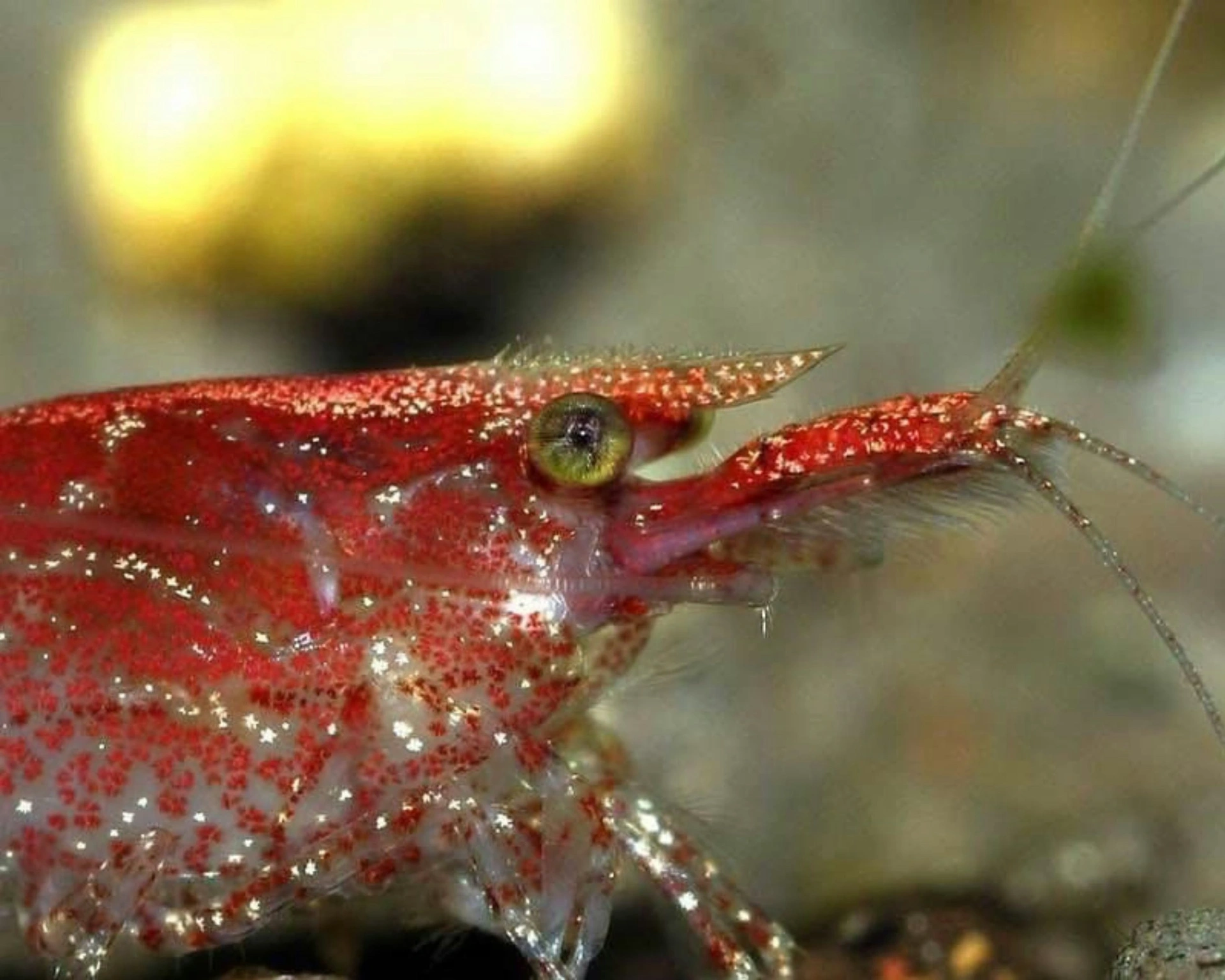 Cherry ShrimpNeocaridina davidi
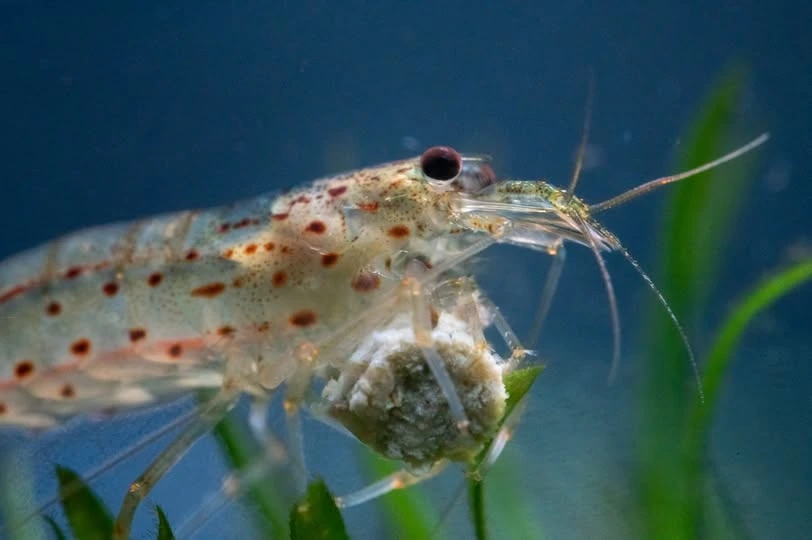 Amano ShrimpCaridina multidentata
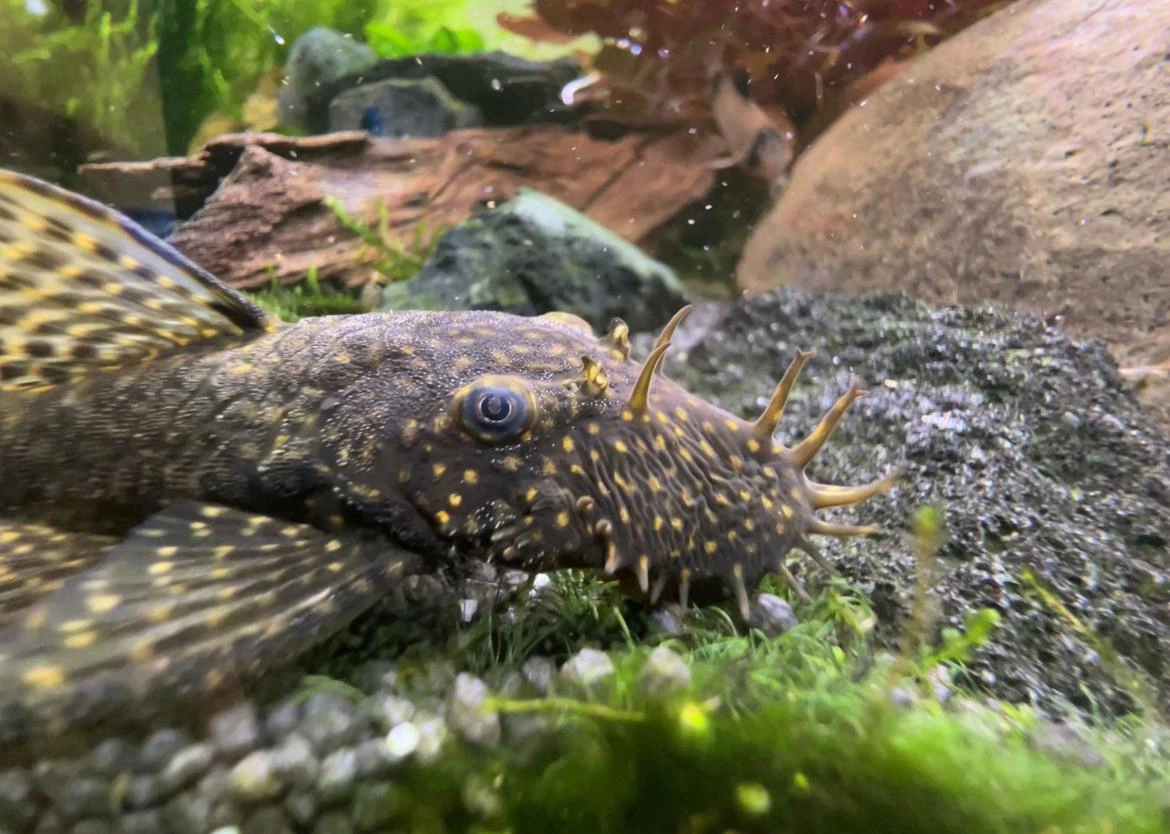 Bristlenose PlecoAncistrus sp.
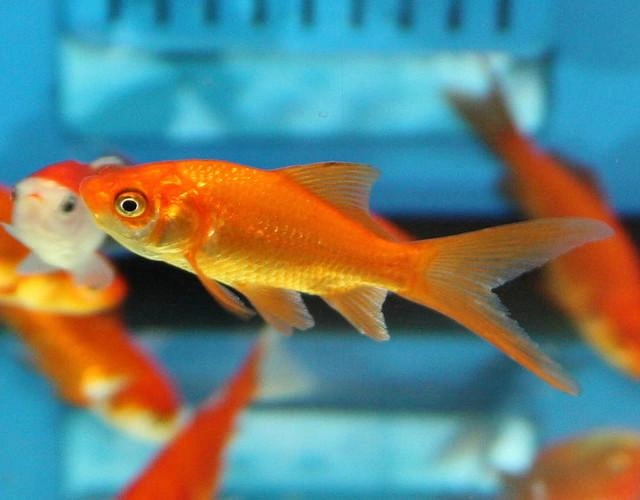
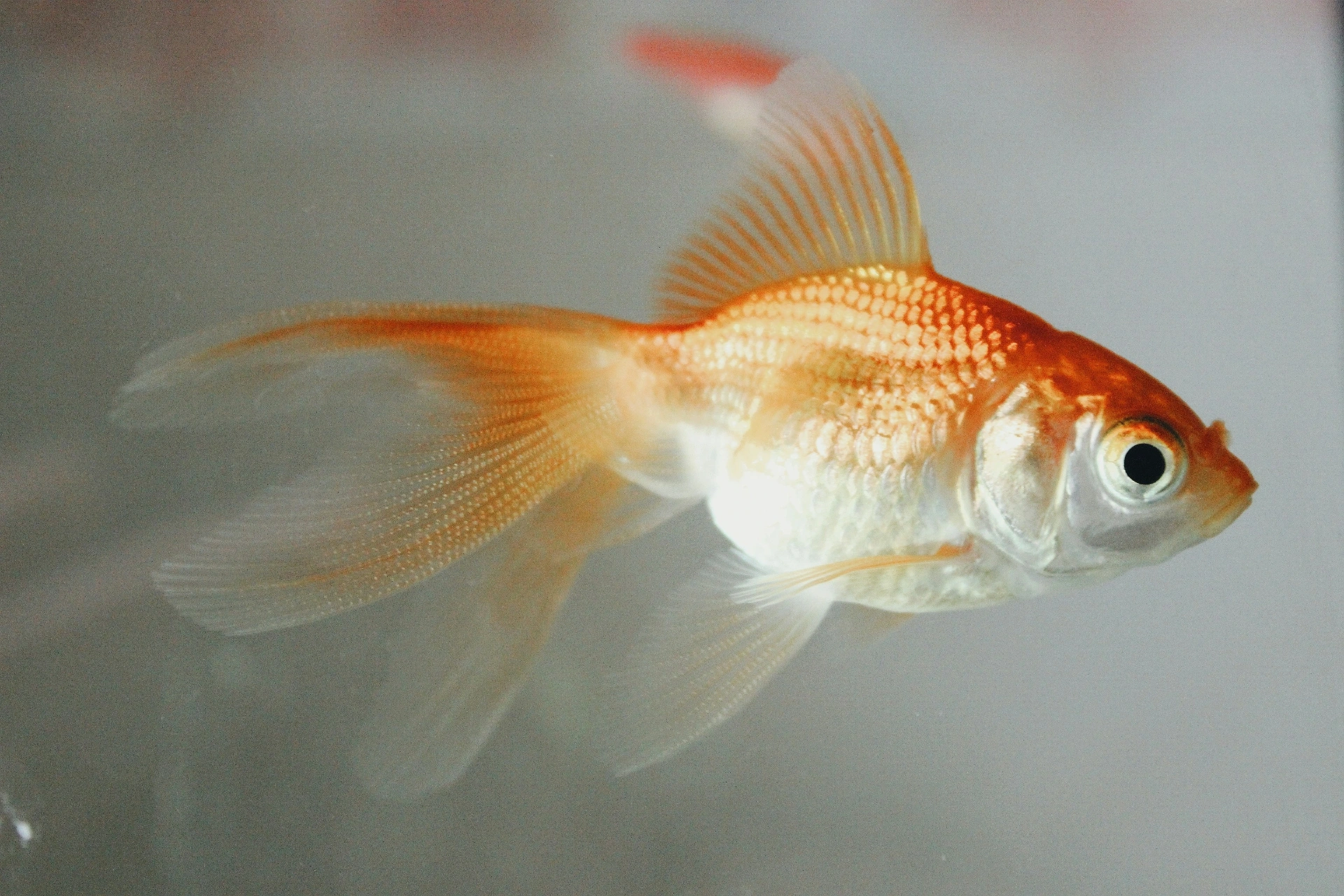
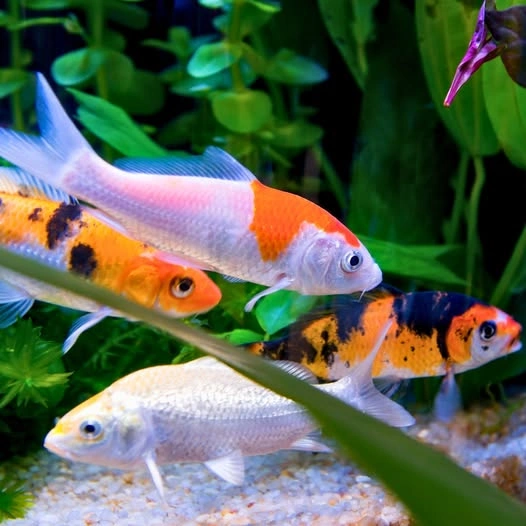
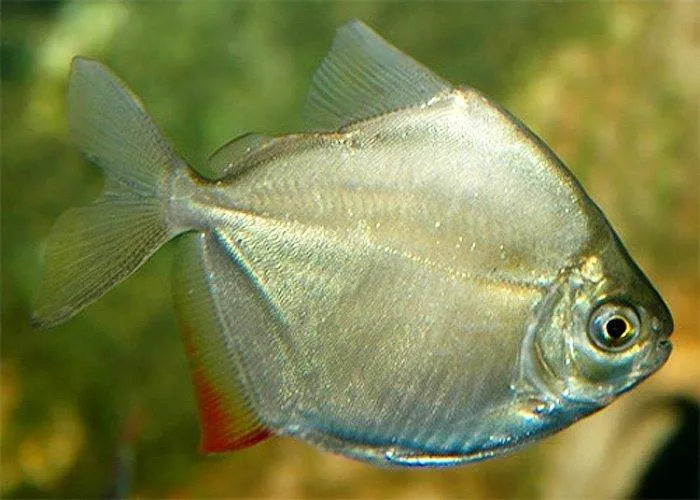
Will eat or uproot it
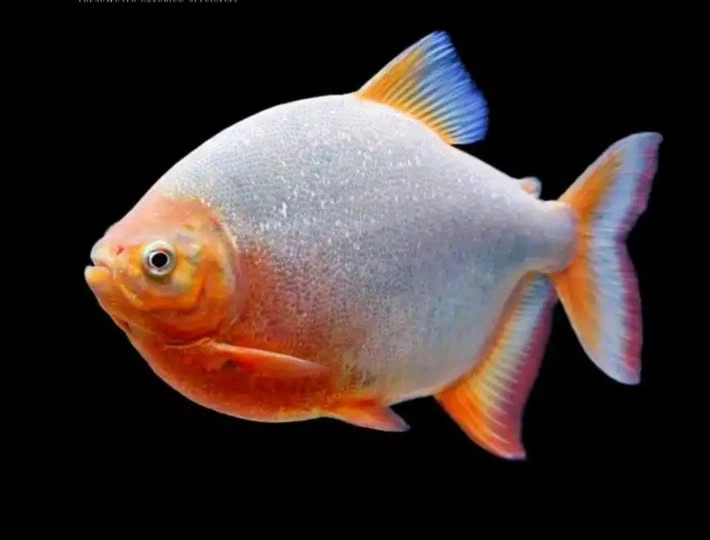
Companion plants
A mature water lettuce rosette blocks more light than any other plant on this site. Only genuinely shade-adapted species belong underneath it.
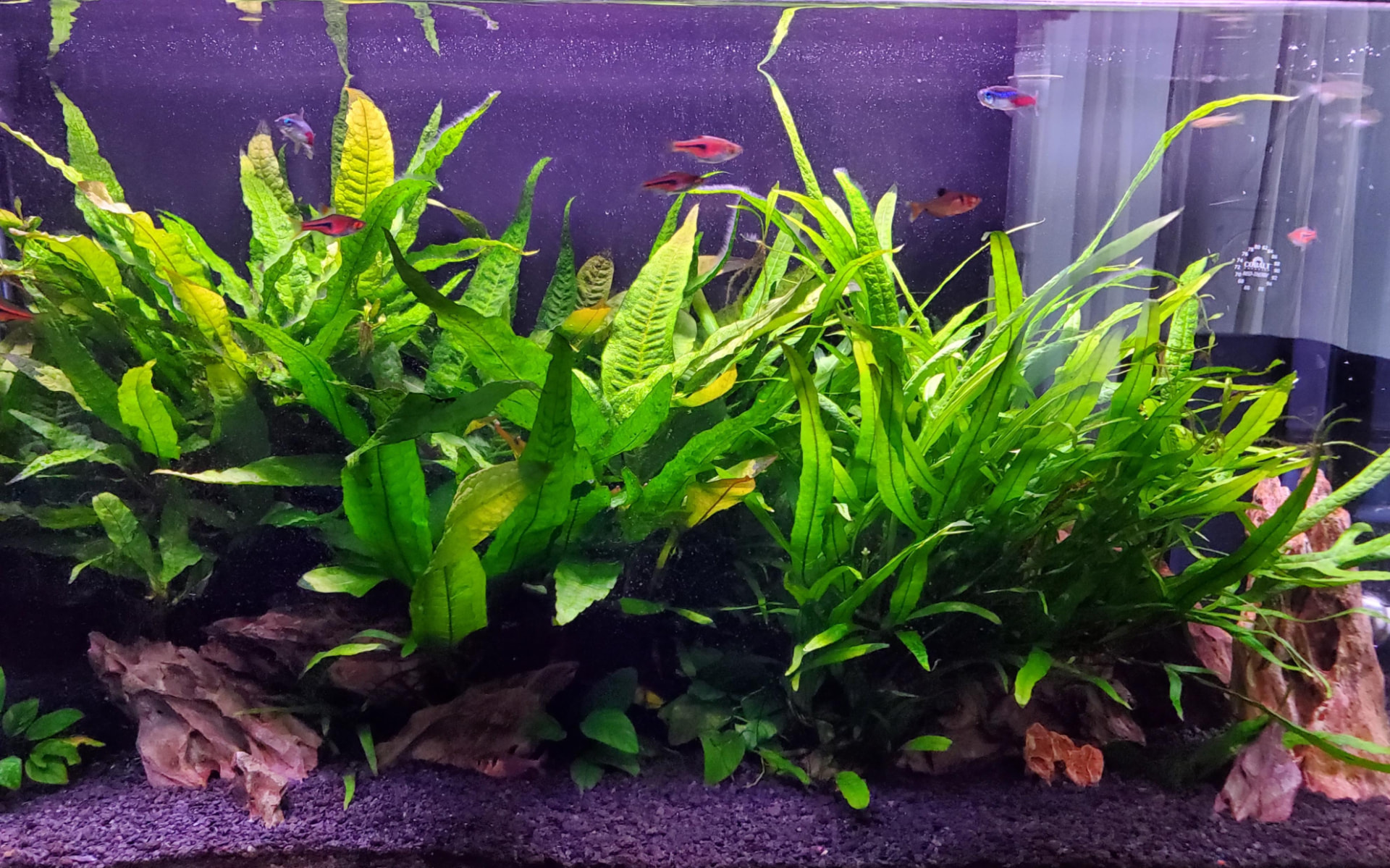
Java Fern
Microsorum pteropus
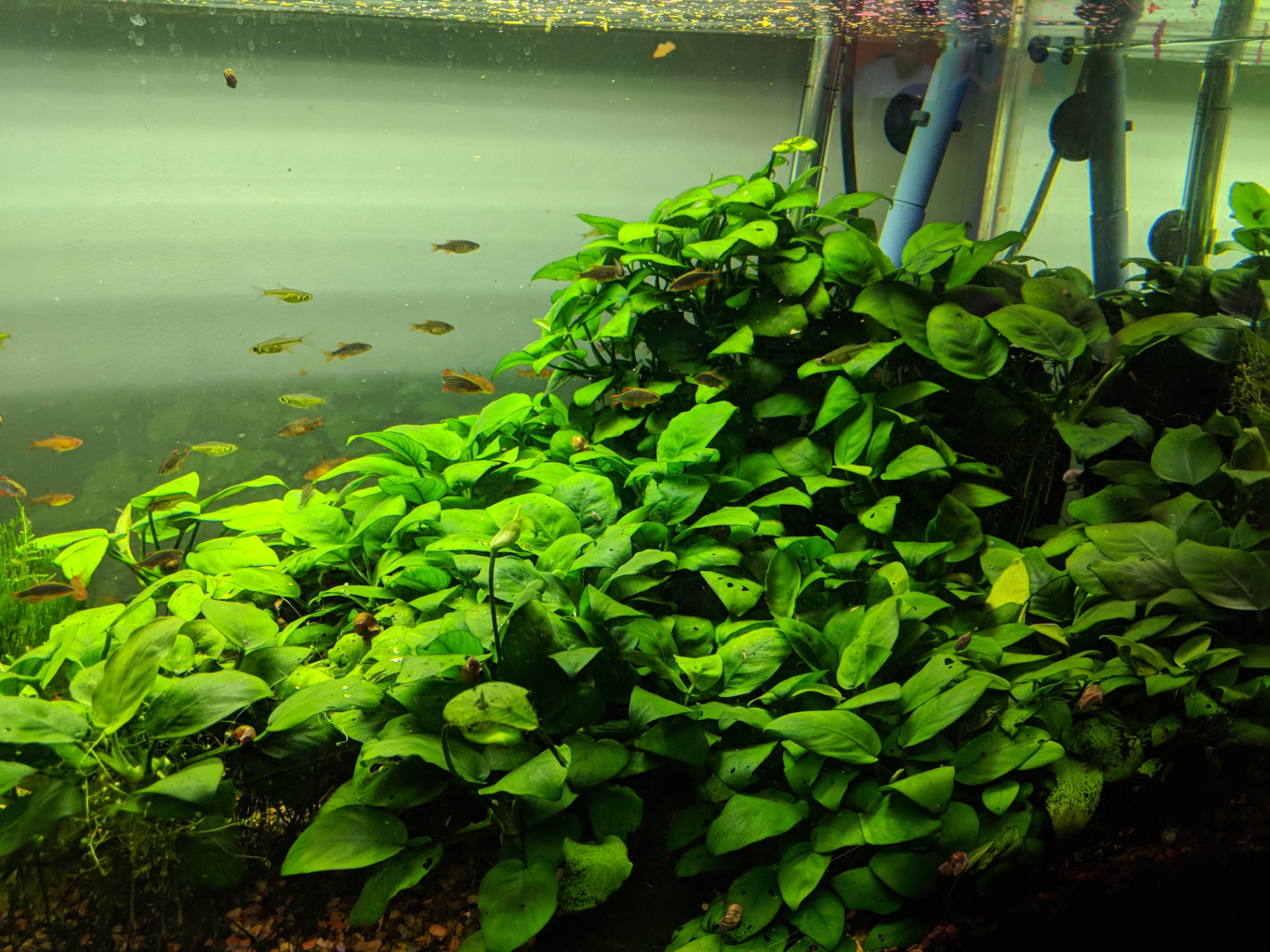
Anubias
Anubias barteri
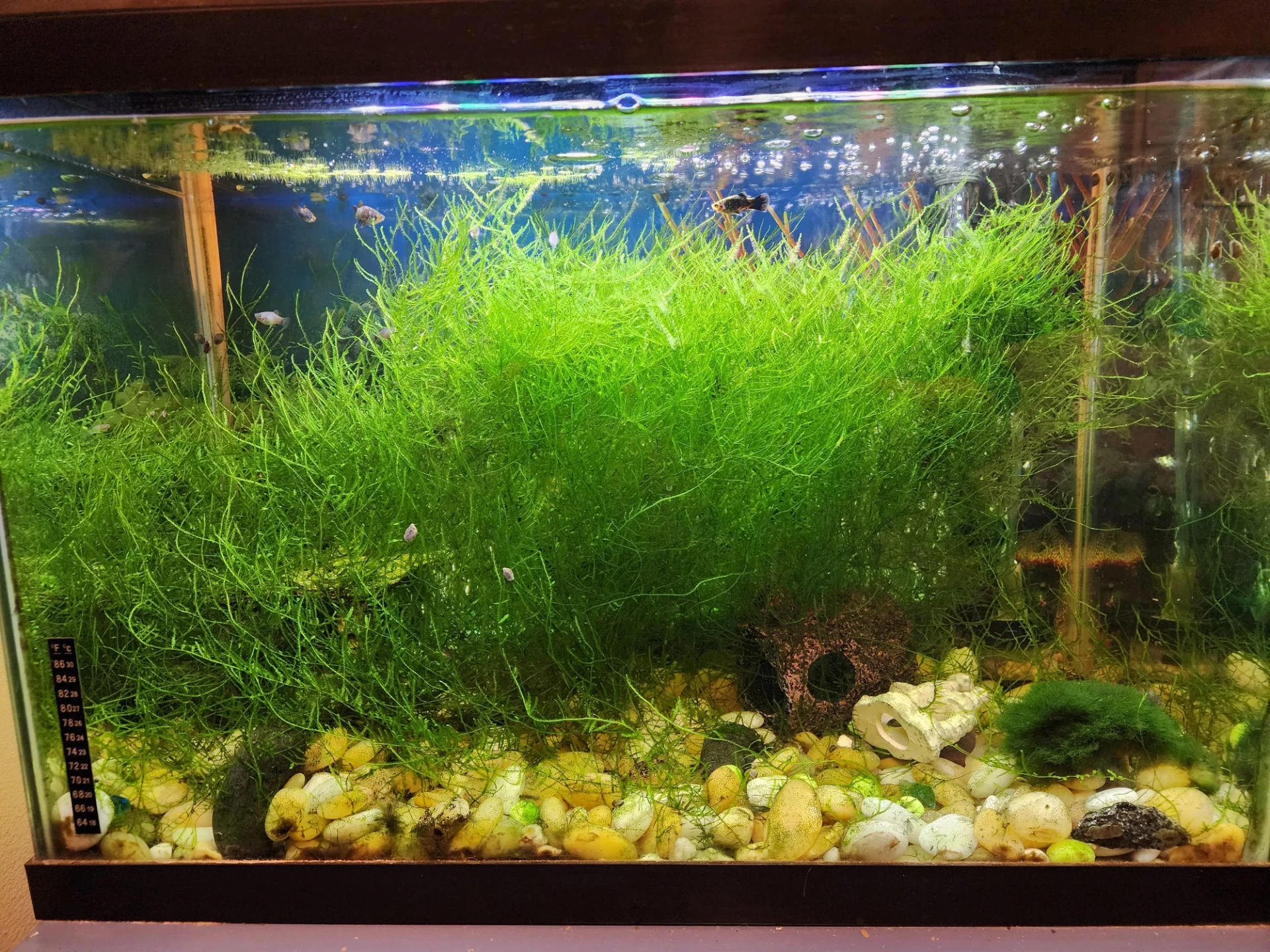
Java Moss
Taxiphyllum barbieri
Pro tips & common mistakes
Pro tips
- Check your local prohibited-plant list before ordering — this species is banned in more places than any other common aquarium plant.
- Run it in an open-topped tank if you can. Headroom is the single biggest factor in whether it thrives or browns.
- Harvest weekly and dispose of the surplus in the bin, dried or frozen — never down a drain.
- "Dwarf water lettuce" is a growing condition, not a variety. Plan for the full size.
- If plants below it start going pale, the floater is taking the nutrients, not just the light.
Common mistakes
- Buying it without checking whether it is legal where you live.
- Running it under a tight hood, so the leaves sit in condensation and brown off.
- Letting it cover the whole surface and then wondering why the substrate plants failed.
- Assuming the small rosettes in the shop tank are the mature size.
- Disposing of thinnings in a garden pond, ditch or drain.
Frequently asked questions
Sources
- Plants of the World Online — Accepted name Pistia stratiotes L. and its pantropical distribution.
- European Commission — Union List of Invasive Species — Addition of Pistia stratiotes to the EU Union list and the resulting prohibitions.
- Florida Administrative Code Rule 5B-64.011 — Florida prohibited aquatic plant listing.
- Texas Parks & Wildlife — Prohibited Exotic Aquatic Plants — Texas prohibition on possession and sale.
Related plants
Azolla
Azolla filiculoides
Red Root Floater
Phyllanthus fluitans
Amazon Frogbit
Limnobium laevigatum
Salvinia
Salvinia minima
Amazon Sword
Echinodorus grisebachii
Guppy Grass
Najas guadalupensis
Deep shade suits some stocking and not others
A covered surface changes which fish settle and which sulk. Check what your tank supports before you build the stocking list around it.
Reviewed by the AquariumStocking team · Updated August 2026