
Red Root Floater Care Guide
Phyllanthus fluitans
Reviewed by the AquariumStocking team · Updated August 2026
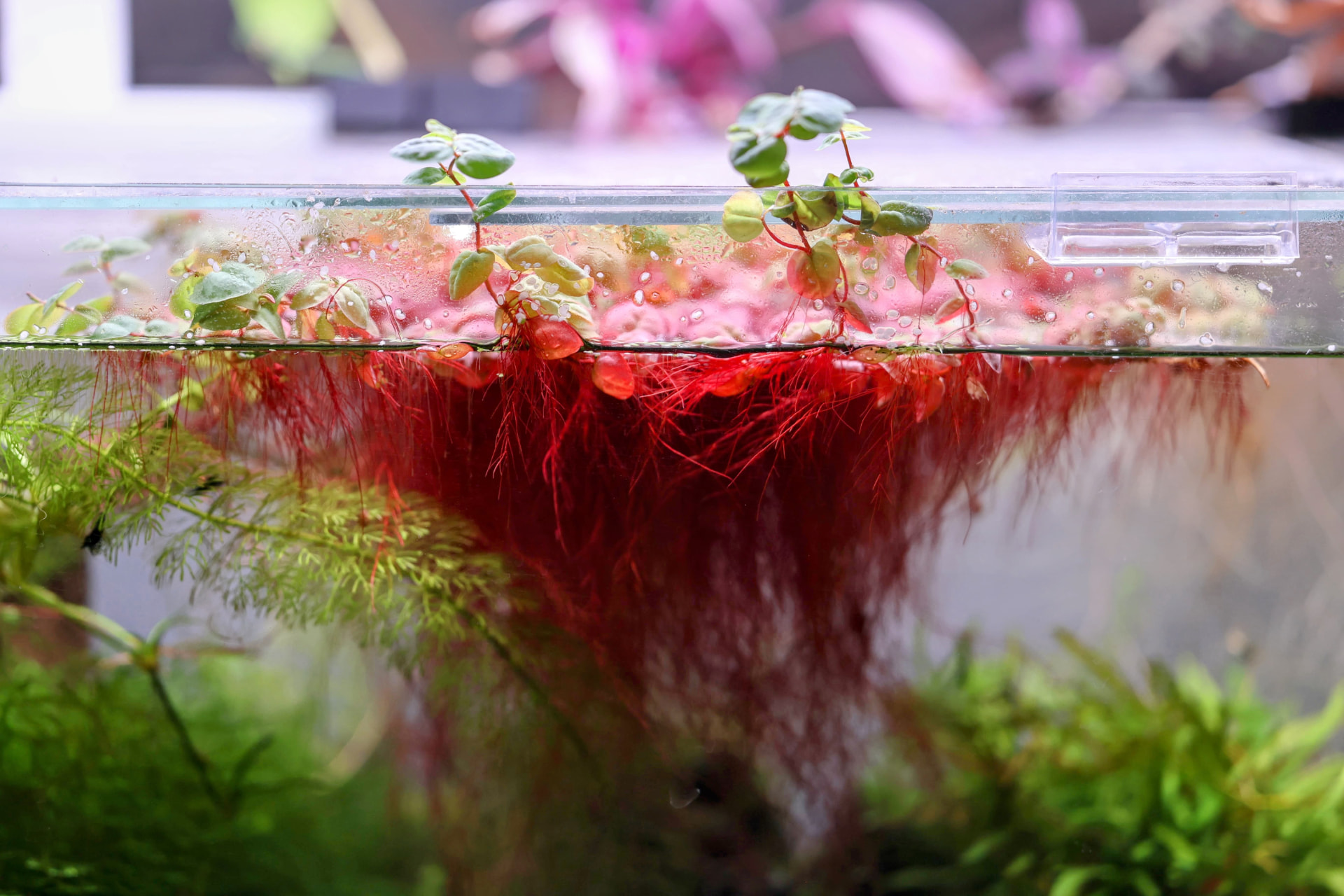
A surface floater grown for its red colour — which only appears under strong light and adequate iron. Splash from a filter outlet or air stone will rot it faster than anything else in the tank.
Red Root Floater quick facts
- Light demand
- Medium
- CO2 requirement
- Not needed
- Difficulty
- Beginner
- Growth rate
- Medium
- Placement
- Floating
- Growth habit
- Floating
- Substrate need
- None — floats at the surface
- Max size
- 3 cm (1.2 in) tall, ~3 cm wide
- pH
- 6.0–7.5
- Hardness
- 2–15 dGH
- Propagation
- Division — the plant branches and separates on its own
- Temperature
- 22–28 °C (72–82 °F)
Never planted. The short roots hang free in the water column and take nutrients directly from it.
Overview
Red root floater (Phyllanthus fluitans) is a small South American floating plant with round, coin-sized leaves and short red roots. It is bought almost entirely for the colour: under the right conditions the leaves flush deep red and the root mass is a vivid crimson curtain under the surface.
Under the wrong conditions it is a perfectly healthy green plant that never turns red at all. That is the honest framing this page starts from, because it is the difference between a floater someone loves and one they quietly throw out — and it comes down to light and iron, not to plant quality.
It is also the most physically fragile plant covered here. It does not object to water chemistry the way other plants do; it objects to being splashed. Get the surface calm and it is close to unkillable.
What you're buying
Red root floater is not grown emersed in nurseries, so there is no melt-and-regrow conversion to plan for. What there is instead is shipping damage: it travels badly, and it very often arrives looking dead.
What arrives
A wet, squashed clump with pale or brown leaves and some rot. Compressed in a bag with no air gap, the leaves crush and start breaking down within a day or two.
It usually recovers
Pick out any firm green or red leaves, discard the mush, and float the survivors. A handful of intact leaves rebuilds a full mat in a few weeks.
Colour at the shop means nothing
Red stock kept under weak light goes green in your tank, and green stock reddens under strong light. Buy on leaf condition, not colour.
The first two weeks after arrival are the risky ones. Keep surface agitation minimal, do not bury the plant under a feeding ring where the leaves stay wet on top, and accept some ongoing losses while it re-establishes.
Because it multiplies by division, quantity is not worth paying for. A small portion of healthy plant catches up with a large damaged one within a month.
Light, CO2 & nutrients
Light
Medium
CO2
Not needed
Fertilisation
Water column (liquid)
Light
This is the first plant on this site that genuinely wants high light, and the reason is purely cosmetic. Red root floater grows fine under low and medium light — it simply stays green. The red pigmentation is a stress response to strong light, and it only develops when the lighting is intense enough to trigger it and the plant has the iron and nitrogen to build the pigment.
Being a floater helps: it sits directly under the light with no water column in the way, so a moderate fixture delivers far more to it than to a plant on the substrate. But in a genuinely low-tech, dim tank it will not colour up, and no fertiliser regime will change that.
Decide which you want before buying. As a green floater it is a good, well-behaved shade plant. As a red one it needs a bright tank, and someone running low light for a low-maintenance setup should know that in advance.
CO2
Not needed and rarely useful. Floating plants take carbon dioxide from the air across their upper leaf surfaces, which is a far richer supply than dissolved CO2 in the water.
That atmospheric access is why floaters grow so fast in low-tech tanks, and why injecting CO2 does very little for them compared with what it does for submersed plants.
Work out your CO2 injection rate →
Nutrients
It feeds from the water column through those short roots, so root tabs are irrelevant. A regular all-in-one liquid fertiliser is enough in most tanks, and in a well-stocked one fish waste covers much of the demand.
Iron is the specific requirement worth naming. The red pigment needs it, so a plant under strong light with no iron available stays green or turns a washed-out yellow-green. If the light is bright and the colour still is not coming, dose chelated iron before assuming the lighting is at fault.
Nitrogen matters in the opposite direction: in a very lean, heavily filtered tank, floaters shrink and their leaves get smaller. Small new leaves usually mean the water is too clean rather than too dark.
Water & temperature
pH
6.0–7.5
Hardness
2–15 dGH
Temperature
22–28 °C (72–82 °F)
Water chemistry is not the constraint here. Roughly 6.0–7.5 pH, 2–15 dGH and 22–28 °C all work, and it adapts to most community tanks without fuss.
What matters instead is the surface. Red root floater needs still or nearly still water at the top of the tank; the parameters can be anywhere reasonable as long as nothing is splashing on the leaves.
Adding it to the tank
- 1Rinse the plant and drop it onto the water surface — no planting needed.
- 2Reduce surface agitation. Constant spray or splash from the filter outlet damages floating growth.
- 3Give it a corner. A feeding ring or airline barrier keeps it from covering the whole surface.
- 4Thin the mat regularly so light still reaches the plants below.
Surface agitation kills it. Water landing on top of the leaves rots them within days — an HOB filter outflow, a spray bar aimed upward or an air stone will destroy a floating mat while every other plant in the tank stays fine. Lower the outflow, angle it downward, or turn the air off.
Placement & aquascaping role
It lives at the surface, so the placement decision is not front-to-back but how much of the surface you give it. Left alone, a healthy mat covers the whole top of the tank in a few weeks.
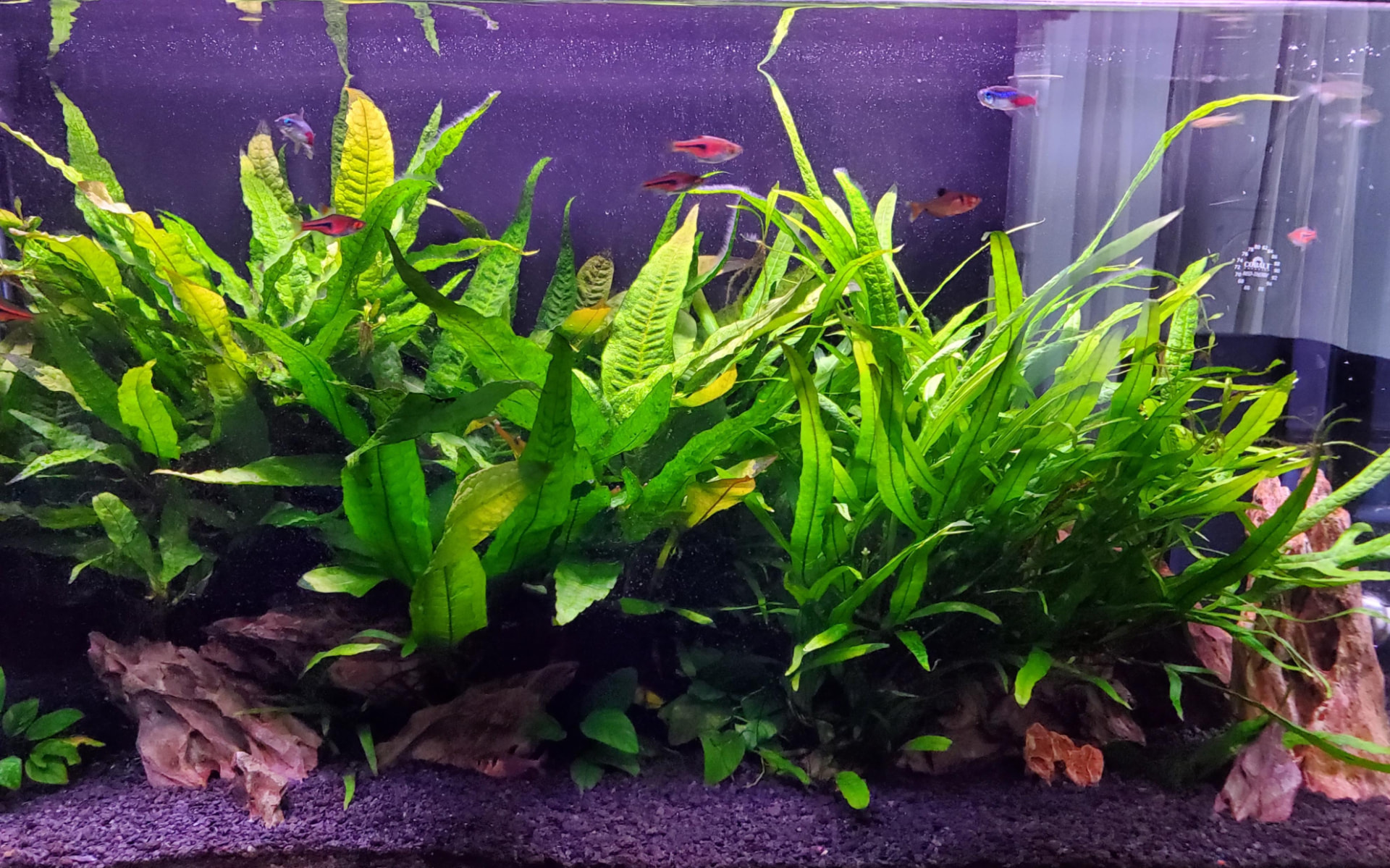
That mat shades everything below it, and whether that is a feature or a problem depends on the tank. Shade-tolerant plants — java fern, anubias, cryptocoryne, moss — do well underneath, and shy or surface-nervous fish behave better with cover overhead. High-light carpets and red stem plants will not survive under it.
Practically, keep it to somewhere between a third and a half of the surface and thin it every week or two. A floating feeding ring, an airline tied across a corner, or a length of suction-cupped tubing all work as a barrier to keep the mat off the filter outflow.
Growth, trimming & maintenance
Growth is steady rather than explosive — quicker than java fern, slower than duckweed or salvinia. A dozen leaves become full surface cover in a month or so under decent light.
Maintenance is thinning, not trimming. Scoop out handfuls with a net or your hand, and check what is left underneath: a mat thick enough to stack leaves on top of each other starts rotting in the middle layer, exactly as a moss pad does.
Keep it out of the filter intake. Leaves pulled under and pinned against an intake strainer die there and foul the water; a barrier is easier than a weekly cleanup.
Propagation
There is nothing to do. Red root floater branches as it grows and the branches separate on their own, so the population doubles by itself given light and nutrients.
The only propagation decision is what to remove. Thinnings are viable plants and transfer to another tank instantly — no attachment period, no acclimation beyond floating them on the water.
- 1Let the plant branch until leaves are crowding each other.
- 2Separate a section by hand — the connections break easily and cleanly.
- 3Float the piece on the destination tank; no planting or anchoring is involved.
- 4Keep surface flow low in the new tank for the first week or two.
- 5Remove any leaves that were crushed or submerged during the transfer before they rot.
Troubleshooting & diagnosis
Every common red root floater problem is one of four things: not enough light, not enough iron or nitrogen, water landing on the leaves, or another floater outcompeting it. The symptom tells you which.
| Symptom | Likely cause | Fix |
|---|---|---|
| Plant is healthy but completely green | Light too weak, or iron unavailable | Increase light intensity or photoperiod; if light is already strong, dose chelated iron. |
| Leaves rotting, going translucent and breaking apart | Surface agitation — water splashing onto the leaf tops | Lower the filter outflow below the surface, angle it downward, remove air stones. |
| New leaves getting smaller over time | Nitrogen or iron shortfall | Dose an all-in-one liquid fertiliser; a very lean tank starves floaters first. |
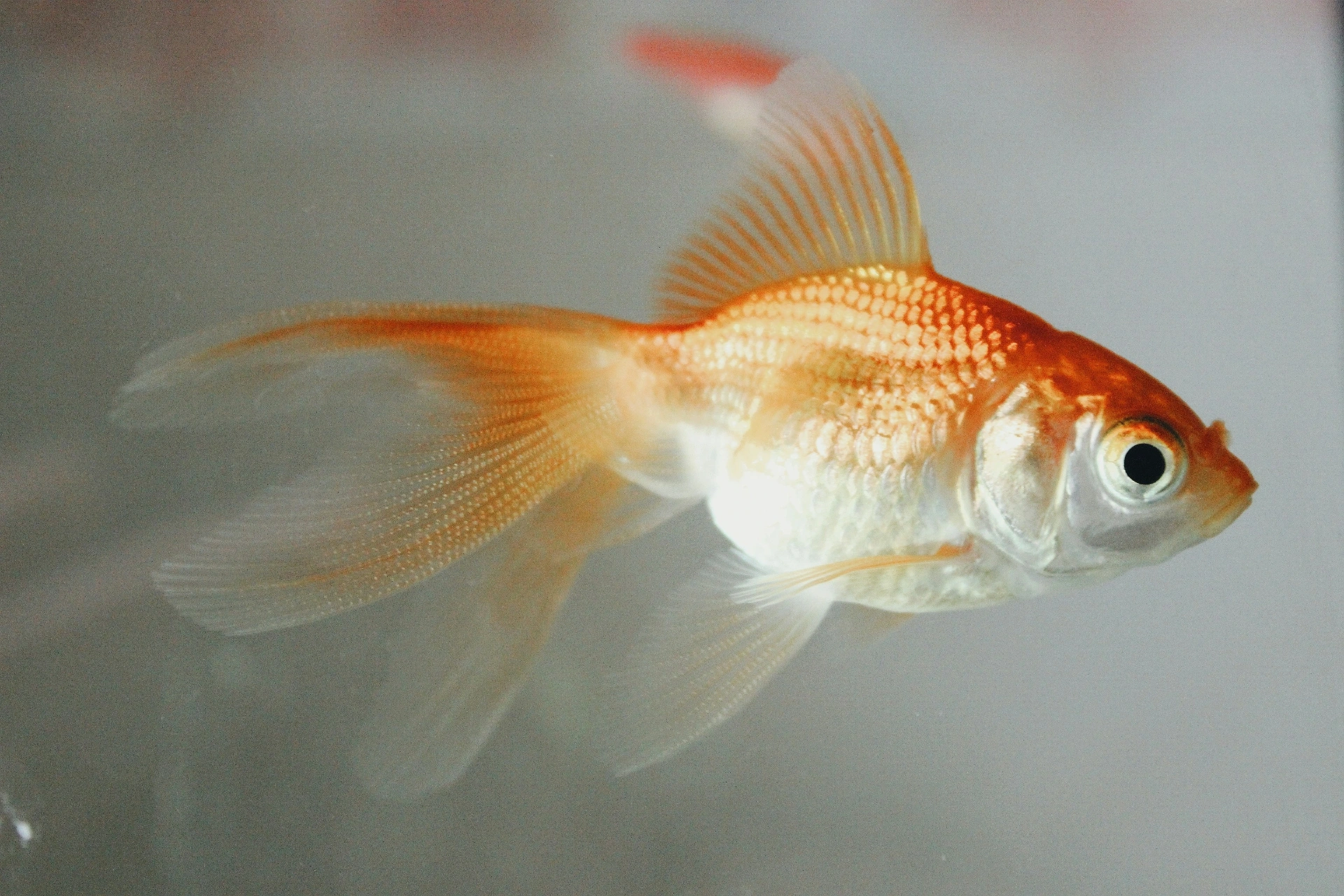
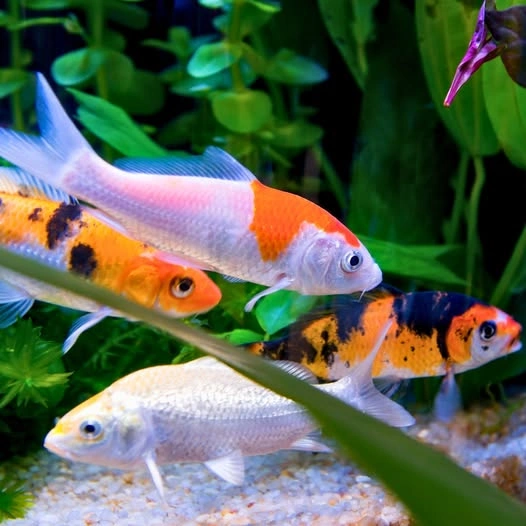
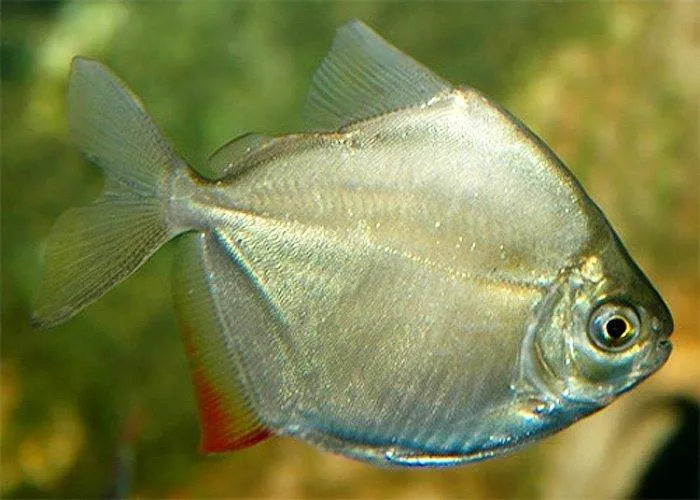
| Population steadily shrinking with no visible damage | Outcompeted by duckweed or salvinia, or being eaten | Remove competing floaters completely; check for goldfish, koi or silver dollars grazing it. |
| Leaves stuck to the filter intake and dying | Surface flow pulling the mat into the strainer | Fit a feeding ring or airline barrier to hold the mat away from the intake. |
| Arrived brown and mushy from an online order | Shipping damage — normal for this species | Salvage firm green leaves, discard the rest, expect recovery within a few weeks. |
Natural habitat & origin
Native range
South America — Amazon basin, Brazil, Paraguay and Argentina
Habitat type
Still and slow-moving backwaters, ponds and flooded margins
Wild growing conditions
Open sunlight on a calm surface, soft to moderately hard water
Phyllanthus fluitans floats on still backwaters and seasonal pools across tropical South America, in open sun with nothing above it. Its leaves have a water-repellent upper surface and the plant sits high on the water — an adaptation to staying dry on top, which only works where the surface is calm.
That explains the single care rule this page repeats. A pump outflow breaking over the leaves is not a condition the plant has any defence against: the leaf surface is built to shed the occasional drop, not to be rained on continuously, and waterlogged tissue rots.
Full tropical sun also explains the colour. Red pigment is protection against light intensity a plant never experiences under an average aquarium LED, so an indoor specimen only reddens when the fixture gets somewhere near that range.
Fish & invert compatibility
Floaters are only at risk from the surface up. Anything that grazes the underside of the mat or thrashes at the top will strip roots and bruise leaves; calm mid- and bottom-dwellers never touch it. Surface-feeders that nip roots are the ones to watch.
Safe with Red Root Floater
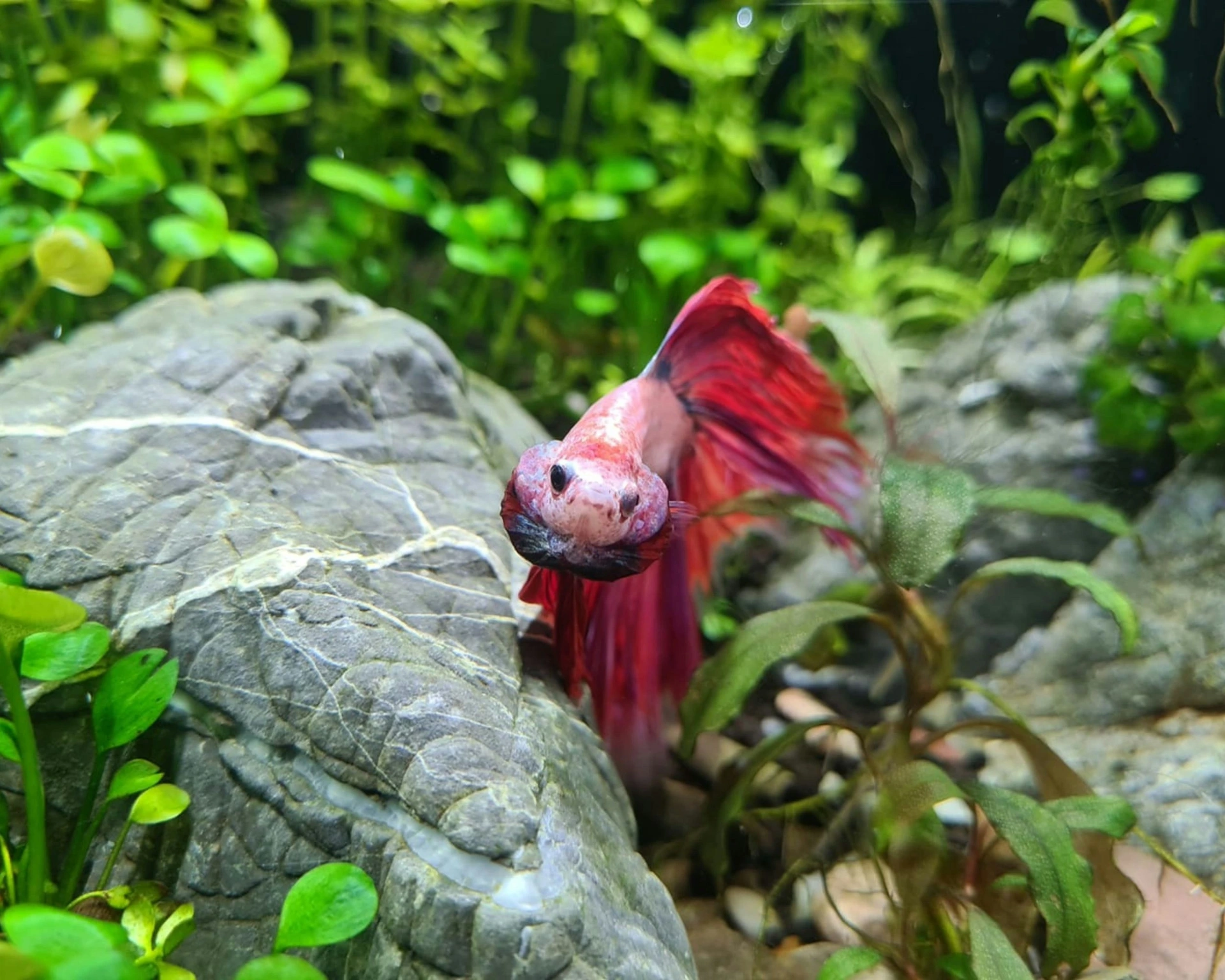 BettaBetta splendens
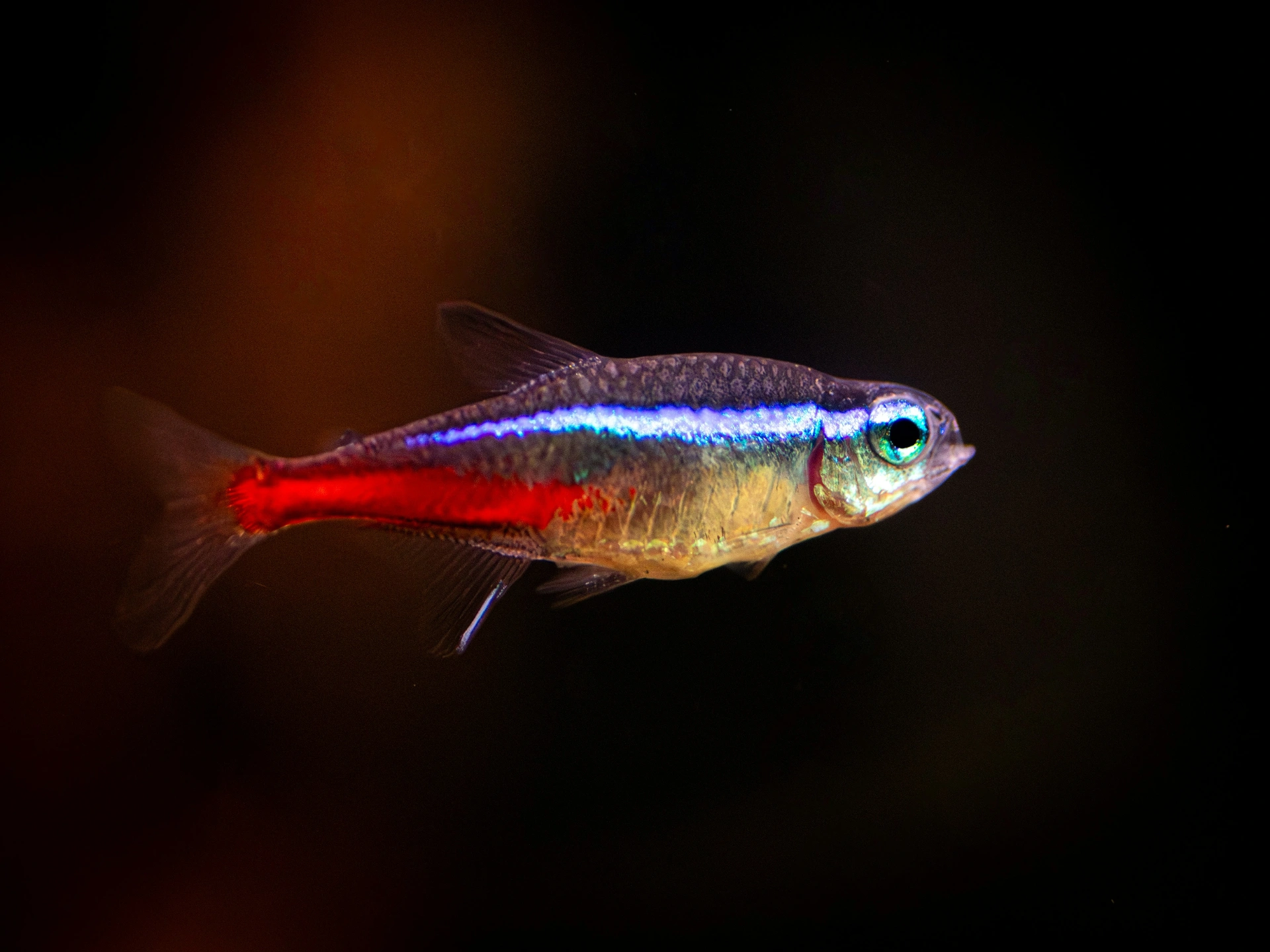 Neon TetraParacheirodon innesi
 Ember TetraHyphessobrycon amandae
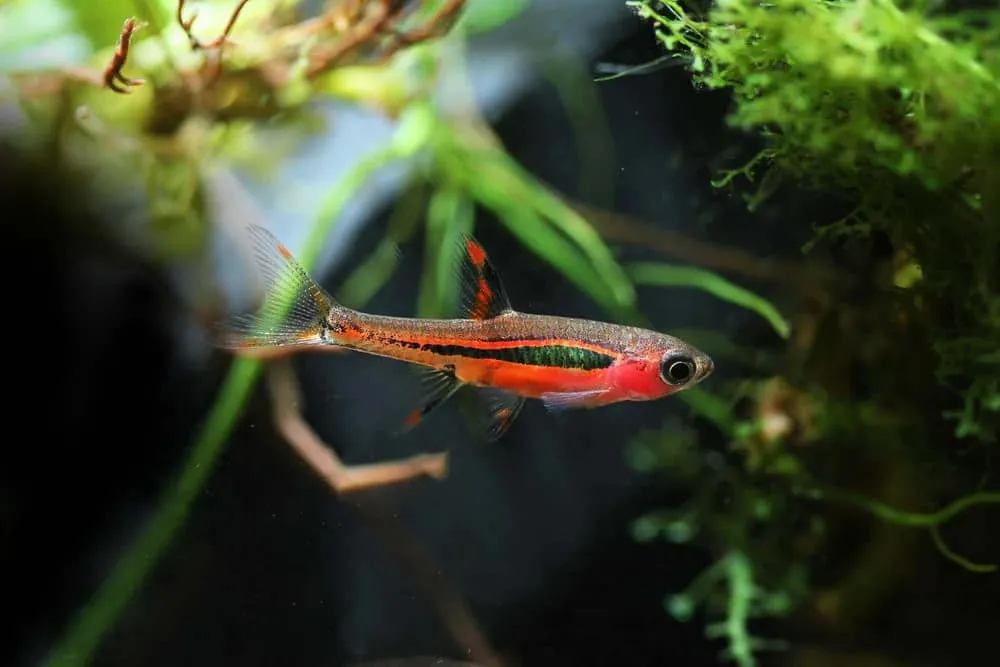 Chili RasboraBoraras brigittae
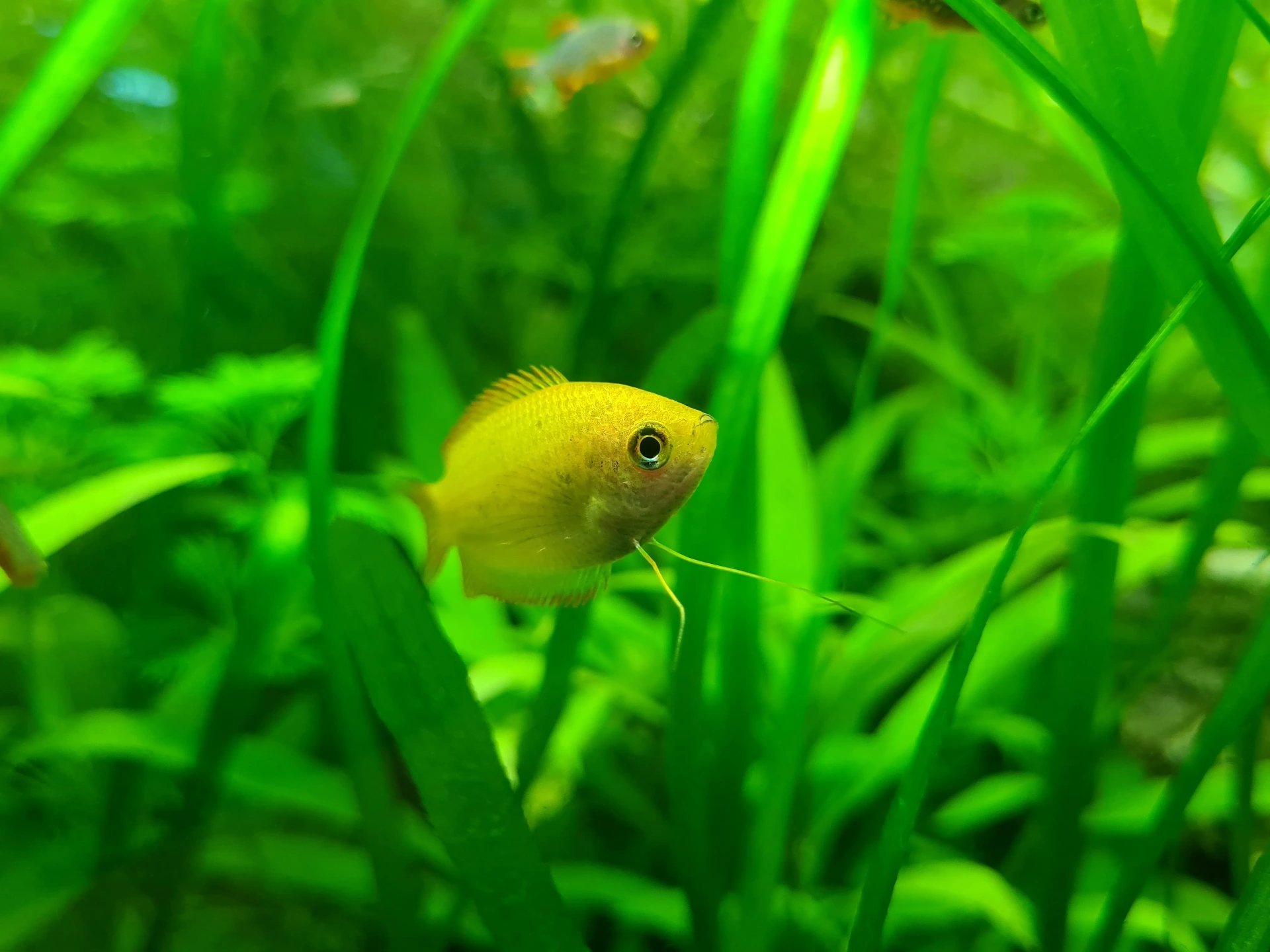 Honey GouramiTrichogaster chuna
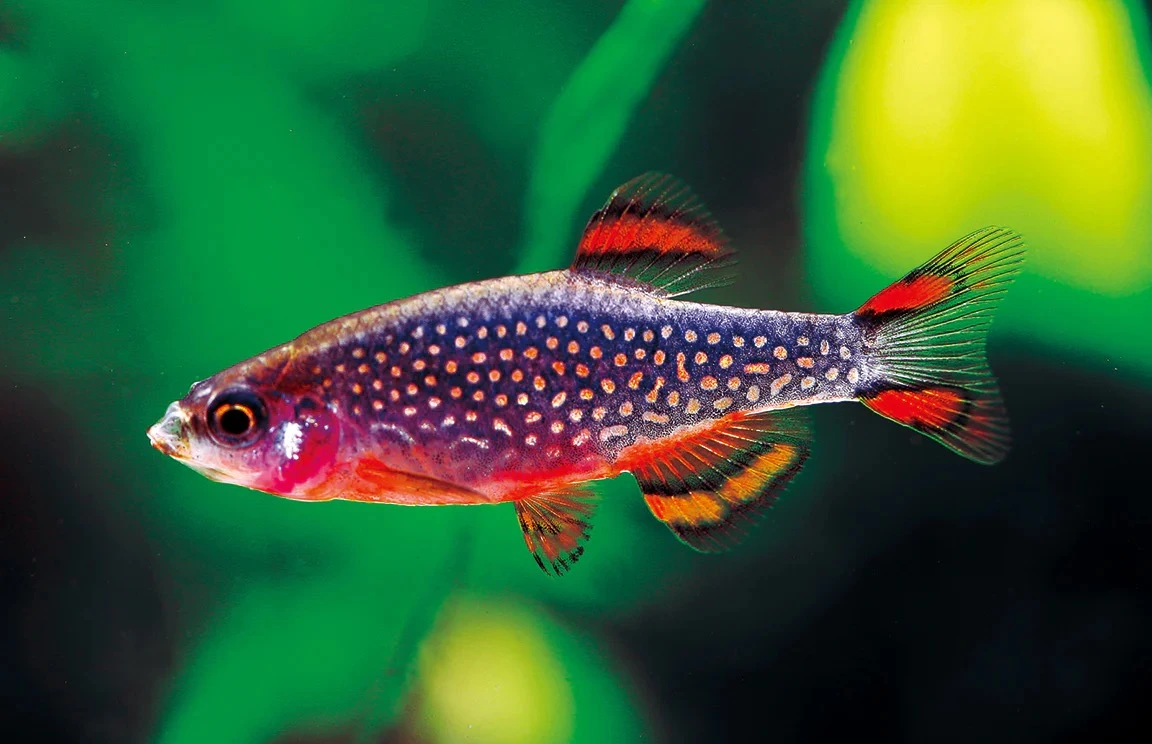 Celestial Pearl DanioDanio margaritatus
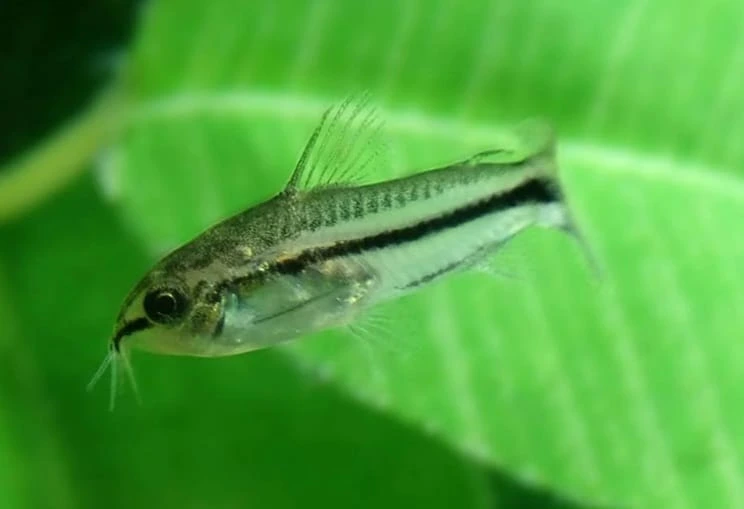 Pygmy CorydorasCorydoras pygmaeus
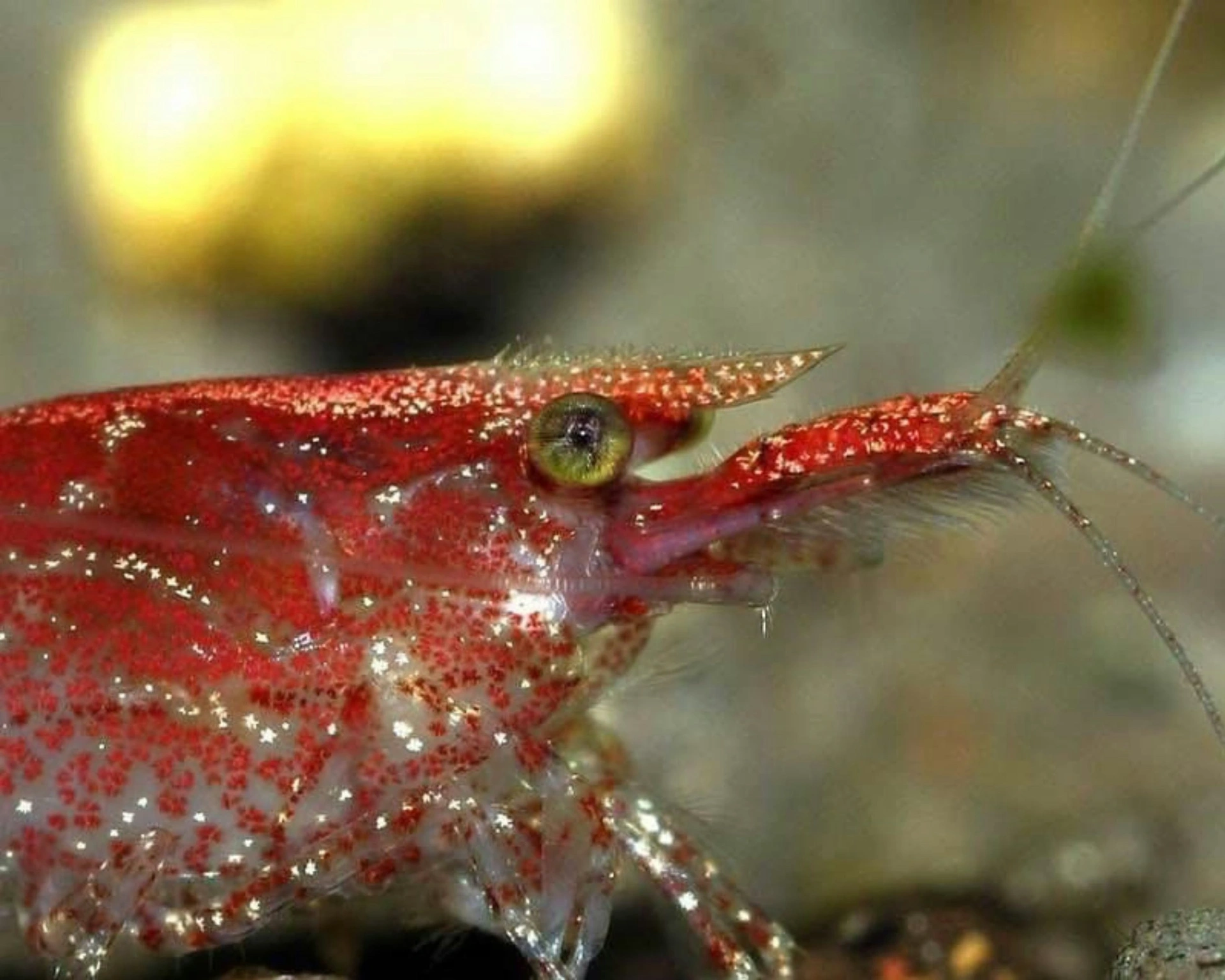 Cherry ShrimpNeocaridina davidi
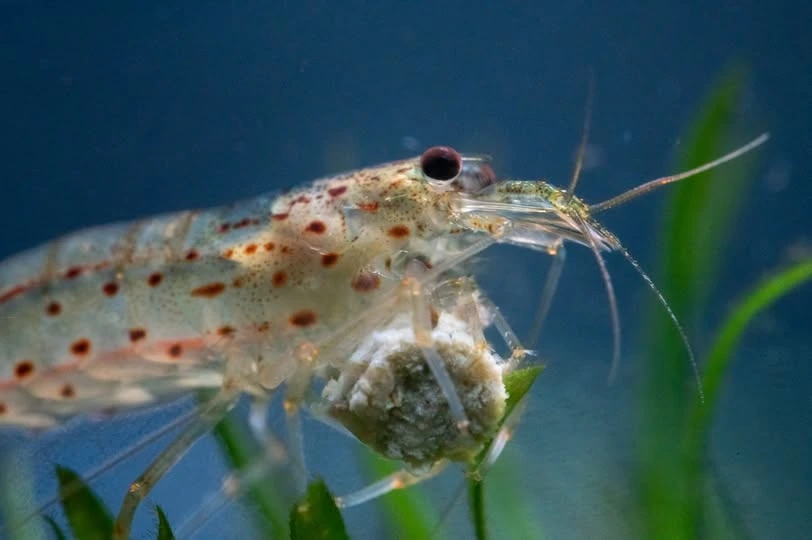 Amano ShrimpCaridina multidentata
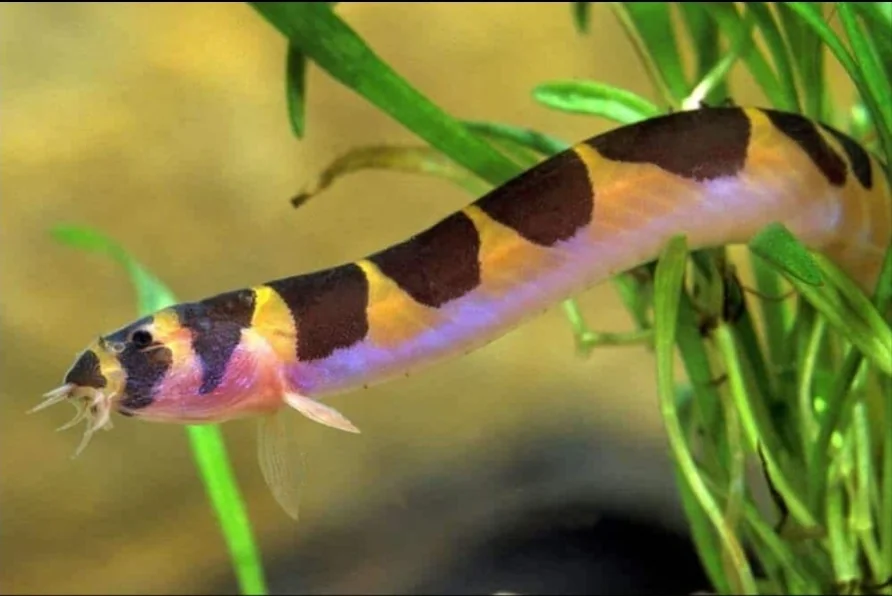 Kuhli LoachPangio kuhlii
Will eat or uproot it
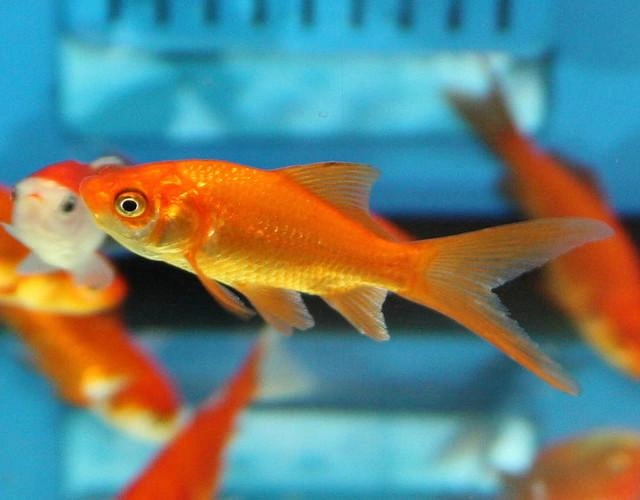
Companion plants
Floaters shade whatever sits below them, so the plants worth pairing are the ones that prefer dim water anyway. These all tolerate a mat overhead without stretching or thinning.
Java Fern
Microsorum pteropus
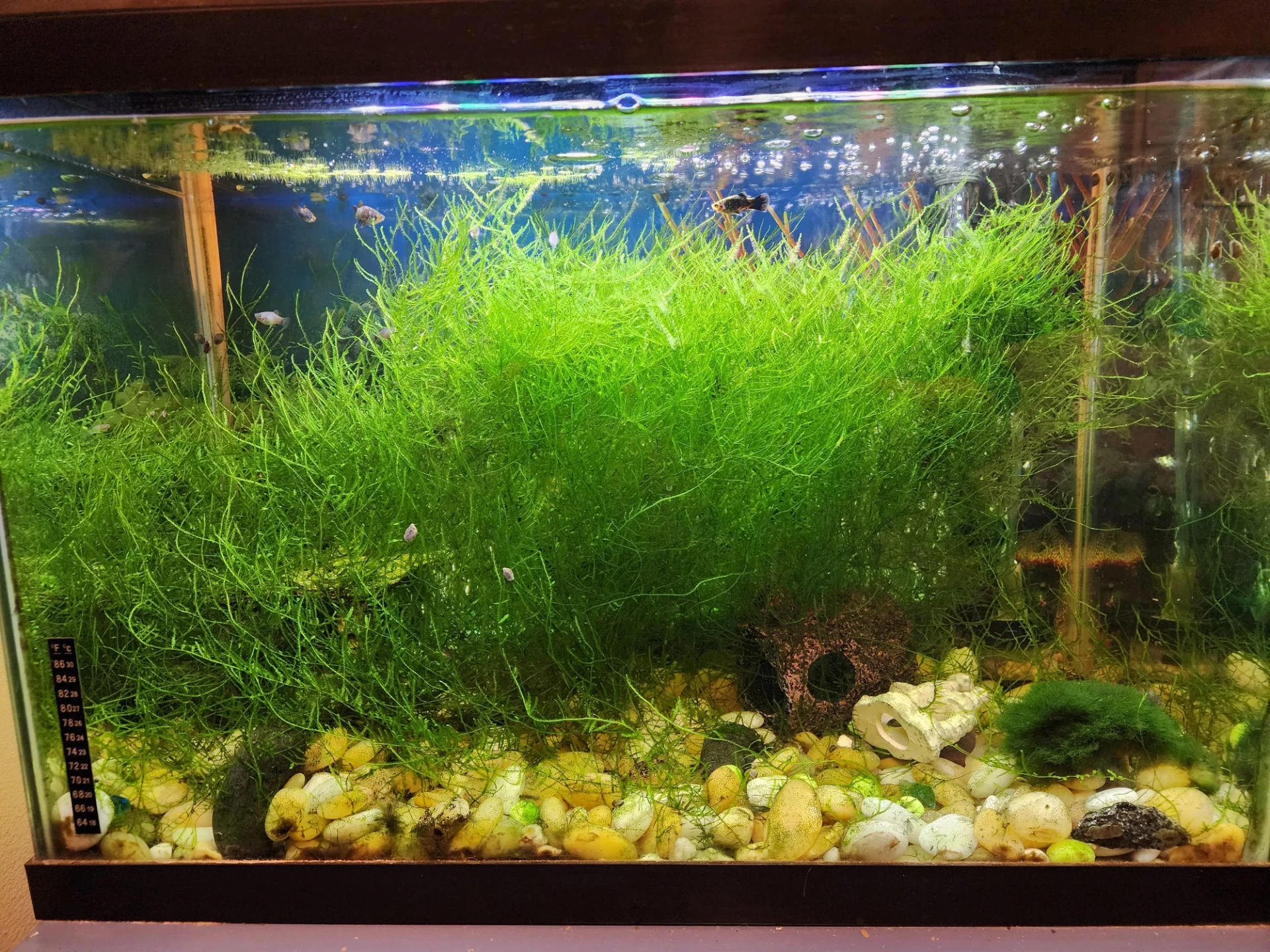
Java Moss
Taxiphyllum barbieri
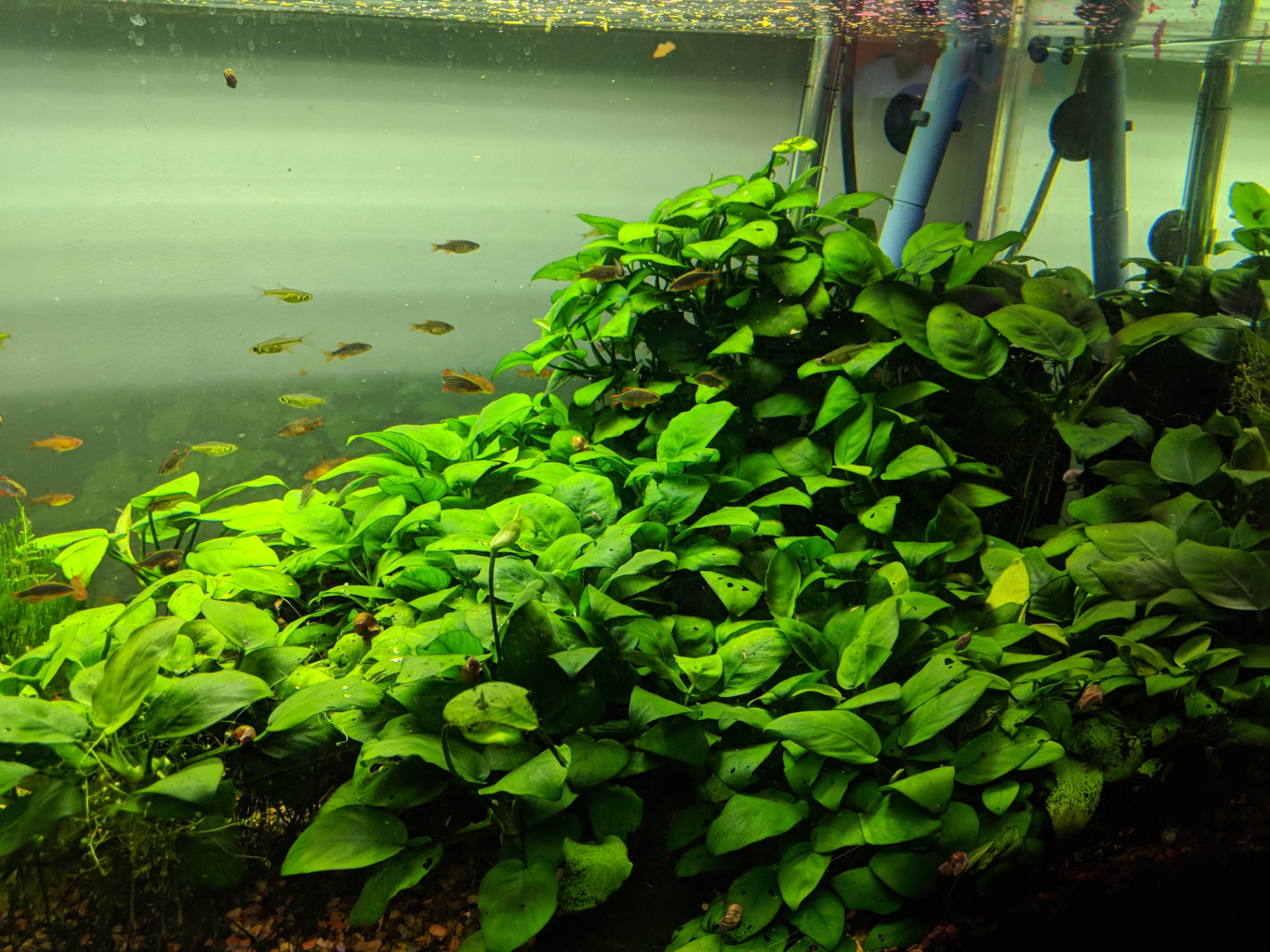
Anubias
Anubias barteri
Pro tips & common mistakes
Pro tips
- Angle a hang-on-back outflow down and slightly along the glass — that alone fixes most red root floater deaths.
- A floating feeding ring doubles as a corral: it keeps the mat in one corner and out of the intake.
- Dose chelated iron if the light is strong and the colour still is not developing.
- Do not keep it with duckweed. Duckweed outcompetes it and cannot be removed once established.
- Thin it weekly rather than in occasional big harvests — a thick mat rots in the middle layer.
Common mistakes
- Buying it for the red colour and running it in a low-light tank, where it stays permanently green.
- Leaving an HOB filter or air stone splashing the surface, which rots the leaves within days.
- Letting the mat cover the whole surface and shading out the plants below.
- Adding it alongside duckweed and expecting it to hold its own.
- Assuming a mushy shipment is dead — a few firm leaves rebuild the colony.
Frequently asked questions
Related plants
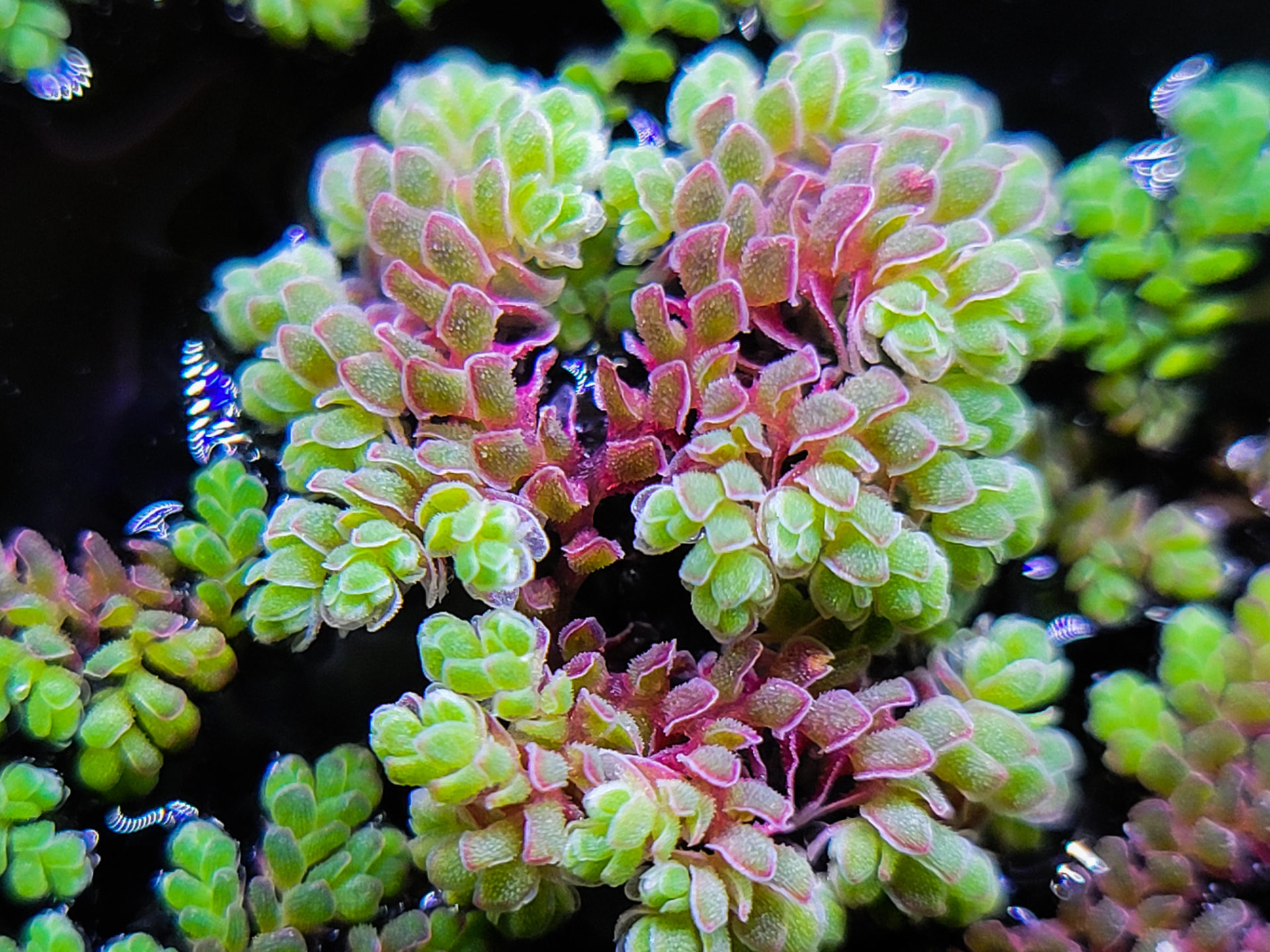
Azolla
Azolla filiculoides
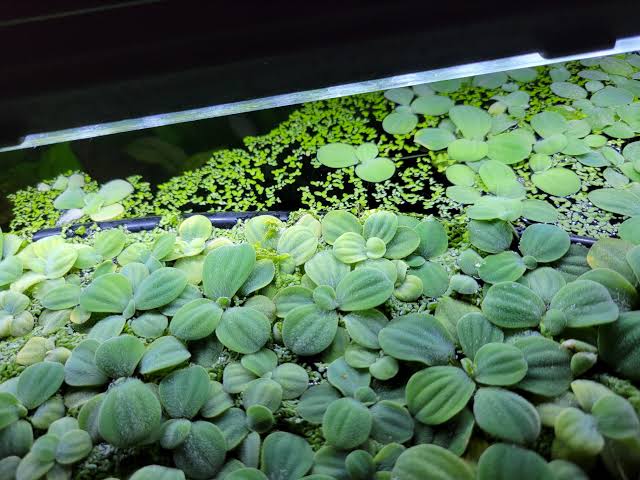
Water Lettuce
Pistia stratiotes
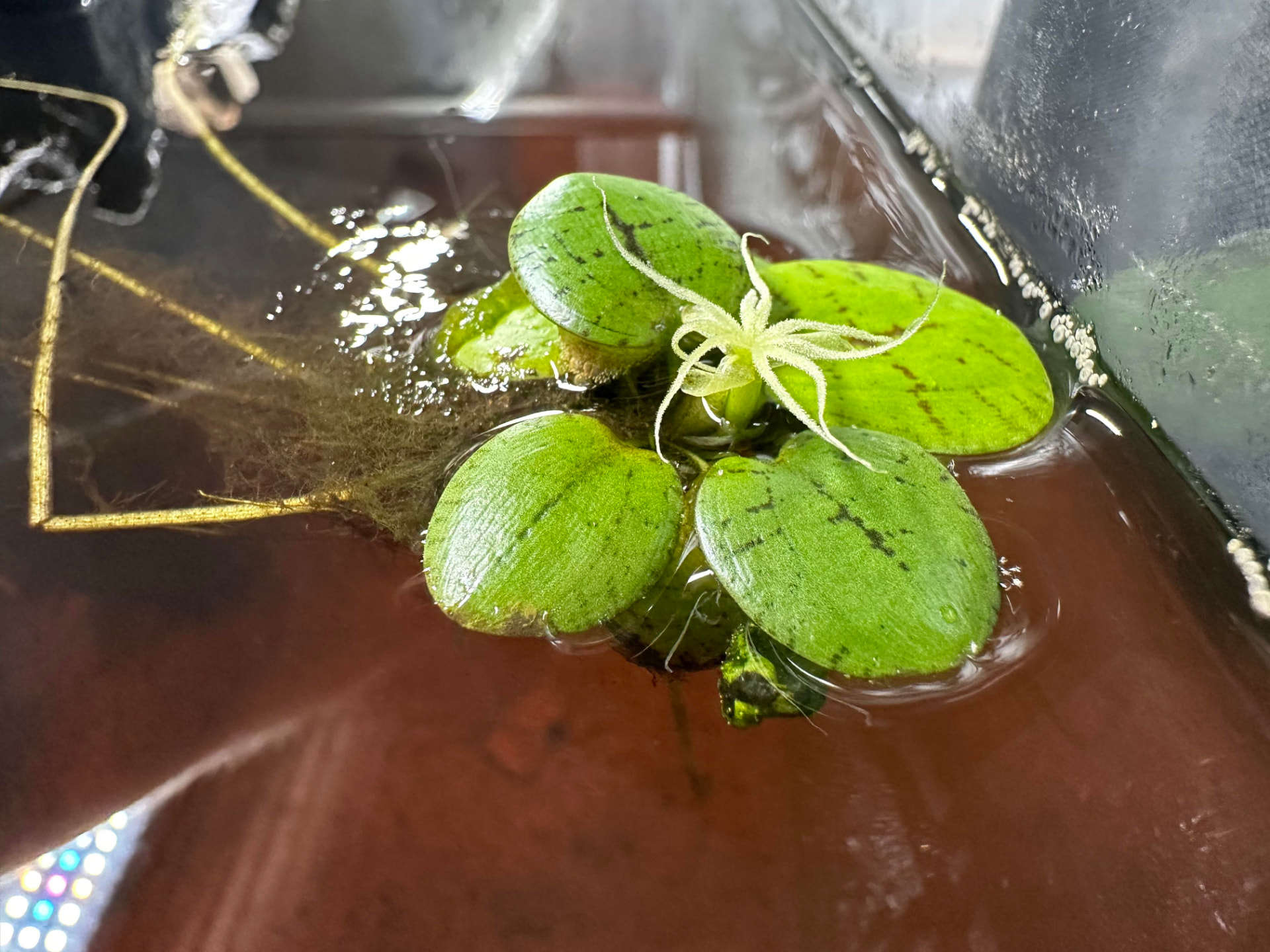
Amazon Frogbit
Limnobium laevigatum
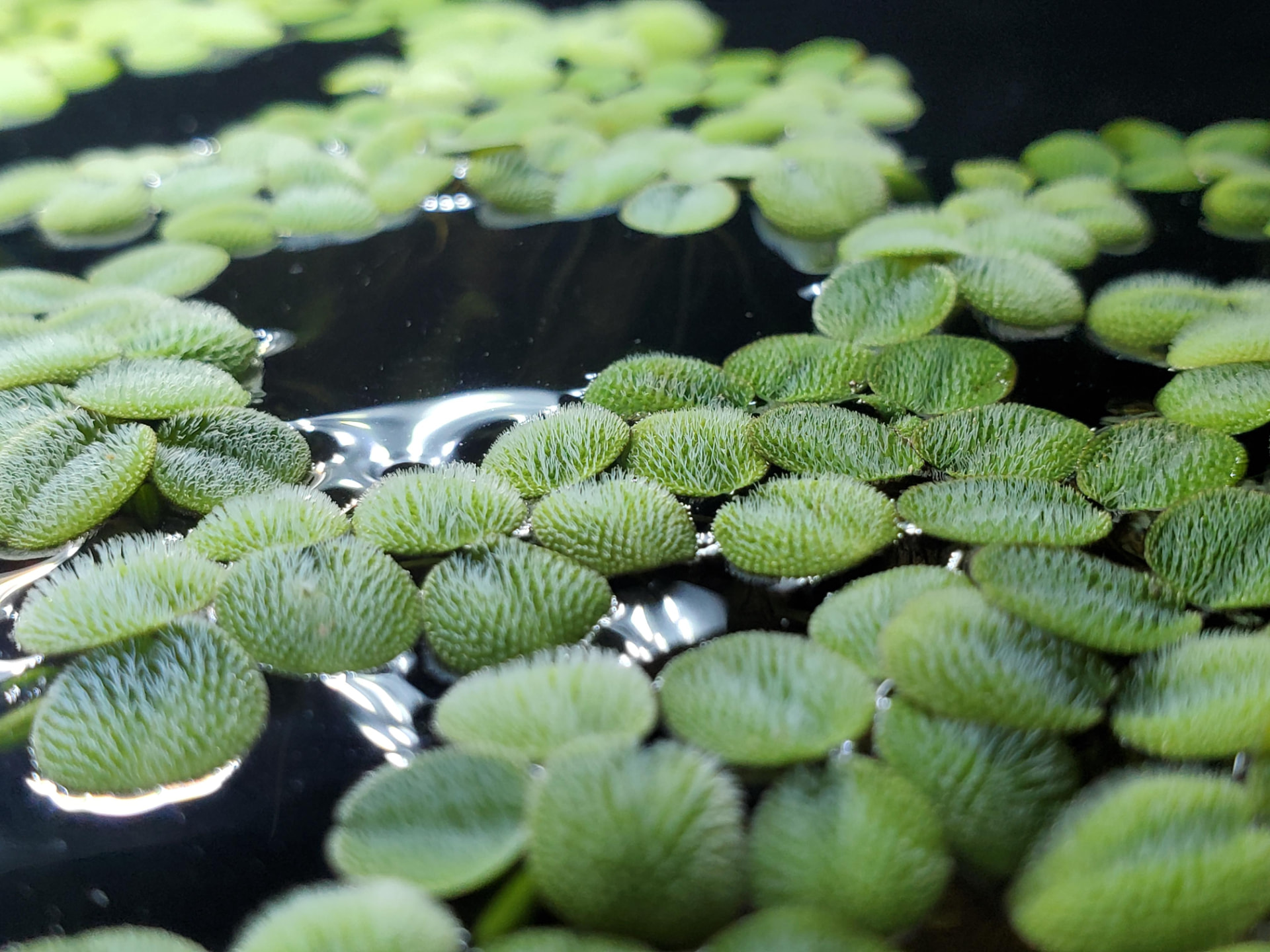
Salvinia
Salvinia minima
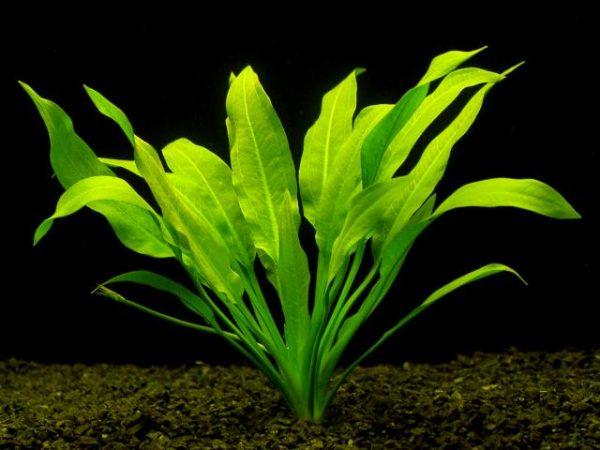
Amazon Sword
Echinodorus grisebachii
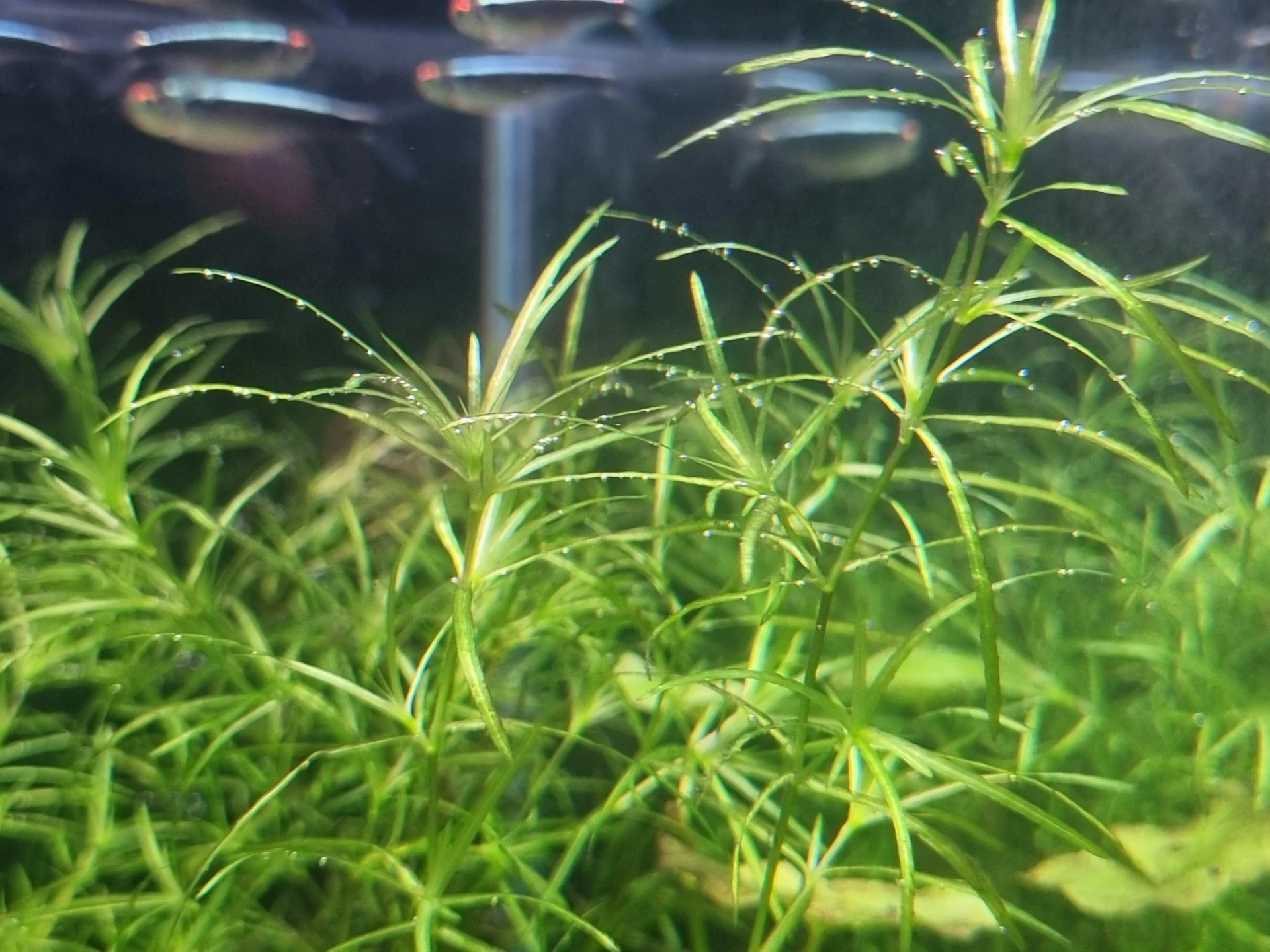
Guppy Grass
Najas guadalupensis
A shaded surface changes your stocking
Dim, covered water suits shy fish and quietens jumpy ones, but it does not add capacity. Check what the tank actually supports before you stock under the mat.
Reviewed by the AquariumStocking team · Updated August 2026