
Care Requirements
Adult Size
5.9" (15cm)
Min Tank
75 gal
Temperature
75-82°F
pH Range
5.5-7.5
Lifespan
10+ years
Min Group
5+ fish
Diet
Herbivore
Swim Level
Middle
Bioload
6/10
Hardness
4-15 dGH
About Silver Dollar
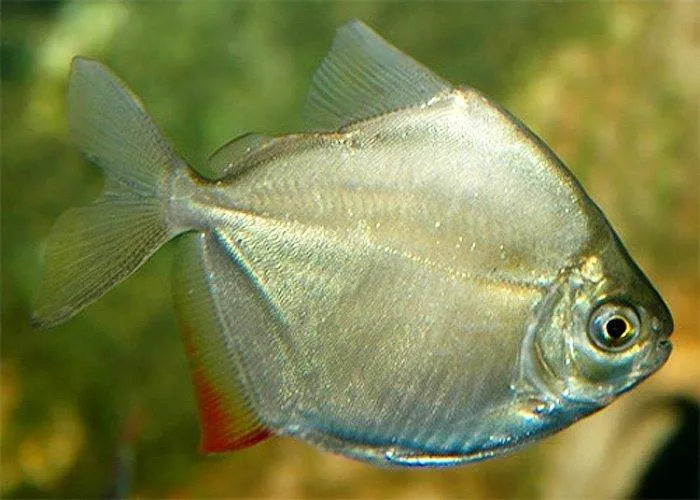
The Silver Dollar is one of the most recognizable large characins in the hobby—a peaceful, disc-shaped silver fish that resembles (and is related to) piranhas but couldn't be more different in temperament. While their carnivorous cousins are infamous for their feeding frenzies, Silver Dollars are gentle giants whose primary interest is devouring every plant in sight.
Their common name comes from their flat, round, silvery body shape that resembles the old silver dollar coins. Despite growing to 6 inches and being related to piranhas, they're remarkably peaceful fish that do best in schools and rarely bother tankmates.
The critical thing to know about Silver Dollars is their extreme herbivorous nature. They will systematically destroy every live plant in an aquarium, usually within days. This makes them completely incompatible with planted tanks but excellent for keepers who want large, active, peaceful fish without the plant maintenance.
Natural Habitat & Origin
Silver Dollars are native to the Amazon River basin, Tapajós River, and throughout tropical South America. They inhabit rivers, flooded forests, and tributaries with abundant vegetation—which they consume enthusiastically.
In the wild, they're found in areas with slow to moderate current, often in large schools among submerged vegetation. During flood season, they move into flooded forest areas where they feed on fruits, seeds, and plant matter that falls into the water. This seasonal abundance of plant material shaped their strongly herbivorous diet.
Native Region
Amazon River basin, Tapajós River, tropical South America
Habitat Type
Rivers, flooded forests, and vegetated tributaries
Wild Water Conditions
Warm (75-82°F), soft to moderately hard, slightly acidic to neutral
Appearance & Varieties
Silver Dollars have a distinctive disc-shaped, laterally compressed body that gives them their common name. Adults reach about 6 inches (15 cm) in diameter and display a bright, reflective silver coloration across their entire body.
Their body shape is an adaptation to avoid predators—when viewed head-on, they're nearly invisible. Males may develop a slightly reddish tinge on the anal fin, and females tend to be rounder when full of eggs, but sexing is generally difficult. Several related species are sold under the 'Silver Dollar' name with similar care requirements.
Tank Setup & Requirements
Quick Requirements Summary
Tank Size
Minimum Tank Size
75 gallons
Recommended Tank Size
110 gallons
Silver Dollars require large tanks with plenty of swimming space. Their most critical requirement is the complete absence of live plants, which they will destroy.
Water Parameters
Temperature 75-82°F (24-28°C), pH 5.5-7.5, hardness 4-18 dGH. They're adaptable within this range. Stability matters more than exact numbers.
Substrate
Any substrate works—they don't interact much with the bottom. Choose based on aesthetic preference.
Plants & Decorations
DO NOT USE LIVE PLANTS—they will be completely destroyed within days. Use artificial plants if plant aesthetics are desired. Smooth rocks and driftwood work well. Avoid sharp decorations as panicking Silver Dollars can injure themselves. Leave large open swimming areas.
Filtration & Water Flow
Strong filtration essential—they produce significant bioload and need good oxygenation. They appreciate some water movement.
Lighting
Moderate lighting. Avoid sudden changes that can startle them.
Diet & Feeding Guide
Diet Type
herbivore
Feeding Frequency
2-3x daily
Portion Size
They have fast metabolisms and graze constantly
Silver Dollars are extreme herbivores—one of the most plant-focused of all aquarium fish. Their diet should be primarily vegetable-based.
Best Foods for Silver Dollar
- Spirulina flakes/pellets — Should be a dietary staple
- Vegetable-based pellets — Herbivore formulations ideal
- Blanched lettuce/romaine — Clip to tank side for grazing
- Blanched zucchini/cucumber — Excellent vegetable supplement
- Duckweed — Grow separately as ongoing food source
- Blanched peas — Good variety
Foods to Avoid
- High-protein diet — They're herbivores, not carnivores
- Meat-heavy foods — Not appropriate for their digestive system
Their herbivorous nature is extreme—they WILL eat every plant in your tank. Provide constant access to vegetable matter. A hungry Silver Dollar is a destructive Silver Dollar. Grow duckweed separately as a free, ongoing food source.
Behavior & Temperament
Despite their piranha-like appearance, Silver Dollars are peaceful schooling fish. They're shy, easily startled, and need groups for security. When kept properly, they're active, engaging fish that recognize their owners and become excited at feeding time.
Their main behavioral concern is their tendency to panic. Sudden movements, loud noises, or perceived threats can trigger frantic swimming that may result in injury from hitting glass or decorations. They school tightly when stressed and spread out when comfortable.
Tank Mates: Compatibility Guide
Compatible Tank Mates
Both reach a similar size and both are plant eaters, so nothing is left to shred
Classic combination—both large South American fish
Severum
Peaceful large cichlid, similar requirements
Peaceful bottom dweller
Large enough to coexist
Tinfoil Barbs
Similar size and temperament
Large Catfish
Peaceful coexistence
Tank Mates to Avoid
Small fish
May be accidentally eaten
Aggressive fish
Will stress the peaceful Silver Dollars
Fin nippers
Silver Dollars are easy targets
Any live plants
Will be completely destroyed
Common Pairing Questions
Can Silver Dollars live with Oscars?
Yes—they're a classic combination. Silver Dollars are large and fast enough not to be eaten, and Oscars aren't aggressive toward fish they can't eat. Both tolerate similar water conditions. Ensure the tank is large enough for both species (125+ gallons).
Will Silver Dollars eat my plants?
Absolutely yes—they will destroy every live plant in your tank, usually within days. Silver Dollars are voracious herbivores. Do not keep them in planted tanks. Use artificial plants only.
Silver Dollars can be bred in home aquariums, though the space requirements make it challenging. They're egg scatterers with no parental care.
Breeding requires very large tanks (100+ gallons), soft acidic water (pH 6.0-6.5), and temperatures around 82-86°F (28-30°C). Condition breeders with vegetable-rich diet. Males chase females during spawning, with eggs scattered near the surface. Remove adults after spawning—they'll eat the eggs.
Eggs hatch in about 3 days. Fry need infusoria initially, then baby brine shrimp, then crushed spirulina and vegetable matter. Breeding is rarely accomplished in home aquariums due to space requirements.
Health Issues & Disease Prevention
Silver Dollars are hardy fish when kept in appropriate conditions. Their main vulnerabilities are stress-related injuries from panicking and nutritional deficiencies from improper diet.
Common Diseases
| Disease | Symptoms | Treatment |
|---|---|---|
| Ich (White Spot Disease) | White spots on body, flashing, clamped fins | Raise temperature to 82-86°F, treat with ich medication |
| Physical Injury | Scrapes, missing scales, wounds from hitting glass or decor | Clean water, remove sharp decorations, reduce stress triggers |
| Nutritional Deficiency | Faded color, lethargy, poor growth | Improve diet with variety of vegetables and spirulina |
Signs of a Healthy Silver Dollar
- Bright silver coloration
- Active schooling
- Good appetite
- Intact scales
- Alert but not panicky behavior
Prevention Tips
- Avoid sudden movements near tank
- Secure lid to prevent jumping
- Remove sharp decorations
- Provide proper herbivore diet
- Keep in groups of 5+
Frequently Asked Questions
Absolutely yes—they will destroy every live plant in your tank, usually within days. Silver Dollars are voracious herbivores. Do not keep them in planted tanks. Use artificial plants only.
Yes, they're in the same family (Serrasalmidae). However, unlike their carnivorous cousins, Silver Dollars are peaceful herbivores. They won't bite humans or attack other fish—they just want to eat your plants.
They're easily startled by sudden movements, loud noises, or perceived threats. They panic easily and can jump with significant force. Keep the tank in a calm area, avoid sudden movements, and always maintain a secure, tight-fitting lid.
Minimum 5, ideally 6-8 or more. They're schooling fish that feel insecure in small numbers. Stressed Silver Dollars panic easily and hide constantly. A proper school is more confident and active.
Minimum 75 gallons, 100+ recommended. They grow to 6 inches, are active swimmers, and need to be kept in schools. Small tanks lead to stress, stunted growth, and health problems.
Yes—they're a classic combination. Silver Dollars are large and fast enough not to be eaten, and Oscars aren't aggressive toward fish they can't eat. Both tolerate similar water conditions. Ensure the tank is large enough for both species (125+ gallons).
Tips for Keeping Silver Dollar
Pro Tips
- ✓Grow duckweed in a separate container as a free, ongoing food source
- ✓Their flat, silver body shape is an adaptation to avoid predators by being hard to see head-on
- ✓Cover three sides of the tank to reduce startling from outside movement
- ✓Feed romaine lettuce clipped to the side of the tank for grazing
- ✓Classic tankmate for Oscars and large South American cichlids
- ✓Despite their size, they're gentle giants—just keep them away from plants
- ✓A long-lived species—expect 10+ years commitment
- ✓Red-hook and other Silver Dollar species have similar care requirements
Common Mistakes to Avoid
- ✗Keeping in planted tanks—plants WILL be destroyed
- ✗Tank too small—they need 75+ gallons minimum for a school
- ✗School too small—need 5+ for security
- ✗No secure lid—they jump and can injure or kill themselves
- ✗Sharp decorations—panicking fish injure themselves
- ✗Not enough vegetable matter in diet—they're herbivores
- ✗Buying based on small juvenile size—they grow to 6 inches
- ✗Placing tank in high-traffic area—constant stress from movement
Sources
- FishBase — Accepted scientific name, maximum size and native range for Silver Dollar.
Related Species You Might Like
View All Fish →
Silver Hatchetfish
Gasteropelecus sternicla

Acei Cichlid
Pseudotropheus acei
Common Goldfish
Carassius auratus
Common Pleco
Hypostomus plecostomus
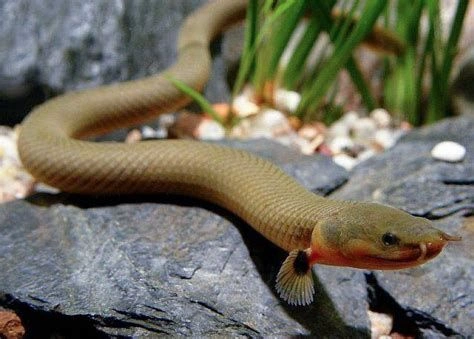
Rope Fish
Erpetoichthys calabaricus
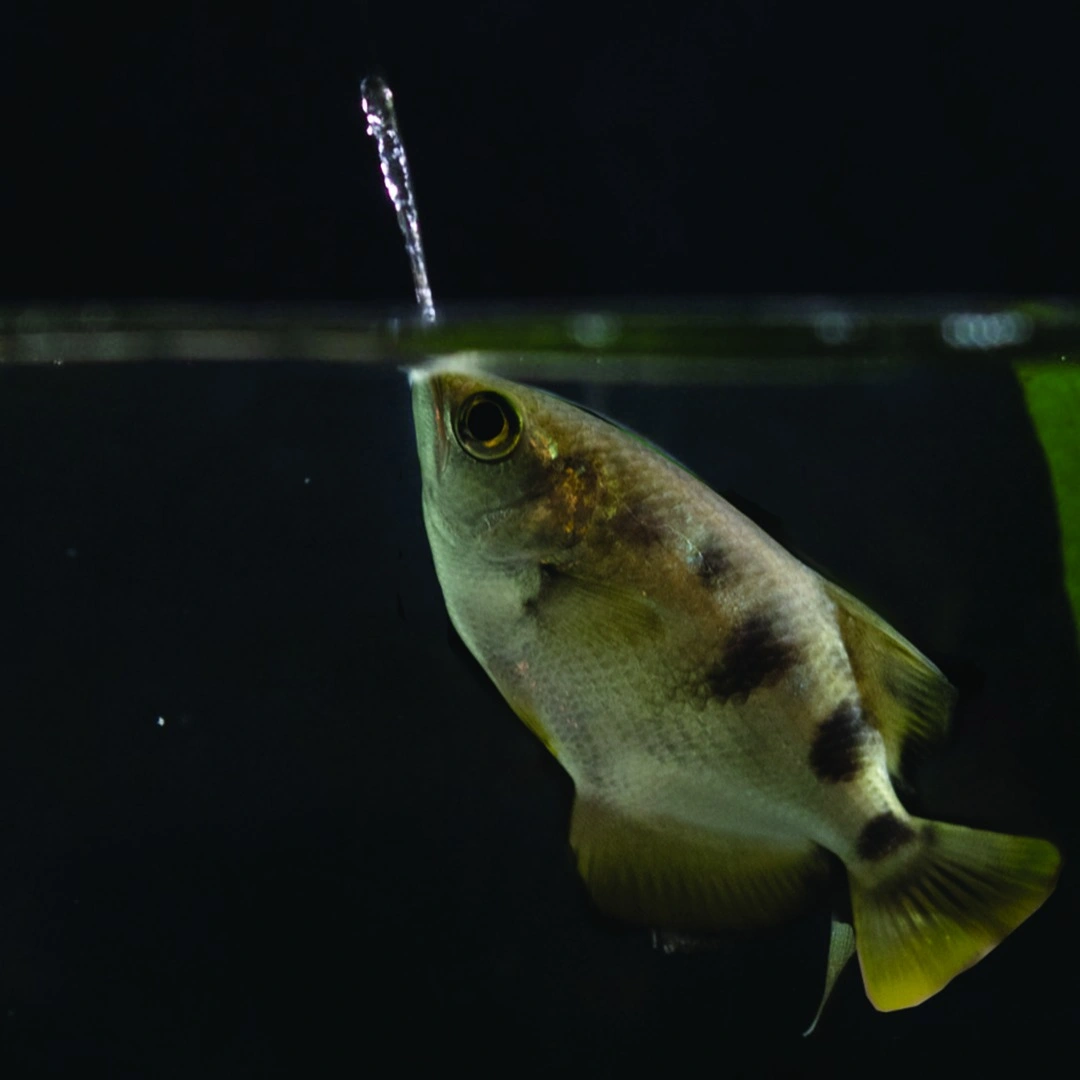
Archer Fish
Toxotes jaculatrix

Bumblebee Cichlid
Pseudotropheus crabro

Electric Blue Hap
Sciaenochromis fryeri
Ready to Add Silver Dollar to Your Tank?
Use our free stocking calculator to check compatibility, bioload, and get personalized recommendations.