
Care Requirements
Adult Size
9.8" (25cm)
Min Tank
120 gal
Temperature
77-86°F
pH Range
7-8.5
Lifespan
5-10 years
Min Group
4+ fish
Diet
Carnivore
Swim Level
Top
Bioload
3/10
Hardness
15-30 dGH
About Archer Fish
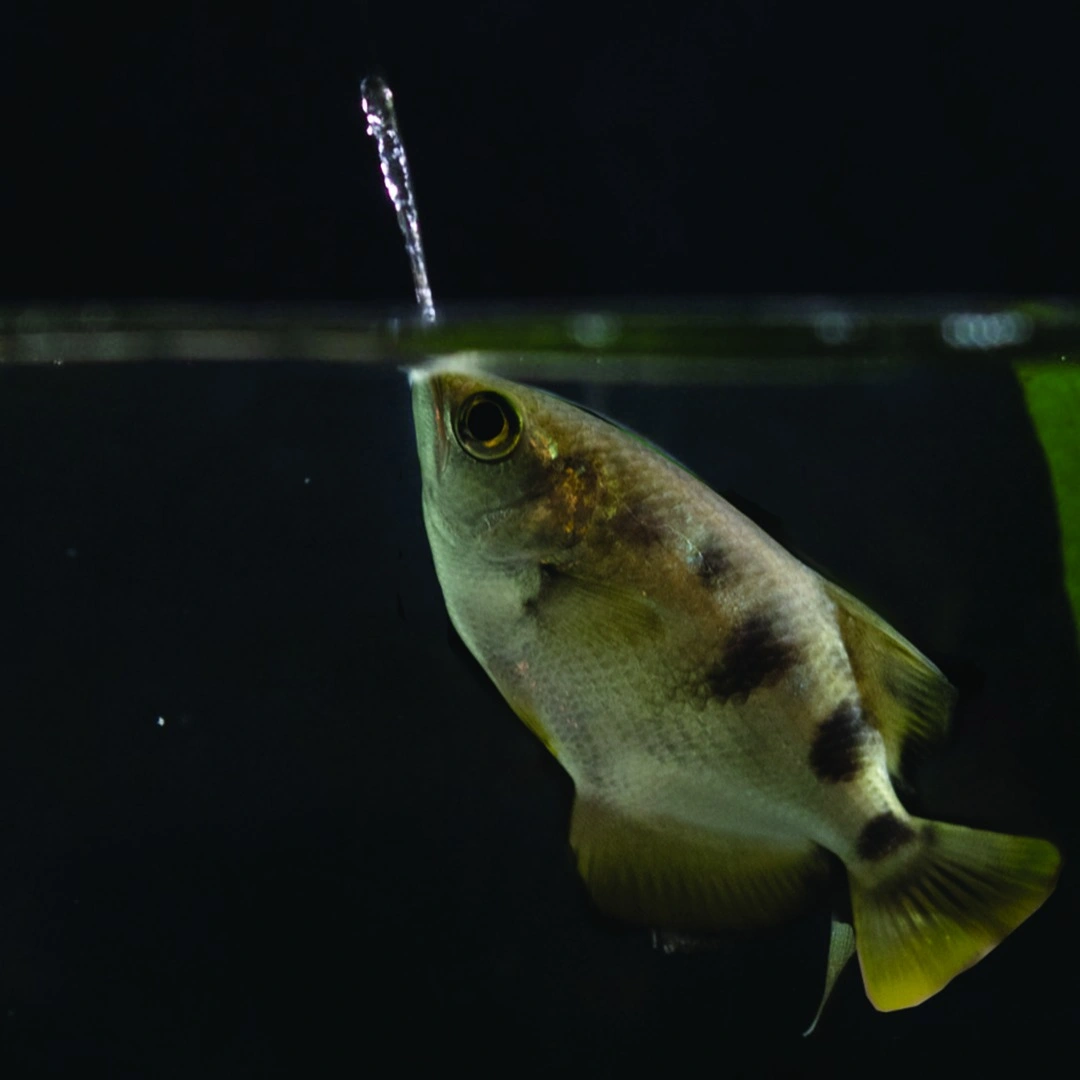
Archer Fish possess one of nature's most remarkable hunting adaptations — the ability to shoot precisely aimed jets of water to knock insects from overhanging vegetation into their waiting mouths below. This behavior has fascinated naturalists for centuries and makes them among the most uniquely entertaining aquarium fish available.
The physics of their hunting are extraordinary. They must compensate for light refraction at the water surface, predict where knocked prey will fall, and adjust for distance and target movement — all with a brain the size of a pea. Studies show they learn to improve accuracy over time and can hit targets over a meter above the water surface.
In aquariums, they retain these hunting instincts fully. Providing opportunities to hunt live insects above the water surface showcases their natural behavior in spectacular fashion. However, they also adapt readily to conventional aquarium feeding when hunting opportunities aren't available.
Archer Fish are brackish water fish preferring some salinity, though they tolerate fresh water better than many brackish species. They're schooling fish that should be kept in groups where hierarchy establishes. Solitary Archer Fish are stressed fish. They're excellent jumpers requiring absolutely secure lids.
Natural Habitat & Origin
Archer Fish inhabit coastal brackish environments across an enormous Indo-Pacific range — from India through Southeast Asia to Australia and Pacific islands. Mangrove forests, estuaries, and coastal streams where fresh and salt water mix are their primary habitat.
Their natural environment features fluctuating salinity depending on tides, rainfall, and season. Mangrove environments provide the overhanging vegetation essential to their hunting strategy.
They're schooling fish in the wild, hunting in groups where competition likely drives improvement in spitting accuracy. Schools patrol territory together, watching the vegetation above for potential prey.
Wild diet consists primarily of insects knocked from overhanging vegetation, though they also consume insects that fall naturally onto the water surface and small fish.
Native Region
Indo-Pacific — India, Southeast Asia, Australia, Oceania
Habitat Type
Coastal mangroves, brackish estuaries, tidal streams
Wild Water Conditions
Warm (26-30°C), brackish (varying salinity), hard, alkaline
Appearance & Varieties
Archer Fish possess a distinctive profile adapted for surface hunting — laterally compressed body with strongly upturned mouth, flattened head, and large, high-set eyes positioned for viewing above the waterline. Coloration is silvery with 4-6 bold black bars or wedge-shaped patches. Adults reach approximately 10 inches (25 cm). Sexual dimorphism is minimal.
Popular Varieties
| Variety | Description | Rarity |
|---|---|---|
| Banded Archer (T. jaculatrix) | Silver body with 4-5 black bars. The most common species in the hobby. Bold markings on sleek profile. | Common |
| Largescale Archer (T. chatareus) | Similar appearance with slightly different bar pattern and larger scales. Often sold interchangeably. Equally hardy. | Common |
Tank Setup & Requirements
Quick Requirements Summary
Tank Size
Minimum Tank Size
120 gallons
Recommended Tank Size
150 gallons
Archer Fish require spacious tanks with above-water space for hunting, appropriate water chemistry (preferably brackish), and secure lids.
Water Parameters
Brackish water is ideal — SG 1.005-1.015 covers their preferred range. They tolerate fresh water but generally do better with some salt. Hard, alkaline conditions (pH 7.0-8.5) suit them well. If maintaining in freshwater, keep it hard and alkaline.
Substrate
Substrate type isn't critical — they're surface dwellers rarely interacting with the bottom. Choose based on aesthetics. Natural or darker colors often work better than light substrates.
Plants & Decorations
Provide branches or platforms extending above the water surface where food can be placed for hunting. This is what makes keeping Archer Fish uniquely rewarding. Salt-tolerant plants if brackish — Java Fern, Java Moss, Anubias tolerate light brackish. Floating plants are fine but shouldn't completely cover the surface — they need clear striking lanes.
Filtration & Water Flow
Good filtration maintains water quality. They tolerate moderate current. In brackish setups, ensure equipment is salt-tolerant. Surface-dwelling fish appreciate surface movement for oxygenation.
Lighting
No special requirements — standard aquarium lighting works well. Bright enough to see their markings and hunting behavior.
Diet & Feeding Guide
Diet Type
carnivore
Feeding Frequency
Once or twice daily
Portion Size
Moderate amounts consumed at the surface. Ensure all individuals in the group get food.
Archer Fish are carnivores naturally feeding on insects but accepting a wide variety of foods in captivity. Their hunting behavior can be encouraged with appropriate above-water feeding.
Best Foods for Archer Fish
- Live insects above water — Crickets, flies, beetles placed on above-water branches trigger spectacular spitting behavior. The main reason many people keep these fish.
- Floating pellets — Quality floating carnivore pellets accepted readily. Convenient staple food.
- Frozen bloodworms — Eagerly consumed, good nutrition. Float at surface for best acceptance.
- Frozen brine shrimp — Readily accepted, good variety food.
- Frozen mysis shrimp — Nutritious, usually accepted. Good protein source.
- Live insects on water surface — Crickets or other insects floating on the surface are taken readily.
Foods to Avoid
- Sinking foods — Surface feeders that won't pursue food to the bottom. All foods should float.
- Plant-based foods — Carnivores that don't utilize plant matter.
- Small processed flakes — Pellets and more substantial foods are better suited to their size.
They're fairly aggressive feeders in groups — ensure all individuals get food. Occasional hunting sessions with live insects above water provide enrichment beyond nutrition.
Behavior & Temperament
Archer Fish are active, social fish that establish hierarchies within their groups. Dominance displays and minor chasing are normal — keeping groups of 6+ spreads aggression.
Their spitting behavior is their defining characteristic. When prey is spotted above water, they position themselves just below the surface, take precise aim, and shoot a powerful water jet that can reach over a meter high.
They're surface-oriented fish spending most time in the upper water column watching for prey above. Their eyes are adapted for surface viewing, allowing clear vision both above and below the waterline.
Toward other species, they're generally peaceful unless tankmates are small enough to eat.
Tank Mates: Compatibility Guide
Compatible Tank Mates
Monos (Monodactylus)
Classic brackish companions. Active schooling fish of appropriate size.
Scats (Scatophagus)
Hardy brackish fish tolerating same conditions. Active mid-water swimmers.
Larger gobies
Bottom dwellers staying out of surface territory.
Brackish puffer occupying different zone. Monitor for aggression.
Other Archer Fish
Social species that should be kept in groups.
Tank Mates to Avoid
Small fish
Will be consumed — they're capable predators.
Freshwater fish intolerant of salt
If maintaining proper brackish conditions, many freshwater fish won't survive.
Slow surface dwellers
Competition for surface territory. Archers will outcompete and possibly harass.
Aggressive cichlids
Unnecessary aggression disrupts natural behavior.
Dwarf shrimp
Natural prey — will be consumed readily.
Common Pairing Questions
Can Archer Fish live with freshwater fish?
If maintained in freshwater, yes — but they do better in brackish conditions. If brackish, tankmates must be salt-tolerant.
How many Archer Fish should I keep?
At least 4-6, preferably more. They're social fish establishing hierarchies. Larger groups spread aggression.
Breeding Archer Fish in aquariums is extremely rare. Most specimens are wild-caught from their Indo-Pacific range or raised in outdoor ponds in tropical regions. Sexing is difficult and triggering factors are unknown.
Health Issues & Disease Prevention
Archer Fish are reasonably hardy when their needs are met — appropriate salinity, water quality, and social grouping. Most health issues relate to inappropriate freshwater keeping or stress from solitary confinement.
Common Diseases
| Disease | Symptoms | Treatment |
|---|---|---|
| Ich (White Spot) | White spots on body and fins, flashing, scratching. | Brackish conditions naturally help — increase salinity slightly. Raise temperature. |
| Bacterial infections | Fin deterioration, body lesions, cloudy eyes. | Improve water quality. Salt-tolerant antibacterial medication. |
| Freshwater stress | Faded color, reduced activity, increased disease susceptibility. | Add marine salt to achieve light brackish conditions (SG 1.005-1.010). |
| Social stress | Hiding, food refusal, being targeted by group, injuries. | Ensure group size is adequate (6+) or separate severely bullied individuals. |
| Internal parasites | Weight loss, stringy feces, loss of condition. | Anti-parasitic medication appropriate for brackish fish. |
Signs of a Healthy Archer Fish
- Bold black markings
- Active surface patrolling
- Strong feeding response
- Clear eyes and fins
- Good body weight
- Interest in potential prey above water
Prevention Tips
- Maintain appropriate brackish conditions
- Keep in groups of 6+
- Provide secure lid — they jump powerfully
- Ensure adequate tank size for groups
- Feed varied carnivore diet
Frequently Asked Questions
Yes — this is their defining behavior. They shoot powerful, precisely-aimed jets of water that can reach over a meter above the surface to knock insects from overhanging vegetation. They compensate for light refraction, predict trajectory, and adjust for distance.
They strongly prefer it. While they survive in freshwater, they thrive in brackish conditions (SG 1.005-1.015). Brackish conditions improve color, behavior, and disease resistance.
At least 4-6, preferably more. They're social fish establishing hierarchies. Solitary Archer Fish become stressed. Larger groups spread social pressure so no single fish is constantly targeted.
Provide above-water targets. Place branches above the water surface and put live insects on them. Make sure fish have clear 'shooting lanes' without floating plant interference. Not all individuals are equally talented.
Absolutely — they're powerful jumpers. They can jump several feet, especially when startled or hunting. Secure lids with no gaps are mandatory.
Brackish-tolerant species of appropriate size — Monos, Scats, larger gobies. Avoid small fish (prey), freshwater fish intolerant of salt, and aggressive species.
Tips for Keeping Archer Fish
Pro Tips
- ✓Create an above-water hunting zone with branches where insects can be placed — the main reason to keep these fish.
- ✓Practice hunting improves accuracy — young fish miss frequently but get better.
- ✓Brackish conditions prevent many common freshwater diseases naturally.
- ✓Larger groups (6+) mean less bullying than small groups of 3-4.
Common Mistakes to Avoid
- ✗Keeping in freshwater — suboptimal health, faded colors, increased disease.
- ✗Keeping alone or in pairs — stress and aggression problems.
- ✗Inadequate lid security — powerful jumpers found on floor.
- ✗Tank too small for groups — stress, aggression, poor health.
- ✗Never providing hunting opportunities — missing the main reason to keep them.
Sources
- FishBase — Accepted scientific name, maximum size and native range for Archer Fish.
Related Species You Might Like
View All Fish →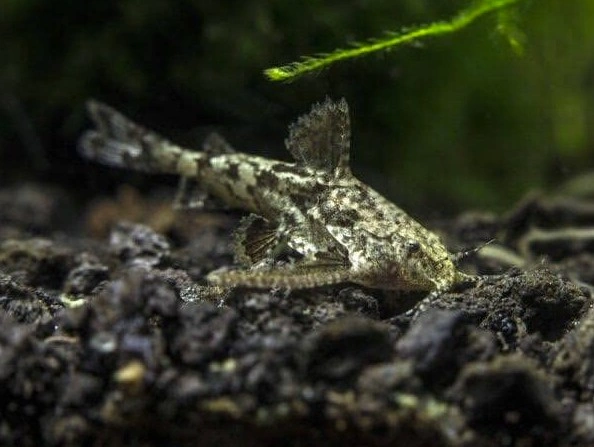
Asian Stone Catfish
Hara jerdoni
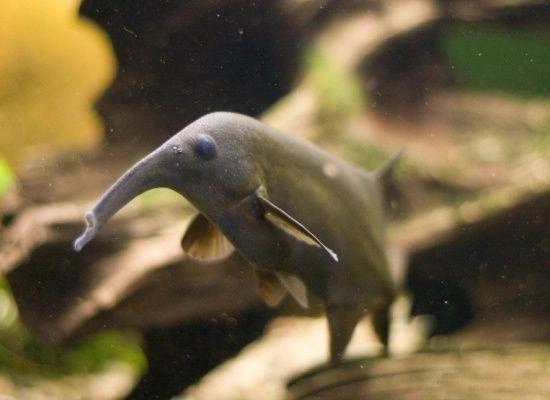
Elephant Nose Fish
Gnathonemus petersii
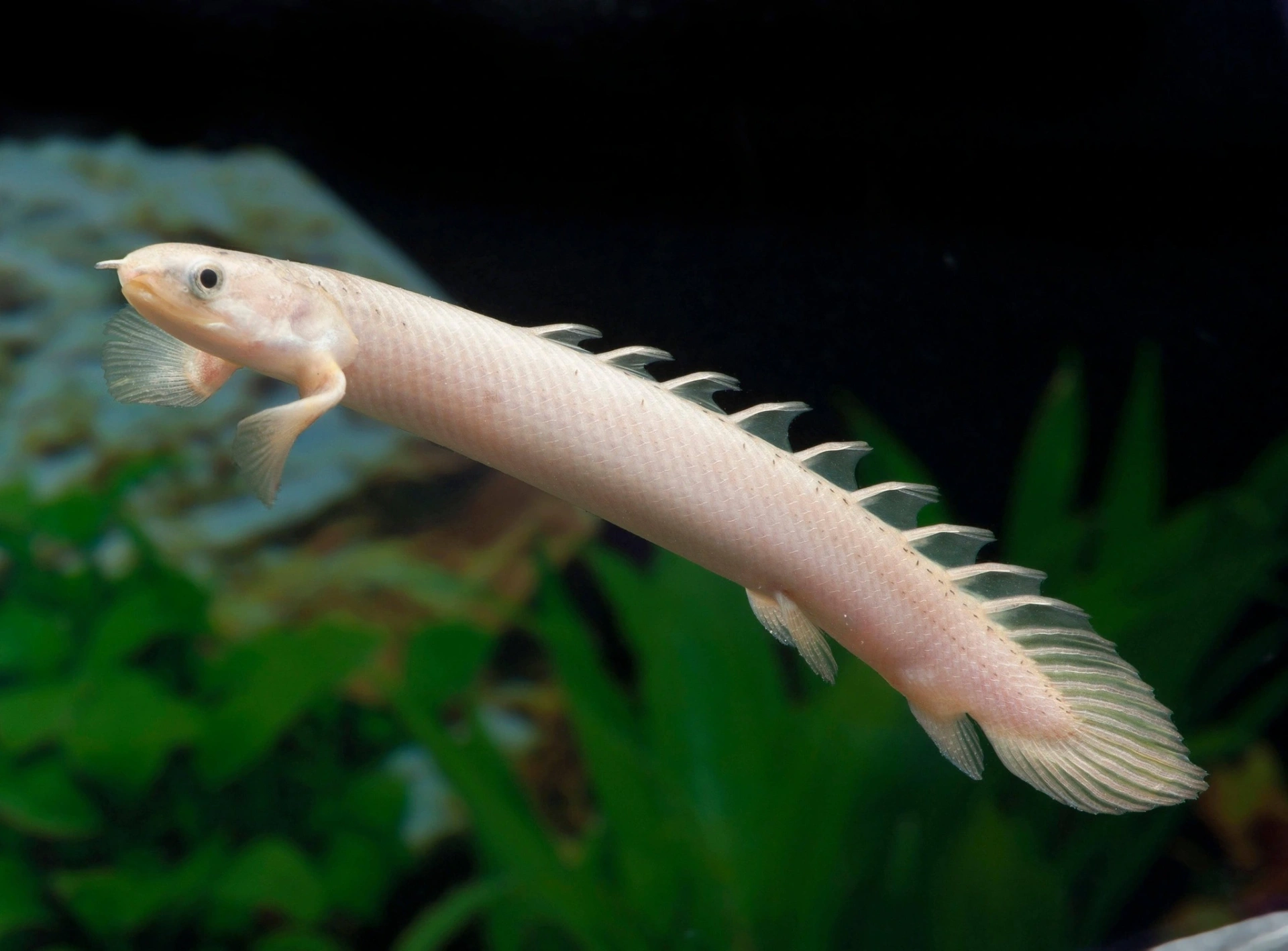
Senegal Bichir
Polypterus senegalus

Electric Blue Hap
Sciaenochromis fryeri
Gold Nugget Pleco
Baryancistrus xanthellus
Kissing Gourami
Helostoma temminckii

Severum
Heros efasciatus

Flowerhorn Cichlid
Hybrid (Amphilophus × Vieja crosses)
Ready to Add Archer Fish to Your Tank?
Use our free stocking calculator to check compatibility, bioload, and get personalized recommendations.