
Care Requirements
Adult Size
3.1" (8cm)
Min Tank
30 gal
Temperature
75-82°F
pH Range
7.5-8.5
Lifespan
15-18 years
Min Group
Can be kept alone
Diet
Carnivore
Swim Level
Middle
Bioload
3/10
Hardness
10-20 dGH
About Figure 8 Puffer
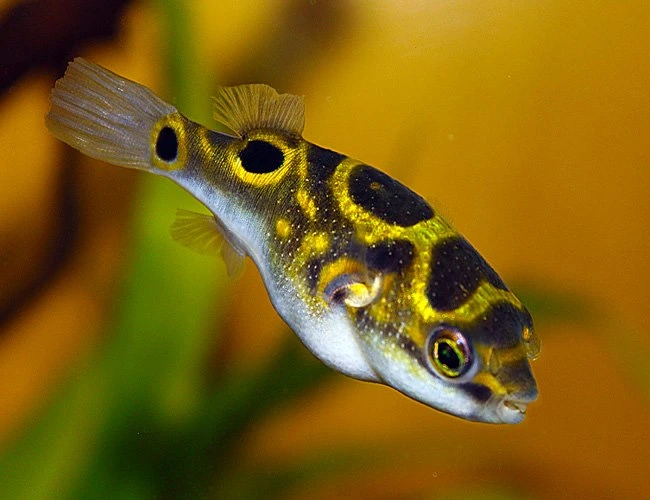
The Figure 8 Puffer gets its name from the distinctive pattern on its back — markings that resemble the number 8 or an infinity symbol. This medium-sized puffer reaches about 3 inches and is considered one of the more manageable brackish puffers, combining genuine puffer personality with somewhat more tolerant temperament than many relatives.
Figure 8 Puffers require brackish water — not fully freshwater, not fully marine, but the intermediate salinity found in estuaries where rivers meet the sea. This requirement isn't optional; long-term freshwater keeping leads to health problems and shortened lifespan. However, they thrive at low-end brackish conditions (SG 1.005-1.008) that are easy to maintain.
Their personality is classic puffer: intelligent, curious, interactive, and possessing individual quirks. They recognize their owners, beg for food, and watch activities outside their tank with obvious interest. Many keepers describe them as having 'puppy-like' personalities — eager, expressive, and engaging.
Compared to many puffers, Figure 8s are relatively peaceful. They can be kept in groups with appropriate space and may coexist with carefully chosen tankmates. They're not angels — fin-nipping and territorial disputes happen — but they're more manageable than highly aggressive species like Fahaka Puffers.
Natural Habitat & Origin
Figure 8 Puffers inhabit coastal rivers, estuaries, and mangrove areas throughout Southeast Asia, from India through Indonesia. These brackish environments feature fluctuating salinity as tides push seawater upstream and freshwater flows down from rivers.
Their native waters are warm, hard, and alkaline — characteristics that must be replicated in aquariums. The substrate is typically muddy or sandy with mangrove roots, rocks, and debris providing structure.
This estuarine habitat means Figure 8 Puffers have evolved to tolerate salinity variation. While they need brackish conditions, they can handle some fluctuation.
Native Region
Southeast Asia — India to Indonesia
Habitat Type
Coastal rivers, estuaries, mangrove areas
Wild Water Conditions
Brackish (SG 1.005-1.015), warm, hard, alkaline
Appearance & Varieties
Figure 8 Puffers display the distinctive pattern that gives them their common name — connected markings on the back that resemble figure-8s or infinity symbols. The body is greenish-yellow on top with a white belly, covered in dark spots and lines including the signature back pattern.
Adults reach approximately 3 inches (8cm), making them medium-sized among commonly kept puffers. Their body shape is typical puffer — rounded with a large head, prominent eyes, and a beak-like mouth. Like all puffers, they can inflate when stressed or threatened.
Sexing is difficult. Some sources suggest males have brighter coloration or slightly different pattern intensity, but these differences are subtle and unreliable.
Popular Varieties
| Variety | Description | Rarity |
|---|---|---|
| Standard/Wild-Type | Greenish-yellow body with white belly and characteristic figure-8 markings on the back. No selectively bred variants exist. | Common |
Tank Setup & Requirements
Quick Requirements Summary
Tank Size
Minimum Tank Size
30 gallons
Recommended Tank Size
40 gallons
Figure 8 Puffer tanks must provide brackish conditions, hard alkaline water, and adequate space for territorial behavior. The brackish requirement is non-negotiable for long-term health.
Water Parameters
Brackish conditions are essential — maintain specific gravity of 1.005-1.008 using marine salt (not aquarium salt). Hard, alkaline water (pH 7.5-8.5, 10-20 dGH) matches their estuarine origins. Temperature 24-28°C (75-82°F). Use a hydrometer or refractometer to monitor salinity.
Substrate
Sand mimics natural estuarine substrate and allows hunting behavior. Crushed coral or aragonite sand provides both appropriate substrate and water chemistry buffering. Avoid sharp substrates.
Plants & Decorations
Provide rocks, driftwood, and caves for territories and hiding spots. Multiple caves and visual barriers help manage aggression in groups. Most freshwater plants don't survive brackish conditions — Java Fern, Anubias, and some Vallisneria may tolerate low-end brackish. Plastic plants are a practical alternative.
Filtration & Water Flow
Puffers are messy carnivores producing substantial waste. Aim for 8-10x tank volume turnover. HOB and canister filters both work. Ensure filter media can handle brackish conditions — some materials corrode in salt water.
Lighting
Standard aquarium lighting works fine. They're not particularly light-sensitive. If keeping live brackish plants, provide appropriate lighting for those species.
Diet & Feeding Guide
Diet Type
carnivore
Feeding Frequency
Once daily for adults, twice daily for juveniles
Portion Size
What can be consumed in a few minutes. They're messy eaters — remove uneaten food promptly.
Figure 8 Puffers are carnivores requiring meaty foods. Like all puffers, their teeth grow continuously and need hard-shelled foods for dental maintenance. They'll accept a wider variety of foods than some puffers but still won't reliably eat dry prepared foods.
Best Foods for Figure 8 Puffer
- Snails — Essential for dental health. Pond snails, ramshorn snails, and Malaysian trumpet snails are all suitable. Feed several times weekly.
- Frozen foods (bloodworms, brine shrimp, mysis) — Staple diet components. Thaw before feeding. Variety is important — rotate between different frozen foods.
- Shellfish (mussels, clams, cockles) — Excellent nutrition and dental wear from crunching shells. Fresh or frozen, chopped to appropriate size.
- Krill — Freeze-dried or frozen. Good protein source with shell material for teeth.
- Shrimp (whole with shell) — Small whole shrimp provide nutrition and dental maintenance.
- Crab legs — Occasional treat. Cracking crab shell provides excellent dental wear.
Foods to Avoid
- Flakes and pellets — Generally rejected. Some individuals may accept pellets but don't rely on them.
- Feeder fish — Unnecessary and risk disease transmission. Frozen foods provide complete nutrition safely.
- Soft foods only — Neglecting hard-shelled foods leads to overgrown teeth. Always include snails and shellfish.
Like all puffers, their teeth grow continuously and need hard-shelled foods for dental maintenance. Snails are essential, not optional treats.
Behavior & Temperament
Figure 8 Puffers display the intelligence and personality characteristic of puffers. They recognize their owners, beg for food, and investigate new objects with obvious curiosity. Many keepers find them genuinely interactive pets rather than passive decoration.
Compared to many puffer species, Figure 8s are relatively peaceful — but 'relatively' is key. They're still semi-aggressive fish that nip fins, establish territories, and may bully tankmates.
In groups, they establish hierarchies through displays and occasional chasing. Adequate space and territory breaks minimize serious aggression. Single specimens often do well.
They're active during the day, constantly exploring and hunting. Watching a Figure 8 investigate its environment or systematically hunt snails is genuinely entertaining.
Tank Mates: Compatibility Guide
Compatible Tank Mates
Bumblebee Gobies
Brackish-tolerant, fast, and small enough to not threaten puffers. Stay near the bottom away from puffer territories.
Mollies (in brackish)
Tolerant of brackish conditions and fast enough to avoid most harassment. Short-finned varieties are safer.
Other Figure 8 Puffers
Groups can work in large, well-decorated tanks (55+ gallons) with multiple territories.
Knight Gobies
Brackish-tolerant bottom-dwellers that generally stay out of puffer business. Large enough to not be prey.
Tank Mates to Avoid
Freshwater fish
Require different water conditions. Brackish salinity would harm most freshwater species.
Long-finned fish
Irresistible fin-nipping targets. Flowing fins trigger puffer aggression.
Slow fish
Can't escape harassment. Need fast, alert tankmates that can avoid nipping.
Shrimp
Expensive food. Puffers will hunt and eat any shrimp they can catch.
Common Pairing Questions
Can Figure 8 Puffers live in freshwater?
They can survive temporarily, but brackish conditions (SG 1.005-1.008) are required for long-term health.
Can Figure 8 Puffers live with Mollies?
Possible — Mollies tolerate brackish conditions and are fast enough to avoid most harassment. Short-finned varieties are safer.
Figure 8 Puffers rarely breed in aquariums, and documented successful breeding is uncommon. They're egg scatterers that don't provide parental care. Males reportedly become more aggressive and display more intensely when breeding. Triggering breeding likely requires optimal conditions, mature well-conditioned fish, and possibly seasonal variations in temperature or salinity. Most aquarium Figure 8 Puffers are wild-caught.
Health Issues & Disease Prevention
Figure 8 Puffers are hardy when their brackish requirements are met. Most health issues stem from improper salinity, inadequate diet, or poor water quality.
Common Diseases
| Disease | Symptoms | Treatment |
|---|---|---|
| Overgrown Teeth | Difficulty eating, visible beak overgrowth, mouth unable to close properly. | Prevention through regular snail and shellfish feeding is essential. Severe cases require manual trimming. |
| Ich (White Spot Disease) | Small white spots on body and fins, flashing, lethargy. | Raise temperature gradually to 30°C. Brackish conditions actually help treat ich — the salt content inhibits the parasite. |
| Internal Parasites | Sunken belly despite eating, white stringy feces, lethargy. | Treat with Praziquantel. Quarantine new arrivals and treat prophylactically. |
| Improper Salinity Issues | General decline, susceptibility to infections, shortened lifespan when kept in freshwater long-term. | Gradually adjust to proper brackish conditions (SG 1.005-1.008). |
Signs of a Healthy Figure 8 Puffer
- Rounded belly
- Active exploration and hunting
- Bright coloration and clear pattern
- Clear eyes
- Intact fins
- Strong feeding response
Prevention Tips
- Maintain proper brackish salinity (SG 1.005-1.008)
- Feed hard-shelled foods regularly for dental health
- Provide adequate tank size and territories
- Use marine salt, not aquarium salt
- Quarantine and deworm new specimens
Frequently Asked Questions
They can survive in freshwater temporarily, but it's not appropriate long-term. They're brackish fish that need low-level salinity (SG 1.005-1.008) for optimal health and longevity.
Specific gravity of 1.005-1.008 using marine salt mix. This is low-end brackish — not full saltwater. Use a hydrometer or refractometer to measure. Don't use 'aquarium salt' — you need actual marine salt mix.
Semi-aggressive — less aggressive than many puffers but still territorial fin-nippers. They can be kept in groups with adequate space and may coexist with fast, hardy brackish tankmates.
About 3 inches (8cm) at maturity. This makes them medium-sized among commonly kept puffers — larger than Pea Puffers but much smaller than Fahaka Puffers.
15-18 years with proper care — much longer than many people expect. This is a long-term commitment. Improper care significantly shortens their lifespan.
Meaty foods including frozen bloodworms, brine shrimp, mysis shrimp, and shellfish. Snails are essential for wearing down their continuously growing teeth.
Yes, in adequately sized tanks (55+ gallons) with multiple territories and hiding spots. They establish hierarchies and may squabble, but serious aggression is usually manageable.
Check salinity first — improper brackish conditions cause stress and appetite loss. Then examine teeth for overgrowth. Consider internal parasites if the fish is wild-caught.
Tips for Keeping Figure 8 Puffer
Pro Tips
- ✓Use marine salt, not aquarium salt — marine salt contains the full mineral profile needed for brackish fish
- ✓Invest in a refractometer for precise salinity readings
- ✓Crushed coral substrate buffers water naturally for the hard, alkaline conditions they need
- ✓Start a snail colony for continuous dental care food supply
Common Mistakes to Avoid
- ✗Keeping in freshwater — health problems and shortened lifespan
- ✗Using aquarium salt instead of marine salt — missing essential trace minerals
- ✗Neglecting dental care — overgrown teeth prevent eating
- ✗Underestimating tank size needs — more space than 3-inch size suggests
Sources
- FishBase — Accepted scientific name, maximum size and native range for Figure 8 Puffer.
Featured in Biotope Presets
Related Species You Might Like
View All Fish →
Fire Eel
Mastacembelus erythrotaenia

Green Spotted Puffer
Dichotomyctere nigroviridis
Amazon Puffer
Colomesus asellus
African Butterfly Fish
Pantodon buchholzi
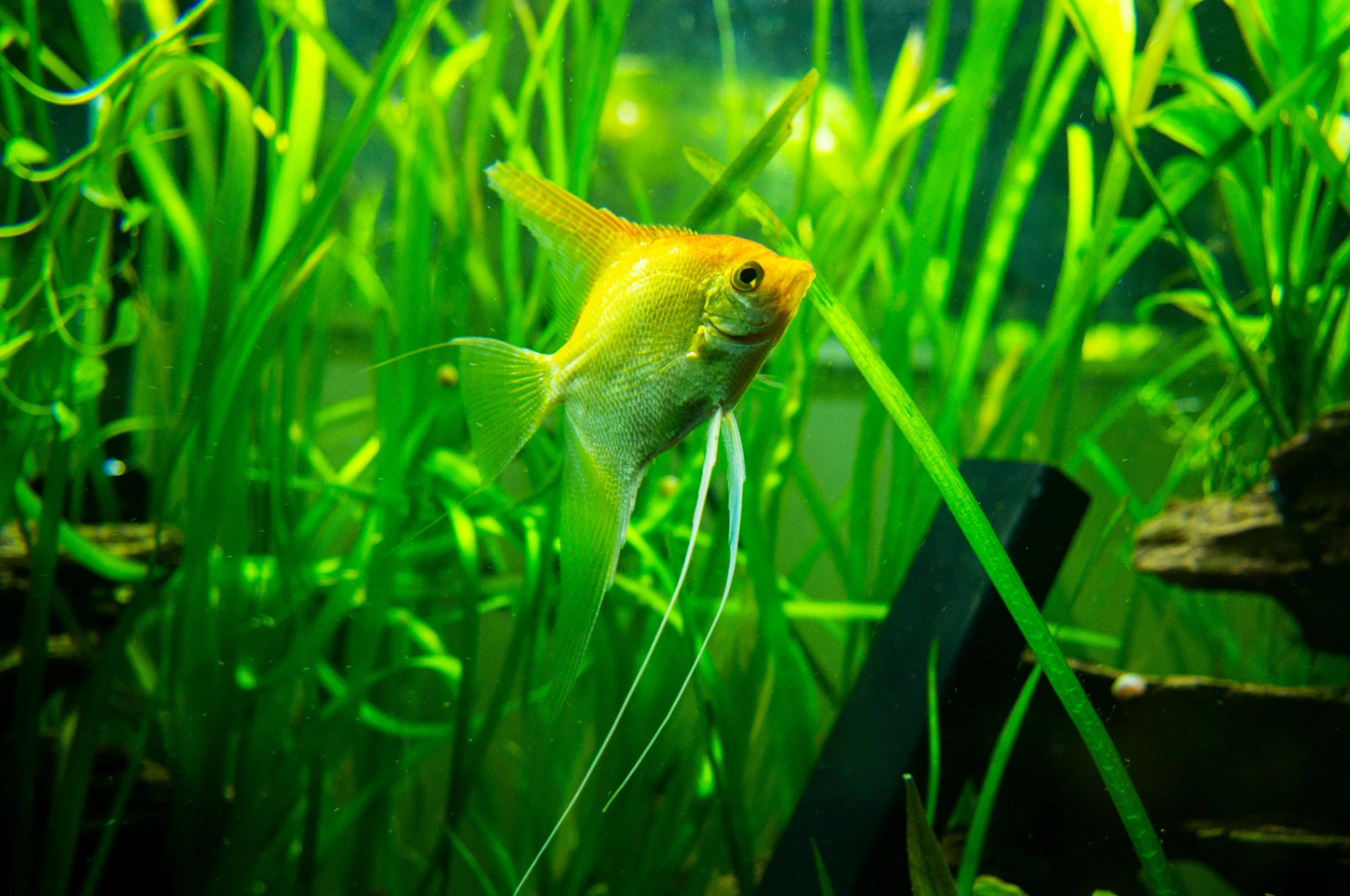
Angelfish
Pterophyllum scalare

Blood Parrot Cichlid
Amphilophus hybrid

Calvus
Altolamprologus calvus

Compressiceps
Altolamprologus compressiceps
Ready to Add Figure 8 Puffer to Your Tank?
Use our free stocking calculator to check compatibility, bioload, and get personalized recommendations.