

Care Requirements
Adult Size
7.9" (20cm)
Min Tank
55 gal
Temperature
75-82°F
pH Range
6.5-7.5
Lifespan
10-15 years
Min Group
Can be kept alone
Diet
Omnivore
Swim Level
Middle
Bioload
6/10
Hardness
6-18 dGH
About Blood Parrot Cichlid
The Blood Parrot Cichlid is a man-made hybrid first created in Taiwan around 1986. While its exact parentage is disputed, it likely involves the Midas Cichlid (Amphilophus citrinellus) and the Redhead Cichlid (Paraneetroplus synspilus). Known for its distinctive beak-like mouth that cannot fully close, vibrant orange-red coloration, and remarkably personable behavior, the Blood Parrot is one of the most recognizable cichlids in the hobby. They're controversial due to their intentionally bred deformities, but with proper care they can live 10-15 years and make engaging 'wet pets' that recognize their owners.
Natural Habitat & Origin
The Blood Parrot Cichlid does not occur in the wild — it is entirely a man-made hybrid. Parent species come from Central American rivers and lakes. All specimens in the hobby are captive-bred, originating from breeding programs in Taiwan and other Asian countries.
Native Region
Man-made hybrid — first created in Taiwan around 1986
Habitat Type
Does not exist in the wild — entirely captive-bred
Wild Water Conditions
Parent species come from Central American rivers and lakes with warm, moderately hard water
Appearance & Varieties
Blood Parrots have a distinctive rounded, compact body with a beak-like mouth that cannot fully close — a result of their hybrid genetics. Natural coloration ranges from bright orange to deep red. Adults reach up to 8 inches (20cm). Sexing is very difficult; males may be slightly larger, but most individuals are infertile. WARNING: Avoid dyed/tattooed specimens sold in purple, blue, green, or pink — these have been injected with dye, which is cruel and shortens their lifespan.
Popular Varieties
| Variety | Description | Rarity |
|---|---|---|
| Standard Blood Parrot | Natural orange to red coloration | Common |
| King Kong Parrot | Larger, more rounded variant | Uncommon |
| Dyed/Tattooed (AVOID) | Artificially colored — cruel practice, do not purchase | Common but unethical |
Tank Setup & Requirements
Quick Requirements Summary
Tank Size
Minimum Tank Size
55 gallons
Recommended Tank Size
75 gallons
Blood Parrots need a spacious tank (55+ gallons minimum, 75+ recommended) with smooth decorations to avoid injuring their deformed mouths. Caves and hiding spots are essential. Sand or fine gravel substrate works well as they may dig when attempting to breed. Live plants are usually left alone. Strong filtration is critical as they're messy eaters that produce significant waste. Pristine water quality is especially important — they're more susceptible to disease than many cichlids.
Water Parameters
Temperature 75-82°F (24-28°C), pH 6.5-7.5, hardness 6-18 dGH. Pristine quality essential.
Substrate
Sand or fine gravel — they may dig when attempting to breed
Plants & Decorations
Caves, driftwood, and hiding spots essential. Smooth decorations only — avoid sharp edges that could injure their deformed mouths. Live plants usually left alone.
Filtration & Water Flow
Strong filtration — they're messy eaters and produce significant waste
Lighting
Moderate — not demanding
Diet & Feeding Guide
Diet Type
Omnivore
Feeding Frequency
2-3 times daily in smaller amounts due to mouth deformity
Portion Size
Small amounts they can consume — multiple small meals preferred
Blood Parrots' deformed mouth cannot close properly, so they struggle with large or hard foods. Sinking pellets and soft foods work best. Feed multiple small meals rather than one large one. Ensure they're actually eating — they can be outcompeted by faster tankmates. A varied diet of soft cichlid pellets, frozen foods, and blanched vegetables maintains their vibrant coloration and health.
Best Foods for Blood Parrot Cichlid
- Sinking soft pellets — Easiest for their deformed mouth to eat
- Blood parrot-specific foods — Formulated for their mouth shape
- Frozen bloodworms and brine shrimp — Soft and easy to consume
- Blanched peas — Good for digestion and easy to eat
- Chopped prawns — Soft protein treat
Foods to Avoid
- Large hard pellets — Cannot fit in their deformed mouth
- Floating foods — Difficult for them to eat from surface
- Foods requiring strong bite — Their mouth cannot close properly
Their deformed mouth cannot close properly — sinking pellets and soft foods work best. Feed multiple small meals rather than one large one. Ensure they're actually eating and not being outcompeted.
Behavior & Temperament
Blood Parrots are semi-aggressive but often calmer than their parent species. They can be territorial but not extremely aggressive — their mouth deformity actually makes them less effective at fighting. Despite the controversy surrounding their breeding, they're incredibly personable fish that recognize their owners and often beg for food at the glass. They may produce croaking sounds. Most individuals are infertile due to their hybrid nature. Some specimens in stores are dyed or tattooed — these should never be purchased as the practice is cruel and shortens their lifespan.
Tank Mates: Compatibility Guide
Compatible Tank Mates
Robust, active, different zone
Similar size and temperament
Bottom dweller, usually ignored
Other Blood Parrots
Can be kept in groups in large tanks
Larger barbs
Active enough to avoid harassment
Tank Mates to Avoid
Small fish
May be eaten or harassed
Very aggressive cichlids
Blood Parrots can't defend well due to mouth deformity
Fast competitive eaters
Will outcompete Blood Parrots for food
Fin nippers
Will harass slower-swimming Blood Parrots
Shrimp
Will be eaten
Common Pairing Questions
Can Blood Parrots live with other cichlids?
With similar-sized, moderately aggressive cichlids in large tanks. Avoid very aggressive species that will bully them — their mouth deformity limits their ability to defend.
Can Blood Parrots live together?
Yes — groups of 2-4 in large tanks actually reduces individual territorial behavior. They're social with their own kind.
Breeding Blood Parrots is very difficult to impossible as most individuals are infertile due to their hybrid nature. They may go through spawning motions and even lay eggs, but fertilization rarely succeeds. Some females can breed with male cichlids of other species, but offspring often have severe deformities or don't survive. Breeding is generally not recommended due to ethical concerns about perpetuating deformities. If eggs are laid, they typically turn white (unfertilized) within 48 hours.
Health Issues & Disease Prevention
Blood Parrots are more susceptible to disease than many cichlids due to their hybrid nature and deformities. Pristine water quality is especially important. They're prone to swim bladder issues, bacterial infections, and Ich. Their deformed mouths make them more vulnerable to mouth injuries from sharp decorations. Healthy Blood Parrots display good orange/red coloration, active swimming, eating well, and interactive behavior. Stress signs include faded color, dark patches, constant hiding, and difficulty swimming.
Common Diseases
| Disease | Symptoms | Treatment |
|---|---|---|
| Swim bladder issues | Floating, sinking, difficulty swimming straight | Fast for 2-3 days, feed blanched peas, improve water quality |
| Ich (White Spot Disease) | White spots, flashing, lethargy | Raise temperature gradually, salt or medication |
| Bacterial infections | Red patches, ulcers, fin rot | Pristine water quality, antibacterial medication if needed |
Signs of a Healthy Blood Parrot Cichlid
- Good orange/red coloration
- Active swimming
- Eating well
- Clear eyes
- Intact fins
- Interactive behavior
Prevention Tips
- Pristine water quality — more important for them than typical cichlids
- Smooth decorations to avoid mouth injuries
- Multiple small feedings
- Stable water parameters
- Regular water changes
Frequently Asked Questions
No — they're man-made hybrids created in Taiwan around 1986 by crossing Central American cichlids. They don't exist in nature. This makes them controversial in the fishkeeping hobby.
Their beak-like mouth deformity is a result of hybrid genetics. This is why they're controversial — they're intentionally bred with deformities that affect their ability to eat and compete for food.
Absolutely not. Dyed fish (sold as 'Jellybean Parrots,' 'Bubblegum Parrots,' or in purple, blue, green colors) have been injected with dye or tattooed. This is stressful, shortens lifespan, and supports cruel practices. Only buy natural orange/red specimens.
Most are infertile. Some females can breed with male cichlids of other species, but offspring often have severe deformities. Breeding is not recommended due to ethical concerns.
Less aggressive than their parent species. They're semi-aggressive and territorial but often kept successfully in community tanks with robust tankmates. Their mouth deformity actually makes them less effective at fighting.
This is debated. Critics argue buying them supports breeding fish with intentional deformities. Supporters note they're already common, can live good lives with proper care, and refusing to buy them doesn't help existing fish. If you buy one, ensure it's not dyed and provide excellent care.
Tips for Keeping Blood Parrot Cichlid
Pro Tips
- ✓Never buy dyed/tattooed specimens — look only for natural orange/red
- ✓They're incredibly personable and will recognize you
- ✓Sinking pellets are much easier for them to eat than floating foods
- ✓Pristine water quality is more important for them than typical cichlids
- ✓Feed multiple small meals rather than one large feeding
- ✓Despite controversy, with good care they live long, seemingly happy lives
- ✓Good 'wet pet' — interactive and engaging without extreme aggression
- ✓Can be kept in groups — reduces individual territorial behavior
Common Mistakes to Avoid
- ✗Buying dyed fish — cruel and shortens lifespan
- ✗Hard or large pellets — they can't eat them properly
- ✗Fast competitive tankmates — will outcompete them for food
- ✗Poor water quality — they're more disease-prone than most cichlids
- ✗Expecting them to breed — most are infertile
- ✗Not watching to ensure they're actually eating
- ✗Sharp decorations — can injure their deformed mouths
- ✗Single large feeding — multiple small meals work better
Related Species You Might Like
View All Fish →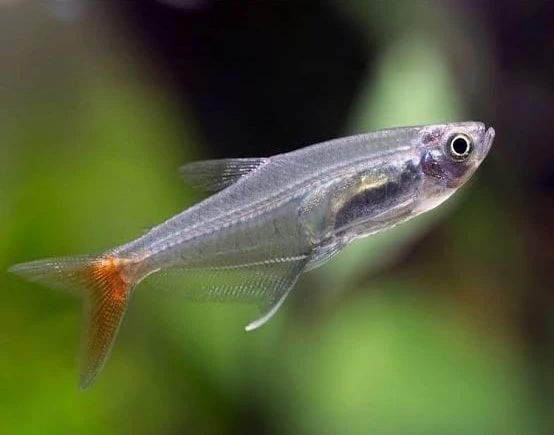
Bloodfin Tetra
Aphyocharax anisitsi
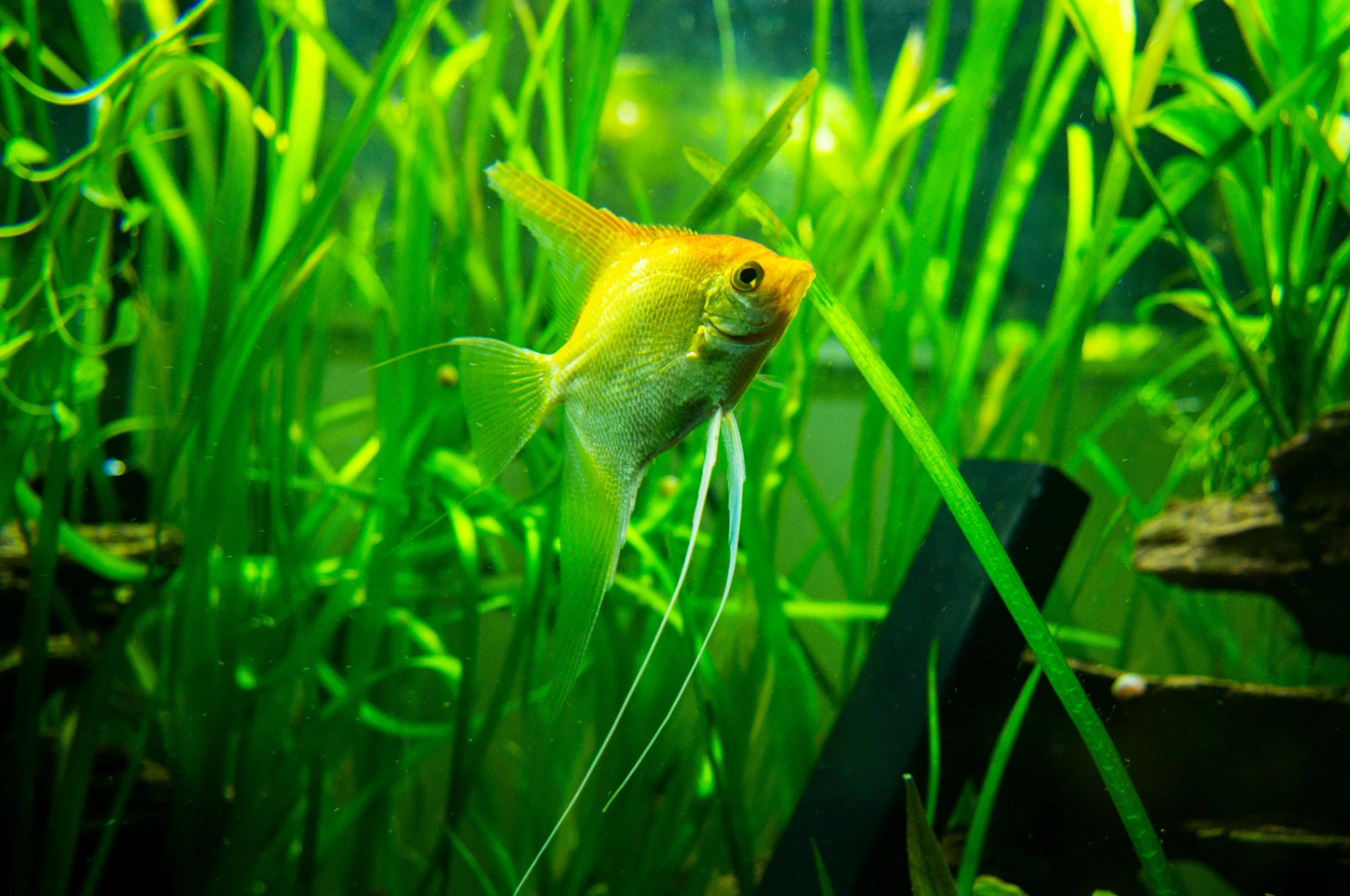
Angelfish
Pterophyllum scalare

Calvus
Altolamprologus calvus

Compressiceps
Altolamprologus compressiceps

Electric Blue Acara
Andinoacara pulcher hybrid

Firemouth Cichlid
Thorichthys meeki

OB Peacock
Aulonocara sp. 'OB'

Peacock Cichlid
Aulonocara sp.
Ready to Add Blood Parrot Cichlid to Your Tank?
Use our free stocking calculator to check compatibility, bioload, and get personalized recommendations.