

Care Requirements
Adult Size
5.9" (15cm)
Min Tank
55 gal
Temperature
75-82°F
pH Range
6.5-8
Lifespan
10-15 years
Min Group
Can be kept alone
Diet
Omnivore
Swim Level
Middle
Bioload
5/10
Hardness
8-20 dGH
About Firemouth Cichlid
The Firemouth Cichlid is one of the most recognizable and beloved Central American cichlids, named for the brilliant red-orange coloration on its throat and chest that it displays when threatened or during breeding. This dramatic threat display—where the fish extends its gill covers and flares its red throat membrane—is one of the hobby's most impressive natural behaviors.
Native to the rivers and cenotes of Mexico and Central America, firemouths have been popular in the aquarium hobby since the early 1900s. They represent an excellent entry point into the world of cichlid keeping—large enough to have personality and display interesting behaviors, but not as aggressive as many of their Central American relatives.
What makes firemouths special is their combination of beauty, personality, and manageability. They're hardy fish that tolerate a range of conditions, form pair bonds, and make devoted parents. While they can be territorial, especially during breeding, they're among the more peaceful cichlid options and can often be kept in community tanks with appropriate tankmates.
Natural Habitat & Origin
Firemouth cichlids originate from the Atlantic slope of Central America, primarily Mexico (Yucatan Peninsula), Guatemala, and Belize. They inhabit slow-moving rivers, cenotes (natural sinkholes), and coastal lagoons with sandy or muddy bottoms.
These waters are typically warm, moderately hard, and slightly alkaline—influenced by the limestone bedrock of the region. The habitat features rocky outcrops, submerged wood, and vegetation along the margins. Firemouths are often found near the bottom, sifting through substrate for food and using rocky caves as spawning sites.
Native Region
Central America - Mexico (Yucatan Peninsula), Guatemala, Belize
Habitat Type
Slow-moving rivers, cenotes, coastal lagoons with sandy or muddy bottoms
Wild Water Conditions
Warm (75-82°F), moderately hard, slightly alkaline (pH 7.0-8.0)
Appearance & Varieties
Firemouth cichlids reach about 6 inches (15 cm) in length, with males being slightly larger than females. The body is laterally compressed with a steep forehead profile. Base coloration is gray-blue to olive with a series of dark vertical bars along the flanks.
The defining feature is the brilliant red-orange coloration on the throat, chest, and belly—most intense in males. This color extends into the gill covers, which can be flared outward during displays to create an impressive "fire" effect. Fins are edged in red or blue, and mature males develop pointed dorsal and anal fins. Females are smaller with less intense red coloration.
Popular Varieties
| Variety | Description | Rarity |
|---|---|---|
| Wild-type | Classic gray-blue body with red throat and black bars | Common |
| Super Red | Selectively bred for enhanced red coloration throughout body | Uncommon |
| Albino | White body with red eyes, throat coloration still visible | Rare |
Tank Setup & Requirements
Quick Requirements Summary
Tank Size
Minimum Tank Size
55 gallons
Recommended Tank Size
75 gallons
Firemouth cichlids need a moderately large aquarium with plenty of structure. A 30-gallon tank is the minimum for a single fish, but 55+ gallons is recommended for a pair, and larger tanks are needed for community setups.
Water Parameters
Temperature 75-82°F (24-28°C), pH 6.5-8.0 (prefer neutral to slightly alkaline), hardness 8-15 dGH. They're adaptable to various conditions but thrive in moderately hard, alkaline water similar to their native habitat.
Substrate
Sand is ideal—firemouths are natural substrate sifters and enjoy digging. Fine gravel works but sand allows natural behaviors. They may rearrange substrate and uproot plants.
Plants & Decorations
Provide rockwork, caves, and driftwood for territories and spawning sites. Live plants are possible with hardy species (Anubias, Java Fern, Vallisneria) attached to rocks or wood—rooted plants may be uprooted. Create multiple territories if keeping more than one pair.
Filtration & Water Flow
Strong filtration is important—they're messy eaters with moderate bioload. Canister filters or large HOB filters recommended. They tolerate moderate flow but don't need strong currents.
Lighting
Standard aquarium lighting is fine. They have no special lighting requirements and look best under moderate lighting that shows off their colors.
Diet & Feeding Guide
Diet Type
omnivore
Feeding Frequency
2x daily
Portion Size
What they consume in 2-3 minutes
Firemouth cichlids are omnivores that eat a wide variety of foods. In the wild, they sift through substrate for invertebrates, insect larvae, and plant matter. In captivity, they're easy to feed and accept almost anything.
Best Foods for Firemouth Cichlid
- High-quality cichlid pellets — Should form the staple diet
- Frozen bloodworms — Excellent protein source, eagerly accepted
- Frozen brine shrimp — Good variety, promotes color
- Frozen mysis shrimp — High-quality protein
- Earthworms (chopped) — Excellent conditioning food
- Blanched vegetables — Zucchini, peas, spinach for fiber
- Spirulina flakes — Plant matter for balanced diet
- Live foods — Blackworms, daphnia for conditioning
Foods to Avoid
- Feeder fish — Disease risk, nutritionally poor
- Mammal meat/heart — Difficult to digest, causes health issues over time
- Low-quality foods — Lead to poor color and health
Firemouths are enthusiastic eaters and easy to feed. Provide variety for optimal health and coloration. They naturally sift substrate, so some food can be allowed to sink. During breeding, parents may stop eating temporarily while guarding eggs and fry.
Behavior & Temperament
Firemouth cichlids are known for their impressive threat displays. When confronted by rivals or perceived threats, they extend their branchiostegal membranes (gill covers), revealing the brilliant red coloration underneath. This "firemouth" display makes them appear much larger and more intimidating.
Despite this dramatic display, firemouths are actually relatively peaceful for Central American cichlids. Much of their aggression is bluffing rather than actual fighting. They establish territories, especially during breeding, and defend them vigorously—but serious injuries are rare except in too-small tanks.
They're curious, intelligent fish that recognize their owners and often beg for food. Pairs form strong bonds and make excellent parents, with both male and female participating in brood care. Outside of breeding season, they're generally tolerant of appropriate tankmates.
Tank Mates: Compatibility Guide
Compatible Tank Mates
Other Firemouth Cichlids
Can be kept in groups in large tanks (75+ gallons)
Hardy bottom-dweller that firemouths ignore
Large Corydoras species
Bronze or Emerald corys in larger groups
Giant Danios
Fast enough to avoid aggression
Active, fast livebearers
Rainbowfish
Active dither fish for upper levels
Salvini Cichlid
Similar temperament (requires larger tank)
Blue Acara
Peaceful South American cichlid of similar size
Tank Mates to Avoid
Small fish
May be eaten or bullied
Very aggressive cichlids
Will overwhelm firemouths—they're bluffers not fighters
Slow-moving fish with long fins
May be harassed
Delicate shrimp and snails
Will be eaten
Convict Cichlids
Too aggressive, will dominate firemouths
Jack Dempseys
Much more aggressive, will bully firemouths
Common Pairing Questions
Can I keep multiple firemouth cichlids together?
Yes, in sufficiently large tanks (75+ gallons). Provide multiple territories with sight breaks. Pairs will establish territories and may squabble with neighbors, but serious fighting is rare with enough space. A breeding pair will defend their area more aggressively.
Are firemouth cichlids aggressive?
They're semi-aggressive but mostly bluffers. Their dramatic threat display is largely for show—actual combat is rare. They're among the more peaceful Central American cichlids. Aggression increases during breeding and in cramped conditions.
Can firemouth cichlids live with other cichlid species?
Yes, with appropriate species. Avoid highly aggressive cichlids (Convicts, Jack Dempseys) that will dominate them. Good companions include Blue Acaras, Severums (in large tanks), and other mid-aggression species. Always provide adequate space and territories.
Firemouth cichlids are substrate spawners that form monogamous pairs and provide excellent parental care. They're relatively easy to breed and make fascinating subjects for observing cichlid breeding behavior.
Health Issues & Disease Prevention
Firemouth cichlids are generally hardy fish that tolerate a range of conditions. With proper care, they're resistant to most common diseases.
Common Diseases
| Disease | Symptoms | Treatment |
|---|---|---|
| Ich (White Spot) | White spots on body and fins, flashing | Raise temperature to 82-84°F, use ich medication |
| Hole in the Head (HITH) | Pitting lesions on head and lateral line | Improve water quality and diet, add vitamins, Metronidazole if severe |
| Fin Rot | Frayed, deteriorating fins | Improve water quality, antibacterial treatment |
| Bloat | Swollen abdomen, loss of appetite, lethargy | Epsom salt baths, Metronidazole, improve diet variety |
Signs of a Healthy Firemouth Cichlid
- Bright coloration with vibrant red throat
- Active swimming and foraging
- Good appetite
- Intact fins
- Clear eyes
- Interested in surroundings
Prevention Tips
- Maintain good water quality with regular water changes (25-30% weekly)
- Provide varied diet with quality foods
- Avoid overcrowding and territorial stress
- Quarantine new fish before adding to established tanks
- Include vegetables in diet to prevent digestive issues
Frequently Asked Questions
Males reach about 6 inches (15 cm), females slightly smaller at 4-5 inches. They're medium-sized cichlids that need appropriately sized tanks—30 gallons minimum for one fish, 55+ gallons for a pair.
They're excellent first cichlids for aquarists with some fishkeeping experience. They're hardier and less aggressive than many cichlids while still displaying the personality and interesting behaviors cichlids are known for. Not for complete beginners—start with tropical community fish first.
The dramatic throat display (flaring gill covers to show red coloration) is a threat behavior used to establish dominance or defend territory. It's normal and natural—they're bluffing to look intimidating. Actual fighting usually follows only if the display doesn't resolve the conflict.
They can be kept singly, in pairs, or in groups. Single fish do fine but won't display breeding behaviors. Pairs are fascinating to watch, especially when raising fry. Groups require larger tanks (75+ gallons) with multiple territories.
Tips for Keeping Firemouth Cichlid
Pro Tips
- ✓The throat display is mostly bluffing—they're more bark than bite for a cichlid
- ✓Pairs make fantastic parents—watching them raise fry is incredibly rewarding
- ✓Sand substrate allows natural sifting behaviors
- ✓They recognize their owners and will beg for food
- ✓Excellent 'starter cichlid' for aquarists wanting to try Central Americans
- ✓During breeding, respect their aggression—even gentle firemouths become fierce parents
- ✓Tank-raised specimens are hardier than wild-caught
- ✓Long-lived fish (10-15 years)—they're a serious commitment
Common Mistakes to Avoid
- ✗Tank too small—need 30+ gallons for one, 55+ for a pair
- ✗Keeping with highly aggressive cichlids that bully them
- ✗Not providing caves or territories, especially for breeding pairs
- ✗Underestimating breeding aggression—normally peaceful fish become fierce
- ✗Gravel substrate that prevents natural sifting behavior
- ✗Keeping with small fish that become snacks
- ✗Assuming 'semi-aggressive' means they can handle true aggressors
- ✗Not securing plants—they will uproot rooted plants when digging
Sources
- FishBase — Accepted scientific name, maximum size and native range for Firemouth Cichlid.
Related Species You Might Like
View All Fish →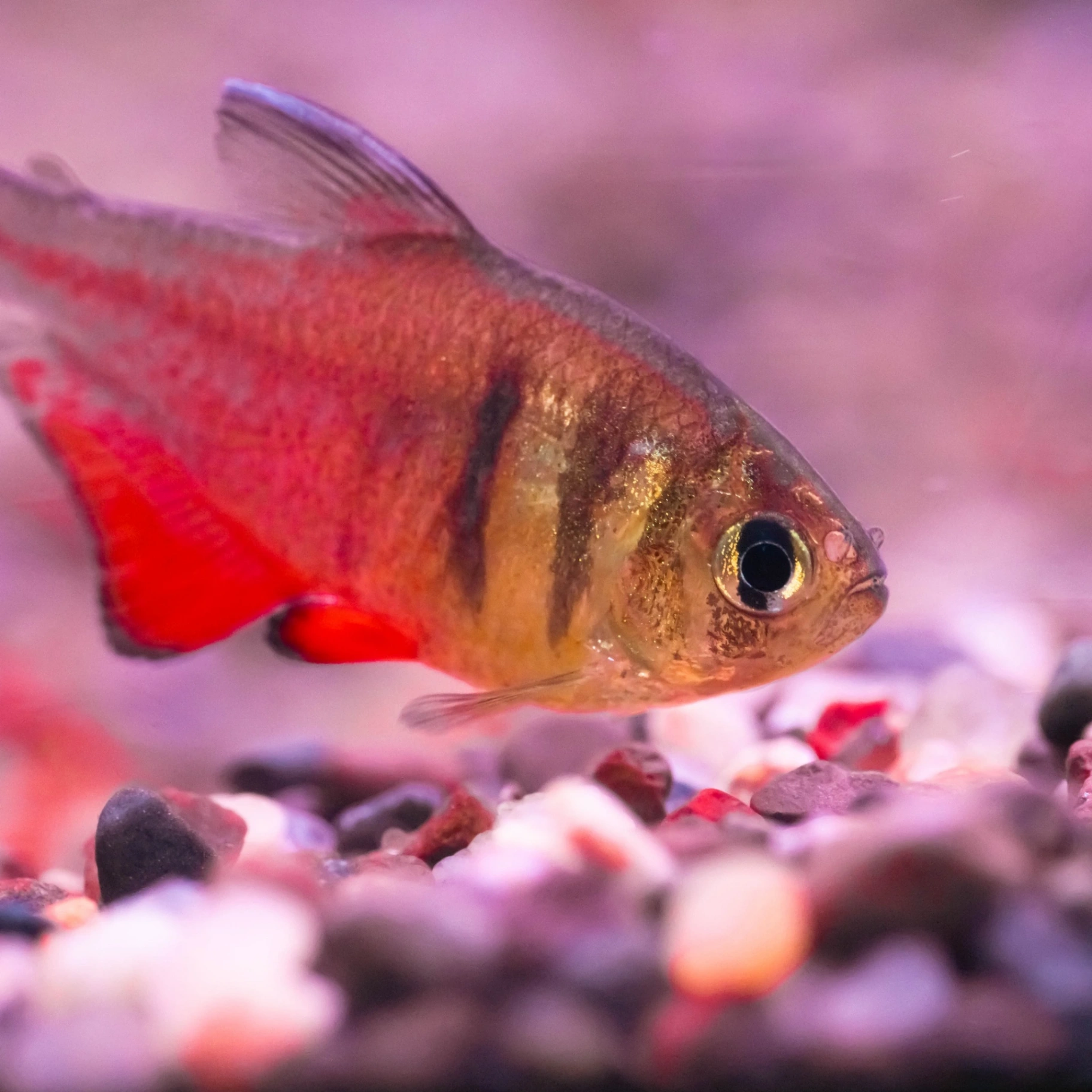
Flame Tetra
Hyphessobrycon flammeus
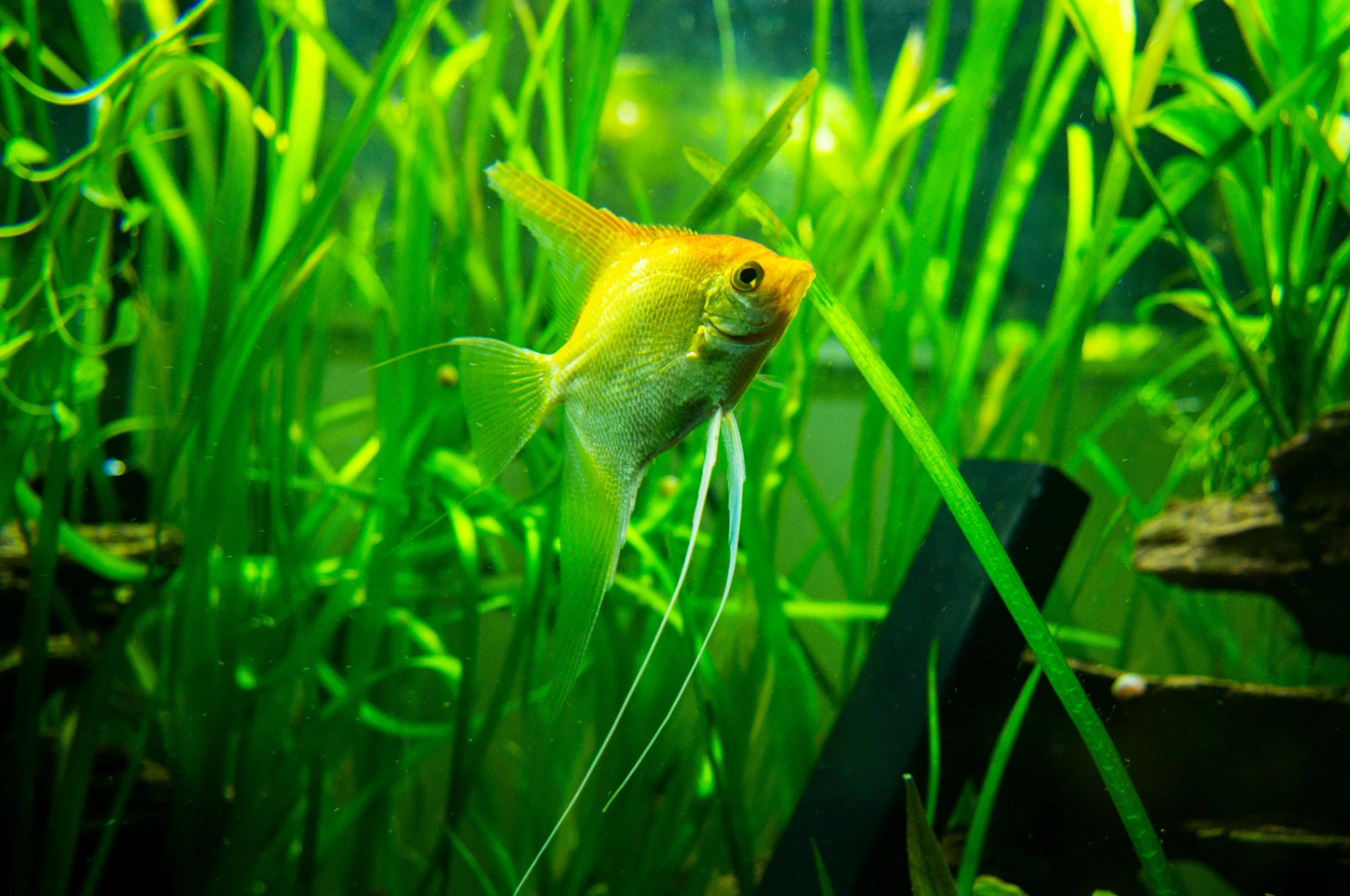
Angelfish
Pterophyllum scalare

Blood Parrot Cichlid
Amphilophus hybrid

Calvus
Altolamprologus calvus

Compressiceps
Altolamprologus compressiceps

Electric Blue Acara
Andinoacara pulcher hybrid

OB Peacock
Aulonocara sp. 'OB'

Peacock Cichlid
Aulonocara sp.
Ready to Add Firemouth Cichlid to Your Tank?
Use our free stocking calculator to check compatibility, bioload, and get personalized recommendations.