

Care Requirements
Adult Size
5.9" (15cm)
Min Tank
55 gal
Temperature
75-82°F
pH Range
7.5-8.8
Lifespan
6-10 years
Min Group
Can be kept alone
Diet
Carnivore
Swim Level
Middle
Bioload
3/10
Hardness
10-20 dGH
About Peacock Cichlid
Peacock Cichlids are widely considered the most colorful freshwater fish in the aquarium hobby — and that's not hyperbole. Males display combinations of electric blues, vibrant oranges, deep reds, and brilliant yellows that genuinely rival marine fish. The genus Aulonocara contains over 20 recognized species, all endemic to Lake Malawi, and the hobby has produced countless selectively bred color variants beyond the wild forms.
What sets Peacocks apart from other Lake Malawi cichlids is their temperament. While mbuna are notorious for aggression, Peacocks are comparatively peaceful — they're haplochromines that occupy different ecological niches than the rock-dwelling mbuna. In the wild, Peacocks inhabit the sandy and transitional zones of the lake, sifting through substrate to find invertebrates rather than defending rocky territories.
This behavioral difference makes Peacocks more suitable for keepers who want Lake Malawi color without mbuna intensity. They can be kept with other peaceful to moderately aggressive species, and male-to-male aggression, while present, rarely reaches the lethal levels seen in aggressive mbuna. That said, they're still cichlids with territorial instincts — just manageable ones.
The dramatic sexual dimorphism is both a feature and a consideration. Males are spectacular; females are plain silver-brown. Males also take 8-12 months to develop full coloration, requiring patience from keepers expecting instant gratification. The wait is worth it — a mature male Peacock in full color is one of freshwater aquarium keeping's great rewards.
Natural Habitat & Origin
Peacock Cichlids occupy a different ecological niche than the rock-dwelling mbuna that dominate Lake Malawi cichlid keeping. Rather than defending rock territories, Peacocks inhabit the sandy zones and transitional areas where rock meets sand. This habitat difference fundamentally shapes their behavior and aquarium needs.
In the wild, Peacocks use a specialized hunting technique: they hover motionless above the sand, detect buried invertebrates using their sensitive lateral line system, then plunge into the substrate to capture prey. This 'sand-sifting' behavior is fascinating to watch in aquariums and explains why sand substrate is strongly recommended.
Different Aulonocara species occupy different depths and specific locations around Lake Malawi, which has led to the evolution of distinct color patterns and species. Like all Lake Malawi cichlids, Peacocks require hard, alkaline water with stable parameters.
Native Region
Lake Malawi, East Africa (multiple locations around the lake)
Habitat Type
Sandy zones and rocky-sand transitional areas, various depths
Wild Water Conditions
Hard, alkaline water (pH 7.8-8.6), stable parameters, clear water
Appearance & Varieties
Male Peacocks display some of the most spectacular coloration in freshwater fishkeeping. Depending on species and variant, males can show electric metallic blues, vivid oranges and reds, bright yellows, and combinations thereof. The colors have a metallic, almost iridescent quality that shifts under different lighting conditions.
Females, in stark contrast, are plain silver-brown or gray with sometimes subtle barring. This dramatic sexual dimorphism makes sexing adult fish trivial. The challenge is that juveniles of both sexes are silver, and males don't begin coloring up until around 6 months of age, with full coloration taking 8-12 months.
Colorful males are not guaranteed, however. Only dominant males achieve peak coloration. Subdominant males in the presence of a more dominant individual may remain washed out indefinitely.
Popular Varieties
| Variety | Description | Rarity |
|---|---|---|
| Sunshine Peacock (Aulonocara stuartgranti 'Maleri') | Bright yellow body with electric blue head and face. One of the most popular and recognizable varieties. | Common |
| Red Rubin Peacock | Deep red-orange body coloration with blue highlights on the head. Very popular in the hobby. | Common |
| OB Peacock (Orange Blotch) | Features irregular orange and black mottling pattern. Each individual's pattern is unique, like a fingerprint. | Common |
| Blue Peacock (Aulonocara nyassae) | Classic blue coloration throughout body and fins. The original 'Peacock Cichlid' that established the genus's popularity. | Common |
| Flavescent Peacock (Aulonocara stuartgranti 'Usisya') | Yellow body with blue face and dorsal highlights. Beautiful and underrated. | Uncommon |
| Sulfurhead Peacock (Aulonocara maylandi) | Blue body with distinctive yellow-gold coloration on the head. Less commonly available. | Uncommon |
| Dragon Blood Peacock | Pinkish-red body coloration with blue highlights. Striking but controversial — some consider it too far removed from wild coloration. | Common |
| German Red Peacock | Intense red-orange body coloration developed by German breeders. One of the reddest Peacock variants. Highly sought after. | Uncommon |
Tank Setup & Requirements
Quick Requirements Summary
Tank Size
Minimum Tank Size
55 gallons
Recommended Tank Size
75 gallons
Peacock tanks differ from mbuna setups in one key way: the emphasis on open space and sand substrate over dense rockwork. While some rock structures are beneficial for territory establishment and visual barriers, Peacocks need sandy areas for their natural hunting behavior and open swimming space.
Water Parameters
Standard Lake Malawi requirements. Hard, alkaline water is non-negotiable. Use aragonite substrate, crushed coral, or limestone to buffer pH naturally. Temperature 24-28°C (75-82°F), pH 7.5-8.8, Hardness 10-20 dGH. Zero ammonia and nitrite; nitrates below 20 ppm ideal for best coloration.
Substrate
Sand substrate is essential for natural Peacock behavior. They sift through sand searching for food — behavior that's impossible with gravel. Pool filter sand, play sand (rinsed thoroughly), or aragonite sand all work. Aragonite provides buffering benefits.
Plants & Decorations
Unlike mbuna tanks packed with rock, Peacock setups should balance structure with open space. Create 2-3 rock groupings for territory markers and refuge, but leave substantial sandy areas for foraging. Peacocks are less destructive than mbuna, making planted tanks possible — Anubias, Java Fern, and Vallisneria can thrive.
Filtration & Water Flow
Aim for 6-8x tank volume turnover per hour. Good mechanical and biological filtration is essential. Ensure adequate oxygenation. Multiple filtration sources provide redundancy.
Lighting
Proper lighting transforms a Peacock tank from ordinary to spectacular. LED fixtures with adjustable spectrum allow you to highlight blue, red, or yellow coloration. Blue spectrum lighting makes metallic blues pop dramatically.
Diet & Feeding Guide
Diet Type
carnivore
Feeding Frequency
1-2 times daily for adults, 2-3 times for growing juveniles
Portion Size
What can be consumed in 2-3 minutes. Don't fall for their 'I'm starving' act — cichlids are masters of begging.
Peacocks are carnivores in the wild, sifting through sand to find small invertebrates, crustaceans, and insect larvae. This protein-based diet distinguishes them from herbivorous mbuna and means they can safely eat foods that would harm species like Red Zebras. However, variety and quality remain important for optimal health and coloration.
Best Foods for Peacock Cichlid
- High-quality cichlid pellets — Should form the staple diet. Choose pellets formulated for carnivorous/omnivorous cichlids. New Life Spectrum, Northfin, and Hikari Cichlid Bio-Gold are excellent options.
- Frozen brine shrimp — Excellent regular food that Peacocks eagerly accept. Good protein, easy to digest.
- Frozen mysis shrimp — More nutritious than brine shrimp with higher protein and omega fatty acids. Excellent for conditioning.
- Frozen bloodworms (in moderation) — Unlike herbivorous mbuna, Peacocks can safely eat bloodworms occasionally. Feed once or twice weekly at most.
- Color-enhancing foods — Foods containing astaxanthin, spirulina, and other color enhancers help males develop their most vibrant coloration.
- Frozen krill — High in protein and carotenoids that enhance red, orange, and yellow coloration. Excellent occasional food.
Foods to Avoid
- Beef heart and mammalian proteins — Fish cannot properly digest mammalian fats. These accumulate internally and cause long-term organ damage.
- Feeder fish — High risk of introducing diseases and parasites. Not worth the risk regardless of how 'natural' it might seem.
- Low-quality foods with fillers — Cheap foods padded with wheat and soy provide poor nutrition, cloud water, and can cause digestive issues.
- Overfeeding any food — Peacocks will always act hungry and beg. Overfeeding leads to obesity, poor water quality, and increased disease risk.
Peacocks are less sensitive to protein than herbivorous mbuna, but still benefit from a varied, high-quality diet. Good nutrition directly impacts male coloration — invest in quality food for the best visual results.
Behavior & Temperament
Peacocks occupy the calmer end of the Lake Malawi cichlid aggression spectrum. They're territorial but not relentlessly aggressive like some mbuna. Males establish territories, display to females, and spar with rivals — standard cichlid behavior — but fights rarely escalate to serious injury in appropriately sized tanks.
The most noticeable Peacock behavior is their sand-sifting hunting technique. Males and females hover over sandy areas, detect prey buried in the substrate using their lateral line, then plunge face-first into the sand to capture invertebrates. Watching this behavior is one of the rewards of keeping Peacocks.
Male coloration is tied to dominance and confidence. A dominant male in his own territory with females displays the most intense coloration. Subdominant males — or those intimidated by more aggressive tankmates — may remain washed out indefinitely. This social dynamic means tank setup and stocking choices directly impact whether you'll see Peacocks at their best.
Tank Mates: Compatibility Guide
Compatible Tank Mates
One of the most peaceful mbuna species, compatible with the more docile Peacocks. Different coloration and tank zones reduce competition.
Fellow haplochromine with similar temperament and water requirements. Choose different color variants to reduce male tension.
Large, slow-moving Tanganyikan that won't bully Peacocks. Requires very large tank (125+ gallons) for this combination.
Hardy African catfish that complements Peacocks perfectly. Bottom-dwelling nature means different tank zone.
Other Peacock species
Different Aulonocara species generally coexist well. Keep only one male of similar-looking species to prevent hybridization.
Acei Cichlid
Peaceful mbuna that schools in midwater. Different behavior pattern means minimal conflict with bottom-foraging Peacocks.
Tank Mates to Avoid
Aggressive mbuna
Highly aggressive species like Kenyi, Auratus, Red Zebra, and Melanochromis will bully the more peaceful Peacocks relentlessly.
Small community fish
Tetras, rasboras, and similar small fish may be eaten. Also require completely different water chemistry.
Fish requiring soft water
South American cichlids, discus, most tetras require incompatible water chemistry.
Multiple males of similar species
Constant fighting and only one will color up properly. One male per species is standard unless tank is very large.
Shrimp
Any shrimp species will be treated as expensive food. Peacocks naturally hunt invertebrates.
Common Pairing Questions
Can Peacock Cichlids live with mbuna?
Some mbuna, but choose carefully. Peaceful species like Yellow Labs and Acei Cichlids work well. Avoid aggressive mbuna like Kenyi, Auratus, and Red Zebras that will bully the more docile Peacocks.
What's the most colorful Peacock?
Subjective, but Sunshine (yellow with blue head), Red Rubin (deep red-orange), German Red (intense red), and OB (unique mottled pattern) are commonly cited favorites.
Will different Peacock species hybridize?
Yes, readily. If keeping multiple species together, expect hybrid fry unless you separate holding females. Many keepers avoid this by keeping only one Peacock species.
Peacock Cichlids are maternal mouthbrooders and will breed readily in aquarium conditions when properly maintained. Males establish territories and display intensely to attract females, showing off their most vibrant coloration and performing characteristic body vibrations and fin displays.
When a female is receptive, spawning occurs in the male's territory. The female picks up the eggs immediately — typically 20-50 eggs depending on her size and experience. She incubates them in her mouth for 3-4 weeks, during which she won't eat.
A crucial consideration: different Aulonocara species will hybridize readily. If keeping multiple Peacock species together, expect hybrid fry unless you separate holding females by species. Hybrids are generally considered undesirable as they muddy genetic lines.
Health Issues & Disease Prevention
Peacock Cichlids are hardy fish when their basic requirements are met. They're somewhat less prone to Malawi bloat than herbivorous mbuna since their carnivorous diet is appropriate for their digestive systems. Most health issues trace back to poor water quality, stress from aggressive tankmates, or husbandry mistakes.
Common Diseases
| Disease | Symptoms | Treatment |
|---|---|---|
| Ich (White Spot Disease) | Small white spots covering body and fins like salt grains. Fish may flash against rocks, clamp fins, show lethargy and loss of appetite. | Raise temperature to 30°C (86°F) for 10-14 days. Add aquarium salt. Use commercial ich medication for severe cases. Treat entire tank. |
| Bloat | Swollen abdomen, loss of appetite, white stringy feces, lethargy. Can progress rapidly. | Less common in Peacocks than herbivorous mbuna. Isolate affected fish, stop feeding, treat with Metronidazole. Epsom salt baths may help. |
| Fin Rot | Progressive deterioration of fin edges. Frayed, ragged appearance, possibly with white edges or reddening. | Almost always secondary to poor water quality or stress. Improve conditions. Antibacterial medication for moderate to severe cases. |
| HITH (Hole in the Head) | Small pits or holes on head and lateral line. Often starts near eyes. Faded coloration, gradual weight loss. | Strongly linked to poor water quality and nutritional deficiency. Improve water quality, increase diet variety, add vitamin supplements. Metronidazole for active cases. |
| Stress-Related Color Loss | Faded, washed-out coloration in males. May be accompanied by hiding and loss of appetite. | Not a disease per se, but indicates underlying issues. Evaluate tankmates (bullying?), water quality, and setup. Color returns when stress is resolved. |
Signs of a Healthy Peacock Cichlid
- Vibrant, intense coloration (males)
- Active sand-sifting and swimming
- Strong appetite and feeding response
- Clear eyes without cloudiness
- Intact, erect fins
- Confident behavior — not hiding
- Regular interaction with tankmates
Prevention Tips
- Maintain excellent water quality with weekly 25-30% water changes
- Keep nitrates below 20 ppm — high nitrates cause stress and contribute to HITH
- Avoid housing with overly aggressive tankmates that cause chronic stress
- Feed a varied, high-quality diet appropriate for carnivorous cichlids
- Provide sand substrate for natural foraging behavior (enrichment reduces stress)
- Quarantine new fish for 4-6 weeks before adding to main tank
- Ensure only one male of similar-looking species to prevent chronic fighting
Frequently Asked Questions
It may be female (silver-brown), a juvenile male that hasn't colored up yet (takes 8-12 months), a subdominant male being outcompeted, or stressed by poor water quality or inappropriate tankmates. Address stressors and give males time.
Some mbuna, but choose carefully. Peaceful species like Yellow Labs and Acei Cichlids work well. Aggressive mbuna like Kenyi, Auratus, and Red Zebras will bully Peacocks.
Subjective — Sunshine (yellow with blue head), Red Rubin (deep red-orange), German Red (intense red), and OB (unique mottled pattern) are popular favorites.
Strongly recommended. Peacocks sift through sand to find invertebrates — behavior impossible with gravel. Sand substrate provides enrichment and allows natural feeding behavior.
One male with 3-4 females per species. Multiple males of similar-looking species will fight and only the dominant colors up. In larger tanks (100+), you can keep multiple males of distinctly different species.
Yes, readily. If keeping multiple species, expect hybrid fry unless you separate holding females. Many keepers keep only one species to avoid this.
6-10 years with proper care, sometimes longer. Proper diet, water quality, and stress-free environment maximize lifespan.
Ecological niche and temperament. Mbuna are rock-dwelling herbivores with intense aggression. Peacocks inhabit sandy zones, eat invertebrates, and are considerably more peaceful.
Tips for Keeping Peacock Cichlid
Pro Tips
- ✓Sand substrate is non-negotiable for seeing natural foraging behavior — one of the great pleasures of keeping Peacocks
- ✓Don't mix similar-colored species to prevent hybridization — choose visually distinct variants
- ✓Subdominant males may never color up — separate them so they can become dominant in their own tank
- ✓Use lighting that enhances coloration — LEDs with adjustable spectrum let you emphasize blues or warm colors
- ✓Color-enhancing foods high in astaxanthin and carotenoids genuinely improve color intensity
Common Mistakes to Avoid
- ✗Mixing with aggressive mbuna — stressed Peacocks hide constantly and never develop proper coloration
- ✗Not providing sand substrate — denies natural foraging behavior, one of the most interesting Peacock behaviors
- ✗Keeping multiple males of similar species — constant fighting and only one develops proper coloration
- ✗Expecting instant coloration from males — takes 8-12 months, no shortcuts
- ✗Mixing species without considering hybridization — hybrid fry muddy genetic lines
- ✗Keeping in soft, acidic water — chronic stress, disease, poor coloration, shortened lifespan
Related Species You Might Like
View All Fish →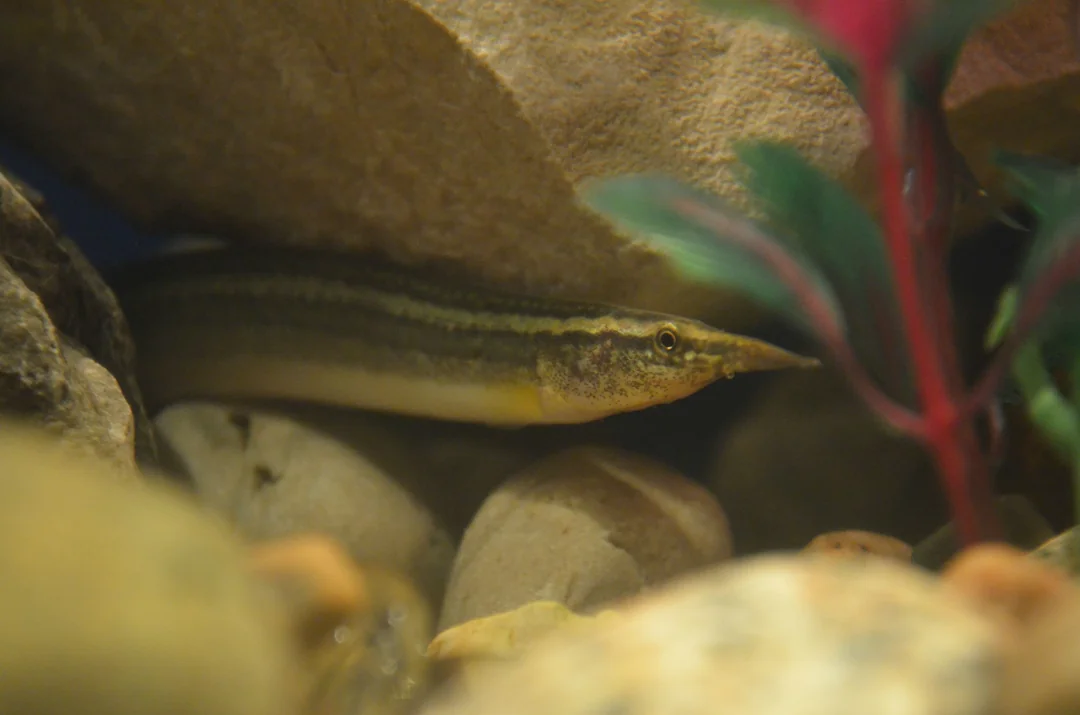
Peacock Eel
Macrognathus siamensis

OB Peacock
Aulonocara sp. 'OB'

Sunshine Peacock
Aulonocara baenschi
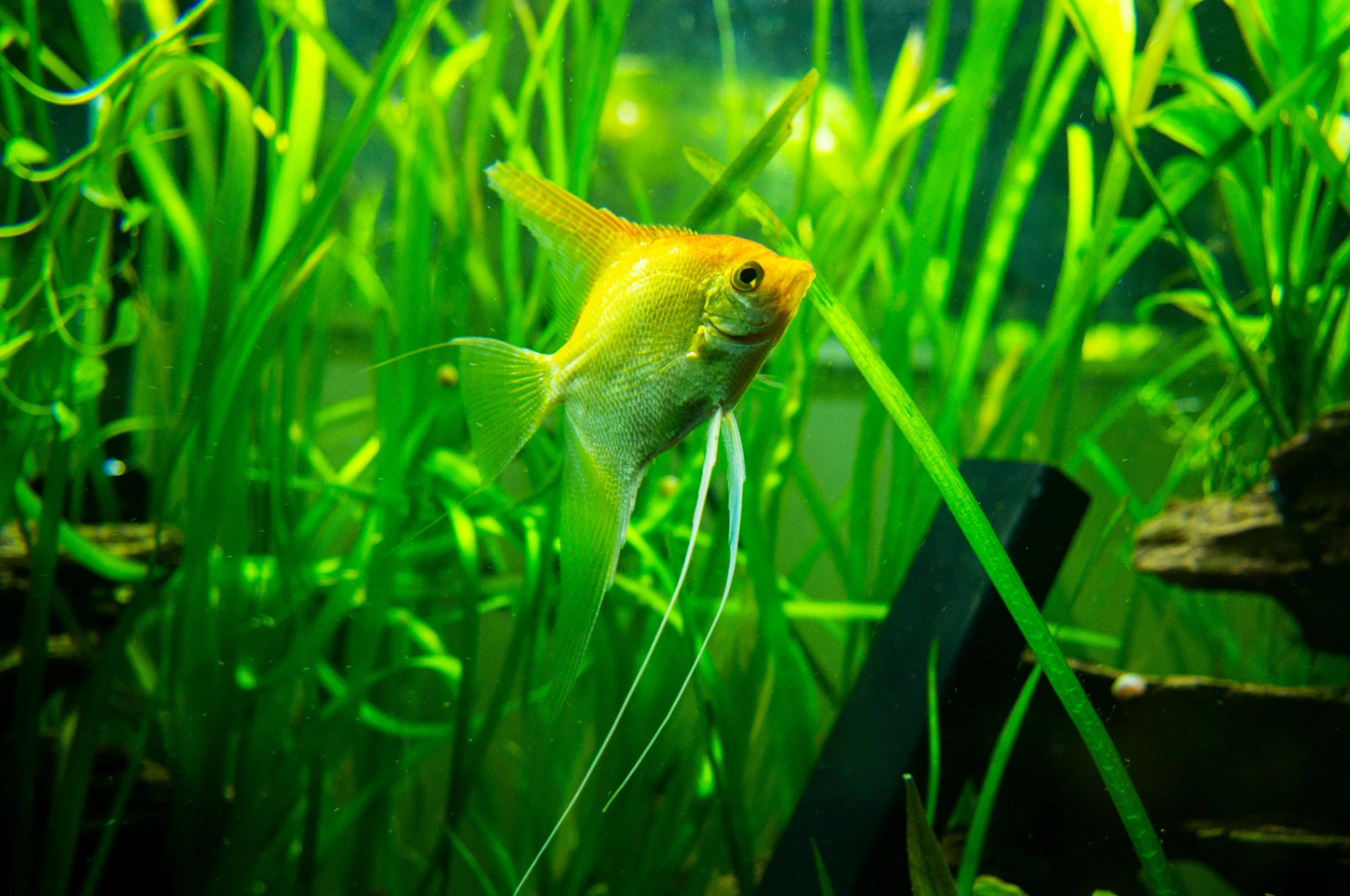
Angelfish
Pterophyllum scalare

Blood Parrot Cichlid
Amphilophus hybrid

Calvus
Altolamprologus calvus

Compressiceps
Altolamprologus compressiceps

Electric Blue Acara
Andinoacara pulcher hybrid
Ready to Add Peacock Cichlid to Your Tank?
Use our free stocking calculator to check compatibility, bioload, and get personalized recommendations.