

Care Requirements
Adult Size
3.9" (10cm)
Min Tank
50 gal
Temperature
75-82°F
pH Range
7.5-8.8
Lifespan
6-10 years
Min Group
Can be kept alone
Diet
Omnivore
Swim Level
Middle
Bioload
3/10
Hardness
10-20 dGH
About Yellow Lab
The Yellow Lab (Labidochromis caeruleus) is often the first African cichlid recommended to beginners—and for good reason. Unlike many of their Malawi relatives, Yellow Labs are remarkably peaceful for cichlids and can coexist with a variety of tankmates without the constant warfare typical of mbuna communities. Their vibrant lemon-yellow coloration makes them one of the most visually striking freshwater fish available, rivaling marine species in pure color intensity.
In the wild, Yellow Labs inhabit the rocky coastlines of Lake Malawi at depths of 10-40 meters, where they pick invertebrates and small crustaceans from crevices in the rocks. This foraging behavior translates directly to aquarium life—they're constantly exploring rockwork, investigating caves, and searching for food. This activity level, combined with their bold coloration, makes them endlessly entertaining to watch.
What sets Yellow Labs apart from other mbuna is their feeding strategy. While most mbuna are aggressive herbivores that defend algae patches, Yellow Labs are omnivorous foragers that don't need to protect a food territory. This fundamental difference in feeding ecology explains their unusually peaceful temperament. They're still cichlids—they'll establish a pecking order and defend spawning sites—but they lack the hair-trigger aggression that makes many mbuna challenging.
Yellow Labs were first exported from Lake Malawi in the 1980s and quickly became one of the most popular African cichlids in the hobby. They're now widely captive-bred, which means aquarium strains are generally hardier and more adaptable than wild-caught specimens. Their combination of stunning appearance, manageable temperament, and reasonable hardiness makes them the perfect gateway into the world of African Rift Lake cichlids.
Natural Habitat & Origin
Yellow Labs are endemic to Lake Malawi in East Africa, one of the African Great Lakes and a UNESCO World Heritage site. Lake Malawi is the ninth largest lake in the world and contains more fish species than any other lake—estimates range from 700 to over 1,000 species, with new cichlids still being discovered. The vast majority of these species are found nowhere else on Earth.
In the lake, Yellow Labs occupy the rocky littoral zone at depths between 10-40 meters. Unlike many mbuna that aggressively defend algae patches on rocks, Yellow Labs forage for small invertebrates, insect larvae, and crustaceans hiding in rock crevices. This niche separation from the herbivorous mbuna reduces competition and explains why Yellow Labs are less territorial.
The water in Lake Malawi is remarkably stable—warm (75-82°F), hard (10-20 dGH), and alkaline (pH 7.8-8.6). The lake is so large that parameters barely fluctuate seasonally. This stability means Malawi cichlids, including Yellow Labs, are sensitive to parameter swings even though the parameters themselves aren't difficult to achieve. Consistency matters more than hitting exact numbers.
Native Region
Lake Malawi, East Africa (Malawi, Mozambique, Tanzania)
Habitat Type
Rocky shoreline and reef zones at 10-40m depth
Wild Water Conditions
Warm (75-82°F), hard (10-20 dGH), alkaline (pH 7.8-8.6), extremely stable year-round
Appearance & Varieties
Yellow Labs display a striking bright lemon-yellow coloration across their entire body—one of the purest yellows found in freshwater fish. The dorsal fin features a distinctive black submarginal band (a black stripe running just inside the fin edge), which provides an elegant contrast to the yellow body. The anal and pelvic fins are also yellow, sometimes with faint black edging.
Unlike many cichlids where males and females look dramatically different, Yellow Lab sexes are remarkably similar in appearance. Both display the same vibrant yellow coloration, making visual sexing challenging. Males may show slightly more intense yellow coloration and typically have more prominent black markings on the dorsal fin. The most reliable sexing method is checking for egg spots on the anal fin—males usually have more defined, brighter egg spots, while females may have faint spots or none at all.
Adult Yellow Labs reach 4-5 inches (10-13 cm) in aquariums, with males sometimes growing slightly larger than females. They have the typical mbuna body shape—moderately elongated and laterally compressed, built for maneuvering through rocky environments. Their mouths are relatively small compared to predatory cichlids, reflecting their invertebrate-picking feeding style.
Popular Varieties
| Variety | Description | Rarity |
|---|---|---|
| Electric Yellow | The standard form with intense lemon-yellow coloration and black dorsal stripe. This is what you'll find in most fish stores—captive-bred strains are often more vibrantly colored than wild fish. | Very Common |
| White Lab | A leucistic variant displaying white to pale cream coloration instead of yellow. Maintains the black dorsal markings. Less commonly available but increasingly popular. | Uncommon |
| Blue Lab | Despite the species name 'caeruleus' (meaning blue), true blue variants are rare. Some populations show blue-white coloration. Often mislabeled in the trade. | Rare |
Tank Setup & Requirements
Quick Requirements Summary
Tank Size
Minimum Tank Size
50 gallons
Recommended Tank Size
60 gallons
Yellow Labs require a rocky aquascape that mimics their natural Lake Malawi habitat. Success with these fish—and African cichlids generally—depends on understanding that they evolved in a very specific environment that's quite different from typical community tanks.
Water Parameters
pH 7.5-8.8, Temperature 24-28°C (75-82°F), Hardness 10-20 dGH. Lake Malawi water is hard and alkaline—the opposite of Amazon blackwater. Most tap water, especially in areas with limestone bedrock, naturally meets these requirements. If your water is soft or acidic, use crushed coral, aragonite substrate, or limestone rocks to buffer pH and hardness. Stability matters more than hitting exact numbers—avoid sudden parameter swings.
Substrate
Sand or fine gravel is ideal. Yellow Labs occasionally dig, especially when breeding, and sand allows this natural behavior without injury. Aragonite sand serves double duty—it looks natural and buffers pH/hardness. Avoid sharp substrates that could damage their mouths during foraging.
Plants & Decorations
Rockwork is essential—not optional. Create piles of rocks with caves, crevices, and swim-throughs using limestone, lace rock, or ocean rock. These rocks also help buffer water chemistry. Live plants are challenging but not impossible—hardy species like Anubias (attached to rocks), Java Fern, and Vallisneria can survive. Unlike many mbuna, Yellow Labs are not dedicated herbivores, so they're less likely to destroy plants.
Filtration & Water Flow
Strong filtration is essential—aim for 8-10x tank volume turnover per hour. Cichlids are messy fish with high bioloads. Canister filters (Fluval FX4/FX6, Eheim Classic) work best for larger tanks; quality HOB filters work for smaller setups. Good surface agitation is important for oxygenation.
Lighting
Moderate lighting on a consistent schedule (8-10 hours daily). Yellow Labs display their best coloration under quality LED lighting with some blue spectrum—this enhances yellow tones. Avoid excessively bright lighting without cover, which can stress fish.
Diet & Feeding Guide
Diet Type
omnivore
Feeding Frequency
2-3 times daily in small amounts
Portion Size
Only what they can consume in 1-2 minutes
Yellow Labs are omnivores with a preference for protein—a notable difference from most mbuna, which are primarily herbivores. In the wild, they forage for small invertebrates, insect larvae, and crustaceans hiding in rock crevices rather than grazing algae. This dietary difference is partly why they're less aggressive than their herbivorous relatives. While Yellow Labs can handle more protein than herbivorous mbuna, overfeeding protein-rich foods can still cause digestive issues. The key is variety and moderation. A quality cichlid pellet should form the staple diet, supplemented with occasional frozen foods and vegetable matter.
Best Foods for Yellow Lab
- Quality cichlid pellets — Northfin Cichlid Formula, New Life Spectrum, or Hikari Cichlid Excel—the daily staple
- Spirulina flakes/pellets — Provides vegetable content and enhances yellow coloration. Feed several times weekly
- Frozen mysis shrimp — Excellent protein source that's safer than bloodworms. Feed 1-2 times weekly
- Frozen brine shrimp — Good variety food, though lower in nutrition than mysis. Feed occasionally
- Blanched vegetables — Zucchini, cucumber, shelled peas—provides fiber and variety
Foods to Avoid
- Bloodworms — Can cause bloat in African cichlids. Yellow Labs tolerate them better than herbivorous mbuna, but many keepers avoid them entirely to be safe
- Beef heart and mammal proteins — Fish cannot properly digest mammalian fats, leading to fatty deposits and health issues
- Feeder fish — Disease risk, poor nutrition, and unnecessary—Yellow Labs are not piscivores
- Low-quality pellets/flakes — Cheap foods with fillers provide poor nutrition and foul water quickly
Multiple small feedings are better than one large feeding. Cichlids are prone to overeating—a slightly hungry cichlid is healthier than an overfed one. Spirulina-rich foods enhance yellow coloration.
Behavior & Temperament
Yellow Labs are remarkably peaceful by mbuna standards—but 'peaceful mbuna' is a relative term. They're still cichlids with territorial instincts, hierarchical social structures, and the potential for aggression. Understanding their behavior helps set realistic expectations.
Males establish territories centered around caves or rock formations, which they defend primarily through displays rather than physical combat. When two Yellow Labs disagree, you'll see lateral displays (fish positioning side-by-side to appear larger), fin flaring, and jaw-locking wrestling matches. These conflicts rarely result in serious injury, unlike encounters between more aggressive mbuna species.
The social structure in a Yellow Lab group follows a clear hierarchy. The dominant male claims the best territory and displays the brightest coloration. Subordinate males may suppress their coloration to avoid confrontation—if your male looks washed out, he may be stressed by a dominant fish. Keeping one male with multiple females (1:3-4 ratio) eliminates male-male competition and spreads the dominant male's attention, preventing any single female from being over-harassed.
Yellow Labs spend much of their time foraging among rockwork, investigating crevices for food. This behavior is fascinating to watch and keeps them active throughout the day. They're generally mid-water fish but will explore all tank levels. During feeding, they become assertive and will out-compete shy species for food.
Tank Mates: Compatibility Guide
Compatible Tank Mates
Peaceful haplochromine that works well with calmer mbuna like Yellow Labs
Classic mbuna combination with different coloration to prevent identity aggression
Catfish occupy the bottom niche and are largely ignored by cichlids
Hardy enough to handle cichlid tankmates, helps control algae, appreciates hard alkaline water
Both thrive in the same water chemistry and coexist well in 75+ gallon tanks
Tank Mates to Avoid
Small community fish (Tetras, Guppies, Rasboras)
Too small and peaceful—will be stressed, bullied, or eaten
Soft water species (Discus, Rams, Cardinal Tetras)
Cannot thrive in the hard, alkaline conditions Yellow Labs need
Highly aggressive mbuna (Kenyi, Auratus)
Can bully the more peaceful Yellow Labs. Research specific species before mixing
Long-finned fish (Angelfish, Bettas)
Flowing fins trigger chasing and nipping from most cichlids
Corydoras
Too peaceful and prefer soft water. Will be stressed and outcompeted by active cichlids
Common Pairing Questions
Can Yellow Labs live with Peacock Cichlids?
Yes — Yellow Labs are one of the best mbuna to mix with Peacocks due to their relatively peaceful nature. Provide plenty of rockwork and a tank of at least 75 gallons. The different feeding niches (forager vs sand-sifter) reduce competition.
Can Yellow Labs live with community fish?
No — they require hard, alkaline water (pH 7.5-8.8) that most community fish can't tolerate. Even if water chemistry weren't an issue, cichlids are too assertive for peaceful community species.
How many Yellow Labs can I keep together?
The ideal ratio is 1 male to 3-4 females in a 50+ gallon tank. Multiple males can work in larger tanks (75+ gallons) with extensive rockwork, but expect more aggression and subordinate males showing washed-out coloration.
Yellow Labs are maternal mouthbrooders—one of the most fascinating reproductive strategies in the fish world. Breeding is relatively easy in aquariums, often happening without any special intervention when a male and females are kept in good conditions.
Males establish territories around caves and display intensely to passing females, showing vibrant coloration and spreading all fins. A receptive female follows the male to his spawning site, where she lays a small batch of eggs on a flat surface or in a pit the male has cleared. Immediately after laying, the female scoops the eggs into her mouth.
The male's anal fin features egg spots—circular markings that mimic real eggs. The female attempts to collect these 'eggs,' and in doing so, receives sperm from the male to fertilize the real eggs in her mouth.
The female holds the developing eggs and fry in her mouth for 3-4 weeks, during which time she doesn't eat. You can identify a holding female by her distended throat, reduced appetite, and tendency to hide. Fry are released as fully-formed miniature fish, approximately 8-10mm long and immediately able to eat crushed flake food or baby brine shrimp. First-time mothers sometimes swallow their brood or release fry prematurely—experienced females are more successful.
Health Issues & Disease Prevention
Yellow Labs are generally hardy fish when kept in appropriate conditions. Most health issues stem from poor water quality, incorrect parameters, or inappropriate diet—problems that are entirely preventable with proper husbandry. The key to healthy Yellow Labs is maintaining stable, clean, warm, alkaline water and feeding a varied, appropriate diet.
Common Diseases
| Disease | Symptoms | Treatment |
|---|---|---|
| Malawi Bloat | Swollen abdomen, loss of appetite, white stringy feces, lethargy, rapid breathing. Often fatal within 24-72 hours if untreated. | Metronidazole (Seachem MetroPlex) is the primary treatment. Epsom salt baths (1 tablespoon per 5 gallons) can help reduce swelling. Prevention is key: avoid bloodworms and don't overfeed. |
| Ich (White Spot Disease) | White salt-like spots on body and fins, scratching against rocks, clamped fins, rapid breathing. | Raise temperature to 86°F (30°C) for 10-14 days. Add aquarium salt (1 tablespoon per 5 gallons) or use commercial ich medication. Treat the entire tank. |
| Fin Rot | Ragged, deteriorating fin edges; white, red, or black discoloration at fin margins. | Address water quality with large water changes. Mild cases heal with clean water alone. Severe cases require antibiotics (API Fin & Body Cure, Seachem Kanaplex). |
| Hole in the Head (HITH/HLLE) | Pitting and erosion around the head and lateral line, starting as small pits and potentially spreading. | Improve water quality, add vitamin supplements to food, consider metronidazole treatment. Often leaves permanent scarring. |
| Aggression Injuries | Split fins, missing scales, wounds on body, fish hiding constantly. | Identify and remove the aggressor or rearrange decorations to break up territories. Maintain pristine water to prevent secondary infections. |
Signs of a Healthy Yellow Lab
- Vibrant, intense yellow coloration without fading
- Active swimming and enthusiastic exploration of rockwork
- Confident presence in open water, not hiding constantly
- Strong appetite and eager feeding response
- Clear eyes without cloudiness
- Full, undamaged fins held erect (not clamped)
- Smooth scales lying flat against body
- Regular spawning behavior (males courting, females holding)
Prevention Tips
- Maintain stable water parameters—consistency matters more than perfection
- Perform 25-30% weekly water changes with temperature-matched, dechlorinated water
- Don't overfeed—cichlids are greedy and will always beg for food
- Avoid bloodworms and high-fat foods that can trigger bloat
- Provide adequate rockwork and territories to minimize stress from aggression
- Quarantine new fish for 2-4 weeks before adding to established tanks
- Test water regularly, especially ammonia and nitrite (both should always read zero)
- Don't overstock—more water volume per fish means more stable conditions
Frequently Asked Questions
Yellow Labs are one of the most peaceful mbuna cichlids, but 'peaceful mbuna' is relative—they're still more territorial than typical community fish like Tetras or Corydoras. Males establish territories and may chase tankmates, especially other males. However, they rarely cause serious injury and don't display the relentless aggression of species like Kenyi or Auratus. They're an excellent choice for beginners to African cichlids.
The ideal ratio is 1 male to 3-4 females in a 50+ gallon tank. This spreads the male's attention so no single female is over-harassed, and eliminates male-male aggression. Multiple males can work in larger tanks (75+ gallons) with extensive rockwork that breaks sightlines, but you'll see more aggression and subordinate males may show washed-out coloration.
Yes, but tankmates must tolerate the same hard, alkaline water and handle cichlid behavior. Good options include other peaceful mbuna (Rusty Cichlid, Acei), Peacock Cichlids, and Synodontis catfish. Avoid small community fish (Tetras, Rasboras, Guppies), soft water species (Discus, Rams), and fish with long flowing fins.
Yes—they require hard, alkaline water (pH 7.5-8.8, 10-20 dGH) like their native Lake Malawi. Many areas have tap water that naturally meets these requirements. If your water is soft or acidic, use aragonite substrate, crushed coral, or limestone rocks to buffer chemistry. The key is stability.
Faded coloration usually indicates stress. Common causes include: being bullied by dominant tankmates, poor water quality, incorrect parameters (especially pH too low), illness, or simply being a subordinate male suppressing color to avoid conflict.
Minimum 50 gallons (190 liters) for a small group of 1 male and 3-4 females. For mixed mbuna communities or multiple males, 75+ gallons is strongly recommended.
With proper care, Yellow Labs live 6-10 years in aquariums. Some specimens have been reported to live even longer. Longevity depends on water quality, diet, stress levels, and genetics.
Yellow Labs are considered beginner-friendly for African cichlids. They're hardier and more peaceful than many mbuna species. However, they do require specific water chemistry (hard, alkaline) and a proper setup with rockwork.
Tips for Keeping Yellow Lab
Pro Tips
- ✓Use limestone, lace rock, or Texas holey rock—they look natural AND buffer water chemistry toward the alkaline conditions Yellow Labs prefer
- ✓When adding new cichlids, rearrange the rockwork first. This resets territories and reduces aggression toward newcomers
- ✓A slightly overstocked mbuna tank (with appropriate filtration) can actually reduce aggression by preventing any fish from establishing a dominant territory
- ✓Feed multiple small meals rather than one large feeding—reduces aggression at feeding time and prevents overeating
- ✓If a holding female is being harassed, isolate her in a breeder box or separate tank until she releases fry
- ✓Spirulina-rich foods enhance yellow coloration—look for pellets with spirulina listed in the first few ingredients
Common Mistakes to Avoid
- ✗Keeping in soft, acidic water—Yellow Labs evolved in hard, alkaline Lake Malawi and will not thrive in inappropriate chemistry
- ✗Using a tank too small—50 gallons is the minimum for a small group. Cichlids in cramped tanks show more aggression and stress
- ✗Keeping multiple males in small tanks—leads to constant fighting and subordinate males displaying washed-out coloration
- ✗Not providing enough rockwork—caves and hiding spots are essential for territory establishment and stress reduction
- ✗Feeding bloodworms regularly—linked to bloat in many African cichlids
- ✗Mixing with inappropriate tankmates—small community fish will be bullied; soft water species won't survive the chemistry
- ✗Overfeeding—cichlids always act hungry but are prone to bloat and obesity
Sources
- FishBase — Accepted scientific name, maximum size and native range for Yellow Lab.
Featured in Biotope Presets
Related Species You Might Like
View All Fish →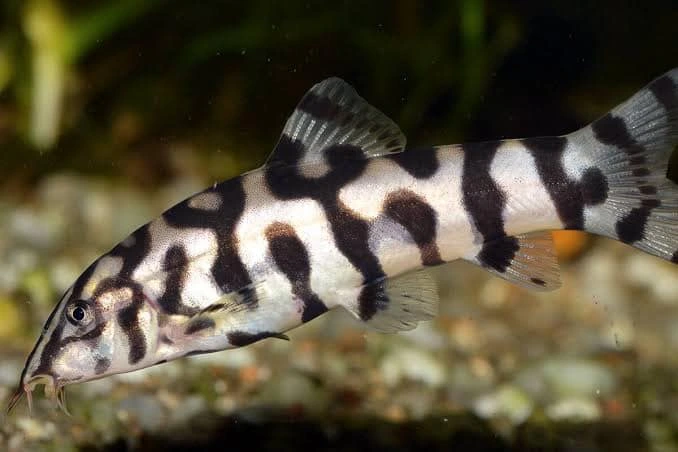
Yoyo Loach
Botia almorhae
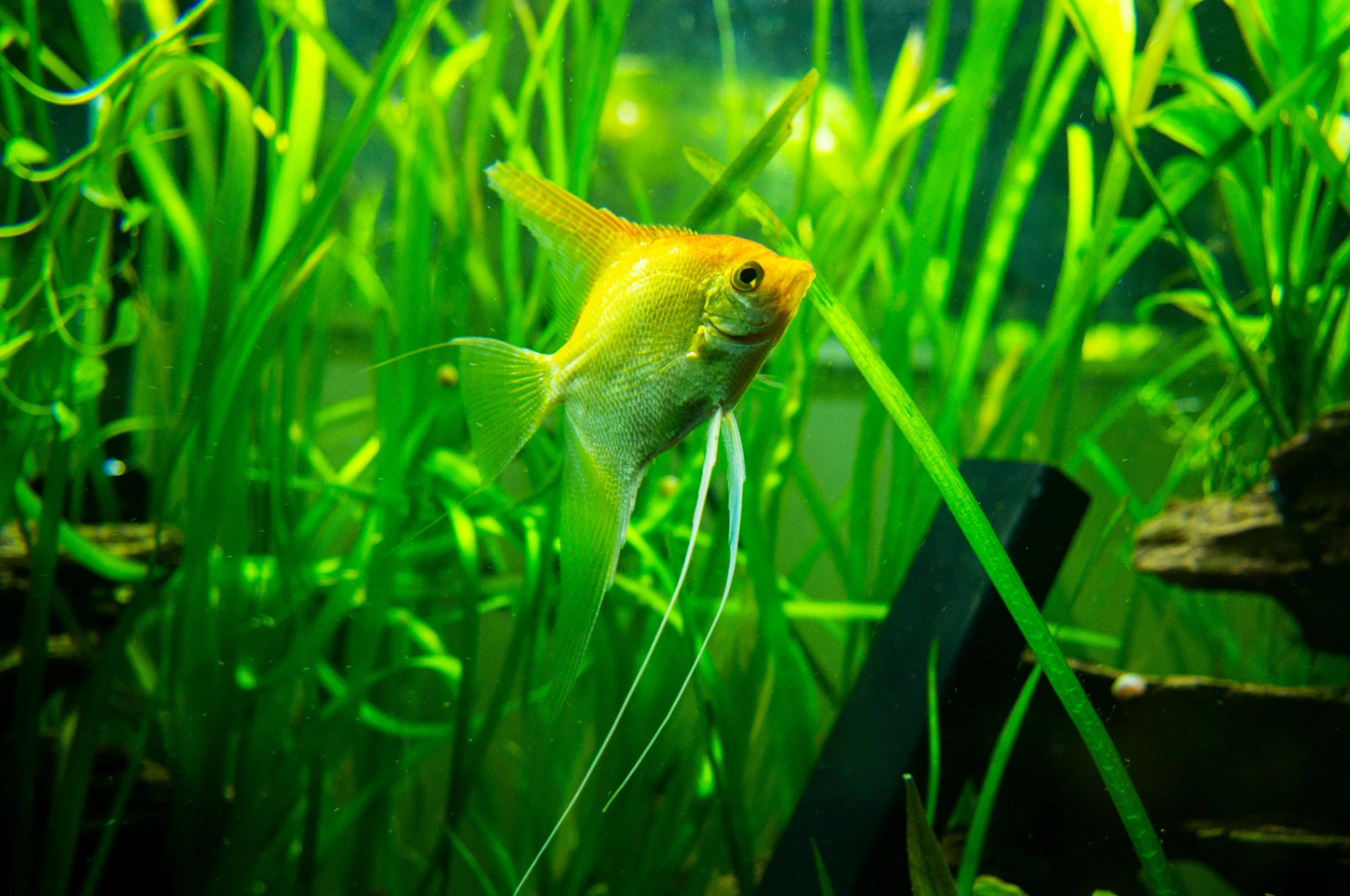
Angelfish
Pterophyllum scalare

Blood Parrot Cichlid
Amphilophus hybrid

Calvus
Altolamprologus calvus

Compressiceps
Altolamprologus compressiceps

Electric Blue Acara
Andinoacara pulcher hybrid

Firemouth Cichlid
Thorichthys meeki

OB Peacock
Aulonocara sp. 'OB'
Ready to Add Yellow Lab to Your Tank?
Use our free stocking calculator to check compatibility, bioload, and get personalized recommendations.