

Care Requirements
Adult Size
5.1" (13cm)
Min Tank
55 gal
Temperature
75-82°F
pH Range
7.5-8.8
Lifespan
5-10 years
Min Group
Can be kept alone
Diet
Herbivore
Swim Level
Middle
Bioload
3/10
Hardness
10-20 dGH
About Red Zebra
The Red Zebra is one of the most recognizable mbuna cichlids in the hobby, though its common name is misleading — these fish are actually bright orange, not red. Native to a single location in Lake Malawi (Minos Reef), they've become a staple of African cichlid keeping thanks to their vivid coloration and hardy nature. However, they come with a significant caveat: they're considerably more aggressive than beginner-friendly species like Yellow Labs.
What makes Red Zebras particularly interesting is their unusual sexual dimorphism — or rather, the lack of it. Unlike most Lake Malawi cichlids where males are colorful and females are drab, both male and female Red Zebras can display the signature orange coloration. This makes sexing challenging without venting, though males typically show slightly more intense color and may display faint barring when stressed or displaying.
Perhaps the most critical aspect of Red Zebra care is diet. These are primarily herbivores in the wild, spending their days grazing on aufwuchs — the algae and microorganisms coating rocks. Their digestive systems are adapted for plant matter, and feeding high-protein foods like bloodworms or beef heart can trigger Malawi bloat, a often-fatal condition. This dietary requirement catches many beginners off guard.
Despite their aggression, Red Zebras are rewarding fish for keepers who understand mbuna dynamics. They're active, colorful, and breed readily in aquariums. Success requires appropriate tank setup with extensive rockwork, compatible tankmates that can hold their own, and strict adherence to a vegetable-based diet.
Natural Habitat & Origin
Red Zebras are endemic to Minos Reef in Lake Malawi — one of the most restricted natural ranges of any aquarium fish. This single-location origin means wild populations are vulnerable, though the species thrives in captivity. At Minos Reef, they inhabit the rocky shallows where they graze on algae-covered surfaces, rarely venturing into open water.
The rocky habitat is crucial to understanding their aquarium needs. In the wild, rocks provide food (algae growth), territory markers, spawning sites, and refuge from predators and aggressive conspecifics. Mbuna territories are measured in inches, not feet — a single rock pile might contain a dozen fiercely defended micro-territories. This dense, competitive social structure shapes their aggressive temperament.
Lake Malawi's water is hard and alkaline with exceptional stability — conditions that Red Zebras absolutely require in captivity. The lake's chemistry has remained essentially unchanged for millions of years, and these fish have zero tolerance for soft, acidic conditions or fluctuating parameters.
Native Region
Lake Malawi, Minos Reef (endemic to single location)
Habitat Type
Rocky shallows, algae-covered surfaces
Wild Water Conditions
Hard, alkaline water (pH 7.8-8.6), extremely stable parameters
Appearance & Varieties
Despite the 'Red' in their name, Red Zebras are actually bright orange — ranging from pale peach to vivid tangerine depending on genetics, diet, and mood. The misnomer has stuck since the species entered the hobby decades ago. Both sexes can display this orange coloration, which is unusual among Lake Malawi cichlids.
Males may show faint vertical barring, especially when stressed, displaying, or asserting dominance. They also typically display more intense coloration than females, though this isn't a reliable sexing method. The most accurate way to sex Red Zebras is by examining the genital papillae (venting).
Several color morphs exist, adding to the confusion. The OB (Orange Blotch) morph features irregular black and orange mottling — a pattern that occurs naturally in wild populations. Some collection points produce males that are blue rather than orange, creating striking contrast when kept with orange females.
Popular Varieties
| Variety | Description | Rarity |
|---|---|---|
| Orange (Standard) | The classic bright orange form that gives the species its popularity. Color intensity varies from pale peach to vivid tangerine based on genetics, diet, and dominance status. | Common |
| OB (Orange Blotch) | Features irregular black mottling over an orange base. This pattern occurs naturally in wild populations and has been selectively bred in captivity. Each individual's pattern is unique. | Common |
| Blue Male | Some wild populations produce blue males instead of orange. Less common in the hobby but create striking displays when kept with orange females. | Uncommon |
| Albino | A captive-bred variant lacking normal pigmentation. Pale pinkish-white coloration with red eyes. Less hardy than normal forms. | Uncommon |
Tank Setup & Requirements
Quick Requirements Summary
Tank Size
Minimum Tank Size
55 gallons
Recommended Tank Size
75 gallons
Red Zebra tanks follow the classic mbuna formula: extensive rockwork, hard alkaline water, and deliberate overcrowding to diffuse aggression. The goal is creating a complex environment with countless territories, hiding spots, and visual barriers. This isn't optional decoration — it's essential infrastructure for managing aggression.
Water Parameters
Non-negotiable Lake Malawi chemistry. Red Zebras have evolved in hard, alkaline water for millions of years and cannot adapt to soft, acidic conditions. Use aragonite substrate, limestone, or crushed coral to naturally buffer pH and hardness. Temperature 24-28°C (75-82°F), pH 7.5-8.8, Hardness 10-20 dGH. Zero ammonia and nitrite; nitrates below 20 ppm.
Substrate
Sand allows natural foraging behavior and is gentler during territorial scuffles. Aragonite sand serves double duty — providing appropriate substrate while slowly dissolving to buffer water chemistry. Pool filter sand is an economical alternative.
Plants & Decorations
Extensive rockwork is the most critical element. Build rock piles from floor to near the surface, creating dozens of caves, crevices, and territories. Texas holey rock, limestone, lava rock, and ocean rock all work well. More rock is almost always better. Plants are not recommended — Red Zebras will systematically destroy most vegetation.
Filtration & Water Flow
Aim for 8-10x tank volume turnover per hour minimum. Mbuna tanks are typically overstocked to reduce aggression, which means heavy bioload. Canister filters or sumps are standard. Multiple filters provide redundancy.
Lighting
Higher light levels promote algae growth on rocks, which Red Zebras will graze on — supplementing their diet naturally. Standard aquarium lighting works fine.
Diet & Feeding Guide
Diet Type
herbivore
Feeding Frequency
2-3 small meals daily rather than one large feeding
Portion Size
What can be consumed in 1-2 minutes. Multiple small feedings mimic natural grazing behavior and reduce aggression at feeding time.
Diet is arguably the most critical aspect of Red Zebra care, and getting it wrong can be fatal. These are herbivores — their digestive systems are designed for plant matter, not protein. In the wild, they spend their days grazing on aufwuchs, the layer of algae, biofilm, and microorganisms coating rocks. Replicating this plant-based diet in captivity is essential. The danger of high-protein foods cannot be overstated. Feeding bloodworms, beef heart, or other protein-rich foods to Red Zebras commonly triggers Malawi bloat — a deadly condition affecting the digestive system. Even foods that seem harmless, like brine shrimp, should be fed sparingly if at all. When in doubt, stick to vegetables.
Best Foods for Red Zebra
- Spirulina flakes/pellets — Should form the staple diet. Spirulina closely matches their natural food. High-quality spirulina foods provide complete nutrition for herbivorous cichlids.
- Algae wafers — Supplement the diet and encourage natural grazing behavior. Good for ensuring all fish get food, not just dominant individuals.
- Blanched vegetables — Zucchini, cucumber, peas (shelled), spinach, and romaine lettuce. Blanch briefly to soften. Excellent enrichment and nutrition.
- Nori/seaweed sheets — The same dried seaweed used for sushi. Clip to the tank wall. High in vitamins and minerals, very close to natural diet.
- Quality herbivore pellets — New Life Spectrum Cichlid Formula, Northfin Veggie, or similar. Check that spirulina or plant matter is the first ingredient, not fish meal.
Foods to Avoid
- Bloodworms — The single most dangerous food for herbivorous mbuna. High protein content frequently triggers fatal Malawi bloat. Never feed bloodworms to Red Zebras.
- Beef heart and mammalian proteins — Fish cannot properly digest mammalian fats. These accumulate in organs and cause long-term damage. Completely inappropriate.
- Brine shrimp — Lower risk than bloodworms but still higher in protein than ideal. Use very sparingly if at all — once a week maximum.
- High-protein cichlid pellets — Many cichlid foods are formulated for carnivorous species. These are inappropriate for herbivorous mbuna. Always check ingredient lists.
- Tubifex worms — High protein, difficult to digest, and often carry parasites or bacteria. No benefit and significant risk.
A strictly vegetarian diet is essential for Red Zebras. Malawi bloat caused by high-protein foods is one of the most common killers of mbuna cichlids. When in doubt, stick to spirulina and vegetables.
Behavior & Temperament
Red Zebras are aggressive fish — there's no sugarcoating this reality. They're significantly more territorial and combative than beginner-friendly species like Yellow Labs. Understanding and managing this aggression is central to successful keeping.
Males establish territories centered on rock structures and defend them vigorously against all comers. These territories are small by human standards — often just a single cave or rock pile — but they're defended with intensity. Lip-locking, chasing, and fin damage are normal parts of mbuna social dynamics. Serious injuries and deaths occur when subordinate fish cannot escape dominant aggressors.
The counterintuitive solution is overcrowding. In a sparsely stocked tank, dominant fish can focus aggression on a few targets, often killing them. In a densely stocked tank with extensive rockwork, aggression is spread across many individuals, and no single fish bears the brunt. This 'controlled chaos' approach is standard for mbuna keeping.
Females are also territorial, though generally less intensely than males. Both sexes will defend feeding areas and preferred hiding spots. Breeding males become especially aggressive, displaying constantly and chasing any fish that approaches their territory.
Tank Mates: Compatibility Guide
Compatible Tank Mates
Classic mbuna combination. Yellow Labs are peaceful enough to coexist but sturdy enough to hold their own. Different coloration reduces competition.
Rusty Cichlid
Another relatively peaceful mbuna that complements Red Zebras well. Different coloration and slightly different habitat preferences.
Acei Cichlid
Peaceful mbuna that schools in midwater rather than defending rock territories. Different behavioral niche reduces conflict.
Hardy African catfish perfectly suited to mbuna tanks. Bottom-dwelling nature keeps them out of territorial disputes.
Other moderately aggressive mbuna
Species like Cobalt Blue Zebra, Red Top Zebra, and Socolofi can work in large, well-structured tanks.
Tank Mates to Avoid
Peaceful community fish
Tetras, rasboras, livebearers, and other peaceful species will be terrorized and eventually killed.
Slow-moving fish
Goldfish, fancy guppies, and other slow swimmers cannot escape Red Zebra aggression.
Fish requiring soft water
Discus, most tetras, and South American species require opposite water chemistry.
Peacock Cichlid
Generally too peaceful for aggressive mbuna like Red Zebras. Peacocks often end up bullied and stressed.
Highly aggressive mbuna
Species like Kenyi, Auratus, and Elongatus are even more aggressive and can dominate the tank.
Common Pairing Questions
Can Red Zebras live with Yellow Labs?
Yes — this is one of the most recommended mbuna combinations. Yellow Labs are peaceful enough to avoid triggering excessive aggression but hardy enough to handle mbuna dynamics. Provide extensive rockwork and 55+ gallons minimum.
Can Red Zebras live with Peacock Cichlids?
Generally not recommended. Red Zebras are considerably more aggressive than Peacocks, often resulting in stressed, bullied Peacocks that fail to thrive or color up. Some keepers manage in very large tanks, but it's risky.
Why is my Red Zebra bloated?
Abdominal swelling is usually Malawi bloat — a serious, often fatal condition caused by inappropriate diet or poor water quality. Isolate immediately, stop feeding, and treat with Metronidazole.
Red Zebras are prolific breeders that will spawn readily in aquarium conditions — often whether you want them to or not. They're maternal mouthbrooders following the standard Lake Malawi reproductive pattern.
Males court females aggressively, displaying their brightest colors and vibrating their bodies. Receptive females enter the male's territory where spawning occurs on a flat rock surface. The female immediately picks up the eggs and fertilizes them by mouthing the male's egg spots.
Females hold 20-40 eggs for approximately 3 weeks, during which they don't eat. Their throat becomes visibly distended with the developing brood.
One important warning: Red Zebras hybridize readily with other mbuna species. If keeping multiple mbuna species together, expect hybrid fry unless you separate holding females by species. Hybrids should not be distributed as they muddy genetic lines.
Health Issues & Disease Prevention
Red Zebras are hardy fish when their specific needs are met, but one condition looms above all others: Malawi bloat. This dietary-related disease kills more herbivorous mbuna than all other conditions combined, and it's almost entirely preventable through proper feeding.
Common Diseases
| Disease | Symptoms | Treatment |
|---|---|---|
| Malawi Bloat | Swollen abdomen, loss of appetite, white stringy feces, lethargy, rapid breathing, hiding. Often fatal within 24-72 hours of visible symptoms. | Isolate immediately. Stop all feeding. Epsom salt bath (1 tablespoon per 5 gallons). Metronidazole is the standard medication. Success rate is low once symptoms are advanced. Prevention through proper diet is far more effective. |
| Ich (White Spot Disease) | Small white spots covering body and fins. Fish may flash or scratch against rocks. Clamped fins, lethargy. | Raise temperature to 30°C (86°F) for 10-14 days. Add aquarium salt. For severe infections, use commercial ich medication. |
| Aggression Injuries | Torn fins, missing scales, wounds on body, split lips from lip-locking. Common in mbuna tanks. | Minor injuries heal in clean water. For serious wounds, isolate and treat with antibacterial medication. Address root cause by adding more rockwork. |
| Fin Rot | Progressive deterioration of fin edges. Fins appear ragged, frayed, or eaten away. | Improve water quality — fin rot is almost always secondary to poor conditions or stress. Antibacterial medication for moderate cases. |
| Swim Bladder Disorder | Difficulty maintaining normal position. Fish may float at surface, sink to bottom, or swim at odd angles. | Often caused by overfeeding or dietary issues. Fast for 2-3 days, then feed blanched, deshelled peas. |
Signs of a Healthy Red Zebra
- Bright orange coloration without faded patches
- Active territorial behavior and sparring
- Strong appetite for vegetable-based foods
- Clear eyes without cloudiness
- Normal body shape — no swelling or emaciation
- Smooth scales lying flat against body
- Regular defecation — brown, not white or stringy
Prevention Tips
- Strictly herbivorous diet — this prevents the majority of health issues
- Never feed bloodworms, beef heart, or high-protein foods
- Maintain pristine water quality with weekly 25-30% water changes
- Provide extensive rockwork to reduce aggression-related injuries
- Keep nitrates below 20 ppm to reduce stress and disease susceptibility
- Quarantine new fish for 4-6 weeks before adding to main tank
- Remove persistently bullied fish before they're stressed to death
Frequently Asked Questions
The common name is simply a misnomer that stuck decades ago. Some early imports may have appeared more red, or the name was marketing. You'll occasionally see them sold as 'Orange Zebra' by sellers trying to be more accurate.
Yes, significantly more so than beginner-friendly species like Yellow Labs. They establish and defend territories aggressively. This aggression is manageable with proper setup — extensive rockwork, appropriate tank size, and compatible tankmates — but cannot be eliminated.
They're herbivores requiring a plant-based diet. Spirulina flakes and pellets should form the staple, supplemented with algae wafers and blanched vegetables. Feeding high-protein foods like bloodworms commonly triggers fatal Malawi bloat.
Yes — this is one of the most recommended mbuna combinations. Yellow Labs are peaceful enough to avoid triggering excessive aggression but hardy enough to handle mbuna dynamics.
Unlike most Lake Malawi cichlids, both sexes can be bright orange. Males may show slightly more intense color and faint barring, but these aren't reliable sexing methods. Venting is the most accurate approach.
One male with 4-5 females in a species-only setup. In mixed mbuna communities, one male with 2-3 females works well. Avoid multiple males unless the tank is 100+ gallons.
Generally not recommended. Red Zebras are considerably more aggressive, and Peacocks often end up bullied and stressed. Some keepers manage in very large tanks, but it's risky.
Abdominal swelling is usually Malawi bloat — caused by inappropriate diet or poor water quality. Isolate immediately, stop feeding, and treat with Metronidazole. Prevention through strict herbivorous diet is far more effective.
Tips for Keeping Red Zebra
Pro Tips
- ✓Maintain a strictly vegetarian diet to prevent bloat — the single most important care factor
- ✓Overstock slightly to reduce individual aggression — counterintuitively, more fish means less aggression per individual
- ✓Rearrange rockwork when adding new fish to reset all territories
- ✓Higher lighting promotes natural algae grazing on rocks for enrichment and supplemental nutrition
- ✓Watch for hybridization if keeping multiple mbuna species — Red Zebras breed readily with other mbuna
Common Mistakes to Avoid
- ✗Feeding high-protein foods — Malawi bloat kills more Red Zebras than any other cause
- ✗Not providing enough rockwork — increased aggression and fish deaths without adequate hiding spots
- ✗Keeping with peaceful community fish — terrorized tankmates that hide constantly and eventually die
- ✗Understocking to 'reduce aggression' — paradoxically increases aggression per individual
- ✗Adding new fish to established territories — always rearrange rockwork to reset boundaries
- ✗Keeping in soft, acidic water — chronic stress, disease, poor coloration, shortened lifespan
Sources
- FishBase — Accepted scientific name, maximum size and native range for Red Zebra.
Related Species You Might Like
View All Fish →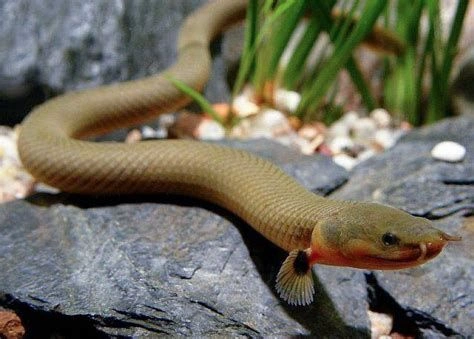
Rope Fish
Erpetoichthys calabaricus

Cobalt Blue Zebra
Maylandia callainos

Auratus Cichlid
Melanochromis auratus

Convict Cichlid
Amatitlania nigrofasciata

Demasoni
Pseudotropheus demasoni

Jewel Cichlid
Hemichromis bimaculatus

Chinese Algae Eater
Gyrinocheilus aymonieri

Green Spotted Puffer
Dichotomyctere nigroviridis
Ready to Add Red Zebra to Your Tank?
Use our free stocking calculator to check compatibility, bioload, and get personalized recommendations.