
Care Requirements
Adult Size
15.7" (40cm)
Min Tank
75 gal
Temperature
72-82°F
pH Range
6.5-7.5
Lifespan
15-20 years
Min Group
Can be kept alone
Diet
Carnivore
Swim Level
Bottom
Bioload
3/10
Hardness
5-15 dGH
About Rope Fish
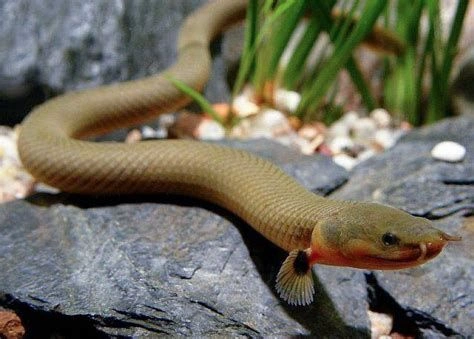
The Rope Fish — also called Reed Fish or Snake Fish — presents one of the aquarium hobby's most unusual appearances: a serpentine body reaching 15+ inches that moves through the tank like an aquatic snake. Related to bichirs but in its own genus, this West African native shares their primitive features including air-breathing lungs and armored scales while possessing a uniquely elongated form.
Their snake-like appearance initially concerns some fishkeepers, but Rope Fish are remarkably peaceful creatures. Unlike their bichir cousins, they're genuinely docile — not ambush predators waiting to strike but curious explorers that investigate their environment with almost puppyish inquisitiveness. They'll eat fish small enough to swallow but don't actively hunt larger tankmates.
Rope Fish are social animals that genuinely benefit from company of their own kind. While they survive alone, groups of 3+ show more natural behavior, increased activity, and reduced stress. Watching a group of Rope Fish tangled together in a favorite hiding spot or exploring the tank in loose association is uniquely entertaining.
Like bichirs, they're obligate air-breathers requiring surface access and notorious escape artists requiring absolutely secure lids. These requirements are non-negotiable. They're also long-lived fish — 15-20 year lifespans are normal — representing significant commitments. But for keepers willing to meet their needs, Rope Fish provide fascinating prehistoric alternatives to typical aquarium inhabitants.
Natural Habitat & Origin
Conservation status: Near Threatened (NT)
Rope Fish inhabit slow-moving freshwater and brackish environments in West Africa, particularly the Niger Delta region spanning Nigeria, Cameroon, and Benin. They're found in vegetated waterways, swamps, and flood plains where dense plant growth provides cover and hunting grounds.
Their natural habitat features warm, often oxygen-poor water where their air-breathing ability provides crucial advantage. During dry seasons when water levels drop and oxygen depletes, they gulp atmospheric air to survive conditions that would kill typical fish.
Vegetation plays important roles in their wild ecology — they hunt among plants for invertebrates and small fish, hide from predators in dense growth, and likely use plant structure for breeding. Their elongated body navigates easily through tangled roots and stems.
Wild Rope Fish are nocturnal, spending daylight hidden and emerging at night to hunt. Their diet consists primarily of insects, worms, and small fish — whatever prey their poor eyesight and excellent sense of smell can locate.
Native Region
West Africa — Nigeria, Cameroon, Benin
Habitat Type
Vegetated swamps, floodplains, and slow-moving waterways
Wild Water Conditions
Warm (24-28°C), soft to moderate hardness, often low oxygen
Appearance & Varieties
Rope Fish possess the most elongated body plan of any commonly kept polypterid — an extremely slender, snake-like form reaching 15-16 inches in aquariums. The body is round in cross-section rather than flattened, enhancing the serpentine appearance.
Like bichirs, they have distinctive dorsal finlets — 9-14 small flag-like fins. However, they completely lack pelvic fins and their pectoral fins are small and rounded. The head is somewhat flattened with small eyes and prominent nostrils.
Coloration is olive-green to brownish-yellow with lighter undersides. Scales are ganoid type — thick, bony, and diamond-shaped. The overall appearance is remarkably snake-like.
Males and females are difficult to distinguish visually. Males may have slightly thicker anal fin regions when mature.
Popular Varieties
| Variety | Description | Rarity |
|---|---|---|
| Standard/Wild-Type | Olive-green to brownish-yellow with lighter belly. The only form available — no selectively bred variants exist. | Common |
Tank Setup & Requirements
Quick Requirements Summary
Tank Size
Minimum Tank Size
75 gallons
Recommended Tank Size
120 gallons
Rope Fish require spacious tanks with absolutely secure lids — their escape artistry exceeds even bichirs due to their flexible, slender bodies.
Water Parameters
Adaptable to various conditions within reasonable tropical parameters. Neutral, moderately soft water works well. They tolerate slight brackish conditions reflecting their coastal habitat origins, but this isn't necessary. Stability matters more than precise targets.
Substrate
Fine sand allows natural bottom-resting and burrowing behaviors without risk of injury. They often rest partially buried or draped along the substrate. Smooth, rounded gravel works as alternative. Dark sand enhances their appearance.
Plants & Decorations
Provide caves, PVC pipe sections, driftwood tangles, and dense plants creating sheltered areas throughout the tank. They'll pile together in favored spots, so offer hiding places large enough for groups. Plants provide security and replicate their vegetated wild habitat. Floating plants are excellent additions.
Filtration & Water Flow
Good filtration maintains water quality but avoid extremely strong current — they're not powerful swimmers. Canister filters work well with spray bars diffusing flow. Sponge filters are good choices for their gentle output.
Lighting
As nocturnal fish, they're most comfortable and active under dim lighting. Floating plants naturally create ideal conditions. Moonlight/blue LED options allow nighttime viewing during their active period.
Diet & Feeding Guide
Diet Type
carnivore
Feeding Frequency
Every 2-3 days
Portion Size
Moderate amounts — they have relatively slow metabolism. Feed near their hiding spots after lights out for best results.
Rope Fish are carnivores requiring meaty foods, but their poor eyesight and nocturnal habits require patience and appropriate feeding strategies.
Best Foods for Rope Fish
- Earthworms/nightcrawlers — Excellent staple food that triggers strong feeding response. Highly nutritious and eagerly accepted.
- Frozen bloodworms — Often the first food accepted by new specimens. Feed generous portions — they eat slowly.
- Frozen foods (prawns, fish, mussels) — Variety of frozen seafoods accepted once feeding established. Cut to appropriate size.
- Sinking carnivore pellets — May accept quality sinking pellets but often slow to adopt. Best trained onto pellets gradually.
- Frozen krill — Nutritious and usually accepted. Good for adding variety.
Foods to Avoid
- Floating foods —
- Flakes and small pellets —
- Plant-based foods —
Their poor eyesight and slow feeding style means they often miss food in community tanks. Use feeding tongs to place food directly near their hiding spots after lights out.
Behavior & Temperament
Rope Fish exhibit gentle, curious personalities quite different from the ambush-predator mentality of their bichir relatives. They explore their environment with snake-like movement. They're genuinely social fish that benefit significantly from conspecific company. Groups of 3+ show more natural behavior. They'll often rest piled together in favored hiding spots. Nocturnal activity patterns mean they're most visible after lights out. Surface breathing is regular and necessary.
Tank Mates: Compatibility Guide
Compatible Tank Mates
Tank Mates to Avoid
Small fish (anything mouth-sized)
Despite peaceful nature, they will eat fish small enough to swallow.
Dwarf shrimp
Natural prey — will be hunted and consumed.
Aggressive or territorial fish
Their gentle nature makes them poor matches for aggressive species.
Small bottom-dwellers
Corydoras, small loaches are within eating range and share habitat space.
Common Pairing Questions
Can Rope Fish live with bichirs?
Yes — they're related species with similar requirements and coexist well when similarly sized.
Should I keep multiple Rope Fish?
Highly recommended — groups of 3+ show dramatically better behavior than solitary specimens.
Breeding Rope Fish in aquariums is extremely rare. Most specimens are wild-caught. Sexing is difficult. Reported spawnings occurred in large, mature aquariums with stable groups.
Health Issues & Disease Prevention
Rope Fish are hardy when their basic needs are met. Most health issues relate to escape injuries, starvation from feeding challenges, or water quality neglect.
Common Diseases
| Disease | Symptoms | Treatment |
|---|---|---|
| Escape injuries | Physical damage, dried patches, fungal growth on wounds. | Return to water immediately. Treat with aquarium salt and antifungal medication. |
| Starvation/emaciation | Visible spine, sunken belly, lethargy. | Offer highly attractive foods near hiding spots after lights out. May need target feeding. |
| Ich | White spots, flashing. | Raise temperature to 30°C. Salt treatment or commercial medication. |
| Bacterial infections | Cloudy eyes, red patches, ulcers. | Improve water quality. Antibacterial medication for serious infections. |
| Internal parasites | Weight loss despite eating, stringy white feces. | Anti-parasitic medication. More common in wild-caught specimens. |
Signs of a Healthy Rope Fish
- Appropriate body condition
- Regular surface breathing
- Nighttime activity
- Eating regularly
- Clear eyes
- Intact scales
Prevention Tips
- Absolutely secure lid — check for gaps
- Keep in groups when possible
- Ensure food reaches them
- Provide abundant hiding spots
- Maintain good water quality
Frequently Asked Questions
No — they're genuinely peaceful, even docile fish. They will eat fish small enough to swallow, but they don't actively hunt or harass larger tankmates. Many keepers describe them as friendly and curious.
While they can survive alone, they genuinely benefit from company. Groups of 3+ show more natural behavior, increased activity, and greater confidence. Solitary Rope Fish often remain hidden constantly.
They're nocturnal (try feeding after lights out), their poor eyesight means they hunt by smell (aromatic foods like bloodworms work best), faster tankmates may be taking food before they find it. Patience and appropriate feeding strategies usually resolve the issue.
Absolutely seal every potential exit. They're more flexible than bichirs and squeeze through incredibly small gaps. Cover filter intakes and outlets with foam, seal around cords with tape or silicone.
15-20 years is typical with proper care. This makes them significant long-term commitments comparable to dogs.
Tips for Keeping Rope Fish
Pro Tips
- ✓Keep them in groups for dramatically better behavior — solitary Rope Fish are shy, hidden fish.
- ✓Target feed with feeding tongs after lights out to ensure they receive adequate nutrition.
- ✓Bloodworms are your best friend for new specimens — the strong scent attracts them effectively.
- ✓Check lid security obsessively — they're the hobby's most notorious escape artists.
Common Mistakes to Avoid
- ✗Inadequate lid security — escaped fish found dead on floor.
- ✗Keeping alone — perpetually hidden, inactive fish.
- ✗Not ensuring food reaches them — gradual starvation while faster tankmates take all food.
- ✗Tankmates too small — despite gentle nature, they eat anything mouth-sized.
- ✗Expecting daytime activity — they're nocturnal.
Sources
- FishBase — Accepted scientific name, maximum size and native range for Rope Fish.
- IUCN Red List — Near Threatened conservation assessment for Erpetoichthys calabaricus.
Related Species You Might Like
View All Fish →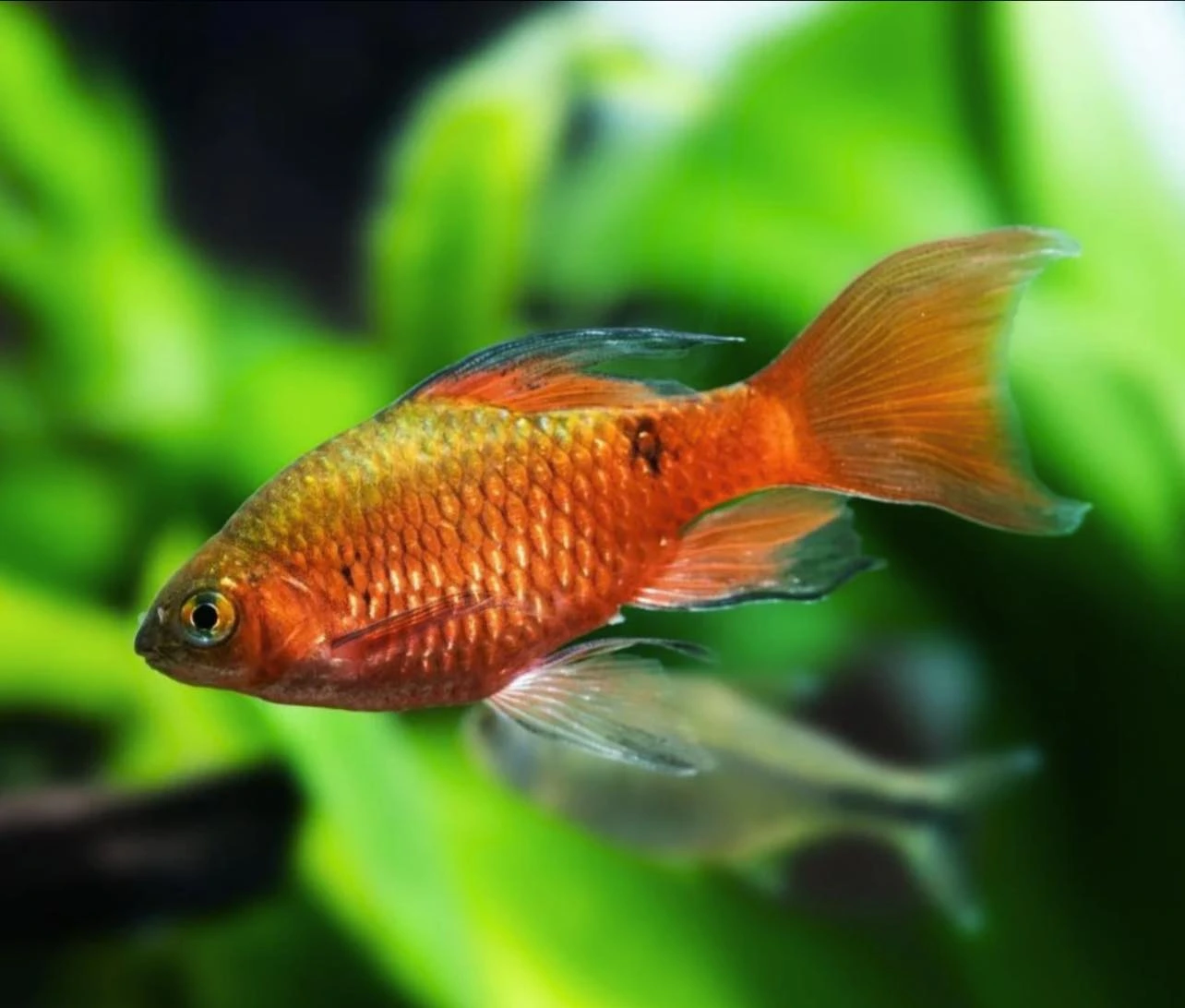
Rosy Barb
Pethia conchonius

Acei Cichlid
Pseudotropheus acei
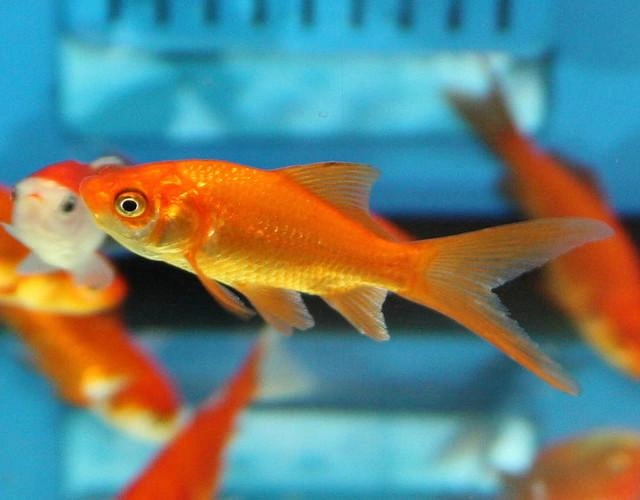
Common Goldfish
Carassius auratus
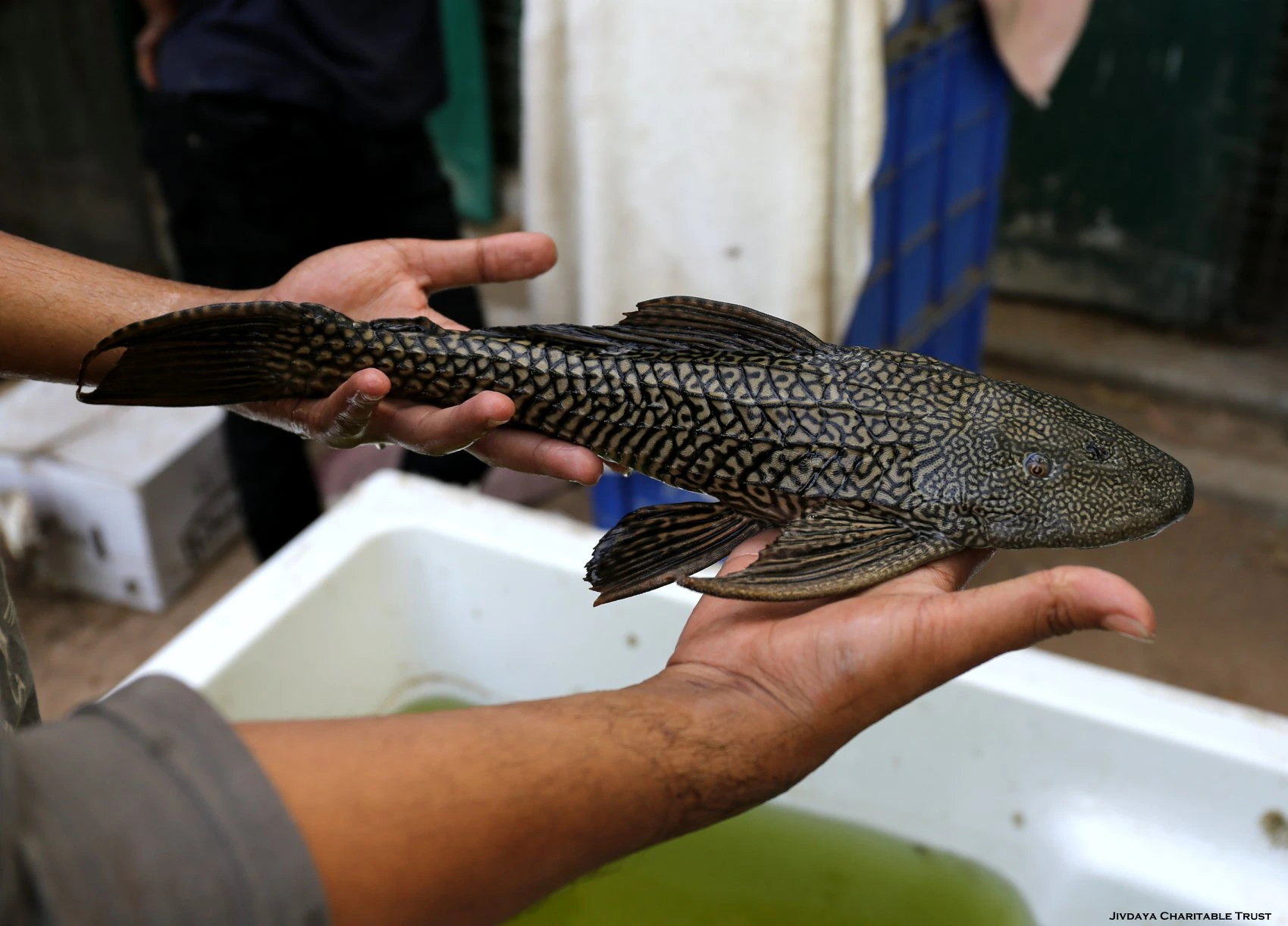
Common Pleco
Hypostomus plecostomus
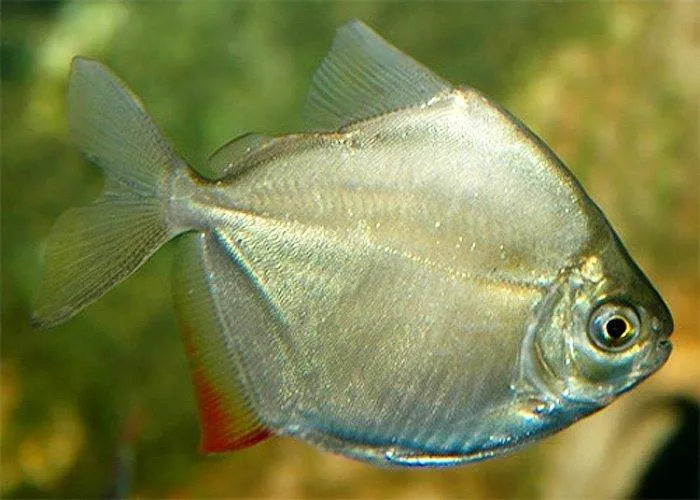
Silver Dollar
Metynnis argenteus
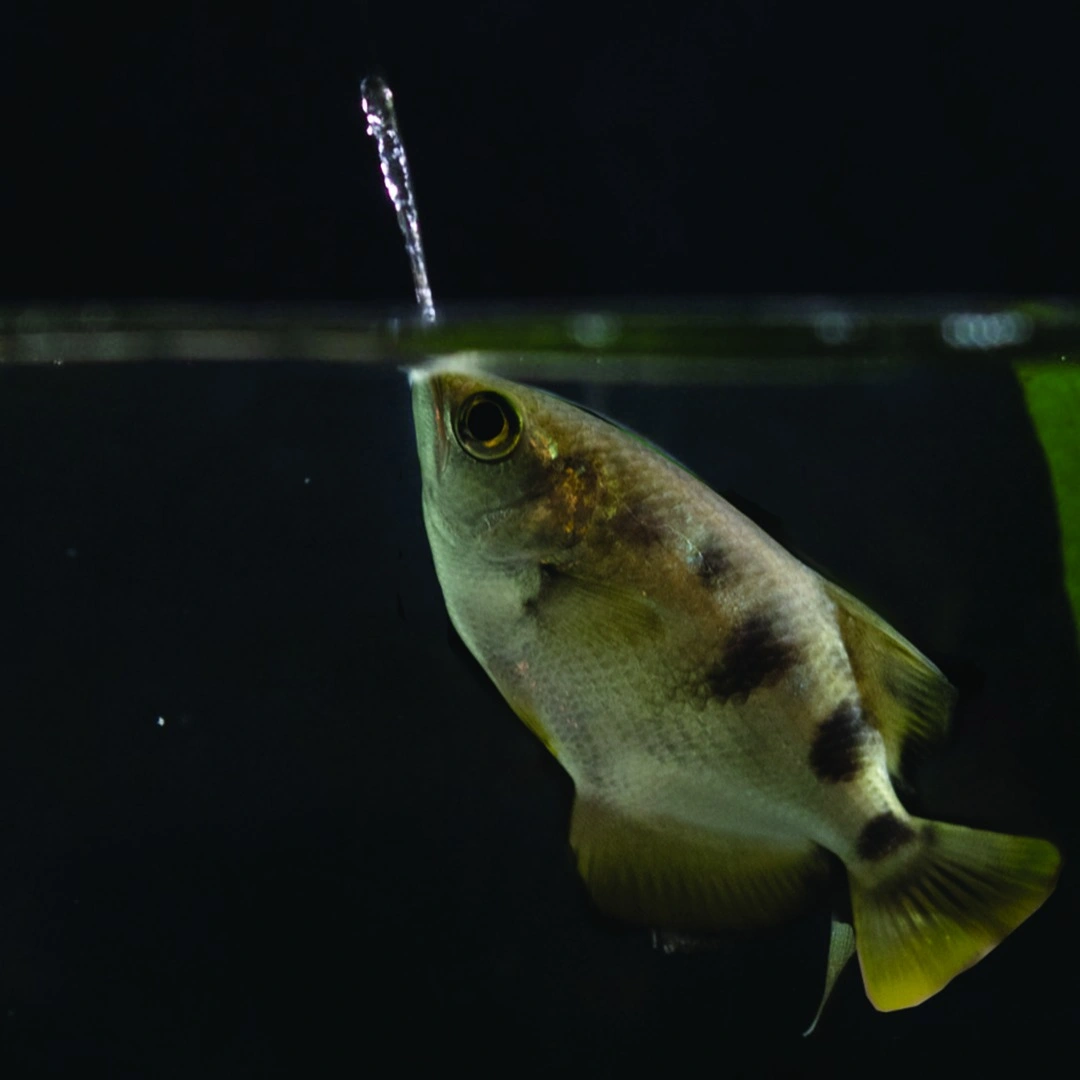
Archer Fish
Toxotes jaculatrix
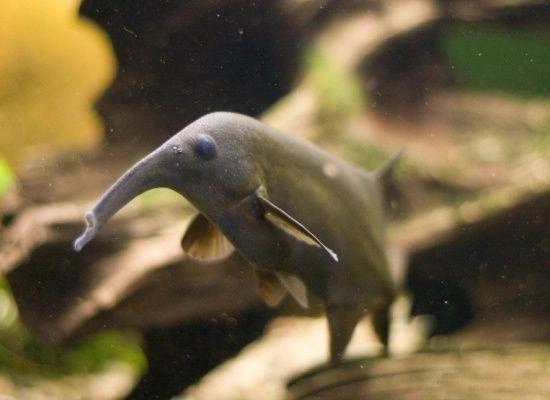
Elephant Nose Fish
Gnathonemus petersii

Flowerhorn Cichlid
Hybrid (Amphilophus × Vieja crosses)
Ready to Add Rope Fish to Your Tank?
Use our free stocking calculator to check compatibility, bioload, and get personalized recommendations.