
Care Requirements
Adult Size
3.9" (10cm)
Min Tank
30 gal
Temperature
64-77°F
pH Range
6.5-7.5
Lifespan
5-7 years
Min Group
6+ fish
Diet
Omnivore
Swim Level
Middle
Bioload
3/10
Hardness
5-15 dGH
About Rosy Barb
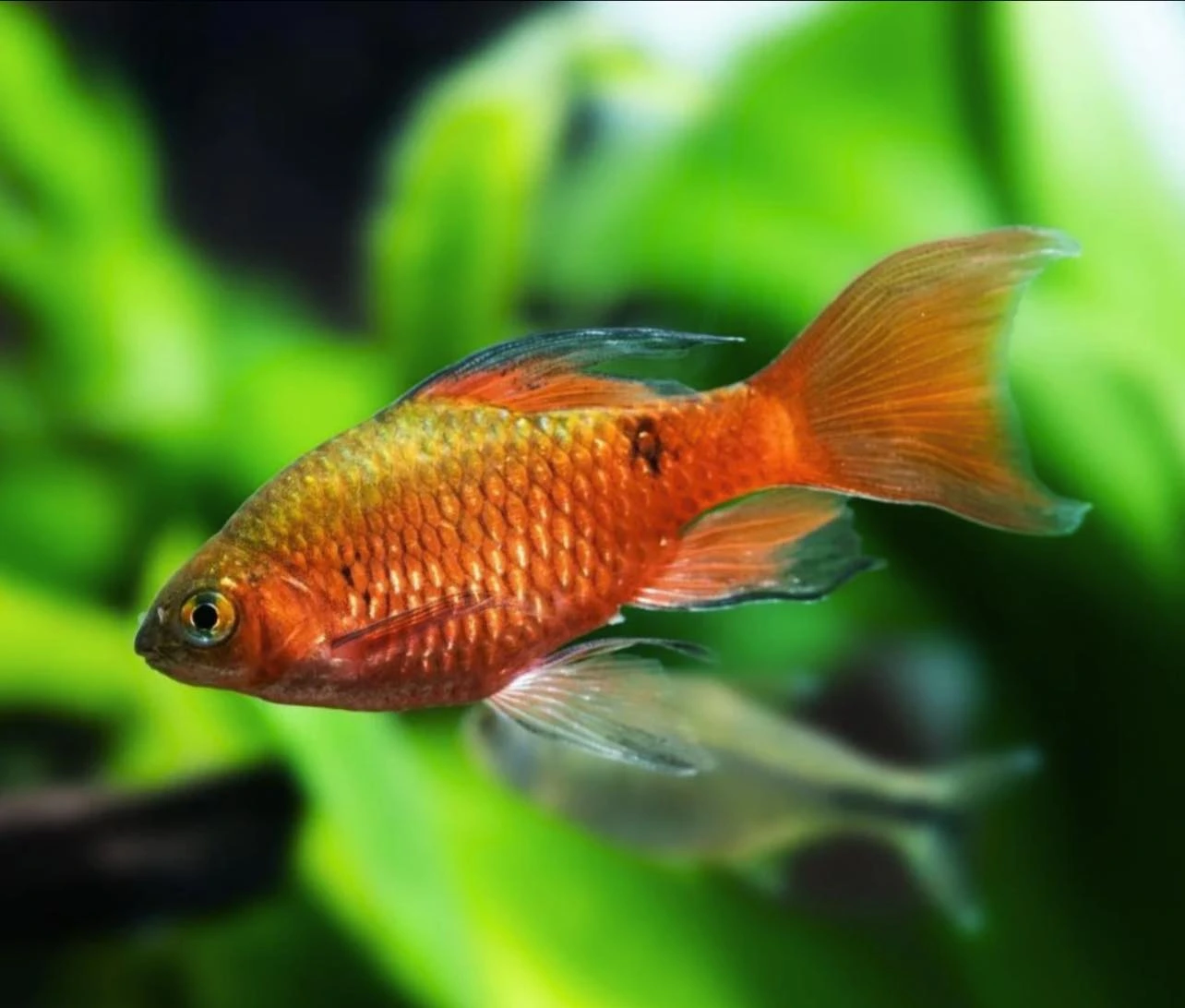
The Rosy Barb is one of the most beautiful barbs available—especially when males color up for breeding. Their bodies turn a stunning rosy pink that rivals any tropical fish for visual impact. Unlike tiger barbs, they're genuinely peaceful, making them excellent community fish.
What sets Rosy Barbs apart from most tropical fish is their cold tolerance. They're subtropical fish that thrive at 64-77°F (18-25°C)—temperatures that would stress most tropicals. This makes them perfect for unheated indoor tanks, subtropical setups, and even outdoor ponds during warmer months. They're one of the few 'tropical-looking' fish compatible with goldfish.
Rosy Barbs are hardy, adaptable, and easy to breed. They're larger than many barbs (up to 4 inches) and need appropriate space, but their peaceful nature, stunning color, and environmental flexibility make them excellent choices for a variety of setups.
Natural Habitat & Origin
Rosy Barbs are native to South Asia, found across India, Bangladesh, Nepal, Pakistan, and Afghanistan. They inhabit lakes, ponds, and slow-moving streams at various altitudes, including subtropical regions with significant seasonal temperature changes.
This wide range and altitude variation explains their remarkable temperature tolerance. Unlike tropical fish from stable warm environments, Rosy Barbs evolved to handle seasonal cooling, making them among the most temperature-flexible aquarium fish available.
Native Region
South Asia—India, Bangladesh, Nepal, Pakistan, Afghanistan
Habitat Type
Lakes, ponds, and slow-moving streams at various altitudes
Wild Water Conditions
Subtropical, seasonal temperature variation, moderate conditions
Appearance & Varieties
Rosy Barbs are medium-sized barbs reaching about 4 inches (10 cm). Females are silvery-gold with olive tones, while males are the show-stoppers—they turn brilliant rosy pink when in breeding condition or displaying. The intensity of male coloration depends on health, diet, and social stimulation.
Long-finned varieties are available with more flowing finnage, creating an even more ornamental appearance. Males are slimmer than the rounder females, and the color difference between sexes becomes most dramatic during breeding season.
Popular Varieties
| Variety | Description | Rarity |
|---|---|---|
| Wild Type | Males rosy pink when displaying, females silvery-gold | Very Common |
| Long-finned | Extended finnage for more ornamental appearance | Common |
| Neon Rosy Barb | Brighter pink coloration through selective breeding | Uncommon |
Tank Setup & Requirements
Quick Requirements Summary
Tank Size
Minimum Tank Size
30 gallons
Recommended Tank Size
40 gallons
Rosy Barbs need at least 30 gallons (115 liters) for a school, with 40 gallons (150 liters) being preferable given their adult size. Long tanks provide better swimming space for these active fish.
Water Parameters
Temperature 64-77°F (18-25°C)—notably cooler than typical tropical fish. pH 6.0-8.0, GH 5-20. Very adaptable to a wide range of conditions. They don't need a heater in most homes.
Substrate
Any substrate works. Dark substrates enhance male coloration, making their pink color more vivid.
Plants & Decorations
Plants are beneficial but they may nibble soft-leaved varieties. Use hardy plants like Java Fern and Anubias. Provide open swimming areas along with planted sections.
Filtration & Water Flow
Standard filtration with moderate flow is fine. They're not demanding regarding water movement.
Lighting
Moderate lighting works well. Not particularly sensitive to lighting levels.
Diet & Feeding Guide
Diet Type
omnivore
Feeding Frequency
1-2x daily
Portion Size
What they consume in 2-3 minutes
Rosy Barbs are enthusiastic omnivores that accept virtually any food. They appreciate some vegetable matter in their diet and will graze on algae. Color-enhancing foods help bring out the males' stunning pink coloration.
Best Foods for Rosy Barb
- High-quality flakes — Staple diet—color-enhancing formulas recommended
- Pellets — Good variety option
- Frozen bloodworms — Excellent for conditioning and color
- Frozen brine shrimp — Good protein supplement
- Spirulina flakes — Good plant-based nutrition
- Blanched vegetables — Zucchini, peas—they enjoy vegetable matter
Foods to Avoid
- Low-quality foods — Affects color development
- Excessive protein only — Need vegetable matter too
Color-enhancing foods bring out the males' stunning rosy pink coloration. They enjoy vegetable matter—include some plant-based foods in their diet. Greedy eaters that accept everything offered.
Behavior & Temperament
Rosy Barbs are peaceful, active schoolers that are much calmer than tiger barbs. They may occasionally nip fins, but this behavior is far less problematic than their notorious cousins. Males display to each other with flared fins and intensified color—a beautiful sight.
They're confident fish that spend time in the open once settled, making them rewarding to observe. Males turn spectacular rosy pink when displaying or competing for female attention. This color intensifies with good diet and proper keeping conditions.
Their cold tolerance makes them unusual in the hobby—they're comfortable at temperatures that would stress most tropical fish, opening up housing options not available for other colorful species.
Tank Mates: Compatibility Guide
Compatible Tank Mates
Good companions, similar care
Active, similar temperature tolerance
Rainbowfish
Active, similarly sized
Perfect temperature match
Goldfish
Temperature compatible, similar activity level
Peaceful bottom dwellers
Peaceful, different level
Tank Mates to Avoid
Very long-finned fish
Some nipping risk, though less than tiger barbs
Very small fish
May be outcompeted or bullied
Tropical fish requiring warm water
Temperature incompatibility
Slow timid species
May be overwhelmed by their activity
Common Pairing Questions
Can rosy barbs live in cold water?
Yes—they're subtropical and tolerate 18-25°C (64-77°F). They don't need a heater in most homes and can even live in outdoor ponds during summer in temperate climates.
Do rosy barbs nip fins like tiger barbs?
They can occasionally nip, but they're much less aggressive than tiger barbs. Keep in groups of 6+ and avoid the most tempting targets (flowing-finned fish) to minimize risk.
Can I keep rosy barbs with goldfish?
Yes—they're one of the few tropical-looking fish compatible with goldfish due to overlapping temperature preferences. Both are active and similarly sized.
Rosy Barbs are easy to breed in home aquariums. They're egg scatterers that spawn readily, and the breeding display is one of the hobby's great sights—males turn spectacular rosy pink.
Set up a breeding tank with fine-leaved plants or spawning mops, slightly warmer water (75-78°F), and a well-conditioned pair. Males display intensely with deepened color, chasing females. 200-400 eggs are scattered among plants.
Remove parents after spawning—they will eat eggs. Eggs hatch in 24-36 hours and fry become free-swimming shortly after. Feed infusoria initially, then baby brine shrimp. Fry grow quickly and are easy to raise.
Health Issues & Disease Prevention
Rosy Barbs are exceptionally hardy fish that tolerate a wide range of conditions. Their cold tolerance and adaptability make them among the easiest barbs to keep healthy.
Common Diseases
| Disease | Symptoms | Treatment |
|---|---|---|
| Ich | White spots, scratching | Raise temperature moderately, standard ich medication |
| Fin rot | Frayed fins | Improve water quality, antibacterial treatment if severe |
| Columnaris | White patches, cotton-like growth | Antibacterial treatment, improve water quality |
| Velvet | Gold dust appearance | Copper-based treatment, dim lighting |
Signs of a Healthy Rosy Barb
- Vibrant color (pink in males when displaying)
- Active swimming
- Good appetite
- Schooling behavior
- Intact fins
Prevention Tips
- Quarantine new fish for 2 weeks
- Keep in groups of 6+
- Don't overheat—they prefer cooler temperatures
- Maintain good water quality
- Provide varied diet for best color
Frequently Asked Questions
Yes—they're subtropical and tolerate 18-25°C (64-77°F). They don't need a heater in most homes and can even live in outdoor ponds during summer in temperate climates.
They can occasionally nip, but they're much less aggressive than tiger barbs. Keep in groups of 6+ and avoid the most tempting targets (flowing-finned fish) to minimize risk.
Yes—they're one of the few tropical-looking fish compatible with goldfish due to overlapping temperature preferences. Both are active and similarly sized.
Males color up during breeding condition and when displaying. Ensure good diet with color-enhancing foods, keep with females to stimulate display behavior, and maintain good water quality.
Tips for Keeping Rosy Barb
Pro Tips
- ✓One of the most beautiful barbs when males are in breeding color
- ✓Perfect for unheated tanks or subtropical setups
- ✓Much more peaceful than tiger barbs—better community fish
- ✓Can be kept outdoors in summer in temperate climates
- ✓Compatible with goldfish unlike most tropical fish
- ✓Color-enhancing foods dramatically improve male coloration
- ✓Long-finned varieties available for more ornamental display
Common Mistakes to Avoid
- ✗Keeping in very warm tropical temperatures—they prefer cooler
- ✗Small groups—need 6+ for natural behavior
- ✗Expecting constant pink coloration—males color up for breeding
- ✗Mixing with delicate long-finned species
- ✗Not providing enough swimming space
- ✗Low-quality diet—affects color development
Sources
- FishBase — Accepted scientific name, maximum size and native range for Rosy Barb.
Related Species You Might Like
View All Fish →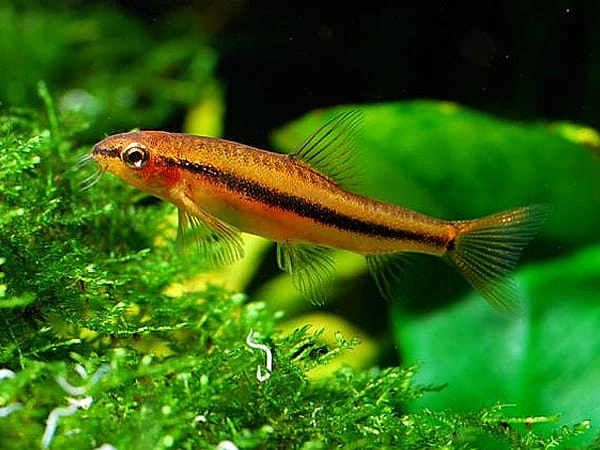
Rosy Loach
Petruichthys sp. 'rosy'

Odessa Barb
Pethia padamya
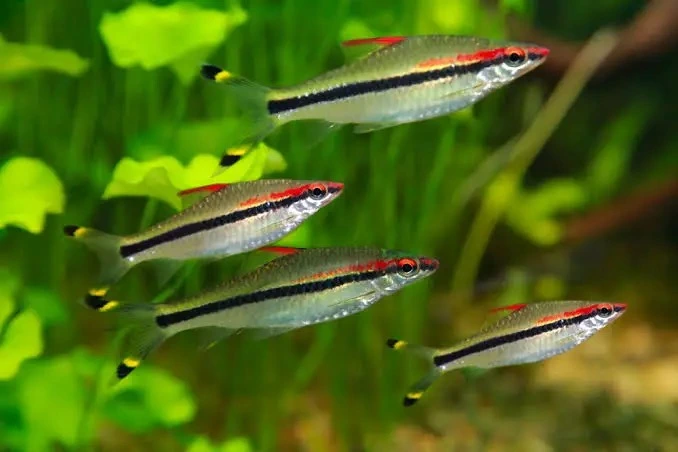
Denison Barb
Sahyadria denisonii

Australian Rainbowfish
Melanotaenia splendida
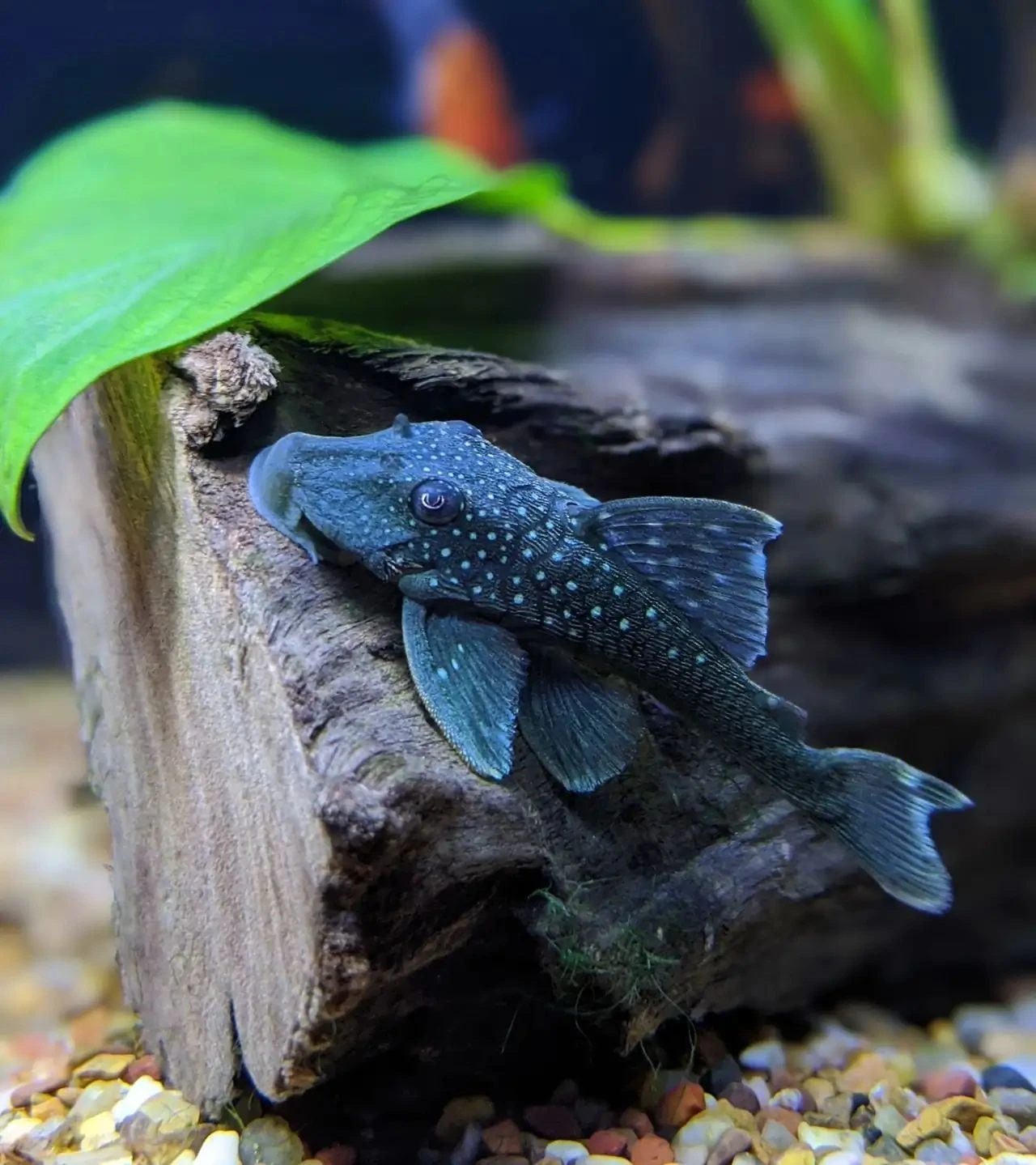
Blue Phantom Pleco
Hemiancistrus sp.
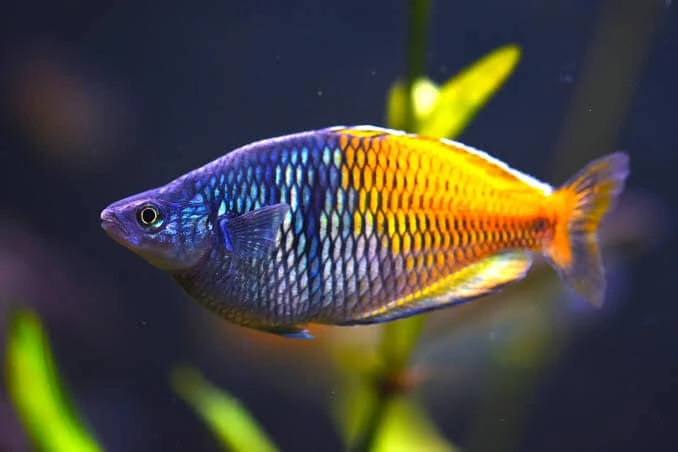
Boesemani Rainbowfish
Melanotaenia boesemani
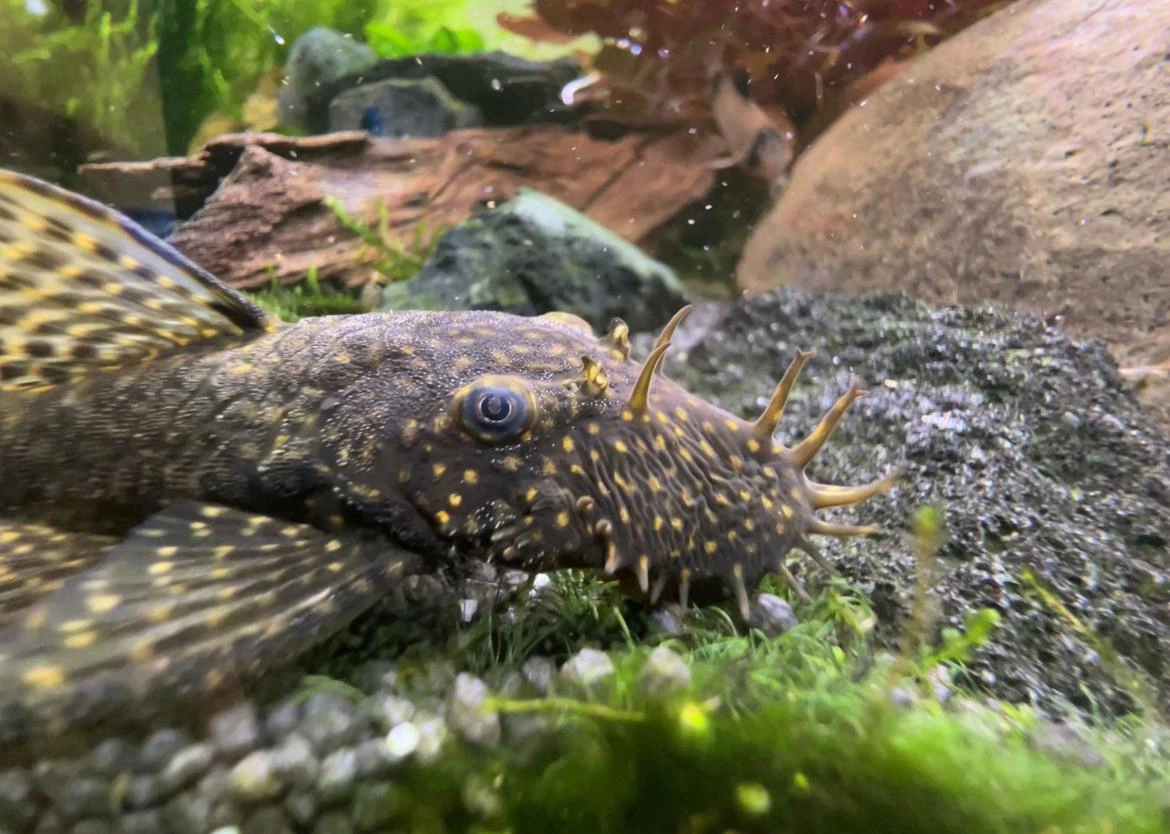
Bristlenose Pleco
Ancistrus sp.
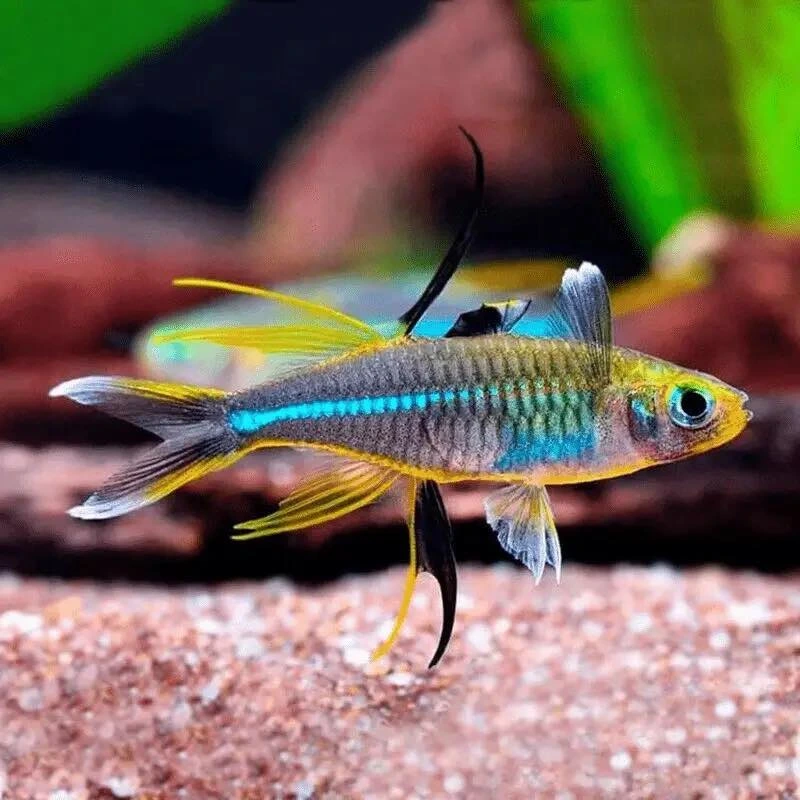
Celebes Rainbowfish
Marosatherina ladigesi
Ready to Add Rosy Barb to Your Tank?
Use our free stocking calculator to check compatibility, bioload, and get personalized recommendations.