
Care Requirements
Adult Size
1.2" (3cm)
Min Tank
10 gal
Temperature
68-79°F
pH Range
6.5-7.5
Lifespan
3-5 years
Min Group
6+ fish
Diet
Omnivore
Swim Level
Bottom
Bioload
1/10
Hardness
2-12 dGH
About Rosy Loach
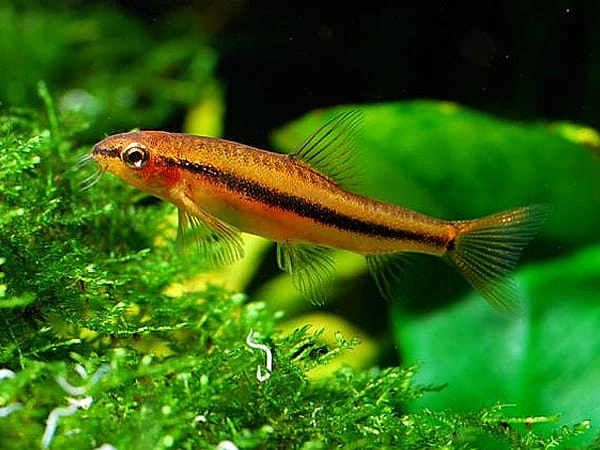
The Rosy Loach is one of the hobby's most underrated nano fish — a tiny, active species displaying beautiful rosy-pink coloration that intensifies dramatically in competing males. Despite the common name, they're not true loaches but belong to the family Cyprinidae, closely related to danios. Their loach-like shape and bottom-oriented behavior earned the misleading common name. Regardless of taxonomy, they're delightful aquarium fish deserving wider appreciation.
Native to the Inle Lake region of Myanmar, they inhabit cool, clear waters with moderate flow — a habitat reflected in their preference for temperatures below typical tropical range. This cooler preference makes them unsuitable for most community tanks but perfect for temperate or subtropical setups. They're one of few attractive nano fish comfortable at room temperature without heaters.
Male coloration during display is genuinely impressive for such tiny fish. Competing males flush deep rosy-pink to red while displaying to each other and females. The transformation from their baseline appearance to full display color is dramatic. Keeping groups with multiple males ensures regular displays; single males or male-female pairs rarely show full coloration potential.
Their behavior is consistently entertaining. They're highly active, constantly on the move foraging across substrate, chasing each other in playful spirals, and investigating their environment. Unlike many bottom-dwellers that hide during the day, Rosy Loaches are confidently active throughout daylight hours. Their energy level and social interactions provide entertainment that belies their small size.
Natural Habitat & Origin
Rosy Loaches originate from Myanmar's Inle Lake region — a unique highland lake ecosystem at approximately 900 meters elevation. The high elevation moderates temperature: cooler than lowland tropical habitats. Water temperatures typically range from the low 60s to mid-70s°F (16-24°C). Habitat features clear water with moderate to good flow, sandy or gravelly substrate with scattered rocks, and areas of dense vegetation.
Native Region
Myanmar — Inle Lake region
Habitat Type
Highland lake and streams, clear water, moderate flow
Wild Water Conditions
Cool (18-24°C), soft to moderate hardness, neutral pH
Appearance & Varieties
Rosy Loaches are small, elongated fish reaching approximately 3 cm (1.2 inches). Body shape is streamlined with a subtle downturned mouth adapted for substrate foraging. Males in display condition transform to vivid rosy-pink to red across the body. Females are plainer: tan to pinkish base with the dark lateral stripe. Both sexes show a characteristic dark lateral stripe from snout through eye to caudal peduncle.
Popular Varieties
| Variety | Description | Rarity |
|---|---|---|
| Wild-Type | Rosy-pink males with dark lateral stripe. The natural form — no selectively-bred varieties exist. | Moderately uncommon in trade |
Tank Setup & Requirements
Quick Requirements Summary
Tank Size
Minimum Tank Size
10 gallons
Recommended Tank Size
15 gallons
Rosy Loaches require cooler temperatures than most tropical fish and appreciate moderate flow and open swimming areas combined with cover. Setup should emphasize their active nature.
Water Parameters
Temperature 20-26°C (68-78°F), prefer cooler 20-24°C. pH 6.5-7.5, hardness 2-12 dGH. They prefer cooler temperatures than typical tropical fish — mid-60s to mid-70s°F is ideal. Consistent tropical warmth (80°F+) may shorten lifespan. Excellent candidates for unheated tanks.
Substrate
Sand is ideal — they forage constantly by sifting substrate through their mouths. Fine, smooth sand allows natural foraging behavior. Avoid sharp substrates that could damage their mouths during continuous foraging.
Plants & Decorations
Provide some cover and structure but maintain open swimming areas for their active behavior. Smooth rocks and driftwood create territories. Choose plants tolerating cooler temperatures: Vallisneria, Java fern, Java moss. They're not cave-dwellers; they swim openly.
Filtration & Water Flow
Moderate flow appreciated — unlike many nano fish preferring still water, they're from flowing habitat and appreciate some current. Standard HOB or canister filtration providing moderate flow suits them well.
Lighting
Standard aquarium lighting works well. They're day-active and don't require dim conditions. Viewing their colors benefits from adequate illumination.
Diet & Feeding Guide
Diet Type
omnivore
Feeding Frequency
1-2 times daily
Portion Size
Small amounts that reach the substrate
Rosy Loaches are omnivorous bottom feeders accepting a wide variety of foods. Their constant foraging behavior makes them excellent cleanup crew members. Ensure food reaches the bottom where they forage.
Best Foods for Rosy Loach
- Sinking pellets and granules — Small sinking foods they can forage from the bottom — their primary feeding zone is the substrate
- Frozen bloodworms, brine shrimp, daphnia — Eagerly accepted — excellent for conditioning and color enhancement
- Live foods — Small live foods trigger enthusiastic hunting response — daphnia, brine shrimp, and small worms
- Crushed flakes — They'll take flakes that sink into their zone — not ideal as primary diet but accepted
- Biofilm and microorganisms — Constant foraging harvests biofilm and tiny organisms from substrate and surfaces
Foods to Avoid
- Only floating foods — They rarely feed at the surface — ensure food reaches the bottom where they forage
- Large foods — Small mouths require appropriately-sized foods
In established tanks with multiple species, ensure food reaches the bottom rather than being intercepted by mid-water fish. They forage continuously, finding particles over time.
Behavior & Temperament
Rosy Loach behavior is characterized by constant activity and entertaining social interactions. Males compete for female attention through color displays and chasing — competing males flush bright rosy-pink while circling each other. These interactions are playful rather than aggressive; injuries are virtually nonexistent. They swim in loose groups rather than tight schools, spreading across the tank bottom while maintaining social connection. Despite bottom-orientation, they don't hide in caves — they're confident, open-water swimmers that happen to focus activity near the substrate.
Tank Mates: Compatibility Guide
Compatible Tank Mates
Both from Myanmar's highland waters — share temperature and water chemistry preferences perfectly
Classic cool-water fish sharing temperature preference and peaceful nature
Generally shrimp-safe — their small mouths can't consume adult shrimp
Peaceful coexistence with any common aquarium snails
Share cooler, flowing water preferences — different feeding zones reduce competition
Tank Mates to Avoid
Tropical fish requiring warm water
Temperature preference mismatch — Rosy Loaches prefer cooler conditions that stress most tropicals
Large or aggressive fish
Small size makes them vulnerable to predation or harassment
Aggressive bottom-dwellers
Would compete for territory and food — they need peaceful tankmates
Slow, deliberate feeders
Rosy Loaches' active foraging may outcompete slower species for food
Common Pairing Questions
Can they live with Celestial Pearl Danios?
Yes — this is one of the best pairings in the hobby. Both species come from Myanmar's highland waters with nearly identical temperature and water chemistry preferences. They occupy slightly different tank zones (CPDs mid-water, Rosy Loaches bottom), creating a visually complementary community.
Are they good with shrimp?
Generally yes — their small mouths cannot consume adult dwarf shrimp. Shrimplets may be eaten if small enough, but adult shrimp coexist peacefully. Dense plant cover improves shrimplet survival.
Rosy Loach breeding occurs in captivity, though systematic protocols aren't well-established due to their relatively recent availability. Spawning appears to involve scatter-spawning among plants or over substrate, similar to related danio species. Males chase gravid females; eggs are released during spawning rushes. Fry are tiny, requiring infusoria or similar minute foods initially. Keeping groups with multiple males and females in good condition naturally encourages spawning behavior.
Health Issues & Disease Prevention
Rosy Loaches are reasonably hardy when their cooler temperature preference is respected. Most health issues stem from keeping them too warm or in inappropriate conditions.
Common Diseases
| Disease | Symptoms | Treatment |
|---|---|---|
| Thermal stress | Lethargy, loss of color, rapid breathing, reduced lifespan | Lower temperature to preferred range (68-75°F). They're cool-water fish stressed by consistent tropical warmth. |
| Ich | White spots, scratching, clamped fins | Raise temperature moderately (to upper 70s), add salt. Don't overheat — find balance between treatment and their cool preference. |
| Bacterial infections | Fin rot, body sores, redness | Improve water quality, antibacterial medication. Often secondary to stress or poor conditions. |
| Internal parasites | Wasting, stringy feces despite eating | Anti-parasitic medication. More common in wild-caught specimens. |
Signs of a Healthy Rosy Loach
- Constant active foraging
- Vivid male coloration
- Social interactions and chasing
- Good appetite
- Full body condition
Prevention Tips
- Maintain cooler temperatures (avoid tropical heat)
- Keep in adequate groups (8+)
- Provide varied diet
- Ensure good water quality
- Quarantine new additions
Frequently Asked Questions
No — despite the common name and somewhat loach-like appearance, they belong to the family Cyprinidae and are more closely related to danios than true loaches. Their elongated body, substrate-oriented foraging, and bottom-dwelling behavior earned the 'loach' common name despite taxonomic classification.
Vivid rosy-pink coloration appears primarily in males during display — competing with rival males or courting females. Single males, all-female groups, or fish not in display condition show much subtler baseline coloration. Keep multiple males together (at least 3), maintain appropriate cool temperatures, and provide excellent nutrition.
Yes — they actually prefer temperatures below typical tropical range. Their native Inle Lake habitat is at elevation with cooler water. They thrive at 68-75°F (20-24°C), which is room temperature in many homes. Heaters are unnecessary and tropical warmth (80°F+) may actually harm them.
Groups of 8-10 or more are recommended. Multiple males competing for females drives the color displays that make them attractive. Small groups or pairs show reduced activity and males rarely display full coloration.
Generally yes — their small mouths cannot consume adult dwarf shrimp, and they're not aggressive toward them. Shrimplets may be eaten if small enough, but adult shrimp coexist peacefully. Dense plant cover improves shrimplet survival.
Constant activity is normal and desirable — it indicates healthy, comfortable fish. Unlike many bottom-dwellers that hide during daylight, Rosy Loaches are naturally day-active with high energy levels. Still, hiding fish would indicate problems; active fish indicate good conditions.
Tips for Keeping Rosy Loach
Pro Tips
- ✓Keep multiple males for best displays — male-male competition drives the vivid coloration.
- ✓They're perfect for room-temperature tanks — few attractive fish thrive without heaters.
- ✓Pair with Celestial Pearl Danios from Myanmar for identical care requirements and beautiful contrast.
- ✓Sand substrate enables natural sifting behavior — watching them work through sand is entertaining.
Common Mistakes to Avoid
- ✗Keeping at tropical temperatures — stress and shortened lifespan from consistent warmth.
- ✗Keeping too few — reduced social behavior and male coloration; groups of 8+ are best.
- ✗Only floating foods — they feed from the bottom; ensure sinking foods reach their zone.
- ✗Mixing with tropical community — temperature preference mismatch harms either the loaches or tropicals.
- ✗Expecting them to hide — they're day-active bold fish; constant hiding indicates problems.
Featured in Biotope Presets
Related Species You Might Like
View All Fish →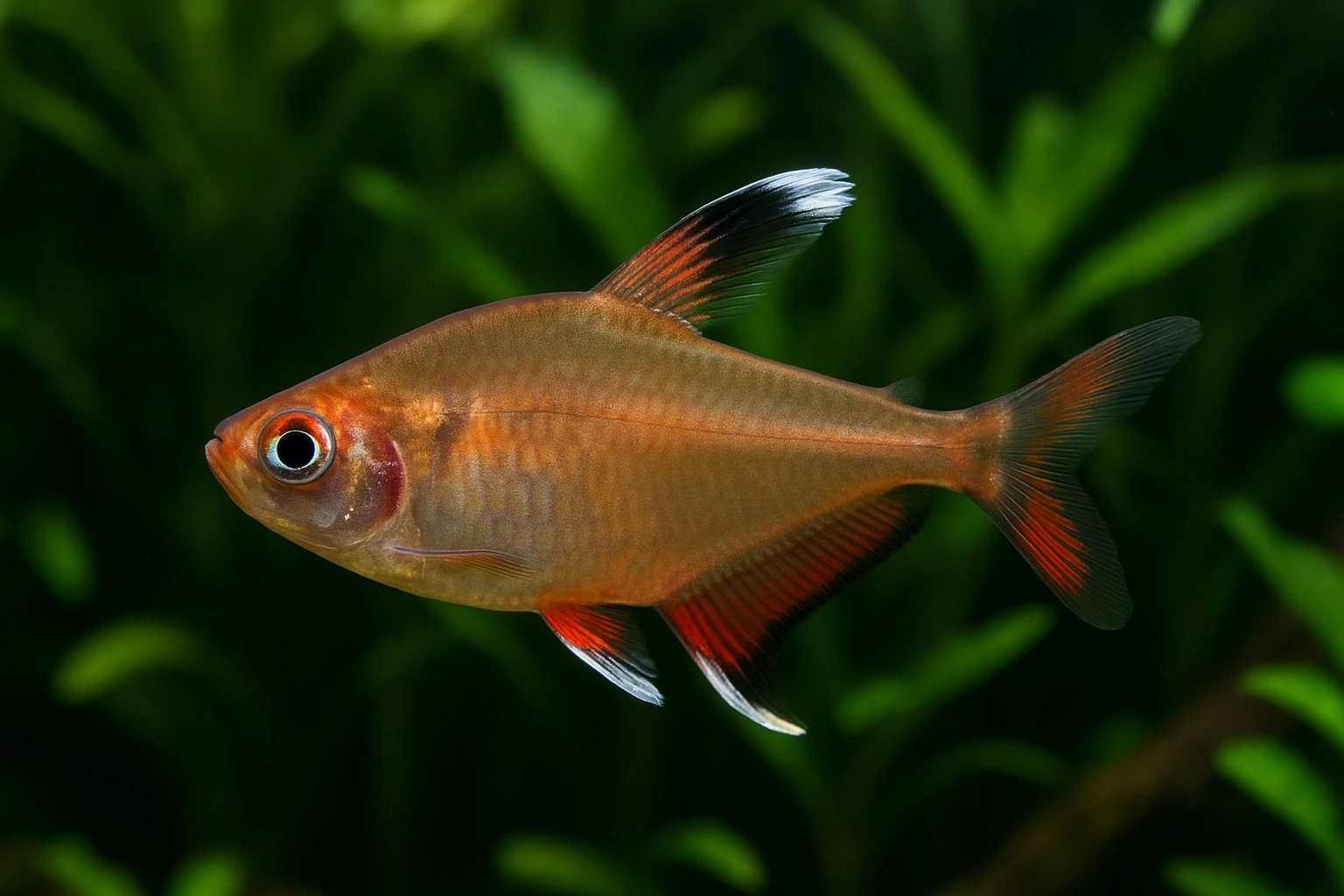
Rosy Tetra
Hyphessobrycon rosaceus
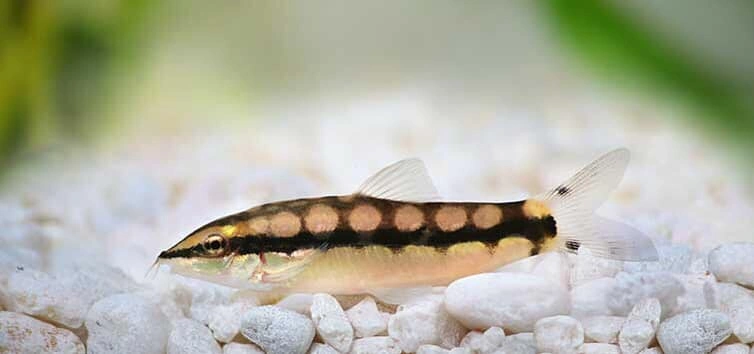
Dwarf Chain Loach
Ambastaia sidthimunki
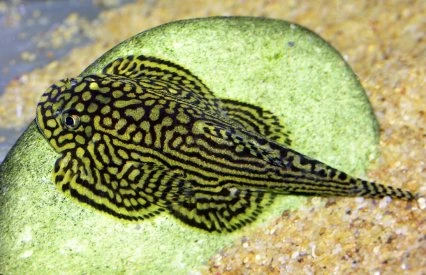
Hillstream Loach
Sewellia lineolata
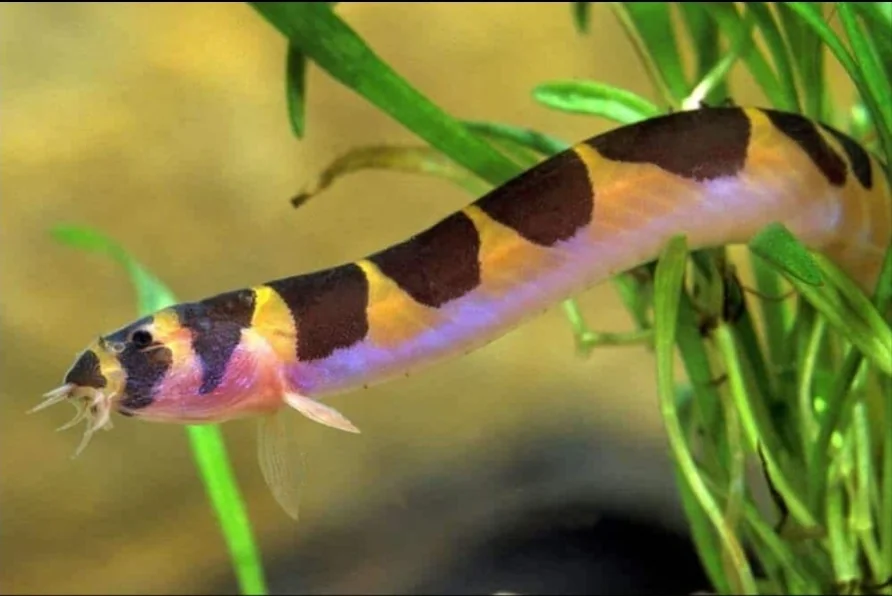
Kuhli Loach
Pangio kuhlii
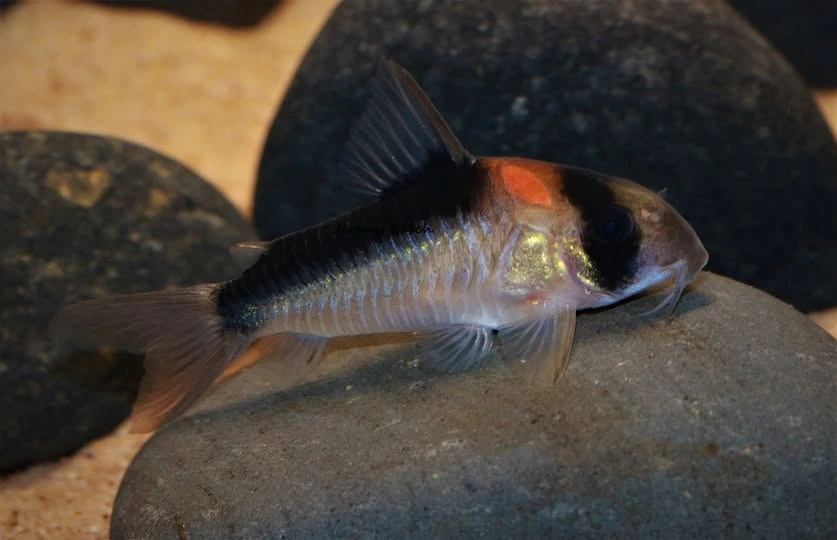
Adolfo's Corydoras
Corydoras adolfoi
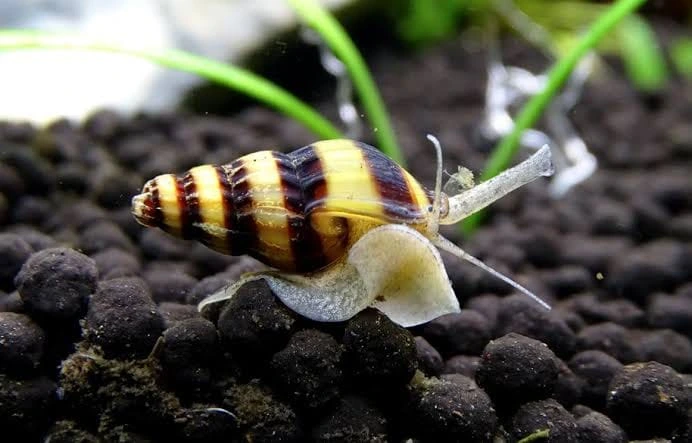
Assassin Snail
Clea helena
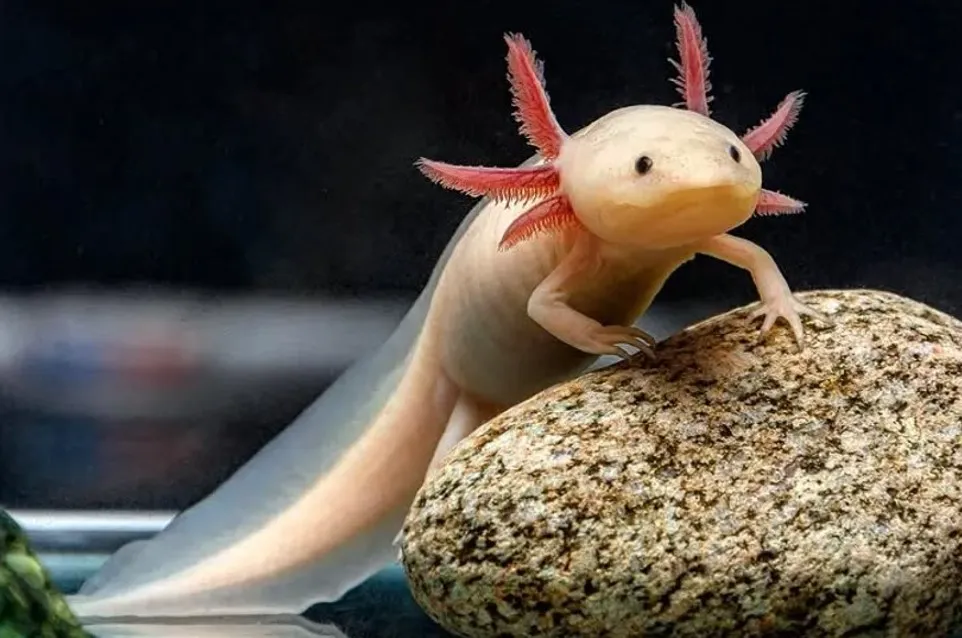
Axolotl
Ambystoma mexicanum
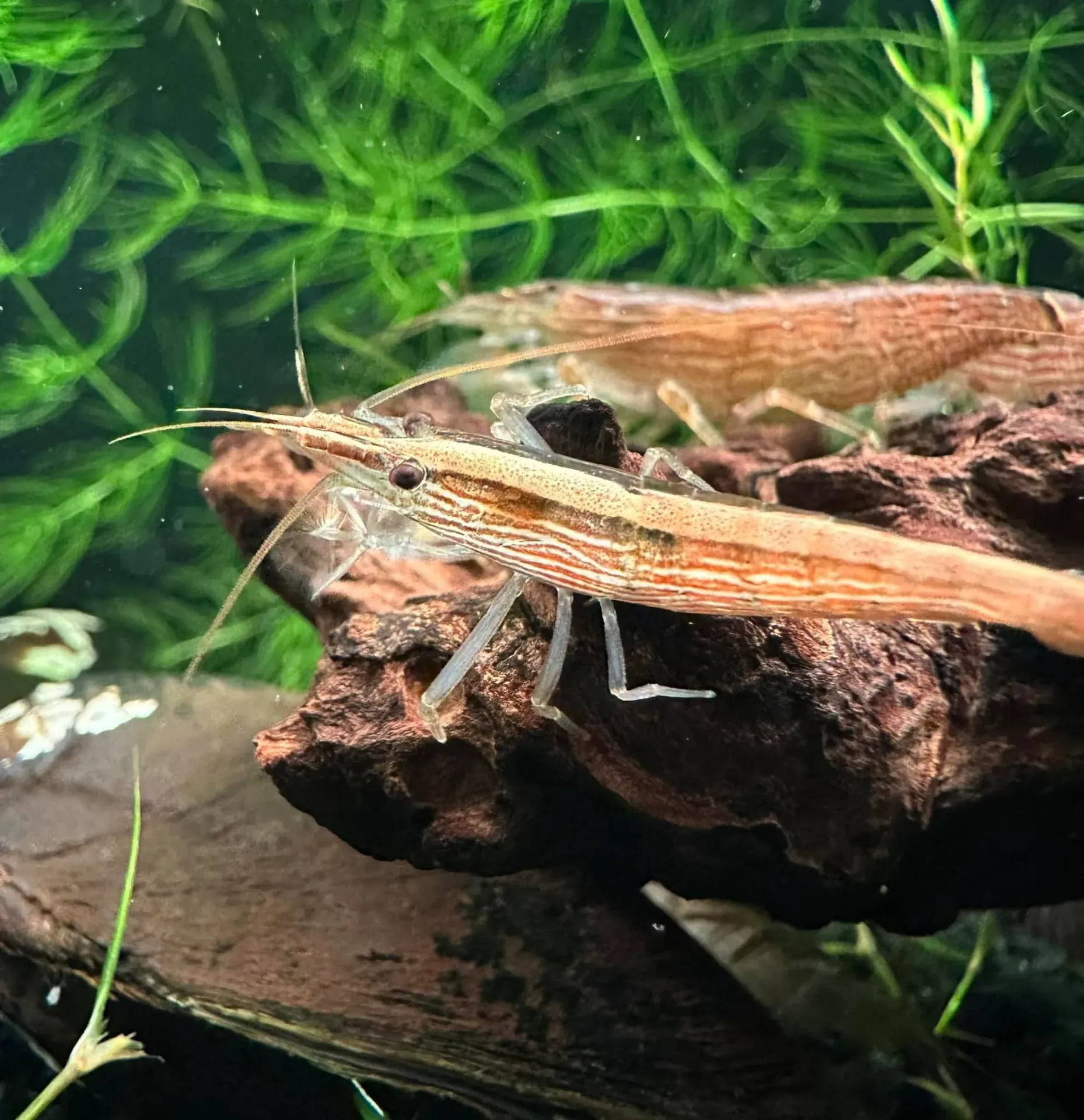
Bamboo Shrimp
Atyopsis moluccensis
Ready to Add Rosy Loach to Your Tank?
Use our free stocking calculator to check compatibility, bioload, and get personalized recommendations.