
Care Requirements
Adult Size
3.1" (8cm)
Min Tank
20 gal
Temperature
72-82°F
pH Range
6.5-7.5
Lifespan
2-3 years
Min Group
Can be kept alone
Diet
Omnivore
Swim Level
Bottom
Bioload
2/10
Hardness
4-15 dGH
About Bamboo Shrimp
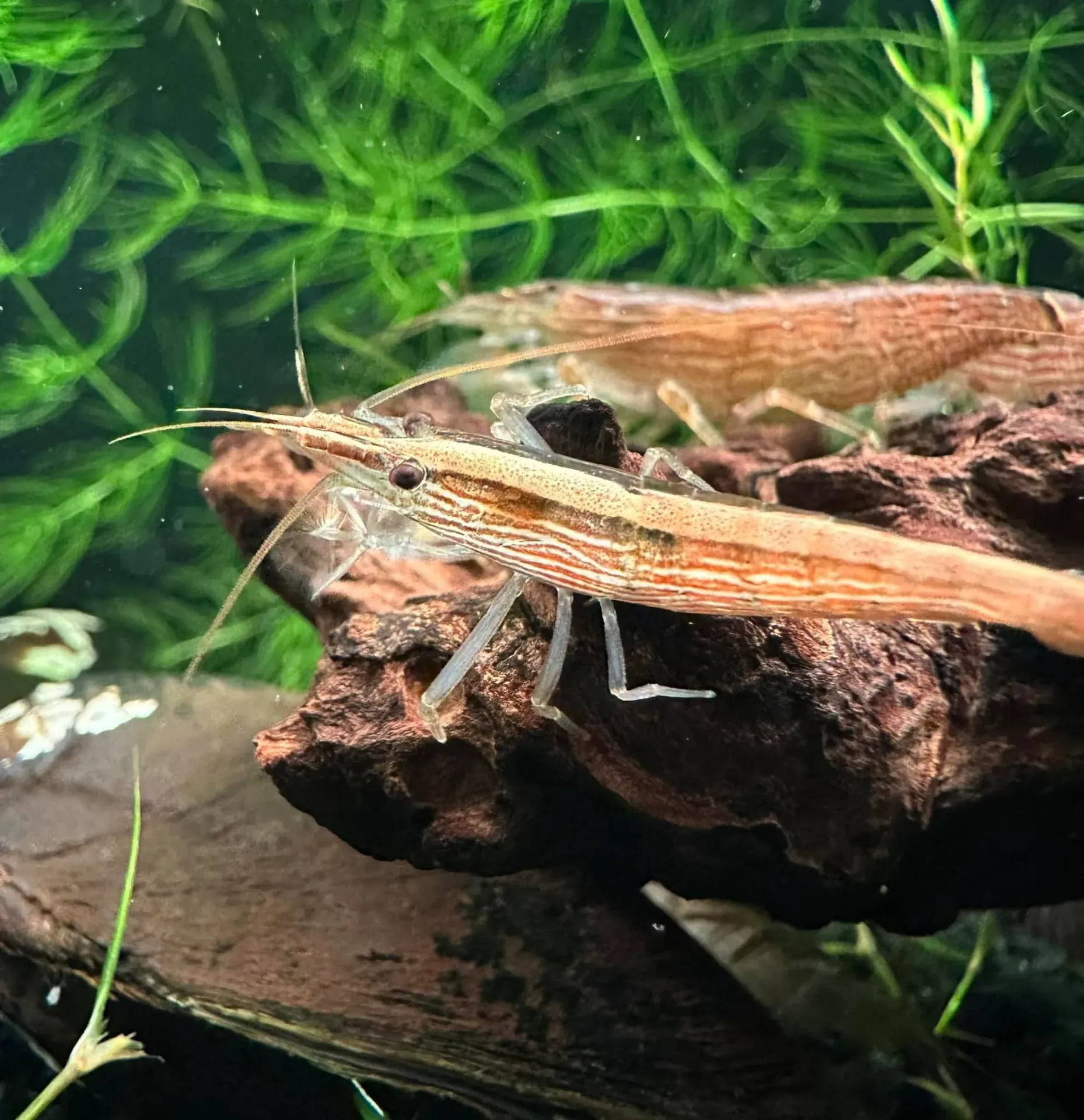
The Bamboo Shrimp is one of the most captivating invertebrates in the freshwater hobby. Using four specialized fan-shaped chelipeds, they position themselves in areas of strong current and filter microscopic food particles from the water flow — one of the most mesmerizing feeding behaviors you'll witness in an aquarium.
Also known as Wood Shrimp, Asian Filter Shrimp, or Flower Shrimp, these peaceful creatures reach about 8 cm (3 inches) and are completely harmless to all tankmates. Their care requirements center around one critical element: water current. Without proper flow carrying food particles to their fans, Bamboo Shrimp will slowly starve regardless of how much food you add to the tank.
Like their larger cousin the Vampire Shrimp, Bamboo Shrimp change color based on mood, diet, and molting cycle — ranging from reddish-brown to tan, cream, greenish, or deep brick red. A prominent white or cream dorsal stripe is a species identifier, not a health concern. Almost all specimens in the trade are wild-caught from Southeast Asian streams.
Natural Habitat & Origin
Bamboo Shrimp originate from fast-flowing mountain streams and rivers across Southeast Asia — including Sri Lanka, Malaysia, Indonesia (Sumatra, Java, Borneo), Thailand, and surrounding islands. They're found perched on rocks and submerged wood in strong current, filter feeding on microorganisms and fine particulate matter carried by the water flow.
Their natural habitat features well-oxygenated, clean water at various elevations with rocky substrates. Understanding this environment is key to successful keeping — the current flow that defines their habitat is also the foundation of their feeding strategy.
Native Region
Southeast Asia — Sri Lanka, Malaysia, Indonesia, Thailand
Habitat Type
Fast-flowing mountain streams and rivers with rocky substrates
Wild Water Conditions
Well-oxygenated, clean water (72-81°F), moderate hardness, slightly acidic to neutral pH
Appearance & Varieties
Bamboo Shrimp reach about 8 cm (3 inches) in length, making them a mid-sized freshwater shrimp. Their bodies feature a segmented exoskeleton typical of crustaceans, with their most distinctive feature being the four fan-shaped chelipeds (modified front limbs) used for filter feeding.
Coloration varies considerably — they range from reddish-brown and tan to cream, greenish, and deep brick red depending on diet, stress level, and molting cycle. A prominent white or cream dorsal stripe running along the back is a permanent species identifier, not a sign of illness. They often darken before molting and appear lighter immediately after. Sexing is possible: males have larger first walking legs, while females are slightly larger overall with a wider abdomen.
Tank Setup & Requirements
Quick Requirements Summary
Tank Size
Minimum Tank Size
20 gallons
Recommended Tank Size
30 gallons
Water flow is the foundation of Bamboo Shrimp care. Without proper current carrying food particles to their fans, they'll slowly starve regardless of how much food you add to the tank. Place flat rocks or driftwood branches directly in the strongest current path — the shrimp will find and claim the best spots.
Water Parameters
Temperature 72-81°F (22-27°C), pH 6.5-7.5, hardness 3-12 dGH. Stability is critical — shrimp are far more sensitive to parameter swings than most fish. NEVER use copper-based products in a shrimp tank.
Substrate
Sand or fine gravel. Sand is easier on them if they resort to substrate picking during food shortages.
Plants & Decorations
Rocks and driftwood positioned in the current flow are essential — these are their feeding perches. Create multiple perch options at different flow intensities. Provide caves and dense cover for molting. Recommended plants: Java Moss, Java Fern, Anubias, Bucephalandra, Christmas Moss, Marimo Moss Balls.
Filtration & Water Flow
Moderate to strong current is essential for feeding. A spray bar or powerhead aimed past their perching areas delivers food to their fans. CRITICAL: Cover all filter intakes with sponge pre-filters — their delicate fan appendages can be damaged or trapped by exposed intakes.
Lighting
Low to moderate preferred. More active and comfortable under dimmer lighting. Bright light drives them into hiding. They're primarily nocturnal — most active feeding happens in dim lighting or at night.
Diet & Feeding Guide
Diet Type
omnivore
Feeding Frequency
1-2 times daily
Portion Size
Small amounts of powder dispersed in current
Bamboo Shrimp feed exclusively by filtering particles from flowing water using their fan-shaped chelipeds. You cannot simply drop food into the tank and expect them to eat it. Crush food into very fine powder and release it upstream of their perching spot so the current delivers it to their fans. If they're picking at the substrate with their fans closed, they're not getting enough food — this is a starvation signal.
Best Foods for Bamboo Shrimp
- Powdered spirulina — Dispersed in water flow — excellent staple
- Crushed fish flakes (very fine) — Must be powdered fine enough to stay suspended
- Specialized shrimp powder food — Designed for filter feeders
- Liquid fry food — Stays in suspension well
- Phytoplankton supplements — Natural food source
- Green water (phytoplankton culture) — The ultimate filter feeder food
- Live baby brine shrimp — Excellent treat carried by current to fans
- Infusoria — Natural microscopic food source
Foods to Avoid
- Large pellets or wafers — Cannot filter these from the water column
- Relying on leftovers from other fish — Insufficient — they need targeted feeding with fine particles
A turkey baster or pipette works perfectly for targeted delivery — squirt powdered food directly upstream of their position. Feed in dim lighting or just before lights out for best results, as they're naturally more active feeders at night. Green water (phytoplankton culture) is the ultimate Bamboo Shrimp food if you can culture it.
Behavior & Temperament
Bamboo Shrimp are completely peaceful and non-aggressive. They spend most of their time stationary on a perch in the current, with their four fan-shaped chelipeds extended into the flow, rhythmically filtering food particles — one of the most fascinating behaviors in the freshwater hobby.
They can be kept singly or in small groups. Groups may compete for the best feeding spots in the current, but without any actual aggression. They're primarily nocturnal, with most active feeding happening in dim lighting or at night.
The most critical behavioral cue to understand: if a Bamboo Shrimp folds its fans and picks at the substrate, it means insufficient food is reaching its fans from the water column. This is a starvation signal, not casual foraging. They also hide for extended periods during molting — disappearing for a week or more is completely normal.
Tank Mates: Compatibility Guide
Compatible Tank Mates
Completely peaceful coexistence
Fellow peaceful shrimp
Similar care requirements — great pairing
Small, peaceful companions
Gentle algae eaters
Peaceful bottom-dweller
Zero conflict
Tank Mates to Avoid
Betta
May nip at fan appendages, preventing feeding
Cichlids
Even smaller ones may harass during molting
Crayfish
Will attack and kill shrimp
Pufferfish
Shrimp specialists — will eat them
Common Pairing Questions
What's the difference between Bamboo Shrimp and Vampire Shrimp?
Both are filter feeders with fan-shaped appendages, but different species from different continents. Bamboo Shrimp (Atyopsis moluccensis) are from Southeast Asia, reach ~8 cm, and are typically reddish-brown with a white dorsal stripe. Vampire Shrimp (Atya gabonensis) are from West Africa, grow to 15 cm, and display a wider color range. Care is nearly identical.
Can Bamboo Shrimp live with Betta fish?
Risky. While Bamboo Shrimp are too large to eat, Bettas may nip at their fan appendages, damaging them and preventing feeding. If attempted, use a 20+ gallon tank with plenty of cover. Success depends on the individual Betta's temperament.
Breeding Bamboo Shrimp in home aquaria is not practically feasible. Like Amano Shrimp, their larvae require brackish to marine water to develop through planktonic stages before transitioning back to freshwater as juveniles. Females carry hundreds to thousands of very small fertilized eggs (greenish-brown clusters) under the abdomen for 3-4 weeks before releasing tiny planktonic larvae.
Almost all Bamboo Shrimp in the trade are wild-caught from Southeast Asian streams. Some advanced breeders have had limited success replicating brackish larval rearing, but it remains extremely challenging. Focus on providing excellent care for your existing shrimp.
Health Issues & Disease Prevention
Bamboo Shrimp health revolves around proper feeding and avoiding copper. Starvation from inadequate water flow and food delivery is the most common cause of decline. Copper from medications or fertilizers is lethal to all invertebrates. Molting failures from unstable mineral content are another significant risk.
Common Diseases
| Disease | Symptoms | Treatment |
|---|---|---|
| Molting failure (White Ring of Death) | White crack/ring between cephalothorax and abdomen, inability to complete molt, lethargy | Maintain proper mineral content (GH 3-12), provide calcium sources, keep parameters stable. Prevention is key — once a molt fails, recovery is difficult. |
| Copper poisoning | Sudden lethargy, color loss, erratic movement, rapid death | Remove copper source immediately, large water change. NEVER use copper-based medications or fertilizers in a shrimp tank. |
| Bacterial infection | Milky or opaque patches on shell, pink discoloration at joints, loss of appendages | Pristine water quality. Use only shrimp-safe treatments — no copper. |
| Starvation | Persistent substrate picking, thinning body, faded color, lethargy, reduced fanning | Increase targeted feeding with powdered food in the current. Adjust flow to pass over feeding perch. |
Signs of a Healthy Bamboo Shrimp
- Active fan feeding in current
- Good color within normal range
- Intact fans and limbs
- Strong grip on perching surfaces
- Regular molting
- Responsive to food added to current
Prevention Tips
- Ensure adequate food particles in water column — substrate picking means starvation
- NEVER use copper-based products — check ALL labels
- Maintain stable water parameters — shrimp are sensitive to swings
- Cover all filter intakes with sponge pre-filters
- Provide hiding spots for molting periods
- Don't remove molts — shrimp eat shed exoskeletons to reclaim minerals
Frequently Asked Questions
Both are filter-feeding shrimp with fan-shaped appendages, but they're different species from different continents. Bamboo Shrimp (Atyopsis moluccensis) come from Southeast Asia, reach about 8 cm, and are typically reddish-brown with a white dorsal stripe. Vampire Shrimp (Atya gabonensis) come from West Africa, grow much larger at up to 15 cm, and display a wider range of colors. Care requirements are very similar.
This is the single most important behavioral signal. When a Bamboo Shrimp folds its fans and picks at the substrate, it means insufficient food is reaching its fans. It's starving and resorting to scavenging. Increase powdered food delivery into the current, improve flow past its perch, or both.
Almost certainly not. They hide extensively during molting, often for a week or more. Finding an empty molt (shed exoskeleton) confirms they're alive. Only worry if they've been missing for 2+ weeks with no molt found.
It's risky. While too large to eat, Bettas may nip at their fan appendages, damaging them and preventing feeding. If attempted, use a 20+ gallon tank with plenty of cover. Success depends entirely on the individual Betta's temperament.
Watch for active fan feeding — fans extended into the current, periodically bringing them to the mouth. Good body mass, vibrant color, and regular molting are positive indicators. Substrate picking is the red flag for insufficient food.
No, they're perfectly fine kept singly. They can be kept in small groups of 2-4 where they'll peacefully compete for the best current spots. Ensure enough flow and food if keeping multiple filter feeders.
Completely normal. They range from tan and cream to reddish-brown, brick red, and greenish depending on diet, stress, and molting cycle. They darken before molting and appear lighter after. The white dorsal stripe is permanent and normal.
Only if your filter output creates sufficient current past a suitable perching spot. They need water flow to eat — it's not optional. If your filter provides gentle flow, a small powerhead is a worthwhile investment.
Tips for Keeping Bamboo Shrimp
Pro Tips
- ✓Create the perfect feeding station: place a flat rock or driftwood directly in your filter or powerhead output flow
- ✓Use a turkey baster to squirt powdered food directly upstream of their position — far more effective than broadcasting
- ✓Substrate picking = starvation. Act immediately by increasing powdered food and improving current flow
- ✓Sponge pre-filters on all filter intakes are non-negotiable — fan appendages are delicate
- ✓Feed in dim lighting or just before lights out — they're naturally more active feeders at night
- ✓Don't remove molts — shrimp eat their shed exoskeleton to reclaim minerals. Leave for 24-48 hours
- ✓Green water (phytoplankton culture) is the ultimate food source if you can maintain a separate culture
- ✓Pair with Vampire Shrimp for multiple filter feeders — nearly identical care requirements and peaceful coexistence
Common Mistakes to Avoid
- ✗Not providing adequate water current — without flow, they literally cannot eat
- ✗Assuming they'll survive on tank waste and biofilm alone — regular targeted feeding with powdered food is necessary
- ✗Using copper-based medications or fertilizers — copper is lethal to all invertebrates
- ✗Ignoring substrate-picking behavior as 'normal foraging' — it's a clear starvation signal
- ✗Panicking when they disappear during molting — week-long absences are completely normal
- ✗Keeping with aggressive fish that attack during vulnerable post-molt periods
- ✗Not covering filter intakes — damaged fans take multiple molts to regenerate
- ✗No suitable perching spots in the current — they won't fan-feed from the substrate
Related Species You Might Like
View All Fish →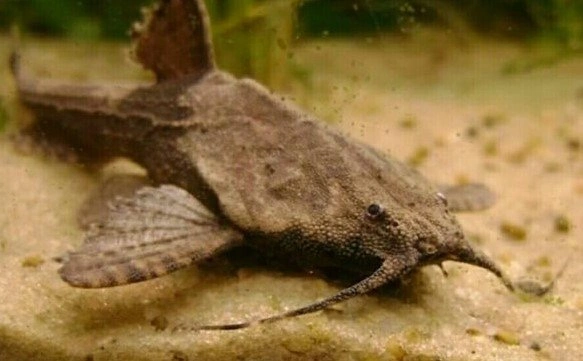
Banjo Catfish
Bunocephalus coracoideus
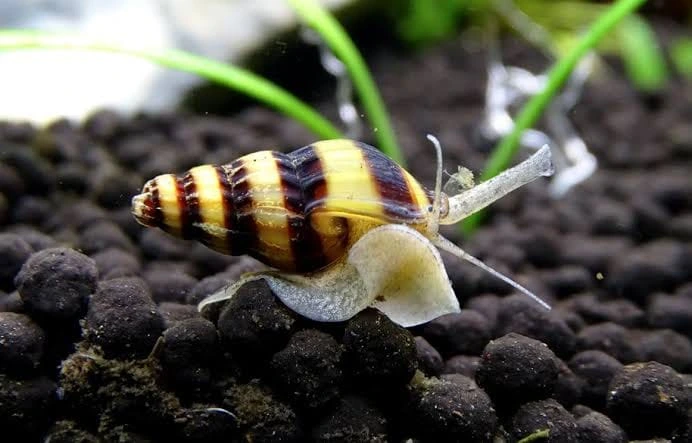
Assassin Snail
Clea helena
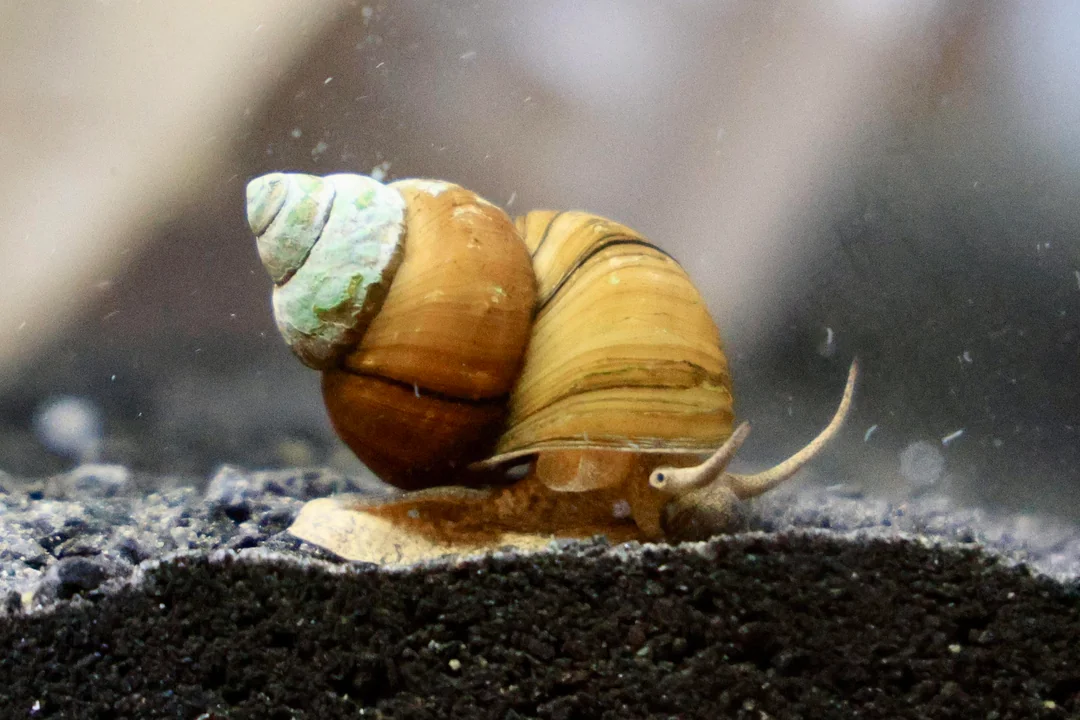
Japanese Trapdoor Snail
Cipangopaludina japonica
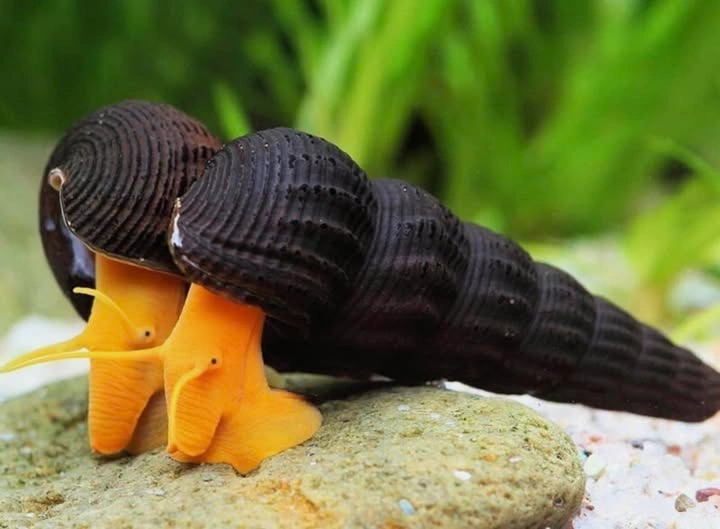
Rabbit Snail
Tylomelania spp.
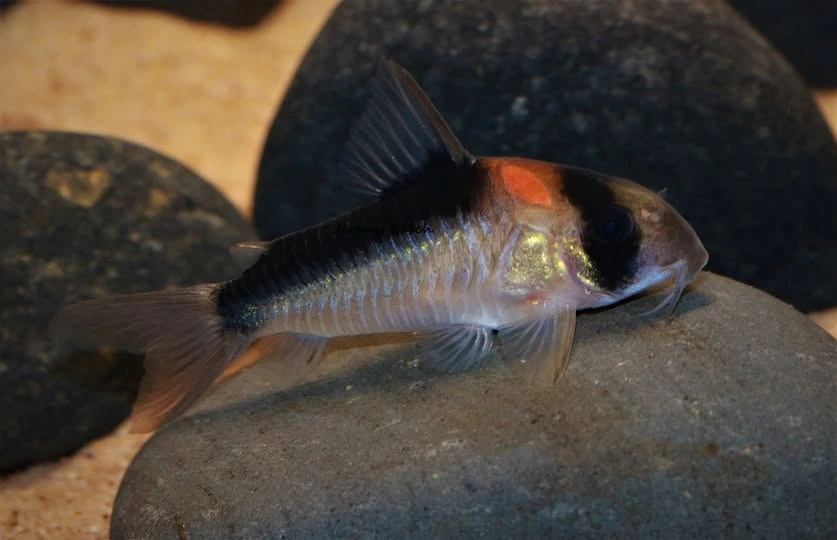
Adolfo's Corydoras
Corydoras adolfoi
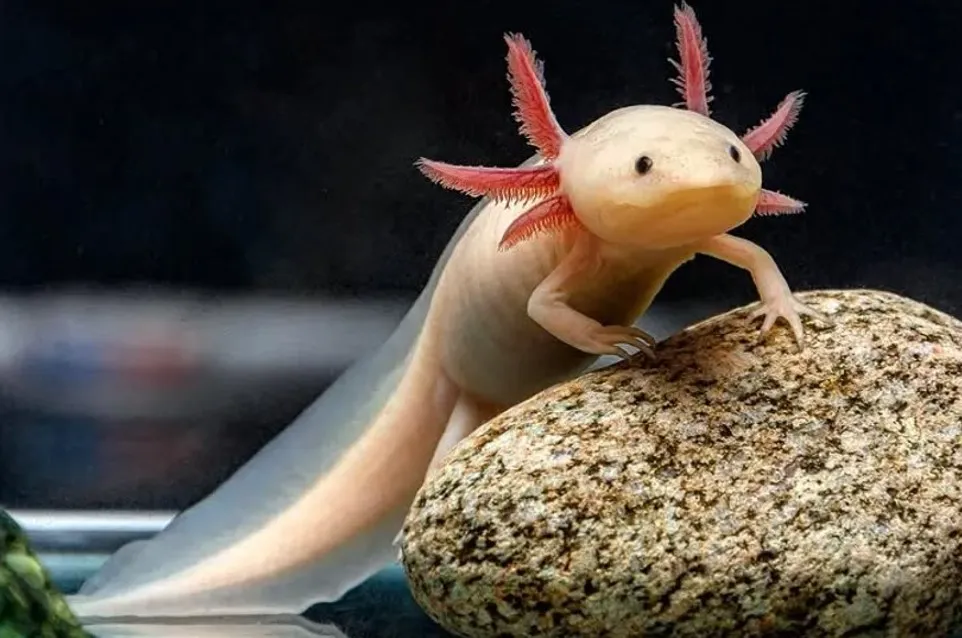
Axolotl
Ambystoma mexicanum
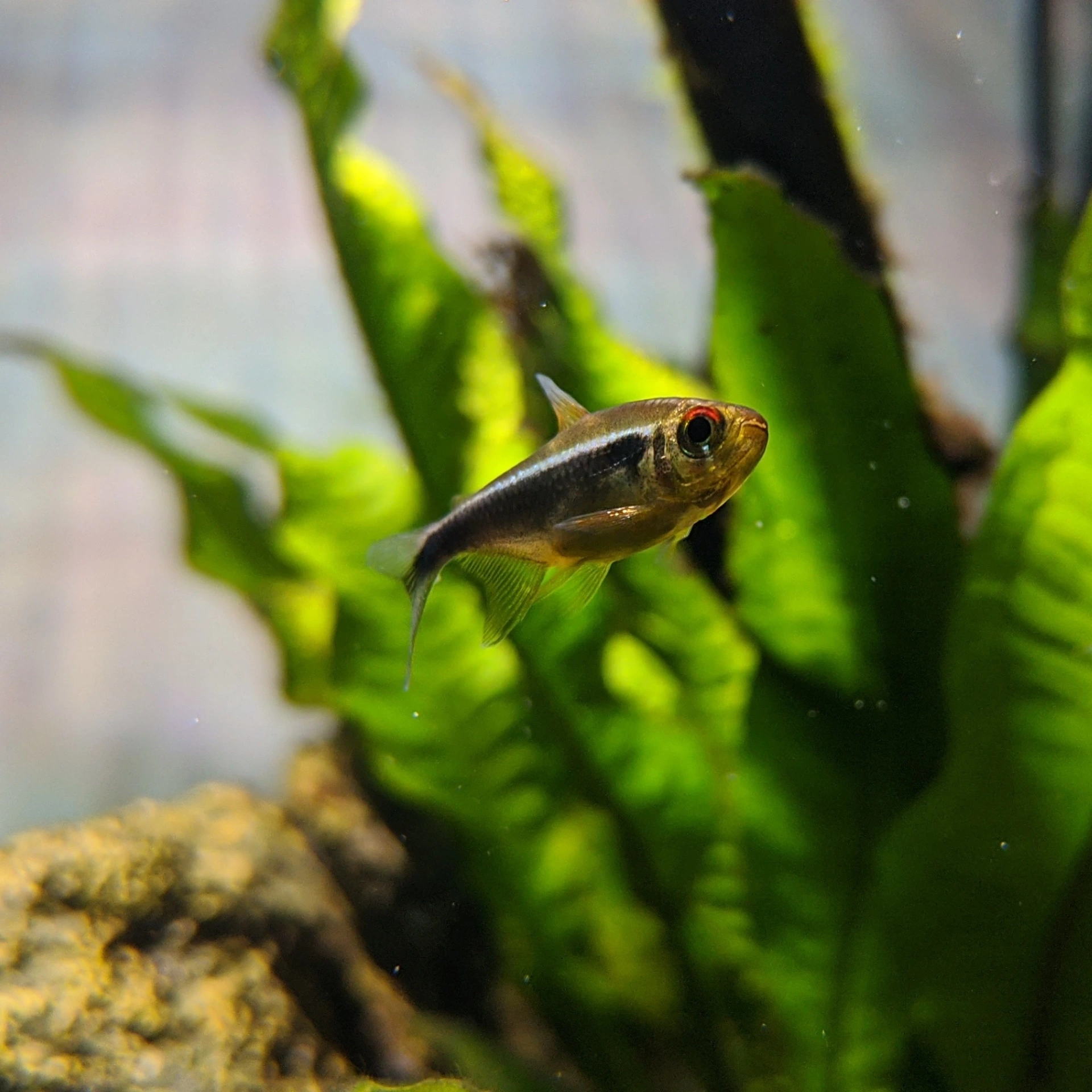
Black Neon Tetra
Hyphessobrycon herbertaxelrodi
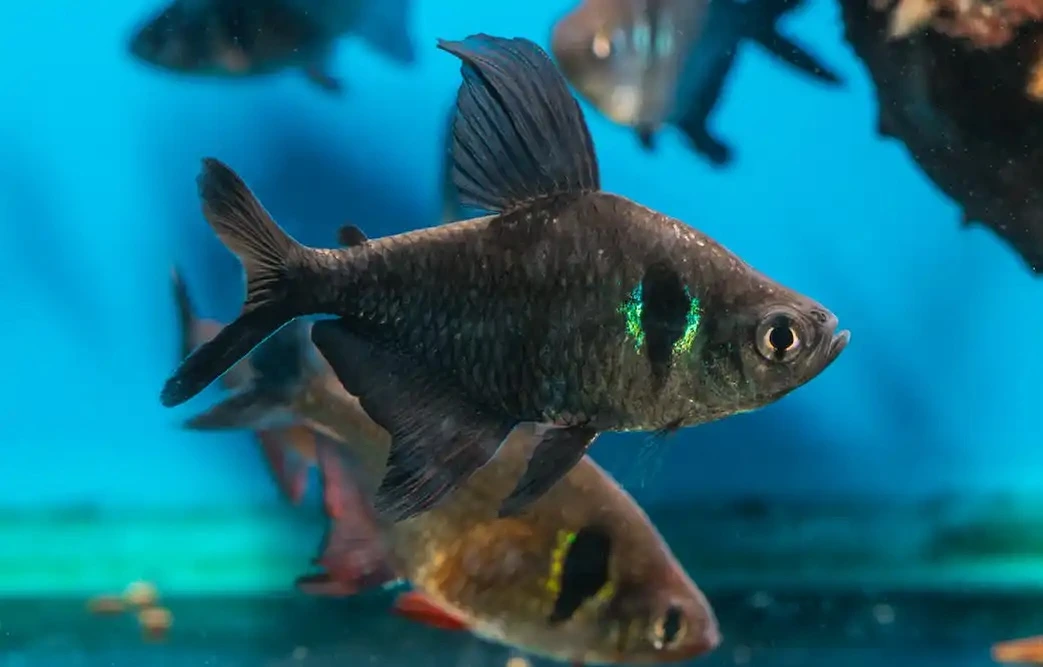
Black Phantom Tetra
Hyphessobrycon megalopterus
Ready to Add Bamboo Shrimp to Your Tank?
Use our free stocking calculator to check compatibility, bioload, and get personalized recommendations.