
Care Requirements
Adult Size
4.7" (12cm)
Min Tank
20 gal
Temperature
79-86°F
pH Range
7.5-8.5
Lifespan
3-5 years
Min Group
Can be kept alone
Diet
Omnivore
Swim Level
Bottom
Bioload
2/10
Hardness
8-15 dGH
About Rabbit Snail
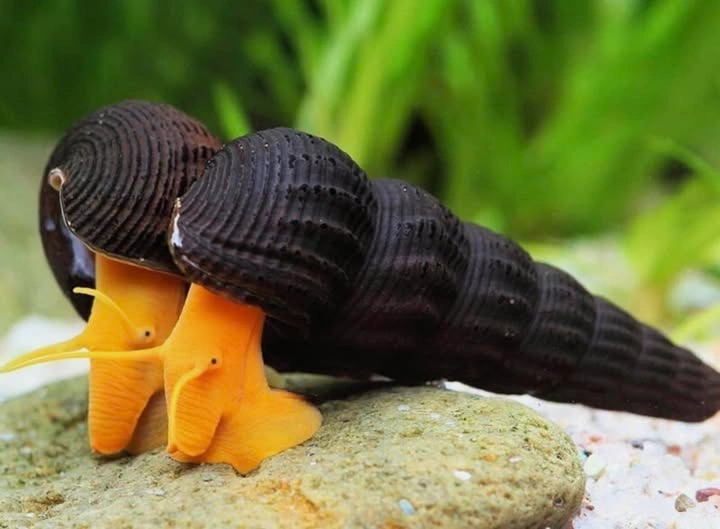
Rabbit Snails earned their common name from elongated faces with drooping antennae resembling rabbit ears. Combined with their long, spiraling shells and elegant gliding movement, they're among the most visually striking freshwater snails available — a dramatic departure from the compact shapes of Mystery Snails or Nerites.
They originate from ancient lake systems in Sulawesi, Indonesia — Lake Poso, Lake Matano, Lake Towuti, and associated waterways. These lakes harbor extraordinary endemic biodiversity, and Rabbit Snails represent just one component of this unique fauna. Multiple species exist within the Tylomelania genus, with various color forms available in the aquarium trade.
Unlike most aquarium snails, Rabbit Snails are live-bearers producing fully-formed baby snails rather than eggs. Reproduction is slow — typically one baby every 4-6 weeks per adult — meaning populations never explode like Ramshorns or Bladder Snails. This controlled reproduction makes them appealing to keepers wary of snail population problems.
Their care requirements differ from common snails. They need warm water (78-86°F), alkaline pH (7.5-8.5), and moderate hardness — conditions matching their Sulawesi origins. Soft, acidic water causes shell erosion and health decline. These requirements limit compatible tankmates to species sharing similar preferences.
Natural Habitat & Origin
Rabbit Snails inhabit the ancient lake systems of Sulawesi, Indonesia — lakes Poso, Matano, and Towuti being the primary sources. These lakes formed millions of years ago and harbor endemic species found nowhere else on Earth, including numerous Tylomelania species.
Sulawesi lakes feature warm, stable temperatures year-round with alkaline, moderately hard water chemistry. The mineral-rich water supports shell development. Substrate varies from rocky to sandy depending on specific location. Vegetation is present but not dense in most areas these snails occupy.
Wild Rabbit Snails are detritivores and algae grazers, feeding on biofilm, decaying plant matter, and whatever organic material they encounter. They're not aggressive feeders — their slow movement and methodical grazing defines their ecological role.
Some species face conservation concerns due to limited natural range and potential habitat degradation. Captive breeding helps reduce collection pressure, though wild-caught specimens still enter the trade. The genetic diversity within Tylomelania is still being studied, with species identification sometimes challenging.
Native Region
Indonesia — Sulawesi (Lake Poso, Matano, Towuti)
Habitat Type
Ancient tropical lakes
Wild Water Conditions
Warm (26-30°C), alkaline (pH 7.5-8.5), moderate hardness
Appearance & Varieties
Rabbit Snails display elongated, conical shells spiraling to a point — much longer proportionally than the round shells of Mystery Snails. Adult shells reach 3-5 inches (7-12 cm) depending on species and conditions. Shell texture may be smooth or ridged depending on variety.
Their most distinctive feature is the 'face' — an elongated snout with long, drooping antennae that genuinely resembles a rabbit. This head shape, combined with their unhurried gliding movement, gives them a gentle, almost melancholy appearance that endears them to keepers.
Multiple color varieties exist: chocolate brown (most common), golden yellow, orange, black, and spotted forms. Shell and body coloration may differ — a golden shell might house an orange or chocolate-colored body. Color varieties don't indicate different species necessarily; variation exists within and between species.
Sexing is difficult externally. Males and females look similar, with no reliable visual differences. Determining sex typically requires observing reproduction — the snail giving birth is female.
Popular Varieties
| Variety | Description | Rarity |
|---|---|---|
| Chocolate/Brown | Dark brown shell and body. The most common and typically most affordable variety. Classic Rabbit Snail appearance. | Common |
| Golden/Yellow | Yellow to golden shell coloration. Body may be yellow or contrasting darker color. Popular and attractive variety. | Common |
| Orange | Orange shell and/or body coloration. Vibrant appearance. Sometimes called 'Orange Poso.' | Moderately Common |
| Black | Very dark, nearly black shell and body. Striking appearance against lighter substrates. | Uncommon |
| Spotted/Patterned | Shells or bodies showing spotted or mottled patterns. Various pattern types exist. | Uncommon |
Tank Setup & Requirements
Quick Requirements Summary
Tank Size
Minimum Tank Size
20 gallons
Recommended Tank Size
30 gallons
Rabbit Snails require warmer, more alkaline conditions than many common aquarium inhabitants. Setup should accommodate their Sulawesi lake origins.
Water Parameters
Temperature 26-30°C (78-86°F), pH 7.5-8.5, hardness 8-15 dGH. These parameters are non-negotiable — warm, alkaline, moderately hard water reflects their Sulawesi lake origins. Soft, acidic water causes shell erosion and health problems. If your tap water is soft and acidic, Rabbit Snails may not be suitable without significant adjustment.
Substrate
Soft sand allows natural burrowing behavior — they partially bury themselves when resting. Rough substrates may damage their soft bodies. They spend considerable time on/in substrate, making it an important consideration.
Plants & Decorations
Generally plant-safe — they don't typically eat healthy plants, preferring decaying matter and biofilm. Java Fern and Anubias are reliably ignored. Provide varied surfaces including rocks and driftwood for biofilm development and grazing.
Filtration & Water Flow
Good filtration maintains water quality. Cover filter intakes to prevent baby snails from being sucked in. They don't produce excessive waste relative to their size. Moderate flow is appropriate.
Lighting
No special requirements. Moderate lighting encourages biofilm and algae development, providing natural food sources.
Diet & Feeding Guide
Diet Type
omnivore
Feeding Frequency
Every 1-2 days (supplemental feeding)
Portion Size
Small amounts they can consume over several hours. They graze continuously rather than eating meals.
Rabbit Snails are detritivores and algae grazers with slow, methodical feeding habits. They're not aggressive feeders and may be outcompeted by more active tankmates.
Best Foods for Rabbit Snail
- Algae wafers — Readily accepted sinking food. Good staple that they'll find and consume over time.
- Blanched vegetables — Zucchini, spinach, cucumber — accepted and providing good nutrition. Leave overnight for their slow feeding pace.
- Calcium supplements — Cuttlebone, calcium blocks, or crushed coral support shell health. Important in their alkaline water requirements.
- Biofilm and algae — Natural grazing on tank surfaces provides ongoing nutrition. Established tanks offer more natural food.
- Decaying plant matter — They consume dead leaves and dying vegetation — beneficial cleanup behavior.
Foods to Avoid
- Copper-containing foods/medications — Copper is toxic to invertebrates. Avoid any copper exposure.
- Only fast-sinking foods with competitive tankmates — Their slow feeding means faster animals take food first. Target feed or use slow-release foods.
In established tanks with biofilm, supplemental feeding can be reduced.
Behavior & Temperament
Rabbit Snails move with deliberate, unhurried grace — watching them glide across surfaces is genuinely relaxing. They're not hiding animals; established specimens explore openly during all hours, though they're somewhat more active at night.
They partially bury themselves in substrate when resting, with shell and head visible above the sand. This burrowing is normal behavior, not a sign of problems. Soft sand substrate enables this natural resting posture.
Social dynamics are minimal — they're not schooling animals but coexist peacefully without territorial behavior. Groups can be kept without concerns about aggression or competition beyond food access.
Reproduction is slow and controlled. Females give birth to single, fully-formed baby snails approximately monthly. Babies are large relative to other snail offspring (pea-sized or larger) and immediately independent. Population explosion is impossible with this reproductive strategy — a key advantage over faster-breeding species.
Tank Mates: Compatibility Guide
Compatible Tank Mates
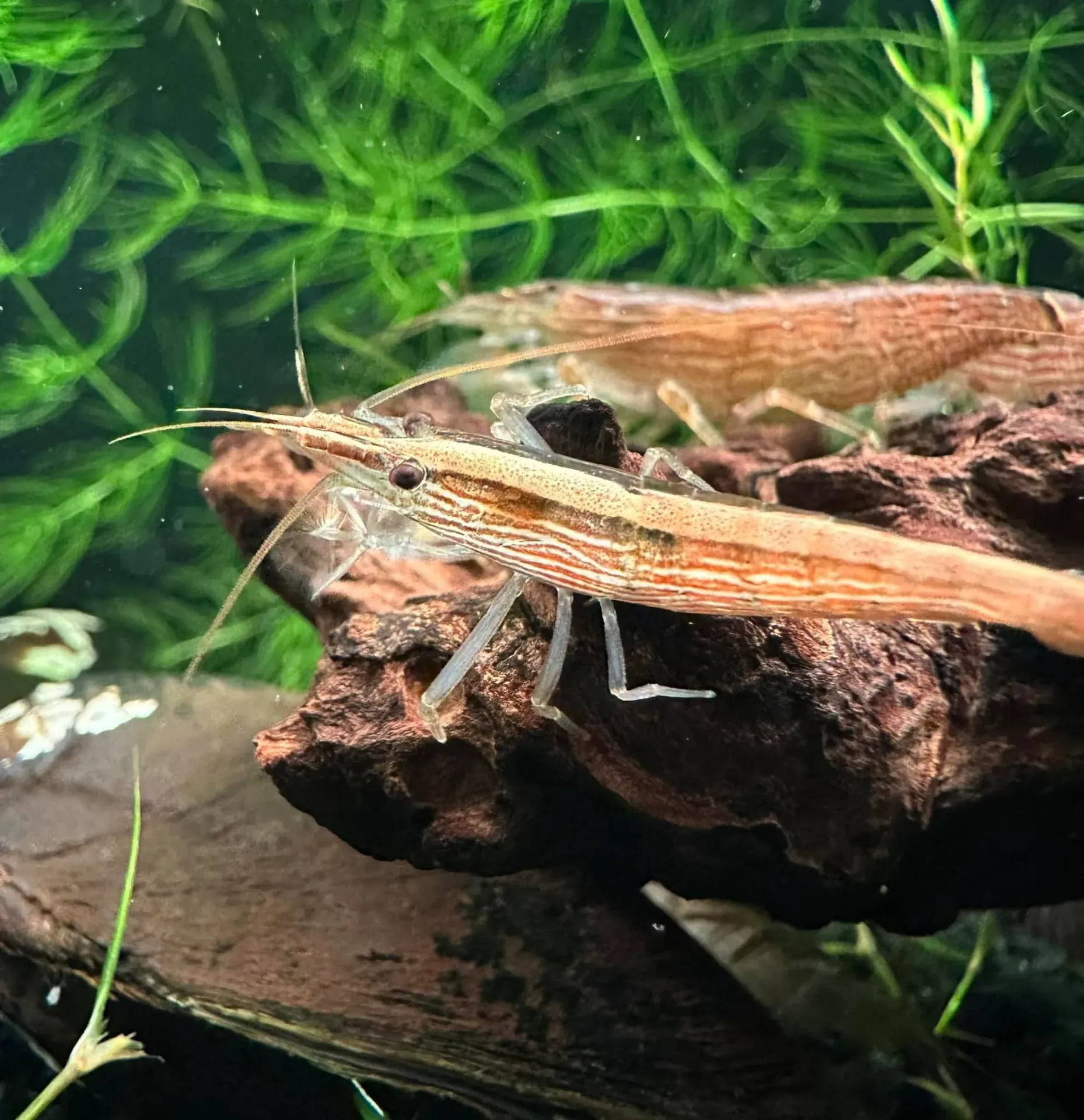
Sulawesi shrimp
Share identical water requirements from the same habitat. Perfect pairing for Sulawesi biotope tanks.
Endlers and similar livebearers accept the water chemistry Rabbit Snails need.
Tolerate overlapping conditions. Different enough to reduce competition.
Can adapt to Rabbit Snail temperatures on the lower end of the range. Monitor for compatibility.
Tank Mates to Avoid
Snail-eating fish (loaches, puffers)
Will attack and kill Rabbit Snails.
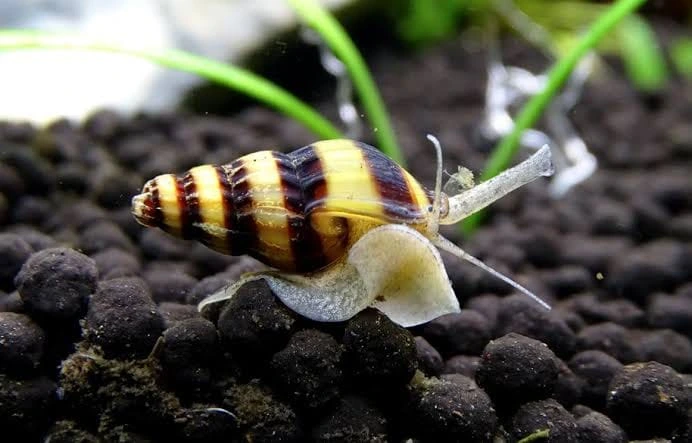
Assassin Snail
Will hunt and kill Rabbit Snails, especially juveniles. Not compatible.
Fish requiring soft, acidic water
Their alkaline requirements conflict with blackwater species.
Fish requiring cool water
Rabbit Snails need 78-86°F — incompatible with coldwater species.
Common Pairing Questions
Can I keep Rabbit Snails with shrimp?
Yes, with caveats. They're completely shrimp-safe behaviorally. However, their warm, alkaline water requirements limit compatible shrimp species. Sulawesi shrimp are perfect matches. Neocaridina can adapt to the lower end of their temperature range.
Can I keep Rabbit Snails with Assassin Snails?
No — Assassin Snails will hunt and kill Rabbit Snails regardless of size difference. Not compatible.
Rabbit Snails are livebearers — females give birth to fully-formed baby snails rather than laying eggs. This reproduction method makes them unique among common aquarium snails and prevents population explosions.
Sexing externally is essentially impossible. Keeping groups increases odds of having both sexes. Females produce approximately one baby every 4-6 weeks under good conditions. Babies emerge large (often pea-sized or bigger), fully shelled, and immediately independent.
Health Issues & Disease Prevention
Rabbit Snails are hardy when water chemistry requirements are met. Most problems trace to inappropriate water conditions, particularly soft, acidic water causing shell degradation.
Common Diseases
| Disease | Symptoms | Treatment |
|---|---|---|
| Shell erosion/pitting | Thinning shell, visible pits, white patches, rough texture. | Correct water chemistry — ensure alkaline pH and adequate hardness. Add calcium sources. Damage is often irreversible but progression stops with proper conditions. |
| Shell cracking | Visible cracks in shell, often from physical trauma or severe mineral deficiency. | Ensure calcium availability. Minor cracks may heal; severe damage is often fatal. |
| Parasites | White or unusual growths on body, visible organisms. | Salt dips may help. Quarantine affected individuals. |
| Copper poisoning | Lethargy, failure to emerge, death. | None — prevention only. Avoid all copper-containing products in invertebrate tanks. |
| Malnutrition | Weak shell growth, slow movement, failure to thrive. | Ensure adequate food reaches them. Supplement with calcium and varied foods. |
Signs of a Healthy Rabbit Snail
- Active movement and grazing
- Intact, smooth shell without erosion
- Extended antennae and body
- Good appetite
- Body fully fills shell opening
Prevention Tips
- Maintain alkaline, hard water
- Provide calcium sources
- Avoid copper exposure
- Use soft substrate for burrowing
- Ensure food reaches them
Frequently Asked Questions
No — their live-bearing reproduction produces only about one baby per month per adult. Unlike egg-laying snails that can produce hundreds of offspring, Rabbit Snail populations grow slowly. This controlled reproduction is one of their major advantages.
Warm water: 78-86°F (26-30°C), warmer than many common aquarium fish prefer. This reflects their tropical Sulawesi lake origins. A reliable heater is essential in most climates.
Generally no — they strongly prefer decaying matter, biofilm, and algae over healthy plants. Robust plants like Java Fern and Anubias are reliably ignored.
Soft, acidic water dissolves their shells. They require alkaline pH (7.5-8.5) and moderate hardness to maintain shell integrity. Adding calcium sources helps but doesn't substitute for correct base chemistry.
Adults reach 3-5 inches (7-12 cm) depending on species and conditions — substantially larger than Mystery Snails or Nerites. This size requires adequate tank space (20+ gallons minimum).
Yes, with caveats. They're completely shrimp-safe behaviorally. However, their warm, alkaline water requirements limit compatible shrimp species. Sulawesi shrimp are perfect matches sharing identical needs.
Tips for Keeping Rabbit Snail
Pro Tips
- ✓Sulawesi biotopes are the ideal setup — pairing with Sulawesi shrimp creates a biotope matching their native habitat.
- ✓Sand substrate enables natural burrowing behavior — they partially bury themselves when resting.
- ✓Leave food overnight — their slow grazing means food placed before lights-out gets consumed overnight.
- ✓Patience with reproduction — one baby per month per adult is normal. Building a group takes time.
Common Mistakes to Avoid
- ✗Keeping in soft, acidic water — causes shell erosion, health decline, shortened lifespan.
- ✗Cold water temperatures — leads to lethargy, failure to thrive, susceptibility to disease.
- ✗Keeping with Assassin Snails — Assassins hunt other snails regardless of size difference.
- ✗Rough substrate — prevents natural burrowing, potential body damage. Sand is preferred.
Related Species You Might Like
View All Fish →
Rachovi Killifish
Nothobranchius rachovii
Assassin Snail
Clea helena
Bamboo Shrimp
Atyopsis moluccensis
Japanese Trapdoor Snail
Cipangopaludina japonica
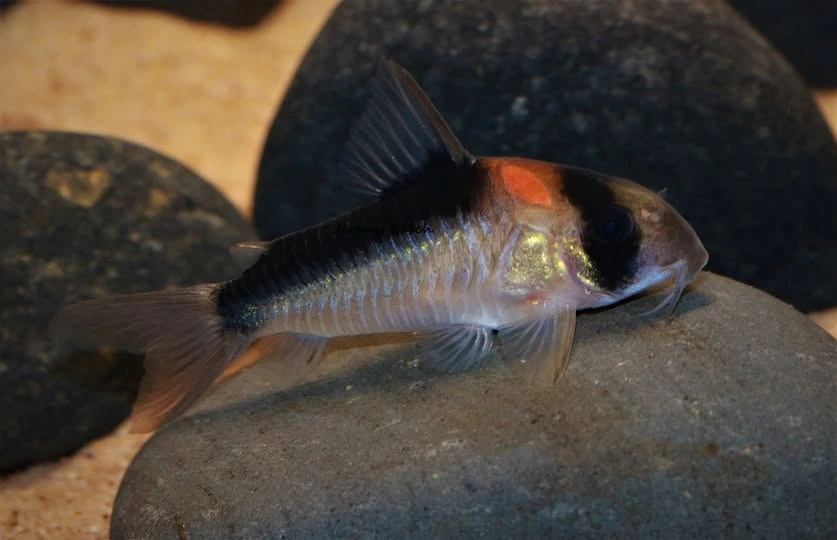
Adolfo's Corydoras
Corydoras adolfoi
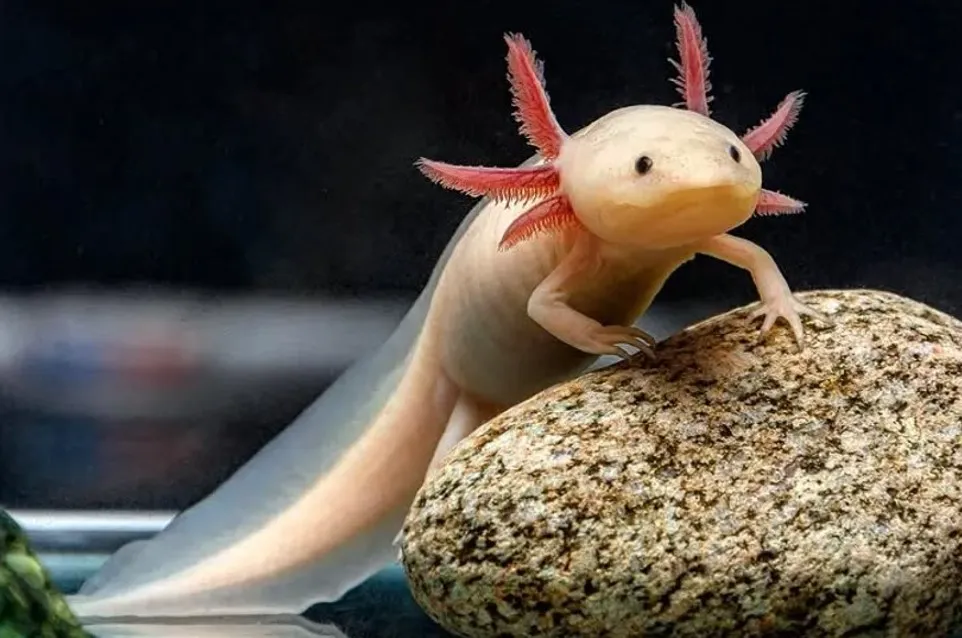
Axolotl
Ambystoma mexicanum
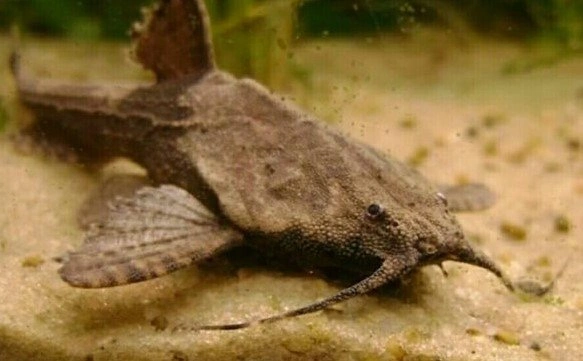
Banjo Catfish
Bunocephalus coracoideus
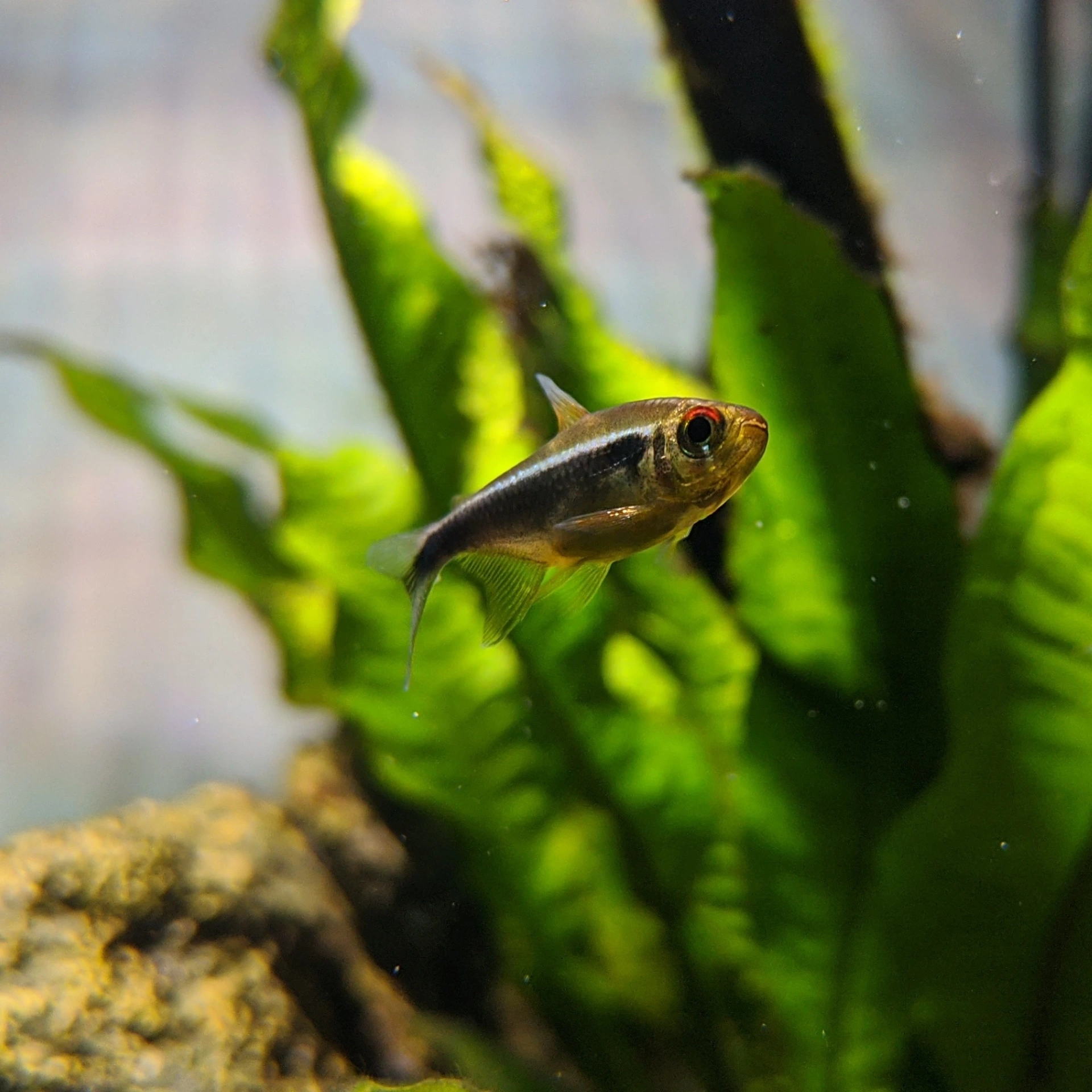
Black Neon Tetra
Hyphessobrycon herbertaxelrodi
Ready to Add Rabbit Snail to Your Tank?
Use our free stocking calculator to check compatibility, bioload, and get personalized recommendations.