
Care Requirements
Adult Size
2.4" (6cm)
Min Tank
10 gal
Temperature
50-82°F
pH Range
6.8-8.5
Lifespan
5-10 years
Min Group
Can be kept alone
Diet
Omnivore
Swim Level
Bottom
Bioload
2/10
Hardness
5-20 dGH
About Japanese Trapdoor Snail
Japanese Trapdoor Snails are among the most practical snails for both aquariums and outdoor ponds. Their cold tolerance (surviving near-freezing temperatures), substantial size, live-bearing reproduction, and algae-eating efficiency make them workhorses rather than display animals — though their olive to brown coloring has understated appeal.
The 'trapdoor' name references their operculum — a hard plate that seals the shell opening when they retract. This trapdoor provides excellent protection from predators, desiccation, and poor conditions. It also distinguishes them from species like Ramshorns that lack opercula.
Unlike the explosive breeders that frustrate aquarists, Japanese Trapdoor Snails reproduce slowly through live birth. Females produce small numbers of fully-formed babies — typically 1-5 at intervals rather than hundreds of eggs. Populations remain stable without management. This controlled reproduction makes them ideal for keepers wanting snail benefits without population concerns.
Their cold tolerance enables year-round outdoor pond keeping in temperate climates. They survive under ice, becoming dormant during winter and resuming activity in spring. This hardiness, combined with their algae consumption and peaceful nature, makes them pond staples across their introduced range.
Natural Habitat & Origin
Japanese Trapdoor Snails originate from freshwater habitats across Japan, China, and Korea — lakes, ponds, rivers, canals, and rice paddies. They've been introduced widely and now occur across North America, Europe, and elsewhere, sometimes as invasive species.
Their native range includes temperate climates with significant seasonal temperature variation. This explains their cold tolerance — they evolved with freezing winters and handle temperature ranges most tropical snails can't survive.
Natural habitat features muddy or sandy substrates in still to slow-moving water. They graze on algae, biofilm, and decaying vegetation. Their size (up to 2.5 inches) allows consumption of more material than smaller species.
Their global spread resulted from aquarium and pond trade combined with deliberate introductions for aquaculture and algae control.
Native Region
East Asia — Japan, China, Korea
Habitat Type
Lakes, ponds, rivers, canals, rice paddies
Wild Water Conditions
Temperate, variable temperature (surviving near-freezing to warm summer conditions)
Appearance & Varieties
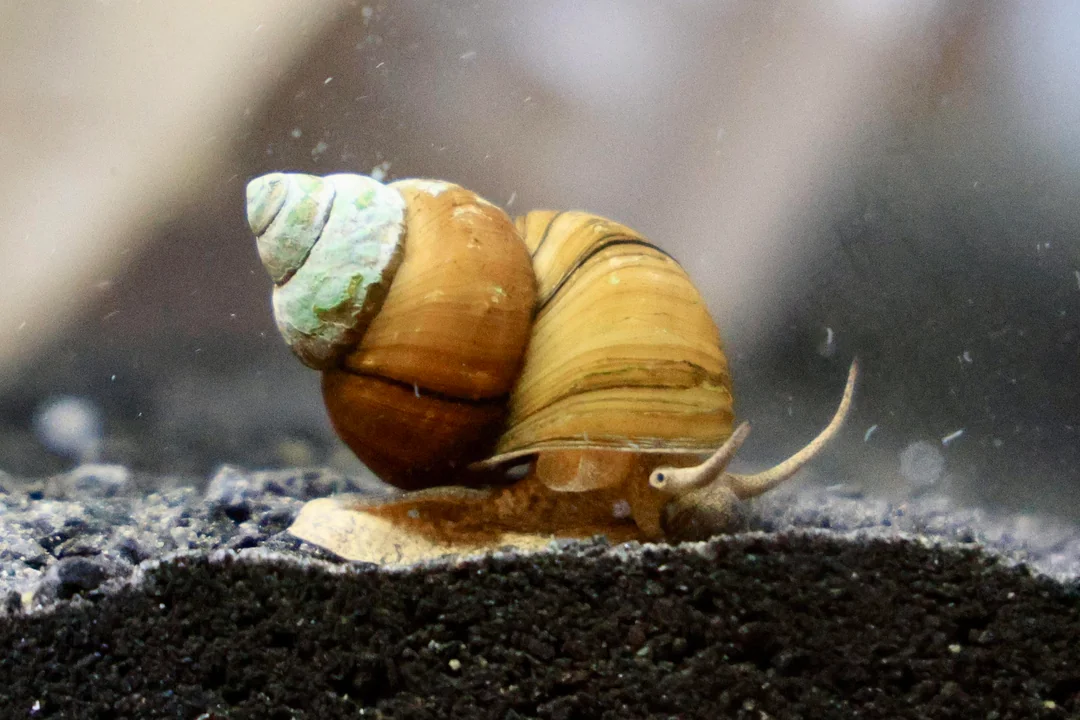
Japanese Trapdoor Snails display rounded, conical shells reaching 2-2.5 inches (5-6 cm) in diameter — larger than most common aquarium snails. Shell coloration ranges from olive green to brown, sometimes with darker spiral banding.
The defining feature is the operculum — a hard, brownish plate attached to the foot that seals the shell opening when the snail retracts. This 'trapdoor' provides protection other snails lack.
Body coloration is gray to brownish-green. Their substantial size makes them more visible than small snails.
Sexing is possible but not straightforward. Males have slightly modified right tentacle, but differences are subtle.
Popular Varieties
| Variety | Description | Rarity |
|---|---|---|
| Standard (Wild-Type) | Olive-green to brown shell, sometimes with darker banding. The only form commonly available — no color morphs are established in the trade. | Common |
Tank Setup & Requirements
Quick Requirements Summary
Tank Size
Minimum Tank Size
10 gallons
Recommended Tank Size
20 gallons
Japanese Trapdoor Snails are highly adaptable to various setups. Their cold tolerance makes them unique among popular aquarium snails.
Water Parameters
Temperature 10-28°C (50-82°F), pH 6.8-8.5, hardness 5-20 dGH. Remarkably wide temperature tolerance is their standout feature — from near-freezing to tropical. This enables pond keeping in temperate climates. Higher hardness supports shell development.
Substrate
Not particular about substrate. Sand allows some burrowing for resting; gravel works fine. They spend time on all surfaces, not just substrate.
Plants & Decorations
Generally plant-safe — they eat decaying vegetation but don't typically damage healthy plants. More surface area means more grazing territory. Rocks, driftwood, and decorations support biofilm and algae growth they'll consume.
Filtration & Water Flow
Standard filtration works. They tolerate a range of conditions from pond to aquarium setups.
Lighting
No special requirements. Light promotes algae growth they'll consume. Not light-sensitive.
Diet & Feeding Guide
Diet Type
omnivore
Feeding Frequency
Supplement every few days if algae is limited
Portion Size
They graze continuously on natural growth. Supplemental feeding only needed if natural food sources are insufficient.
Japanese Trapdoor Snails are effective algae grazers and detritivores. Their larger size means they process more material than smaller snails.
Best Foods for Japanese Trapdoor Snail
- Algae — Primary food source. They're effective algae grazers, consuming growth on surfaces throughout the tank.
- Algae wafers — Readily accepted supplemental food. Useful in tanks with limited natural algae.
- Blanched vegetables — Zucchini, spinach, lettuce — accepted and providing nutrition variety.
- Decaying plant matter — Consume dead leaves and dying vegetation. Beneficial cleanup.
- Calcium supplements — Cuttlebone or calcium blocks support shell health.
Foods to Avoid
- Copper-containing products — Copper is toxic to invertebrates.
In algae-rich tanks or ponds, no supplementation may be necessary.
Behavior & Temperament
Japanese Trapdoor Snails are steady, methodical grazers without dramatic behaviors. They move slowly across surfaces, rasping algae and biofilm with their radula. Activity occurs day and night, though they may rest for extended periods.
Their defining defensive behavior is trapdoor closure. When disturbed, they retract completely into the shell, pulling the operculum tight against the opening. This creates a sealed barrier against predators and poor conditions.
In outdoor ponds, they demonstrate cold-weather dormancy. As temperatures drop toward freezing, activity decreases until they become nearly immobile. Spring warming triggers resumption of normal activity.
Social behavior is minimal — they coexist peacefully. Groups can be kept without aggression or territorial concerns.
Tank Mates: Compatibility Guide
Compatible Tank Mates
Peaceful fish that share cold tolerance.
Share cold tolerance. Large enough that goldfish usually ignore them.
Completely shrimp-safe. Different feeding niches.
Coexist peacefully with most snail species.
Tank Mates to Avoid
Loaches
Snail-eating fish will attack them despite their trapdoor protection.
Puffers
Snails are puffer food. Determined puffers persist.
Assassin Snail
Will hunt them. Juveniles are particularly vulnerable.
Large aggressive cichlids
May attack or harass snails.
Common Pairing Questions
Can Japanese Trapdoor Snails live with goldfish?
Yes — they share cold tolerance and their larger size means goldfish usually ignore them. An excellent pairing for coldwater setups and ponds.
Are they good for outdoor ponds?
Excellent — their cold tolerance, algae consumption, and controlled reproduction make them ideal pond inhabitants.
Japanese Trapdoor Snails are live-bearers producing fully-formed baby snails. Reproduction is slow and controlled — females produce 1-5 babies at intervals. Population explosions are impossible. Building populations takes time and patience.
Health Issues & Disease Prevention
Japanese Trapdoor Snails are hardy, long-lived invertebrates. With appropriate conditions, they can live 5-10 years — longer than many aquarium fish.
Common Diseases
| Disease | Symptoms | Treatment |
|---|---|---|
| Shell erosion | Thinning shell, pitting, white patches. | Increase hardness and ensure adequate calcium. Their shells need mineral content to maintain integrity. |
| Copper poisoning | Lethargy, failure to emerge, death. | None — prevention only. Avoid copper medications. |
| Parasites | Unusual growths, behavioral changes. | Salt dips may help some parasites. Quarantine affected individuals. |
| Physical damage | Cracked or broken shell from falls or fish attacks. | Ensure adequate calcium for shell repair. Minor damage may heal; severe damage is often fatal. |
Signs of a Healthy Japanese Trapdoor Snail
- Active grazing
- Intact shell
- Functional trapdoor closure
- Normal movement
- Extended tentacles during activity
Prevention Tips
- Maintain adequate hardness for shell health
- Provide calcium supplements
- Avoid copper exposure
- Protect from snail-eating fish
Frequently Asked Questions
Yes — cold tolerance is their defining characteristic. They survive near-freezing temperatures, becoming dormant under ice and resuming activity when temperatures rise. Ensure the pond doesn't freeze solid to the bottom.
No — they're live-bearers producing only 1-5 babies at intervals, not egg layers producing hundreds. Population growth is slow and controlled.
Adults reach 2-2.5 inches (5-6 cm) shell diameter — larger than most common aquarium snails. This size makes them more visible and means they consume more algae.
The operculum — a hard plate attached to their foot that seals the shell opening when they retract. This provides protection from predators, desiccation, and poor conditions.
Yes — they're effective algae grazers, and their larger size means they process more material than smaller snails. Especially popular in ponds.
5-10 years with appropriate care — substantially longer than most aquarium invertebrates.
Tips for Keeping Japanese Trapdoor Snail
Pro Tips
- ✓Ideal for temperate ponds — their cold tolerance makes them pond workhorses where tropical snails die in winter.
- ✓Trapdoor = quality indicator — check that the trapdoor closes firmly when purchasing.
- ✓Size provides protection — their larger shells offer more protection from fish than tiny snail species.
- ✓Patience with reproduction — their slow breeding is a feature for population control.
Common Mistakes to Avoid
- ✗Expecting tropical requirements — missing their key advantage of cold tolerance.
- ✗Insufficient calcium — shell erosion over time from mineral deficiency.
- ✗Keeping with dedicated snail-eaters — slow attrition from predators.
- ✗Checking 'dead' snails too quickly — they can remain sealed and immobile for extended periods in cold conditions.
Related Species You Might Like
View All Fish →
Jewel Cichlid
Hemichromis bimaculatus
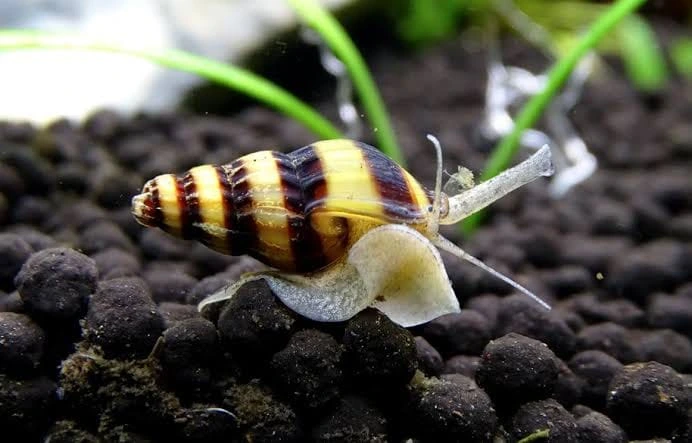
Assassin Snail
Clea helena
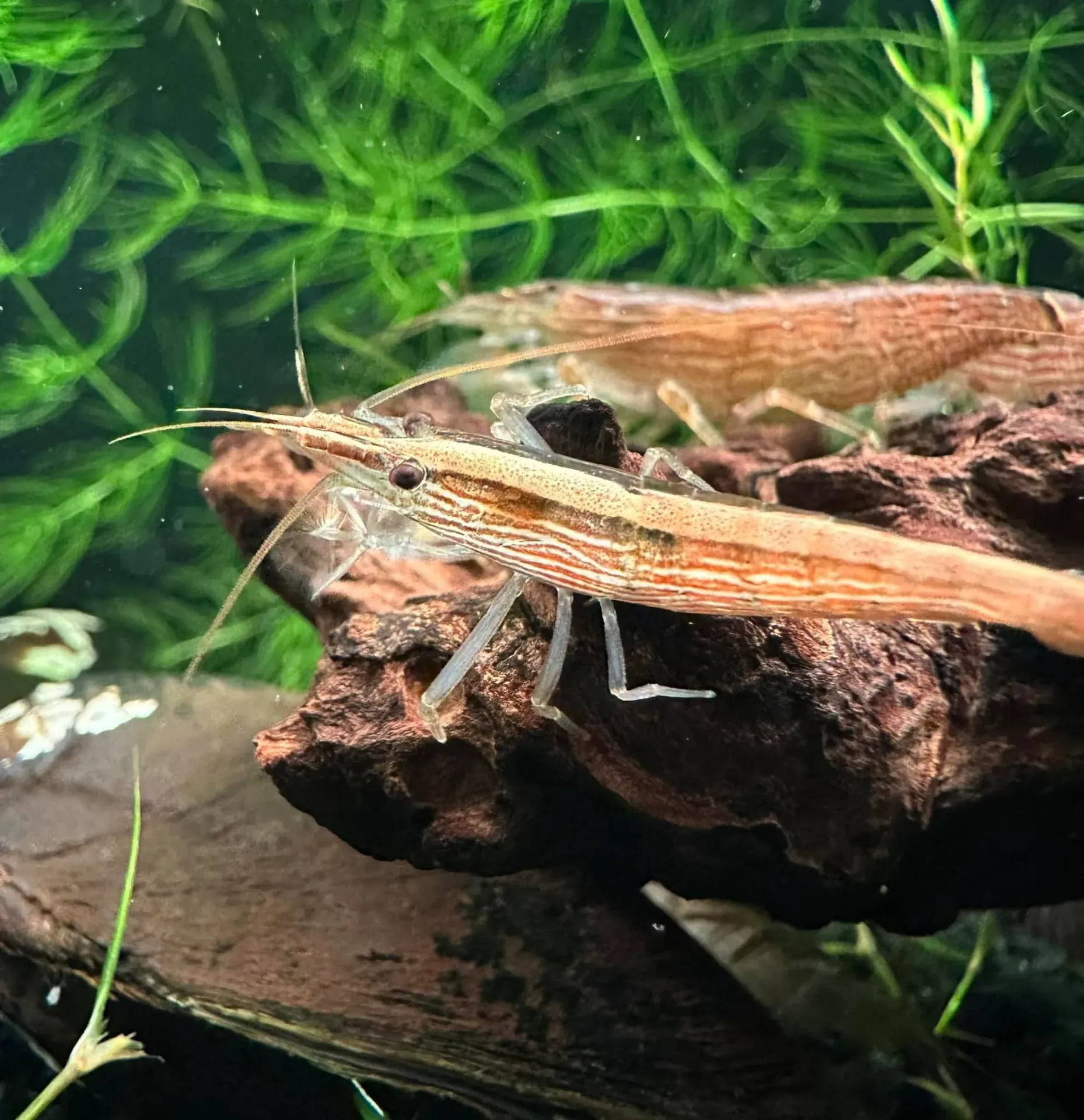
Bamboo Shrimp
Atyopsis moluccensis
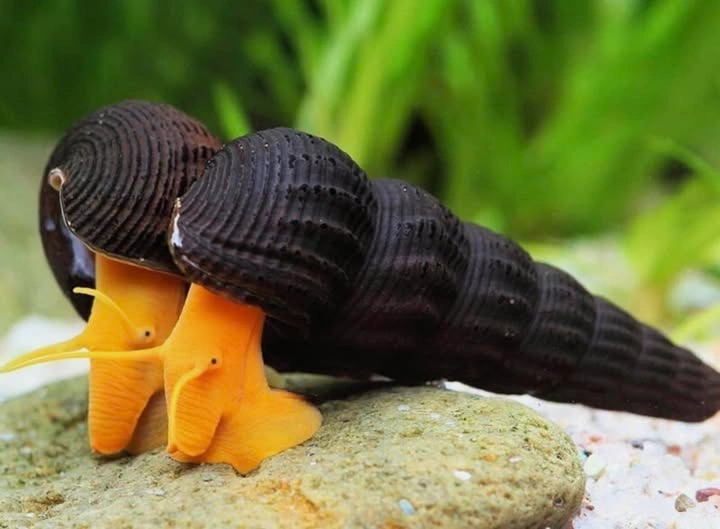
Rabbit Snail
Tylomelania spp.
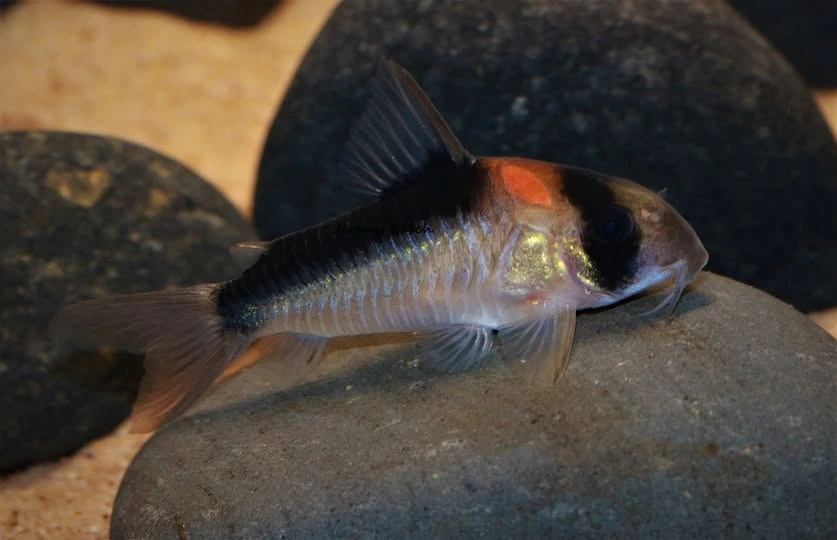
Adolfo's Corydoras
Corydoras adolfoi
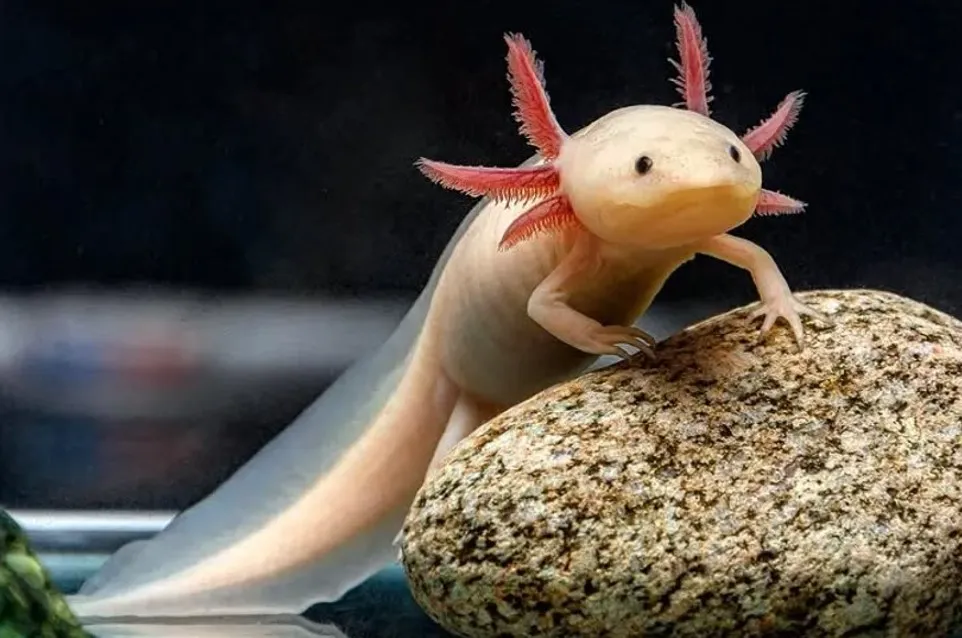
Axolotl
Ambystoma mexicanum
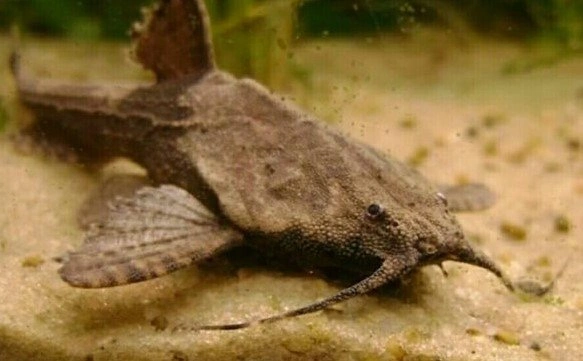
Banjo Catfish
Bunocephalus coracoideus
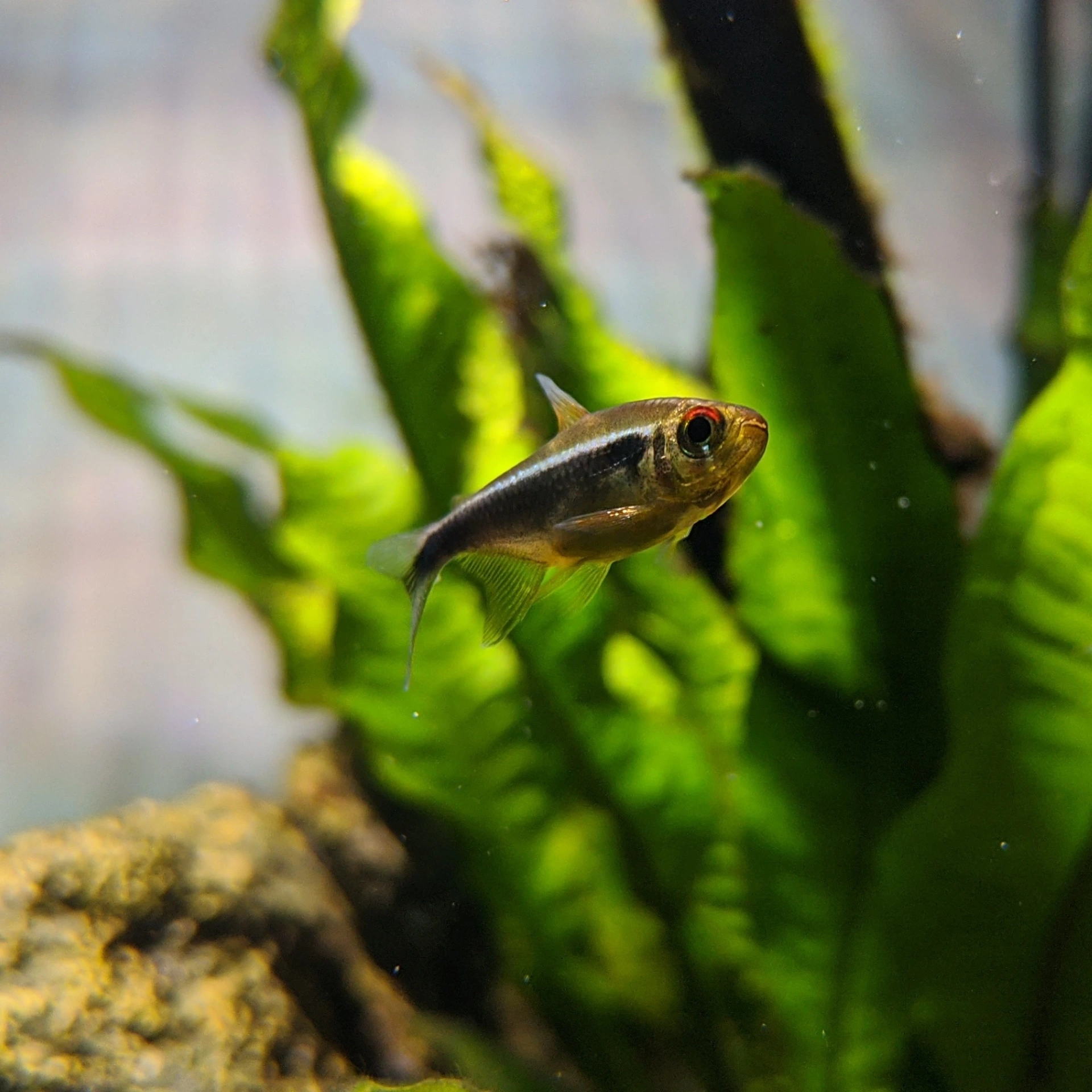
Black Neon Tetra
Hyphessobrycon herbertaxelrodi
Ready to Add Japanese Trapdoor Snail to Your Tank?
Use our free stocking calculator to check compatibility, bioload, and get personalized recommendations.