
Care Requirements
Adult Size
2.4" (6cm)
Min Tank
5 gal
Temperature
68-82°F
pH Range
7-8
Lifespan
1-2 years
Min Group
Can be kept alone
Diet
Omnivore
Swim Level
Bottom
Bioload
3/10
Hardness
8-18 dGH
About Mystery Snail
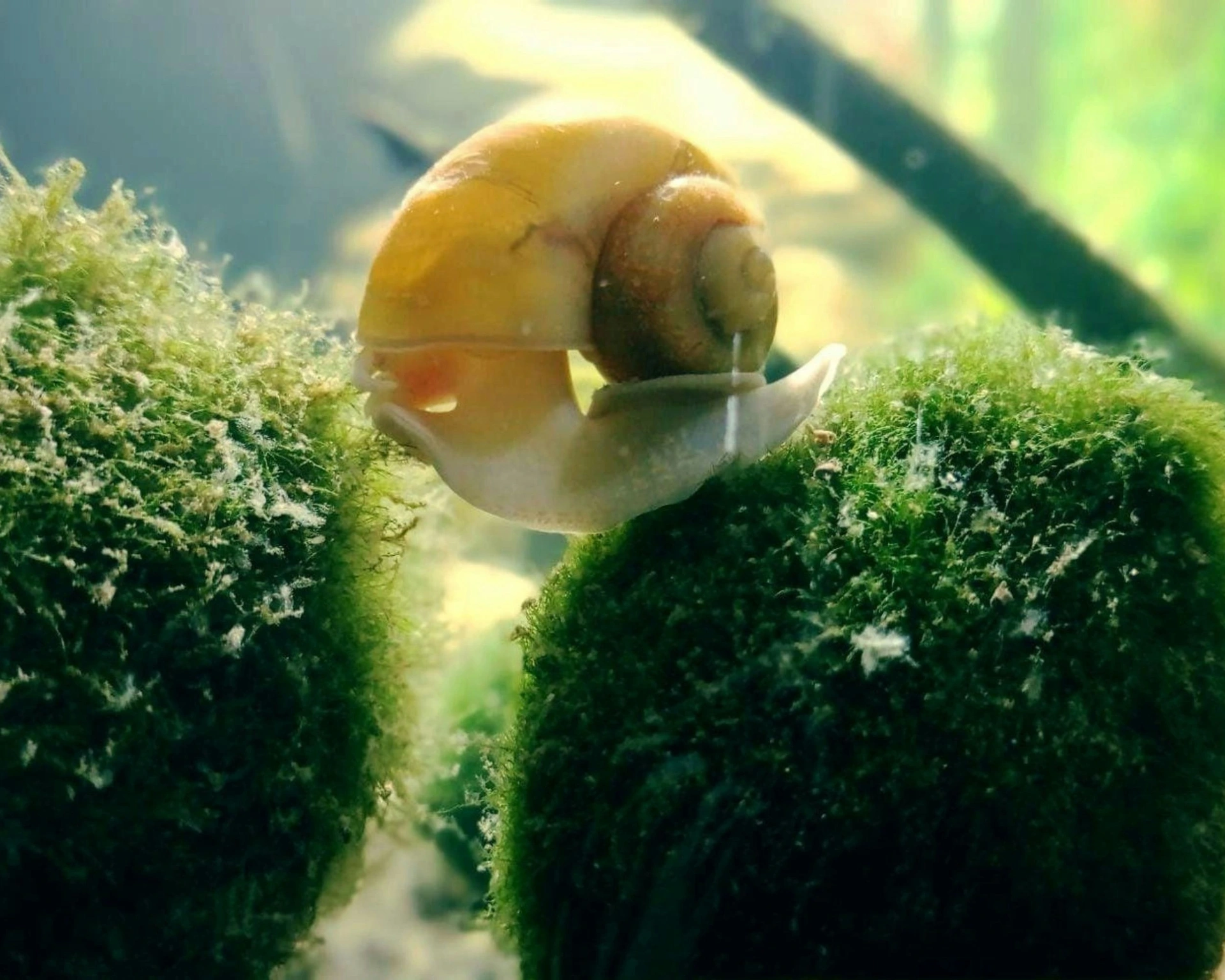
Mystery snails are the charismatic giants of the freshwater snail world. Growing to 2-3 inches in diameter, these colorful snails come in stunning varieties—gold, blue, purple, magenta, ivory, and black—making them popular centerpiece invertebrates. They're one of the few snails hobbyists actively seek out for their appearance rather than just utility.
Unlike many aquarium snails, mystery snails are genuinely interesting to watch. They're curious explorers, using their long sensory tentacles to investigate everything. They can breathe both through gills and by extending a siphon to the surface like a snorkel. They'll climb on anything, occasionally float intentionally by trapping air in their shells, and display what many keepers describe as 'personalities.'
Mystery snails are excellent tank cleaners, consuming leftover food, decaying plant matter, and some algae. Unlike the plant-devouring channeled apple snail (a different species), mystery snails (Pomacea bridgesii) are generally safe with healthy plants—a crucial distinction for planted tank keepers.
Natural Habitat & Origin
Mystery snails are native to South America, inhabiting slow-moving freshwater rivers, swamps, ponds, and flooded areas throughout the Amazon basin, Brazil, Paraguay, and Bolivia. They're adapted to warm, still water with abundant vegetation and decaying organic matter.
In the wild, they spend their time grazing on decomposing plant matter, algae, and detritus on every available surface. Their ability to breathe air allows them to survive in low-oxygen environments and even temporary dry conditions. This adaptation also enables their unique breeding behavior—laying eggs above the waterline where they incubate in humid air.
Native Region
South America—Amazon basin, Brazil, Paraguay, Bolivia
Habitat Type
Slow-moving rivers, swamps, ponds, flooded areas with vegetation
Wild Water Conditions
Warm, still water with abundant decaying plant matter
Appearance & Varieties
Mystery snails are large for freshwater snails, reaching 2-2.5 inches (5-6 cm) in shell diameter. Their globe-shaped shells come in a remarkable variety of colors through selective breeding: gold/yellow, blue, purple, magenta, ivory/white, black, jade, and various combinations with different shell and body colors.
Their body is also colorful, typically matching or contrasting with the shell. Long, sensitive tentacles extend from the head, constantly probing the environment. They have a notable siphon—a breathing tube they extend to the water surface to breathe air, looking almost like a snorkel. Their muscular foot is powerful enough to push tank lids open if not secured.
Popular Varieties
| Variety | Description | Rarity |
|---|---|---|
| Gold/Yellow | Bright golden body and shell—most common variety | Very Common |
| Blue | Bluish-grey body with blue-tinted shell | Common |
| Ivory/White | White body with ivory/cream shell | Common |
| Purple | Purple-tinted body and dark purple shell | Uncommon |
| Magenta | Pink/magenta body with purple shell | Uncommon |
| Black | Dark body with black or very dark shell | Uncommon |
| Jade | Greenish body coloration | Rare |
Tank Setup & Requirements
Quick Requirements Summary
Tank Size
Minimum Tank Size
5 gallons
Recommended Tank Size
10 gallons
Mystery snails need more space than smaller snails due to their size and waste production. A minimum of 10 gallons (40 liters) is recommended for 1-2 snails, with 20 gallons (75 liters) being better for a small group. Importantly, they need air space above the water for breathing and egg laying.
Water Parameters
Mystery snails prefer hard, alkaline water: temperature 68-82°F (20-28°C), pH 7.0-8.5, and GH 8-25 dGH. Like all snails, soft acidic water erodes their shells. Calcium supplementation (cuttlebone or calcium blocks) is recommended, especially in softer water.
Substrate
Any substrate works—they're not picky. They'll roam on any surface but spend significant time on glass, decorations, and plants rather than digging in substrate.
Plants & Decorations
Plants are compatible—mystery snails (bridgesii) rarely damage healthy plants, unlike some apple snail species. They may nibble dying leaves, which is actually beneficial. Decorations provide climbing surfaces and variety.
Filtration & Water Flow
Moderate filtration is important—mystery snails produce significant waste for their size. Factor them into your bioload calculations. They're not sensitive to moderate flow and can navigate currents.
Lighting
Any lighting works—mystery snails aren't light-sensitive. They're more active at night but will graze during the day.
Diet & Feeding Guide
Diet Type
omnivore
Feeding Frequency
Daily—they have large appetites
Portion Size
Generous—they eat more than expected for their size
Mystery snails are omnivores with large appetites. They're primarily herbivorous, preferring decaying plant matter and vegetables, but will eat almost anything. They're excellent cleanup crew members, consuming leftover fish food and debris.
Best Foods for Mystery Snail
- Blanched vegetables — Zucchini, cucumber, spinach, carrots—their favorites
- Algae wafers — Staple supplemental food
- Sinking pellets — Fish food they scavenge
- Canned green beans — No salt added—popular treat
- Cuttlebone — Essential calcium supplementation for shell health
- Decaying plant matter — They'll clean up dying leaves
Foods to Avoid
- Copper-containing foods — Toxic to all invertebrates
- Salty foods — Salt is harmful to freshwater snails
Don't underestimate their appetite—mystery snails eat more than you'd expect given their slow pace. Provide food daily, especially blanched vegetables. They're more active feeders at night, so leaving food overnight is effective.
Behavior & Temperament
Mystery snails are remarkably personable for invertebrates. They actively explore their environment, investigating everything with their long sensory tentacles. They're curious, constantly probing new objects, and seem to develop 'personalities' that endear them to keepers.
Unique among common aquarium snails, mystery snails can breathe both underwater through gills and from the surface using a siphon tube—watch for them extending their 'snorkel' to the surface. They'll sometimes intentionally trap air in their shell to float, drifting around the tank or resting at the surface.
Breeding behavior is distinctive: females climb above the waterline at night to lay pink or white egg clutches that incubate in humid air. If you see eggs, breeding is underway. Their operculum (trap door) closes tightly when threatened—if your snail is completely retracted and won't come out, give it time and check water quality.
Tank Mates: Compatibility Guide
Compatible Tank Mates
Most peaceful community fish
Compatible with nearly all peaceful fish
Peaceful coexistence
Excellent companions
No competition, peaceful
Ignore each other completely
Completely shrimp safe
Compatible with peaceful snails
Tank Mates to Avoid
Assassin snails
Will hunt and kill mystery snails
Pufferfish
Specialize in eating snails
Large cichlids
May attack or eat them
Loaches
Many species eat snails, especially clown loaches
Crayfish
Will catch and eat snails
Fin-nipping fish
May damage sensitive tentacles (some bettas, some barbs)
Common Pairing Questions
Will mystery snails eat my plants?
Rarely. Mystery snails (Pomacea bridgesii) prefer decaying matter over healthy plants. They may nibble dying leaves—which is actually helpful. They're not the plant-destroying apple snails you may have heard warnings about.
Can mystery snails live with bettas?
Usually yes, but some bettas nip the snail's tentacles. Most bettas ignore the shell entirely but may attack the soft parts. Monitor carefully and have a backup plan if your betta shows aggression toward the snail's tentacles.
How many mystery snails can I keep?
Allow 5-10 gallons per snail due to their size and waste production. They're not social so don't need companions, but mixed colors look attractive together. Keep same-sex groups to prevent breeding if desired.
Mystery snails breed readily in freshwater—unlike nerites, they complete their entire life cycle in home aquariums. This can be advantageous (baby snails are adorable and sellable) or problematic (population control may be needed).
Females climb above the waterline, often at night, to lay distinctive egg clutches—pink or white masses containing 50-200+ eggs. The clutch hardens and incubates in humid air for 2-4 weeks. Hatchlings emerge as tiny but fully-formed snails that drop into the water.
To prevent breeding, keep same-sex groups (though sexing is difficult) or remove egg clutches promptly (can be frozen to humanely prevent hatching). Leave 2-3 inches of air space above the water for egg laying—clutches that fall into water drown.
Health Issues & Disease Prevention
Mystery snails are hardy when kept in appropriate conditions. Their primary health concern is shell deterioration from soft, acidic water—calcium supplementation is essential for shell health.
Common Diseases
| Disease | Symptoms | Treatment |
|---|---|---|
| Shell erosion/pitting | Thin shell, holes, white patches | Calcium supplementation, pH above 7.0, adequate GH |
| Parasites | Leeches, unusual growths on body | Manual removal, quarantine, improve water quality |
| Deep retraction | Won't come out of shell, unresponsive | Check water quality, give time—may be stress response |
Signs of a Healthy Mystery Snail
- Active movement and exploration
- Extended tentacles actively sensing
- Strong shell without pitting or thinning
- Good appetite and response to food
- Responsive to touch (retracts, then resumes)
Prevention Tips
- Provide calcium supplementation—cuttlebone or calcium blocks
- Maintain hard, alkaline water (pH 7.0+, GH 8+)
- Leave air space above water for breathing and egg laying
- Don't keep with fish that nip tentacles
- Quarantine new snails for 1-2 weeks
- Monitor for and assist flipped snails that can't right themselves
Frequently Asked Questions
Mystery snails can intentionally trap air to float—it's often normal behavior. However, extended floating may indicate poor water quality, stress, or illness. Check parameters and observe if they resume normal activity.
Many colors: gold/yellow, blue, purple, magenta, ivory/white, black, jade, and various shell patterns. Gold and ivory are most common. Color is hereditary—breeding different colors creates variety.
Rarely. Unlike some apple snails, mystery snails (Pomacea bridgesii) prefer decaying matter over healthy plants. They may nibble dying leaves but generally leave healthy plants alone.
The smell test is definitive—dead snails smell terrible. Living snails retract and close their operculum when disturbed. If there's no response, no smell, and it's been retracted for days, gently smell the opening.
Tips for Keeping Mystery Snail
Pro Tips
- ✓Add cuttlebone for calcium—essential for shell health
- ✓They're great tank cleaners but produce significant waste—factor into filtration
- ✓Different colored snails add visual interest and can breed new color combos
- ✓Leave air space above water—they need it for breathing and egg laying
- ✓Their long tentacles are sensitive—some fish nip them
- ✓If you see eggs and don't want babies, remove and freeze the clutch
- ✓They can survive out of water briefly—rescue escapees quickly
Common Mistakes to Avoid
- ✗No air space above water—they need to breathe and lay eggs
- ✗Soft acidic water—destroys shells
- ✗Keeping with aggressive fish that nip antennae
- ✗Underfeeding—they're bigger than they look and eat a lot
- ✗Not realizing how much waste they produce
- ✗Mixing with assassin snails or loaches
- ✗Confusing them with invasive apple snails (different species)
Related Species You Might Like
View All Fish →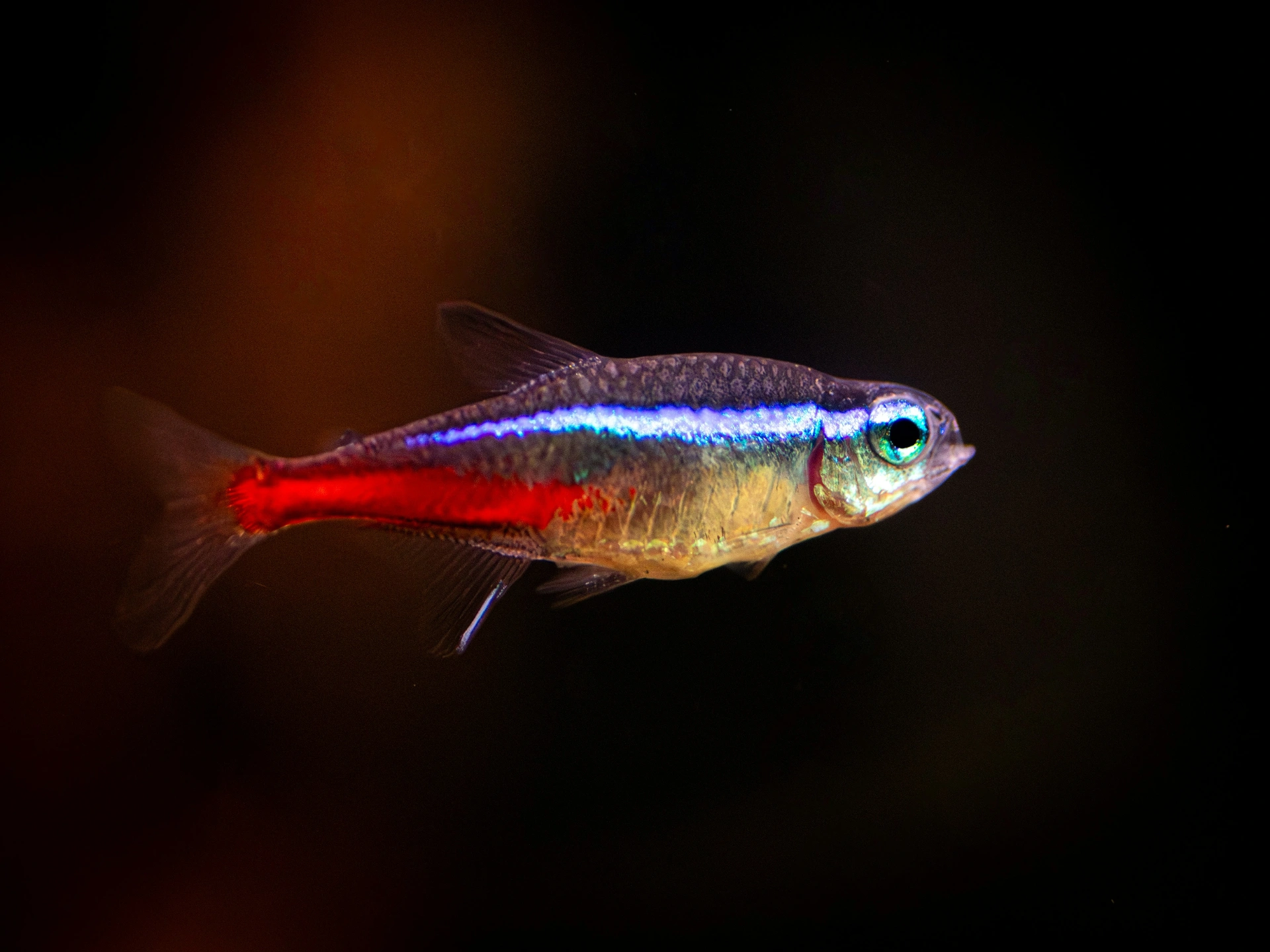
Neon Tetra
Paracheirodon innesi
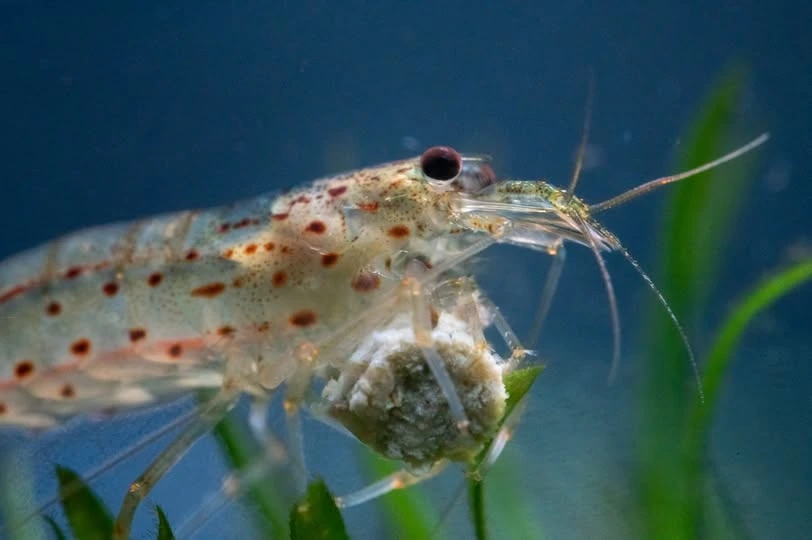
Amano Shrimp
Caridina multidentata
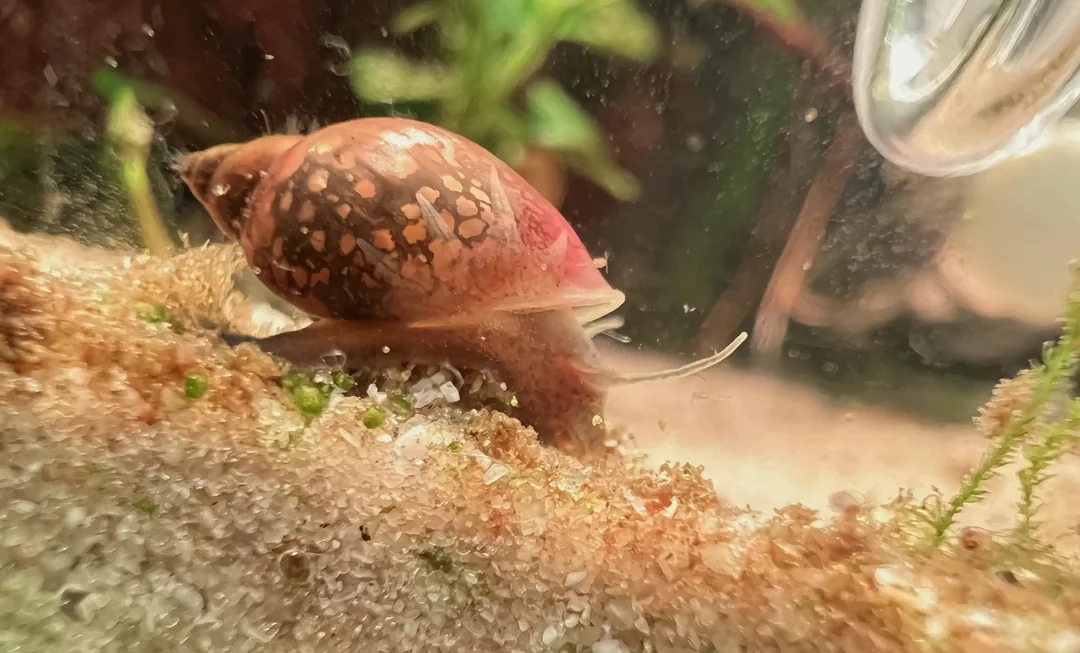
Bladder Snail
Physella acuta
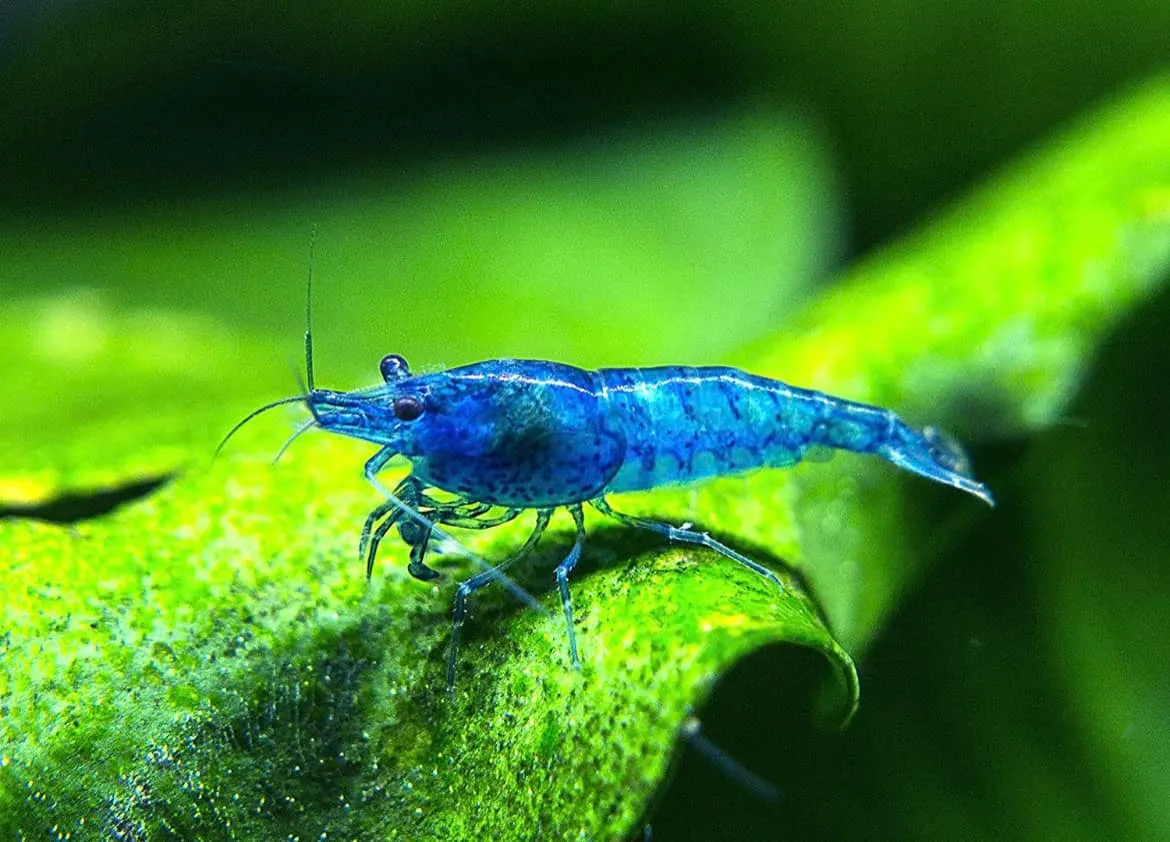
Blue Velvet Shrimp
Neocaridina davidi var. blue
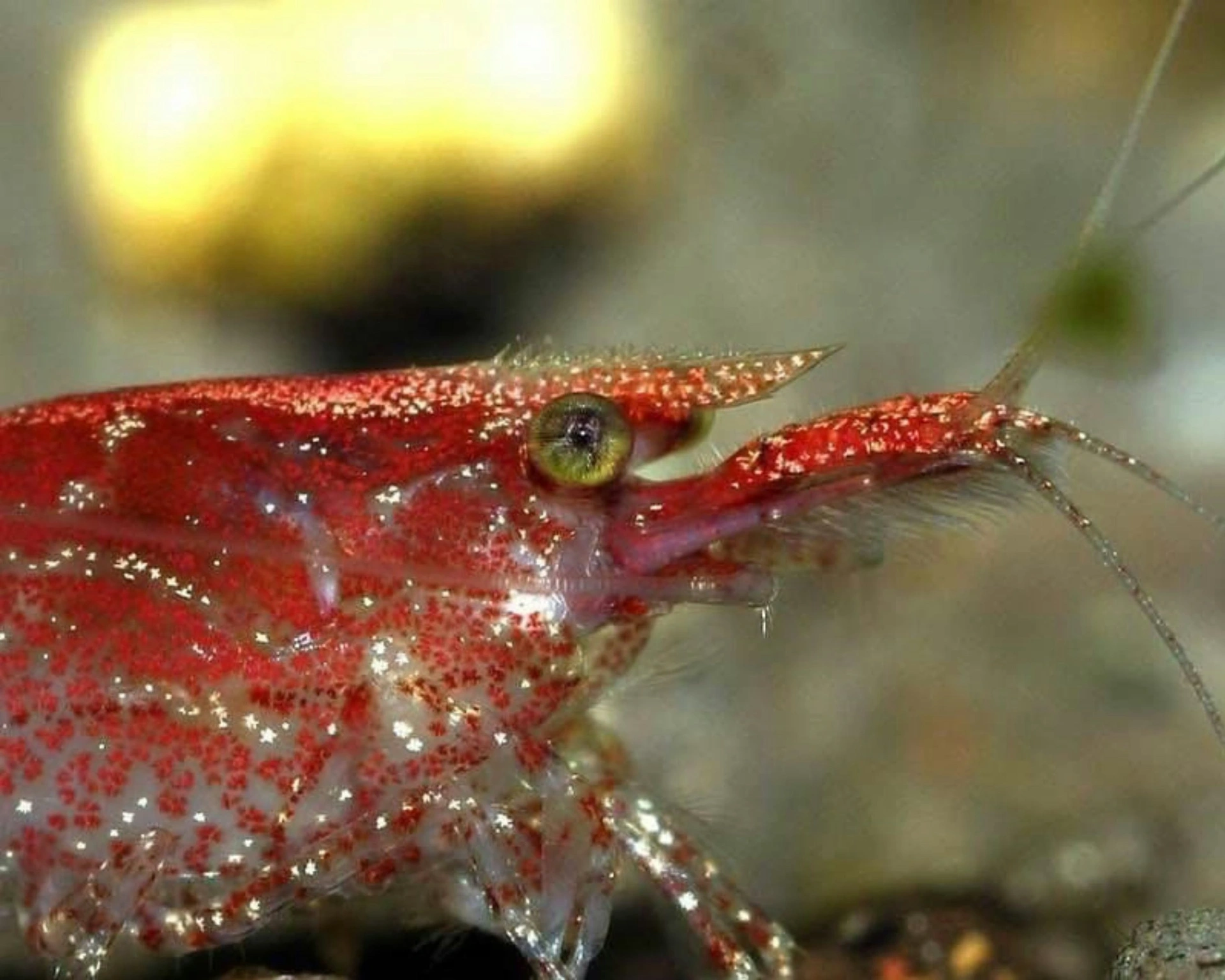
Cherry Shrimp
Neocaridina davidi
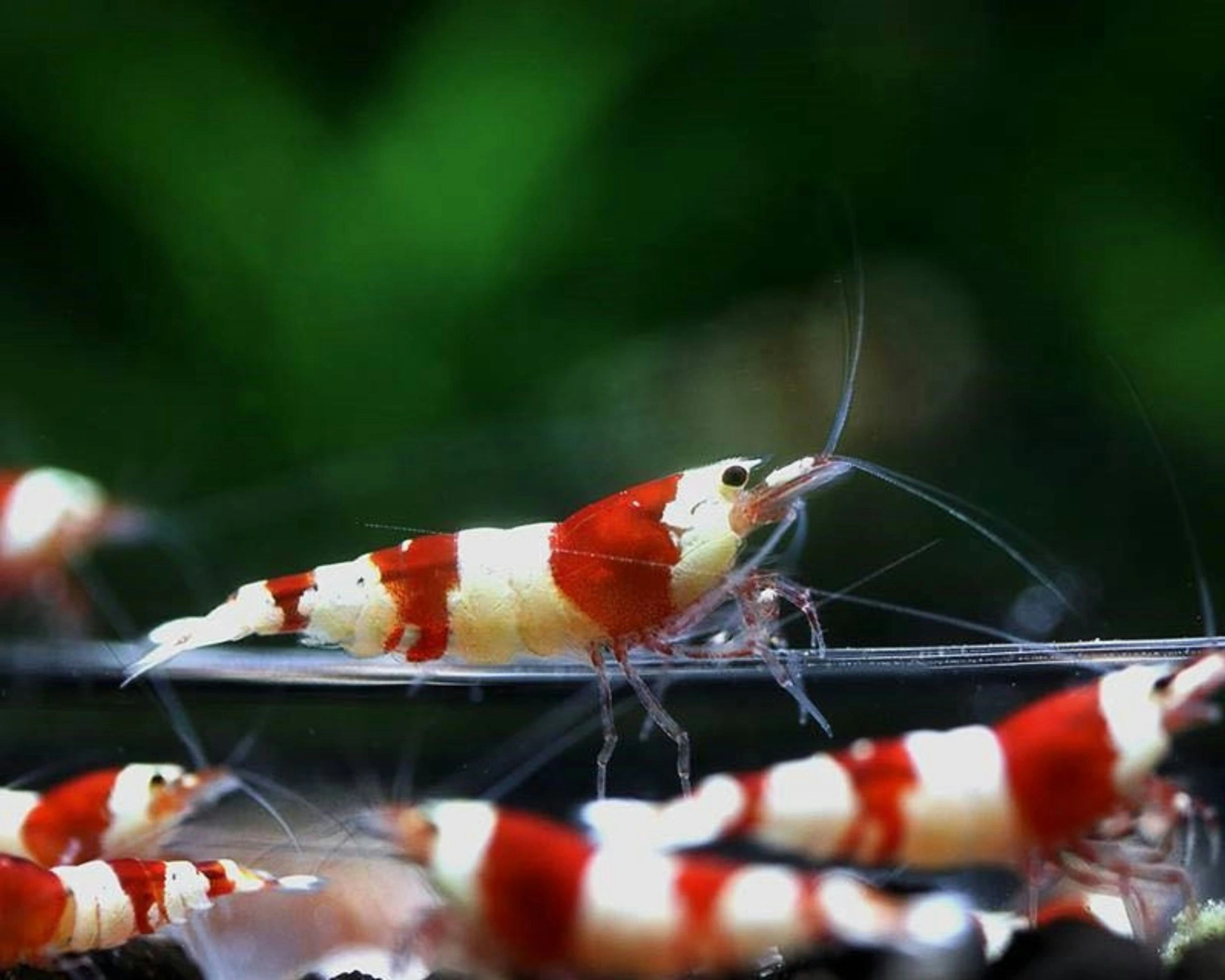
Crystal Shrimp
Caridina cantonensis
Ghost Shrimp
Palaemonetes paludosus
Malaysian Trumpet Snail
Melanoides tuberculata
Ready to Add Mystery Snail to Your Tank?
Use our free stocking calculator to check compatibility, bioload, and get personalized recommendations.