
Care Requirements
Adult Size
1.2" (3cm)
Min Tank
2 gal
Temperature
64-86°F
pH Range
6.5-8.5
Lifespan
2-3 years
Min Group
Can be kept alone
Diet
Omnivore
Swim Level
Bottom
Bioload
1/10
Hardness
5-25 dGH
About Malaysian Trumpet Snail
Malaysian Trumpet Snails occupy a unique position in the aquarium hobby — simultaneously one of the most beneficial and most polarizing inhabitants available. Their burrowing behavior aerates substrate, preventing anaerobic gas pockets that can harm fish. They consume detritus, uneaten food, and decaying plant matter, providing genuine cleanup crew service. These benefits are real and valuable.
However, their live-bearing reproduction and adaptability can create population explosions that alarm keepers. Overfeeding or excess organic matter results in geometric population growth — suddenly thousands of snails emerge from substrate at night. This 'infestation' frustrates aquarists who didn't intentionally introduce them and don't appreciate their benefits.
Most arrive as hitchhikers on plants rather than intentional purchases. Tiny juveniles hide in plant roots and substrate, going unnoticed until populations establish. By then, complete elimination is nearly impossible without dismantling the tank. This uninvited arrival contributes to their negative reputation.
The key insight is that MTS populations reflect tank conditions. Exploding numbers indicate excess food and organic waste. Stable, low populations indicate appropriate feeding and maintenance. They're biological indicators as much as inhabitants. Blaming the snails for revealing husbandry issues misses the point.
Natural Habitat & Origin
Malaysian Trumpet Snails originated in Southeast Asia, the Middle East, and parts of Africa but now occur globally — one of the most widely distributed freshwater snails on Earth. They've successfully colonized every continent except Antarctica, establishing in both tropical and temperate waters.
Their invasive success stems from remarkable adaptability. They tolerate temperatures from 64°F to 86°F, pH from acidic to alkaline, and various hardness levels. They survive in polluted waters that kill less hardy species. They can even tolerate brackish conditions. Few environments are truly hostile to them.
Natural habitat includes virtually any freshwater environment — rivers, lakes, ponds, canals, irrigation ditches, and more. They occupy substrate where they burrow during day and emerge at night to graze. Burrowing protects them from predators and desiccation.
Their feeding ecology involves consuming detritus, algae, biofilm, and organic debris in and on substrate. They're not aggressive feeders — slow, methodical grazing defines their style. This detritivore role makes them valuable in both natural and aquarium ecosystems.
Native Region
Southeast Asia, Middle East, Africa (globally invasive)
Habitat Type
Rivers, lakes, ponds, canals — virtually any freshwater environment
Wild Water Conditions
Extremely variable — highly adaptable to diverse conditions
Appearance & Varieties
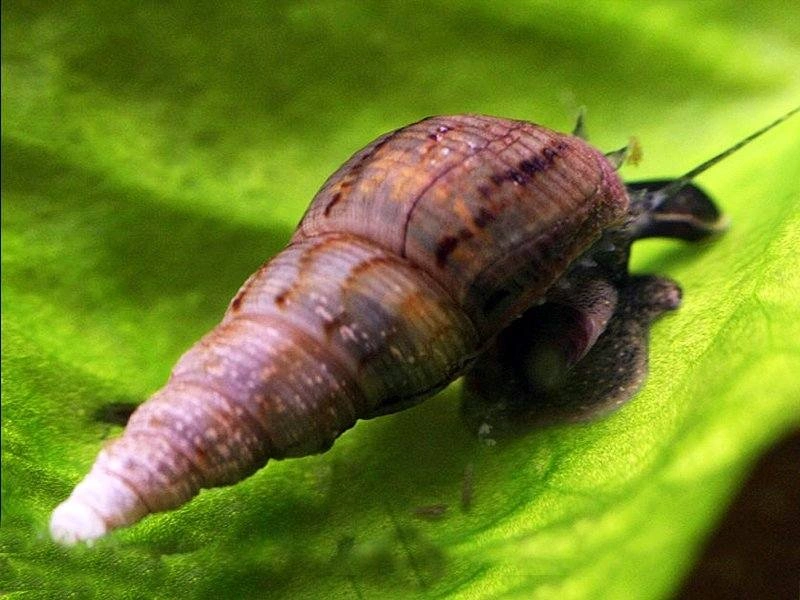
Malaysian Trumpet Snails display elongated, conical shells spiraling to a point — similar to Rabbit Snails but much smaller. Adult shells reach approximately 1 inch (2-3 cm). Shell coloration is typically brown to gray with darker spiral markings, though coloration varies.
Their pointed, spiral shell distinguishes them from the rounded shells of Ramshorn or Mystery Snails. The shape aids substrate burrowing — they move through substrate like living corkscrews. Shells are thick and durable, providing protection from predators.
The body is gray to brownish with darker spots. They possess an operculum — a trapdoor-like structure that seals the shell opening when retracted. This operculum is visible on active snails and distinguishes them from some other snail species.
Sexing is possible but academic — they reproduce parthenogenetically, meaning females clone themselves without mating. Males exist but are rare and unnecessary for reproduction. Any individual can establish a population alone.
Popular Varieties
| Variety | Description | Rarity |
|---|---|---|
| Standard (Wild-Type) | Brown to gray shell with darker spiral markings. The overwhelmingly common form in the hobby. | Very Common |
| Gold/Blonde | Lighter, golden coloration lacking dark pigmentation. Occasionally appears in populations. | Uncommon |
Tank Setup & Requirements
Quick Requirements Summary
Tank Size
Minimum Tank Size
2 gallons
Recommended Tank Size
5 gallons
Malaysian Trumpet Snails thrive in virtually any aquarium setup. Their adaptability means specific requirements barely exist.
Water Parameters
Temperature 18-30°C (64-86°F), pH 6.5-8.5, hardness 5-25 dGH. Extraordinarily adaptable — they survive conditions that kill other species. Harder, more alkaline water supports better shell development, but they tolerate remarkably wide ranges.
Substrate
Sand or fine gravel is essential for burrowing — SUBSTRATE IS CRITICAL. They're burrowing snails, and sand is ideal. Coarse gravel or bare bottom tanks prevent natural behavior. Their burrowing is their primary benefit (substrate aeration), so accommodate it.
Plants & Decorations
They don't damage healthy plants — only decaying matter. Beneficial for planted tanks as they consume dying leaves without harming living tissue. Their burrowing doesn't disturb established root systems significantly.
Filtration & Water Flow
Standard filtration works. They survive in conditions from heavily filtered to near-stagnant. Good filtration reduces organic waste that fuels population growth.
Lighting
They burrow during light hours and emerge at night. Lighting doesn't affect them directly. Their nocturnal emergence means you may rarely see them during normal viewing hours.
Diet & Feeding Guide
Diet Type
omnivore
Feeding Frequency
None required in most tanks
Portion Size
They subsist on waste and detritus. Intentional feeding is unnecessary unless the goal is population growth.
Malaysian Trumpet Snails are detritivores consuming whatever organic matter exists in substrate and on surfaces. They rarely require supplemental feeding — excess feeding fuels population explosions.
Best Foods for Malaysian Trumpet Snail
- Uneaten fish food — Their primary food source in most tanks. They consume whatever sinks into substrate.
- Decaying plant matter — Dead leaves and dying vegetation are readily consumed. Beneficial cleanup behavior.
- Detritus and organic debris — They process organic waste in substrate. This is their ecological role.
- Algae and biofilm — Graze on surfaces at night, consuming natural growth.
Foods to Avoid
- Overfeeding — Excess food is the primary driver of population explosions. Feed fish appropriately and MTS populations remain manageable.
- Copper-containing products — Copper is toxic — avoid copper medications in tanks with any snails.
Excess food = excess snails. This is the fundamental population management principle.
Behavior & Temperament
Malaysian Trumpet Snails are primarily burrowing, nocturnal animals. During daylight hours, they remain buried in substrate — often completely invisible. At night, they emerge to graze on surfaces before returning to substrate at dawn.
This burrowing behavior provides their primary benefit: substrate aeration. Movement through substrate prevents anaerobic gas pockets (hydrogen sulfide) from forming — these pockets can stress or kill fish if disturbed. MTS constantly work substrate, maintaining aerobic conditions.
Their nocturnal emergence can surprise keepers unaware of their presence. Shining a light on the tank at night reveals snails that seem absent during the day. The sudden visibility of 'hidden' populations alarms keepers who didn't know they had them.
Population dynamics are simple: food availability determines population. More organic waste means more snails. Cut excess feeding and populations decline as reproduction slows and natural mortality continues. They're biological feedback, not independent problems.
Tank Mates: Compatibility Guide
Compatible Tank Mates
Fish that don't eat snails coexist without issues. MTS occupy substrate niche.
Completely shrimp-safe. Different feeding niche. Often kept together beneficially.
Coexist with most snails without significant competition or conflict.
Different substrate usage patterns. MTS burrow below where corys forage.
Tank Mates to Avoid
Loaches
Most loaches eat snails enthusiastically. They'll hunt MTS from substrate.
Puffers
Snails are puffer food. MTS will be consumed — sometimes this is intentional.
Assassin Snail
Hunt and consume MTS. Often introduced specifically to control MTS populations.
Large cichlids
Many cichlids crush and eat snails. MTS become food in cichlid tanks.
Common Pairing Questions
Are Malaysian Trumpet Snails good or bad?
Both — they provide genuine benefits (substrate aeration, detritus consumption) but can overpopulate if tank conditions allow. Their population reflects your husbandry.
Will Assassin Snails control MTS?
Yes — Assassin Snails are effective MTS predators. They won't eliminate them entirely but reduce populations significantly.
Malaysian Trumpet Snails reproduce through parthenogenesis — females clone themselves without mating. Males exist but are rare and unnecessary. Any individual can establish a population alone. Reproduction is live-bearing; females produce fully-formed baby snails rather than eggs. Population growth is exponential when food is abundant.
Health Issues & Disease Prevention
Malaysian Trumpet Snails are extraordinarily hardy. Health issues are rare unless conditions are extreme or copper exposure occurs.
Common Diseases
| Disease | Symptoms | Treatment |
|---|---|---|
| Shell erosion | Thinning shell in soft, acidic water. | Increase hardness and pH. Hard water supports shell integrity. |
| Copper poisoning | Mass die-off following copper medication or exposure. | None — prevention only. Avoid copper. |
| Parasites (can carry trematodes) | Not visible in snails — concern for wild-caught specimens. | Quarantine wild-caught snails. Captive-bred populations pose minimal risk. |
Signs of a Healthy Malaysian Trumpet Snail
- Active nocturnal movement
- Intact shell without erosion
- Burrowing behavior
- Population stability
Prevention Tips
- Avoid copper exposure
- Don't overfeed (causes population explosions)
- Quarantine plants if you want to prevent introduction
Frequently Asked Questions
Complete elimination is nearly impossible. Management options: reduce feeding dramatically, introduce Assassin Snails, add loaches or pea puffers, manual removal via vegetable trapping. Chemical options harm other invertebrates. Manage populations rather than pursuing eradication.
Daytime emergence above substrate usually indicates substrate problems — anaerobic conditions, excessive waste buildup, or parameter issues. They're escaping bad conditions below. Investigate substrate health when MTS abandon normal burrowing patterns.
Almost certainly as hitchhikers on plants. Tiny juveniles hide in plant roots and substrate, surviving transfer unnoticed. Prevention requires quarantining new plants and inspecting carefully.
No — they don't eat healthy plants. They consume decaying plant matter, which is beneficial cleanup behavior. They're actually good for planted tanks.
Yes — population size directly reflects available food. Exploding numbers indicate excess organic waste. Stable, low numbers indicate appropriate feeding. They're biological indicators.
Tips for Keeping Malaysian Trumpet Snail
Pro Tips
- ✓View them as biological indicators — population size reflects tank conditions.
- ✓Embrace substrate aeration benefits — their burrowing prevents anaerobic gas pockets.
- ✓Population control = feeding control. Want fewer snails? Feed less.
- ✓Vegetable trapping for manual removal — place blanched zucchini on substrate before lights out, remove snail-covered vegetable in morning.
Common Mistakes to Avoid
- ✗Using copper to eliminate them — copper kills shrimp and harms fish.
- ✗Blaming snails for overfeeding consequences — the snails reveal the problem, not cause it.
- ✗Expecting complete elimination — nearly impossible without tank teardown.
- ✗Using sand-free substrate — they can't burrow in bare bottom or coarse gravel, eliminating their primary benefit.
Related Species You Might Like
View All Fish →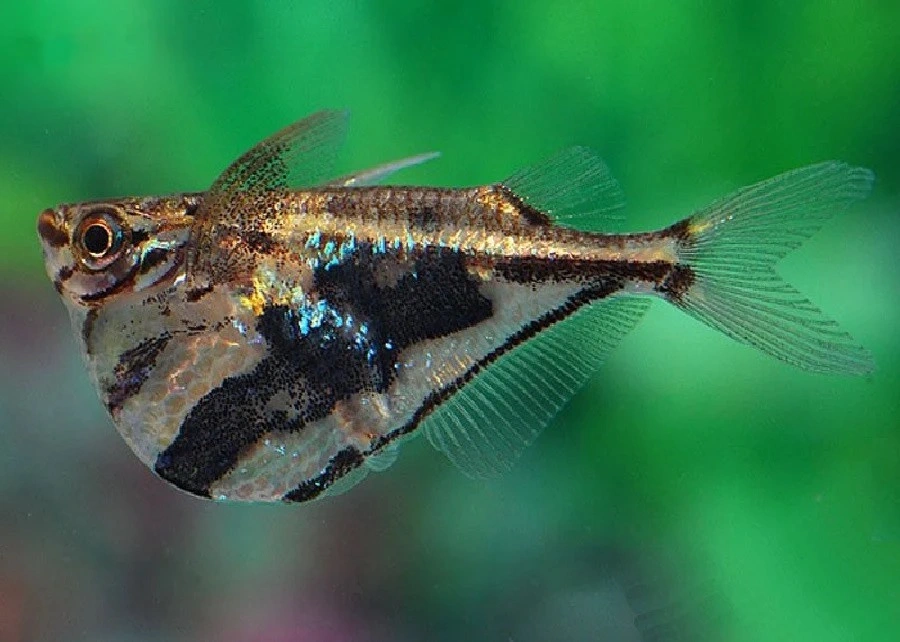
Marbled Hatchetfish
Carnegiella strigata
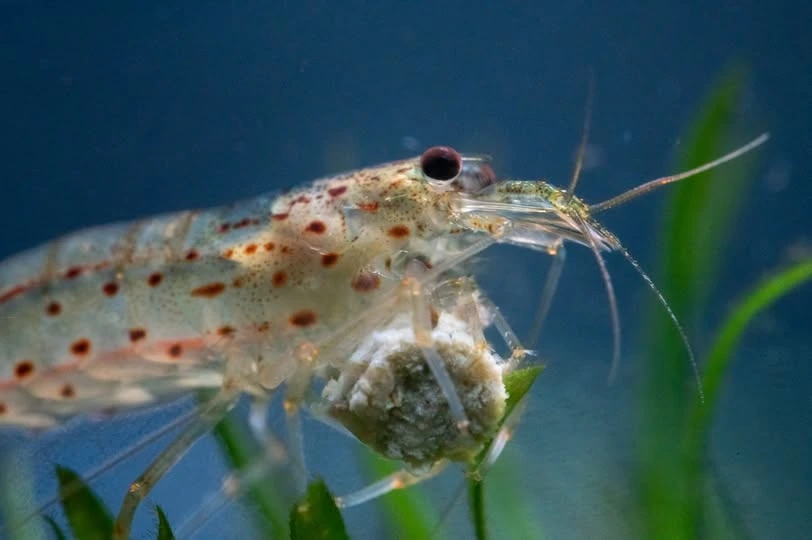
Amano Shrimp
Caridina multidentata
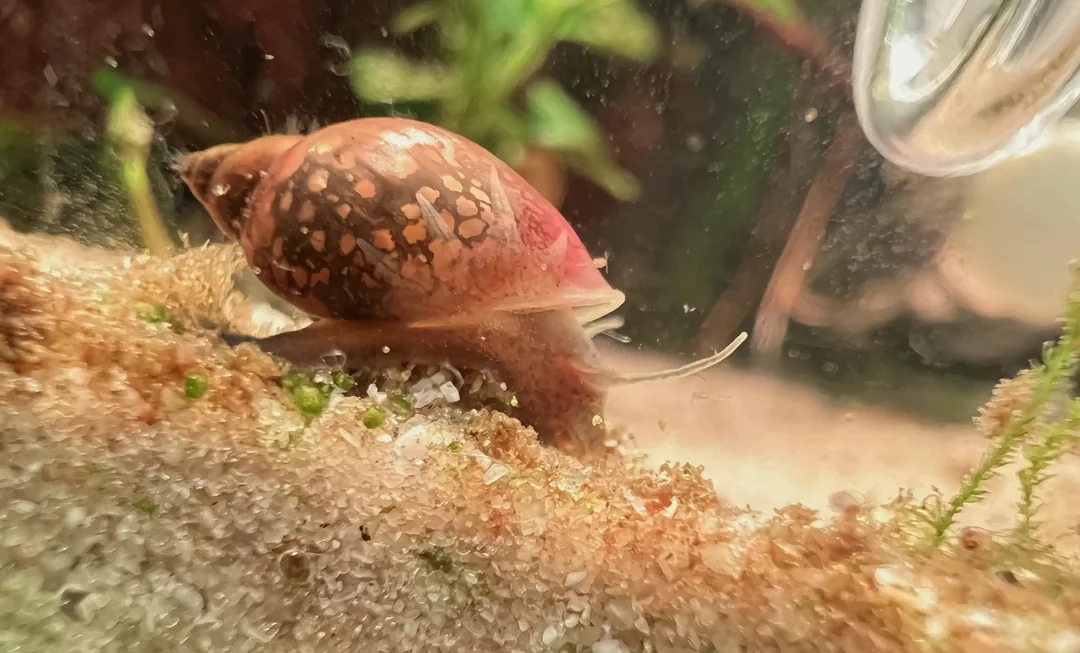
Bladder Snail
Physella acuta
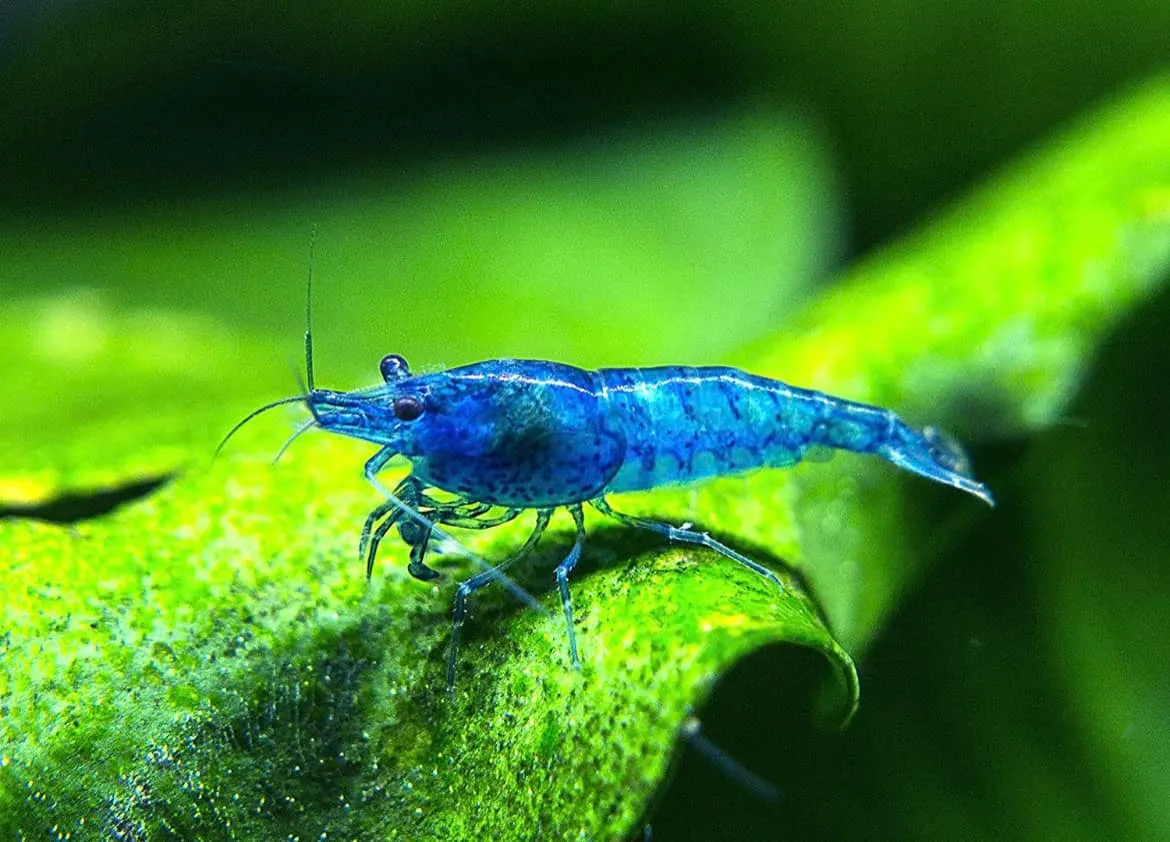
Blue Velvet Shrimp
Neocaridina davidi var. blue
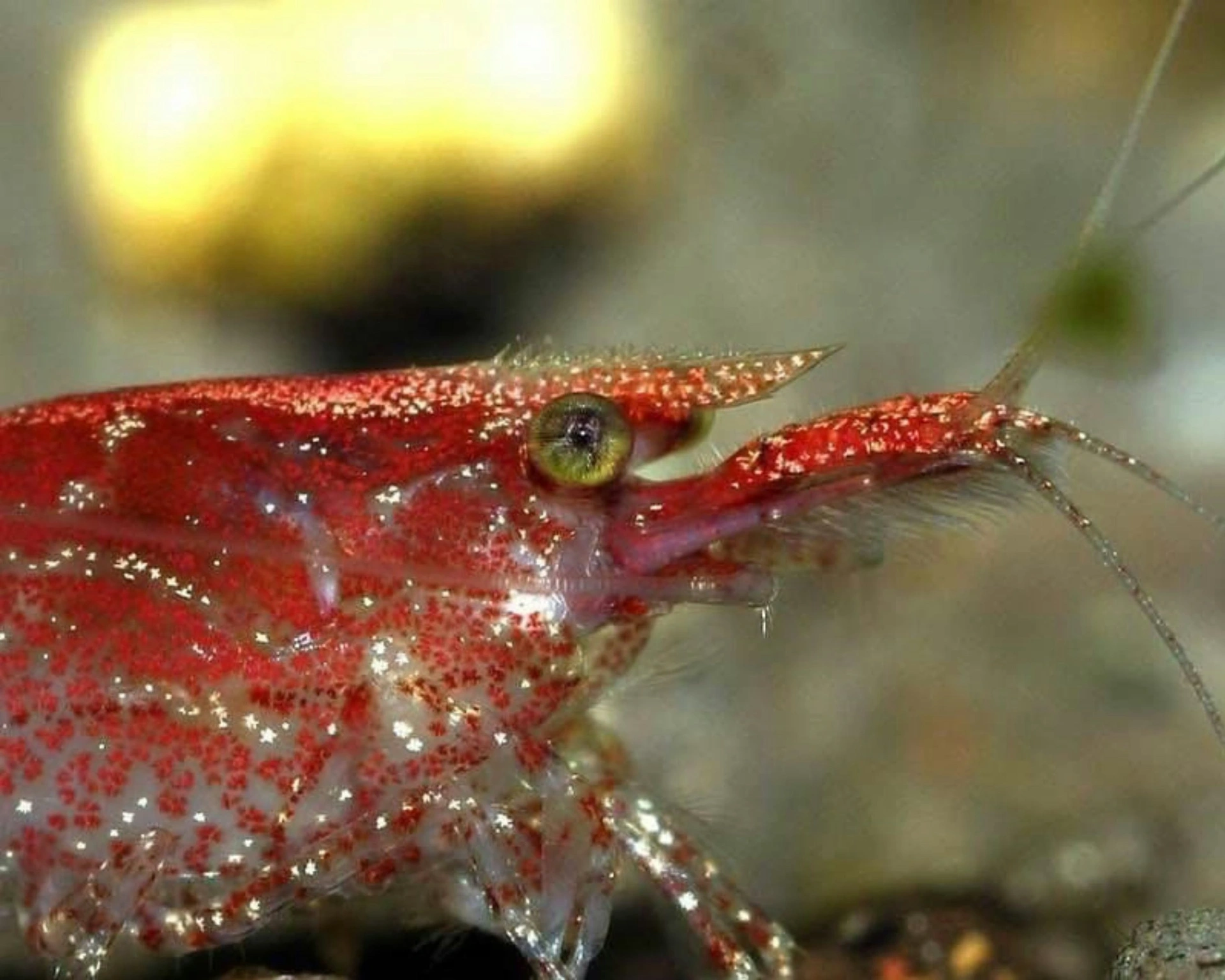
Cherry Shrimp
Neocaridina davidi
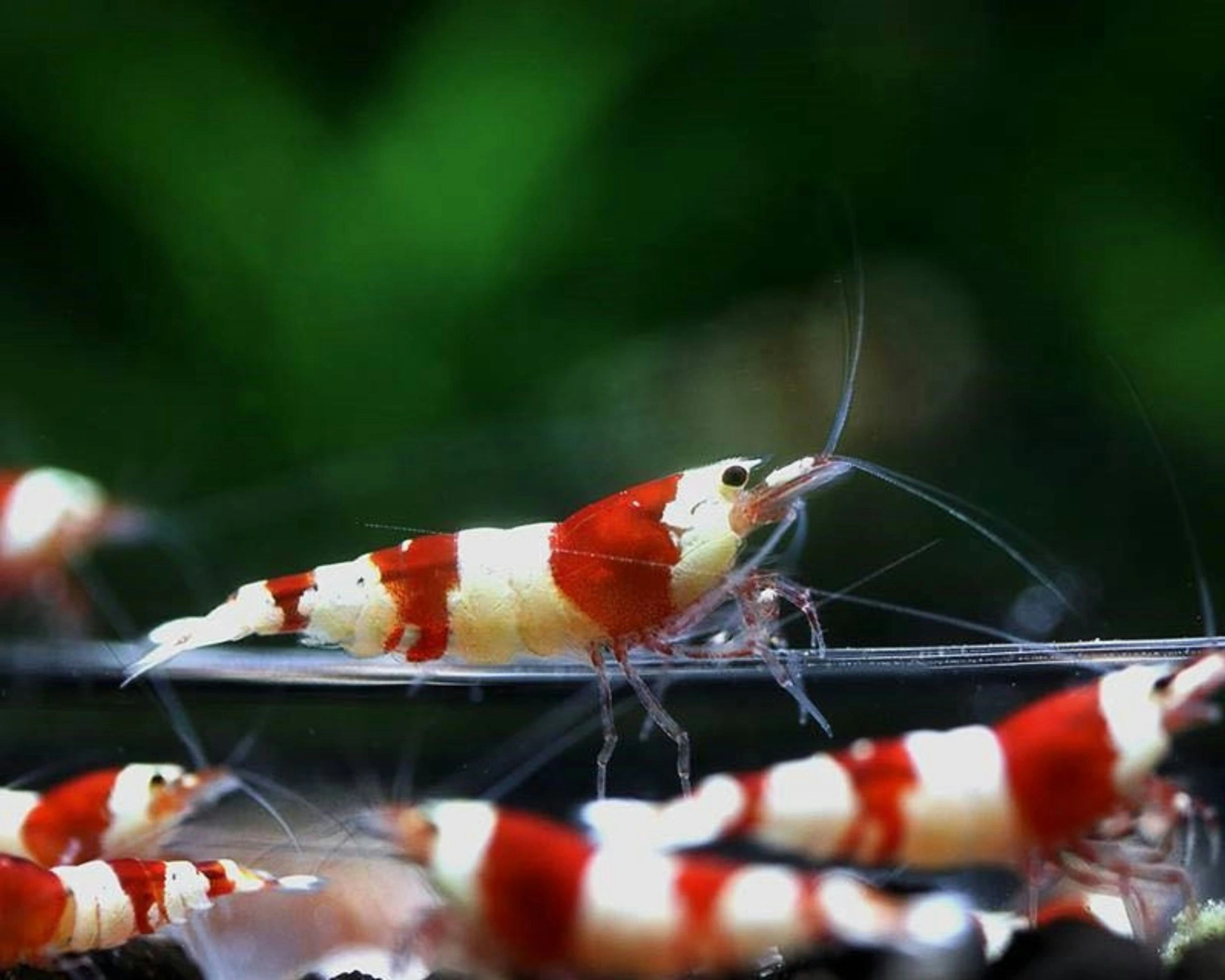
Crystal Shrimp
Caridina cantonensis
Ghost Shrimp
Palaemonetes paludosus
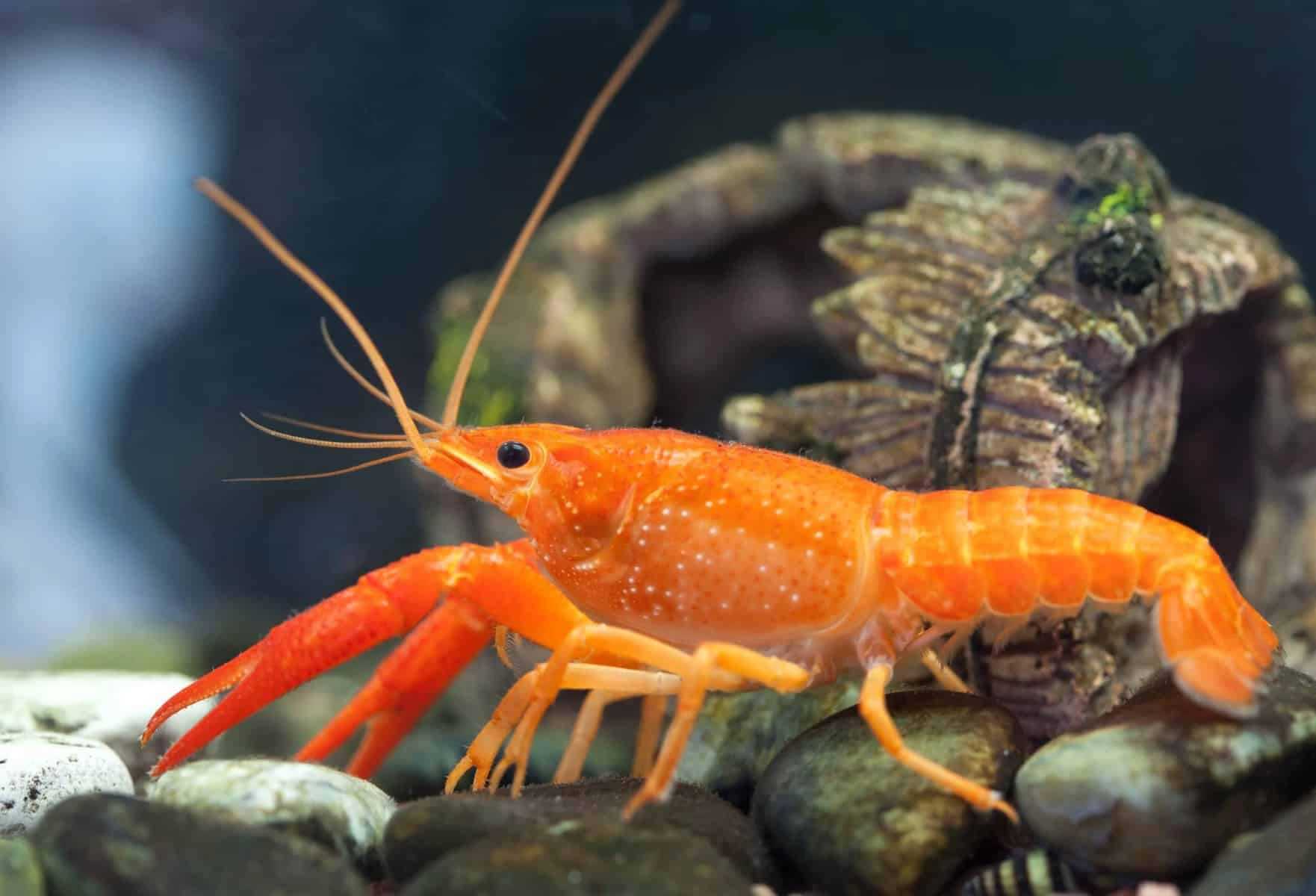
Mexican Dwarf Crayfish
Cambarellus patzcuarensis
Ready to Add Malaysian Trumpet Snail to Your Tank?
Use our free stocking calculator to check compatibility, bioload, and get personalized recommendations.