
Care Requirements
Adult Size
2.0" (5cm)
Min Tank
5 gal
Temperature
64-79°F
pH Range
6.5-8
Lifespan
2-3 years
Min Group
Can be kept alone
Diet
Omnivore
Swim Level
Bottom
Bioload
1/10
Hardness
6-15 dGH
About Mexican Dwarf Crayfish
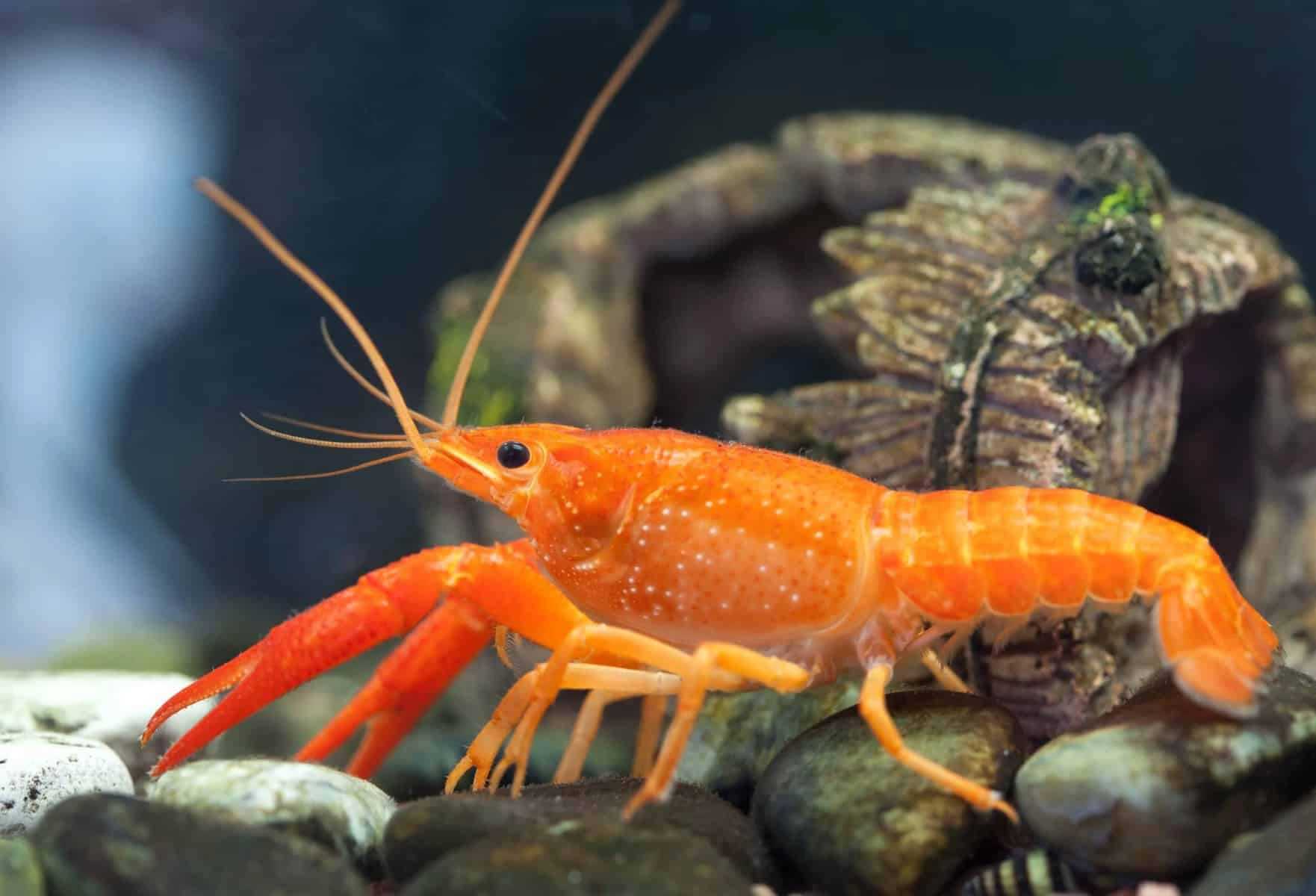
The Mexican Dwarf Crayfish — often called CPO (Cambarellus patzcuarensis 'Orange') for the common orange color morph — offers the crayfish experience at a fraction of typical crayfish size and aggression. Growing to only 1.5-2 inches, they're among the smallest crayfish species available, making them suitable for tanks as small as 10 gallons.
Critically, they're significantly more community-compatible than their larger relatives. While 'shrimp-safe' claims are overstated (they will eat shrimplets and may catch adult shrimp), they're much less likely to catch healthy adult fish than Electric Blue Crayfish or similar species. Their small claws simply can't grab most fish.
They're also less destructive to plants. While they'll eat dying vegetation and may sample healthy plants, wholesale destruction is less common than with larger species. Planted tanks can work, though they may cause some damage. This combination makes them the 'beginner' crayfish for those wanting crayfish without dedicating a species-only tank.
Ironically, while abundant in captivity, wild populations are Critically Endangered due to habitat loss at Lake Pátzcuaro. Captive breeding has made them common in the hobby despite their threatened wild status. The orange color morph (CPO) is most common, though wild-type brownish specimens also exist.
Natural Habitat & Origin
Conservation status: Endangered (EN)
Mexican Dwarf Crayfish are native to Lake Pátzcuaro and associated waterways in Michoacán state, Mexico. This volcanic crater lake sits at high elevation (~2,000 meters) with cool, clear water. Wild populations have declined dramatically due to pollution, introduced species, and water level changes.
Natural habitat features rocky substrate with vegetation and debris. They occupy shallow areas where they can hide among rocks and plants while foraging.
Wild populations are omnivorous, consuming detritus, algae, small invertebrates, and decaying organic matter.
The captive population is genetically distinct from wild stock due to generations of selective breeding, particularly for the orange coloration. Conservation programs exist for wild populations.
Native Region
Mexico — Lake Pátzcuaro, Michoacán
Habitat Type
Lake, associated waterways, vegetated areas
Wild Water Conditions
Cool (18-24°C), clear, moderate hardness
Appearance & Varieties
The CPO (orange morph) displays vivid orange coloration covering the body and claws — striking color for such a small invertebrate. Intensity varies individually and with conditions.
Body structure is typical crayfish but miniaturized — adults reach only 1.5-2 inches (4-5 cm). Claws are proportionally small, directly relating to their reduced ability to catch fish.
Wild-type specimens show brownish-tan coloration with mottled patterns. Care requirements are identical regardless of color.
Sexing is possible: males have slightly larger claws and modified first swimmerets. Females show wider tails for carrying eggs.
Popular Varieties
| Variety | Description | Rarity |
|---|---|---|
| CPO (Orange Morph) | Vivid orange coloration throughout body and claws. The common aquarium form, selected for color intensity. | Common |
| Wild-Type | Brown-tan mottled coloration matching natural camouflage. Less common in trade. | Uncommon |
Tank Setup & Requirements
Quick Requirements Summary
Tank Size
Minimum Tank Size
5 gallons
Recommended Tank Size
10 gallons
Mexican Dwarf Crayfish are among the least demanding crayfish species. Their small size makes them suitable for smaller tanks.
Water Parameters
Temperature 18-26°C (65-78°F), pH 6.5-8.0, hardness 6-15 dGH. Adaptable to various conditions. Prefer cooler temperatures reflecting their high-altitude origin. Moderate hardness provides calcium for molting.
Substrate
Any — sand allows some digging behavior; gravel works fine. Not particular about substrate type.
Plants & Decorations
Hiding spots essential — caves, driftwood, coconut shells, PVC fittings. Important during vulnerable molting. Generally compatible with plants — much less destructive than larger crayfish. Robust plants fare better than delicate species.
Filtration & Water Flow
Sponge filters are ideal — safe and provide grazing surface. Cover HOB/canister intakes as they may try to enter filter systems.
Lighting
No special requirements. LED lighting enhances their orange coloration.
Diet & Feeding Guide
Diet Type
omnivore
Feeding Frequency
Every 1-2 days
Portion Size
Tiny portions — they're small animals with small appetites. They'll also graze naturally between feedings.
Mexican Dwarf Crayfish are omnivorous scavengers with small appetites matching their small size.
Best Foods for Mexican Dwarf Crayfish
- Sinking pellets/shrimp food — Commercial shrimp or crayfish foods provide balanced nutrition. Small pellets appropriate for their size.
- Algae wafers (broken pieces) — Break wafers into appropriate pieces. Good plant-matter component.
- Blanched vegetables — Small pieces of zucchini, spinach, peas. Good variety.
- Frozen foods (bloodworms, brine shrimp) — Small portions readily consumed.
- Biofilm and algae — Natural grazing on surfaces provides ongoing food source.
- Leaf litter — Dried Indian almond or oak leaves provide grazing surface and habitat enrichment.
Foods to Avoid
- Copper-containing products — Copper is toxic to invertebrates.
- Large food items — Appropriately-sized portions for their small mouths.
Omnivorous and unfussy. Supplement with calcium sources for healthy molting. Leaf litter provides natural enrichment.
Behavior & Temperament
Mexican Dwarf Crayfish display engaging behavior in miniature — territorial defense, foraging, exploring, and interacting with their environment. They're bold for their size. More peaceful than larger crayfish but still show territorial behavior. Males may posture and chase each other. Their small claws significantly reduce their ability to catch healthy adult fish. However, they will eat shrimplets and may catch adult dwarf shrimp. Molting occurs regularly; post-molt crayfish are vulnerable and hide for a day or two.
Tank Mates: Compatibility Guide
Compatible Tank Mates
Too fast for CPOs to catch reliably. Community keeping is feasible.
Too large to be threatened, not aggressive toward crayfish.
Peaceful algae eaters that generally avoid CPOs.
CPOs rarely attack healthy adult snails successfully due to small claws.
Other Dwarf Crayfish
Can keep groups with adequate space and hiding spots.
Tank Mates to Avoid
Dwarf shrimp
Will eat shrimplets and may catch adult dwarf shrimp. Not shrimp-safe despite claims.
Large aggressive fish
CPOs are small enough to be prey for many fish.
Larger crayfish
Will be killed and eaten by larger crayfish species.
Very slow bottom fish
Bottom-dwellers that rest motionless may be caught.
Common Pairing Questions
Can CPOs live with Bettas?
Some bettas attack crayfish relentlessly; others ignore them. Individual dependent — risky pairing.
Mexican Dwarf Crayfish breed readily in captivity. Females carry fertilized eggs under their tails for 3-4 weeks. Babies are tiny but independent. Dense plant cover improves survival. Babies grow quickly with adequate food.
Health Issues & Disease Prevention
Mexican Dwarf Crayfish are hardy but can experience typical crayfish health issues, particularly molting problems.
Common Diseases
| Disease | Symptoms | Treatment |
|---|---|---|
| Failed molts | Stuck in old exoskeleton, death during molting. | Ensure adequate calcium/mineral availability. Maintain water hardness. |
| Bacterial infections | Shell discoloration, lethargy, loss of appetite. | Improve water quality. Isolate affected individuals. |
| Copper poisoning | Lethargy, loss of coordination, death. | Prevention only. Avoid copper exposure. |
| Limb loss | Missing claws or legs from fights or accidents. | Lost limbs regenerate over successive molts. Normal healing process. |
Signs of a Healthy Mexican Dwarf Crayfish
- Vibrant coloration
- Active foraging
- Good appetite
- Intact limbs
- Regular molting
- Alert behavior
Prevention Tips
- Maintain moderate hardness for calcium
- Avoid copper products
- Provide hiding spots for molting
- Don't overcrowd
- Feed varied diet
Frequently Asked Questions
Not safely — despite marketing claims. They will eat shrimplets and can catch adult dwarf shrimp. Large Amano Shrimp may fare better since they're harder to catch, but no shrimp are truly safe.
Only 1.5-2 inches (4-5 cm) — making them among the smallest crayfish species available. This small size allows keeping in tanks as small as 5-10 gallons.
Significantly better, yes. Their small size and claws mean they can't effectively catch most fish, and they're less destructive to plants. Community keeping is realistically possible.
Cambarellus patzcuarensis 'Orange' — the scientific name with color morph designation. The orange color is a selectively-bred variant.
Wild populations are Critically Endangered due to habitat destruction at Lake Pátzcuaro. However, captive-bred populations are abundant. Purchasing captive-bred specimens doesn't impact wild populations.
Yes — they're more tolerant of conspecifics than larger crayfish. Provide adequate space (10+ gallons for groups) and multiple hiding spots.
Tips for Keeping Mexican Dwarf Crayfish
Pro Tips
- ✓They're the 'gateway' crayfish — good introduction to crayfish keeping without full-sized destruction.
- ✓Dense planting improves baby survival if breeding occurs.
- ✓Leaf litter provides natural environment and enrichment.
- ✓Community keeping works better than with large crayfish — try with appropriate fast-moving fish.
Common Mistakes to Avoid
- ✗Assuming they're shrimp-safe — they still eat shrimp despite smaller size.
- ✗Keeping with aggressive fish — CPOs are small enough to be prey.
- ✗Keeping with larger crayfish — killed and eaten by larger species.
- ✗Inadequate calcium availability — failed molts.
- ✗Overcrowding — increased aggression and stress.
Sources
- IUCN Red List — Endangered conservation assessment for Cambarellus patzcuarensis.
Related Species You Might Like
View All Fish →
Mexican Tetra
Astyanax mexicanus
Amano Shrimp
Caridina multidentata
Bladder Snail
Physella acuta
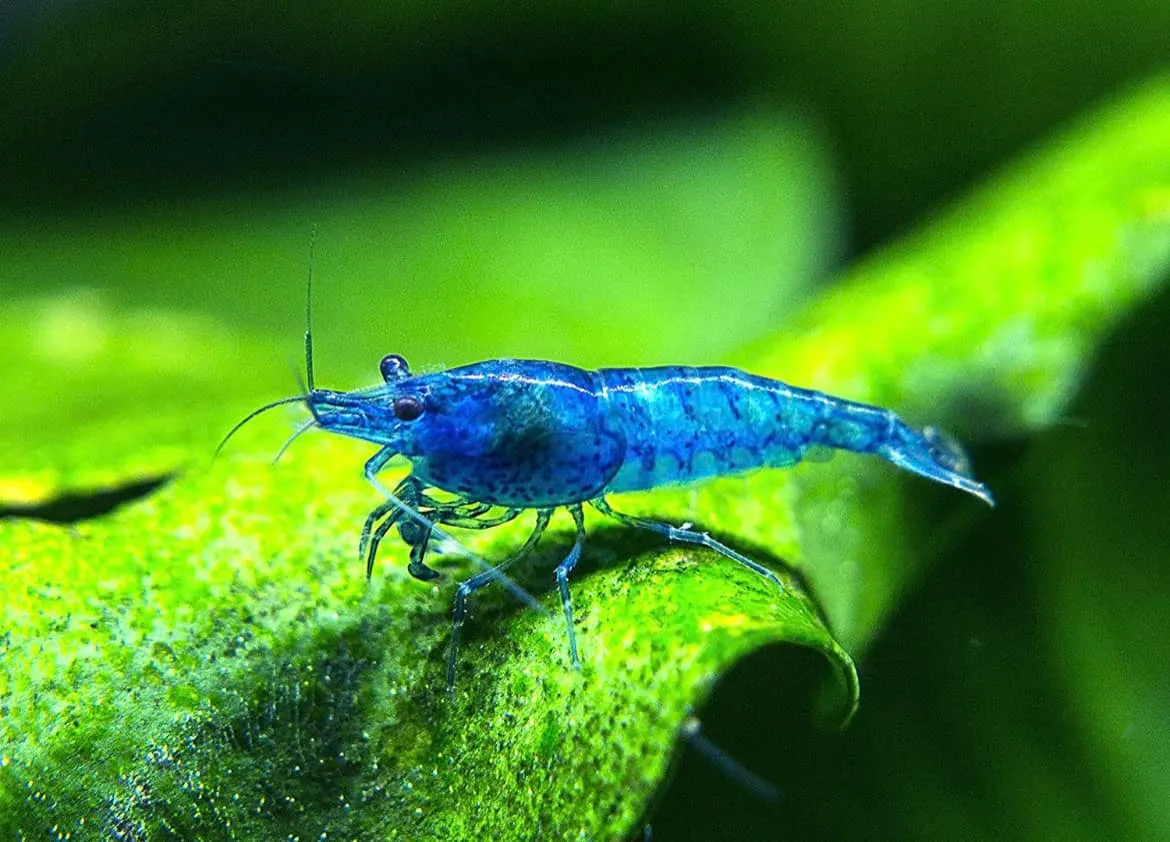
Blue Velvet Shrimp
Neocaridina davidi var. blue
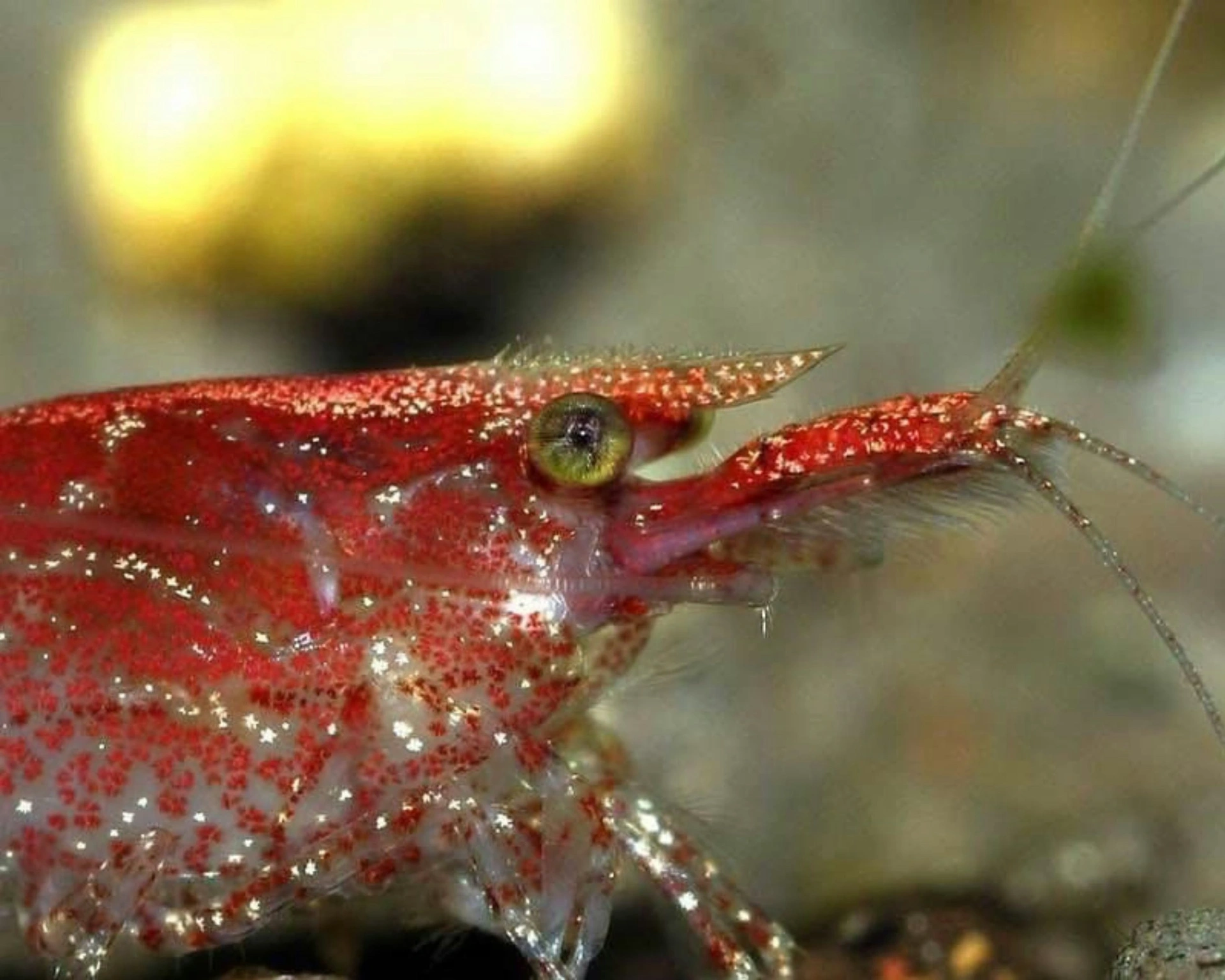
Cherry Shrimp
Neocaridina davidi
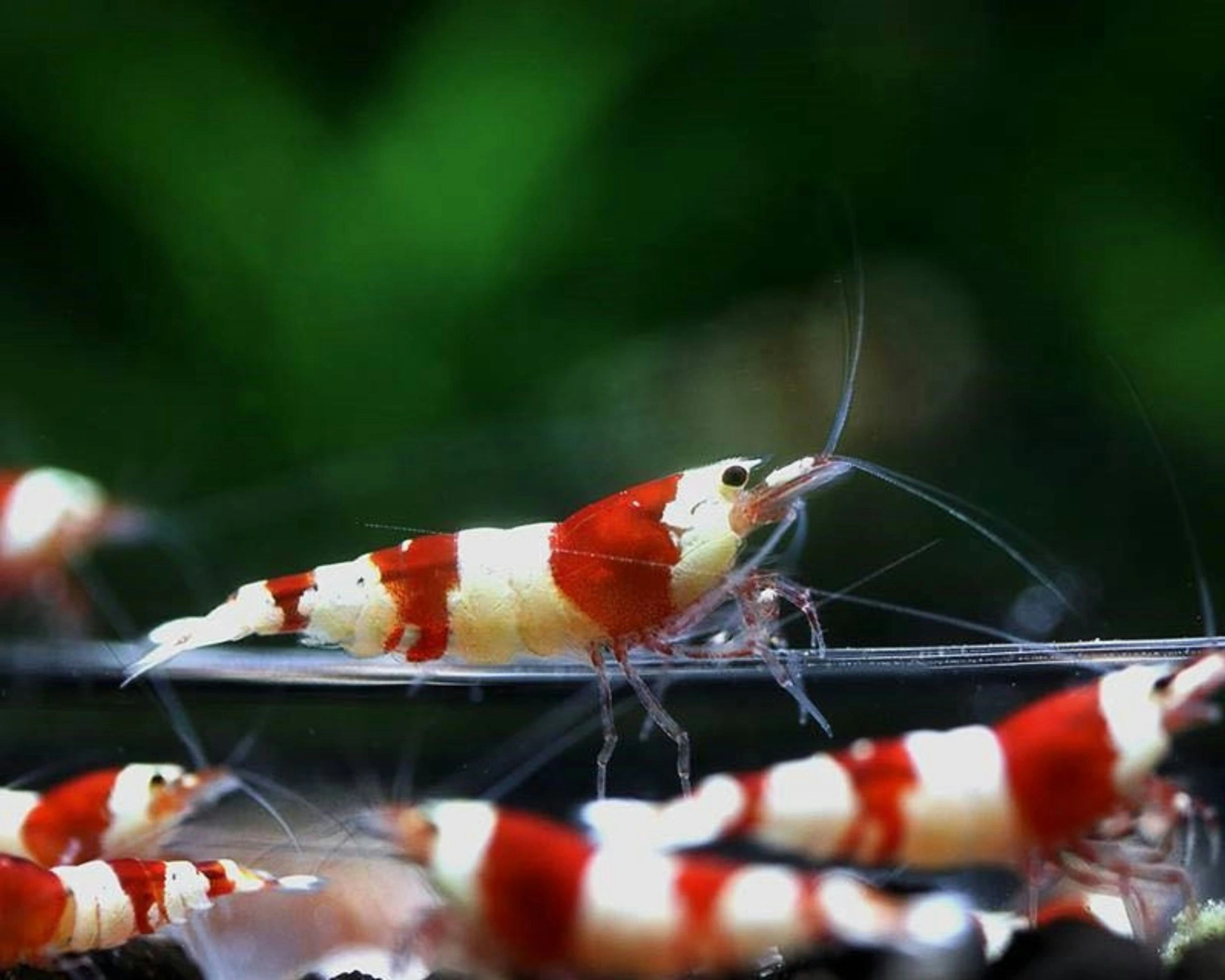
Crystal Shrimp
Caridina cantonensis
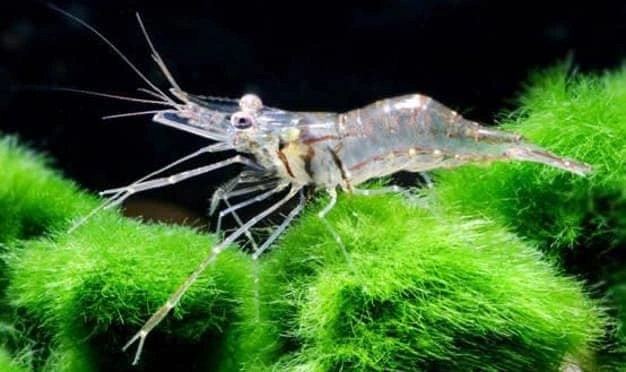
Ghost Shrimp
Palaemonetes paludosus
Malaysian Trumpet Snail
Melanoides tuberculata
Ready to Add Mexican Dwarf Crayfish to Your Tank?
Use our free stocking calculator to check compatibility, bioload, and get personalized recommendations.