
Care Requirements
Adult Size
1.2" (3cm)
Min Tank
5 gal
Temperature
64-75°F
pH Range
5.8-6.8
Lifespan
1.5-2 years
Min Group
6+ fish
Diet
Omnivore
Swim Level
Bottom
Bioload
1/10
Hardness
0-6 dGH
About Crystal Shrimp
Crystal Shrimp represent the premium tier of freshwater shrimp keeping — where genetics, water chemistry, and selective breeding converge to create living jewels worth anywhere from a few dollars to several hundred per individual. The iconic Crystal Red Shrimp (CRS) with its alternating red and white bands launched an entire hobby segment, spawning countless varieties, grading systems, and dedicated breeders worldwide.
All Crystal Shrimp descend from the wild Bee Shrimp (Caridina cantonensis) native to southern China and Hong Kong. A single red mutation discovered in Japan in the 1990s became the foundation for Crystal Reds. Decades of selective breeding intensified colors, refined patterns, and established the grading hierarchy that determines value. Crystal Blacks retain the original coloration; Taiwan Bees represent further mutations creating Blue Bolts, Pandas, King Kongs, and other varieties.
Their care requirements separate serious shrimp keepers from casual hobbyists. Crystal Shrimp demand soft, acidic water (pH 5.8-6.8, GH 4-6, KH 0-1) typically achieved through RO water and active buffering substrate. Standard tap water kills them. Temperature must stay cool (64-74°F) — they don't tolerate tropical warmth. Parameters must remain stable; fluctuations cause deaths and failed molts.
The grading system assigns value based on color intensity, pattern coverage, and specific pattern types. Grades range from C (lowest) through B, A, S, SS, to SSS (highest), with pattern names like Hinomaru, No-Entry, Mosura, and Crown adding further classification. High-grade specimens from championship bloodlines command prices rivaling expensive fish — this is where shrimp keeping becomes serious investment.
Natural Habitat & Origin
The ancestor of all Crystal Shrimp — the wild Bee Shrimp — inhabits streams in southern China and Hong Kong. These environments feature soft, acidic water flowing over rocks and vegetation. However, modern Crystal Shrimp are entirely captive-bred, with selective breeding occurring primarily in Taiwan, Japan, and Germany.
Wild Bee Shrimp occupy cool, shaded streams with stable parameters. Water is mineral-poor (soft) and slightly acidic from leaf litter and organic decomposition. These conditions inform captive care requirements — Crystal Shrimp haven't adapted to harder, more alkaline water because they've never experienced it.
The development of Crystal Shrimp varieties represents artificial rather than natural selection. Breeders identified mutations (the original red coloration, later blue and other variations) and selectively bred for intensified expression. Taiwan Bee varieties emerged from crossing Crystal Shrimp with Tiger Shrimp, introducing new genetic possibilities. German breeders contributed significantly to pattern refinement.
Modern Crystal Shrimp are as much human creation as natural species — genetic potential shaped by decades of selective breeding for aesthetics. This artificial selection history means they're adapted to controlled aquarium conditions rather than wild habitats.
Native Region
Southern China, Hong Kong (wild ancestor); Taiwan, Japan, Germany (developed varieties)
Habitat Type
Cool, shaded streams (wild); aquarium-bred populations
Wild Water Conditions
Cool (18-24°C), soft, acidic — reflected in captive requirements
Appearance & Varieties
Crystal Shrimp display the characteristic Caridina body plan — small (approximately 1-1.25 inches / 2.5-3 cm adult), with segmented bodies, fan-like tails, and multiple walking and swimming legs. Their visual appeal lies entirely in coloration and pattern rather than body shape.
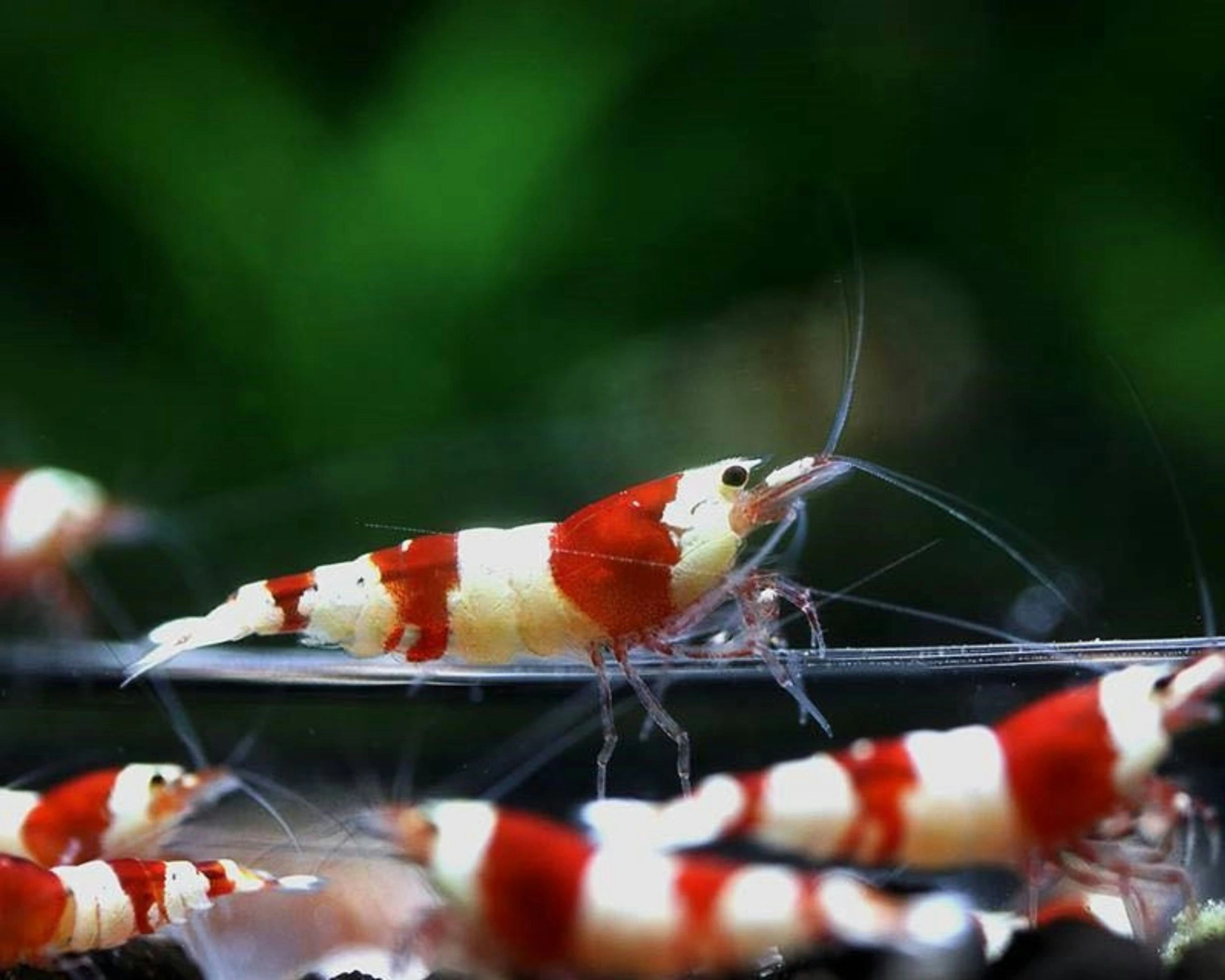
Crystal Red Shrimp (CRS) show alternating bands of red and white. Quality specimens display intense, solid red without transparency or bleeding into white areas. The white should be opaque and bright, not translucent or yellowish. Band patterns determine grade names: Hinomaru (red circle on white head), No-Entry (red band across white), Mosura (mostly white with red accents), and others.
Crystal Black Shrimp (CBS) display the same patterns in black and white — the original Bee Shrimp coloration. Black should be dense and solid, not brown or gray. Taiwan Bee varieties include Blue Bolts (solid blue), Pandas (black and white with different patterns), King Kongs (mostly black), Wine Reds, and numerous others from crossing different genetic lines.
The grading system (C through SSS+) evaluates color intensity, pattern definition, coverage percentage, and specific aesthetic traits. Higher grades show more solid color, sharper pattern boundaries, and greater white coverage. SSS-grade Mosura patterns are highly valued. Grading is somewhat subjective but follows established conventions.
Popular Varieties
| Variety | Description | Rarity |
|---|---|---|
| Crystal Red Shrimp (CRS) | Red and white banded pattern. The iconic variety that launched Crystal Shrimp popularity. Grades from C to SSS based on color intensity and pattern. | Common to Rare (grade dependent) |
| Crystal Black Shrimp (CBS) | Black and white banded pattern — the original Bee Shrimp coloration. Same grading system as CRS. Often slightly hardier than reds. | Common to Rare (grade dependent) |
| Blue Bolt | Solid blue coloration from Taiwan Bee genetics. Intensity varies from pale to deep blue. Premium variety. | Uncommon to Rare |
| Panda | Taiwan Bee variety with specific black and white distribution. Various sub-patterns exist. | Uncommon |
| King Kong | Predominantly black Taiwan Bee with minimal white. Striking appearance. | Uncommon to Rare |
| Wine Red / Red Wine | Deep, wine-colored red Taiwan Bee variety. Distinct from standard CRS coloration. | Rare |
| Shadow Bee varieties | Various Taiwan Bee crosses creating mixed patterns. Includes Shadow Pandas, Shadow Mosuras, etc. | Variable |
Tank Setup & Requirements
Quick Requirements Summary
Tank Size
Minimum Tank Size
5 gallons
Recommended Tank Size
10 gallons
Crystal Shrimp require specific conditions that differ significantly from Neocaridina (Cherry Shrimp) keeping. Setup must address their soft, acidic water requirements from the start.
Water Parameters
Temperature: 18-24°C (64-74°F). pH: 5.8-6.8. Hardness: GH 4-6, KH 0-1. THESE PARAMETERS ARE NON-NEGOTIABLE. Crystal Shrimp die in standard tap water. Most keepers use RO (reverse osmosis) water remineralized with specific Caridina minerals to achieve correct GH without KH. Active buffering substrate maintains acidic pH. TDS typically kept at 100-150 ppm. Temperature should stay cool — no tropical tanks.
Substrate
Active buffering substrate — essential. BUFFERING SUBSTRATE IS REQUIRED, not optional. ADA Amazonia, Controsoil, SL-Aqua, and similar active substrates lower pH and soften water. They have limited lifespan (1-2 years typically) and must be replaced when buffering depletes. Inert substrates don't work — pH won't stay acidic without buffering capacity.
Plants & Decorations
Mosses (Java Moss, Christmas Moss) are ideal — provide biofilm grazing and shrimplet cover. Bucephalandra and Anubias tolerate the conditions. Avoid plants requiring CO2 injection and high light. Driftwood releases tannins supporting acidic conditions. Cholla wood, shrimp tubes, and similar provide hiding and grazing surfaces. Botanicals (leaves, cones) supplement the environment.
Filtration & Water Flow
Sponge filters — essential. SPONGE FILTERS ARE STANDARD for Crystal Shrimp. They provide biological filtration without sucking up shrimplets, and offer additional grazing surface. Air-driven sponge filters create gentle flow appropriate for shrimp. HOB or canister filters require intake protection and may create excessive flow.
Lighting
Low to moderate. Moderate lighting supports plant and biofilm growth. They're not light-sensitive but don't require intense illumination. LED lights on timers maintain consistency.
Diet & Feeding Guide
Diet Type
omnivore
Feeding Frequency
Small amounts every 1-2 days
Portion Size
Only what's consumed within a few hours. In established tanks with good biofilm, supplemental feeding can be minimal.
Crystal Shrimp are omnivorous biofilm grazers. In established tanks with appropriate surfaces, they find much of their food naturally. Supplementation supports health and breeding.
Best Foods for Crystal Shrimp
- Biofilm — Primary natural food source. Established tanks with wood, leaves, and mature surfaces provide ongoing biofilm.
- Specialty shrimp foods — Products designed for Caridina: Shrimp King, Glasgarten, Borneowild, SL-Aqua. Address specific nutritional needs including minerals for molting.
- Blanched vegetables — Spinach, zucchini, nettle leaves — accepted and nutritious. Remove uneaten portions.
- Mulberry and nettle leaves — Dried leaves provide ongoing grazing and nutritional value.
- Snowflake/soy hull foods — Bacterial decomposition foods that break down slowly, promoting biofilm growth.
- Mineral supplements — Calcium-rich foods supporting molting. Particularly important as soft water lacks natural minerals.
- Bee pollen — Protein-rich supplement appreciated by shrimp. Used sparingly.
Foods to Avoid
- Copper-containing foods — Copper is toxic to invertebrates. Check all food and medication labels.
- Overfeeding — Excess food fouls water in small tanks with sensitive inhabitants.
- Low-quality foods — Cheap foods may contain copper or ingredients inappropriate for sensitive shrimp.
In established tanks with good biofilm, supplemental feeding can be minimal. Observe shrimp activity and adjust.
Behavior & Temperament
Crystal Shrimp display typical Caridina behavior — constant foraging interrupted by periods of rest, often in groups. They're social animals that thrive in colonies, displaying more natural behavior in groups of 10+ than in small numbers.
Foraging is their primary activity — picking through substrate, grazing surfaces, and processing biofilm with their small appendages. They favor certain spots, often congregating where food or biofilm is abundant.
Molting occurs regularly as shrimp grow. They shed their exoskeleton (often found floating or on substrate — not dead shrimp) and hide briefly while the new shell hardens. Post-molt females release pheromones triggering male swimming frenzy — males swim frantically searching for the receptive female.
Stress responses include hiding, reduced feeding, and failed molts. Healthy shrimp are visible and active; shrimp hiding constantly indicate problems.
Tank Mates: Compatibility Guide
Compatible Tank Mates
Other Caridina shrimp (same parameters)
Different Caridina varieties can be kept together if parameters match. Be aware of crossbreeding producing lower-grade offspring.
Snails don't threaten shrimp and share the cleanup role.
Peaceful algae eaters that ignore shrimp. However, their waste adds bioload to sensitive systems.
Nothing (species-only often best)
Many serious breeders keep Crystal Shrimp in species-only tanks.
Tank Mates to Avoid
Most fish
Fish eat shrimplets and stress adult shrimp. Even 'shrimp-safe' fish often hunt babies.
Neocaridina shrimp
Different water requirements — Neocaridina prefer harder, more alkaline water.
Large snails
Heavy bioload from large snails can destabilize small shrimp tanks.
Aggressive invertebrates
Crayfish, crabs, and similar will hunt shrimp.
Common Pairing Questions
Can I keep Crystal Shrimp with Cherry Shrimp?
Not recommended — different water requirements. Neocaridina prefer harder, more alkaline water while Caridina need soft, acidic conditions.
Can Crystal Shrimp live with fish?
Species-only tanks are strongly recommended. Most fish eat shrimplets and breeding success requires fishless tanks.
Breeding Crystal Shrimp is both the goal and the challenge — producing high-grade offspring from quality parents while maintaining colony health. Unlike Neocaridina that breed readily in various conditions, Caridina require optimal parameters for consistent reproduction.
Sexing: Females are larger with curved undersides and visible saddle behind the head. Males are smaller, slimmer, with straight bodies. Mating follows female molting. The freshly-molted female releases pheromones triggering the 'mating dance.' Successful mating results in the female carrying fertilized eggs under her tail for 28-30 days.
Shrimplets emerge as miniature adults — no larval stage. Dense moss or hiding spots improve survival. High-grade parents produce offspring with genetic potential, but expressed grades vary. Culling maintains colony quality.
Health Issues & Disease Prevention
Crystal Shrimp are significantly more sensitive than Neocaridina. Most health issues trace to parameter problems — the solution is usually environmental correction rather than medication.
Common Diseases
| Disease | Symptoms | Treatment |
|---|---|---|
| White Ring of Death (failed molt) | White band around body where old and new exoskeleton separate. Shrimp stuck in molt. | Prevention only — indicates mineral deficiency or parameter instability. Ensure adequate GH (4-6), proper Caridina minerals, stable parameters. Often fatal once visible. |
| Bacterial infections | Cloudy/milky appearance, pink discoloration, lethargy. | Improve water quality. Indian Almond leaves for mild antibacterial properties. Severe cases often fatal. |
| Vorticella (parasitic protozoan) | White fuzzy growth on rostrum, legs, or body. | Salt dips (1 tablespoon per cup of tank water, 30-60 seconds). Improve water quality. |
| Muscular necrosis | White, opaque patches in muscle tissue. | Often fatal, caused by bacterial infection. Remove affected individuals. Prevention through optimal conditions. |
| Scutariella (parasitic flatworm) | Tiny white worms visible on head, especially around eyes. | Salt dips. Not usually fatal. More common in imported shrimp. |
| Parameter shock | Mass deaths or lethargy following water changes or parameter shifts. | Prevention — acclimate slowly, match parameters precisely, make gradual changes only. |
Signs of a Healthy Crystal Shrimp
- Active foraging
- Bright coloration
- Successful molts
- Breeding activity
- Shrimplet survival
- Alert behavior
Prevention Tips
- Maintain stable parameters — consistency over perfection
- Use proper Caridina remineralizer, not Neocaridina products
- Don't rush water changes — slow drip methods prevent shock
- Quarantine new shrimp
- Test water regularly, especially TDS
- Replace buffering substrate before depletion
Frequently Asked Questions
Different genera with different requirements. Crystal Shrimp (Caridina cantonensis) require soft, acidic water (pH 5.8-6.8, GH 4-6, KH 0-1) and cooler temperatures (64-74°F). Cherry Shrimp (Neocaridina davidi) tolerate harder, more alkaline water and warmer temperatures. Crystals are significantly more sensitive and demanding. They shouldn't be kept together because optimal parameters for one are problematic for the other.
Grades indicate visual quality — color intensity, pattern definition, and specific pattern types. C grade shows faint color or unclear patterns; SSS grade shows intense, solid color with sharp pattern boundaries and high white coverage. Higher grades are more valuable, with SSS specimens from championship lines potentially worth hundreds of dollars.
Active buffering substrates lower pH and buffer it in the acidic range these shrimp require. Inert substrates don't affect water chemistry, meaning pH follows your source water — usually too high for Caridina. The substrate actively pulls KH from the water, maintaining the low-KH, acidic conditions they need. This buffering depletes over 1-2 years, requiring substrate replacement.
Almost certainly not. Tap water typically has too high pH, KH, and GH. Most keepers use RO water remineralized with Caridina-specific products like SaltyShrimp GH+. Using tap water is the most common reason beginners fail with Caridina.
A fatal molting failure where a white band appears around the shrimp's body. It indicates mineral deficiency or parameter instability. The shrimp cannot survive once this occurs. Prevention requires stable, properly mineralized water.
Parameter shock from mismatched water. Water change water must match tank parameters closely. Many keepers prepare water in advance. Drip acclimation for water changes minimizes shock. Never change more than 10-20% at once.
Tips for Keeping Crystal Shrimp
Pro Tips
- ✓Master Neocaridina before attempting Caridina — Cherry Shrimp teach fundamentals without the expense.
- ✓TDS meter is essential equipment — Caridina tanks typically run 100-150 TDS.
- ✓Let tanks mature 4-8 weeks before adding expensive shrimp.
- ✓Crossbreeding degrades grades — keep varieties separate if maintaining quality.
Common Mistakes to Avoid
- ✗Using tap water — dead shrimp. RO + remineralization is standard practice.
- ✗Keeping at tropical temperatures — they need cool water (64-74°F).
- ✗Using inert substrate — buffering substrate is required, not optional.
- ✗Large/fast water changes — parameter shock and deaths.
- ✗Keeping with fish — eaten shrimplets and stressed adults.
- ✗Using Neocaridina remineralizer — wrong mineral ratios.
Related Species You Might Like
View All Fish →
Demasoni
Pseudotropheus demasoni
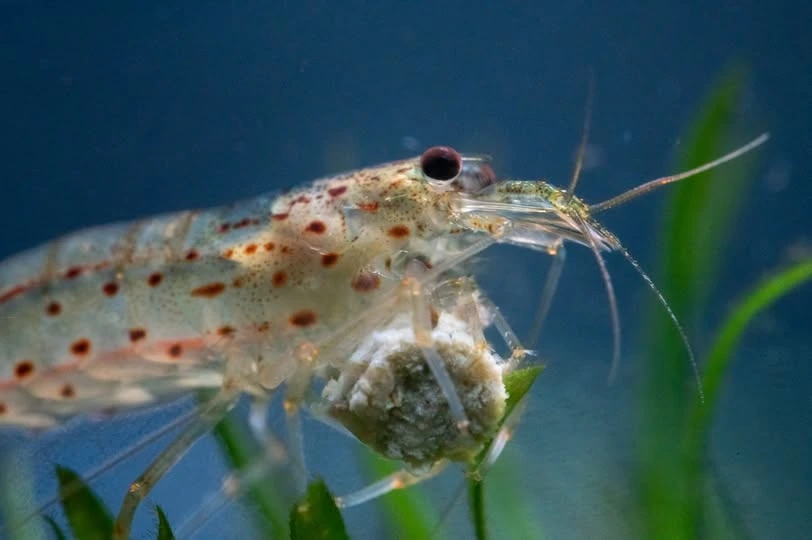
Amano Shrimp
Caridina multidentata
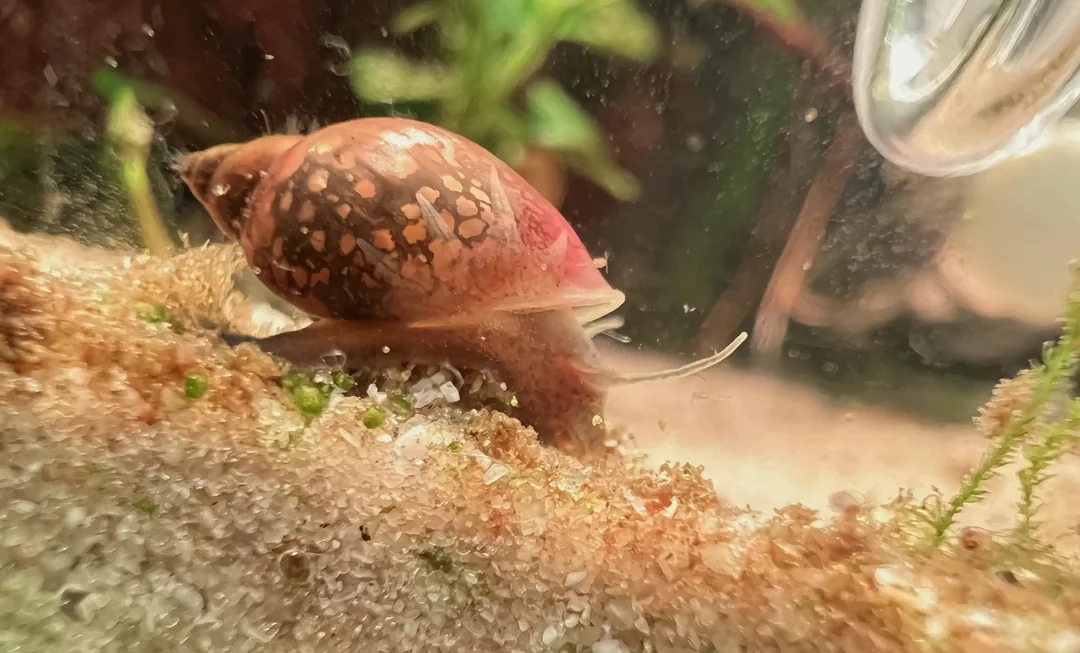
Bladder Snail
Physella acuta
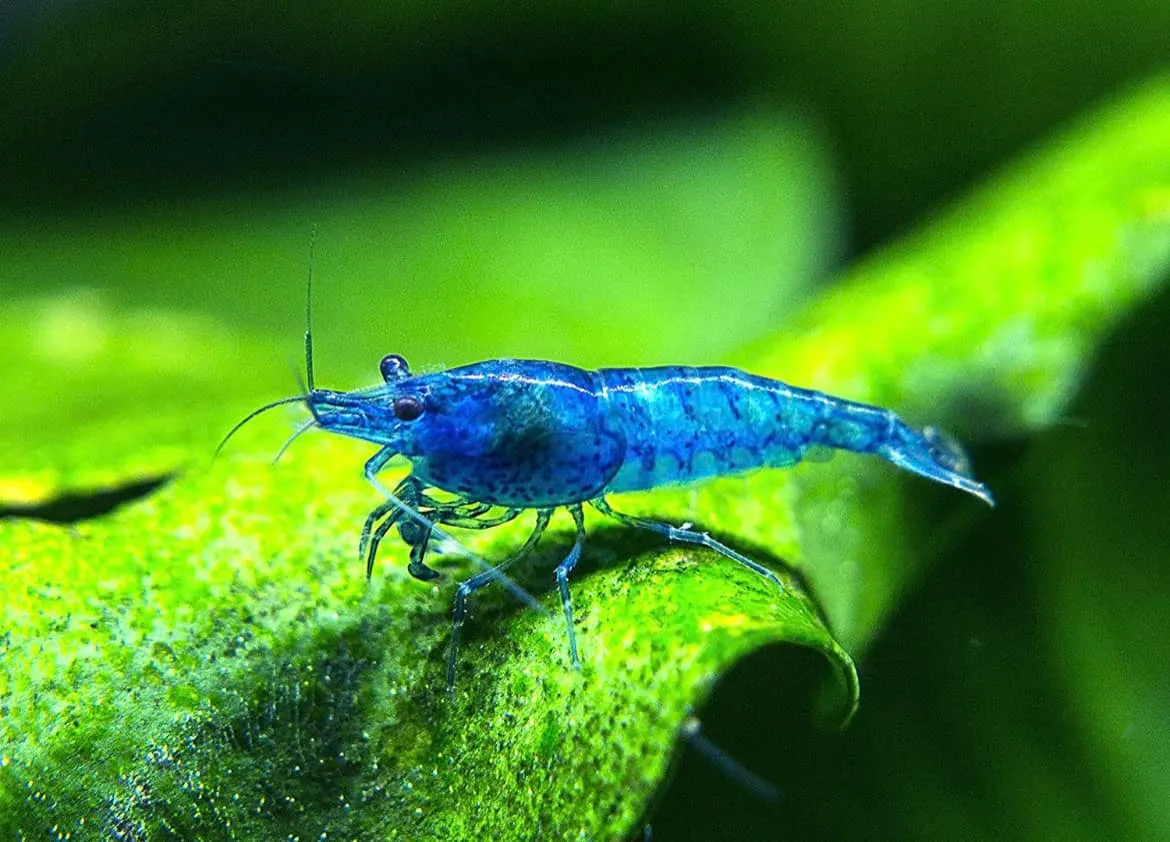
Blue Velvet Shrimp
Neocaridina davidi var. blue
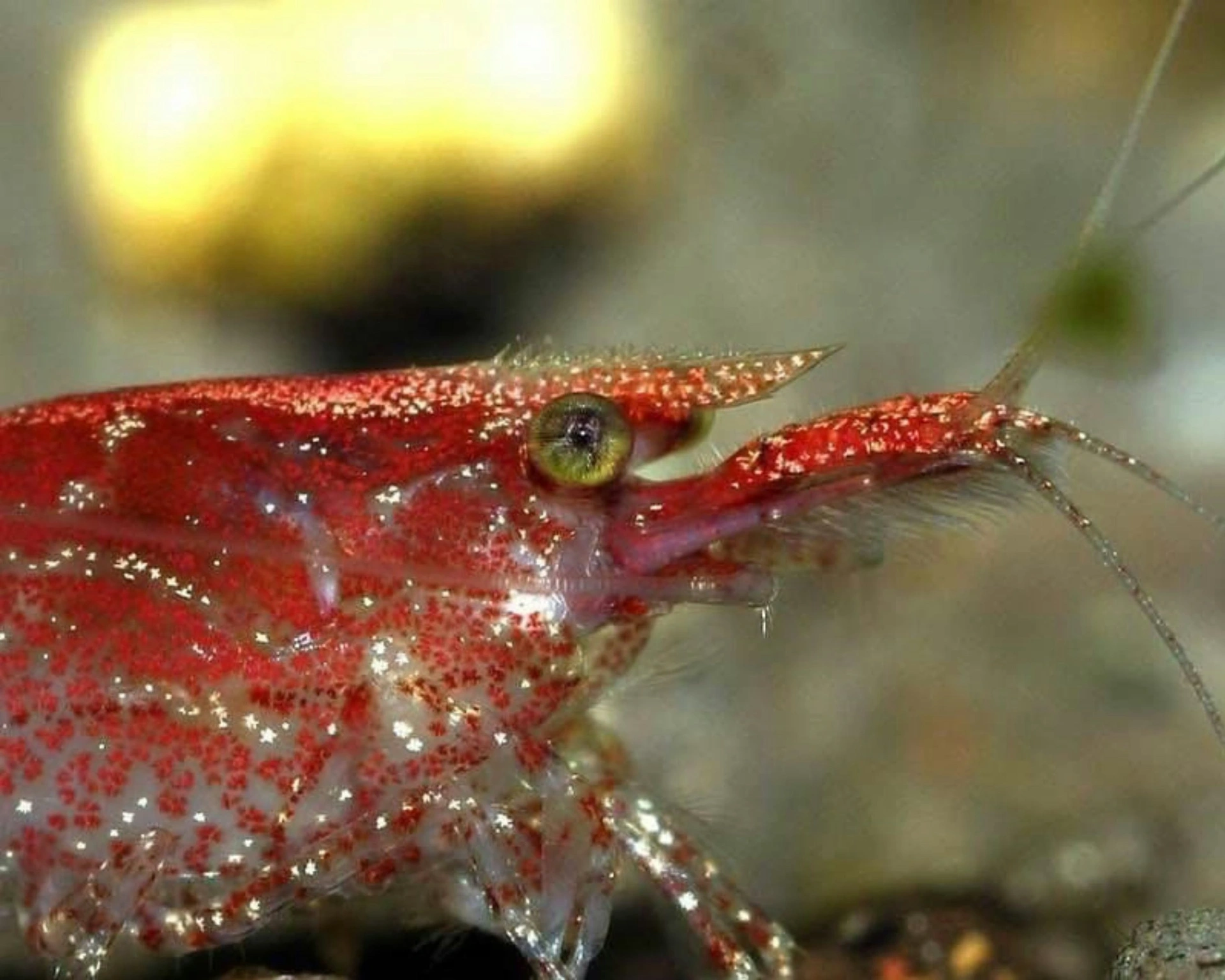
Cherry Shrimp
Neocaridina davidi
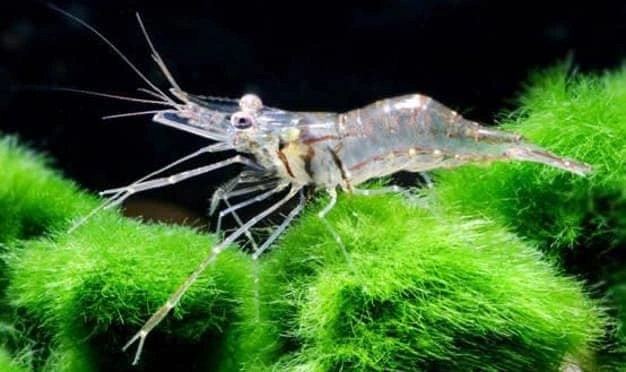
Ghost Shrimp
Palaemonetes paludosus
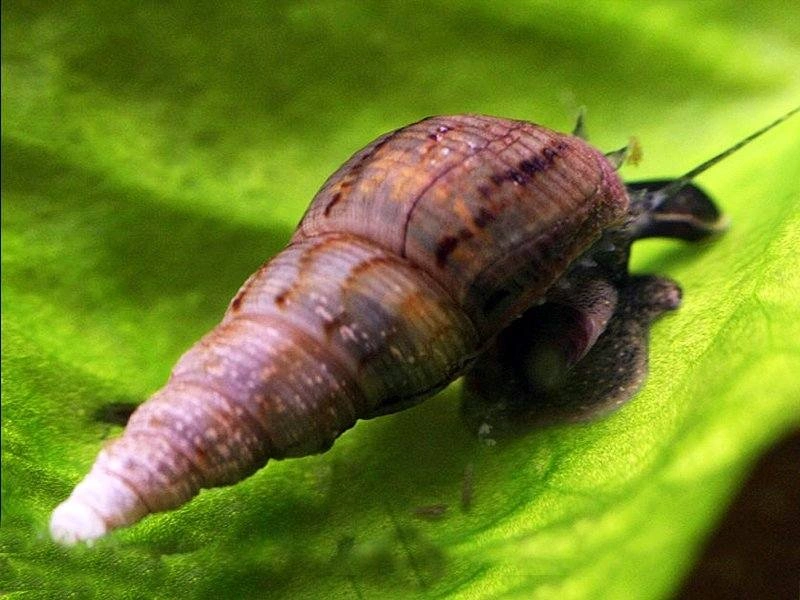
Malaysian Trumpet Snail
Melanoides tuberculata
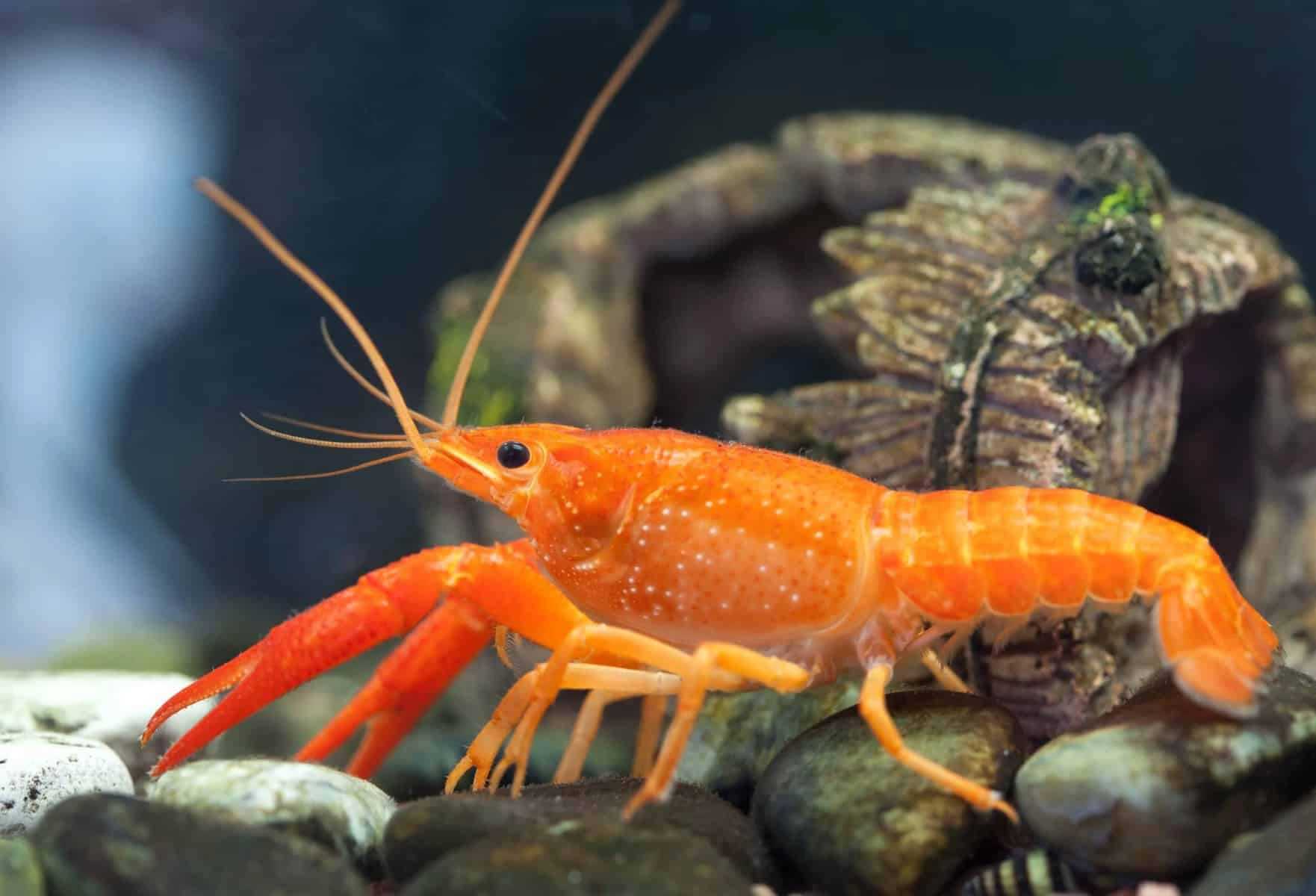
Mexican Dwarf Crayfish
Cambarellus patzcuarensis
Ready to Add Crystal Shrimp to Your Tank?
Use our free stocking calculator to check compatibility, bioload, and get personalized recommendations.