
Care Requirements
Adult Size
0.8" (2cm)
Min Tank
2 gal
Temperature
64-82°F
pH Range
7-8
Lifespan
1-2 years
Min Group
Can be kept alone
Diet
Herbivore
Swim Level
Bottom
Bioload
1/10
Hardness
6-18 dGH
About Ramshorn Snail
Ramshorn Snails are among the most common and misunderstood inhabitants of freshwater aquariums. Named for their distinctive flat, spiral shells that resemble a ram's horn, these industrious cleaners are found in aquariums worldwide—sometimes intentionally introduced, often arriving as hitchhikers on plants.
What makes Ramshorn Snails particularly valuable is their role as part of a tank's cleanup crew. They constantly graze on algae, biofilm, decaying plant matter, and leftover fish food, helping to maintain water quality. Despite common misconceptions, they do not eat healthy plants—they focus on dying or dead material.
Their ability to reproduce prolifically has earned them a reputation as 'pest' snails, but this reproductive strategy is actually self-regulating. Population size directly correlates with available food—reduce overfeeding and the population naturally stabilizes. Many experienced aquarists deliberately cultivate Ramshorn populations as beneficial tank inhabitants.
Natural Habitat & Origin
Ramshorn Snails have a nearly cosmopolitan distribution, with Planorbella duryi originating from North America and Planorbarius corneus from Europe. They've since spread worldwide through the aquarium trade and have established populations on every continent except Antarctica.
They inhabit virtually any still or slow-moving freshwater environment—ponds, lakes, slow streams, ditches, and even temporary water bodies. Their remarkable adaptability to various water conditions, ability to breathe air, and tolerance of low oxygen levels allow them to thrive where many other species cannot.
Native Region
Cosmopolitan (originally North America and Europe, now worldwide)
Habitat Type
Ponds, lakes, slow-moving streams, ditches, any still freshwater
Wild Water Conditions
Extremely adaptable to wide range of conditions
Appearance & Varieties
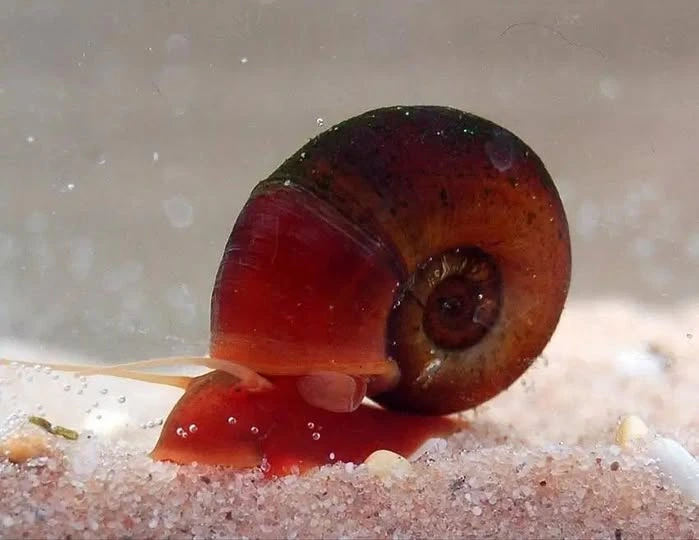
Ramshorn Snails have distinctive flat, coiled shells that spiral in a single plane, resembling a ram's horn. Adult size is typically around 1 inch (2.5 cm) in diameter. The shell is thin and translucent in many varieties, allowing the snail's body color to show through.
They come in numerous color varieties. Red Ramshorns—the most popular—get their color from hemoglobin in their blood, visible through translucent shells. Blue, pink, leopard (spotted), brown, and albino varieties are also available. All color morphs have identical care requirements and represent the same species.
Popular Varieties
| Variety | Description | Rarity |
|---|---|---|
| Red Ramshorn | Bright red body visible through shell, most popular variety | Very Common |
| Blue Ramshorn | Blue-grey body coloration, striking appearance | Common |
| Pink Ramshorn | Soft pink coloration, very attractive | Common |
| Leopard Ramshorn | Spotted pattern on body and shell | Uncommon |
Tank Setup & Requirements
Quick Requirements Summary
Tank Size
Minimum Tank Size
2 gallons
Recommended Tank Size
5 gallons
Ramshorn Snails are extremely adaptable and will thrive in virtually any established aquarium. While they can survive in containers as small as 1 gallon, a proper aquarium of 5+ gallons provides better water stability and allows a sustainable population.
Water Parameters
Highly adaptable to temperature (64-82°F/18-28°C), pH (6.5-8.0), and hardness (5-15 dGH). Harder water with adequate calcium is beneficial for shell health. They're remarkably tolerant of water conditions that would stress other species.
Substrate
Any substrate works—they're found on all surfaces regardless of substrate type. They graze on glass, plants, decorations, and substrate alike.
Plants & Decorations
Any plants and decorations are suitable. They eat only dying or dead plant material, leaving healthy plants intact. More surface area means more grazing area, which they'll fully utilize.
Filtration & Water Flow
Standard filtration is sufficient. Protect strong intakes that could trap small snails. They have minimal bioload.
Lighting
Adapts to any lighting conditions. More light generally means more algae growth, which provides more food.
Diet & Feeding Guide
Diet Type
omnivore
Feeding Frequency
Constant grazers - no schedule needed
Portion Size
Self-regulate based on available food
Ramshorn Snails are omnivores and detritivores, constantly grazing on algae, biofilm, decaying plant matter, detritus, and leftover fish food. They rarely need supplemental feeding in established, well-stocked tanks—there's usually plenty of natural food.
Best Foods for Ramshorn Snail
- Algae and biofilm — Primary natural food source in established tanks
- Decaying plant matter — They clean up dead leaves and melting plants
- Leftover fish food — Excellent scavengers of uneaten food
- Algae wafers — Supplemental food if natural sources are scarce
- Blanched vegetables — Zucchini, cucumber, spinach—occasional supplements
- Cuttlebone — Calcium source for shell health
Foods to Avoid
- Copper-containing medications — Lethal to all snails and invertebrates
In well-stocked tanks, they rarely need supplemental feeding. Their population size naturally self-regulates based on available food—more food equals more snails. If you're experiencing a 'population explosion,' you're likely overfeeding your tank. Reduce feeding to naturally control numbers.
Behavior & Temperament
Ramshorn Snails are completely peaceful creatures that ignore all tankmates and focus entirely on grazing. They're active day and night, constantly moving across surfaces in search of food. They're found on glass, plants, substrate, decorations—essentially any surface in the aquarium.
One interesting behavior is their ability to intentionally trap air in their shells to float to different areas of the tank. This isn't a sign of illness—it's a normal means of transportation. They can also breathe air through a lung-like organ, allowing them to survive in low-oxygen conditions.
As hermaphrodites, every individual can produce eggs, and a single snail can populate an entire tank. This reproductive strategy ensures species survival but can catch unprepared aquarists off guard.
Tank Mates: Compatibility Guide
Compatible Tank Mates
Community Fish
Compatible with virtually all peaceful fish
Excellent tankmates—same parameters, no competition
Coexist peacefully with other snail species
Bettas
Usually ignored by bettas
Peaceful coexistence
No competition or conflict
Tank Mates to Avoid
Assassin Snails
Will hunt and eat Ramshorns
Pufferfish
Snails are natural puffer food
Large Cichlids
May crush and eat snails
Many Loaches
Clown loaches, yo-yo loaches, and others eat snails
Crayfish
Will catch and eat snails
Common Pairing Questions
Will Ramshorn Snails eat my plants?
No—they eat decaying plant matter, algae, and detritus, but leave healthy plants alone. If plants are being eaten, they're likely already dying or there's another culprit. Ramshorns are plant-safe.
How do I control Ramshorn Snail population?
Feed less—their population directly correlates with available food. Remove egg clusters when spotted. Add assassin snails for biological control. Manual removal during water changes. The key is reducing overfeeding.
Are Ramshorn Snails good for shrimp tanks?
Excellent! They share the same parameters, don't compete for food, won't harm shrimp of any size, and help keep the tank clean. Many shrimp keepers deliberately add Ramshorns.
Breeding Ramshorn Snails is effortless—often unintentional. They're hermaphrodites, meaning every individual can lay fertile eggs. A single snail can start an entire population without needing a mate.
They lay gelatinous egg clusters on hard surfaces—glass, plants, decorations. Each cluster contains 10-40 eggs, and a well-fed snail can lay multiple clusters per week. Eggs hatch in 2-4 weeks depending on temperature. Baby snails emerge fully formed and begin grazing immediately.
The challenge is usually preventing breeding rather than encouraging it. To control population: reduce tank feeding, remove visible egg clusters (clear jelly-like blobs), or add assassin snails for biological control.
Health Issues & Disease Prevention
Ramshorn Snails are extremely hardy and rarely experience health issues when basic needs are met. The main concerns are shell erosion from soft water and copper poisoning from medications.
Common Diseases
| Disease | Symptoms | Treatment |
|---|---|---|
| Shell Erosion/Pitting | Thin, eroded, or pitted shell with holes, especially at the apex | Increase calcium availability through harder water, cuttlebone, or mineral supplements |
| Copper Poisoning | Lethargy, retraction into shell, death | Immediate water changes; never use copper-based medications in snail tanks |
| Parasites (rare) | Unusual growths, lethargy—primarily in wild-caught specimens | Source from aquarium-bred populations rather than wild-caught |
Signs of a Healthy Ramshorn Snail
- Active grazing throughout tank
- Intact shell without holes or pitting
- Extended body when moving
- Quick retraction when disturbed
- Smooth, well-formed shell
Prevention Tips
- Maintain adequate calcium for shell health
- Never use copper-based medications
- Keep water parameters stable
- Quarantine new plants to avoid unwanted introductions
- Source from healthy aquarium-bred populations
Frequently Asked Questions
It depends on perspective. They reproduce quickly and some consider them pests. However, they're excellent cleaners, don't harm plants, and population naturally matches food supply. Many aquarists deliberately keep them. Reduce feeding to control numbers.
No—they eat decaying plant matter, algae, and detritus, but leave healthy plants alone. If plants are being eaten, they're likely already dying or there's another culprit.
Feed less—their population directly correlates with available food. Remove egg clusters when spotted. Add assassin snails for biological control. Manual removal during water changes. Avoid overfeeding fish.
They can trap air in their shell intentionally to float to different areas—this is normal. Constant floating with no movement may indicate illness or death. Gently touch them—healthy snails will retract and eventually sink.
No. They're hermaphrodites and can self-fertilize. A single snail can start an entire population. This is why they appear to multiply endlessly in tanks.
Many colors: red (most common), blue, pink, leopard/spotted, brown, and even albino. Color is genetic and breeds true. Red color comes from hemoglobin in their blood, visible through translucent shells.
Tips for Keeping Ramshorn Snail
Pro Tips
- ✓Population explosion means you're overfeeding your tank—they're an indicator species
- ✓Red ramshorns contain hemoglobin and can survive in lower oxygen than most snails
- ✓Excellent for shrimp tanks—same parameters and won't compete with or harm shrimp
- ✓Free cleanup crew—many fishkeepers give them away; check local aquarium groups
- ✓Crushing a few feeds your fish and controls population naturally
- ✓Blue and pink varieties are simply color morphs with identical care
- ✓Perfect for cycling new tanks—hardy and produce ammonia for the nitrogen cycle
- ✓Egg clusters look like clear jelly blobs—easy to remove if you want population control
Common Mistakes to Avoid
- ✗Treating them as pests to eliminate rather than beneficial cleaners
- ✗Overfeeding tank and blaming snails for 'invading'
- ✗Using copper medications which kill all snails
- ✗Soft water without calcium supplementation—causes shell problems
- ✗Expecting them to solve algae problems—they help but aren't miracle workers
- ✗Not realizing a single snail can populate entire tank
- ✗Confusing normal floating behavior with illness
- ✗Assuming they eat healthy plants (they don't)
Related Species You Might Like
View All Fish →
Red-Bellied Piranha
Pygocentrus nattereri
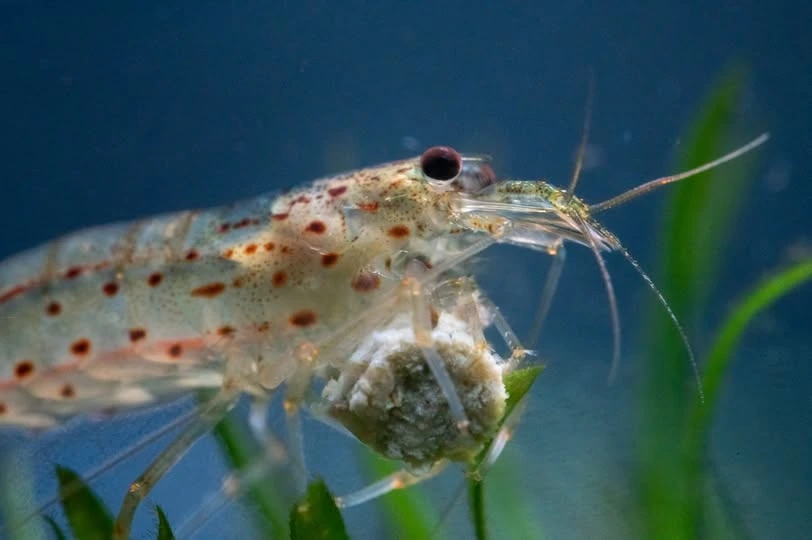
Amano Shrimp
Caridina multidentata
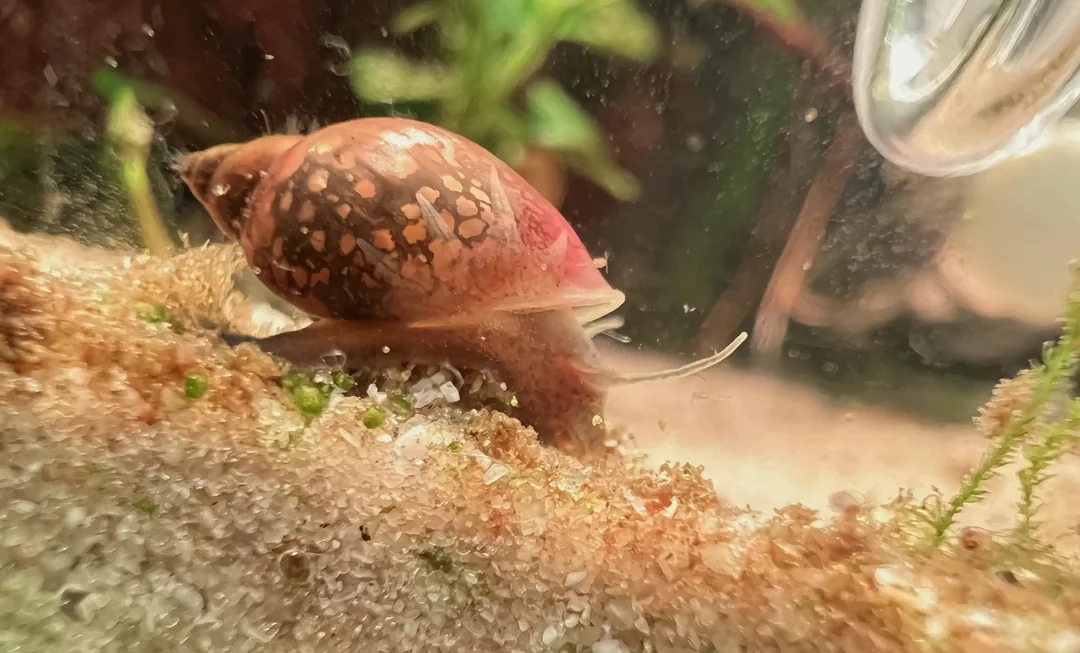
Bladder Snail
Physella acuta
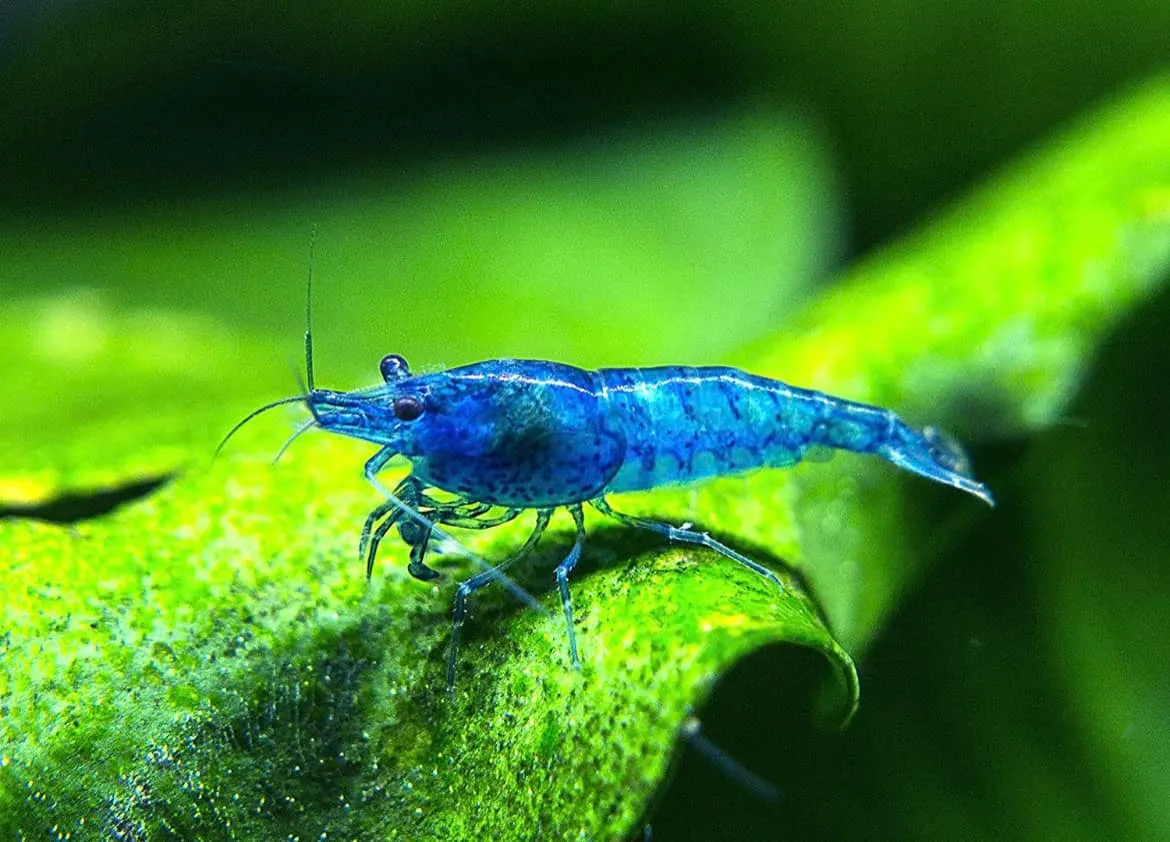
Blue Velvet Shrimp
Neocaridina davidi var. blue
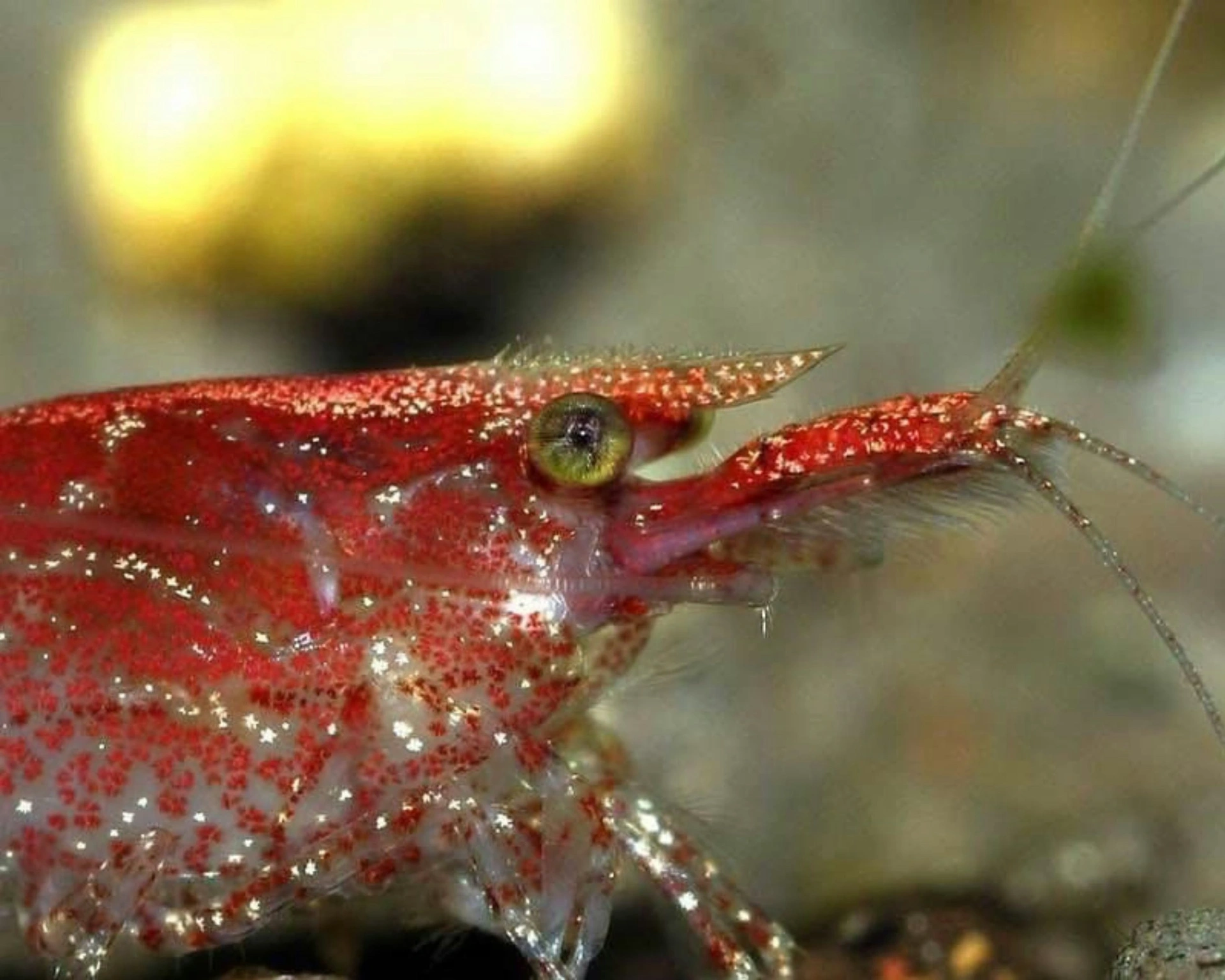
Cherry Shrimp
Neocaridina davidi
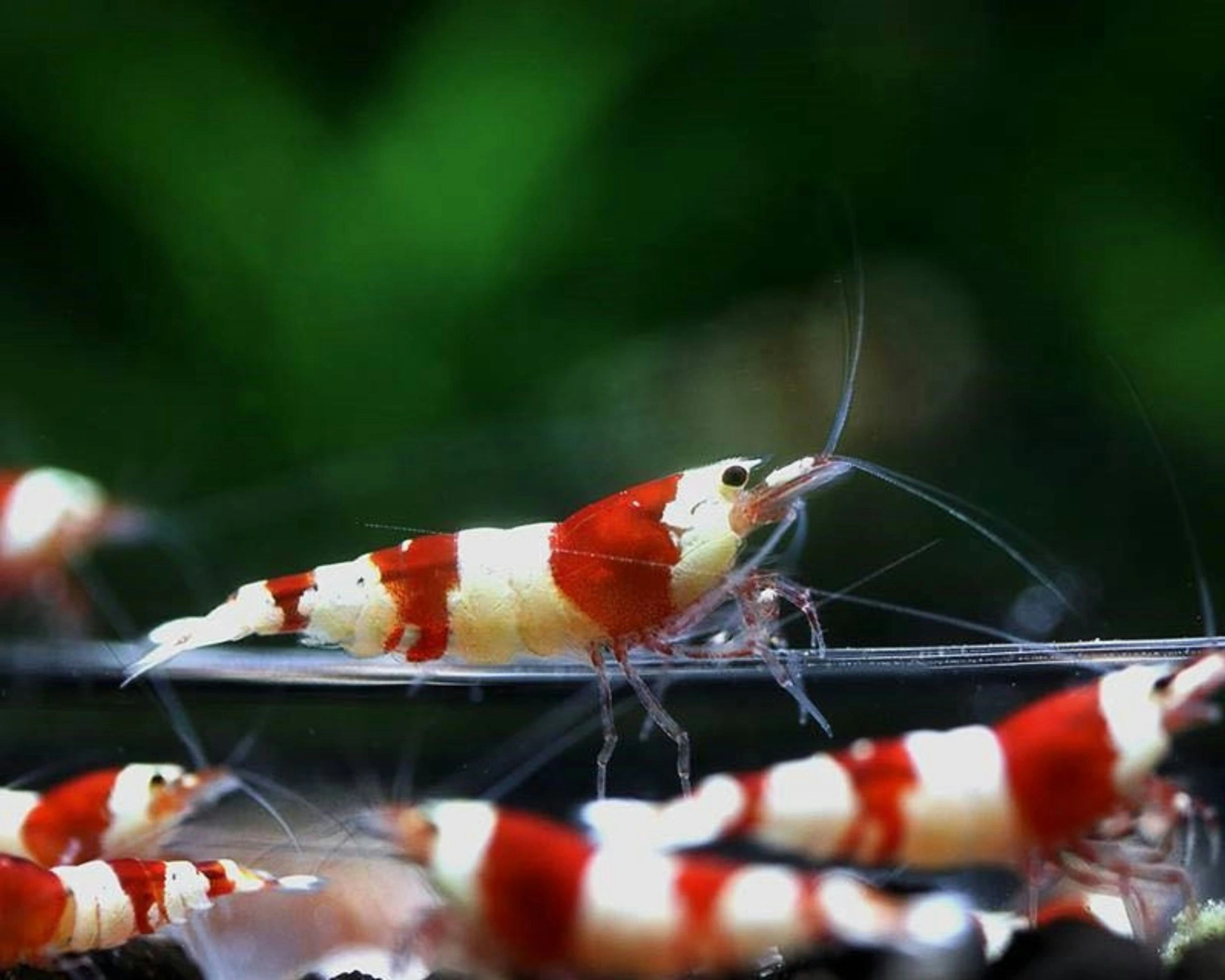
Crystal Shrimp
Caridina cantonensis
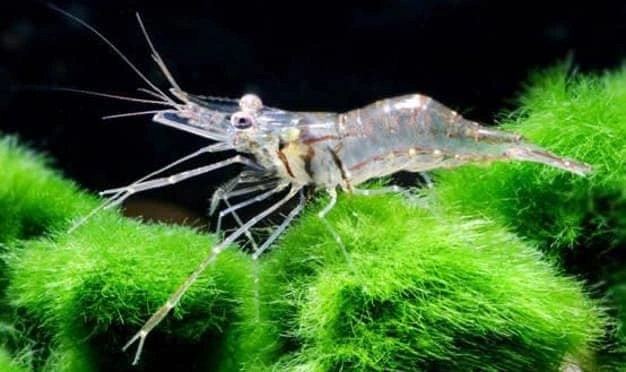
Ghost Shrimp
Palaemonetes paludosus
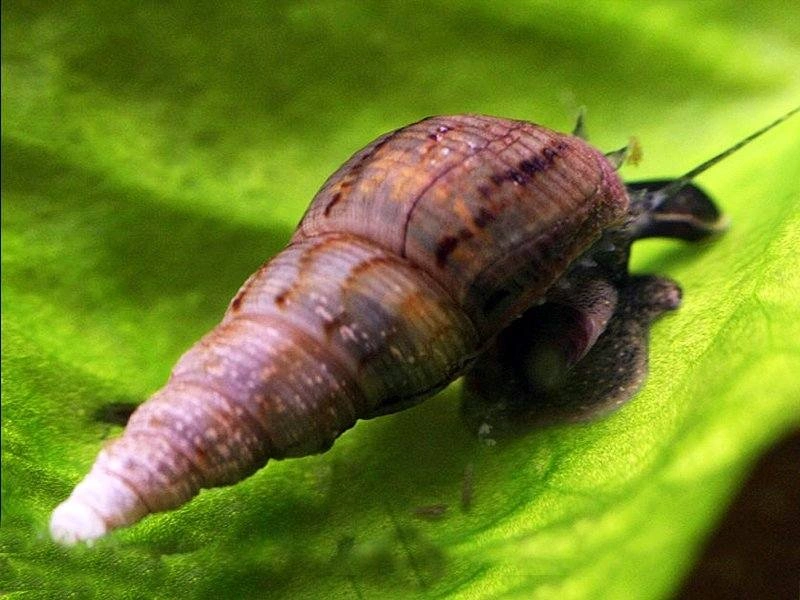
Malaysian Trumpet Snail
Melanoides tuberculata
Ready to Add Ramshorn Snail to Your Tank?
Use our free stocking calculator to check compatibility, bioload, and get personalized recommendations.