

Care Requirements
Adult Size
11.8" (30cm)
Min Tank
125 gal
Temperature
75-82°F
pH Range
6-7.5
Lifespan
10-20 years
Min Group
4+ fish
Diet
Carnivore
Swim Level
Middle
Bioload
4/10
Hardness
4-18 dGH
About Red-Bellied Piranha
The Red-Bellied Piranha carries perhaps the most fearsome reputation of any aquarium fish — tales of feeding frenzies stripping cattle to the bone have terrified and fascinated people for generations. The reality is considerably more nuanced: while Piranhas are certainly capable predators with impressive dentition, they're also surprisingly skittish fish that flee from perceived threats.
In aquariums, Piranhas reveal themselves as nervous, schooling fish that draw confidence from numbers. Solitary Piranhas are stressed Piranhas; groups of 4+ display more natural behavior. They're ambush predators that prefer attacking vulnerable, injured, or distressed prey rather than boldly confronting healthy targets.
That said, respect is warranted. Those teeth are razor-sharp and jaws are powerful; bites during tank maintenance are serious injuries. They require thoughtful keeping by experienced aquarists prepared to manage predatory fish properly.
Legal status varies significantly — Piranhas are banned in many U.S. states and other jurisdictions. Always verify legality before purchase. Where legal, they offer keeping experiences unlike community fish: prehistoric appearance, predatory behavior, and respect-demanding presence.
Natural Habitat & Origin
Red-Bellied Piranhas inhabit an enormous range across South American river systems — the Amazon, Orinoco, Paraguay, Paraná, and their tributaries. They're among the most widely distributed Piranha species.
They occupy diverse environments from main river channels to flooded forests, lakes, and slow-moving tributaries. Wild diet consists of fish (including other Piranhas), insects, crustaceans, worms, and carrion.
They're schooling fish in the wild, and group behavior provides protection from predators. Ironically, the fearsome Piranha is itself prey for numerous species including larger fish, caimans, and dolphins.
The famous 'feeding frenzy' behavior occurs primarily when schools encounter wounded prey or during dry season when fish concentrate in shrinking pools.
Native Region
South America — Amazon, Orinoco, Paraguay, Paraná basins
Habitat Type
River channels, flooded forests, lakes, tributaries
Wild Water Conditions
Warm (24-28°C), soft to moderately hard, slightly acidic to neutral
Appearance & Varieties
Red-Bellied Piranhas earn their name from the vivid red-orange coloration on throat, chest, and belly. The body is laterally compressed and deep, somewhat disc-shaped, with silver-gray flanks covered in sparkling scales.
Sharp, triangular, interlocking teeth line both jaws — genuinely dangerous. Adults typically reach 10-12 inches (25-30 cm). Red coloration intensity varies with diet, conditions, and genetics.
Sexing is difficult. Females may be slightly larger and deeper-bodied when mature.
Popular Varieties
| Variety | Description | Rarity |
|---|---|---|
| Standard/Wild-Type | Silver-gray body with red-orange belly, sparkling scales. The only form available. Coloration intensity varies with individual and conditions. | Common |
Tank Setup & Requirements
Quick Requirements Summary
Tank Size
Minimum Tank Size
125 gallons
Recommended Tank Size
200 gallons
Red-Bellied Piranhas require spacious tanks accommodating groups, robust filtration handling their waste and uneaten food, and setup considering their skittish yet predatory nature.
Water Parameters
Temperature 24-28°C (75-82°F), pH 6.0-7.5, hardness 4-18 dGH. Adaptable to various conditions. Good water quality essential — messy eaters and heavy waste producers. Regular water changes (25-30% weekly).
Substrate
Sand or gravel — not critical. Dark substrates may enhance coloration and reduce skittishness.
Plants & Decorations
Hiding spots with open swimming space. Piranhas appreciate refuges — driftwood, rock structures provide security. Robust plants like Java Fern and Anubias may survive. Avoid sharp decorations.
Filtration & Water Flow
Strong — messy eaters. Powerful canister filtration or sump systems. Target 8-10x tank volume turnover. Good mechanical filtration captures food debris.
Lighting
Moderate — subdued often better. Bright lighting can increase skittishness. Floating plants help diffuse light.
Diet & Feeding Guide
Diet Type
carnivore
Feeding Frequency
Every 1-2 days for adults, daily for juveniles
Portion Size
What they'll consume in 2-3 minutes. Remove uneaten food promptly. Hungry Piranhas can be aggressive toward each other; well-fed groups are calmer.
Red-Bellied Piranhas are carnivores requiring meaty foods. While capable of dramatic feeding, they're also shy feeders that may refuse food when stressed.
Best Foods for Red-Bellied Piranha
- Fish fillets (tilapia, smelt) — Raw fish fillets are staple food. Fresh or frozen.
- Shrimp and prawns — Excellent nutrition, readily consumed. Enhances red coloration.
- Quality carnivore pellets — Many accept sinking pellets (Hikari Carnivore). Convenient supplemental food.
- Earthworms — Excellent nutrition eagerly consumed.
- Frozen bloodworms — Good supplemental food, especially for juveniles.
- Mussels and clams — Good nutrition, shell provides calcium.
Foods to Avoid
- Mammal meat — Despite dramatic feeding demonstrations, mammal fats cause health problems.
- Unquarantined feeders — Disease transmission is a primary health risk.
- Live goldfish — Contain thiaminase destroying vitamin B1. Chronic feeding causes deficiency.
Well-fed groups are calmer and less aggressive toward each other. Use feeding tongs — never put bare hands in Piranha tanks.
Behavior & Temperament
Red-Bellied Piranha behavior surprises most new keepers. Rather than bold aggressive monsters, aquarium Piranhas are often skittish, nervous fish that dash for cover at sudden movements. Confidence comes from group security — solitary Piranhas are perpetually stressed.
In properly maintained groups, they display schooling behavior. Feeding triggers their predatory nature — normally cautious fish become focused hunters. They're intelligent fish that learn routines and recognize keepers.
Tank Mates: Compatibility Guide
Compatible Tank Mates
Other Red-Bellied Piranhas
Must be kept in groups of 4+. Conspecific company is essential.
Large armored plecos sometimes coexist. Not guaranteed safe.
None (safest approach)
Species-only tanks eliminate risk to expensive tankmates.
Tank Mates to Avoid
Most fish
Will eventually be eaten or killed.
Slow-moving fish
Easy targets. Piranhas exploit vulnerability.
Any invertebrates
Food. No exceptions.
Expensive fish of any kind
Too risky. Don't gamble valuable specimens with known predators.
Common Pairing Questions
Can Piranhas live with other fish?
Generally, no. Most tankmates eventually become food. Species-only setups (groups of Piranhas alone) are safest and most successful.
How many Piranhas should I keep?
Minimum 4, better 6+. They're schooling fish requiring conspecific company for psychological wellbeing. Solitary keeping causes chronic stress.
Red-Bellied Piranhas can breed in aquariums. Males prepare nest sites and guard eggs/fry with surprising dedication. Breeding requires large tanks (200+ gallons), excellent water quality, and heavy conditioning. Guarding males are most dangerous — they attack anything approaching the nest.
Health Issues & Disease Prevention
Red-Bellied Piranhas are generally hardy. Most health issues relate to water quality problems or injuries from group aggression.
Common Diseases
| Disease | Symptoms | Treatment |
|---|---|---|
| Ich (White Spot) | White spots on body and fins, flashing. | Raise temperature to 30°C. Salt treatment effective. |
| Fin rot / injuries | Damaged, fraying fins from aggression or infection. | Improve water quality. Antibacterial treatment. Some fin nipping normal in groups. |
| Hole in the head | Pitting lesions on head. | Improve water quality and diet variety. |
| Injuries from aggression | Bite wounds, missing scales, severe fin damage. | Maintain adequate feeding and group size. Separate severely injured fish. |
Signs of a Healthy Red-Bellied Piranha
- Vibrant red belly coloration
- Active schooling behavior
- Good appetite
- Clear eyes
- Generally intact fins
- Alert response to feeding
Prevention Tips
- Maintain groups of 4+ to reduce stress
- Keep well-fed to minimize aggression
- Provide adequate tank space
- Maintain excellent water quality
- Verify legality before purchase
Frequently Asked Questions
It varies by location. Many U.S. states and other jurisdictions ban possession. Always verify local and state laws before purchase. Legal status changes — check current regulations.
Unprovoked attacks in aquariums are rare — they're typically shy. However, bites during feeding or maintenance cause serious lacerations requiring medical attention. Never put hands in Piranha tanks unnecessarily.
Yes — minimum 4, better 6+. Solitary Piranhas are chronically stressed, often refusing food. Group keeping is essential, not optional.
Their reputation exceeds reality. Aquarium Piranhas are often surprisingly skittish. They're ambush predators preferring vulnerable prey. Respect them without fearing Hollywood stereotypes.
Generally, no. Most tankmates eventually become food. Species-only setups are safest.
Varied meaty diet: fish fillets, shrimp, quality carnivore pellets, earthworms. Avoid mammal meat and unquarantined feeders. Feed every 1-2 days.
Tips for Keeping Red-Bellied Piranha
Pro Tips
- ✓Verify legality first — research your jurisdiction's laws thoroughly.
- ✓Well-fed Piranhas are calmer — regular feeding reduces intragroup conflict.
- ✓Use feeding tongs during maintenance — never put bare hands in Piranha tanks.
- ✓Dim lighting reduces skittishness — floating plants help.
Common Mistakes to Avoid
- ✗Keeping alone — chronically stressed fish requiring groups.
- ✗Underestimating bite danger — serious hand injuries requiring medical attention.
- ✗Not verifying legality — legal penalties and fish confiscation.
- ✗Adding tankmates — dead expensive fish.
- ✗Expecting 'movie monster' behavior — real Piranhas are often shy and nervous.
Sources
- FishBase — Accepted scientific name, maximum size and native range for Red-Bellied Piranha.
Related Species You Might Like
View All Fish →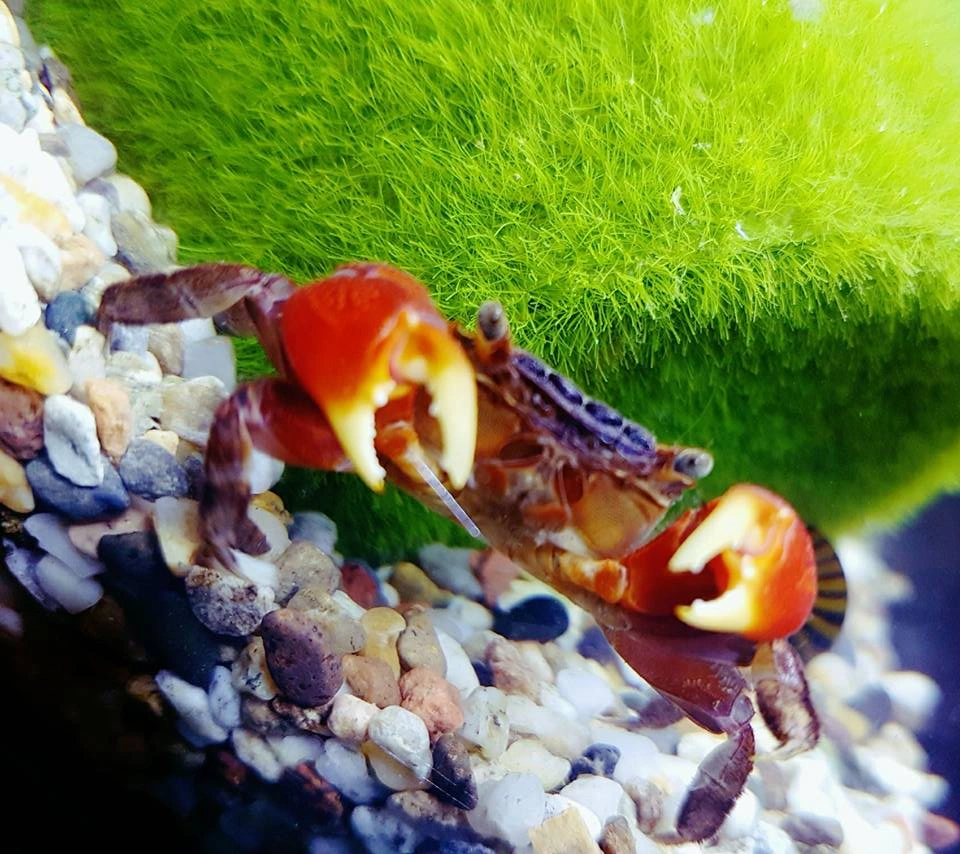
Red Claw Crab
Perisesarma bidens

Red Tail Catfish
Phractocephalus hemioliopterus

Silver Arowana
Osteoglossum bicirrhosum

Fahaka Puffer
Tetraodon lineatus

Livingstoni Cichlid
Nimbochromis livingstonii

Venustus Cichlid
Nimbochromis venustus
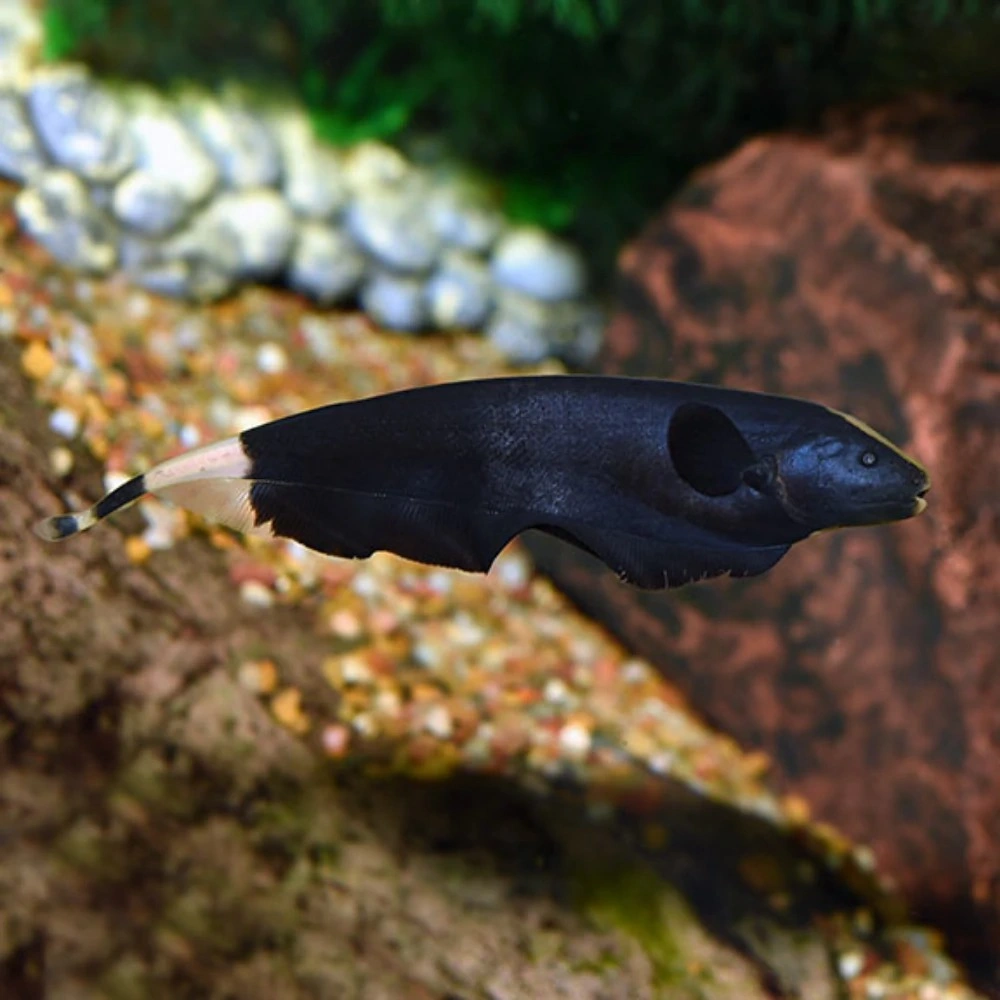
Black Ghost Knifefish
Apteronotus albifrons
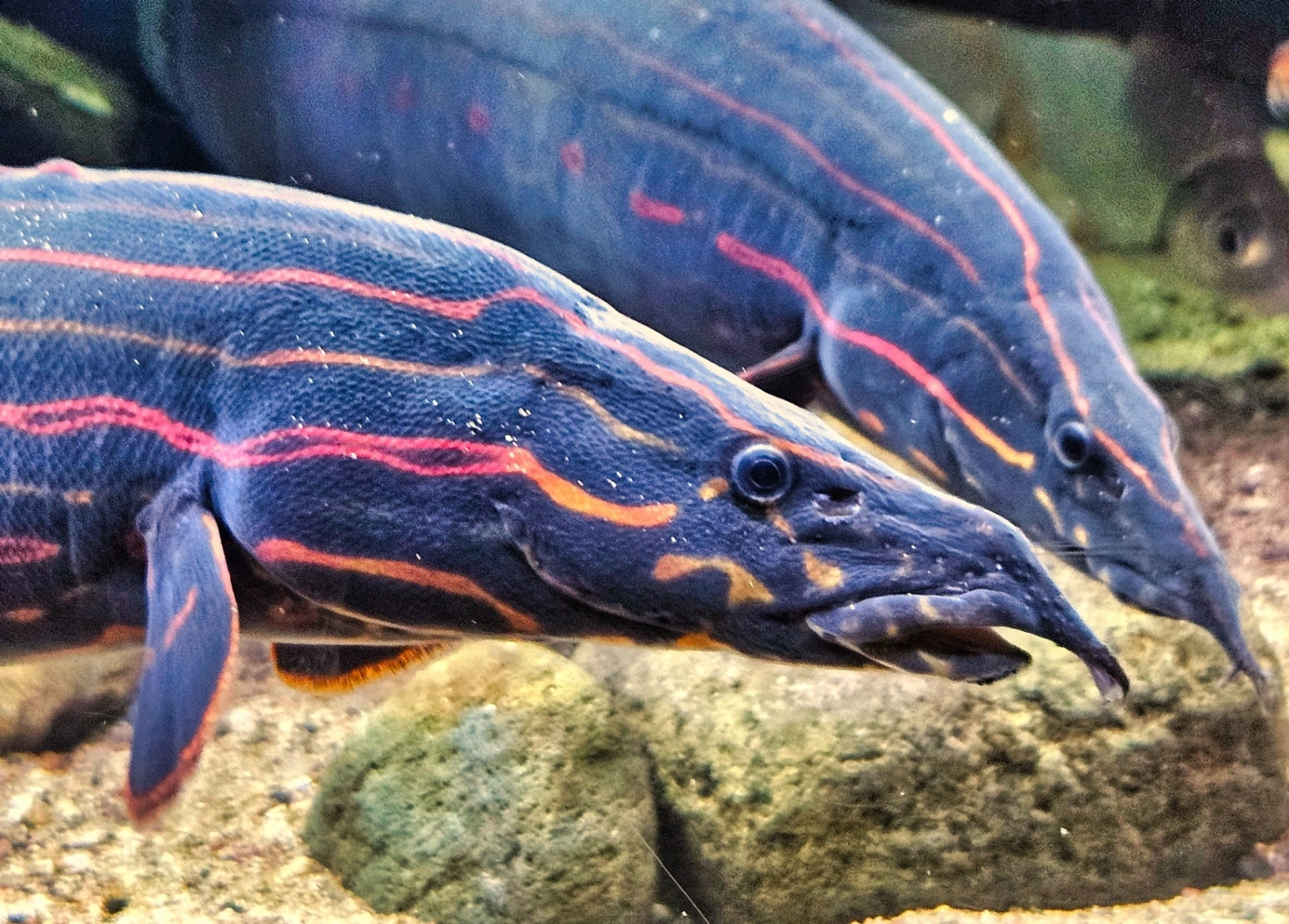
Fire Eel
Mastacembelus erythrotaenia
Ready to Add Red-Bellied Piranha to Your Tank?
Use our free stocking calculator to check compatibility, bioload, and get personalized recommendations.