

Care Requirements
Adult Size
35.4" (90cm)
Min Tank
250 gal
Temperature
75-86°F
pH Range
6-7.5
Lifespan
15-20 years
Min Group
Can be kept alone
Diet
Carnivore
Swim Level
Top
Bioload
5/10
Hardness
1-15 dGH
About Silver Arowana
The Silver Arowana stands as the aquarium hobby's ultimate status symbol — a prehistoric predator often called the 'dragon fish' for its elongated, serpentine body and large metallic scales. Revered in Asian cultures as a symbol of prosperity and good fortune, these magnificent fish command respect both for their beauty and the extraordinary commitment required to keep them properly.
Their ancestry traces back over 150 million years; Arowanas are genuinely ancient fish that shared the planet with dinosaurs. That prehistoric lineage shows in their primitive features — large bony scales, surface-oriented mouth designed to snatch prey from above, and the ability to breathe atmospheric air in oxygen-poor conditions. They represent living connections to aquatic prehistory.
The challenge with Arowanas is simple mathematics: they reach 3 feet or more in length and live 15-20 years. The cute 4-inch juvenile in the store becomes a tank-dominating predator requiring aquariums measured in hundreds of gallons — minimums that most homes simply cannot accommodate. Responsible Arowana keeping requires planning, space, and financial commitment that few hobbyists can honestly provide.
They're also phenomenal jumpers, capable of launching themselves several feet out of water to catch prey or escape perceived threats. Heavy, weighted lids aren't optional — they're the difference between keeping an Arowana and finding one dead on the floor. For those with resources to keep them properly, Arowanas offer unmatched presence and prehistoric majesty. For everyone else, admiring them at public aquariums is the responsible choice.
Natural Habitat & Origin
Silver Arowanas inhabit the Amazon Basin and connected river systems — the Rio Negro, Rupununi, Oyapock, and floodplain lakes throughout tropical South America. They're surface-oriented predators patrolling beneath overhanging vegetation, watching for prey above the waterline.
Their natural habitat consists of slow-moving blackwater rivers and seasonally flooded forests where dark, tannin-stained water provides cover for their hunting strategy. During flood seasons, they move into flooded forest areas where terrestrial insects, spiders, and even small vertebrates become available prey. Their upward-facing mouth is perfectly designed for snatching prey from branches above.
Wild Arowanas are powerful jumpers — they launch from the water to capture prey on low-hanging branches, earning them the local name 'water monkey' in some regions. This jumping ability is hardwired behavior that doesn't disappear in captivity; aquarium specimens retain full jumping capability regardless of how well-fed they are.
Water conditions in their native range are soft and acidic, often with minimal hardness and pH values around 6.0-6.5. Temperatures remain warm year-round in these equatorial waters. While they adapt to various conditions in captivity, replicating softer, slightly acidic water often produces the healthiest, most vibrant specimens.
Native Region
South America — Amazon Basin, Rio Negro, Rupununi, Oyapock
Habitat Type
Slow-moving blackwater rivers, flooded forests, floodplain lakes
Wild Water Conditions
Warm (24-30°C), soft, acidic, tannin-stained
Appearance & Varieties
Silver Arowanas possess unmistakable presence — an elongated, laterally compressed body covered in large, reflective scales that shimmer with metallic silver, sometimes showing pink or blue iridescence under proper lighting. The body can exceed 3 feet (90 cm) in aquariums, occasionally reaching larger sizes in optimal conditions.
The head features a strongly upturned mouth with two barbels on the lower jaw — sensory organs helping detect surface prey. Eyes are large and positioned for upward viewing. The dorsal and anal fins are set far back on the body, nearly merging with the caudal fin to create a continuous fin fringe along the rear portion.
Juveniles display more pronounced coloration — often showing blue or orange tints that fade somewhat with maturity. The iconic silver scaling develops as they grow, reaching full metallic brilliance in adults. Healthy specimens display mirror-like scale reflection and intense presence.
Sexing is difficult until maturity. Males may develop slightly more elongated jaw structure and slimmer body profiles, but reliable determination requires comparison of known-sex specimens or observation of breeding behavior.
Popular Varieties
| Variety | Description | Rarity |
|---|---|---|
| Standard Silver | Classic silver scaling with potential pink or blue iridescence. The most common and affordable form. Wild-caught specimens from various localities may show subtle coloration differences. | Common |
| Platinum/Snow White | Leucistic mutation producing pure white coloration. Extremely rare and valuable. Commands premium prices when available. | Extremely Rare |
Tank Setup & Requirements
Quick Requirements Summary
Tank Size
Minimum Tank Size
250 gallons
Recommended Tank Size
500 gallons
Silver Arowanas require the largest commonly-kept aquarium setups in the hobby. Their size, jumping ability, and predatory nature demand massive tanks that most households cannot reasonably accommodate.
Water Parameters
Temperature 24-30°C (75-86°F), pH 6.0-7.5, hardness 1-15 dGH. Adaptable but prefer soft, slightly acidic water. Excellent water quality essential — large water changes (30-50% weekly) maintain quality in these high-bioload systems.
Substrate
Optional — bare bottom common for easier cleaning. If using substrate, sand or smooth gravel works. Dark substrates may enhance coloration.
Plants & Decorations
Open swimming space is essential — avoid cluttered setups. Large driftwood provides visual interest. Plants aren't necessary and may be damaged. Robust species like Amazon Swords or large Anubias if desired. Minimal décor — their presence is the focal point.
Filtration & Water Flow
Massive — sump systems ideal. Target 8-10x tank volume turnover minimum. Excellent biological filtration handles ammonia from protein-rich diet. Multiple redundant filters wise.
Lighting
Moderate — enhances metallic scale reflection. Not light-sensitive but very bright lighting may cause skittish behavior.
Diet & Feeding Guide
Diet Type
carnivore
Feeding Frequency
Daily for juveniles, every 2-3 days for adults
Portion Size
Juveniles: what they'll consume in 2-3 minutes. Adults: moderate portions preventing obesity. Overfeeding causes fatty liver and shortened lifespan.
Silver Arowanas are surface-oriented carnivores requiring substantial meaty foods. Their predatory nature and size demand significant feeding investment. Nutritional variety prevents deficiencies common in monotonous diets.
Best Foods for Silver Arowana
- Quality pellets (Hikari Arowana, Massivore) — Large floating carnivore pellets should form diet foundation. Specifically formulated for Arowana nutrition.
- Market shrimp/prawns — Shell-on shrimp provide excellent nutrition and calcium. Vary with other foods.
- Fish fillets (tilapia, smelt, silversides) — Various fish provide protein and variety. Avoid fatty fish like salmon as primary foods.
- Earthworms/nightcrawlers — Excellent nutrition eagerly consumed. One of the best conditioning foods.
- Crickets and insects — Trigger natural surface-hunting behavior. Gut-load insects before feeding.
- Frozen krill — Good protein and color enhancement from natural astaxanthin.
Foods to Avoid
- Mammal meat (beef heart, etc.) — Mammal fats are poorly digested by fish and can cause fatty liver disease over time.
- Unquarantined feeder fish — Disease transmission is the primary cause of illness in predatory fish.
- Goldfish as feeders — Contain thiaminase that destroys vitamin B1. Chronic feeding causes deficiency.
Surface feed to prevent drop eye. Vary diet for complete nutrition. They'll always act hungry — don't be manipulated into overfeeding.
Behavior & Temperament
Silver Arowanas are apex predators displaying confidence and territorial awareness befitting their size. They patrol their domain with deliberate movement, constantly monitoring the surface for potential prey. They're intelligent fish that recognize their keepers, often approaching for food when familiar people appear.
Toward tankmates, they're predators first — anything mouth-sized eventually becomes food. The famous 'drop eye' condition results from captivity conditions, likely from constantly looking down at food or reflections. Surface feeding and appropriate tank depth help prevent this issue.
Tank Mates: Compatibility Guide
Compatible Tank Mates
Armored, bottom-dwelling, too large for predation. Different zones. Classic Arowana companion.
Bottom dwellers with armored scales. Different zones, similar prehistoric appeal.
Similar size range, robust enough to coexist. Monitor for aggression.
Robust, appropriately sized, relatively peaceful in very large tanks.
Tank Mates to Avoid
Fish under 6-8 inches
Eventually become food. A 3-foot Arowana eats surprisingly large prey.
Other Arowanas (usually)
Highly aggressive toward conspecifics except in very large systems.
Aggressive cichlids
May harass or injure Arowana, causing stress and potential injury.
Fin nippers
Large flowing fins attract nippers. Damage causes stress and infection risk.
Common Pairing Questions
Can I keep an Arowana with an Oscar?
Yes, in sufficiently large tanks (500+ gallons). Both are robust predators. Size-match them and monitor interactions. Classic monster fish combination.
Will an Arowana eat my Pleco?
Large armored Plecos are generally safe — too large and awkwardly shaped for predation. Small Plecos will be eaten. Size matters.
Silver Arowana breeding in home aquariums is essentially non-existent due to space requirements. They're mouthbrooders — males carry eggs and fry in their mouths for 50+ days. Commercial breeding occurs in large outdoor ponds in tropical regions.
Health Issues & Disease Prevention
Silver Arowanas are generally hardy when basic needs are met but suffer from issues related to inadequate space, poor diet, or jumping injuries.
Common Diseases
| Disease | Symptoms | Treatment |
|---|---|---|
| Jump injuries | Jaw damage, scale loss, body injuries, death from floor landing. | Prevention is everything — weighted, secured lids with no gaps. Severe jump injuries often fatal. |
| Drop eye | One or both eyes angle downward rather than forward. | Feed at surface, increase water depth, reduce bottom reflections. Often permanent once developed. |
| Ich | White spots on scales and fins. | Raise temperature to 30°C+. Salt treatment effective. Heat treatment preferred in large systems. |
| Hole in the head (HITH) | Pitting lesions on head, progressing to larger holes. | Improve water quality, vary diet. Metronidazole for severe cases. |
| Fatty liver disease | Obesity, lethargy, sudden death. | Prevention through proper feeding — avoid overfeeding and mammal fats. Often fatal once advanced. |
Signs of a Healthy Silver Arowana
- Mirror-like scale reflection
- Active surface patrol
- Strong appetite
- Clear, forward-facing eyes
- Intact scales and fins
- Alert behavior
Prevention Tips
- Secure, weighted lid — absolutely mandatory
- Provide adequate tank size
- Maintain excellent water quality
- Feed varied diet
- Don't overfeed
Frequently Asked Questions
They reach 3 feet (90 cm) or more — this isn't exaggeration, it's normal adult size. The 4-inch juvenile in the store will become a 36-inch fish within a few years. Most homes cannot accommodate an appropriate tank for a 3-foot fish.
Minimum 250 gallons for adults, but 500+ gallons is more appropriate. Tank DIMENSIONS matter — length of 8+ feet and width of 2.5-3 feet minimum. Custom tanks or indoor ponds are often necessary.
Jumping is hardwired survival and hunting behavior. In the wild, they leap to catch prey on overhanging branches. This instinct doesn't disappear in captivity. Secure, weighted lids are absolutely mandatory.
Drop eye is a condition where one or both eyes angle downward instead of forward. It's caused by captivity conditions — likely fat deposits behind the eye from constantly looking down. Prevention includes feeding at the surface and using deeper tanks.
Yes — substantially. The real cost is infrastructure: tanks of 250-500+ gallons, powerful filtration systems, heating large water volumes, and food costs. Initial setup can cost thousands of dollars.
This is how most Arowana keeping goes wrong. They grow several inches per month when young. If you cannot provide an appropriate tank immediately or within months, don't purchase the fish.
Tips for Keeping Silver Arowana
Pro Tips
- ✓Research tank requirements BEFORE falling in love with juveniles — the cute small Arowana needs a tank costing thousands within 2-3 years.
- ✓Surface feed to prevent drop eye — always feed at the water surface where they naturally hunt.
- ✓Lid security is life or death — weight your lids, eliminate all gaps, check security regularly.
- ✓Plan for 20 years — this is a commitment comparable to a dog or cat.
Common Mistakes to Avoid
- ✗Buying juveniles without preparing for adult size — stunted, unhealthy fish in inadequate tanks.
- ✗Inadequate lid security — dead fish on floor, the single most common cause of Arowana loss.
- ✗Feeding exclusive feeder fish diet — nutritional deficiencies and disease transmission.
- ✗Overfeeding — obesity, fatty liver disease, shortened lifespan.
- ✗Underestimating costs — inability to provide proper housing leads to compromised care.
Sources
- FishBase — Accepted scientific name, maximum size and native range for Silver Arowana.
Related Species You Might Like
View All Fish →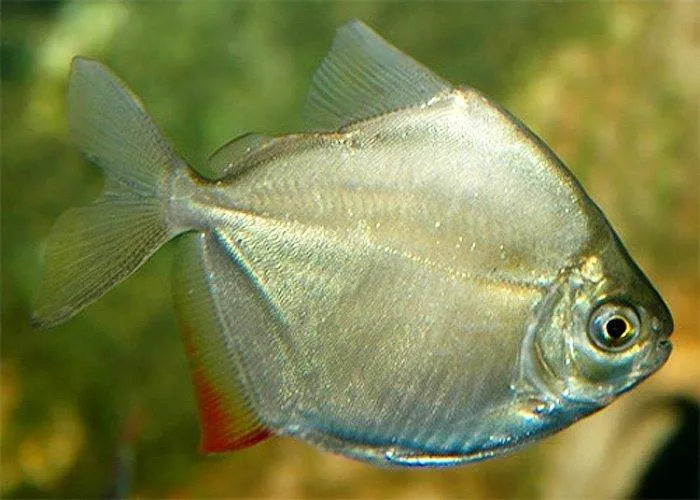
Silver Dollar
Metynnis argenteus

Red-Bellied Piranha
Pygocentrus nattereri

Red Tail Catfish
Phractocephalus hemioliopterus

Fahaka Puffer
Tetraodon lineatus

Livingstoni Cichlid
Nimbochromis livingstonii

Venustus Cichlid
Nimbochromis venustus
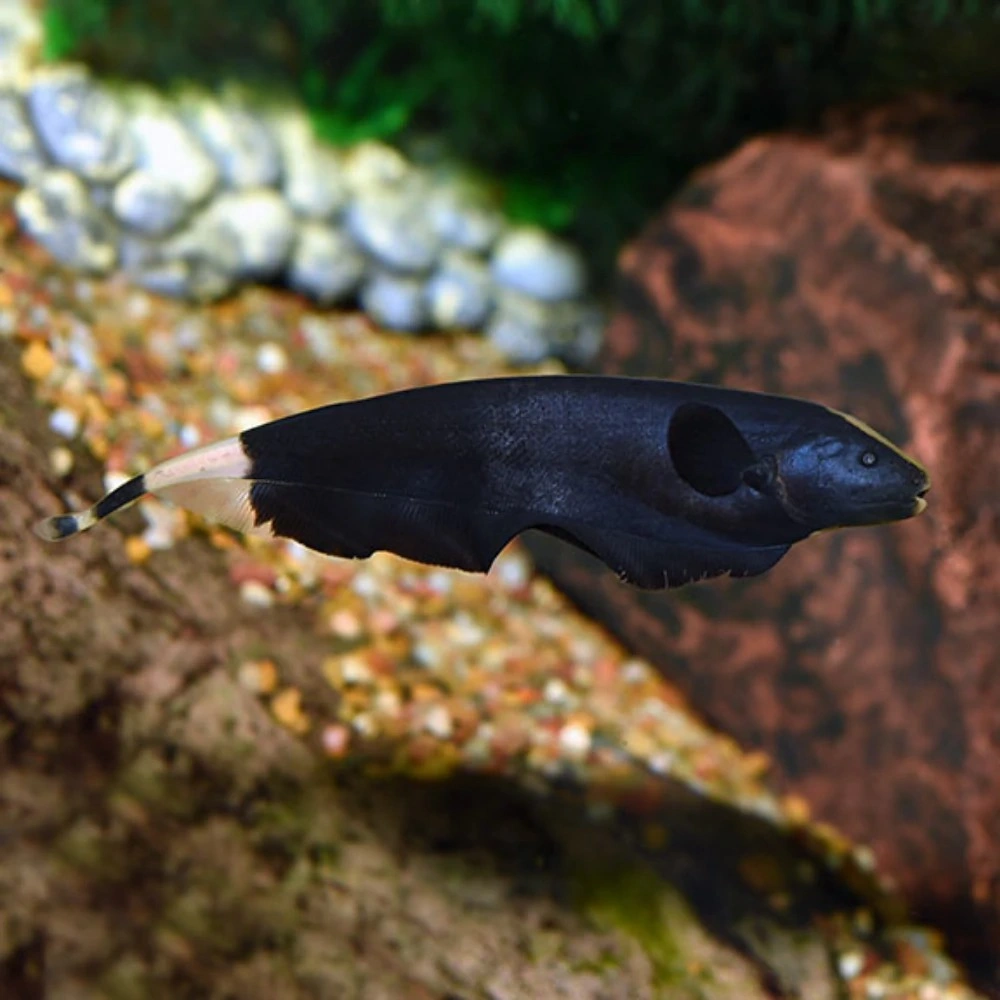
Black Ghost Knifefish
Apteronotus albifrons
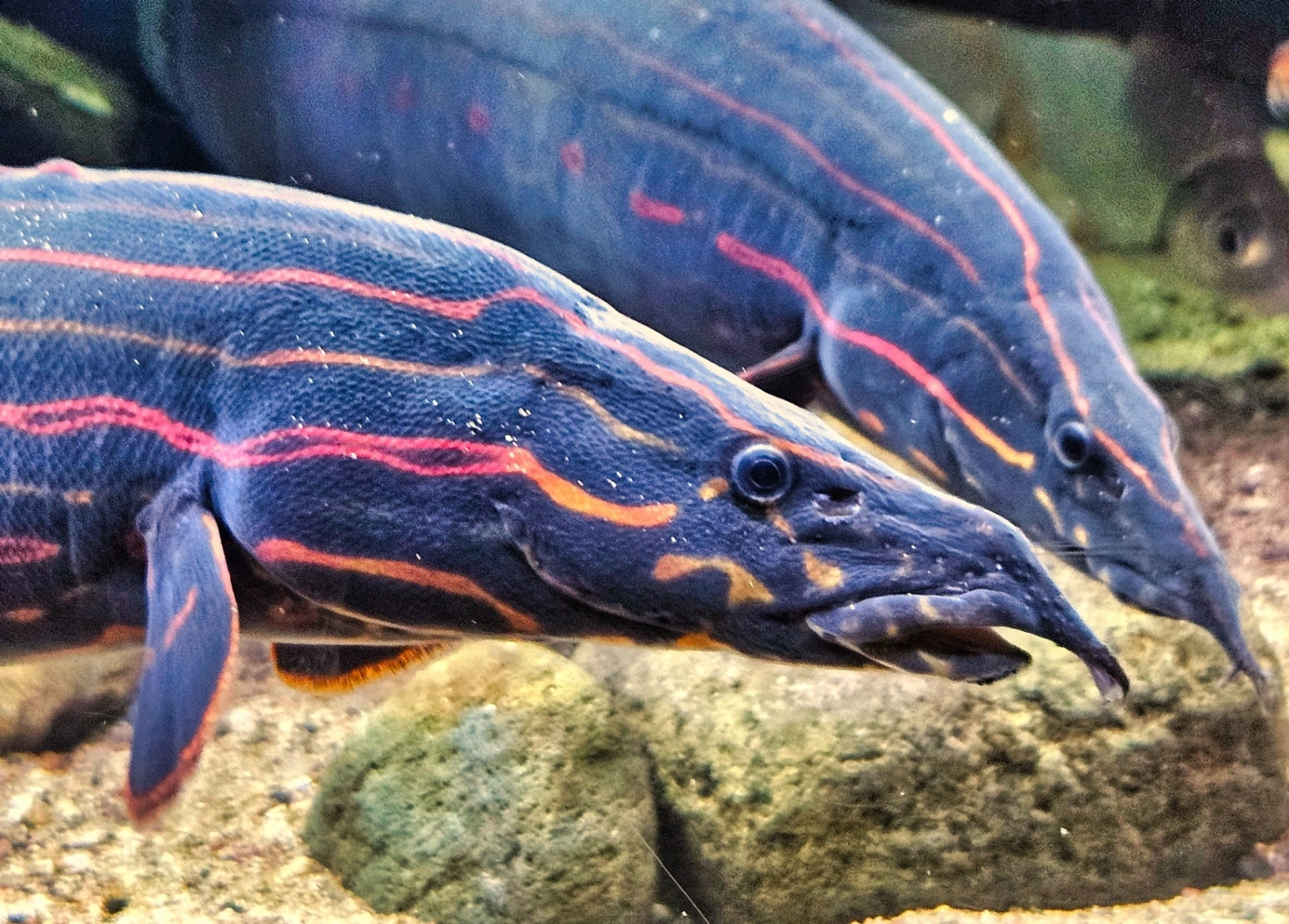
Fire Eel
Mastacembelus erythrotaenia
Ready to Add Silver Arowana to Your Tank?
Use our free stocking calculator to check compatibility, bioload, and get personalized recommendations.