

Care Requirements
Adult Size
9.8" (25cm)
Min Tank
75 gal
Temperature
75-82°F
pH Range
6-7.5
Lifespan
10+ years
Min Group
Can be kept alone
Diet
Omnivore
Swim Level
Middle
Bioload
7/10
Hardness
4-15 dGH
About Severum
The Severum (Heros severus), also known as the Banded Cichlid or 'Poor Man's Discus,' is a popular large cichlid from the Amazon and Orinoco River basins. Named for the dark bands that adorn juvenile fish, Severums are appreciated for their discus-like body shape combined with much hardier constitution. Available in both wild-type green and captive-bred gold varieties, they offer impressive size and personality. More herbivorous than most cichlids, they're a unique addition to large tank setups and can live 10-15 years with proper care.
Natural Habitat & Origin
Severums inhabit slow-moving rivers, flooded forests, and lakes throughout the Amazon River basin, Orinoco River basin, and upper Rio Negro in Brazil, Colombia, and Venezuela. They're found among submerged vegetation, roots, and woody debris in warm, tannin-stained blackwater conditions with soft, acidic water.
Native Region
South America — Amazon River basin, Orinoco River basin, and upper Rio Negro in Brazil, Colombia, and Venezuela
Habitat Type
Slow-moving rivers, flooded forests, and lakes with soft, acidic blackwater
Wild Water Conditions
Warm, tannin-stained water with submerged vegetation, roots, and woody debris
Appearance & Varieties
Severums have a deep, laterally compressed body reminiscent of discus fish. Wild-type Green Severums display olive-green coloration with darker vertical bands and reddish-orange markings. Gold Severums are a captive-bred variant lacking dark pigment, showing bright yellow-gold coloration. Adults reach up to 8 inches (20cm). Males are typically larger with more pointed dorsal and anal fins, and often display more facial markings with worm-like patterns. Females are smaller and rounder.
Popular Varieties
| Variety | Description | Rarity |
|---|---|---|
| Green Severum | Wild-type coloration with olive-green body and dark bands | Common |
| Gold Severum | Captive-bred yellow-gold variant lacking dark pigment | Common |
| Red-spotted Severum | Variant with red spotting on body | Uncommon |
Tank Setup & Requirements
Quick Requirements Summary
Tank Size
Minimum Tank Size
75 gallons
Recommended Tank Size
110 gallons
Severums need a large tank (55+ gallons minimum, 75+ recommended) with both floor space and height for their deep body. They're diggers, especially when breeding, so sand or fine gravel works best. Driftwood provides beneficial tannins that mimic their natural blackwater habitat. Plants are problematic as Severums often eat them—only hardy species like Java fern and Anubias attached to rocks may survive. Artificial plants are a safer option. Strong filtration is essential given their size and bioload.
Water Parameters
Temperature 75-82°F (24-28°C), pH 6.0-7.5, hardness 4-15 dGH. Stable conditions important.
Substrate
Sand or fine gravel — they may dig, especially when breeding
Plants & Decorations
Plants often eaten; Java fern and Anubias attached to rocks may survive. Driftwood, large rocks, and robust structures for territories. Leave open swimming space.
Filtration & Water Flow
Strong filtration essential — large fish produce significant bioload
Lighting
Moderate — not demanding
Diet & Feeding Guide
Diet Type
Omnivore
Feeding Frequency
1-2 times daily
Portion Size
What they can consume in 2-3 minutes
Severums are more herbivorous than most cichlids, feeding on plant matter, fruits, seeds, insects, and small invertebrates in the wild. Include significant vegetable matter in their diet—without it, they may eat aquarium plants. A varied diet of cichlid pellets, spirulina-based foods, blanched vegetables, and occasional frozen foods maintains health and color.
Best Foods for Severum
- High-quality cichlid pellets — Staple diet
- Spirulina-based pellets — Important plant matter component
- Blanched zucchini, lettuce, cucumber — Essential vegetable supplementation
- Frozen bloodworms and brine shrimp — Protein supplementation
- Peas — Good vegetable treat, aids digestion
Foods to Avoid
- Protein-only diet — They need vegetable matter — more herbivorous than most cichlids
- Mammal meat — Difficult to digest, can cause health issues
- Low-quality foods — Poor nutrition leads to faded color and health problems
Include significant vegetable matter — they're more herbivorous than most cichlids. Without plant matter, they may eat aquarium plants. Varied diet maintains health and color.
Behavior & Temperament
Severums are semi-aggressive — calmer than many large cichlids like Jack Dempseys or Green Terrors, but still territorial. They establish territories and defend them, with aggression increasing during breeding. Generally tolerant of similar-sized tankmates outside breeding season. They're called 'Poor Man's Discus' due to their similar body shape but much easier care requirements. They form monogamous pairs with strong bonds and may eat aquarium plants if not fed enough vegetables.
Tank Mates: Compatibility Guide
Compatible Tank Mates
Similar bulk and a similar temper, given a tank with real length
Similar size and both eat plants anyway
Bottom dweller, different territory
Geophagus
Compatible South American cichlid
With caution — monitor for aggression
Large Tetras
Congo Tetras and similar-sized species
Tank Mates to Avoid
Small fish
Will be eaten
Shrimp
Instant food
Very aggressive cichlids
Severums aren't aggressive enough to compete
Slow-moving species
May be harassed
Common Pairing Questions
Can Severums live with Oscars?
In very large tanks (125+ gallons), yes. Both are South American cichlids with similar requirements. Ensure plenty of space and hiding spots.
Will Severums eat my plants?
Very likely. They're more herbivorous than most cichlids. Feed plenty of vegetables to reduce plant destruction.
Severums are moderate-difficulty substrate spawners that form monogamous pairs. Males are larger with more pointed fins and facial markings; females are smaller and rounder. Let pairs form naturally from a group rather than forcing. Provide flat rocks or slate as spawning surfaces with soft, slightly acidic water at 26-28°C. Both parents guard eggs and fry, with moderate breeding aggression compared to other large cichlids. Females can lay 200-1000 eggs depending on size, hatching in 3-5 days. Fry eat baby brine shrimp and finely chopped vegetables. Parents may eat early batches until experienced.
Health Issues & Disease Prevention
Severums are moderately hardy but susceptible to Hole in the Head disease (HITH), which causes pitting around the head and lateral line. Prevention requires varied diet with vegetables, excellent water quality, and stress reduction. They're also prone to bloat if fed a protein-only diet without plant matter. Healthy Severums display good coloration, active swimming, healthy appetite, and clear eyes. Stress signs include faded color, constant hiding, dark stress bars, and loss of appetite.
Common Diseases
| Disease | Symptoms | Treatment |
|---|---|---|
| Hole in the Head (HITH) | Pitting and erosion around head and lateral line | Improve water quality, varied diet with vegetables, reduce stress, consider metronidazole |
| Ich (White Spot Disease) | White spots, flashing, lethargy | Raise temperature gradually, salt treatment, or medication |
| Bloat | Swollen abdomen, loss of appetite | Balanced diet with plant matter, fast for 2-3 days, improve water quality |
Signs of a Healthy Severum
- Good coloration
- Active swimming
- Healthy appetite
- Clear eyes
- Intact fins
- Interested in surroundings
Prevention Tips
- Include vegetables in diet
- Maintain excellent water quality
- Weekly water changes of 25-30%
- Varied diet prevents nutritional deficiencies
- Avoid overfeeding protein
Frequently Asked Questions
They're semi-aggressive — calmer than many large cichlids like Jack Dempseys or Green Terrors. They're territorial but generally tolerant of similar-sized tankmates. Aggression increases during breeding.
Very likely. They're more herbivorous than most cichlids and will eat soft-leaved plants. Hardy plants attached to rocks (Java fern, Anubias) may survive. Feed them plenty of vegetables to reduce plant destruction.
Gold Severums are a captive-bred color variant — same species with different coloration. Care is identical. Wild-type fish are green/olive colored. Gold variants lack the dark pigment.
They have a similar deep, compressed body shape to discus but are much hardier and easier to keep. They offer a discus-like appearance without the demanding care requirements.
Up to 8 inches (20cm). Don't be fooled by small juveniles at the store — they need a 55+ gallon tank as adults. They're a long-term commitment at 10-15 years lifespan.
In very large tanks (125+ gallons), yes. Both are South American cichlids with similar requirements. Ensure plenty of space and hiding spots. Watch for aggression and have a backup plan.
Tips for Keeping Severum
Pro Tips
- ✓Include vegetables in their diet — they're more herbivorous than most cichlids
- ✓One of the calmer large cichlids — good introduction to big fish
- ✓Gold Severums are striking but Green/wild-type have more character in markings
- ✓If they're eating your plants, increase vegetable feeding
- ✓Long-lived (10-15 years) — plan for commitment
- ✓Let pairs form naturally from a group rather than forcing
- ✓Good tankmate for Silver Dollars — both eat plants anyway
- ✓Driftwood creates the tannin-stained water they prefer
Common Mistakes to Avoid
- ✗Tank too small — they need 55+ gallons minimum
- ✗No vegetables in diet — they need plant matter
- ✗Expensive planted tank — they'll eat it
- ✗Underestimating adult size — they grow to 8 inches
- ✗Keeping with small fish — will be eaten
- ✗Protein-only diet — can cause health issues
- ✗Expecting discus-like behavior — they're hardier but still cichlids
- ✗Not planning for 10-15 year lifespan
Sources
- FishBase — Accepted scientific name, maximum size and native range for Severum.
Related Species You Might Like
View All Fish →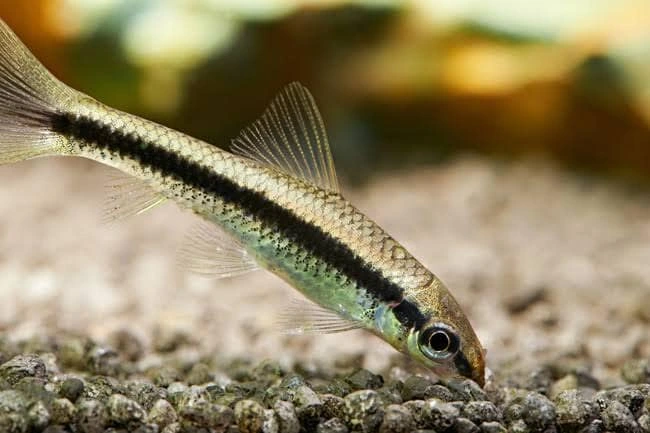
Siamese Algae Eater
Crossocheilus oblongus

Electric Blue Hap
Sciaenochromis fryeri
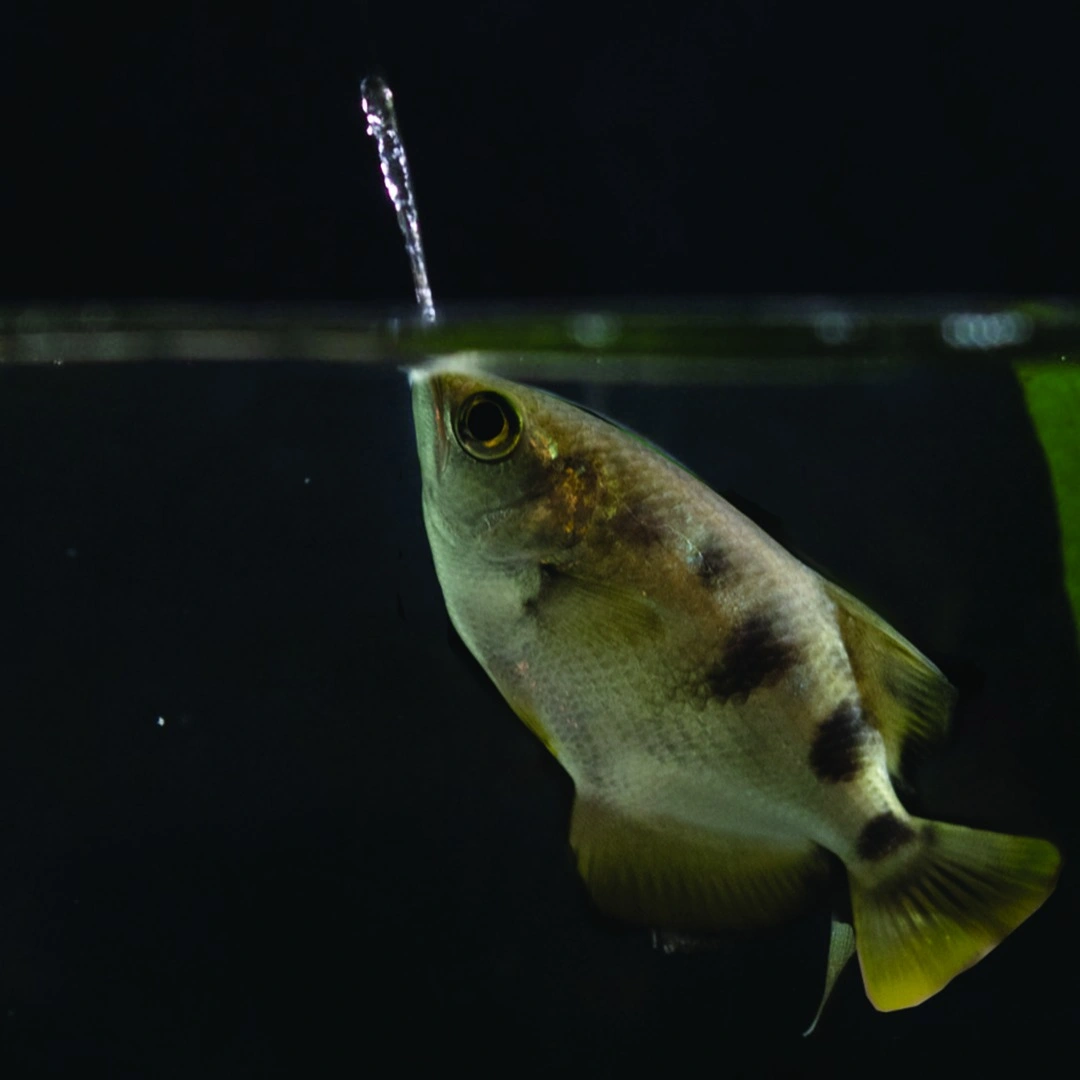
Archer Fish
Toxotes jaculatrix
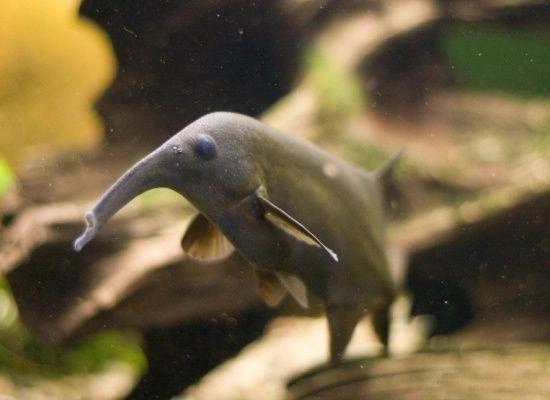
Elephant Nose Fish
Gnathonemus petersii
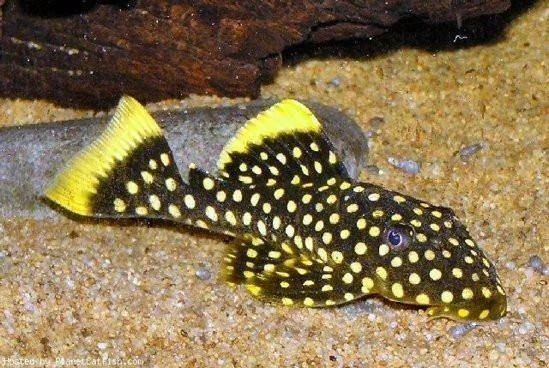
Gold Nugget Pleco
Baryancistrus xanthellus
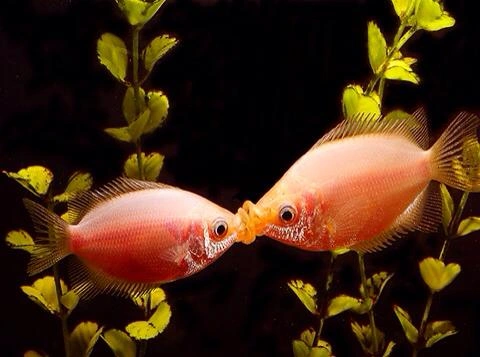
Kissing Gourami
Helostoma temminckii
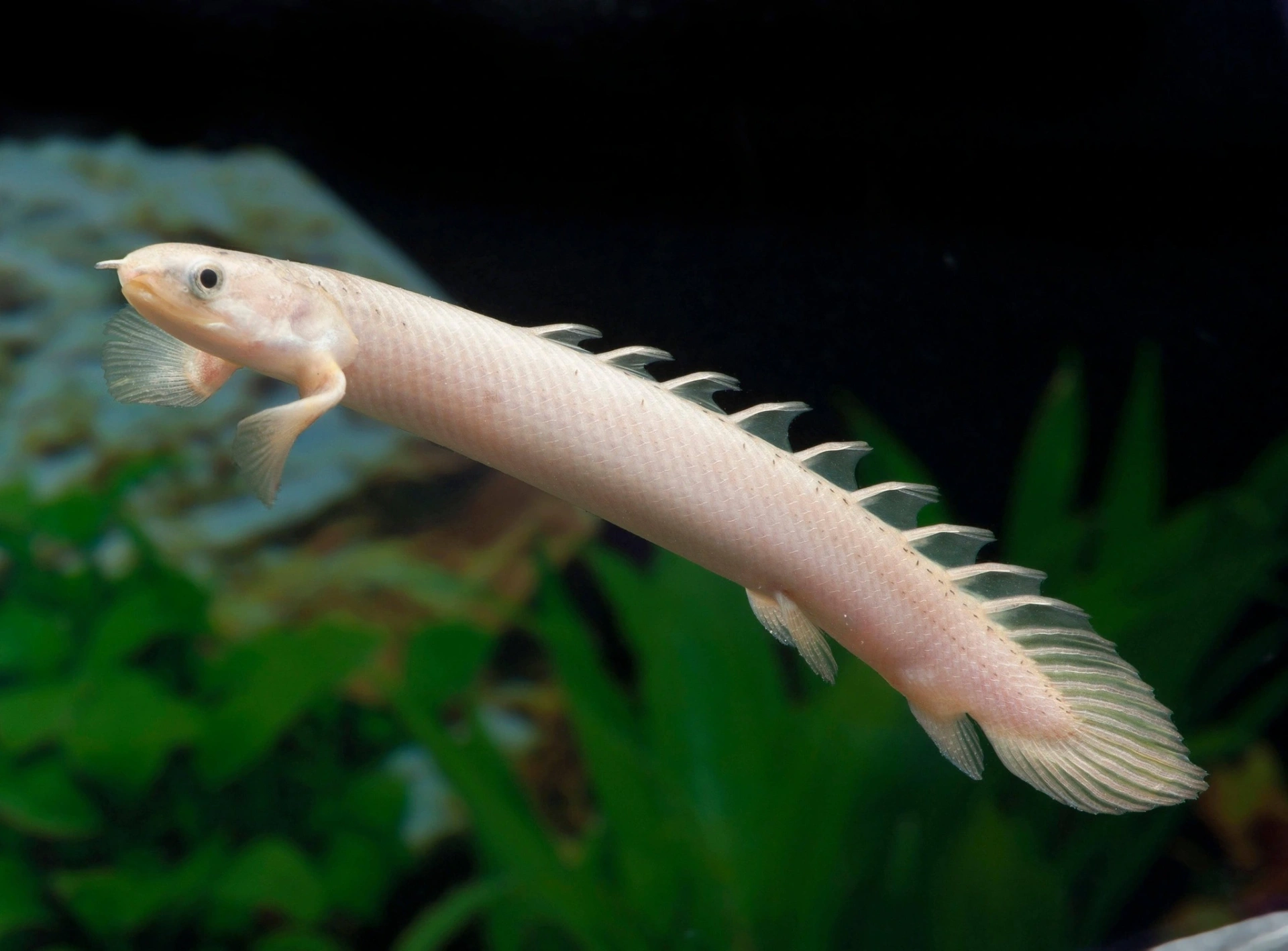
Senegal Bichir
Polypterus senegalus

Acei Cichlid
Pseudotropheus acei
Ready to Add Severum to Your Tank?
Use our free stocking calculator to check compatibility, bioload, and get personalized recommendations.