
Care Requirements
Adult Size
9.8" (25cm)
Min Tank
75 gal
Temperature
79-90°F
pH Range
6-7.5
Lifespan
10-15 years
Min Group
Can be kept alone
Diet
Omnivore
Swim Level
Bottom
Bioload
3/10
Hardness
2-12 dGH
About Gold Nugget Pleco
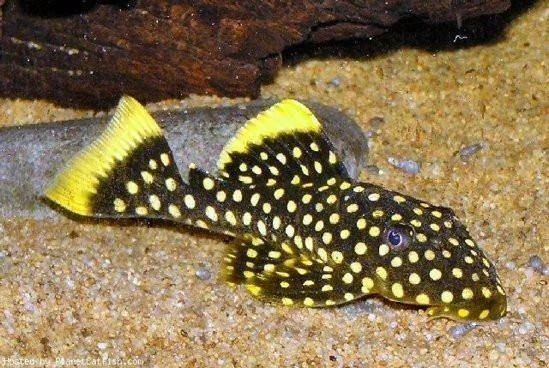
The Gold Nugget Pleco is one of the most visually striking freshwater fish available — jet black body covered in brilliant yellow-gold spots with matching yellow fin edges. The contrast is dramatic and immediately eye-catching, making them centerpiece fish that justify their premium price tags.
Native to the rapids of Brazil's Rio Xingu, Gold Nuggets have specific requirements that differ from typical plecos. They need warm water — 80-86°F, warmer than most tropical community fish. They also require high oxygen levels and significant current, reflecting their fast-flowing native habitat. Meeting these needs isn't difficult but requires intentional setup.
Three L-number variants exist based on spot size: L018 (small spots), L081 (medium spots), and L177 (large spots). All share similar care requirements and stunning appearance — the difference is primarily aesthetic preference. L018 is most common in the trade.
Gold Nuggets are territorial with other plecos and bottom-dwellers, requiring adequate space and distinct territories if housed with similar fish. They're otherwise peaceful, ignoring mid-water tankmates. Their combination of beauty and moderate difficulty makes them popular among aquarists willing to meet their needs.
Natural Habitat & Origin
Conservation status: Near Threatened (NT)
Gold Nugget Plecos originate from the Rio Xingu in Brazil, one of the clearest tributaries of the Amazon. They inhabit rapids and rocky areas where current is strong and oxygen levels high. The warm, soft, acidic water of the Xingu shapes their aquarium requirements.
The Xingu is notable for its warm temperatures — significantly warmer than many Amazonian tributaries. Gold Nuggets have adapted to temperatures that would stress many other fish, making tankmate selection important. The rocky rapids provide both territory and biofilm/aufwuchs they graze on.
Their natural habitat is threatened by dam construction on the Xingu, making captive populations increasingly important for the species' long-term survival.
Native Region
Brazil — Rio Xingu and tributaries
Habitat Type
Rocky rapids with strong current and high oxygen
Wild Water Conditions
Warm (80-86°F), soft, acidic (pH 6.0-7.0), high oxygen, strong current
Appearance & Varieties
Gold Nugget Plecos are unmistakable — black body densely covered with bright yellow-gold spots. The dorsal, caudal, and pectoral fins feature prominent yellow edging that frames the fish beautifully. The overall effect resembles gold nuggets on black velvet.
Spot size distinguishes the three L-number variants: L018 has small spots (most common), L081 has medium spots, L177 has large spots. All variants show the same yellow fin edging. Juveniles display the same patterning as adults.
Adults reach about 10 inches (25cm), making them medium-large plecos. Body shape is typical loricariid — flattened with large head, sucker mouth, and armored plates.
Popular Varieties
| Variety | Description | Rarity |
|---|---|---|
| L018 (Small-Spotted Gold Nugget) | Dense small yellow spots covering black body. Most common variant in the trade. | Uncommon |
| L081 (Medium-Spotted Gold Nugget) | Medium-sized spots, intermediate between L018 and L177. Less common than L018. | Rare |
| L177 (Large-Spotted Gold Nugget/Iriri) | Large, distinct spots that may appear more scattered. Named for the Iriri River tributary. | Rare |
Tank Setup & Requirements
Quick Requirements Summary
Tank Size
Minimum Tank Size
75 gallons
Recommended Tank Size
100 gallons
Gold Nugget Pleco tanks must provide warm temperatures, high oxygen, and significant water flow. These requirements differ from typical community tanks.
Water Parameters
Temperature 26-32°C (80-90°F), pH 6.0-7.5, hardness 2-12 dGH. Warmer than most tropical fish — 80-86°F is ideal. This warm requirement limits compatible tankmates. Soft, acidic water preferred. High oxygen levels essential — warm water holds less oxygen, so increased aeration needed.
Substrate
Sand or smooth rounded gravel protects their underside. Avoid sharp gravel that could cause abrasions. Dark substrate enhances their coloration beautifully.
Plants & Decorations
Rocky structures mimicking their natural rapids habitat. Provide caves and crevices for hiding and territory establishment. Multiple territories essential if keeping with other bottom-dwellers. Driftwood appreciated but not essential. Heat-tolerant plants like Anubias and Java Fern work; many plants struggle at their preferred temperatures.
Filtration & Water Flow
Strong filtration with high flow and oxygenation. Powerful canister or sump filtration providing current and oxygen. Consider supplemental powerheads for flow. Oxygen is critical — warm water holds less, so surface agitation essential.
Lighting
Moderate — they prefer dimmer conditions but aren't light-sensitive. More active in subdued lighting. Dark substrate and moderate lighting best showcase their dramatic coloration.
Diet & Feeding Guide
Diet Type
omnivore
Feeding Frequency
Daily or every other day
Portion Size
What they consume overnight. They're primarily nocturnal feeders. Remove uneaten food to maintain water quality.
Gold Nugget Plecos are omnivores that graze on biofilm and aufwuchs in the wild. They accept various foods in aquariums but aren't strictly algae-eaters — they need varied diet including protein.
Best Foods for Gold Nugget Pleco
- Sinking algae wafers — Accepted staple food. Choose high-quality wafers with spirulina and other plant matter.
- Sinking carnivore pellets — Important protein source. They're omnivores needing protein, not just plant matter. Alternate with algae wafers.
- Frozen bloodworms — Eagerly accepted protein. Excellent for conditioning and variety. Feed several times weekly.
- Blanched vegetables — Zucchini, cucumber, squash accepted. Blanch to soften, weight to sink. Good supplemental variety.
- Repashy gel foods — Omnivore or aufwuchs formulas provide balanced nutrition. Can be molded onto rocks for natural grazing.
- Frozen brine shrimp and mysis — Additional protein variety. Accepted readily. Good for overall nutrition.
Foods to Avoid
- Vegetable-only diets — They're omnivores needing protein. Pure herbivore diets lead to malnutrition.
- Floating foods only — Bottom-feeders that won't surface for food. Everything must sink to reach them.
Gold Nugget Plecos need a balanced omnivore diet including protein — don't just feed algae wafers. Frozen bloodworms and carnivore pellets should be regular parts of their feeding schedule.
Behavior & Temperament
Gold Nugget Plecos are primarily nocturnal, emerging at night to graze and patrol their territory. In dimmer tanks, they may become more active during the day. They're relatively sedentary compared to many fish, spending hours motionless before sudden movements.
They're territorial with other bottom-dwellers, defending caves and favorite spots. This territoriality can escalate to physical confrontation with other plecos. Providing multiple distinct territories and caves reduces conflict. Mid-water fish are ignored entirely.
In their natural rapids habitat, they wedge into rock crevices against strong current. This behavior continues in aquariums — they'll position themselves in flow and remain motionless. Don't mistake this for lethargy; it's natural behavior.
Their grazing behavior involves slowly moving across surfaces rasping biofilm and food. They're methodical rather than active feeders.
Tank Mates: Compatibility Guide
Compatible Tank Mates
Warm-water tolerant community fish
Fish comfortable at 80-86°F. The warm requirement limits options significantly.
Share warm water requirements. Classic combination in high-end displays.
Tolerate warmer conditions better than some tetras. Occupy mid-water, ignored by plecos.
Larger peaceful cichlids
Heat-tolerant species like Severum or Geophagus can work. Different feeding zones.
Tank Mates to Avoid
Cool-water species
Most community fish prefer 74-78°F. Gold Nuggets need 80-86°F. This mismatch excludes many popular species.
Other plecos (small tanks)
Territorial toward bottom-dwellers. Only combine in very large tanks with distinct territories.
Aggressive fish
While they can defend themselves, aggression causes stress.
Oxygen-competing fish in overstocked tanks
Their warm water already holds less oxygen. Overstocking compounds this problem.
Common Pairing Questions
Can Gold Nugget Plecos live with Discus?
Yes — this is actually an ideal combination. Both require warm, soft, acidic water in the same temperature range.
Can I keep a Gold Nugget Pleco with Neon Tetras?
The temperature overlap is marginal. Neon Tetras prefer cooler water while Gold Nuggets need 80°F+. Cardinal Tetras tolerate warmth better.
Gold Nugget Plecos have been bred in captivity but rarely in home aquariums. They're cave spawners requiring specific conditions and mature adults.
Breeding requires a bonded pair in a large tank with appropriate cave structures. Simulating dry/rainy season through temperature and water chemistry changes may trigger spawning. Males guard eggs until hatching.
Fry are challenging to raise, requiring pristine warm water and appropriate foods. Most hobbyists don't attempt breeding due to difficulty and the species' expense.
Captive breeding programs are expanding to reduce pressure on wild populations threatened by dam construction.
Health Issues & Disease Prevention
Gold Nugget Plecos are hardy when their specific needs — warmth, oxygen, water quality — are met. Most problems trace to inadequate temperature, poor oxygenation, or water quality issues.
Common Diseases
| Disease | Symptoms | Treatment |
|---|---|---|
| Hypoxia (Low Oxygen) | Rapid breathing, gasping near surface, lethargy, faded color. | Immediately increase aeration and surface agitation. Warm water holds less oxygen — this is their most common issue. |
| Ich (White Spot Disease) | Small white spots on body, flashing against objects. | Raise temperature to 86°F (within their range). Use half-dose medication. High temperatures already help combat ich. |
| Bacterial Infections | Red streaks, ulcers, fin erosion, cloudy eyes. | Usually secondary to stress or poor water quality. Improve conditions; treat with antibacterial if needed. |
| Temperature Shock | Lethargy, color fade, refusing food after temperature drop. | Slowly return to proper temperature range (80-86°F). Use reliable heaters. |
Signs of a Healthy Gold Nugget Pleco
- Bright yellow spots with clear edges
- Active nocturnal behavior
- Full belly
- Clear eyes
- Intact fins with yellow edging
- Normal breathing rate
Prevention Tips
- Maintain warm temperatures consistently (80-86°F)
- Ensure high oxygen levels with surface agitation and flow
- Keep water pristine with adequate filtration
- Provide caves and territories
- Feed varied omnivore diet including protein
- Avoid temperature fluctuations
Frequently Asked Questions
Most are wild-caught from Brazil's Rio Xingu, with collection, export, and transport costs. Captive breeding is limited. Expect $50-150+ depending on size and variant.
They graze on biofilm and some algae but aren't dedicated algae-eaters. Don't buy them expecting tank cleaning — they need varied omnivore diet including protein.
They're from the Rio Xingu rapids in Brazil, which are unusually warm. They've evolved to require 80-86°F — this isn't optional.
In very large tanks with distinct territories, possibly. They're territorial and will fight other bottom-dwellers in cramped conditions.
Spot size: L018 has small spots (most common), L081 has medium spots, L177 has large spots. Care requirements are identical.
Usually indicates stress from inadequate temperature (too cold), low oxygen, poor water quality, or territorial conflict.
About 10 inches (25cm) in aquariums. Growth is slow — reaching full size takes several years.
Yes — this is actually an ideal combination. Both require warm, soft, acidic water in the same temperature range.
Tips for Keeping Gold Nugget Pleco
Pro Tips
- ✓Temperature is non-negotiable — 80-86°F isn't a suggestion, it's a requirement.
- ✓Oxygen matters more than you think — warm water holds less oxygen, so surface agitation and powerheads are worthwhile.
- ✓They're omnivores, not herbivores — carnivore pellets and frozen foods should be regular diet components.
- ✓Pair with Discus naturally — they share identical requirements and look stunning together.
Common Mistakes to Avoid
- ✗Keeping too cold — stress, faded color, suppressed immune system.
- ✗Inadequate oxygen — respiratory distress in warm, low-oxygen water.
- ✗Expecting dedicated algae eating — they're not tank cleaners.
- ✗Incompatible tankmates due to temperature — either the pleco or tankmates suffer.
- ✗Multiple plecos in small tanks — territorial fighting and chronic stress.
Sources
- FishBase — Accepted scientific name, maximum size and native range for Gold Nugget Pleco.
- IUCN Red List — Near Threatened conservation assessment for Baryancistrus xanthellus.
Related Species You Might Like
View All Fish →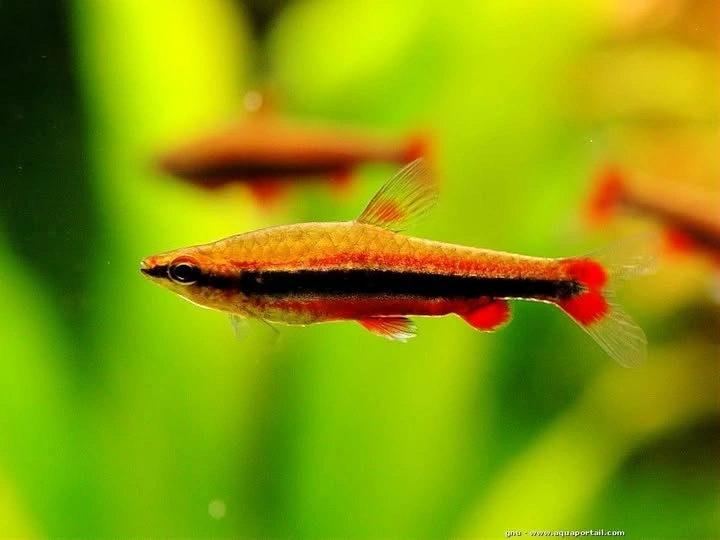
Golden Pencilfish
Nannostomus beckfordi
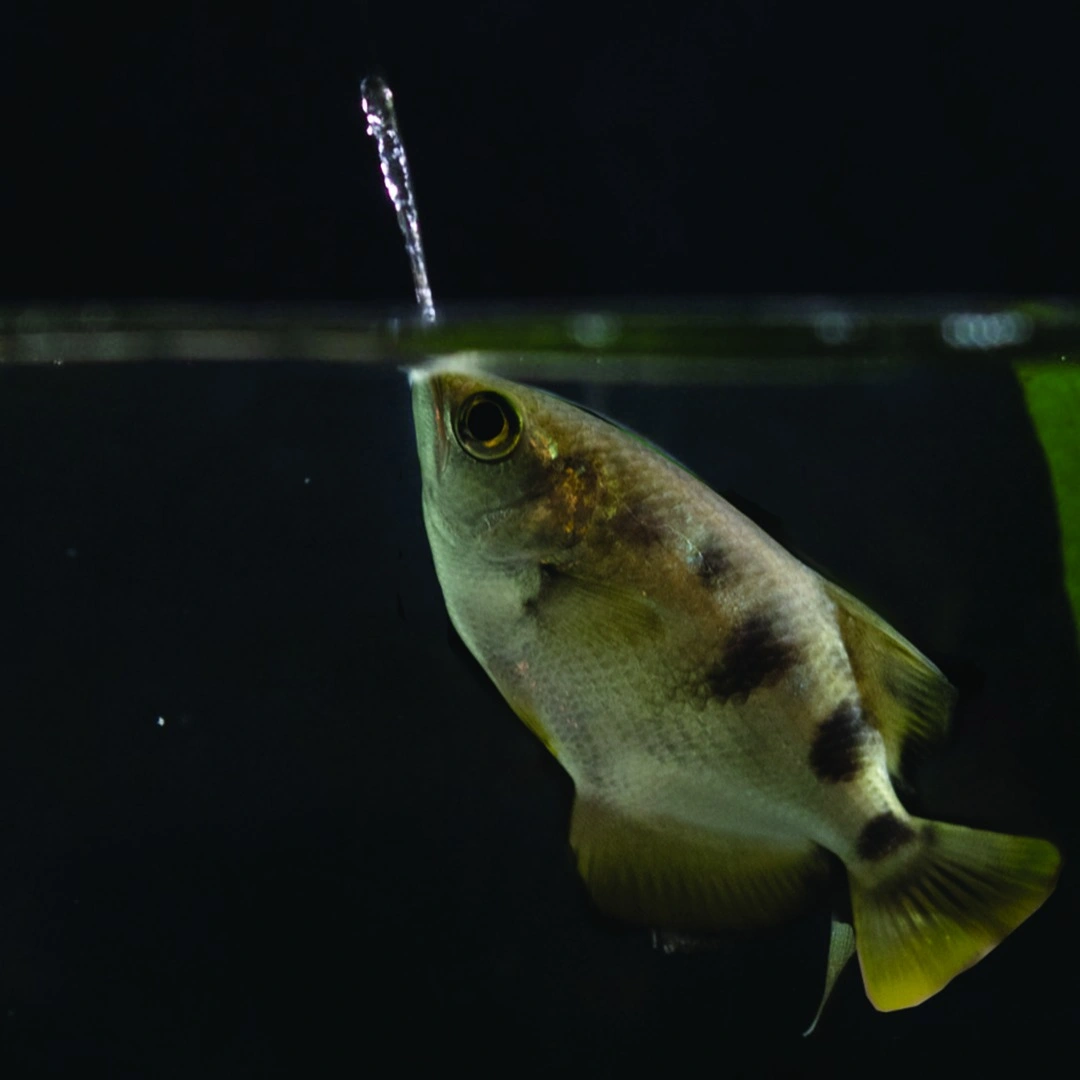
Archer Fish
Toxotes jaculatrix

Electric Blue Hap
Sciaenochromis fryeri
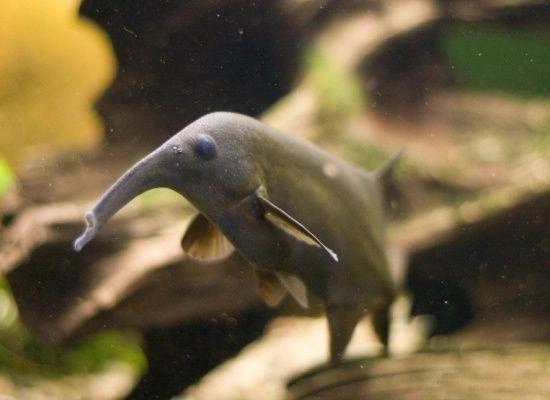
Elephant Nose Fish
Gnathonemus petersii
Kissing Gourami
Helostoma temminckii
Senegal Bichir
Polypterus senegalus

Severum
Heros efasciatus
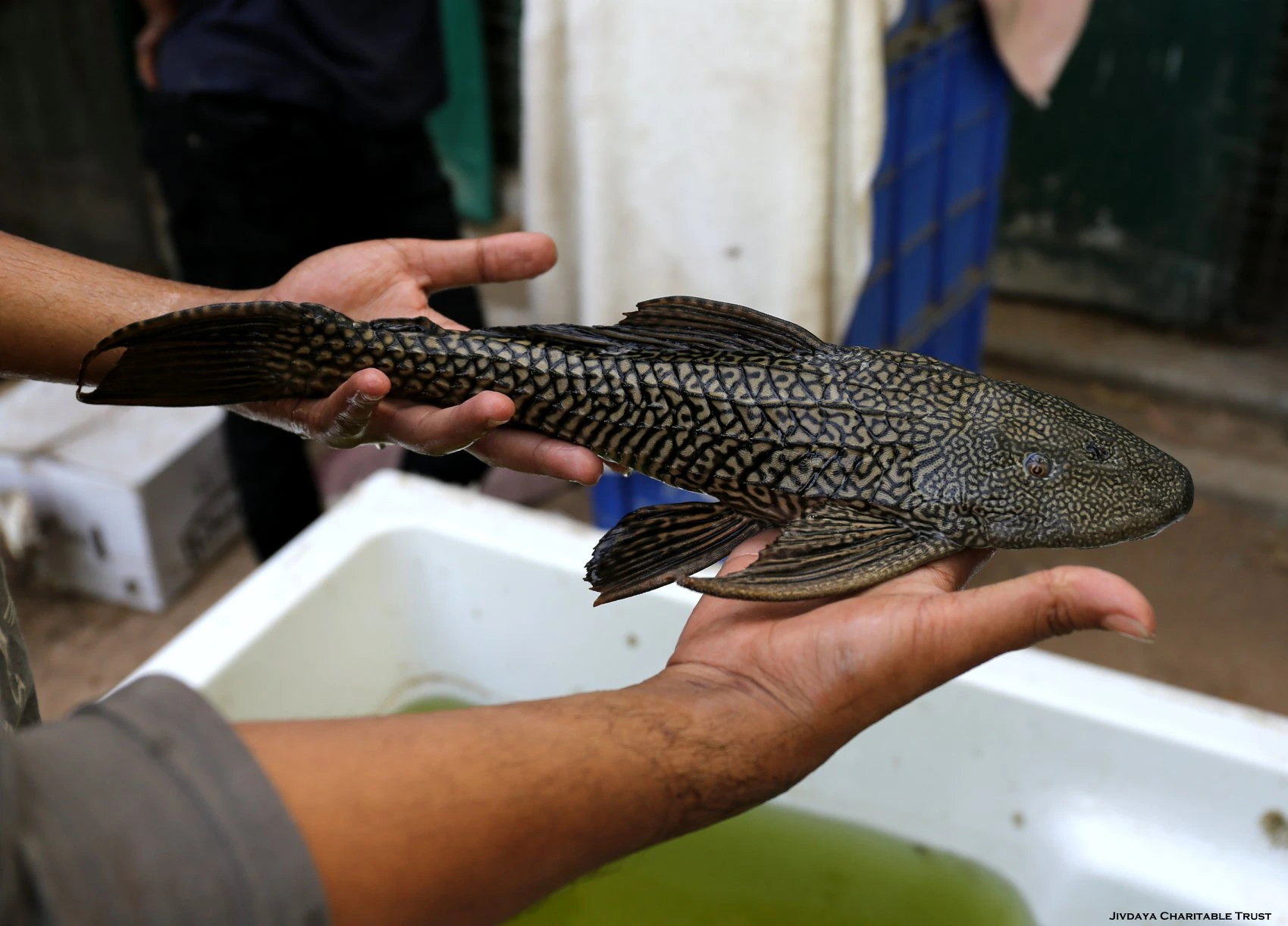
Common Pleco
Hypostomus plecostomus
Ready to Add Gold Nugget Pleco to Your Tank?
Use our free stocking calculator to check compatibility, bioload, and get personalized recommendations.