
Care Requirements
Adult Size
2.4" (6cm)
Min Tank
15 gal
Temperature
75-82°F
pH Range
5.5-7.5
Lifespan
3-5 years
Min Group
6+ fish
Diet
Omnivore
Swim Level
Middle
Bioload
1/10
Hardness
2-15 dGH
About Golden Pencilfish
Pencilfish earned their common name from their body shape and swimming posture — elongated, torpedo-like bodies held in a distinctly horizontal orientation as they hover in the water column. This horizontal stance, combined with their deliberate, unhurried movement, creates an elegant presence quite different from the darting behavior of typical small fish.
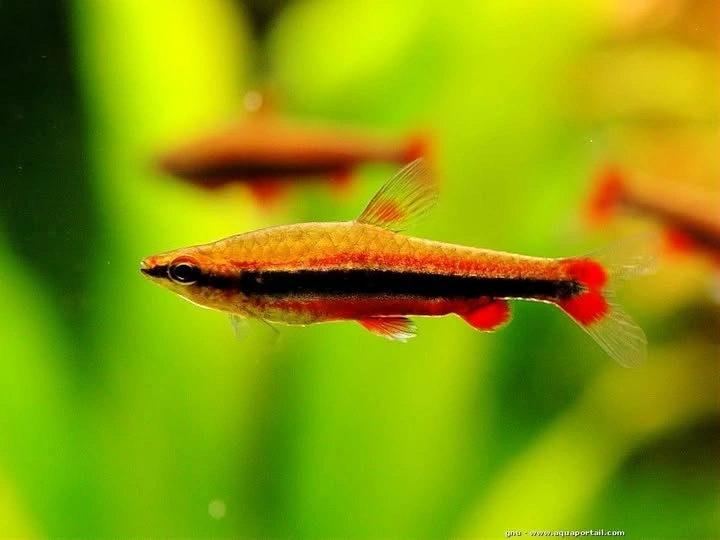
The Golden Pencilfish (Nannostomus beckfordi) is the most commonly available of approximately 20 Nannostomus species. Their golden-brown body displays a prominent dark lateral stripe running from snout to tail, with red accents on fins that intensify in mature males. They're attractive fish, but their appeal lies as much in behavior as coloration.
Their most fascinating feature is dramatic day/night color transformation. During daylight, they display their normal striped pattern. As darkness falls, this pattern fades and is replaced by dark vertical bars or blotches — a completely different appearance. This nocturnal pattern presumably provides camouflage against different predators active at night.
Pencilfish occupy a specific niche in community aquariums: peaceful, small fish that won't compete with aggressive feeders. This gentleness is both strength and weakness — they thrive in calm communities but struggle with boisterous tankmates that monopolize food and space.
Natural Habitat & Origin
Golden Pencilfish inhabit slow-moving waters across northern South America — the Amazon basin, Guyana, Suriname, and French Guiana. They occupy streams, flooded forest areas, and vegetated margins where current is minimal and cover is abundant.
Their natural habitat features soft, acidic water stained with tannins from decomposing vegetation. Dense plant growth and submerged wood provide shelter and foraging surfaces. Water movement is gentle to nearly still.
Wild diet consists primarily of small invertebrates, insect larvae, and microorganisms gleaned from surfaces and water column. They're micropredators hunting tiny prey items appropriate to their small mouths.
Their distribution across multiple countries and river systems suggests adaptability within their preferred habitat type, though they consistently occupy similar ecological niches: calm, vegetated, soft-water environments.
Native Region
South America — Amazon basin, Guyana, Suriname, French Guiana
Habitat Type
Slow streams, flooded forests, vegetated margins
Wild Water Conditions
Warm (24-28°C), soft, acidic, tannin-stained, minimal current
Appearance & Varieties
Golden Pencilfish display the characteristic Nannostomus body plan: elongated, torpedo-shaped, and laterally compressed with a pointed head. Adults reach approximately 2.5 inches (6 cm). Their body is held in a distinctive horizontal position — more rigidly horizontal than most fish.
Daytime coloration features a golden-brown to olive base color with a prominent dark horizontal stripe running from snout through the eye to the caudal peduncle. Fins show red coloration, particularly in males. Nighttime coloration differs dramatically — the horizontal stripe fades and is replaced by 2-3 dark vertical bars.
Sexing mature fish: males display more intense coloration, particularly red fin markings, and may be slimmer. Females are fuller-bodied when carrying eggs.
Popular Varieties
| Variety | Description | Rarity |
|---|---|---|
| Standard/Wild-Type | Golden-brown body with dark lateral stripe and red fin accents. The common form in trade. | Common |
| Red/Gold Enhanced | Selectively bred for intensified red and gold coloration. Sometimes marketed as 'Red Arc Pencilfish.' | Moderately Common |
Tank Setup & Requirements
Quick Requirements Summary
Tank Size
Minimum Tank Size
15 gallons
Recommended Tank Size
20 gallons
Pencilfish thrive in mature, planted tanks with minimal current. Setup should prioritize calm conditions and gentle tankmates over specific parameter targets.
Water Parameters
Temperature 24-28°C (75-82°F), pH 5.5-7.5 (prefer slightly acidic), hardness 2-15 dGH (prefer soft). Adaptable to moderate ranges but prefer the soft, acidic conditions of their native habitat. They thrive in blackwater setups with tannin-stained water.
Substrate
Dark substrates like black sand or fine gravel are ideal, as they enhance coloration through contrast. They don't interact specifically with substrate — choice is aesthetic.
Plants & Decorations
Driftwood, dense plants, and floating cover recreate their vegetated habitat. Driftwood releases tannins creating preferred conditions. Floating plants diffuse light and provide security. Dense planting creates territories and visual barriers. They won't damage plants.
Filtration & Water Flow
Gentle filtration is essential — minimal current required. Sponge filters are ideal. If using HOB or canister filters, baffle output to reduce flow. They're not strong swimmers and struggle in high-flow tanks.
Lighting
Subdued lighting suits them best. They prefer dimmer conditions matching tannin-stained native waters. Floating plants naturally reduce intensity. Bright lighting without shade stresses them and washes out coloration.
Diet & Feeding Guide
Diet Type
omnivore
Feeding Frequency
2-3 small feedings daily
Portion Size
Tiny amounts they consume in 1-2 minutes. Multiple small feedings work better than single large feedings.
Golden Pencilfish have small mouths requiring appropriately-sized foods. They're not aggressive feeders and may struggle to compete with more vigorous tankmates.
Best Foods for Golden Pencilfish
- Micro pellets and crushed flakes — Small foods appropriate for their mouths. Standard flakes should be crushed.
- Frozen baby brine shrimp and daphnia — Eagerly accepted and excellent nutrition. Frozen bloodworms may be too large.
- Live daphnia and micro worms — Trigger excellent feeding response and are ideal for conditioning.
- Vinegar eels and infusoria — Very small live foods appropriate for their tiny mouths.
Foods to Avoid
- Large foods — Their small mouths can't handle oversized pellets or whole bloodworms.
- Only surface feeding — They prefer mid-water feeding. Ensure food reaches their swimming level.
In community tanks, ensure food reaches them — they won't compete with aggressive feeders. Target feeding or spreading food across the tank helps.
Behavior & Temperament
Pencilfish behavior centers on their characteristic horizontal posture and deliberate movement. They hover in the water column, often tilted slightly nose-up or maintaining rigid horizontal orientation, moving with unhurried purpose.
They're loosely schooling fish — staying in groups but not moving in tight coordination. Groups establish subtle hierarchies with males displaying to each other through intensified coloration and fin spreading. These displays are gentle; actual combat is rare.
The day/night color transformation is their most remarkable behavior. As lighting dims, their lateral stripe fades and is replaced by vertical banding. The transformation reverses at dawn.
Their peaceful nature makes them vulnerable to boisterous tankmates. They won't compete for food against aggressive feeders and may be intimidated by hyperactive fish.
Tank Mates: Compatibility Guide
Compatible Tank Mates
Similarly peaceful, appropriate size, won't outcompete for food.
Peaceful bottom dwellers that won't compete for mid-water food.
Gentle, similar size, compatible water preferences.
Peaceful algae eaters that ignore pencilfish entirely.
Pencilfish are generally shrimp-safe — mouths too small for adult shrimp.
Small, peaceful gourami for similar calm setups.
Tank Mates to Avoid
Tiger Barb
Will outcompete for food and intimidate pencilfish with activity level.
Large or aggressive fish
Pencilfish are timid and become targets or hide constantly.
Fast, aggressive feeders
Pencilfish can't compete for food with vigorous eaters.
Hillstream Loach
Pencilfish need minimal flow; high-current setups stress them.
Common Pairing Questions
Are pencilfish good community fish?
Yes, but for specific calm communities with other small, peaceful fish. They struggle with boisterous tankmates.
Do pencilfish eat shrimp?
Adults are generally shrimp-safe — their small mouths can't consume adult dwarf shrimp. However, they may eat shrimplets.
Golden Pencilfish breeding is achievable with attention to water conditions. They're egg scatterers with no parental care. Soft, acidic water (pH 6.0-6.5) significantly improves egg viability. Spawning occurs among fine-leaved plants. Eggs hatch in 24-48 hours.
Health Issues & Disease Prevention
Golden Pencilfish are moderately hardy but more sensitive than robust tetras. Good water quality and stable conditions prevent most health issues.
Common Diseases
| Disease | Symptoms | Treatment |
|---|---|---|
| Ich | White spots on body and fins, scratching, clamped fins. | Raise temperature gradually to 82°F, add salt at 1 tbsp per 5 gallons. |
| Velvet | Gold-dust appearance, clamped fins, scratching, labored breathing. | Copper-based medication, dim lighting. Can be serious if not caught early. |
| Stress-related issues | Faded color, hiding, loss of appetite, susceptibility to other diseases. | Address environmental causes — water quality, tankmate aggression, inadequate cover. |
| Columnaris | White or gray patches, frayed fins, rapid decline. | Antibacterial medication. Often triggered by stress or poor conditions. |
Signs of a Healthy Golden Pencilfish
- Vivid coloration
- Horizontal posture
- Active feeding
- Normal day/night pattern
- Schooling behavior
Prevention Tips
- Maintain stable, clean water
- Provide adequate cover and dim lighting
- Keep with appropriate gentle tankmates
- Ensure food reaches them
- Avoid sudden parameter changes
Frequently Asked Questions
The day/night color transformation is an anti-predator adaptation. Different predators hunt by day versus night, and different camouflage patterns help avoid detection. This transformation is completely automatic and reliable — fish display it nightly throughout their lives.
The characteristic horizontal posture is typical of Nannostomus species, likely related to their ambush-hunting of tiny invertebrates. Hovering motionless in a horizontal position may help them approach prey or remain inconspicuous.
Groups of 6-10 minimum. They're social fish that display better behavior and coloration in groups. Males display to each other, enhancing color intensity. Single specimens often hide and show poor coloration.
Intermediate difficulty — not beginner fish but not especially demanding. They require attention to water quality, appropriate tankmates, and proper feeding. The main challenge is their gentle nature making them poor competitors.
Adults are generally shrimp-safe — their small mouths can't consume adult dwarf shrimp. However, they may eat shrimplets small enough to fit in their mouths. Provide dense plant cover for shrimplet survival.
Tips for Keeping Golden Pencilfish
Pro Tips
- ✓Blackwater setups bring out their best — adding Indian almond leaves or driftwood enhances coloration and reduces stress.
- ✓Watch the day/night color transformation under moonlight or dim blue lighting.
- ✓Feed multiple times in small amounts — their small mouths and non-competitive style means multiple small feedings work better.
- ✓Floating plants reduce stress and bring out better color and more confident behavior.
Common Mistakes to Avoid
- ✗Keeping with aggressive or boisterous fish — outcompeted for food, stressed, hiding constantly.
- ✗Strong water current — exhausted fish fighting flow.
- ✗Bright lighting without cover — faded colors and stress.
- ✗Feeding only large foods — unable to eat, malnutrition.
- ✗Keeping singly or in pairs — shy, poor coloration, hiding.
Sources
- FishBase — Accepted scientific name, maximum size and native range for Golden Pencilfish.
Related Species You Might Like
View All Fish →
Golden Wonder Killifish
Aplocheilus lineatus
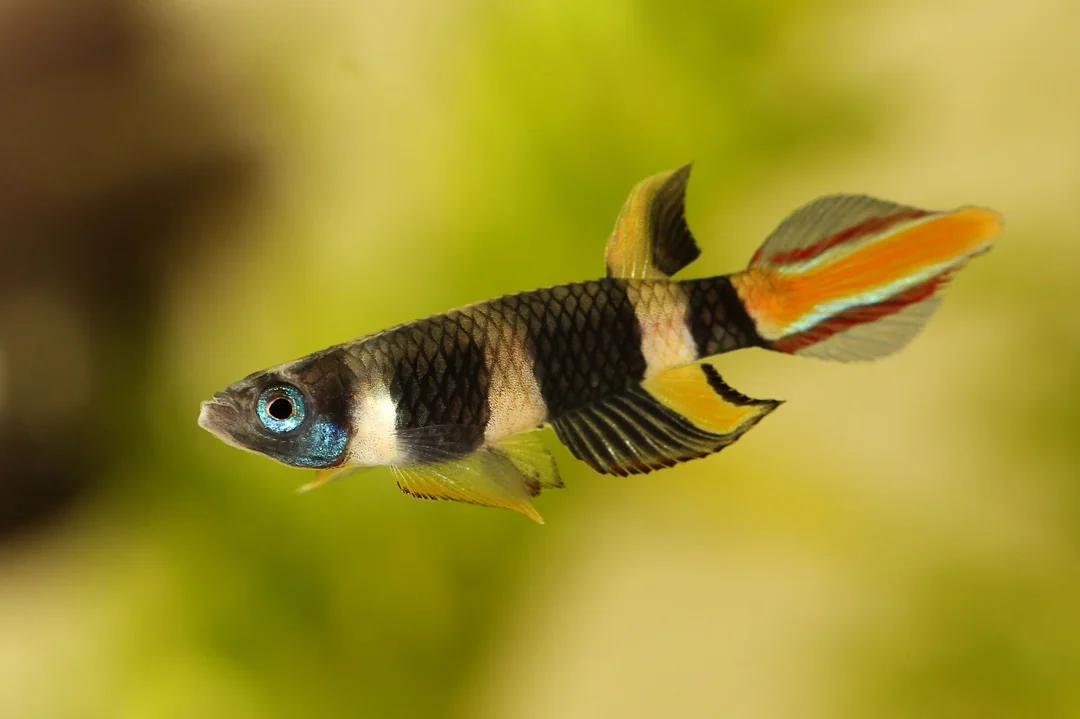
Clown Killifish
Epiplatys annulatus
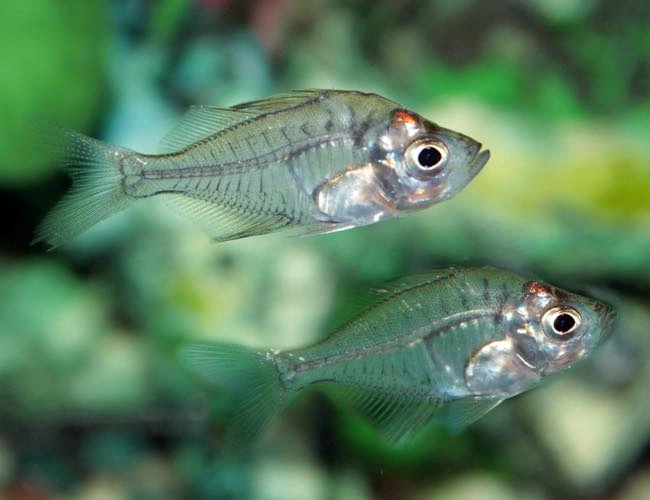
Indian Glassfish
Parambassis ranga
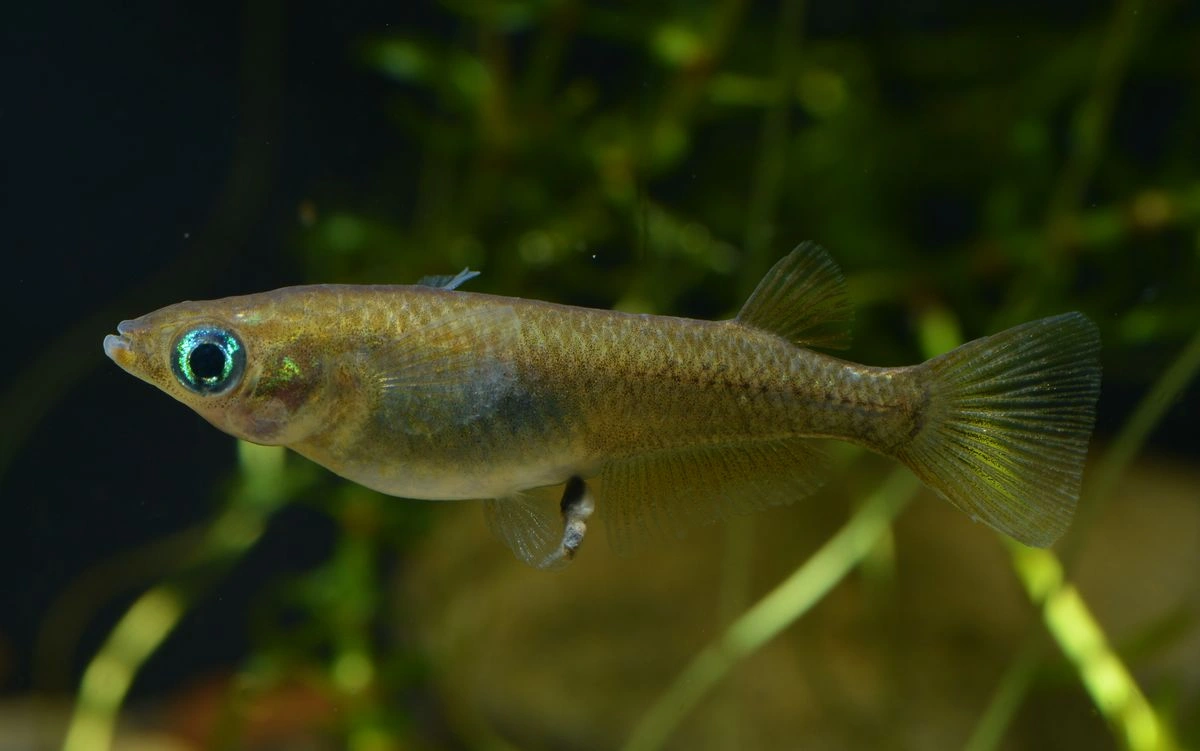
Japanese Rice Fish
Oryzias latipes
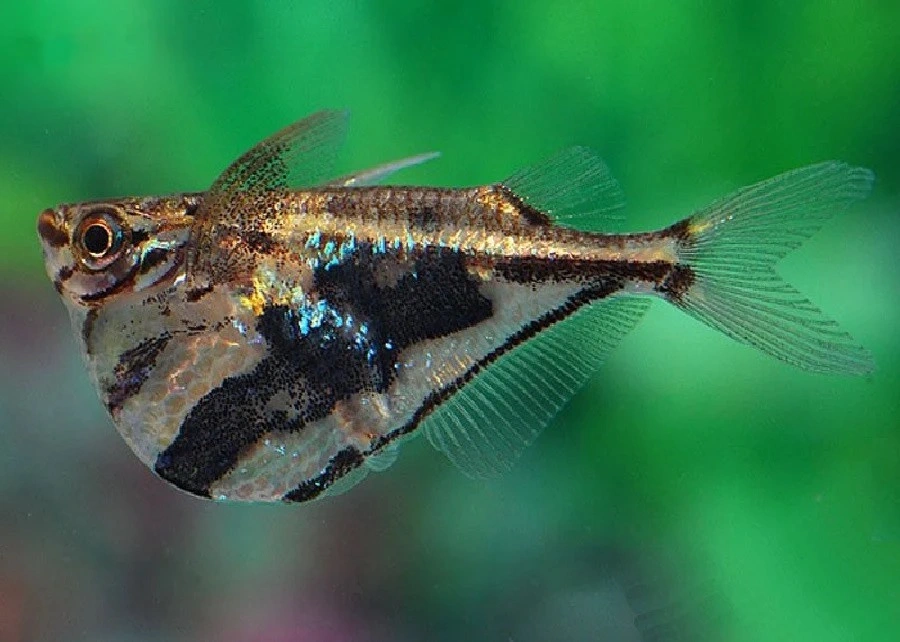
Marbled Hatchetfish
Carnegiella strigata
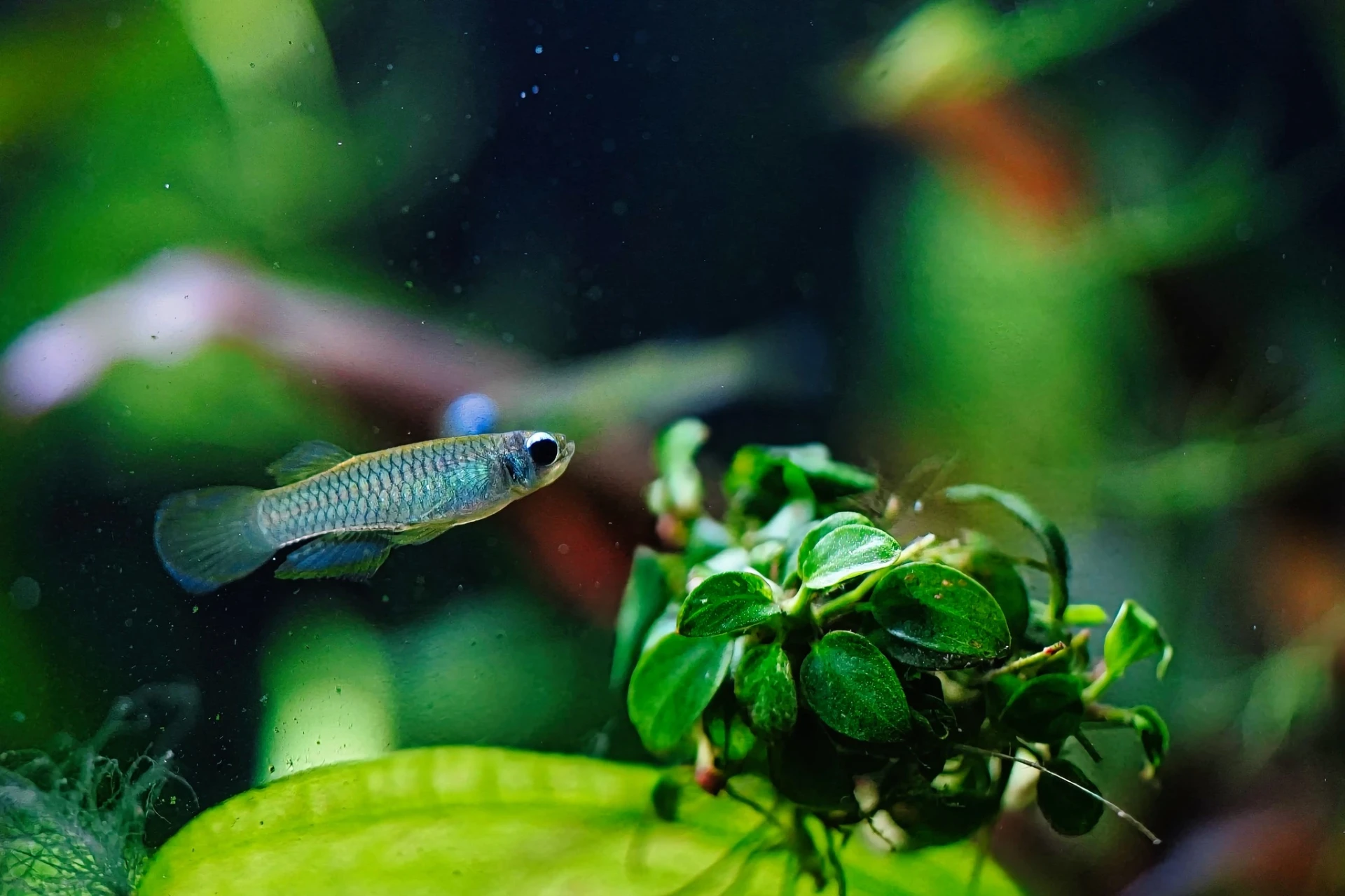
Norman's Lampeye
Poropanchax normani
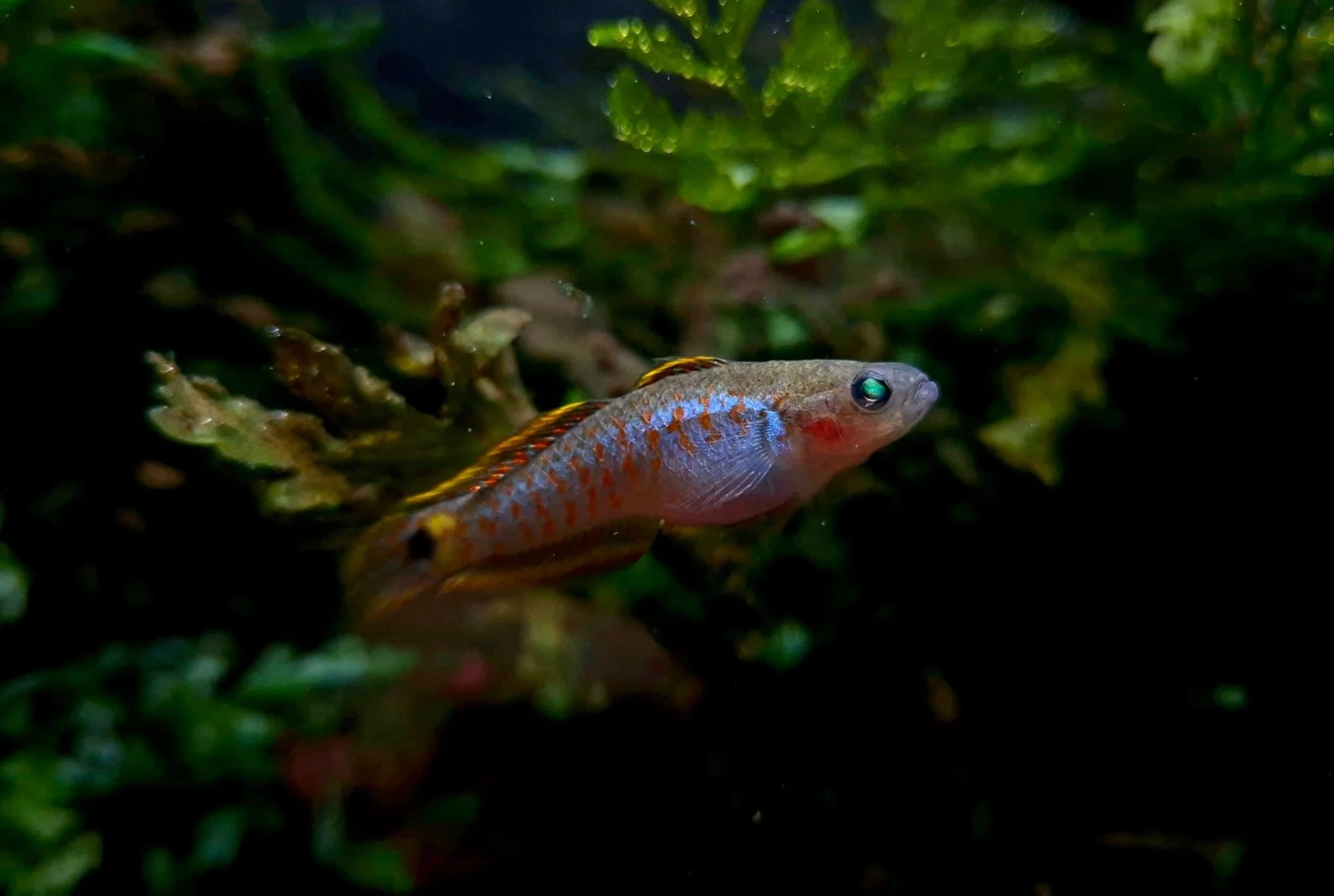
Peacock Gudgeon
Tateurndina ocellicauda
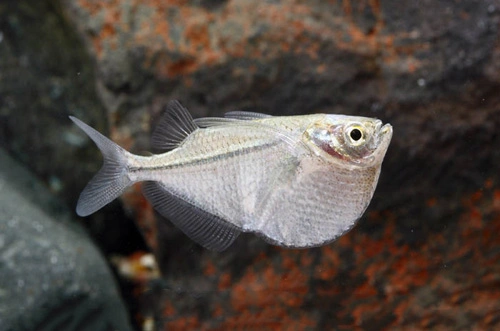
Silver Hatchetfish
Gasteropelecus sternicla
Ready to Add Golden Pencilfish to Your Tank?
Use our free stocking calculator to check compatibility, bioload, and get personalized recommendations.