
Care Requirements
Adult Size
3.1" (8cm)
Min Tank
20 gal
Temperature
68-86°F
pH Range
7-8.5
Lifespan
3-5 years
Min Group
6+ fish
Diet
Carnivore
Swim Level
Middle
Bioload
1/10
Hardness
8-20 dGH
About Indian Glassfish
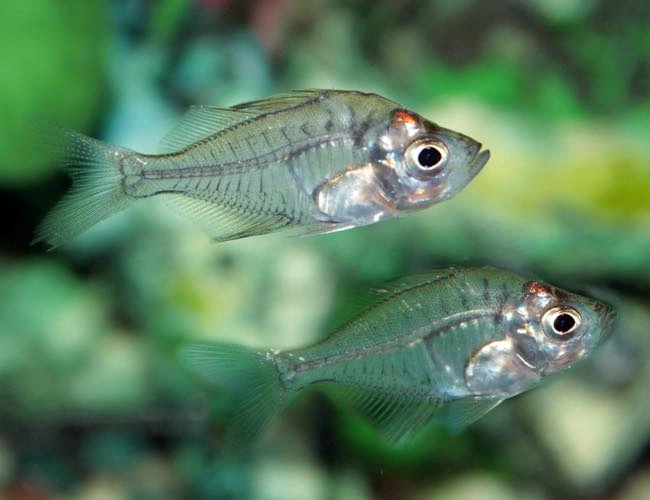
The Indian Glassfish possesses one of nature's most remarkable adaptations — near-complete transparency allowing visible observation of their skeleton, swim bladder, and internal organs. This glass-like body provides camouflage in their native waters, making them nearly invisible to predators. In aquariums, it creates a fascinating fish whose internal workings are displayed with every movement.
Unfortunately, this transparency enabled one of the aquarium hobby's cruelest practices: dye injection. For decades, artificially colored 'painted' or 'disco' glassfish appeared in stores — fish injected with fluorescent dyes creating unnatural pink, blue, green, or yellow colors. This process causes significant suffering, immune suppression, shortened lifespan, and increased disease susceptibility. NEVER PURCHASE DYED GLASSFISH.
Natural Indian Glassfish are genuinely beautiful without artificial enhancement. Their transparency reveals anatomical details impossible to see in other fish. Males develop golden-yellow edging on fins and subtle blue iridescence when mature. Watching their organs function — heart beating, food passing through digestive tract — provides biological education alongside aesthetic appreciation.
Contrary to persistent myths, Indian Glassfish don't require brackish water. They DO prefer harder, more alkaline water than many tropical fish — a requirement often overlooked when they're sold alongside soft-water species.
Natural Habitat & Origin
Indian Glassfish inhabit standing and slow-moving freshwater across South and Southeast Asia — India, Bangladesh, Myanmar, Thailand, Malaysia, Nepal, and Pakistan. They occupy a vast range including rivers, lakes, ponds, reservoirs, and flooded areas.
Despite the persistent myth that they need brackish water, wild populations are predominantly freshwater. Some populations occur in estuarine areas with variable salinity, explaining their salt tolerance, but they're not brackish-water obligates.
Their native waters tend toward harder, more alkaline conditions than the soft, acidic environments many tropical fish prefer. Matching their actual requirements improves health and longevity.
Wild diet consists primarily of small invertebrates, insect larvae, and zooplankton. Their transparent bodies may serve multiple functions: camouflage and potentially aiding predation by reducing visual signature to prey.
Native Region
South and Southeast Asia — India, Bangladesh, Myanmar, Thailand, Malaysia, Nepal, Pakistan
Habitat Type
Standing and slow-moving freshwater — rivers, lakes, ponds, flooded areas
Wild Water Conditions
Warm (20-30°C), hard, alkaline (NOT brackish despite myths)
Appearance & Varieties
Indian Glassfish bodies are nearly transparent — you can see their skeleton, swim bladder, and internal organs clearly. Adults reach approximately 3 inches (8 cm) with a compressed, somewhat diamond-shaped body profile. Their dorsal fin is divided into two sections.
Males in breeding condition develop yellow-gold edging on dorsal and anal fins with subtle blue iridescence. Females remain plainer with fuller bodies.
DYED SPECIMENS show unnatural fluorescent colors that look obviously artificial. These colors are injected under the skin and cause suffering. If a glassfish looks fluorescent, DON'T BUY IT.
Popular Varieties
| Variety | Description | Rarity |
|---|---|---|
| Natural/Wild-Type | Transparent body with visible skeleton and organs. Males show yellow fin edges and blue iridescence in breeding condition. The only ethical variety. | Common |
| Dyed/Painted (AVOID) | Artificially colored through dye injection. Fluorescent pink, blue, green, or yellow. NEVER PURCHASE — cruel practice causing suffering and shortened lifespan. | Unfortunately still common — demand only natural fish |
Tank Setup & Requirements
Quick Requirements Summary
Tank Size
Minimum Tank Size
20 gallons
Recommended Tank Size
30 gallons
Indian Glassfish thrive in hard, alkaline freshwater — not the soft, acidic conditions or brackish water often recommended. Setup should reflect their actual requirements.
Water Parameters
Temperature 20-30°C (68-86°F), pH 7.0-8.5, hardness 8-20 dGH. Prefer HARD, ALKALINE water — contrary to common advice. They do NOT require salt, despite myths about brackish requirements. Hard freshwater is optimal.
Substrate
Any substrate works — sand or gravel. No specific requirements. Choose based on aesthetic preference or tankmate needs.
Plants & Decorations
Provide some structure and cover while maintaining open swimming areas. Plants provide cover and territory definition. Choose hard-water tolerant species: Vallisneria, Java Fern, Anubias. They don't damage plants. Moderate decoration levels work well.
Filtration & Water Flow
Good filtration maintains water quality. They tolerate moderate current — not requiring still water. Standard community filtration works well.
Lighting
Moderate lighting — no special requirements. Shows off their transparency well. They're not light-sensitive.
Diet & Feeding Guide
Diet Type
carnivore
Feeding Frequency
2-3 times daily, small amounts
Portion Size
Small amounts they consume within a few minutes. They may be shy feeders initially. Live foods help establish feeding response in reluctant fish.
Indian Glassfish are carnivores primarily eating small invertebrates. They can be reluctant feeders initially but adapt to aquarium foods with patience.
Best Foods for Indian Glassfish
- Live daphnia and brine shrimp — Most readily accepted, especially for reluctant feeders. Excellent conditioning food.
- Frozen bloodworms and daphnia — Usually accepted after acclimation. May require initial training.
- High-quality micro pellets — May be accepted by established specimens. Not always reliable initially.
- Mosquito larvae — Eagerly accepted natural food — highly nutritious.
Foods to Avoid
- Large foods — Their mouths are relatively small. Food items must be appropriately sized.
- Plant-based foods only — They're carnivores requiring protein. Vegetable-based diets are insufficient.
Wild-caught or new specimens may refuse prepared foods initially. Live daphnia or brine shrimp establish feeding response. Once eating confidently, they usually transition to frozen foods.
Behavior & Temperament
Indian Glassfish are peaceful schooling fish that thrive in groups. They hover in the water column, maintaining loose schools while exploring their environment. Their transparent bodies create a unique visual effect when schools move together.
Male behavior includes displaying to females through fin spreading and intensified coloration. Dominant males show the most vivid yellow fin edges and blue iridescence. These displays are gentle; actual fighting is rare.
They can be initially shy but become bolder given time and appropriate conditions. Boisterous tankmates may intimidate them.
Their most fascinating aspect is simply existing with transparency — watching hearts beat, food pass through digestive tracts, and swim bladders adjust buoyancy.
Tank Mates: Compatibility Guide
Compatible Tank Mates
Share preference for harder water. Active but not aggressive.
Platies share hard water preference. Peaceful community fish.
Non-nippy barbs make good companions. Similar activity level.
Peaceful bottom dwellers leaving mid-water to glassfish.
Appropriately-sized, non-aggressive cichlids can share hard water setups.
Tank Mates to Avoid
Aggressive fish
They're peaceful and retreat from aggression. Bullying causes chronic stress.
Tiger Barb
May be intimidated, outcompeted for food, or stressed by activity.
Soft-water species
Water parameter mismatch. Their hard water preference conflicts with soft-water species.
Large predatory fish
Small enough to be eaten by medium-large predators.
Small shrimp
May eat dwarf shrimp. Not reliably shrimp-safe.
Common Pairing Questions
Do Indian Glassfish need brackish water?
No — this is a persistent myth. They prefer hard, alkaline freshwater.
How can I tell if glassfish are dyed?
Dyed glassfish show unnatural fluorescent colors. Natural glassfish are transparent with no bright colors except subtle male breeding dress.
Indian Glassfish breeding is achievable in home aquariums. Males develop yellow-gold fin edges; females are plainer with fuller bodies. Spawning occurs among fine-leaved plants. Eggs hatch in 24-48 hours. Fry are transparent like adults.
Health Issues & Disease Prevention
Natural Indian Glassfish are reasonably hardy when water parameters match their preferences. Dyed specimens have compromised immune systems. Health management depends critically on obtaining undyed fish.
Common Diseases
| Disease | Symptoms | Treatment |
|---|---|---|
| Ich | White spots on body and fins, scratching, clamped fins. | Raise temperature to 82°F, add salt. Their transparency makes spots very visible. |
| Dye-related illness (dyed fish only) | Fading color, disease susceptibility, organ failure, premature death. | No treatment — dye damage is irreversible. NEVER purchase dyed fish. |
| Bacterial infections | Fin rot, cloudy appearance, body sores. | Improve water quality, antibacterial medication. |
| Internal parasites (wild-caught) | Wasting despite eating, stringy feces. | Anti-parasitic medication. Quarantine wild-caught specimens. |
| Stress-related decline | Hiding, refusing food, susceptibility to other diseases. | Address environmental causes: water parameters, tankmate aggression, inadequate schooling numbers. |
Signs of a Healthy Indian Glassfish
- Clear transparency
- Active schooling
- Good appetite
- Male breeding colors visible
- Alert behavior
Prevention Tips
- NEVER buy dyed specimens
- Provide hard, alkaline water
- Keep in groups of 6+
- Avoid aggressive tankmates
- Quarantine wild-caught fish
Frequently Asked Questions
Dyed glassfish show unnatural fluorescent colors — bright pink, blue, green, or yellow that look obviously artificial. Natural glassfish are transparent with no bright colors except subtle yellow fin edges in breeding males. NEVER purchase dyed fish.
Dye injection causes significant suffering, immune suppression, increased disease susceptibility, and shortened lifespan. Fish are injected with dye using needles, often without anesthesia. Purchasing them creates demand for this cruel practice.
No — this is a persistent myth. Wild populations are predominantly freshwater. They DO prefer hard, alkaline freshwater — a requirement often overlooked.
Their transparency is a natural camouflage adaptation. The lack of pigmentation allows light to pass through. You can see their skeleton, swim bladder, organs, and even food passing through their digestive system.
Intermediate difficulty. The main challenges are obtaining undyed specimens, providing appropriate hard/alkaline water, and establishing feeding. In appropriate conditions, natural specimens are reasonably hardy.
Hard, alkaline freshwater: pH 7.0-8.5, hardness 8-20 dGH. This contradicts common advice. Matching their actual requirements significantly improves health and longevity.
Tips for Keeping Indian Glassfish
Pro Tips
- ✓DEMAND UNDYED FISH — ask stores specifically. Your purchasing choices influence stocking decisions.
- ✓House with hard-water species like livebearers and rainbowfish.
- ✓Start with live foods for reluctant feeders — live daphnia establishes feeding response.
- ✓Their transparency reveals health information — you can literally see their organs for diagnosis.
Common Mistakes to Avoid
- ✗Buying dyed fish — supporting cruelty while getting an unhealthy fish.
- ✗Providing soft, acidic water — chronic stress from inappropriate parameters.
- ✗Adding salt unnecessarily — following the brackish myth.
- ✗Keeping singly or in pairs — stress from inadequate schooling.
- ✗Expecting immediate feeding on flakes — start with live/frozen foods.
Sources
- FishBase — Accepted scientific name, maximum size and native range for Indian Glassfish.
Related Species You Might Like
View All Fish →
Iridescent Shark
Pangasianodon hypophthalmus
Clown Killifish
Epiplatys annulatus
Golden Pencilfish
Nannostomus beckfordi
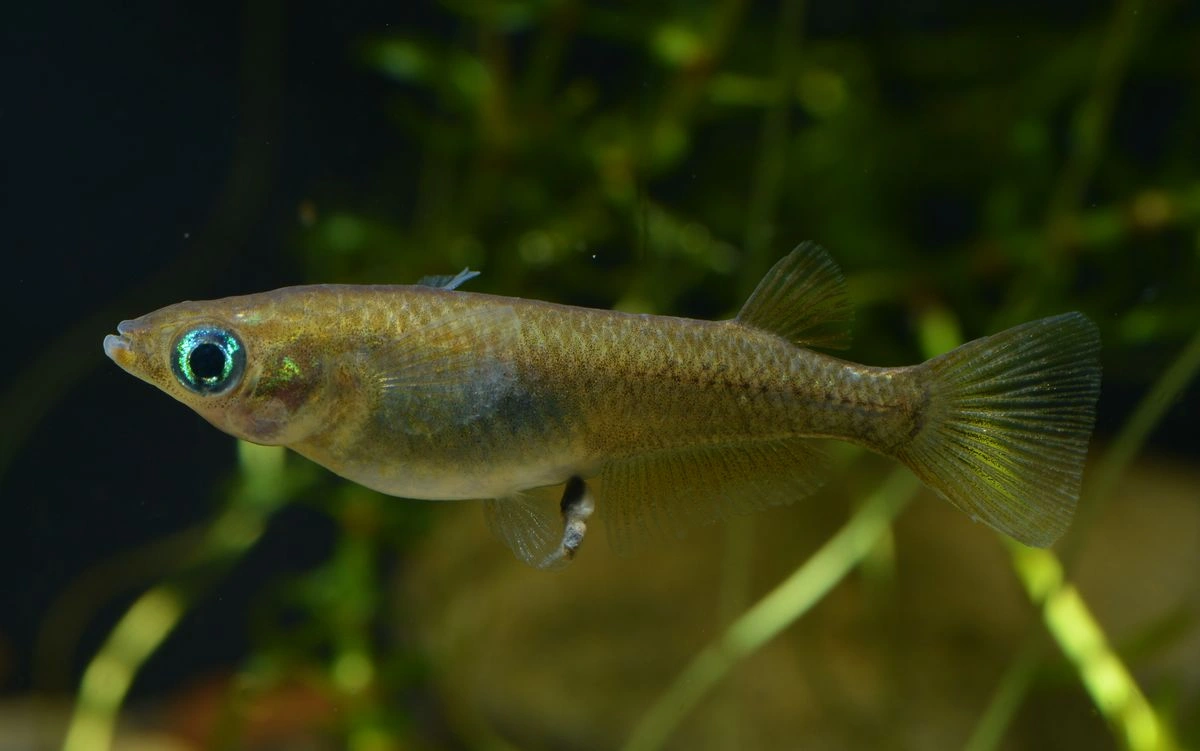
Japanese Rice Fish
Oryzias latipes
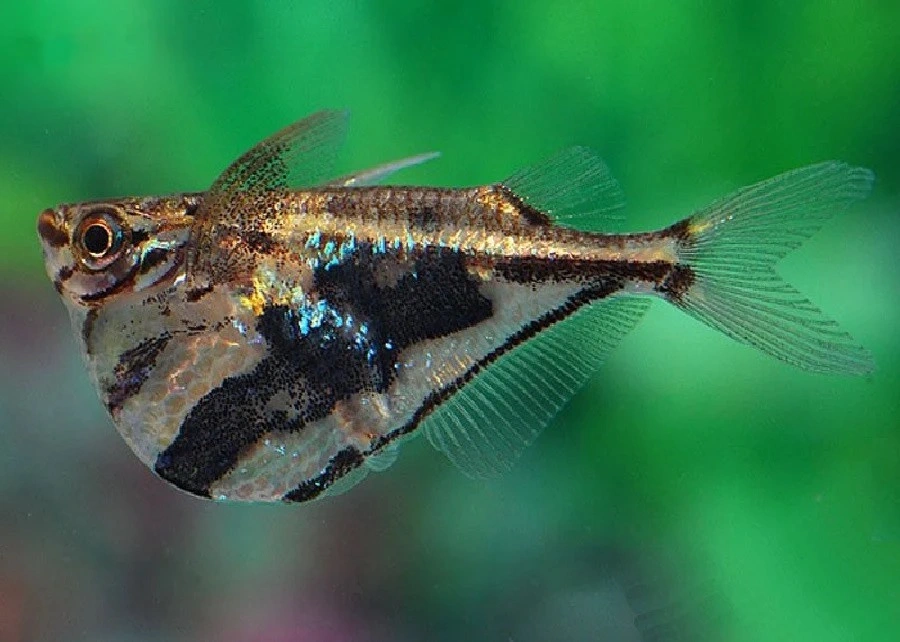
Marbled Hatchetfish
Carnegiella strigata
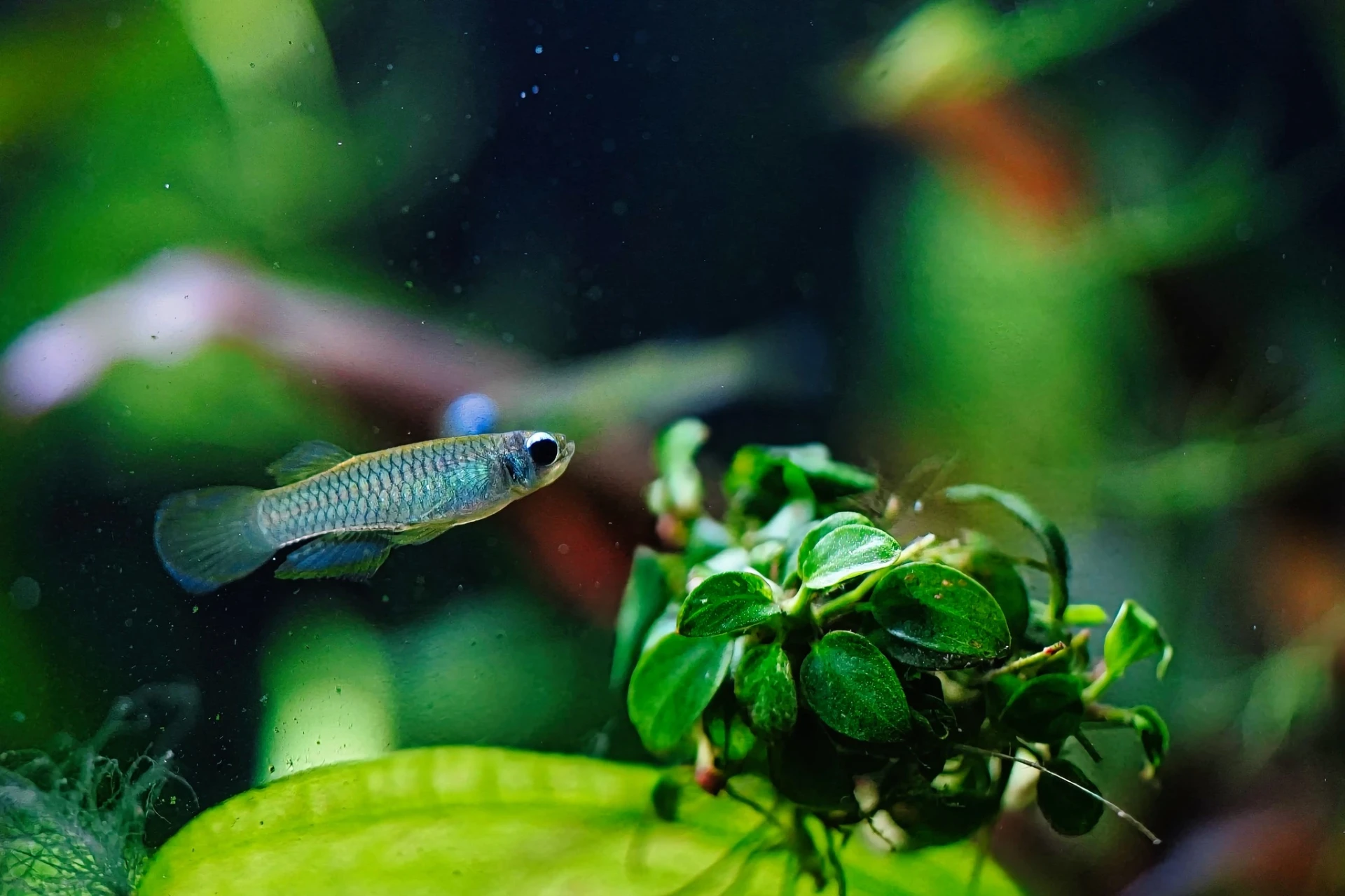
Norman's Lampeye
Poropanchax normani
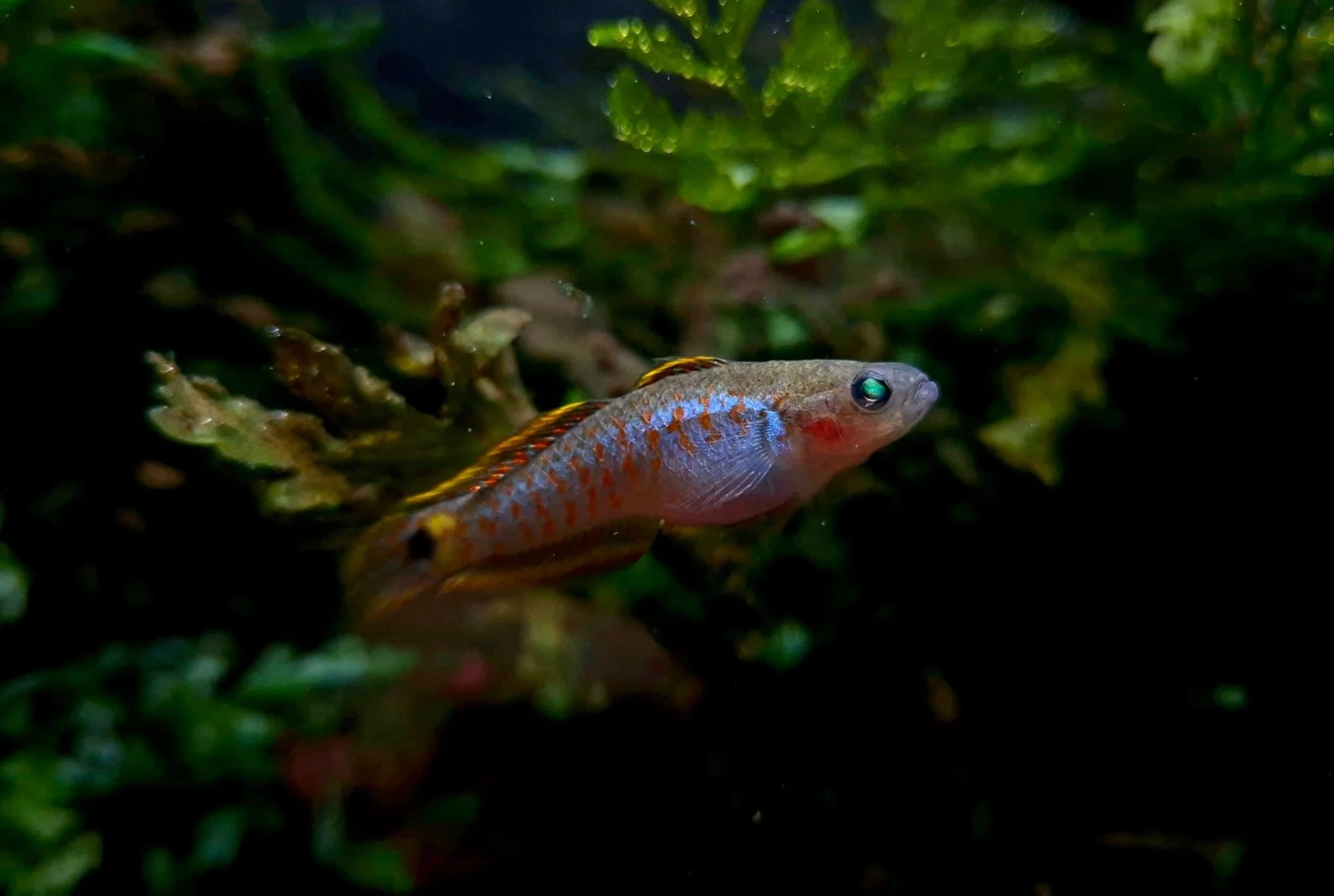
Peacock Gudgeon
Tateurndina ocellicauda
Silver Hatchetfish
Gasteropelecus sternicla
Ready to Add Indian Glassfish to Your Tank?
Use our free stocking calculator to check compatibility, bioload, and get personalized recommendations.