
Care Requirements
Adult Size
1.6" (4cm)
Min Tank
10 gal
Temperature
72-79°F
pH Range
6.5-7.5
Lifespan
3-4 years
Min Group
8+ fish
Diet
Carnivore
Swim Level
Top
Bioload
1/10
Hardness
5-15 dGH
About Norman's Lampeye
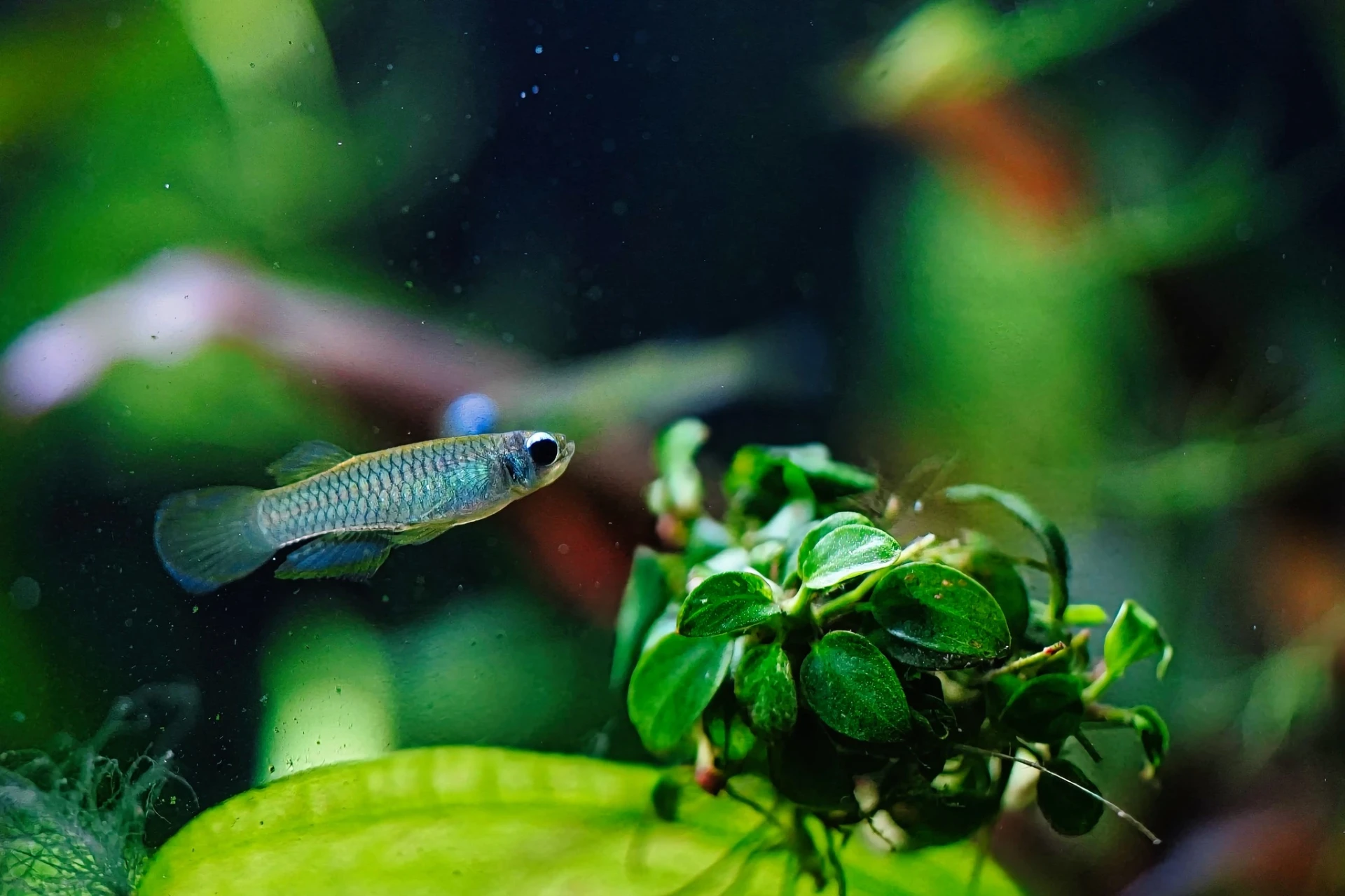
Norman's Lampeye is named for its most striking feature — eyes that appear to glow electric blue. The iridescent patches on their eyes catch light and shimmer brilliantly, creating an effect like tiny floating lights in the aquarium. In a darkened room with proper lighting, a school of Lampeyes is genuinely magical.
These tiny killifish reach only 1.5 inches (4cm) and are delicate, peaceful fish that do best with their own kind or extremely calm tankmates. They school loosely, spending time in the upper water column where their glowing eyes are most visible. Their translucent bodies make the eye effect even more dramatic.
Lampeyes require careful attention to water quality and feeding. They're not difficult fish, but they're not throw-them-in-any-tank fish either. Their small size means tiny foods, and their delicate nature means no aggressive tankmates. Meeting their needs produces stunning results; ignoring their needs produces dead fish.
For aquarists wanting something unusual and beautiful, Norman's Lampeyes offer a unique display. A properly set up Lampeye tank — dim lighting, dark substrate, floating plants — showcases those glowing eyes spectacularly.
Natural Habitat & Origin
Norman's Lampeyes inhabit slow-moving streams, swamps, and forest pools across West and Central Africa, from Nigeria through Cameroon. These are typically shaded, calm waters with abundant vegetation and soft, slightly acidic conditions.
They live in the upper water column, feeding on tiny insects and invertebrates. The forest canopy creates dappled lighting conditions that likely make their eye glow an effective display to conspecifics.
This habitat shapes their aquarium needs: soft water, minimal current, floating plants for security, and dim lighting that shows off their most distinctive feature.
Native Region
West and Central Africa — Nigeria to Cameroon
Habitat Type
Shaded forest streams, swamps, and pools
Wild Water Conditions
Soft, slightly acidic (pH 6.5-7.0), warm, slow-moving
Appearance & Varieties
Norman's Lampeyes have small, slender, somewhat translucent bodies — but their eyes are the feature that matters. Iridescent blue-green patches above each eye catch light and appear to glow, creating the 'lamp' effect that names them.
The body is subtle — pale brown to olive with slight iridescence. Males may show hints of color in fins. At just 1.5 inches (4cm), they're tiny fish easily overlooked except for those remarkable eyes.
Sexing is difficult. Males may be slightly slimmer with marginally more color in fins, but differences are subtle.
Popular Varieties
| Variety | Description | Rarity |
|---|---|---|
| Standard/Wild-Type | Translucent body with brilliant blue glowing eyes. The only available form. Eye brightness varies with lighting conditions and fish health. | Uncommon |
Tank Setup & Requirements
Quick Requirements Summary
Tank Size
Minimum Tank Size
10 gallons
Recommended Tank Size
15 gallons
Norman's Lampeye tanks should be designed to showcase their glowing eyes while meeting their need for calm conditions. Darker setups with proper lighting make the eye effect most dramatic.
Water Parameters
Prefer soft, slightly acidic water. Temperature 22-26°C (72-79°F), pH 6.5-7.5, hardness 5-15 dGH. Pristine water quality is important; they're sensitive to ammonia and nitrite.
Substrate
Dark substrate recommended — makes their glowing eyes pop dramatically. Black sand or dark gravel creates the best visual contrast.
Plants & Decorations
Floating plants are important for security and light diffusion. Fine-leaved plants like Java Moss provide additional cover. Dense planting helps them feel secure. Driftwood creates natural aesthetics.
Filtration & Water Flow
They need calm water — strong current stresses them. Sponge filters are ideal. Prioritize biological filtration and gentle flow.
Lighting
Their eye glow is most visible in dimmer conditions. Floating plants naturally diffuse lighting. Harsh, bright lighting washes out the effect. Some keepers use moonlight LEDs specifically to showcase the glowing eyes.
Diet & Feeding Guide
Diet Type
carnivore
Feeding Frequency
2-3 times daily in small amounts
Portion Size
Tiny amounts in the upper water column. Multiple small feedings suit their feeding style.
Norman's Lampeyes are micro-predators requiring small foods. Their tiny mouths limit what they can eat, and they feed primarily in the upper water column. Live and frozen foods produce best health and coloration.
Best Foods for Norman's Lampeye
- Baby brine shrimp — Ideal food — appropriately small and readily accepted. Should be a staple.
- Daphnia (small) — Good size and nutritious. Live daphnia float in the upper water column.
- Micro worms — Tiny live food perfect for small mouths. Easy to culture at home.
- Crushed high-quality flakes — Many Lampeyes accept finely crushed flakes. Not all individuals eat dry foods.
- Cyclops — Tiny crustacean appropriate for their small mouths. Available frozen.
Foods to Avoid
- Large foods — Their mouths are tiny. Standard-sized foods are simply too big.
- Sinking foods only — Upper-column feeders that won't chase food to the bottom.
- Competition with aggressive feeders — Slow, delicate feeders easily outcompeted.
Ensure all fish in the school get food. Multiple small feedings spread throughout the day work best.
Behavior & Temperament
Norman's Lampeyes are peaceful schooling fish that spend time in the upper water column. They school loosely rather than tightly, drifting together while maintaining individual spacing. The effect is a constellation of glowing eyes moving gently through the tank.
Males may display to each other with subtle fin spreading, but aggression is minimal. They're genuinely peaceful fish. Their delicate nature means aggressive fish easily bully them.
They're not particularly shy when comfortable, but stress from poor conditions or aggressive tankmates drives them into hiding.
Tank Mates: Compatibility Guide
Compatible Tank Mates
Other Norman's Lampeyes
Best kept in species groups of 8+. Creates the best display.
Bottom dwellers that won't compete for upper-column food.
Peaceful algae eaters in a different tank zone.
Lampeyes are small enough to be shrimp-safe.
Tank Mates to Avoid
Active or boisterous fish
Stress delicate Lampeyes with their activity.
Larger fish
May view tiny Lampeyes as food or intimidate them.
Aggressive feeders
Outcompete Lampeyes for food.
Any aggressive species
Lampeyes are too delicate for any aggression.
Common Pairing Questions
Are Norman's Lampeyes shrimp safe?
Yes — they're small enough to pose no threat to adult shrimp. One of the more reliably shrimp-safe fish available.
Can Norman's Lampeyes live with Bettas?
Not ideal — Bettas may see them as competitors for surface space and harass them. Lampeyes are too delicate for any aggression.
Norman's Lampeyes can breed in aquariums, depositing eggs among fine-leaved plants or spawning mops over extended periods. They're egg scatterers without parental care. Spawning occurs regularly in well-conditioned groups. Eggs hatch in 10-14 days. Fry are tiny and require infusoria initially.
Health Issues & Disease Prevention
Norman's Lampeyes are somewhat delicate fish sensitive to water quality and stress. They're not fragile when conditions are right, but they decline quickly when conditions are wrong.
Common Diseases
| Disease | Symptoms | Treatment |
|---|---|---|
| Velvet (Oodinium) | Gold or rust-colored dust on body, clamped fins, rapid breathing. | Dim lights, raise temperature slightly, treat with copper-based medication. Velvet spreads quickly. |
| Ich (White Spot Disease) | Small white spots on body and fins, flashing against objects. | Raise temperature to 28°C gradually. Use commercial ich medication. |
| Stress-Related Decline | Fading colors, hiding, loss of appetite. | Address stressors — water quality, aggressive tankmates, inadequate groups, strong current. |
| Starvation | Sunken belly, faded color, lethargy despite available food. | Ensure food is small enough and reaches them. Separate from competitive feeders if necessary. |
Signs of a Healthy Norman's Lampeye
- Bright glowing eyes
- Active schooling
- Good appetite
- Clear body
- Intact fins
- Alert behavior
Prevention Tips
- Maintain excellent water quality
- Keep in groups of 8+ for security
- Provide calm water with minimal current
- Feed small, appropriate foods
- Avoid aggressive or boisterous tankmates
- Include floating plants for security
Frequently Asked Questions
For the glowing iridescent patches on their eyes. These patches catch light and appear to glow electric blue, creating the effect of tiny lamps. The effect is most visible in dimmer lighting conditions.
Proper lighting conditions — dimmer ambient light with angled light catching their eyes. Dark substrate provides contrast. Good health and nutrition also affect brightness.
Intermediate difficulty. They need specific conditions — soft water, minimal current, small foods, calm tankmates — but aren't difficult once requirements are met.
Groups of 8 or more. They're schooling fish that display best behavior and feel most secure in larger groups.
Yes — like most killifish, they can jump. Lids are important, though they're less notorious jumpers than some killifish species.
Yes — they're small enough to pose no threat to adult shrimp. One of the more reliably shrimp-safe fish available.
Not recommended. They're schooling fish that become stressed without conspecifics. Keep groups of 8+ for normal behavior.
Tips for Keeping Norman's Lampeye
Pro Tips
- ✓Dark substrate makes the eye glow pop — black sand or dark gravel transforms their display from subtle to stunning.
- ✓Dim lighting shows their best feature — many keepers use moonlight LEDs or low settings.
- ✓Species tanks often work best — their specific requirements are easiest to meet in dedicated tanks.
- ✓Buy groups together for best acclimation — groups purchased together adjust better than individuals added over time.
Common Mistakes to Avoid
- ✗Keeping in bright, high-flow tanks — stressed fish that don't display their best feature.
- ✗Keeping too few — they need groups of 8+ to feel secure.
- ✗Mixing with aggressive or boisterous fish — bullied Lampeyes decline quickly.
- ✗Feeding foods too large — their tiny mouths can't handle standard-sized foods.
- ✗Light substrate diminishing eye effect — dark substrate makes a huge difference.
Sources
- FishBase — Accepted scientific name, maximum size and native range for Norman's Lampeye.
Related Species You Might Like
View All Fish →
OB Peacock
Aulonocara sp. 'OB'
Clown Killifish
Epiplatys annulatus
Golden Pencilfish
Nannostomus beckfordi
Indian Glassfish
Parambassis ranga
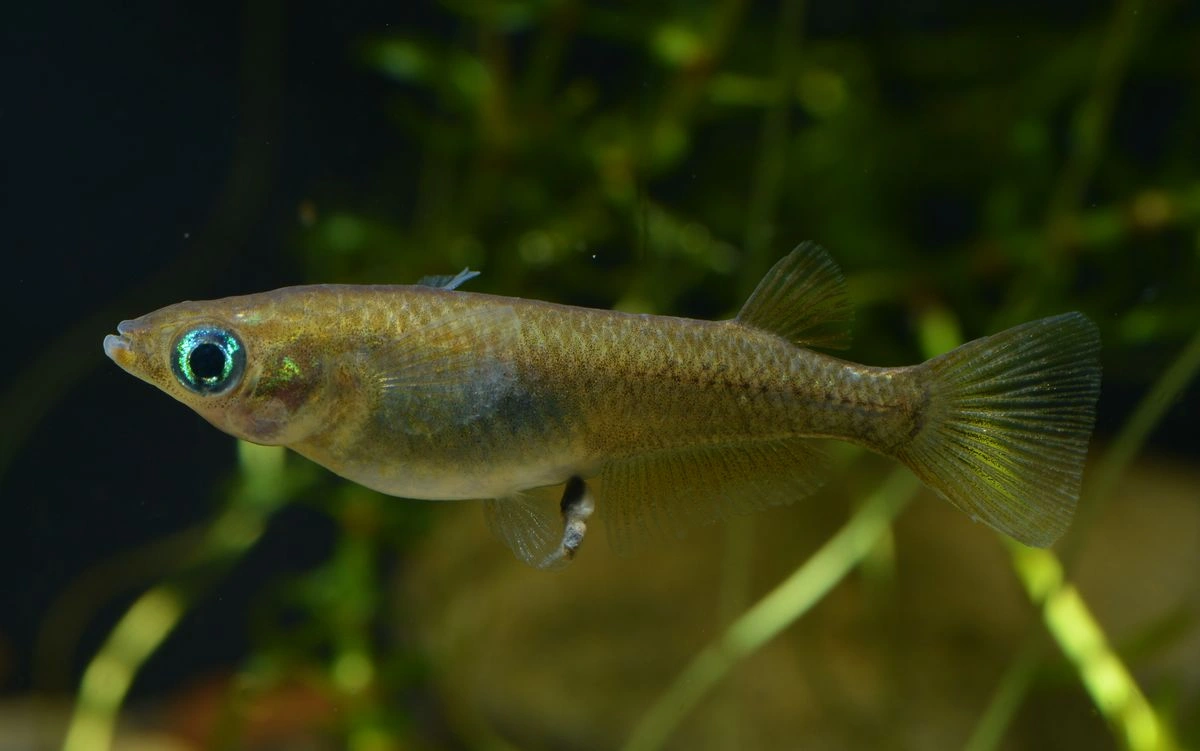
Japanese Rice Fish
Oryzias latipes
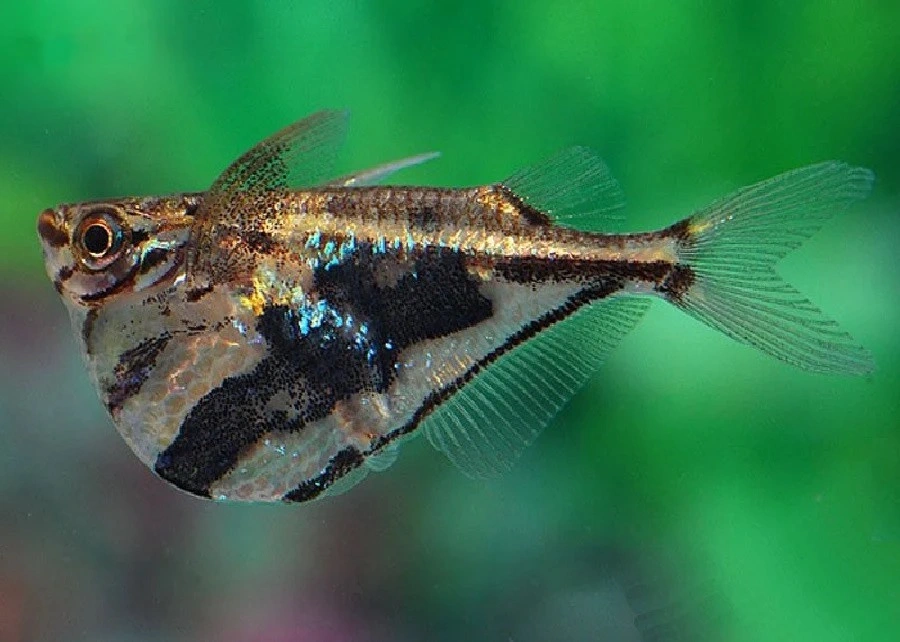
Marbled Hatchetfish
Carnegiella strigata
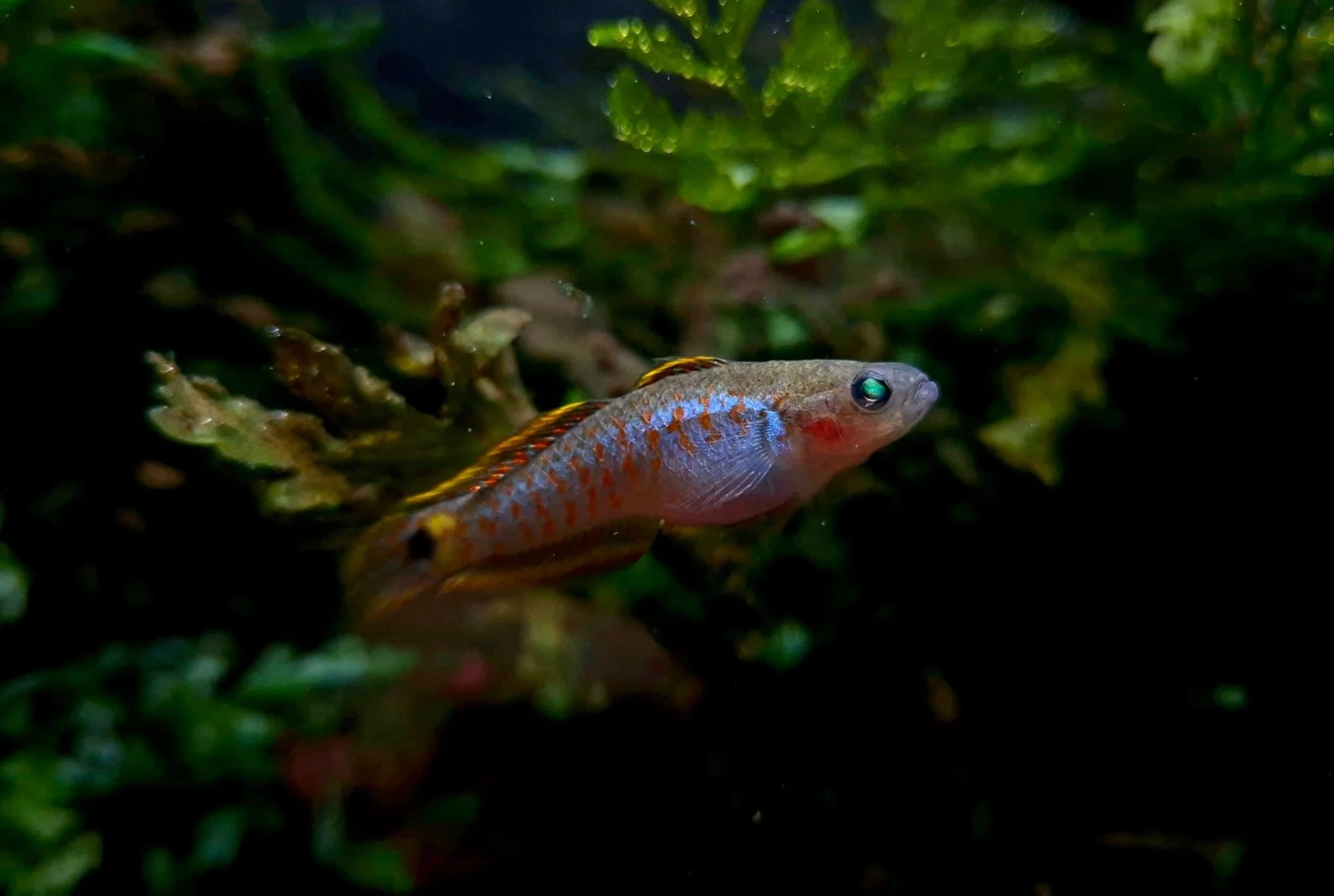
Peacock Gudgeon
Tateurndina ocellicauda
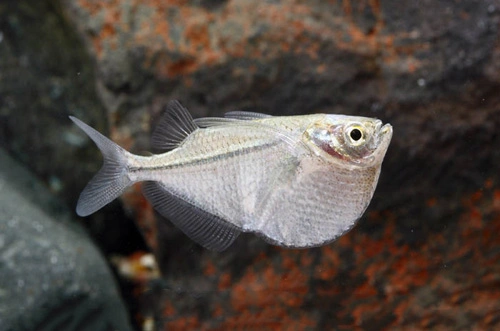
Silver Hatchetfish
Gasteropelecus sternicla
Ready to Add Norman's Lampeye to Your Tank?
Use our free stocking calculator to check compatibility, bioload, and get personalized recommendations.