
Care Requirements
Adult Size
1.0" (2.5cm)
Min Tank
15 gal
Temperature
72-79°F
pH Range
6-7.5
Lifespan
3-5 years
Min Group
8+ fish
Diet
Omnivore
Swim Level
Middle
Bioload
1/10
Hardness
2-12 dGH
About Pygmy Corydoras
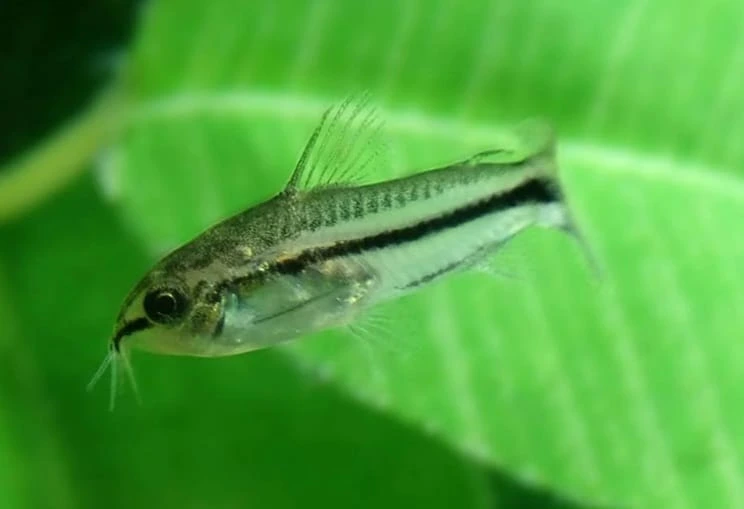
The Pygmy Corydoras is one of the most delightful nano fish available—a tiny catfish that breaks all the rules of typical corydoras behavior. While most corys stay glued to the bottom, pygmies form active mid-water schools, swimming through the tank like tiny, whiskered tetras.
What makes pygmy corys particularly appealing is their combination of catfish charm and active schooling behavior. At just 1 inch (2.5 cm) fully grown, they're perfect for nano tanks where larger corydoras would be too big. They shoal tightly together, rest on plant leaves mid-tank, and create constant activity throughout the water column.
Despite their tiny size, pygmy corydoras are hardy and easy to keep. They're excellent companions for dwarf shrimp (completely shrimp-safe), small tetras, and other nano fish. Their unique mid-water behavior makes them stand out from other corydoras species.
Natural Habitat & Origin
Pygmy Corydoras are native to the Madeira River basin in Brazil, where they inhabit slow-moving tributaries and flooded forest areas. These waters feature sandy substrates, abundant leaf litter, and dense vegetation that provides cover and foraging opportunities.
Their natural habitat explains their preference for planted tanks with sand substrate and gentle water flow. Unlike larger corydoras that stay exclusively on the bottom, pygmies have adapted to utilize the mid-water column, likely to exploit food sources and avoid competition with larger bottom dwellers.
Native Region
South America (Madeira River basin, Brazil)
Habitat Type
Slow-moving tributaries and flooded forest areas
Wild Water Conditions
Warm (72-79°F), soft, slightly acidic, tannin-stained water
Appearance & Varieties
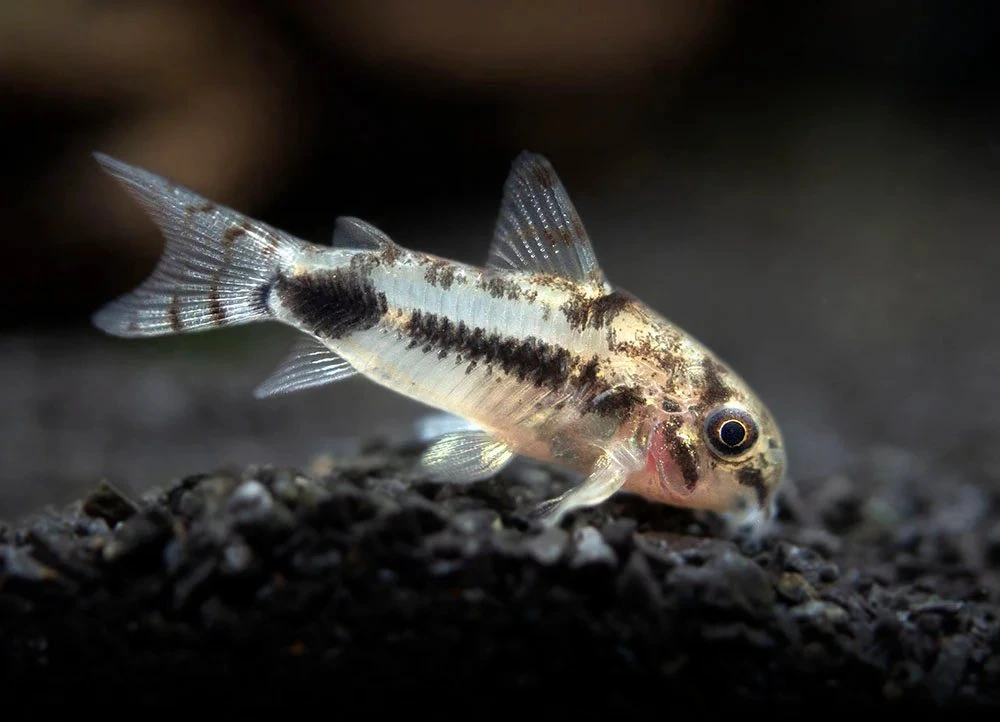
Pygmy Corydoras are tiny catfish reaching only about 1 inch (2.5 cm)—significantly smaller than common corydoras species. They have the typical corydoras shape with armored body plates, but in miniature form.
Their most distinctive feature is a bold black horizontal stripe running from the snout through the eye to the tail base, with a lighter stripe above it. The body is silvery-gray to olive. Like all corydoras, they have barbels around the mouth used for detecting food.
Females are slightly larger and rounder than males when viewed from above, especially when carrying eggs. Their tiny size and active mid-water swimming distinguish them from other dwarf corys like Habrosus (spotted, bottom-dwelling) and Hastatus (tail spot, also mid-water swimmer).
Tank Setup & Requirements
Quick Requirements Summary
Tank Size
Minimum Tank Size
15 gallons
Recommended Tank Size
15 gallons
Pygmy Corydoras thrive in well-planted nano tanks with gentle water flow. Unlike larger corys, they utilize the mid-water column heavily, so vertical space and plant leaves for resting are important.
Water Parameters
Temperature between 72-79°F (22-26°C), pH 6.0-7.5, and soft to moderate hardness (2-15 dGH). They appreciate stable, mature tanks and are sensitive to ammonia and nitrite spikes.
Substrate
Fine sand is strongly recommended—their tiny barbels are delicate and can be damaged by rough gravel. Sand also allows natural foraging behavior.
Plants & Decorations
Dense planting is essential—it provides security and resting spots. Broad-leaved plants like Anubias give them surfaces to rest on mid-tank. Java moss, Java fern, and Cryptocorynes all work well. Driftwood and leaf litter add natural hiding spots.
Filtration & Water Flow
Gentle flow is important—sponge filters are ideal. Strong currents stress these tiny fish. The filter should turn over water without creating powerful currents.
Lighting
Moderate to subdued lighting reduces stress and makes them bolder. Floating plants help diffuse light.
Diet & Feeding Guide
Diet Type
omnivore
Feeding Frequency
1-2x daily
Portion Size
Small amounts they consume in 2-3 minutes
Pygmy Corydoras are omnivores that feed on small invertebrates, worms, and organic matter in the wild. Unlike typical bottom-feeding corys, they actively catch falling food in mid-water.
Best Foods for Pygmy Corydoras
- Micro pellets — Small enough for their tiny mouths—staple diet
- Crushed flakes — Must be crushed very fine for small mouths
- Frozen baby brine shrimp — Excellent protein source, readily accepted
- Frozen cyclops — Perfect size for these tiny fish
- Frozen daphnia — Good variety, promotes natural feeding behavior
- Live baby brine shrimp — Ideal live food for conditioning
Foods to Avoid
- Large pellets — Mouths are tiny—food must be very small
- Only sinking foods — They feed mid-water too, not just on bottom
Unlike larger corys, pygmies actively swim mid-water and catch falling food. Use very small foods—they have tiny mouths. Multiple small feedings work better than one large one. They'll also graze on biofilm and micro-organisms between feedings.
Behavior & Temperament
Pygmy Corydoras display unique behavior among corydoras species—they're mid-water schoolers rather than strict bottom dwellers. They form tight shoals that move through the tank together, resting on plant leaves and decorations at all levels.
In proper groups (10+), they're bold, active, and constantly visible. Smaller groups tend to hide more. They occasionally dart to the surface to gulp air, which is normal corydoras behavior.
Their mid-water swimming, tight schooling, and leaf-resting behavior make them more visually active than typical corydoras. They're one of the most entertaining nano fish to watch.
Tank Mates: Compatibility Guide
Compatible Tank Mates
Similar size and peaceful nature
Perfect nano tank companion
Completely shrimp safe—excellent pairing
Peaceful algae eater, similar requirements
Active nano fish companion
Peaceful, gentle companion
Peaceful schooling fish
Tank Mates to Avoid
Large fish
May eat or stress tiny pygmies
Aggressive species
Will harass and stress them
Fast aggressive feeders
Will outcompete pygmies for food
Boisterous tankmates
Too active and stressful
Common Pairing Questions
Can Pygmy Corydoras live with shrimp?
Absolutely! They're completely shrimp safe—one of the best fish for shrimp tanks. They ignore shrimp of all sizes, including shrimplets, and make excellent companions for cherry shrimp colonies.
What's the difference between Pygmy, Habrosus, and Hastatus Corydoras?
All three are 'dwarf corys' but differ: Pygmaeus swims mid-water and has a horizontal stripe. Habrosus stays on bottom with spotted pattern. Hastatus swims mid-water like pygmaeus but has a tail spot instead of body stripe.
Can I keep Pygmy Corydoras with regular Corydoras?
Yes, but they won't school together. Pygmies swim mid-water while regular corys stay on the bottom. They can coexist in the same tank but occupy different niches.
Breeding Pygmy Corydoras is achievable in home aquariums with proper conditions. They're egg depositors that use the classic corydoras T-position spawning.
Condition adults with protein-rich foods and maintain a group of at least 6 fish. Cool water changes (2-3°C below tank temperature) often trigger spawning by simulating the rainy season. Females carry eggs in their pelvic fin pouch and deposit them on plants, glass, and decorations—about 20-50 eggs per spawning.
Eggs hatch in 3-5 days. Fry are tiny and need infusoria or vinegar eels initially, graduating to baby brine shrimp. Dense java moss helps fry survive by providing cover and microorganism growth.
Health Issues & Disease Prevention
Pygmy Corydoras are generally hardy once established. Their main vulnerabilities are barbel damage from rough substrate and stress from inadequate group sizes.
Common Diseases
| Disease | Symptoms | Treatment |
|---|---|---|
| Ich | White spots, lethargy | Raise temperature slowly, medication at half dose |
| Bacterial infections | Red patches, fin erosion | Clean water, antibacterial treatment |
| Barbel erosion | Shortened or missing barbels | Switch to fine sand substrate, pristine water quality |
| Internal parasites | Weight loss, abnormal behavior | Antiparasitic medication, quarantine |
Signs of a Healthy Pygmy Corydoras
- Active swimming in mid-water
- Tight schooling behavior
- Good appetite
- Clear eyes
- Intact, healthy barbels
- Plump body shape
Prevention Tips
- Use fine sand substrate—gravel damages their delicate barbels
- Keep in groups of 6+, ideally 10-15 for best behavior
- Maintain stable, clean water conditions
- Provide gentle water flow—avoid strong currents
- Quarantine new fish for 2-3 weeks
- Feed appropriately sized foods for their tiny mouths
Frequently Asked Questions
All three are 'dwarf corys' but differ: Pygmaeus swims mid-water and has a horizontal stripe. Habrosus stays on bottom with spotted pattern. Hastatus swims mid-water like pygmaeus but has a tail spot instead of body stripe.
Strongly recommended. Their tiny barbels are delicate and can be damaged by rough gravel. Fine sand lets them exhibit natural foraging behavior safely.
Minimum 6, ideally 10-15+. They're highly social and much bolder in larger groups. Small groups often hide; large groups actively swim in the open.
This is normal and unique to this species. Unlike most corydoras that stay on bottom, pygmies actively shoal in mid-water. It's one of their most appealing behaviors.
Yes—they're perfect for nano tanks! A 10-gallon tank can house a nice school. Their small size and active behavior make them ideal nano tank inhabitants.
Tips for Keeping Pygmy Corydoras
Pro Tips
- ✓Buy 10+ at once—large groups are dramatically bolder and more visible
- ✓They're perfect for nano tanks where regular corys are too large
- ✓Unlike other corys, they actively catch falling food mid-water
- ✓Planted tanks with java moss let you raise fry with parents
- ✓Excellent companions for shrimp tanks—completely shrimp safe
- ✓Cool water changes often trigger breeding behavior
- ✓They rest on plant leaves mid-tank—provide broad-leafed plants
Common Mistakes to Avoid
- ✗Keeping in groups smaller than 6—they need schools
- ✗Gravel substrate—damages their delicate barbels
- ✗Expecting them to stay on the bottom like other corys
- ✗Keeping with large or boisterous tankmates
- ✗Strong water flow—they prefer gentle currents
- ✗Not providing enough plant cover
- ✗Using only sinking foods—they feed mid-water too
Sources
- FishBase — Accepted scientific name, maximum size and native range for Pygmy Corydoras.
Related Species You Might Like
View All Fish →
Pygmy Sunfish
Elassoma spp.
Adolfo's Corydoras
Corydoras adolfoi
Bronze Corydoras
Corydoras aeneus
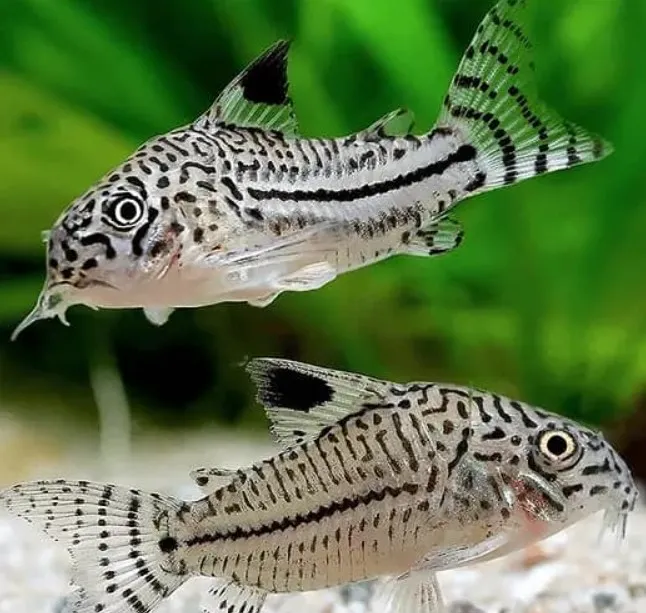
Corydoras Julii
Corydoras julii
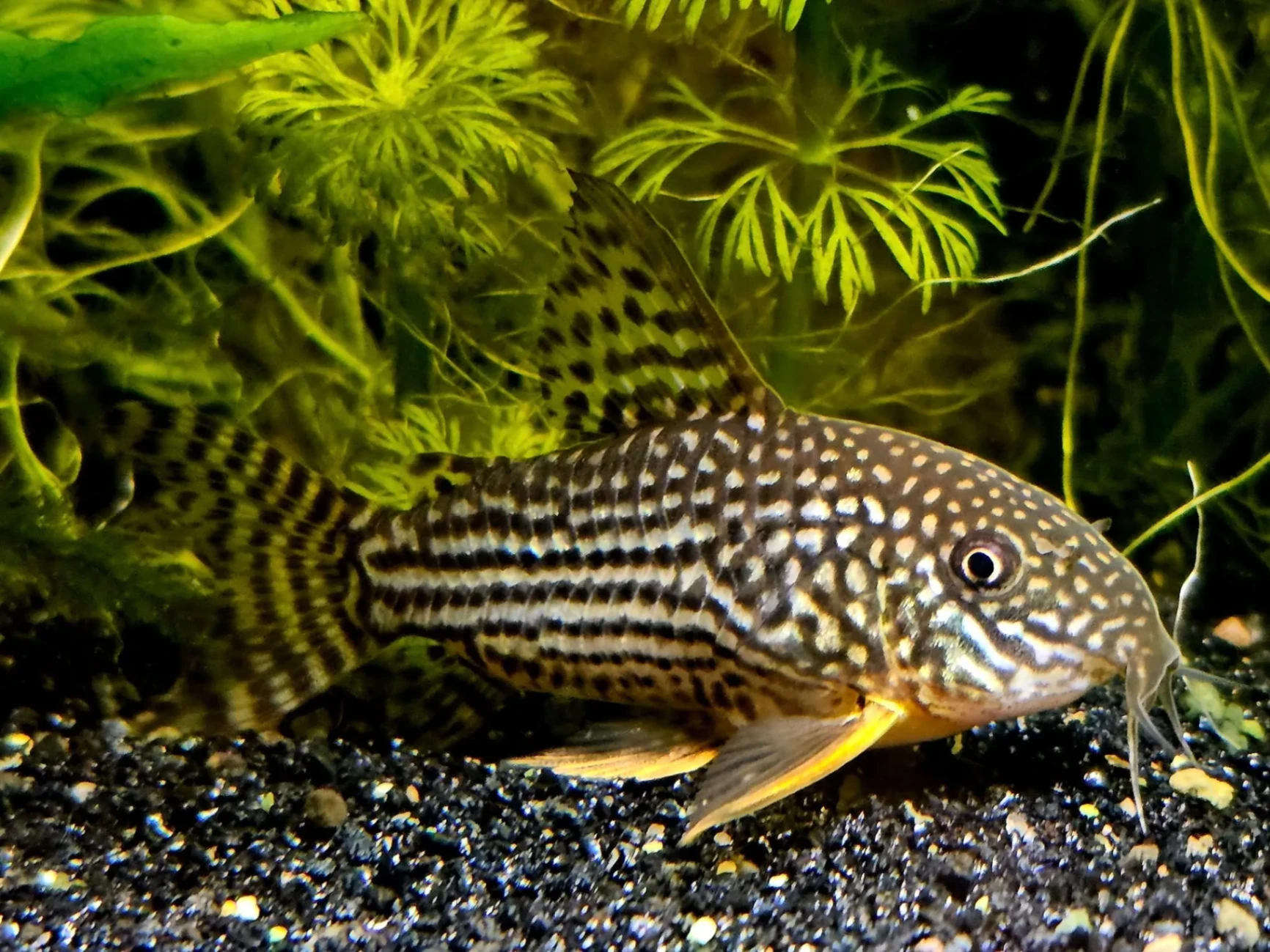
Corydoras Sterbai
Corydoras sterbai
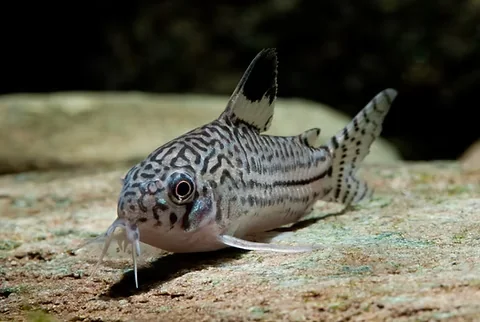
False Julii Corydoras
Corydoras trilineatus
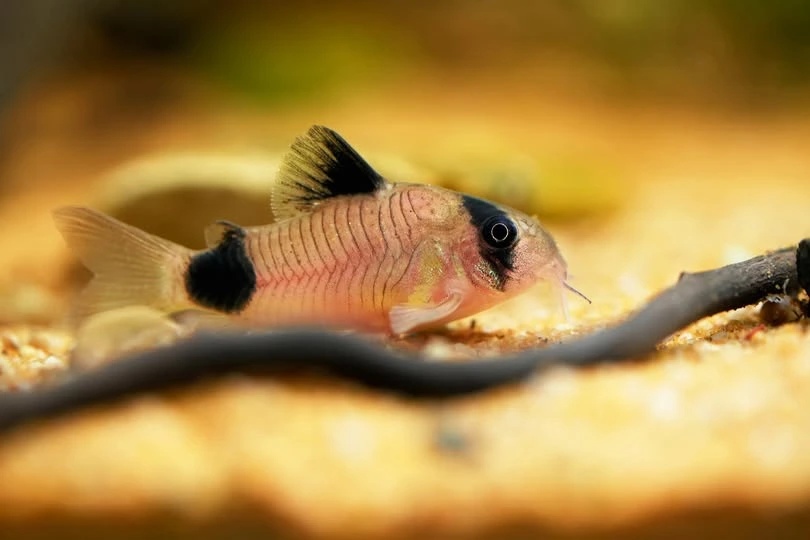
Panda Corydoras
Corydoras panda
Peppered Corydoras
Corydoras paleatus
Ready to Add Pygmy Corydoras to Your Tank?
Use our free stocking calculator to check compatibility, bioload, and get personalized recommendations.