
Care Requirements
Adult Size
1.4" (3.5cm)
Min Tank
5 gal
Temperature
50-79°F
pH Range
6.5-7.5
Lifespan
3-5 years
Min Group
Can be kept alone
Diet
Carnivore
Swim Level
Bottom
Bioload
1/10
Hardness
4-15 dGH
About Pygmy Sunfish
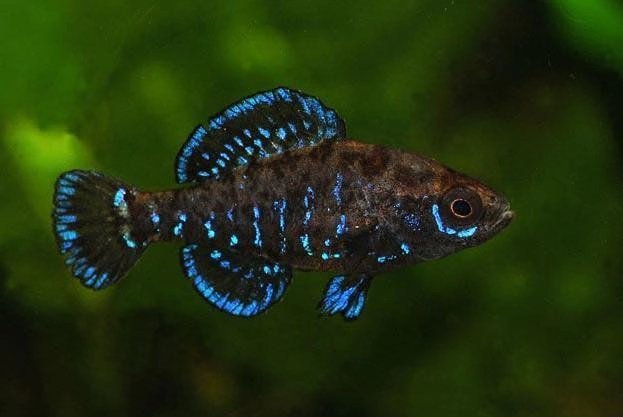
Pygmy Sunfish represent one of North America's best-kept aquarium secrets — tiny, spectacularly-colored native fish that rival any tropical species for beauty during breeding displays. Despite the common name, they're not true sunfish (family Centrarchidae) but belong to their own family Elassomatidae, making them technically unrelated to the bass and bluegill familiar to anglers. Their diminutive size — rarely exceeding 1.5 inches (3.5 cm) — makes them genuine nano fish.
Several Elassoma species appear in the hobby, with the Everglades Pygmy Sunfish (E. evergladei), Okefenokee Pygmy Sunfish (E. okefenokee), and Banded Pygmy Sunfish (E. zonatum) being most common. Male coloration during breeding season is genuinely stunning: iridescent blue-black patterns that shift and sparkle with movement. This breeding dress rivals any tropical fish for visual impact, emerging from otherwise drab olive-brown coloration.
Their care requirements differ significantly from typical tropical aquarium fish. They're temperate to subtropical species tolerating — even preferring — cool water that would stress most popular fish. Many populations experience near-freezing winter temperatures in nature. They also require live or frozen foods exclusively; most individuals never accept dry prepared foods regardless of training attempts. This dietary restriction limits their appeal to casual hobbyists but rewards dedicated keepers with unique behavior.
For native fish enthusiasts and experienced nano keepers, Pygmy Sunfish offer beauty, fascinating behavior, and connection to North American biodiversity. They're challenging enough to be interesting without being impossibly difficult — intermediate-level fish that reward appropriate care with displays unseen in standard aquarium fare.
Natural Habitat & Origin
Pygmy Sunfish inhabit the coastal plain of the eastern and southeastern United States, with different species occupying different ranges. They occupy slow-moving or standing vegetated waters: swamps, ponds, backwaters, ditches, and sluggish stream margins. Dense aquatic vegetation is characteristic — they're rarely found in open water. Water is typically soft to moderately hard, slightly acidic to neutral, and stained with tannins from decomposing vegetation.
Native Region
Eastern and southeastern USA — coastal plain
Habitat Type
Vegetated swamps, ponds, backwaters, sluggish streams
Wild Water Conditions
Variable temperature (10-26°C), soft to moderate hardness, slightly acidic to neutral
Appearance & Varieties
Pygmy Sunfish are tiny — adults typically reach 1-1.5 inches (2.5-3.5 cm). Body shape is somewhat deep and compressed with a rounded head. Male breeding coloration is the primary attraction: iridescent blue-black patterns that shift and sparkle with movement. Females and non-breeding males are cryptically colored: olive, brown, or gray with subtle mottling. The transformation when males enter breeding condition is dramatic.
Popular Varieties
| Variety | Description | Rarity |
|---|---|---|
| Everglades Pygmy Sunfish (E. evergladei) | Florida endemic. Males show iridescent blue-black vertical bars during breeding. Most commonly available species. | Uncommon in trade |
| Okefenokee Pygmy Sunfish (E. okefenokee) | Georgia/Florida border region. Males show extensive blue-black coloration during breeding. | Uncommon |
| Banded Pygmy Sunfish (E. zonatum) | Broader range — Texas to North Carolina. Distinctive horizontal banding pattern. Particularly cold-tolerant. | Occasional |
| Other Elassoma species | Several additional species exist with varying availability and conservation status. Some are rare or protected. | Rare |
Tank Setup & Requirements
Quick Requirements Summary
Tank Size
Minimum Tank Size
5 gallons
Recommended Tank Size
10 gallons
Pygmy Sunfish require planted tanks with cool water capability and commitment to live/frozen foods. Setup should emphasize vegetation and avoid tropical temperatures.
Water Parameters
Temperature 10-26°C (50-78°F), prefer cooler 18-24°C. pH 6.5-7.5, hardness 4-15 dGH. Cool water species — they prefer temperatures below typical tropical range. Many keepers maintain them at room temperature without heaters. Consistent tropical warmth (80°F+) may shorten lifespan.
Substrate
Dark sand or fine gravel with a leaf litter layer is ideal. Dark substrates enhance their coloration and match natural habitat. Leaf litter (oak, Indian almond) creates natural conditions, provides infusoria habitat, and supports foraging.
Plants & Decorations
Dense vegetation is non-negotiable for these secretive predators. Java moss, Cabomba, Vallisneria, and floating plants create the vegetated habitat they require. Driftwood tangles provide appropriate cover. Avoid bare, open tanks — they'll hide constantly and show stress.
Filtration & Water Flow
Gentle sponge filters ideal. Good water quality is important but flow must be minimal — they're from still or slow water environments. Air-driven filtration suits the low-tech aesthetic.
Lighting
Moderate, diffused lighting. They prefer subdued conditions matching their shaded swamp habitat. Floating plants naturally diffuse lighting. Directional lighting may help showcase their iridescence.
Diet & Feeding Guide
Diet Type
carnivore
Feeding Frequency
Daily or every other day
Portion Size
Small amounts consumed within a few minutes
Pygmy Sunfish are strict carnivores requiring live or frozen foods. This is not optional — most individuals never accept dry prepared foods regardless of training attempts. They're visual predators targeting moving prey.
Best Foods for Pygmy Sunfish
- Live blackworms — Excellent staple eagerly accepted — can be kept alive in the refrigerator for weeks
- Live daphnia and moina — Excellent live food triggering strong hunting response — can culture at home
- Frozen bloodworms (chopped) — Most will accept frozen bloodworms — may need chopping for smaller individuals
- Live baby brine shrimp — Excellent for small individuals and fry — easy to hatch and highly nutritious
- Grindal worms and white worms — Cultured live foods providing variety — easy to maintain at home
- Mosquito larvae — Wild-collected when available — natural prey item eagerly consumed
Foods to Avoid
- Dry foods (flakes, pellets) — Most individuals never accept them regardless of training — don't expect dry food acceptance
- Large food items — Their mouths are small — food must be appropriately sized, chop larger items if necessary
Live food remaining in the tank provides ongoing hunting opportunity. Establishing live food cultures (daphnia, grindal worms, BBS) provides sustainable supply and is practically required for long-term keeping.
Behavior & Temperament
Pygmy Sunfish behavior combines secretive ambush predation with fascinating breeding displays. They're not active swimmers; instead, they hover among vegetation waiting for prey to pass within striking distance. Male breeding displays are genuinely spectacular — males stake out territories, display their iridescent coloration, and court females with fin spreading and body undulations. Activity level is low — they spend time hovering, watching, and making short predatory strikes. Patient observation rather than constant action characterizes their keeping experience.
Tank Mates: Compatibility Guide
Compatible Tank Mates
Other Pygmy Sunfish
Can be kept in groups — males display to each other, provide adequate space for territories during breeding
Similar size and share southeastern US native range — both cold-tolerant with different feeding strategies
Small snails
Snails work well — peaceful coexistence with any common aquarium snails
Tank Mates to Avoid
Most tropical fish
Temperature preference mismatch — Pygmy Sunfish prefer cooler conditions that stress most tropicals
Active, boisterous fish
Will outcompete for food and stress secretive Pygmy Sunfish
Dwarf shrimp
May eat shrimplets — adult shrimp might survive but breeding colonies will be suppressed
Any fish requiring dry foods only
Pygmy Sunfish won't eat dry food and can't share feeding regime
Common Pairing Questions
Can Pygmy Sunfish live with shrimp?
Adult shrimp may coexist, but they will eat shrimplets. If maintaining a breeding shrimp colony is your goal, Pygmy Sunfish will suppress reproduction. Consider Least Killifish instead for shrimp-safe nano fish.
Why won't they eat flakes?
They're visual predators targeting moving prey — static food items don't trigger feeding response. This isn't stubbornness; it's fundamental feeding biology. Commit to live or frozen foods.
Breeding is triggered by seasonal cues: increasing day length and warming temperatures following a cool period. Males establish territories and display intensely. Spawning occurs among vegetation; females deposit eggs on plants (especially Java moss). Fry are extremely tiny, requiring infusoria or vinegar eels initially. After 1-2 weeks, they can take newly-hatched brine shrimp. Raising fry requires dedication to providing appropriately tiny live foods.
Health Issues & Disease Prevention
Pygmy Sunfish are hardy when their requirements are met — particularly cool temperatures and live food availability. Most problems stem from inappropriate tropical conditions or dietary issues.
Common Diseases
| Disease | Symptoms | Treatment |
|---|---|---|
| Thermal stress | Lethargy, rapid breathing, loss of color, reduced lifespan | Lower temperature to preferred range (65-75°F). They're cool-water fish stressed by consistent tropical warmth. |
| Starvation | Thinning body condition, sunken belly, weakness | Ensure adequate live/frozen food provision. They won't eat dry foods — failure to provide appropriate diet causes starvation. |
| Ich | White spots, scratching, clamped fins | Raise temperature moderately (to upper 70s) and add salt. They tolerate treatment but don't overheat them. |
| Velvet | Gold dust appearance, scratching, lethargy | Dim lighting, copper-based medication at conservative doses. More dangerous than ich if untreated. |
Signs of a Healthy Pygmy Sunfish
- Active hunting behavior
- Good body condition
- Males displaying breeding colors
- Alert, responsive behavior
- Eating well
Prevention Tips
- Maintain cool temperatures (avoid tropical warmth)
- Provide live or frozen foods exclusively
- Create densely planted environment
- Avoid stressful tankmates
- Consider seasonal temperature cycling
Frequently Asked Questions
No — despite the common name, they belong to their own family (Elassomatidae), not the sunfish family (Centrarchidae). True sunfish include bass, bluegill, and crappie — much larger fish. The common name comes from their vaguely sunfish-like body shape, but taxonomically they're unrelated.
Most Pygmy Sunfish never accept dry prepared foods regardless of training attempts. They're visual predators targeting moving prey; static food items don't trigger feeding response. This isn't stubbornness — it's fundamental feeding biology. Keepers must commit to live or frozen foods.
Yes — they actually prefer cooler temperatures than typical tropical fish. Native populations experience seasonal temperature variation including winter conditions near freezing. Most keepers maintain them at room temperature (65-75°F) without heaters. Consistent tropical warmth (80°F+) may actually shorten their lifespan.
Male breeding coloration appears when fish are in breeding condition — healthy, well-fed, and experiencing appropriate environmental cues. Seasonal temperature cycling helps: cooler winter periods followed by spring warming mimics natural triggers. Male-male presence encourages display competition.
They're specialty fish not found in typical pet stores. Sources include: native fish specialty dealers, aquarium society auctions, online breeders specializing in native species, and occasionally wild collection where legal with permits.
Tips for Keeping Pygmy Sunfish
Pro Tips
- ✓Culture your own live foods — daphnia, grindal worms, and blackworm cultures provide sustainable food supply.
- ✓Seasonal cycling (cooler winter, warmer spring) enhances breeding behavior and full coloration display.
- ✓Java moss is essential — serves as hiding spots, spawning substrate, fry refuge, and infusoria habitat.
- ✓Patience reveals their behavior — sit quietly and watch for hunting strikes and territorial displays.
Common Mistakes to Avoid
- ✗Keeping at tropical temperatures — stress and shortened lifespan from consistent warmth.
- ✗Expecting dry food acceptance — they require live or frozen foods exclusively.
- ✗Sparse tank setup — dense vegetation is essential habitat for these secretive fish.
- ✗Mixing with active tropical fish — outcompeted for food and stressed by activity.
- ✗Expecting constant activity — they're ambush predators, not active swimmers.
Related Species You Might Like
View All Fish →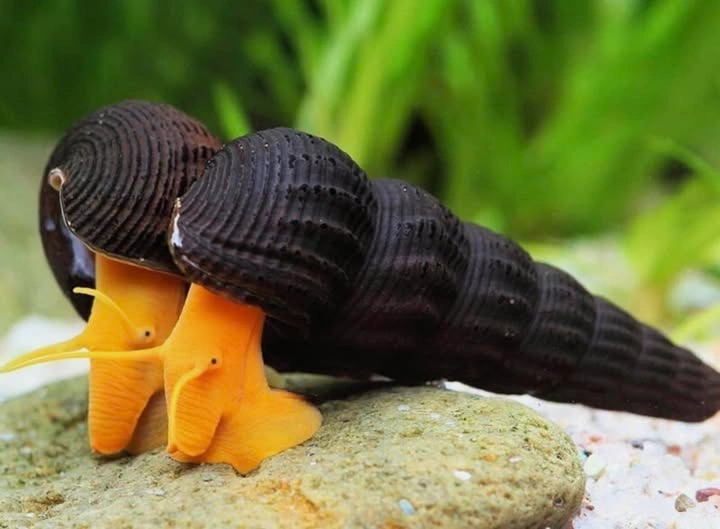
Rabbit Snail
Tylomelania spp.
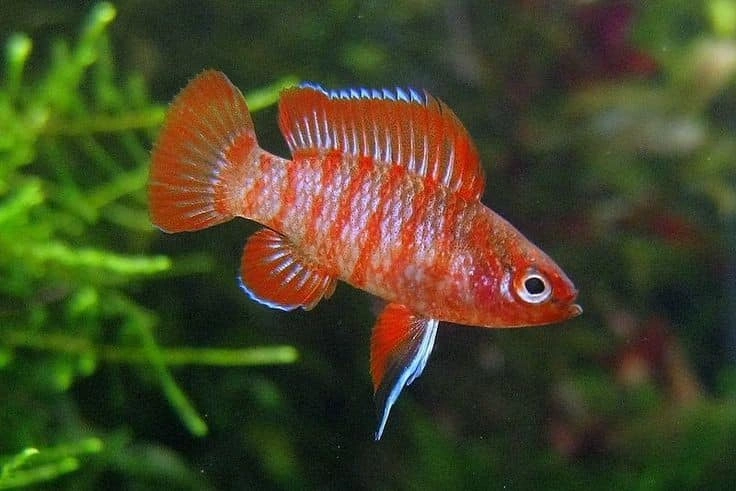
Scarlet Badis
Dario dario
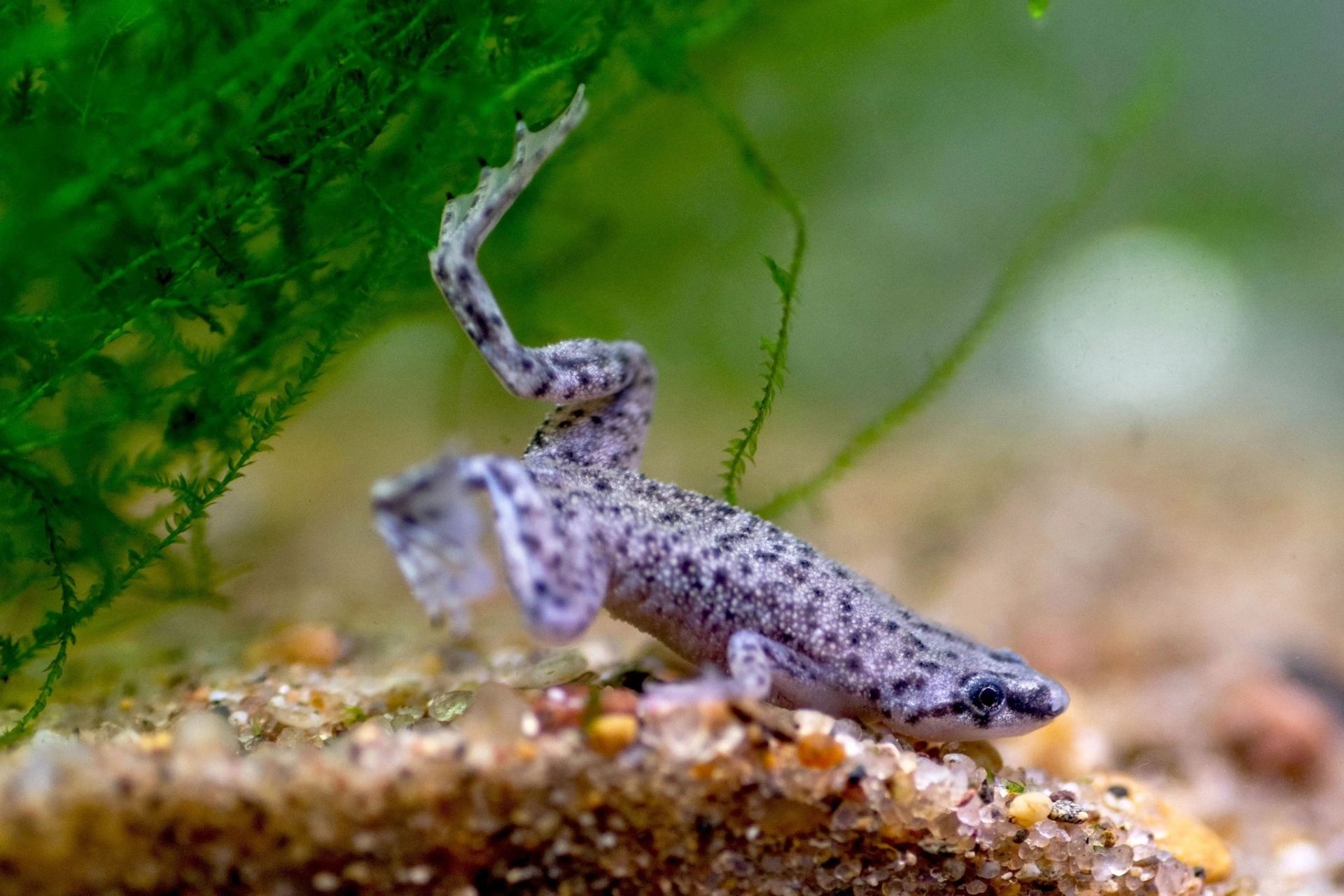
African Dwarf Frog
Hymenochirus boettgeri
Amano Shrimp
Caridina multidentata
Asian Stone Catfish
Hara jerdoni
Bladder Snail
Physella acuta
Blue Velvet Shrimp
Neocaridina davidi var. blue
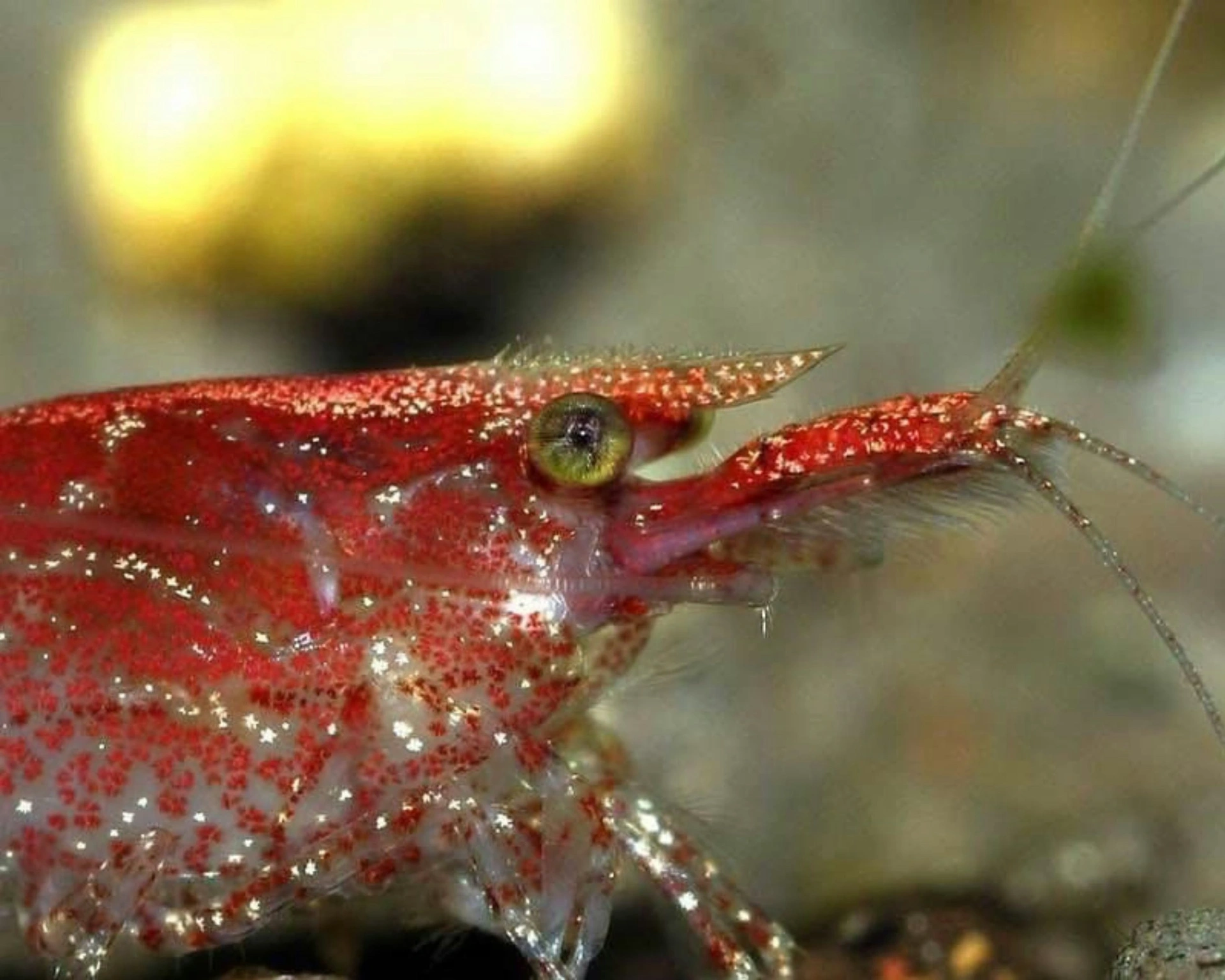
Cherry Shrimp
Neocaridina davidi
Ready to Add Pygmy Sunfish to Your Tank?
Use our free stocking calculator to check compatibility, bioload, and get personalized recommendations.