
Care Requirements
Adult Size
1.2" (3cm)
Min Tank
5 gal
Temperature
64-75°F
pH Range
5.5-7.5
Lifespan
3-5 years
Min Group
3+ fish
Diet
Carnivore
Swim Level
Bottom
Bioload
1/10
Hardness
2-15 dGH
About Asian Stone Catfish
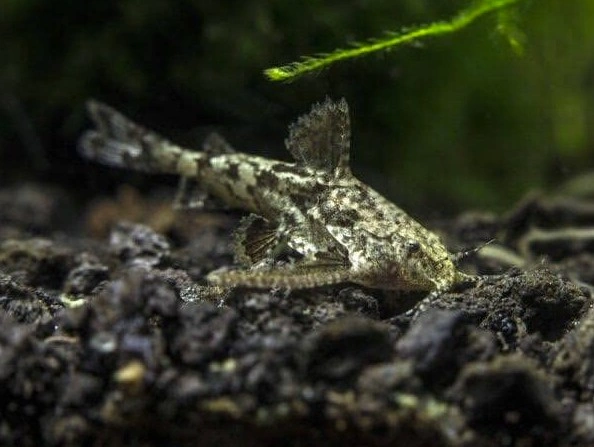
The Asian Stone Catfish is one of the smallest catfish in the world and one of the most perfectly camouflaged fish you'll ever keep. At a maximum size of just 3cm (barely over an inch), these tiny catfish from the hill streams of South Asia look almost exactly like small stones or pieces of bark — hence their common name. Finding them in your own aquarium can be a genuine challenge.
What makes Asian Stone Catfish particularly interesting is that they're not tropical fish. They come from cool, well-oxygenated hill streams in Bangladesh and northeast India, where temperatures rarely exceed 24°C (75°F). This makes them unsuitable for typical heated tropical setups but perfect for temperate or cool-water nano tanks — a niche that few other interesting fish occupy.
Their behavior is characterized by extreme patience. Asian Stone Catfish can sit motionless for hours, looking indistinguishable from the substrate around them. This isn't laziness or illness — it's a highly evolved hunting strategy. They wait in ambush for tiny invertebrates to wander within striking range, then lunge with surprising speed. This ambush predator lifestyle means they need live or frozen foods; most specimens refuse dry food entirely.
Keeping Asian Stone Catfish successfully requires understanding their unconventional needs: cool water, live foods, minimal competition, and patience to appreciate a fish that considers motionlessness an art form. They're ideal for nano aquarists seeking something truly unusual — a micro catfish that challenges everything you thought you knew about keeping fish.
Natural Habitat & Origin
Asian Stone Catfish inhabit the clear, cool hill streams of Bangladesh and northeast India, in the foothills of the Himalayan range. These streams are well-oxygenated with moderate current, flowing over rocky and gravelly bottoms. The water temperature remains cool year-round due to elevation and forest shade.
Their habitat features an abundance of small rocks, pebbles, and leaf litter among which they hide — and which they closely resemble. The streams support rich populations of small invertebrates (the catfish's prey) and maintain excellent water quality through continuous flow. Understanding these hill stream origins is essential: they need cool, clean, well-oxygenated water.
Native Region
Bangladesh and northeast India — Himalayan foothill streams
Habitat Type
Cool, clear hill streams with rocky/gravelly bottoms
Wild Water Conditions
Cool (18-24°C), soft to moderate (2-15 dGH), slightly acidic to neutral (pH 5.5-7.5), well-oxygenated
Appearance & Varieties
The Asian Stone Catfish has a flattened, rough-textured body that bears an uncanny resemblance to a small stone or piece of bark. The coloration is mottled brown, grey, and tan — perfect camouflage against rocky substrates. Skin texture is rough and granular, enhancing the stone-like appearance. The head is broad and flat with tiny eyes. Pectoral fins are expanded and adhesive, helping them cling to surfaces in flowing water. At maximum 3cm, they're easily one of the smallest catfish available in the hobby. Males and females are difficult to distinguish; females may be slightly fuller when gravid.
Popular Varieties
| Variety | Description | Rarity |
|---|---|---|
| Hara jerdoni | The most common species in the hobby — mottled brown/grey stone-like appearance. | uncommon |
| Hara horai | Slightly different body proportions; very similar in care requirements. | rare |
| Hara minuscula | Even smaller species; rarely seen in the trade. | very rare |
Tank Setup & Requirements
Quick Requirements Summary
Tank Size
Minimum Tank Size
5 gallons
Recommended Tank Size
10 gallons
Asian Stone Catfish are perfect for nano tanks. A 5-gallon (19L) tank is sufficient for a small group, though a 10-gallon provides more stability and space. The key requirements are cool water temperature, good oxygenation, and a substrate that allows their natural camouflage behavior.
Water Parameters
Temperature 18-24°C (64-75°F) — this is a COOL water species, NOT tropical. pH 5.5-7.5, hardness 2-15 dGH. Good oxygenation is essential. They will not thrive in standard tropical temperatures above 25°C.
Substrate
Fine gravel or sand mixed with small pebbles and stones. They camouflage against rocky substrates. Smooth stones of various sizes provide both hiding spots and visual context for their disguise.
Plants & Decorations
Smooth river stones, pebbles, and leaf litter create ideal habitat. Live plants like Java moss, Java fern, and Anubias provide additional cover and support the microfauna they feed on. Driftwood adds hiding spots.
Filtration & Water Flow
Moderate filtration with some flow to maintain oxygenation — they come from flowing streams. A small sponge filter or gentle hang-on-back filter works well. Avoid strong current that could blow these tiny fish around.
Lighting
Subdued to moderate. They're most active in dim conditions and may hide under bright light. Floating plants help diffuse lighting.
Diet & Feeding Guide
Diet Type
carnivore
Feeding Frequency
Once daily, preferably in the evening or at night
Portion Size
Tiny amounts — a few items per fish
Asian Stone Catfish are ambush micro-predators that feed on tiny invertebrates in the wild. This is the biggest challenge in keeping them — most specimens refuse all dry and prepared foods. Live and frozen foods are essential, and having reliable food cultures before acquiring these fish is strongly recommended.
Best Foods for Asian Stone Catfish
- Live baby brine shrimp — The most reliable food — movement triggers their ambush hunting instinct.
- Live micro worms — Excellent staple that can be easily cultured at home.
- Frozen cyclops — Small enough for their tiny mouths; thaw before feeding.
- Live daphnia (small) — Natural prey item; movement stimulates feeding response.
- Frozen baby brine shrimp — Accepted by established specimens; drop near their hiding spots.
Foods to Avoid
- Flake food — Almost universally refused — wrong size, wrong movement pattern, wrong texture.
- Pellets — Too large for their tiny mouths and typically ignored entirely.
- Freeze-dried foods — Generally refused; lacks the movement that triggers hunting response.
Feed in the evening or after lights out when they're most active. Drop live or frozen food directly near their hiding spots — they won't travel far to find food. In community tanks (not recommended for most setups), they'll be outcompeted by faster fish. Having micro worm or baby brine shrimp cultures running is virtually essential.
Behavior & Temperament
Asian Stone Catfish are masters of stillness. They can remain completely motionless for hours, looking indistinguishable from the stones around them. This isn't inactivity — it's an ambush predator strategy. When a tiny invertebrate wanders within range, they lunge with surprising speed and accuracy. They're most active during evening and nighttime hours. Despite their sedentary nature, they're social and should be kept in groups of 3+ where they'll often cluster together in favorite hiding spots.
Tank Mates: Compatibility Guide
Compatible Tank Mates
Perfect match — both prefer cool water and are peaceful.
Too small to threaten adult shrimp; baby shrimp may occasionally be eaten.
Small, peaceful, similar size — though corydoras prefer warmer water.
Small and peaceful in similar temperature range.
Tank Mates to Avoid
Any large fish
At 3cm, they're prey for anything with a big enough mouth.
Betta
Temperature incompatibility (betta needs warmth); betta may harass.
Tiger Barb
Too boisterous, too warm, would outcompete for food entirely.
Most tropical fish
Temperature mismatch — stone catfish need cool water below 24°C.
Common Pairing Questions
Can Asian Stone Catfish live in tropical tanks?
No — they're cool-water fish that need temperatures of 18-24°C (64-75°F). Standard tropical temperatures of 25-28°C cause chronic heat stress, reduced lifespan, and susceptibility to disease. They need tankmates that share their cool water preference.
Are Asian Stone Catfish good for nano tanks?
Excellent — at under 3cm, they're perfectly sized for nano tanks of 5 gallons and up. Their sedentary nature means they don't need much swimming space. A group of 3-4 in a well-planted 10-gallon nano tank is ideal.
Breeding Asian Stone Catfish in captivity is rare and poorly documented. They're believed to be egg scatterers that deposit adhesive eggs on smooth surfaces. Cool water with good flow and a period of conditioning with live foods may trigger spawning. Fry, if produced, would be extremely tiny and require infusoria as first food. Most specimens in the hobby are wild-caught.
Health Issues & Disease Prevention
Asian Stone Catfish are reasonably hardy when their cool water requirements are met but are highly susceptible to heat stress. Their tiny size makes them vulnerable to water quality fluctuations, and their refusal of dry foods means nutritional issues are common when keepers can't provide appropriate live or frozen foods.
Common Diseases
| Disease | Symptoms | Treatment |
|---|---|---|
| Heat stress | Rapid breathing, lethargy, loss of appetite, moving to highest-flow areas. | Reduce temperature immediately. Use a fan, frozen water bottles, or a chiller. Prevention is essential — never exceed 24°C. |
| Starvation | Sunken belly, lethargy, weakness, eventual death. | Not a disease but the #1 killer. They need live or frozen foods. Start micro worm or baby brine shrimp cultures immediately. |
| Ich (White Spot) | White spots on body, flashing, clamped fins. | Raise temperature cautiously (only to 24°C max), use ich medication at reduced doses for their small body size. |
| Bacterial infections | Redness, fin erosion, unusual sores. | Improve water quality, antibacterial treatment at reduced doses. Often triggered by heat stress or poor water conditions. |
Signs of a Healthy Asian Stone Catfish
- Stable resting position among stones
- Alert eyes that track movement
- Lunging at food when offered
- Good body condition (not sunken)
- Evening activity
- Clustering with conspecifics
Prevention Tips
- Maintain cool water temperature (18-24°C) — the single most important factor
- Culture live foods before acquiring these fish
- Feed in the evening near hiding spots
- Provide excellent water quality with good oxygenation
- Keep in groups of 3+
Frequently Asked Questions
No — this is the most important thing to understand. They come from cool Himalayan hill streams and need temperatures of 18-24°C (64-75°F). Standard tropical temperatures of 25-28°C cause heat stress and shortened lifespan. They need a room-temperature or actively cooled tank, not a heated tropical setup.
Almost certainly not. They're ambush predators that respond to the movement of live prey. Most specimens permanently refuse all dry, flake, and pellet foods. You must commit to feeding live and frozen foods — baby brine shrimp, micro worms, frozen cyclops. Culture live foods before buying these fish.
Their camouflage is extraordinary — they look exactly like small stones or bark fragments. Check among the pebbles and leaf litter carefully. They may remain motionless in the same spot for hours. Use a flashlight during evening hours when they're more likely to be visible and active.
They're one of the world's smallest catfish, maxing out at about 3cm (1.2 inches). They're smaller than most shrimp species commonly kept in aquariums. This tiny size makes them perfect for nano tanks but also means they're prey for any fish large enough to eat them.
Yes — keep a minimum of 3, ideally 4-5+. Despite their sedentary appearance, they're social fish that cluster together in favorite hiding spots. Solitary specimens are more stressed, hide more, and feed less reliably than those kept in groups.
Tips for Keeping Asian Stone Catfish
Pro Tips
- ✓Start baby brine shrimp and micro worm cultures BEFORE acquiring these fish — they will not eat dry foods.
- ✓Use a magnifying glass to appreciate their incredible camouflage and stone-like texture up close.
- ✓Feed in the evening by dropping live food directly near their hiding spots — they won't travel far to find food.
- ✓Keep the tank unheated in most homes — room temperature is often perfect for these cool-water fish.
Common Mistakes to Avoid
- ✗Keeping in heated tropical tanks — they need cool water below 24°C; heat stress is the #1 killer.
- ✗Not providing live or frozen foods — they starve on dry food diets.
- ✗Expecting visible activity — they're ambush predators that sit motionless for hours; this is normal.
- ✗Keeping with large or active tropical fish — temperature incompatibility and predation risk.
- ✗Single specimens — they're social and should be kept in groups of 3+.
Sources
- FishBase — Accepted scientific name, maximum size and native range for Asian Stone Catfish.
Related Species You Might Like
View All Fish →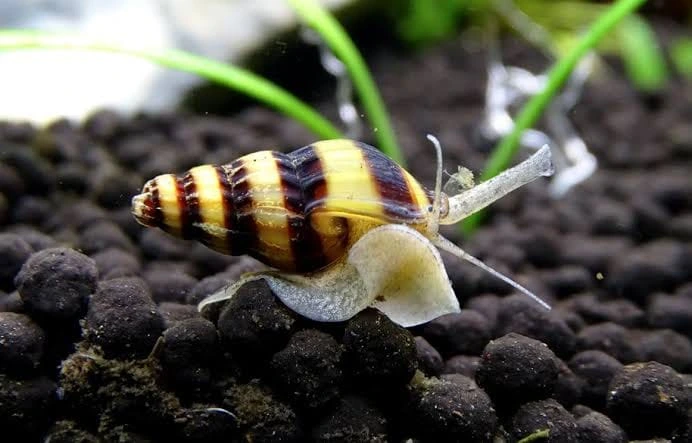
Assassin Snail
Clea helena
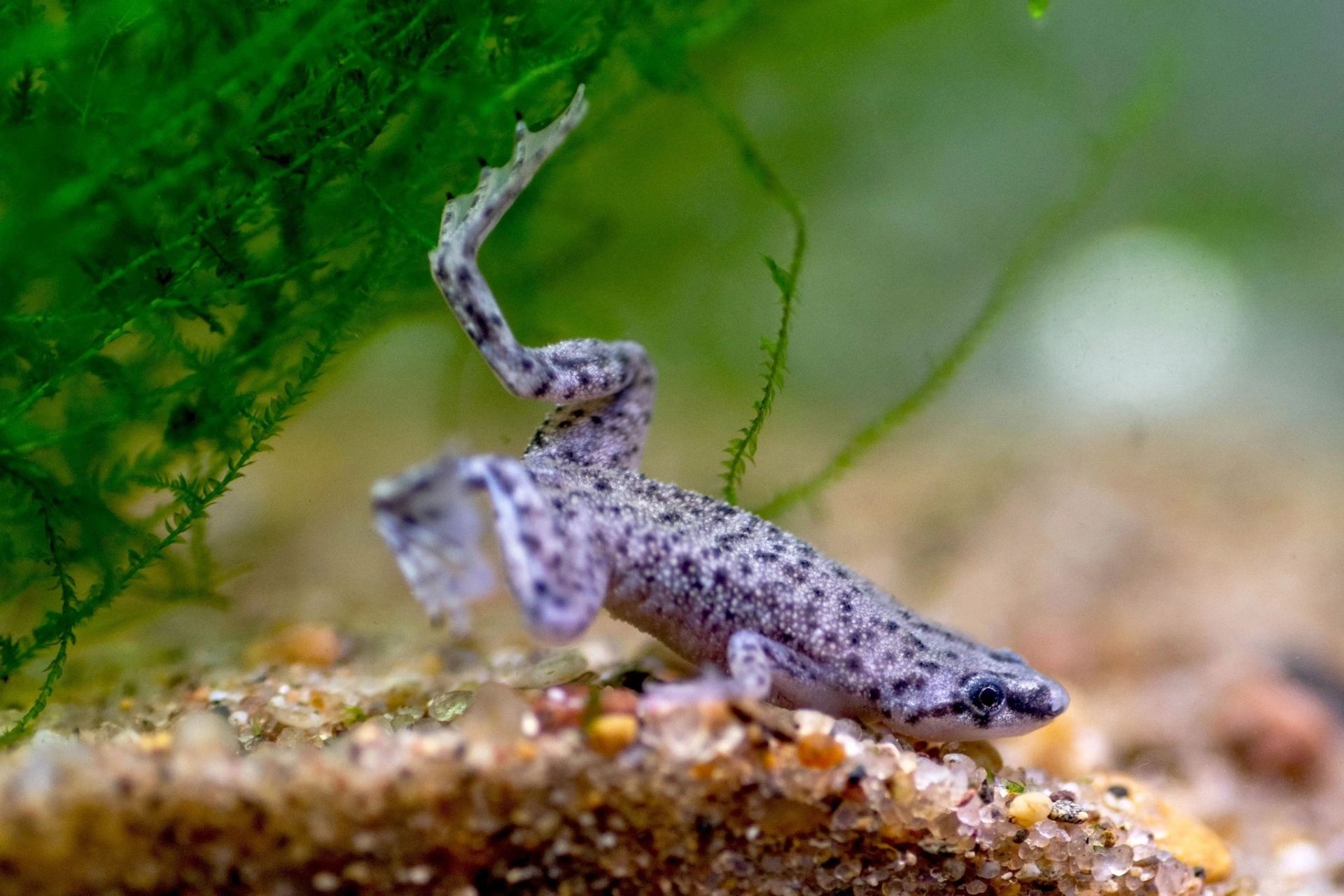
African Dwarf Frog
Hymenochirus boettgeri
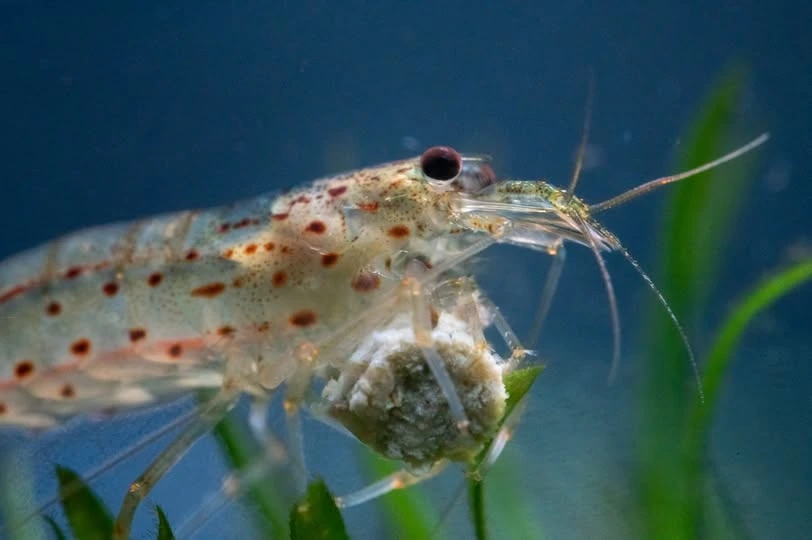
Amano Shrimp
Caridina multidentata
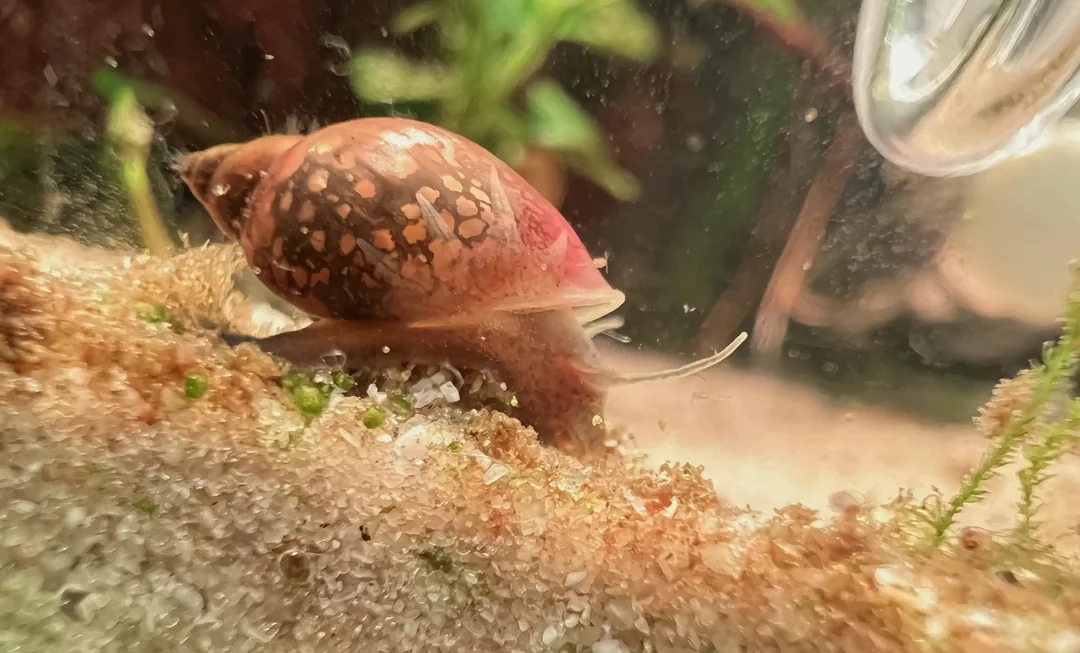
Bladder Snail
Physella acuta
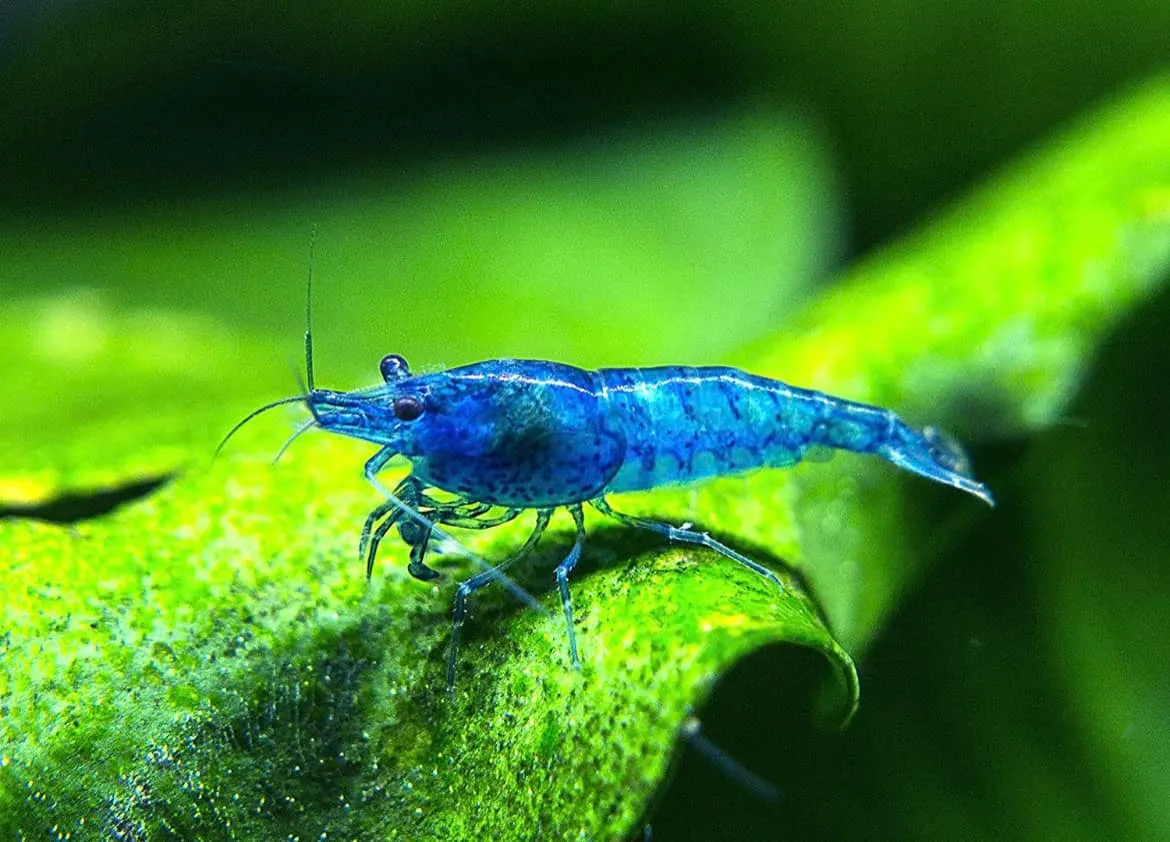
Blue Velvet Shrimp
Neocaridina davidi var. blue
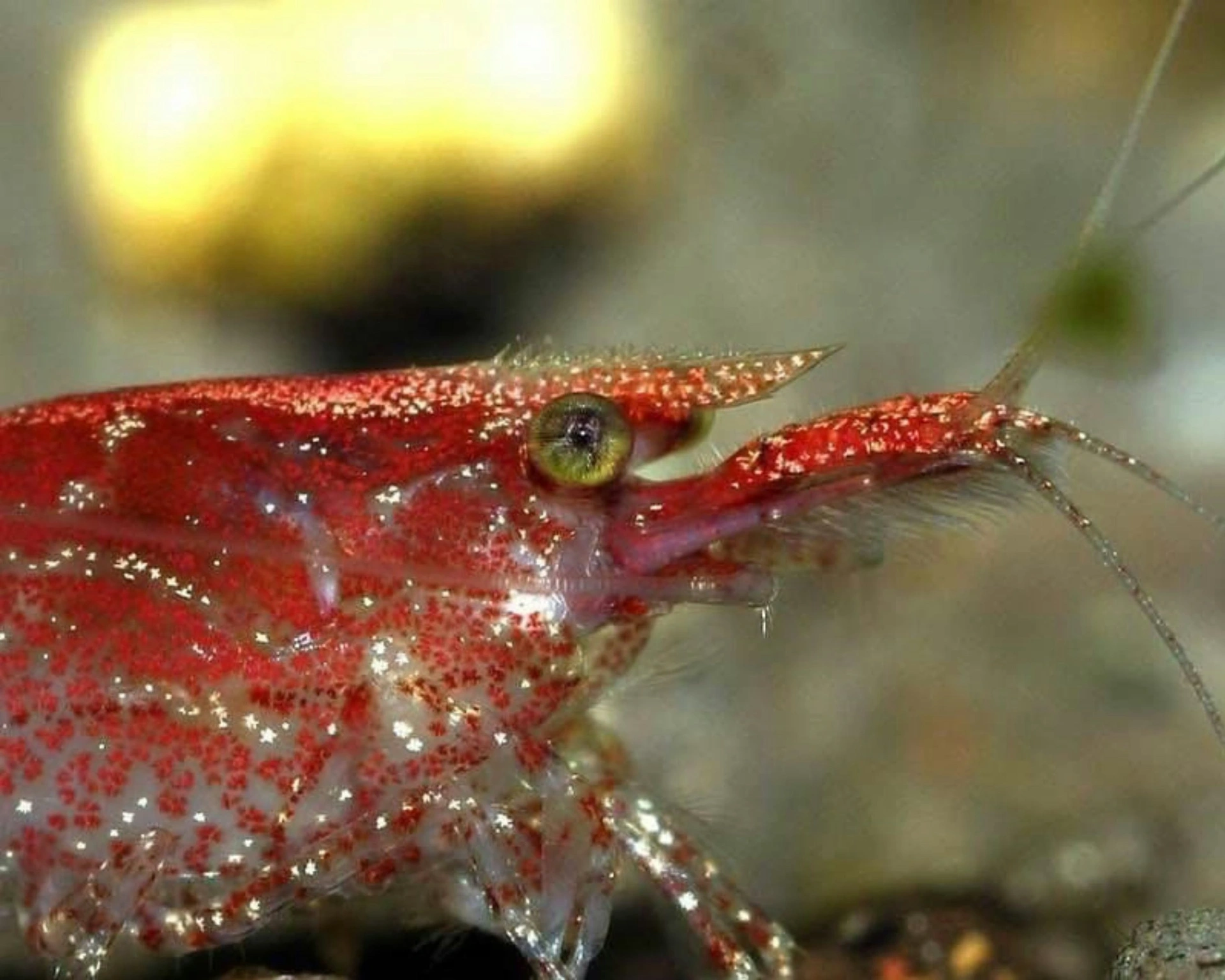
Cherry Shrimp
Neocaridina davidi
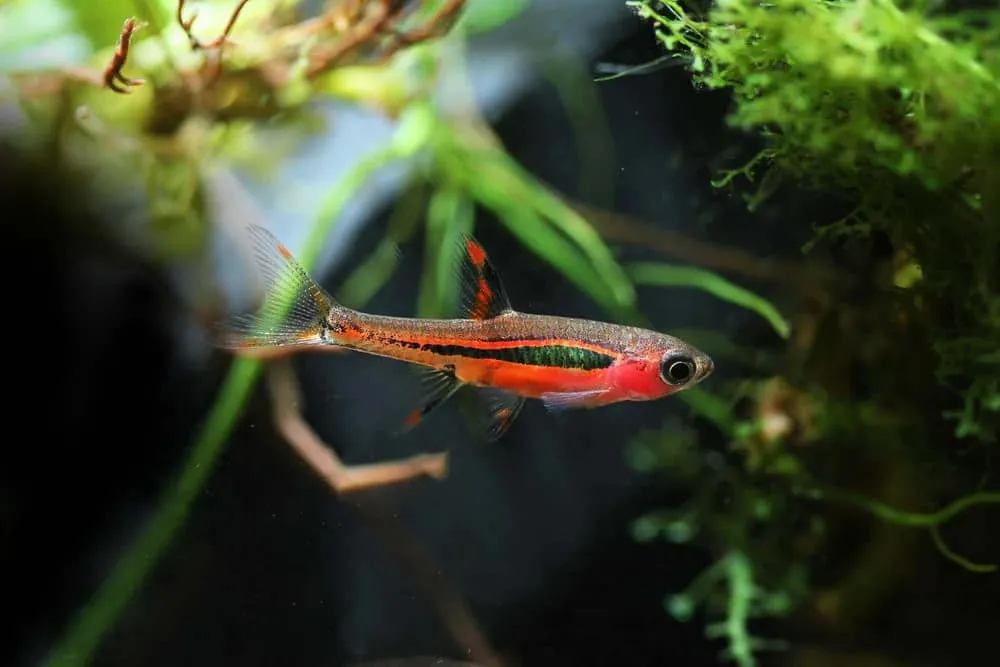
Chili Rasbora
Boraras brigittae
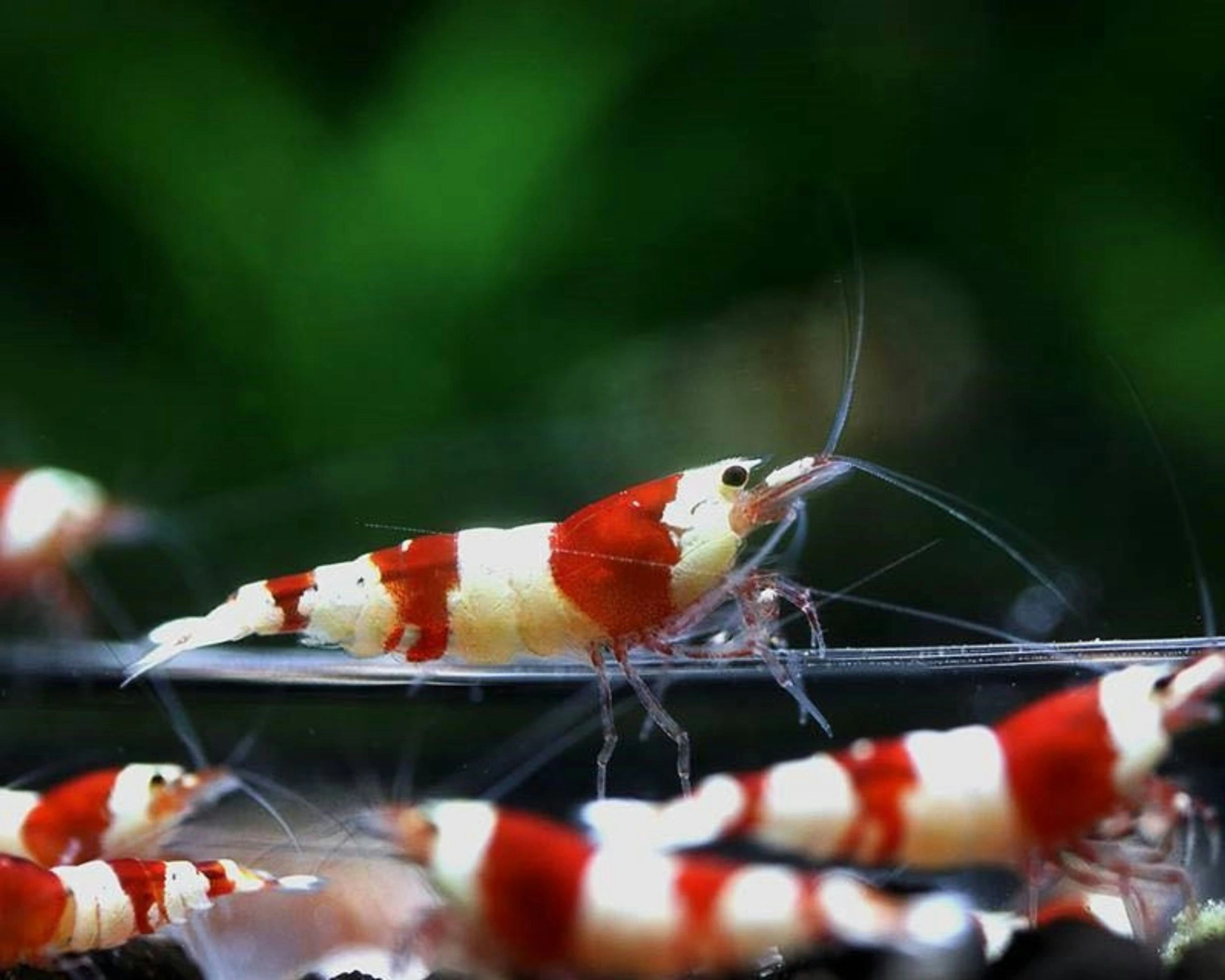
Crystal Shrimp
Caridina cantonensis
Ready to Add Asian Stone Catfish to Your Tank?
Use our free stocking calculator to check compatibility, bioload, and get personalized recommendations.