
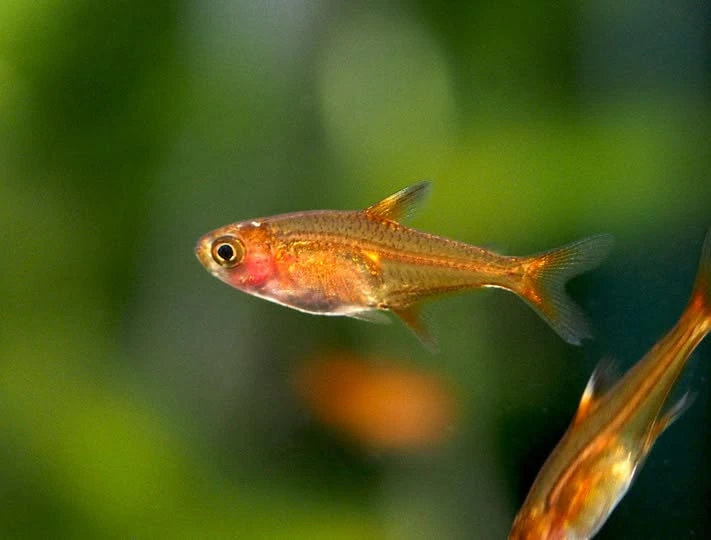
Ember Tetra
Feeds in midwater on small floating particles and rarely goes to the substrate, which means it takes almost nothing that was intended for the frogs.
Adult Size
1.6" (4cm)
Min Tank
5 gal
Temperature
75-82°F
pH Range
6.5-7.8
Lifespan
5-10 years
Min Group
2+ fish
Diet
Carnivore
Swim Level
Bottom
Bioload
2/10
Hardness
5-15 dGH
The African Dwarf Frog is one of the most unique inhabitants available for freshwater aquariums—a fully aquatic frog that spends its entire life underwater yet must regularly surface to breathe air. These charming amphibians have captured the hearts of aquarists with their endearing personalities and fascinating behaviors.
What makes African Dwarf Frogs particularly appealing is their interactive nature. They often float at the surface in a characteristic 'zen pose' with legs spread wide, recognize feeding time and their owners, and male frogs even 'sing' at night—a buzzing or humming sound audible outside the tank. They're social creatures that thrive in groups and often rest piled together.
With proper care, these diminutive frogs can live 5-10 years or more, making them a long-term commitment. They require specific conditions—shallow water for easy surface access, a tight-fitting lid (they're escape artists), and target feeding due to their poor eyesight—but reward patient keepers with years of entertaining behavior.
African Dwarf Frogs originate from the Congo River Basin in Central Africa, with populations in Nigeria, Cameroon, Gabon, and Equatorial Guinea. They inhabit shallow, slow-moving freshwater environments including streams, ponds, and flooded forests with muddy or sandy bottoms.
In their natural habitat, they spend most of their time on the bottom, foraging through substrate for small invertebrates, but must regularly ascend to the surface to breathe air. Understanding this dual requirement—bottom-dwelling behavior plus air-breathing necessity—is key to successful husbandry.
Native Region
Central Africa (Congo River Basin, Nigeria, Cameroon, Gabon, Equatorial Guinea)
Habitat Type
Shallow, slow-moving freshwater streams, ponds, flooded forests
Wild Water Conditions
Warm, soft to moderately hard water with muddy or sandy substrate
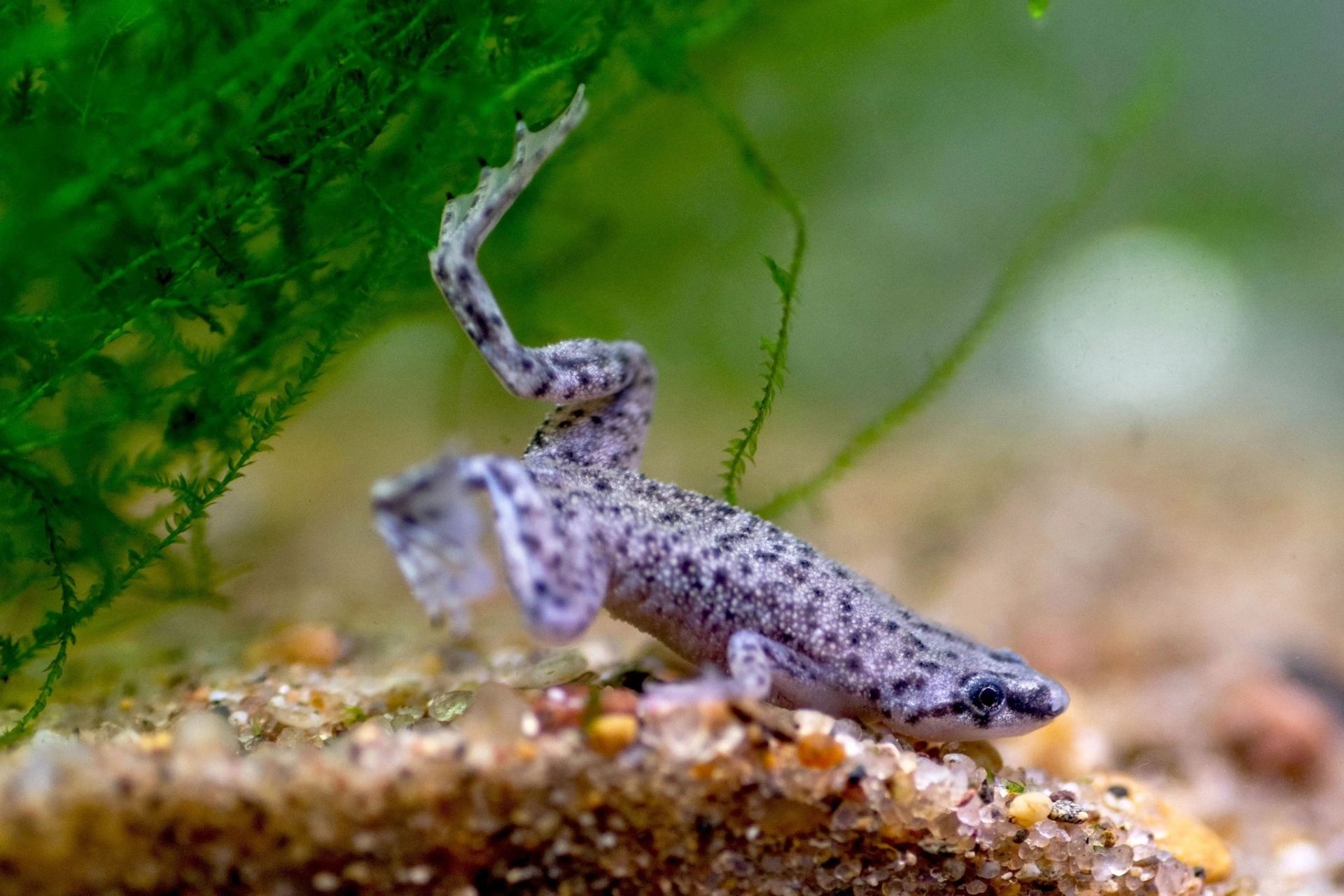
African Dwarf Frogs are small amphibians reaching only about 2.5 inches (6 cm) in length. They have flattened bodies, fully webbed hind feet for powerful swimming, and webbed front feet with distinct fingers. Their skin is olive to brownish-green with darker mottling, providing camouflage against muddy substrates.
It's crucial to distinguish African Dwarf Frogs from the similar-looking African Clawed Frog (Xenopus laevis). Clawed Frogs grow much larger (5+ inches), have clawed rather than webbed front feet, eyes on top of the head instead of the sides, and flat snouts. Clawed Frogs will eat Dwarf Frogs, and the two are frequently mislabeled in pet stores.
| Variety | Description | Rarity |
|---|---|---|
| Wild Type | Olive-brown with darker mottling, the standard variety | Very Common |
| Albino | Pale yellow-white with red eyes, occasionally available | Uncommon |
Minimum Tank Size
5 gallons
Recommended Tank Size
10 gallons
African Dwarf Frogs require a minimum of 5 gallons, with 10+ gallons recommended for a group. The most critical factor is water depth—shallow tanks with water under 12 inches (30cm) are ideal. They must reach the surface easily to breathe and can drown from exhaustion in deep tanks without resting spots.
Temperature should be maintained between 75-82°F (24-28°C)—they're tropical amphibians that need warm water. pH of 6.5-7.8 and moderate hardness are suitable. Excellent water quality is essential as amphibians are sensitive to pollutants.
Sand or fine gravel is essential. They forage by sifting through substrate and can accidentally ingest it. Sand passes safely through their digestive system; large gravel can cause potentially fatal impaction.
Live plants are beneficial, providing resting spots near the surface for breathing breaks and hiding places for security. Broad-leaved plants like Anubias and Amazon swords are excellent. Avoid sharp decorations that could injure their delicate skin.
Gentle filtration is crucial. Strong current stresses them and makes surface breathing difficult. Sponge filters are ideal—gentle, safe, and provide no risk of frog injury.
Low to moderate lighting preferred. They have sensitive eyes and are most active in dimmer conditions. Subdued lighting encourages natural behavior.
Diet Type
carnivore
Feeding Frequency
Daily for juveniles, every other day for adults
Portion Size
What they can consume in 15-20 minutes
African Dwarf Frogs are carnivores requiring a protein-rich diet of meaty foods. In the wild, they eat small invertebrates, insect larvae, worms, and tiny crustaceans. Their poor eyesight means they hunt primarily by smell and movement detection.
Their poor eyesight makes feeding challenging. Use feeding tongs to drop food directly in front of them. A designated feeding dish in the same spot helps train them. Feed after lights dim when they're most active. Fish tankmates may steal food before slow-moving frogs can eat—target feeding is essential.
African Dwarf Frogs display numerous fascinating behaviors that endear them to keepers. The 'zen pose'—floating motionless at the surface with legs spread wide—is completely normal resting behavior, not a sign of illness. They also 'burble,' releasing air bubbles while swimming down.
Males 'sing' at night during breeding season, producing a distinctive buzzing or humming sound that can be quite loud and audible outside the tank. This is normal and indicates a healthy male. They're social animals that often rest piled together and should be kept in groups of 2 or more.
They're primarily crepuscular (most active at dawn and dusk) and may appear lazy during the day. However, they become notably more active at feeding time and in the evening hours. They can learn to recognize feeding schedules and their owners.
An African dwarf frog is nearly blind and finds food by smell, so it starves in tanks full of quick eaters long before anything bites it. Suitable company is slow, small-mouthed and not competing for sinking food, and the tank has to be shallow enough for an easy trip to the surface. Anything small enough to fit in the frog's mouth is food.
Feeds in midwater on small floating particles and rarely goes to the substrate, which means it takes almost nothing that was intended for the frogs.
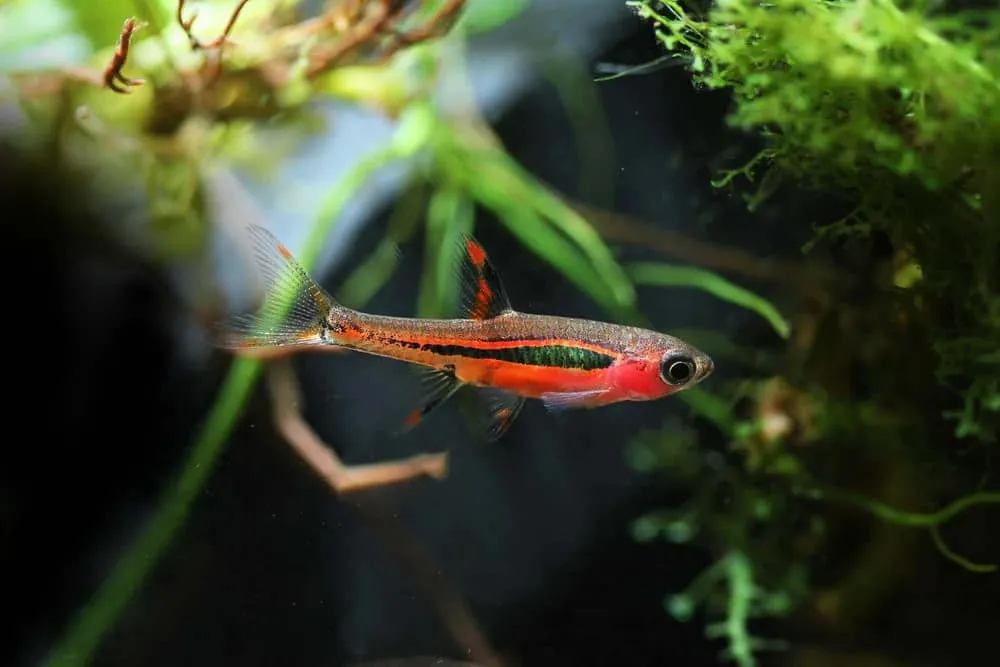
A 2 cm nano fish that hovers among plant stems picking at tiny food and is far too small to be a competitor at the bottom of the tank.
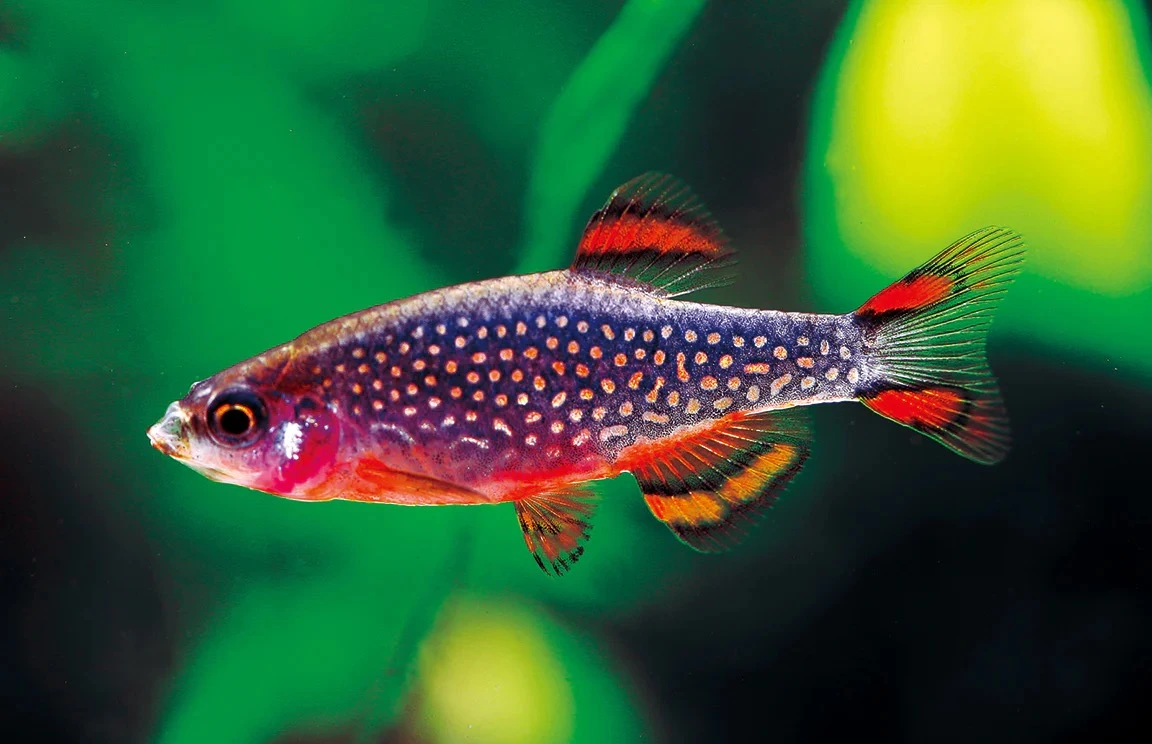
Despite the name it behaves nothing like a danio: it moves in short hops between plant clumps rather than tearing around the tank, so it does not strip food the way its faster relatives do.
Also compatible: Sparkling Gourami, Otocinclus, Nerite Snail, Mystery Snail

Avoid — eats its tank mates
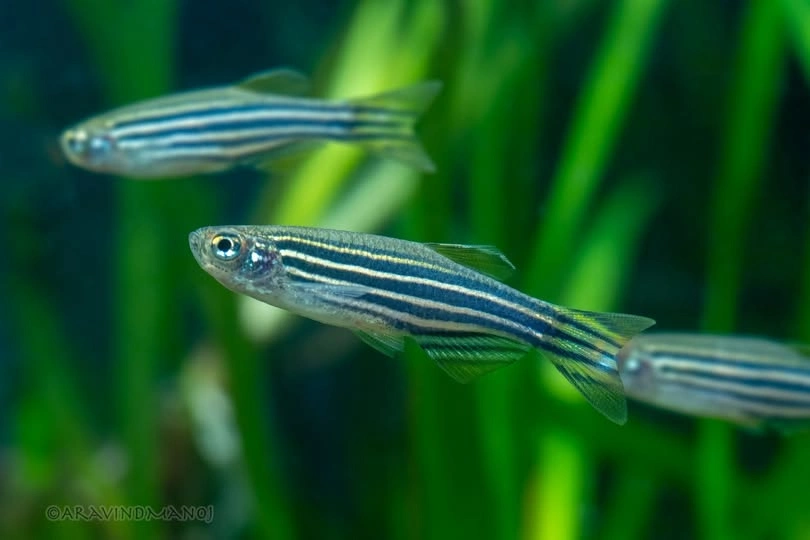
Avoid — takes all the food
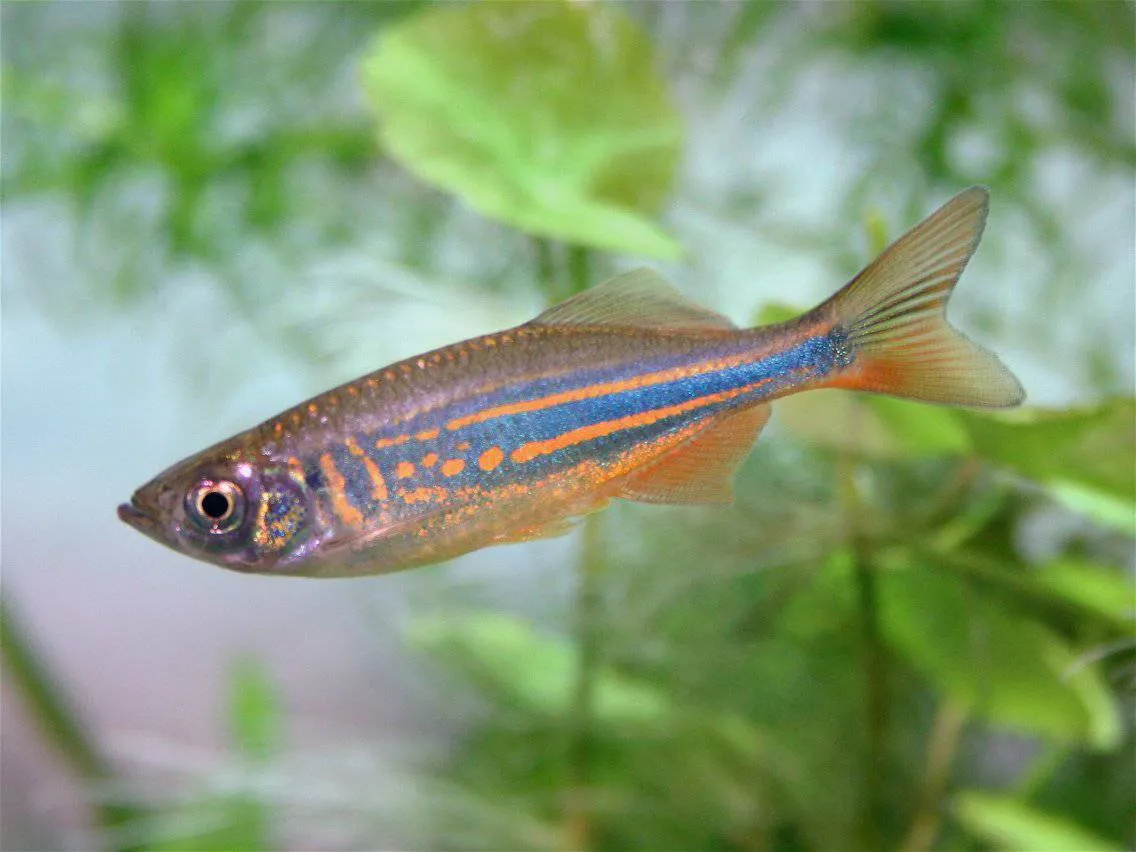
Avoid — too fast, too big
Also avoid: Tiger Barb, Pea Puffer, Angelfish, Common Goldfish
Full African Dwarf Frog tank mates guideBreeding African Dwarf Frogs is moderately challenging but achievable with proper conditions. They use external fertilization, with males grasping females from behind in an embrace called amplexus that can last hours to days.
Trigger breeding with warm water (78-82°F/26-28°C), large water changes with slightly cooler water, and conditioning on live or frozen foods. Females release eggs near the surface, scattered among plants and surfaces. Eggs hatch in 2-5 days depending on temperature.
Remove adults after spawning—they offer no parental care and will eat eggs and tadpoles. Tadpoles are fully aquatic, transitioning through metamorphosis over 6-8 weeks. Froglets are tiny and require very small food like infusoria and baby brine shrimp.
African Dwarf Frogs are sensitive to water quality and specific diseases. Maintaining pristine conditions and avoiding certain foods (especially freeze-dried) are key to their health.
| Disease | Symptoms | Treatment |
|---|---|---|
| Bacterial Infections | Red legs, cloudy eyes, skin lesions, lethargy | Pristine water quality, quarantine, appropriate amphibian-safe medications |
| Fungal Infections | Cotton-like growth on skin, white patches | Good water quality, salt baths (with caution), antifungal treatments |
| Chytrid Fungus | Skin peeling, lethargy, loss of appetite, redness—serious amphibian disease | Quarantine, never release to wild, source from reputable breeders |
This is called the 'zen pose' and is completely normal! They float at the surface to rest and breathe. As long as they're responsive and eating normally, this is natural behavior, not a sign of illness.
African Dwarf Frogs stay small (2.5 inches), have webbed front feet, eyes on the side of head, and pointed snouts. African Clawed Frogs grow to 5+ inches, have clawed front feet, eyes on top of head, and flat snouts. Clawed Frogs will eat Dwarf Frogs—they're often mislabeled in stores.
Male ADFs 'sing' to attract females—it's a buzzing or humming sound, especially common at night. This is normal breeding behavior and indicates a healthy male. It can be quite loud!
Sometimes. It depends on the individual betta's temperament. Some bettas ignore frogs; others attack them. The bigger concern is feeding—bettas are fast and may steal all the food before slow-moving frogs can eat. Target feeding with tongs helps.
Under 12 inches (30cm) is ideal. They must reach the surface to breathe and can drown if exhausted from swimming in deep tanks. Provide resting spots (plants, decorations) near the surface in deeper tanks.
They have poor eyesight and may not find food. Try: frozen bloodworms dropped near them, feeding tongs to bring food close, feeding dishes in same spot, feeding after lights dim. Also check water parameters and temperature.
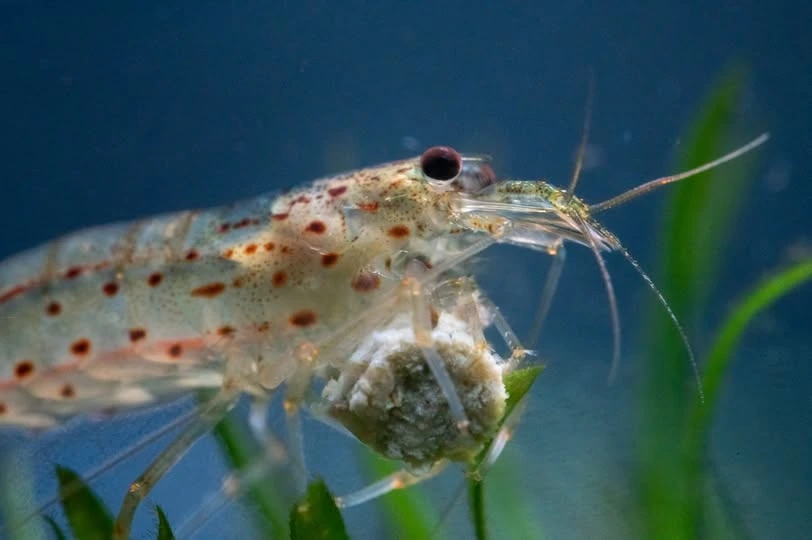
Caridina multidentata
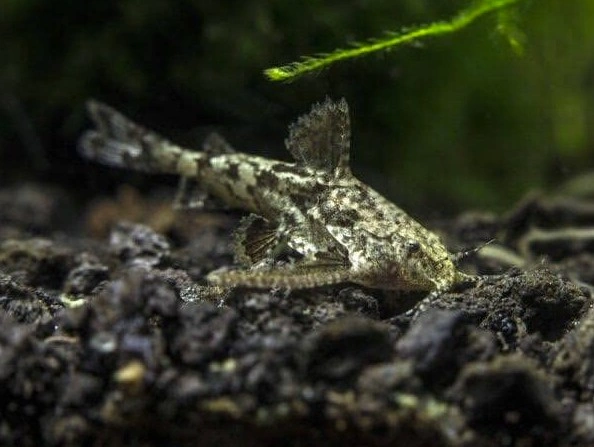
Hara jerdoni
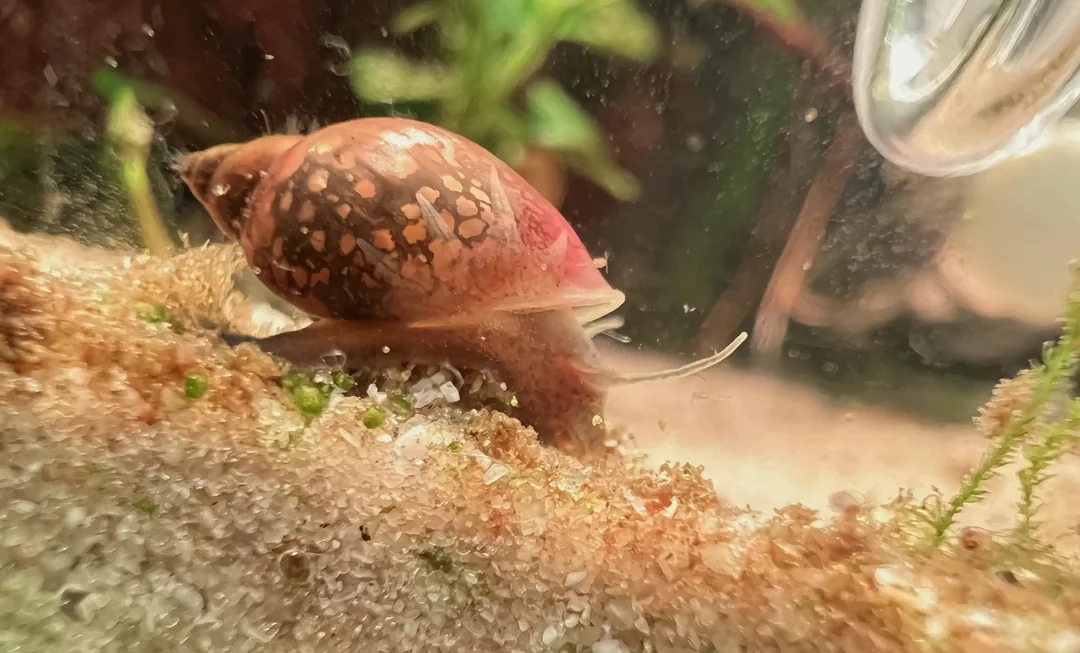
Physella acuta
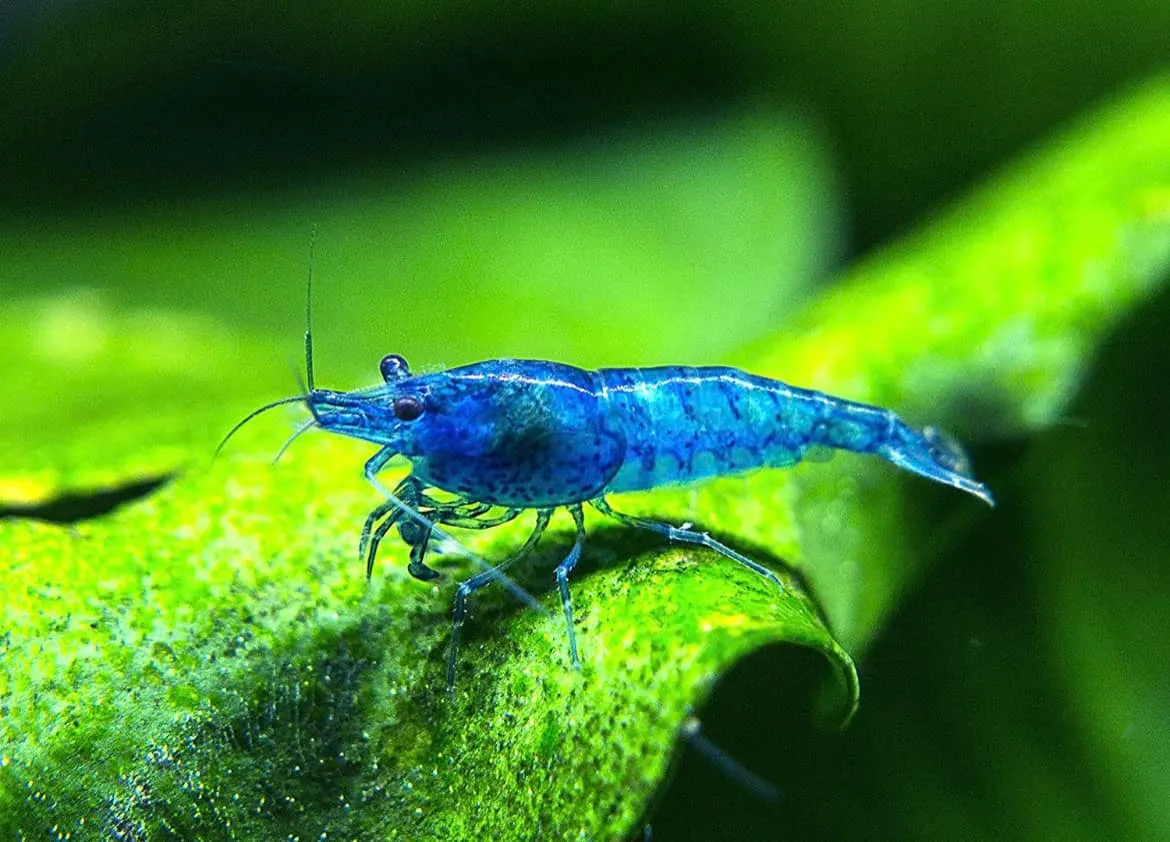
Neocaridina davidi var. blue
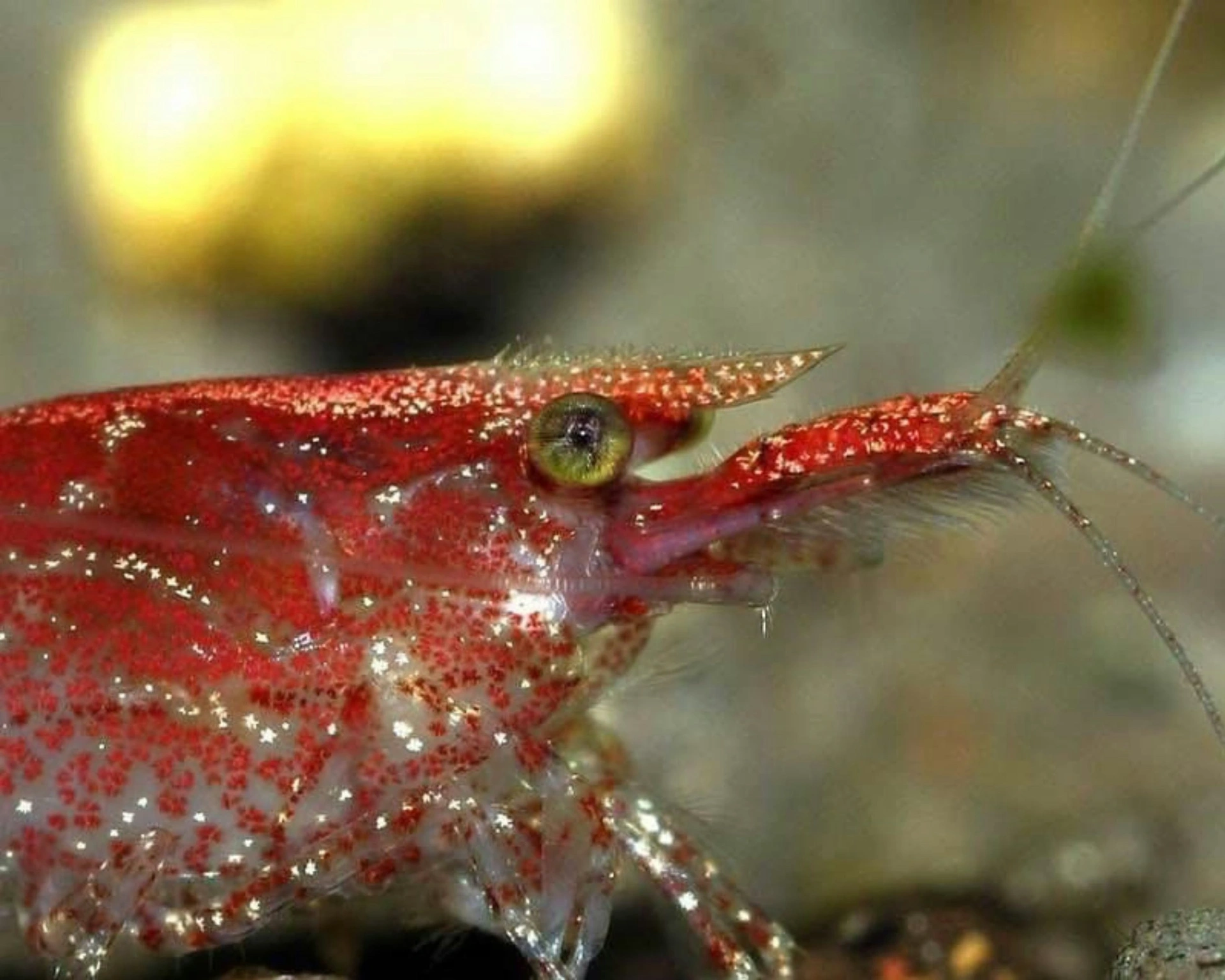
Neocaridina davidi
Boraras brigittae
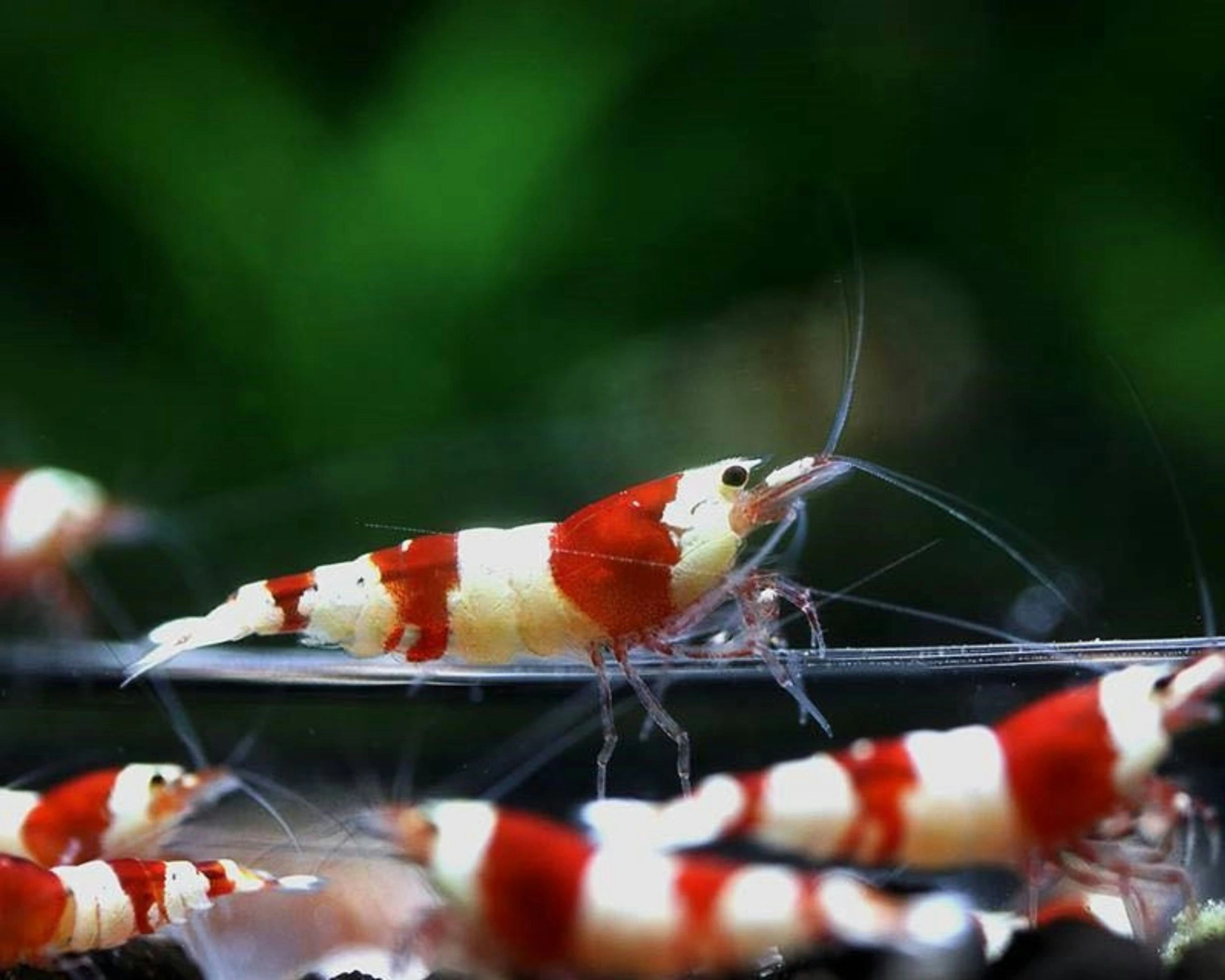
Caridina cantonensis
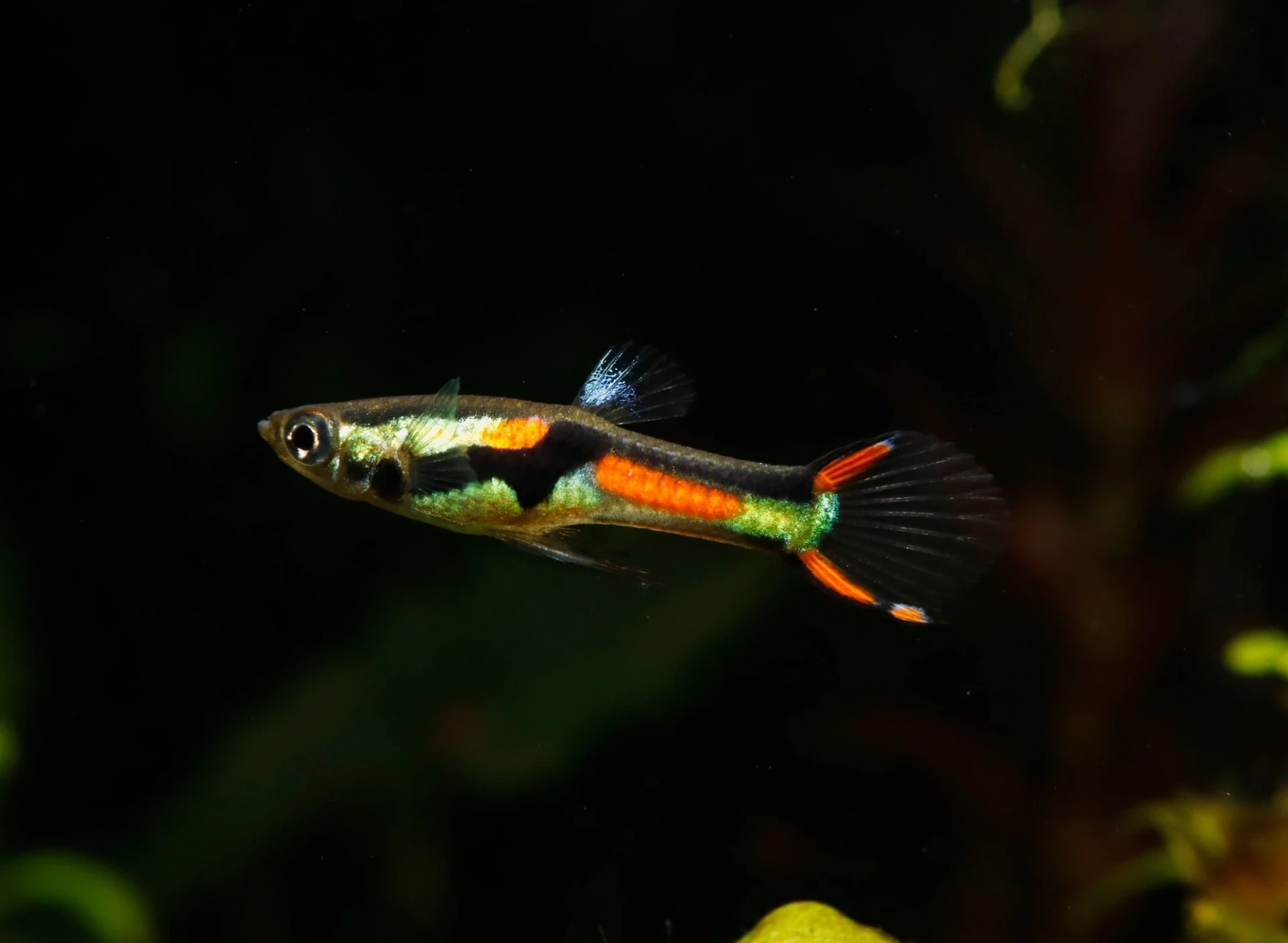
Poecilia wingei
Use our free stocking calculator to check compatibility, bioload, and get personalized recommendations.