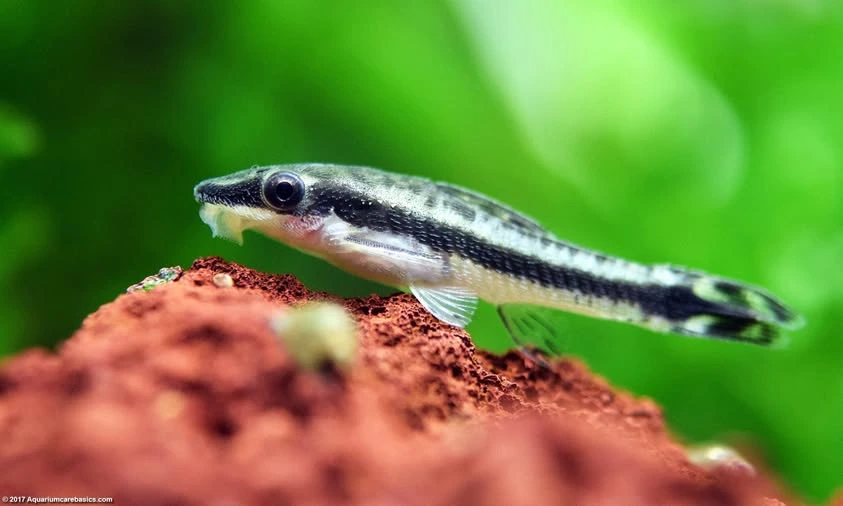
Otocinclus
The most consistently successful pea puffer tank mate.
Adult Size
1.2" (3cm)
Min Tank
10 gal
Temperature
72-82°F
pH Range
6.5-7.5
Lifespan
4-5 years
Min Group
Can be kept alone
Diet
Carnivore
Swim Level
Middle
Bioload
2/10
Hardness
5-15 dGH
The Pea Puffer is the world's smallest pufferfish, maxing out at just 1 inch (2.5cm) — yet packed into that tiny body is an enormous personality. These little predators are intelligent, curious, and surprisingly aggressive, earning them a devoted following among fishkeepers who appreciate their bold behavior and expressive faces.
Unlike most puffers sold in the aquarium trade, Pea Puffers are entirely freshwater — no brackish conditions needed. They're endemic to rivers in India's Western Ghats, where they hunt small invertebrates in slow-moving, heavily vegetated waters. This makes them accessible to freshwater hobbyists who want puffer personality without the complications of salt.
Their intelligence sets them apart from typical aquarium fish. Pea Puffers recognize their owners, beg for food, and display problem-solving behaviors. They'll watch you across the room and swim excitedly when you approach. This interactivity makes them feel more like tiny aquatic pets than passive fish.
However, their aggression is frequently underestimated. Despite their adorable appearance, Pea Puffers are territorial fin-nippers that will harass tankmates relentlessly. Many keepers recommend species-only tanks. Their specialized diet of live and frozen foods adds another layer of commitment — they generally refuse flakes and pellets entirely.
Conservation status: Vulnerable (VU)
Pea Puffers are endemic to the Western Ghats region of Kerala and Karnataka in southwestern India. They inhabit slow-moving rivers, streams, and backwaters with abundant aquatic vegetation. The water is typically soft and slightly acidic, with dense plant growth providing hunting grounds and territory markers.
Their native habitat is under significant pressure from pollution, habitat destruction, and overcollection for the aquarium trade. Wild populations have declined substantially, leading to their Vulnerable conservation status. Most Pea Puffers in the hobby are now captive-bred, which is both more ethical and produces hardier specimens.
The heavily planted, slow-flow environment of their native waters should guide tank setup — they appreciate dense vegetation for hunting, hiding, and establishing territories.
Native Region
Western Ghats, Kerala and Karnataka, India
Habitat Type
Slow-moving rivers and backwaters with dense vegetation
Wild Water Conditions
Soft, slightly acidic (pH 6.5-7.5), warm, slow flow
Pea Puffers are tiny — adults reach only 1-1.5 inches (2.5-3.5cm). Their body is typical puffer shape: rounded with a large head, prominent eyes, and a beak-like mouth. Base coloration is yellow-green to golden with dark irregular spots and markings.
Sexual dimorphism is visible in mature specimens. Males develop a dark stripe along the belly, more intense yellow coloration, and may show 'wrinkles' behind the eyes. Females are rounder-bodied and lack the belly stripe. These differences become clearer as fish mature past 6 months.
Their eyes move independently — a characteristic of puffers that contributes to their expressive, intelligent appearance. They can look at you with one eye while scanning for food with the other.
| Variety | Description | Rarity |
|---|---|---|
| Standard/Wild-Type | Yellow-green to golden body with dark spots and markings. The only form available — no selectively bred variants exist. Individual patterning varies. | Common |
Minimum Tank Size
10 gallons
Recommended Tank Size
15 gallons
Pea Puffer tanks should be heavily planted with broken sight lines to manage territorial behavior. Despite their tiny size, they need space to establish territories — cramped conditions increase aggression significantly.
Fully freshwater — no salt needed despite being puffers. They prefer soft to moderately hard water (5-15 dGH, pH 6.5-7.5) similar to their native Western Ghats rivers. Stable parameters matter more than hitting exact numbers. Good water quality is essential; they're sensitive to ammonia and nitrite. Temperature 22-28°C (72-82°F).
Soft substrate works best, especially if keeping with snails for food. Sand allows them to hunt naturally and won't damage their undersides during bottom exploration.
Heavy planting is critical for managing aggression. Each puffer needs areas where it can't see others constantly. Stem plants, floating plants, and moss create the broken sight lines essential for group success. Driftwood and rocks add territory markers. Plants serve multiple functions: territory markers, sight-line breaks, hunting grounds for snails, and environmental enrichment. Java Moss, stem plants, floating plants, and dense carpeting plants all work well.
They come from slow-moving waters and don't appreciate strong current. Sponge filters are ideal — they provide gentle filtration and won't trap tiny puffers. If using HOB or canister filters, baffle the output to reduce flow.
Lighting should support the heavy planting these tanks need. Standard planted tank lighting works well. They're not particularly light-sensitive.
Diet Type
carnivore
Feeding Frequency
Once or twice daily
Portion Size
Small amounts they can consume in a few minutes. Their stomachs are tiny — overfeeding is easy and causes water quality issues.
Pea Puffers are strict carnivores that almost universally reject dry foods. Their diet in the wild consists of small invertebrates, insect larvae, and snails. Replicating this with live and frozen foods is essentially mandatory — don't expect them to accept flakes or pellets. Their beak-like teeth grow continuously and must be worn down by crunching hard-shelled foods like snails.
Their beak-like teeth grow continuously and must be worn down by crunching hard-shelled foods like snails. Without this, teeth can overgrow and prevent eating.
Pea Puffers are intelligent, curious fish with distinct personalities. They recognize their owners, beg for food by swimming excitedly at the glass, and watch activities outside the tank with obvious interest. This interactivity makes them exceptionally engaging pets.
However, their aggression is significant. Despite cute appearances, they're territorial and will nip fins, chase tankmates, and establish pecking orders. In groups, weaker individuals may be bullied to the point of stress and starvation. Males are particularly aggressive toward each other.
They're active hunters that spend much of their time exploring and searching for food. Watching a Pea Puffer methodically hunt snails through plants is genuinely entertaining. Their eyes move independently, tracking prey and environment simultaneously.
Each individual has distinct personality — some are bold and interactive, others shy and retiring.
Pea puffers are curious, slow-moving and far bolder than their size suggests, and the trouble they cause is nipping rather than fighting. Fast, small, plain fish that keep to the bottom or dart through open water fare best. In a small tank a puffer runs out of things to investigate and starts on its tank mates.
The most consistently successful pea puffer tank mate.
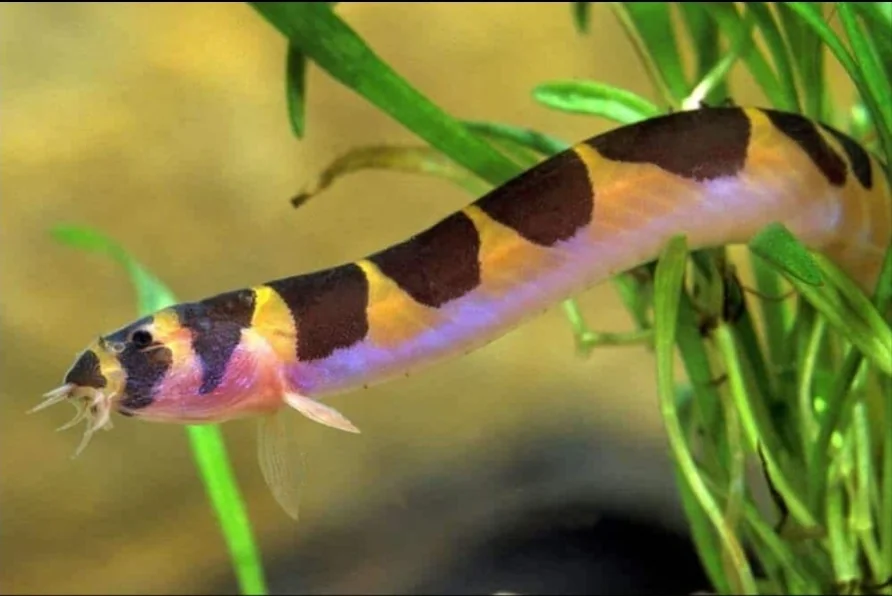
Nocturnal, eel-shaped and living under the hardscape, which puts them out of the puffer's field of view for most of the day.
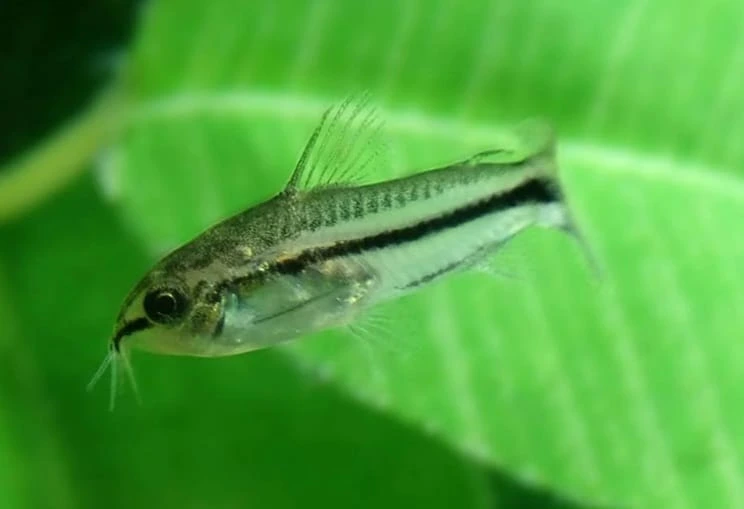
Small, quick and shoaling just above the substrate, they occupy a layer the puffer largely ignores and are alert enough to move when approached.
Also compatible: Ember Tetra, Panda Corydoras, Harlequin Rasbora
Also avoid: Angelfish, Cherry Shrimp, Siamese Algae Eater, Fancy Goldfish, Swordtail
Full Pea Puffer tank mates guidePea Puffers can breed in aquariums, though it's not as straightforward as many egglayers. They're egg scatterers that don't provide parental care — eggs are deposited among fine-leaved plants or moss and abandoned. Breeding is triggered by good conditions: warm water (78-80°F), excellent water quality, and heavy feeding with live foods. Eggs hatch in approximately 5 days. Fry are tiny and require infusoria initially, graduating to baby brine shrimp. Sexing is important for breeding — aim for 1 male to 2-3 females.
Pea Puffers are relatively hardy when their specific needs are met. Most health issues stem from poor diet (especially lack of hard foods for teeth), poor water quality, or stress from aggression.
| Disease | Symptoms | Treatment |
|---|---|---|
| Overgrown Teeth | Difficulty eating, mouth unable to close fully, visible overgrown 'beak.' | Prevention through regular hard-shelled foods (snails) is essential. Severe cases require manual trimming with cuticle clippers. |
| Internal Parasites | Sunken belly despite eating, white stringy feces, lethargy. Common in wild-caught specimens. | Treat with Praziquantel or similar anti-parasitic medication. Quarantine and treat all new puffers prophylactically. |
| Ich (White Spot Disease) | Small white spots on body and fins, flashing against objects, clamped fins. | Raise temperature to 30°C gradually. Use commercial ich medications at half-dose initially, monitoring for sensitivity. |
| Stress/Aggression Injuries | Nipped fins, wounds, hiding constantly, not eating. | Separate bullied individuals immediately. Clean water promotes healing. Address root cause — usually inadequate space or too many males. |
No — Pea Puffers are completely freshwater fish. Unlike many puffers that require brackish conditions, Pea Puffers come from freshwater rivers in India and need no salt at all. This makes them accessible to freshwater hobbyists.
Almost never. They're strict carnivores that strongly prefer live and frozen foods. Most Pea Puffers completely ignore dry foods. Plan on feeding frozen bloodworms, brine shrimp, and live snails.
Generally not recommended. Despite their tiny size, they're aggressive fin-nippers that harass most tankmates. Some keepers have success with fast fish like Otocinclus, but species-only tanks are safest.
In heavily planted tanks: roughly 1 puffer per 5 gallons with appropriate male-to-female ratio (1 male to 2-3 females). Groups need broken sight lines and territory options. Males fight — avoid multiple males in small tanks.
Dental health. Puffer teeth grow continuously, and crunching hard snail shells wears them down. Without regular snails, teeth can overgrow and prevent eating — a serious condition that's difficult to treat.
Not really. While they're hardy once established, their specialized diet (no dry foods), aggression management, and dental care needs make them intermediate-level fish.
Males develop a dark stripe along the belly, more intense yellow coloration, and sometimes 'wrinkles' behind the eyes. Females are rounder-bodied and lack the belly stripe.
It's not eating enough — either due to competition from tankmates, internal parasites, or overgrown teeth preventing feeding. This is a serious symptom requiring immediate attention.
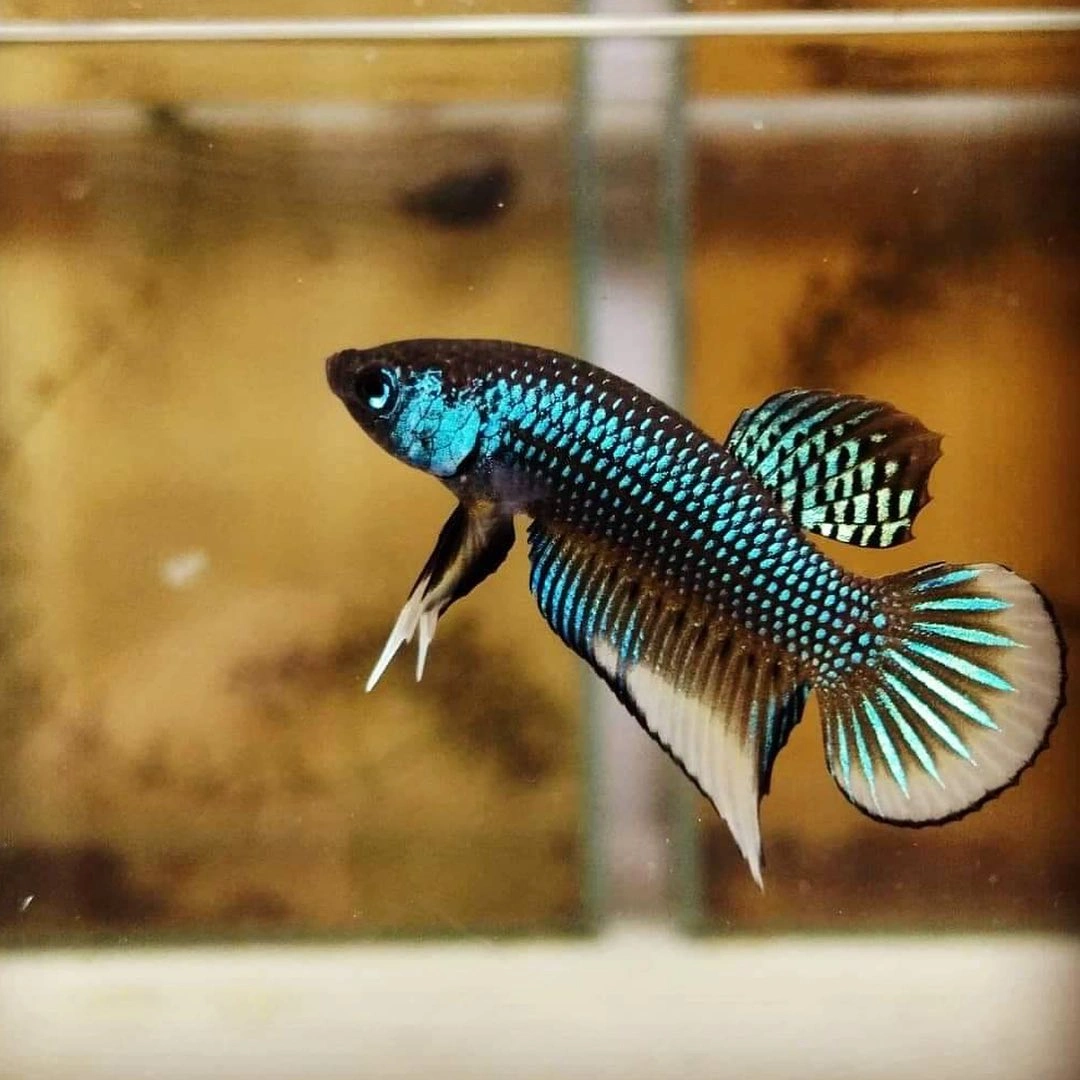
Betta imbellis

Aplocheilus lineatus

Nothobranchius rachovii

Dermogenys pusilla

Xenopus laevis

Apistogramma cacatuoides

Gymnocorymbus ternetzi

Hyphessobrycon anisitsi
Use our free stocking calculator to check compatibility, bioload, and get personalized recommendations.