
Care Requirements
Adult Size
2.0" (5cm)
Min Tank
20 gal
Temperature
68-77°F
pH Range
6-7.4
Lifespan
10+ years
Min Group
6+ fish
Diet
Omnivore
Swim Level
Bottom
Bioload
2/10
Hardness
2-12 dGH
About Panda Corydoras
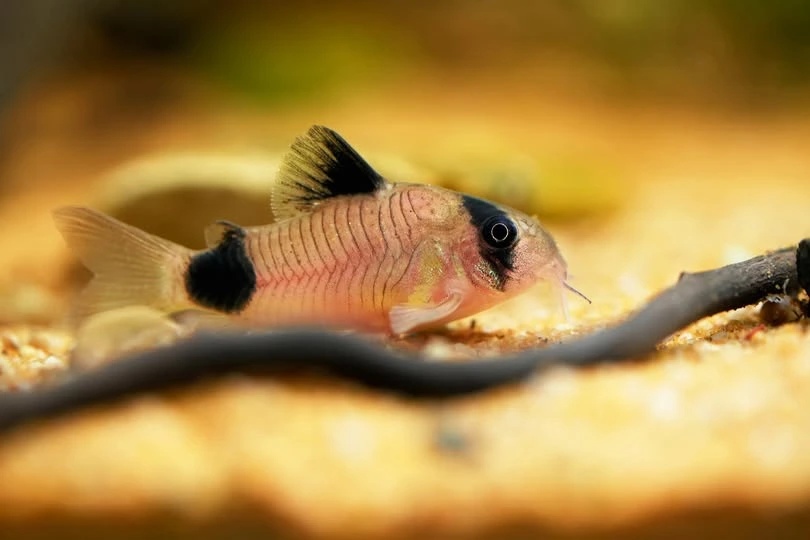
The Panda Corydoras is one of the most beloved and recognizable Corydoras species, named for its distinctive black eye patches that resemble a giant panda's markings. First described in 1971 from specimens collected in Peru, this charming catfish has become a staple of the aquarium hobby.
What sets panda corys apart from many other Corydoras is their preference for cooler water—they originate from mountain streams rather than warm lowland rivers. This makes them excellent tankmates for fish that prefer temperatures in the 68-75°F range, where many other tropical fish struggle.
Panda corys are social, peaceful, and endlessly entertaining to watch as they bustle about the bottom of the tank, using their sensitive barbels to search for food. Their playful "dancing" behavior and synchronized schooling make them favorites among aquarists of all experience levels.
Natural Habitat & Origin
Conservation status: Near Threatened (NT)
Panda Corydoras originate from the upper Amazon basin tributaries in Peru, specifically from cool, fast-flowing mountain streams. These waters are clean, oxygen-rich, and notably cooler than typical lowland tropical rivers—explaining their preference for temperatures that many consider "cool" for tropical fish.
Their native habitat features sandy or fine gravel substrates, rocky areas, and clean water with moderate to strong flow. Understanding these origins is essential for successful keeping: these are not warm-water fish, and they're particularly sensitive to water quality issues.
Native Region
Peru - upper Amazon basin tributaries
Habitat Type
Cool, fast-flowing mountain streams with rocky areas
Wild Water Conditions
Cool (68-75°F), clean, oxygen-rich water with sandy substrate
Appearance & Varieties
Panda Corydoras are small, reaching only about 2 inches (5 cm) in length. Their base coloration is pale cream to pinkish-white, marked with distinctive black patches: one covering each eye like a panda's mask, one on the dorsal fin, and one at the base of the tail (caudal peduncle).
Like all Corydoras, they have armored plates instead of scales, giving them a somewhat angular appearance. Their underslung mouths are surrounded by sensitive barbels used for foraging. Males tend to be smaller and more streamlined, while females are noticeably rounder when viewed from above, especially when carrying eggs.
Tank Setup & Requirements
Quick Requirements Summary
Tank Size
Minimum Tank Size
20 gallons
Recommended Tank Size
20 gallons
Panda Corydoras have specific requirements that differ from many tropical fish. Their preference for cooler temperatures and sensitivity to water quality make proper tank setup crucial for their long-term health.
Water Parameters
Temperature is critical: 68-75°F (20-25°C), with around 72°F being ideal. Warmer temperatures (78°F+) cause stress and significantly shorten lifespan. pH should be 6.0-7.5, hardness 2-12 dGH. They're very sensitive to nitrates—keep below 20 ppm with regular water changes. High oxygen levels are essential.
Substrate
CRITICAL: Fine sand or smooth rounded gravel (2-3mm maximum). Sharp or coarse gravel damages their sensitive barbels, leading to infections and loss of foraging ability. Sand is strongly preferred—watching them sift sand through their gills while foraging is part of their charm.
Plants & Decorations
Plants are beneficial for security and water quality. Amazon Sword, Java Fern, Anubias, Cryptocoryne, Hornwort, and Java Moss all work well. Provide driftwood, smooth rocks, and PVC pipes for hiding spots. Indian almond leaves add beneficial tannins.
Filtration & Water Flow
Moderate to strong filtration with high oxygenation. These fish need well-oxygenated water—consider supplemental air stones if needed. Canister or HOB filters work well. Avoid dead spots where waste accumulates.
Lighting
Low to moderate lighting—they appreciate dimmer conditions and are more active when not under bright lights.
Diet & Feeding Guide
Diet Type
omnivore
Feeding Frequency
Once daily, evening preferred
Portion Size
What they consume in 2-3 minutes
Panda Corydoras are omnivores that forage along the bottom for food. In the wild, they eat insect larvae, worms, small crustaceans, plant matter, and detritus. Despite common misconceptions, they are NOT efficient scavengers and need dedicated feeding.
Best Foods for Panda Corydoras
- Sinking pellets for bottom feeders — Should be staple diet—ensure food reaches the bottom
- Sinking wafers — Catfish-specific wafers, break into smaller pieces for groups
- Frozen bloodworms — Excellent protein supplement, highly relished
- Frozen brine shrimp — Good variety, easy to digest
- Daphnia — Natural food, promotes good digestion
- Live blackworms — Exceptional treat that stimulates natural foraging
- Blanched vegetables — Occasional treat—zucchini, cucumber
Foods to Avoid
- Relying on leftovers alone — They need dedicated feeding, not just scraps from other fish
- Floating foods only — They're bottom feeders—food must sink to reach them
- Large pellets — Have small mouths, need appropriately sized food
Feed after lights out or reduce flow to prevent food from being swept away before they can eat. Rotate between pellets, frozen, and occasional live foods for best health. They're crepuscular—most active at dawn and dusk, so evening feeding often works best.
Behavior & Temperament
Panda Corydoras are highly social fish that display fascinating group behaviors. They're most active during dawn and dusk, spending much of their time foraging along the bottom with their sensitive barbels.
In adequate groups, they exhibit synchronized schooling behavior, moving together across the substrate like a little armored unit. They're known for playful "dancing"—rapid chasing and darting behaviors that appear to be pure play. They're also facultative air breathers, occasionally dashing to the surface for a gulp of air—this is normal behavior, not a sign of oxygen problems (unless it's constant).
Their peaceful nature makes them ideal community fish, though they need the company of their own kind to truly thrive.
Tank Mates: Compatibility Guide
Compatible Tank Mates
Perfect match—peaceful, small, tolerates cooler temps
Classic pairing, both prefer cooler conditions
Beautiful with corys, similar water preferences
Peaceful mid-dweller
Small, peaceful, likes similar temps
Tiny, peaceful top-dweller
Peaceful community fish
Fellow peaceful bottom-dweller, similar care needs
Peaceful bottom companion
Completely safe—pandas ignore shrimp
Safe tankmate, helps with algae
Fellow cool-water cory species
Tank Mates to Avoid
Large Cichlids
Too aggressive and may harm or eat small corys
Fish requiring warm water (78°F+)
Panda corys need cooler temps and will suffer in warm water
Aggressive bottom dwellers
Competition and stress at the bottom level
Fin nippers
Can damage corys and cause stress
Common Pairing Questions
Can I keep panda corys with other Corydoras species?
Yes, they can mix with other species and will sometimes school together. However, panda corys need cooler temps (68-75°F) while many others prefer 74-78°F, so choose temperature-compatible species like Pygmy Corydoras or keep temperatures at the overlap (around 74°F).
Are panda corys good with shrimp?
Excellent! Panda corys are completely shrimp-safe—they're too small and peaceful to harm even baby shrimp. They make perfect tankmates for cherry shrimp, amano shrimp, and other dwarf shrimp species.
Can I keep just one or two panda corys?
They survive but don't thrive alone. Corydoras are highly social and need groups of 6+ to feel secure and display natural behaviors. Solitary corys often hide, show stress, and have shortened lifespans. Always keep them in proper schools.
Panda Corydoras can be bred in captivity, though they're somewhat more challenging than Bronze or Peppered corys. Success requires attention to water parameters and conditioning.
Health Issues & Disease Prevention
Panda Corydoras are more sensitive to water quality issues than many other aquarium fish. Their barbel health is the single best indicator of proper husbandry.
Common Diseases
| Disease | Symptoms | Treatment |
|---|---|---|
| Barbel Damage/Infection | Shortened, damaged, or eroded whiskers, redness around barbels | |
| Ich | White spots on body and fins, flashing against objects | |
| Red Blotch Disease | Red patches on body, particularly the belly | |
| Nitrate Sensitivity | Lethargy, loss of appetite, overall decline |
Signs of a Healthy Panda Corydoras
- Active foraging behavior
- Intact, long barbels
- Vivid black markings
- Schooling with groupmates
- Good appetite
- Playful behavior
Prevention Tips
- Keep substrate soft (fine sand preferred)
- Maintain nitrates below 20 ppm
- Keep water temperature between 68-75°F
- Quarantine new fish
- Provide good oxygenation
Frequently Asked Questions
They come from cool mountain streams in the upper Amazon, not warm lowland rivers. Temperatures above 77°F cause stress and significantly shorten lifespans. Keep them at 68-75°F, ideally around 72°F.
Sharp or rough substrate damages their sensitive barbels—switch to fine sand or smooth 2-3mm rounded gravel immediately. Poor water quality can also cause barbel erosion. Maintain pristine conditions and barbels may regenerate if damage isn't severe.
Slightly—they're more sensitive to warm temps, nitrates, and water quality. Bronze and Peppered corys are hardier and more forgiving. Pandas need cooler, cleaner conditions but aren't difficult if their requirements are met.
Corydoras are facultative air breathers—occasional trips to gulp air are normal behavior, not a sign of problems. However, if they're constantly at the surface, check oxygen levels and water quality. Increase surface agitation or add an air stone if needed.
Tips for Keeping Panda Corydoras
Pro Tips
- ✓Most distinctive and recognizable Corydoras species
- ✓Cooler temperature requirements mean tankmate selection is critical
- ✓Barbel health is THE indicator of proper care—check them regularly
- ✓Keep nitrates below 20 ppm with weekly water changes
- ✓High oxygen levels are essential—use air stones if needed
- ✓Indian almond leaves are beneficial for water chemistry and natural feel
- ✓Worth the extra care—incredibly charming fish with personality
- ✓Can live 10+ years with proper conditions—they're a long-term commitment
Common Mistakes to Avoid
- ✗GRAVEL substrate—damages barbels critically, use sand only
- ✗Too warm water (78°F+)—causes stress and shortened lifespan
- ✗Poor water quality—highly sensitive to nitrates
- ✗Small groups (fewer than 6)—they need schools for security
- ✗Relying on leftovers for food—need dedicated feeding
- ✗Low oxygen—they need well-oxygenated water
- ✗Mixing with warm-water-only species
- ✗Not quarantining—disease spreads easily in stressed fish
Sources
- FishBase — Accepted scientific name, maximum size and native range for Panda Corydoras.
- IUCN Red List — Near Threatened conservation assessment for Corydoras panda.
Related Species You Might Like
View All Fish →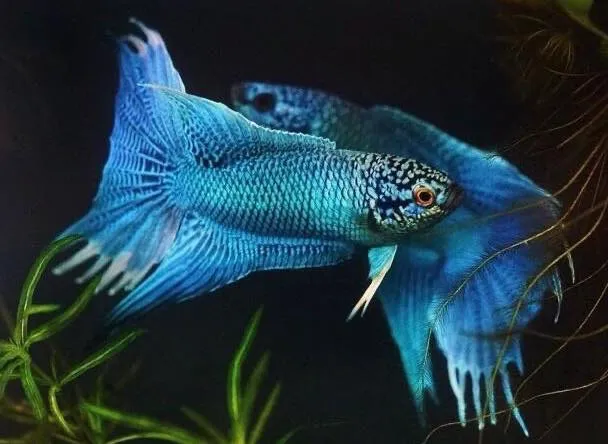
Paradise Fish
Macropodus opercularis
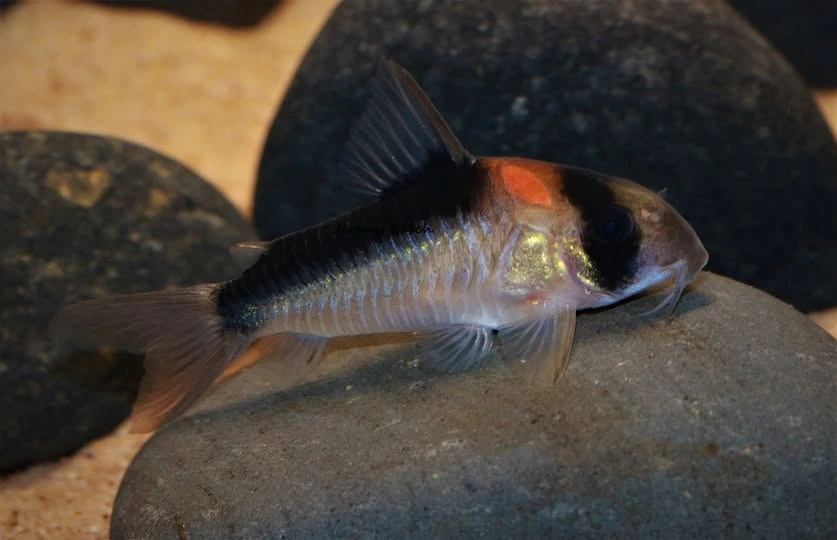
Adolfo's Corydoras
Corydoras adolfoi
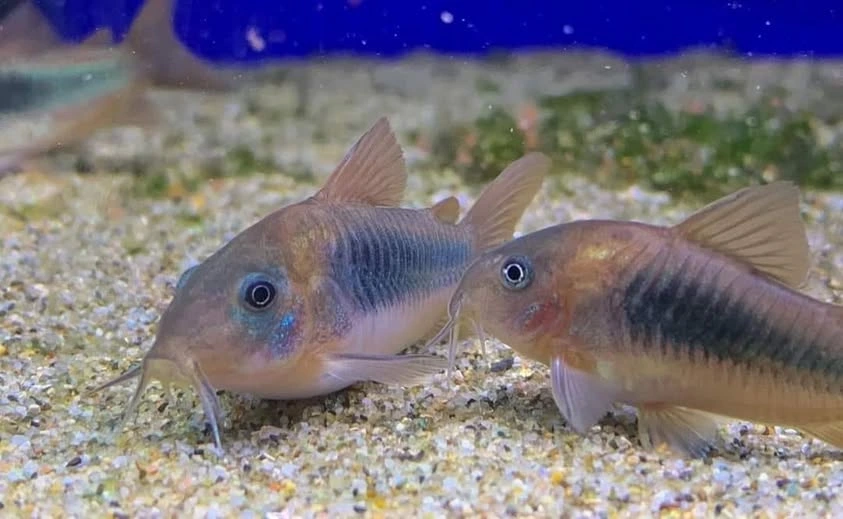
Bronze Corydoras
Corydoras aeneus
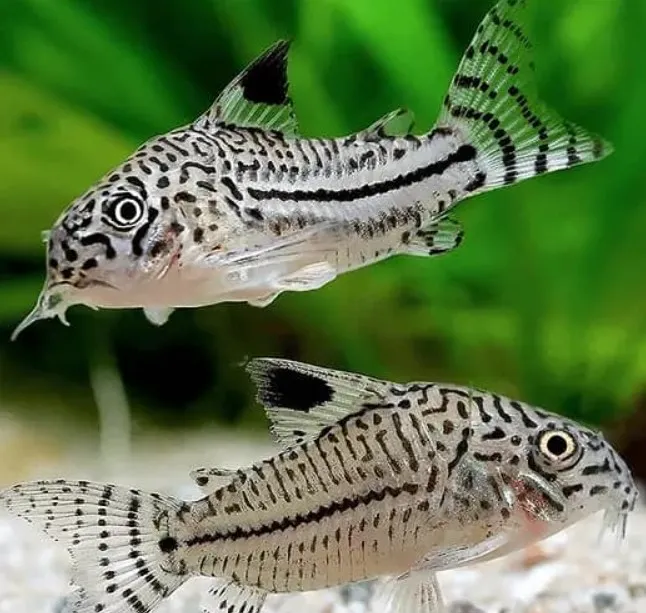
Corydoras Julii
Corydoras julii
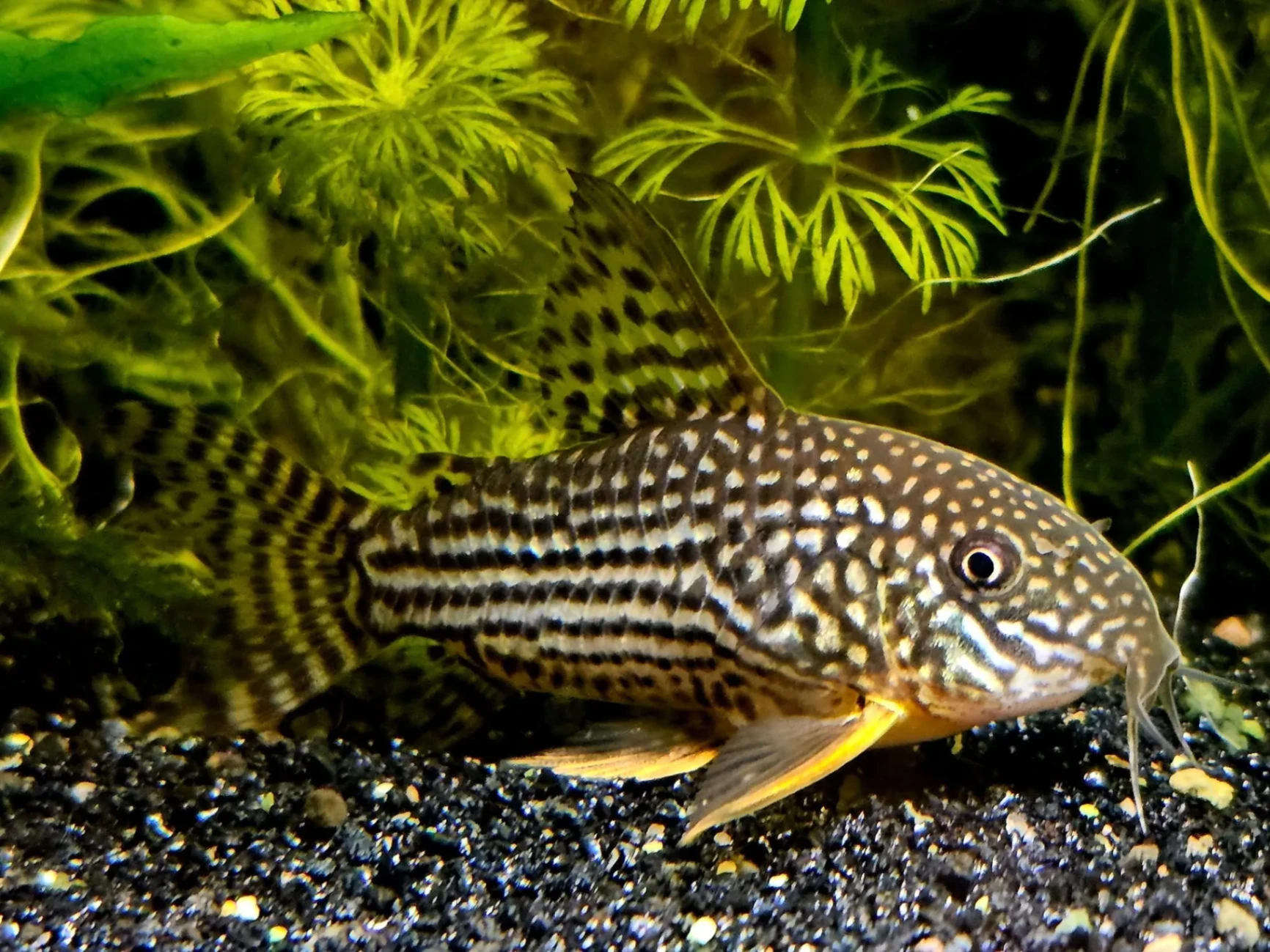
Corydoras Sterbai
Corydoras sterbai
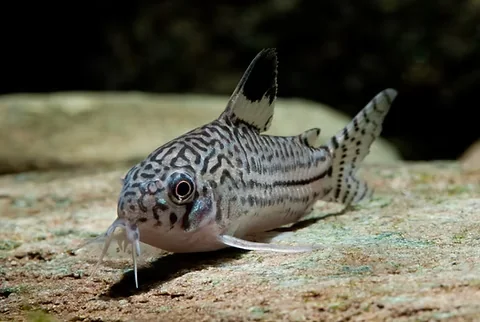
False Julii Corydoras
Corydoras trilineatus
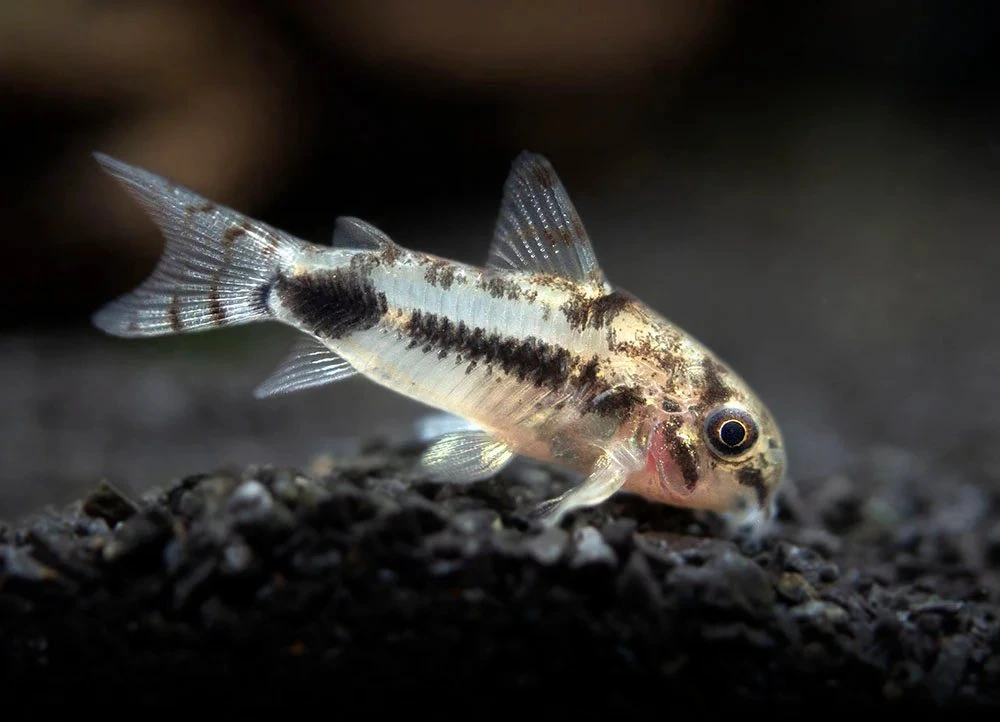
Peppered Corydoras
Corydoras paleatus
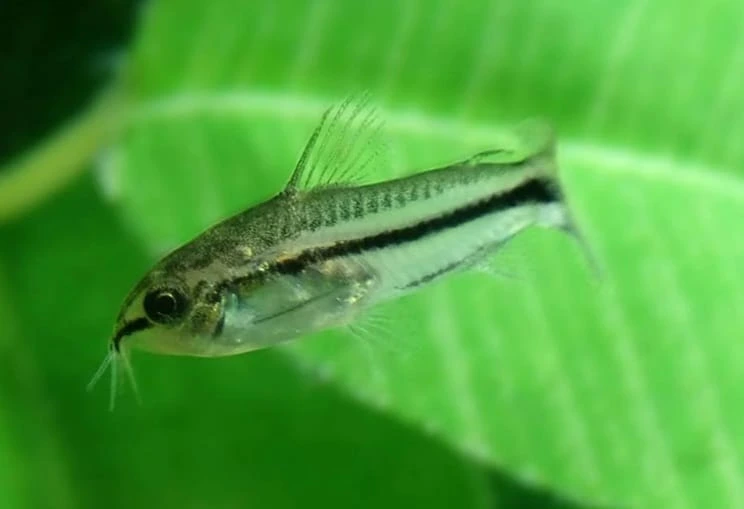
Pygmy Corydoras
Corydoras pygmaeus
Ready to Add Panda Corydoras to Your Tank?
Use our free stocking calculator to check compatibility, bioload, and get personalized recommendations.