
Care Requirements
Adult Size
3.9" (10cm)
Min Tank
20 gal
Temperature
61-79°F
pH Range
6-8
Lifespan
8-10 years
Min Group
Can be kept alone
Diet
Omnivore
Swim Level
Top
Bioload
4/10
Hardness
5-20 dGH
About Paradise Fish
The Paradise Fish holds a special place in aquarium history as one of the very first tropical fish imported to Europe in 1869, helping to launch the entire aquarium hobby. Before reliable heaters existed, their remarkable cold tolerance made them one of the few 'tropical' fish that could survive in European homes.
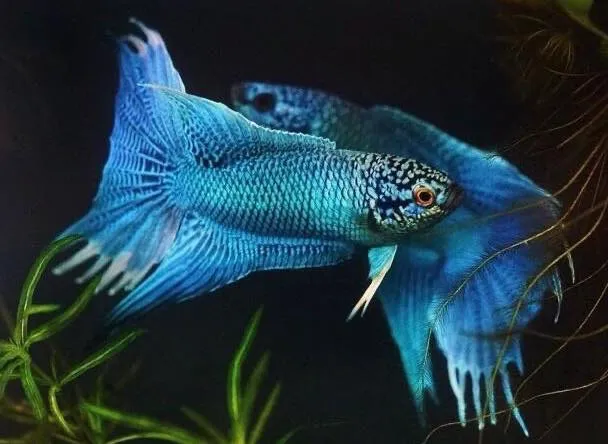
Paradise Fish are stunningly beautiful, with males displaying vibrant red and blue striped patterns and flowing, elongated fins. They're intelligent, interactive fish that quickly learn to recognize their owner and respond to feeding time. Their labyrinth organ allows them to breathe atmospheric air, making them incredibly adaptable to various conditions including oxygen-poor water.
However, their beauty comes with a significant caveat—aggression. Males are fiercely territorial and will fight other males to the death. They'll also attack bettas, gouramis, and other similar-looking fish. Successful Paradise Fish keeping requires understanding and respecting their aggressive nature. A single male in a well-planned tank is one of the most rewarding fish-keeping experiences available.
Natural Habitat & Origin
Paradise Fish are native to East Asia, found across China, Taiwan, Vietnam, Korea, and surrounding regions. They inhabit rice paddies, ditches, ponds, slow-moving streams, and stagnant waters—often in shallow, oxygen-poor environments where their labyrinth organ provides a crucial survival advantage.
Their natural habitat is remarkably diverse, ranging from near-freezing winter conditions to warm summer temperatures. This extreme adaptability explains their legendary hardiness in captivity. Dense vegetation in their natural waters provides territories and breeding sites, which should be replicated in the aquarium.
Native Region
East Asia - China, Taiwan, Vietnam, Korea
Habitat Type
Rice paddies, ditches, ponds, slow-moving streams, stagnant waters
Wild Water Conditions
Wide range—from near-freezing to warm, often oxygen-poor, densely vegetated
Appearance & Varieties
Paradise Fish are striking labyrinth fish reaching about 4 inches (10 cm). Males display vibrant alternating red and blue vertical stripes along their body, with elongated, flowing dorsal, anal, and caudal fins that extend into elegant filaments. The forked tail gives them one of their alternative names—'Fork-tail Fighter.'
Females are considerably duller with shorter fins, less intense coloration, and less pronounced fin extensions. Males intensify their colors during territorial displays and breeding, becoming truly spectacular. Several color variants exist in the hobby, including albino and blue forms, all with identical care requirements.
Tank Setup & Requirements
Quick Requirements Summary
Tank Size
Minimum Tank Size
20 gallons
Recommended Tank Size
30 gallons
Paradise Fish need a minimum of 20 gallons (75 liters) for a single male, with 30 gallons (115 liters) recommended. Surface area is important for their air-breathing behavior, and heavily planted tanks help manage their aggression.
Water Parameters
Temperature 61-79°F (16-26°C)—one of the widest ranges of any aquarium fish. They can survive brief periods near freezing. pH 6.0-8.0 and hardness 5-20 dGH. Incredibly adaptable to various water chemistries.
Substrate
Any substrate works—they're not substrate-dependent. Choose based on aesthetic preference and tankmate needs.
Plants & Decorations
Heavily planted tanks are essential for managing aggression—plants break line of sight and create territories. Floating plants are particularly important as they support bubble nest building and provide the humid air layer labyrinth fish need. Driftwood, rocks, and dense stem plants create visual barriers.
Filtration & Water Flow
Gentle to moderate flow—they prefer calmer water, especially for bubble nest building. Strong current disrupts nests and stresses them. Sponge filters work well.
Lighting
Moderate—not demanding. Some floating plant cover provides comfortable dimmer areas.
Diet & Feeding Guide
Diet Type
omnivore
Feeding Frequency
1-2x daily
Portion Size
What they consume in 2-3 minutes
Paradise Fish are voracious omnivores that eat virtually anything. In the wild, they feed on insects, insect larvae, small crustaceans, worms, and plant matter. They're enthusiastic hunters that will catch live prey, eat pest snails, and may consume smaller tankmates.
Best Foods for Paradise Fish
- High-quality flakes/pellets — Good staple—they eat eagerly from the surface
- Frozen bloodworms — Excellent protein source, readily accepted
- Frozen brine shrimp — Good variety, enhances coloration
- Live insects/mosquito larvae — Natural prey—outstanding conditioning food
- Live blackworms — Promotes natural hunting behavior
- Daphnia — Good variety, easy to digest
Foods to Avoid
- Low-quality foods — Dulls their vibrant coloration
- Overfeeding — They're greedy—portion control important
Voracious eaters that take food from the surface eagerly. They'll hunt small invertebrates and pest snails actively. Be aware they may eat very small tankmates. Their appetite makes them easy to feed but watch for overfeeding.
Behavior & Temperament
Paradise Fish are intelligent, interactive, and fiercely aggressive—especially males. They quickly learn to recognize their owner, coming to the front of the tank at feeding time and displaying their colors. Their personality is one of their most appealing traits.
However, male-on-male aggression is extreme and relentless—two males will fight constantly, often to the death. They'll also attack bettas, gouramis, and other labyrinth fish or similar-looking species. Males build elaborate bubble nests under floating plants, a fascinating behavior to observe. Their labyrinth organ allows them to breathe atmospheric air, and they'll surface regularly to gulp air—completely normal behavior.
Tank Mates: Compatibility Guide
Compatible Tank Mates
Large, fast—can handle Paradise Fish aggression
Robust, active, too fast to be bullied
Armored and stays out of the way
Bottom dweller, usually ignored
Large enough to coexist (in big tanks)
Robust, active, temperature compatible
Tank Mates to Avoid
Betta
Will attack and likely kill—both are aggressive labyrinth fish
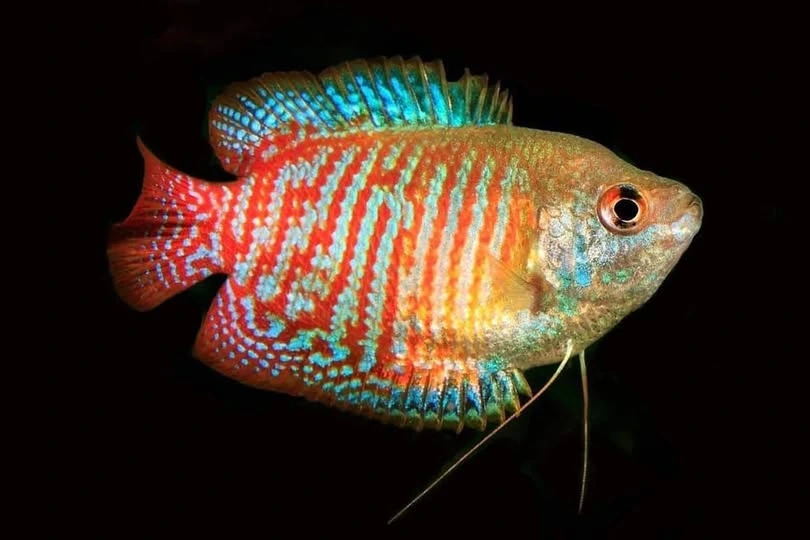
Dwarf Gourami
Similar appearance triggers extreme aggression
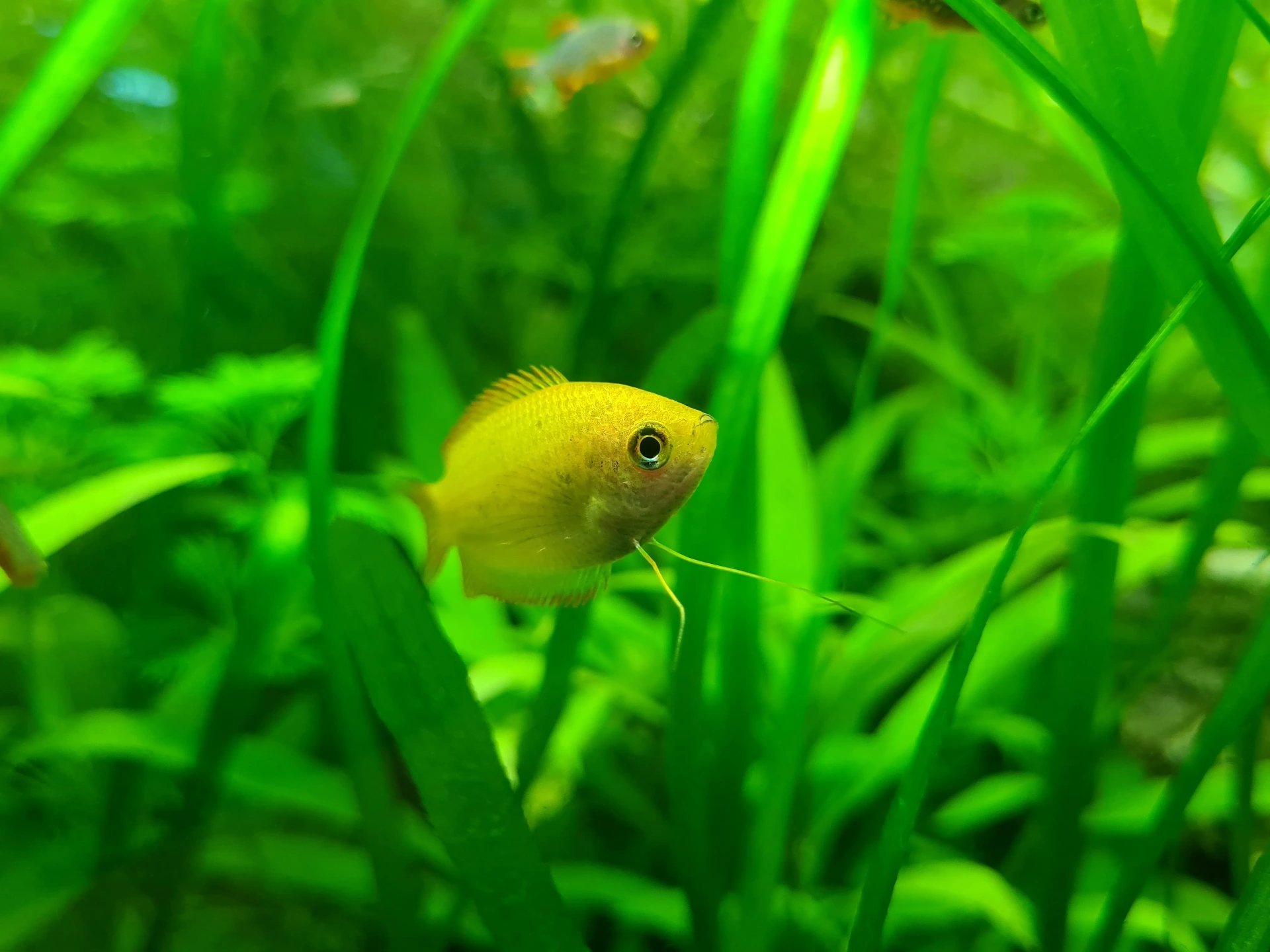
Honey Gourami
Too peaceful and similar—will be relentlessly attacked
Cherry Shrimp
Will be hunted and eaten
Neon Tetra
Too small—may be eaten or harassed
Angelfish
Slow-moving target for aggression
Common Pairing Questions
Can Paradise Fish live with bettas?
Absolutely not. Both are aggressive labyrinth fish with similar appearance. The Paradise Fish will attack the betta relentlessly, likely killing it. Never house these species together.
Can I keep two male Paradise Fish?
No—males will fight constantly, often to the death. Even in very large tanks, male-on-male aggression doesn't diminish. Keep only one male, or a male with 2-3 females in a well-planted tank.
Paradise Fish are easy and prolific bubble nest breeders. Males build elaborate bubble nests under floating plants—the nest construction itself is fascinating to watch and a sign of a healthy, comfortable male.
To breed, condition a pair separately with high-quality live foods. Set up a breeding tank with shallow water (6-8 inches), warm temperature (75-79°F / 24-26°C), floating plants for nest anchoring, and gentle or no filtration. The male will build a nest and display to the female with spread fins and intensified colors.
Spawning occurs under the nest in the classic labyrinth embrace. The male collects falling eggs and places them in the bubble nest, guarding them aggressively. Remove the female after spawning—the male may attack her. Eggs hatch in 24-48 hours, producing 200-500 fry. Remove the male when fry become free-swimming. Feed infusoria initially, then baby brine shrimp.
Health Issues & Disease Prevention
Paradise Fish are among the hardiest aquarium fish available, tolerating conditions that would kill most tropical species. Their disease resistance is legendary, making health problems rare in properly maintained tanks.
Common Diseases
| Disease | Symptoms | Treatment |
|---|---|---|
| Ich (White Spot Disease) | White spots on body, flashing, clamped fins | Raise temperature (within their range), use ich medication. Very hardy—usually recovers easily. |
| Velvet disease | Gold/rust dust coating, clamped fins, lethargy | Copper-based medication, darken tank, raise temperature slightly. Quarantine affected fish. |
| Fin rot / fin damage | Deteriorating or torn fins, redness at edges | Often from fighting rather than disease. Improve water quality, antibacterial treatment for infections. Separate fighting fish. |
Signs of a Healthy Paradise Fish
- Vibrant red and blue coloration
- Active territorial behavior
- Good appetite
- Building bubble nests (males)
- Intact, flowing fins
- Alert and responsive to owner
Prevention Tips
- Prevent fighting injuries—never keep two males together
- Maintain gap between water and lid for humid air access
- Regular water changes despite their hardiness
- Quarantine new fish for 2 weeks
- Varied diet maintains immune system
- Floating plants for comfort and nest building
- Don't overstock—aggression increases in cramped conditions
Frequently Asked Questions
Yes—they're one of the more aggressive common aquarium fish. Males fight viciously with each other and will attack similar-looking fish (bettas, gouramis). They can work in community tanks with robust, fast-moving tankmates but require careful planning.
Yes—they're one of the most cold-tolerant 'tropical' fish, surviving temperatures down to 50°F (10°C) and brief periods near freezing. They can live in unheated tanks and outdoor ponds in temperate climates during summer.
Absolutely not. Both are aggressive labyrinth fish with similar appearance. The Paradise Fish will attack the betta relentlessly, likely killing it. Never house these species together.
No—males will fight constantly, often to the death. Even in large tanks, male aggression doesn't diminish. Keep only one male, or a male with multiple females in a well-planted tank.
Their hardiness makes them beginner-friendly, but their aggression requires planning. Best for beginners who want a single specimen or species-only tank. Not suitable for peaceful community setups.
It was one of the first tropical fish imported to Europe (1869) and helped launch the aquarium hobby. Before heaters were common, their cold tolerance made them one of the few 'tropical' fish that could survive.
Tips for Keeping Paradise Fish
Pro Tips
- ✓Single males make the best display fish—colorful, active, and interactive
- ✓Can be kept in unheated tanks or outdoor ponds in summer
- ✓One of the most cold-tolerant tropical fish available
- ✓Will eat pest snails and help control populations
- ✓Historically significant—among the first tropical aquarium fish (1869)
- ✓Very intelligent—learns to recognize owner and feeding time
- ✓Floating plants are essential if you want to see bubble nest building
- ✓Albino and blue variants available with identical care
Common Mistakes to Avoid
- ✗Keeping two males together—guaranteed fighting
- ✗Housing with bettas or gouramis—will attack them
- ✗Peaceful community tank—too aggressive for most setups
- ✗Small or slow tankmates—will be harassed or eaten
- ✗No floating plants—needed for bubble nests and comfort
- ✗Sealed lid with no air gap—labyrinth fish need humid air access
- ✗Underestimating aggression—they're called 'Fork-tail Fighter' for a reason
- ✗Keeping with shrimp—will hunt them
Sources
- FishBase — Accepted scientific name, maximum size and native range for Paradise Fish.
Related Species You Might Like
View All Fish →
Pea Puffer
Carinotetraodon travancoricus
Electric Blue Crayfish
Procambarus alleni
Dwarf Gourami
Trichogaster lalius
Honey Gourami
Trichogaster chuna
Sparkling Gourami
Trichopsis pumila
Adolfo's Corydoras
Corydoras adolfoi

African Clawed Frog
Xenopus laevis

Apistogramma Cacatuoides
Apistogramma cacatuoides
Ready to Add Paradise Fish to Your Tank?
Use our free stocking calculator to check compatibility, bioload, and get personalized recommendations.