
Care Requirements
Adult Size
5.9" (15cm)
Min Tank
20 gal
Temperature
64-79°F
pH Range
6.5-8.5
Lifespan
5-6 years
Min Group
Can be kept alone
Diet
Omnivore
Swim Level
Bottom
Bioload
3/10
Hardness
6-20 dGH
About Electric Blue Crayfish
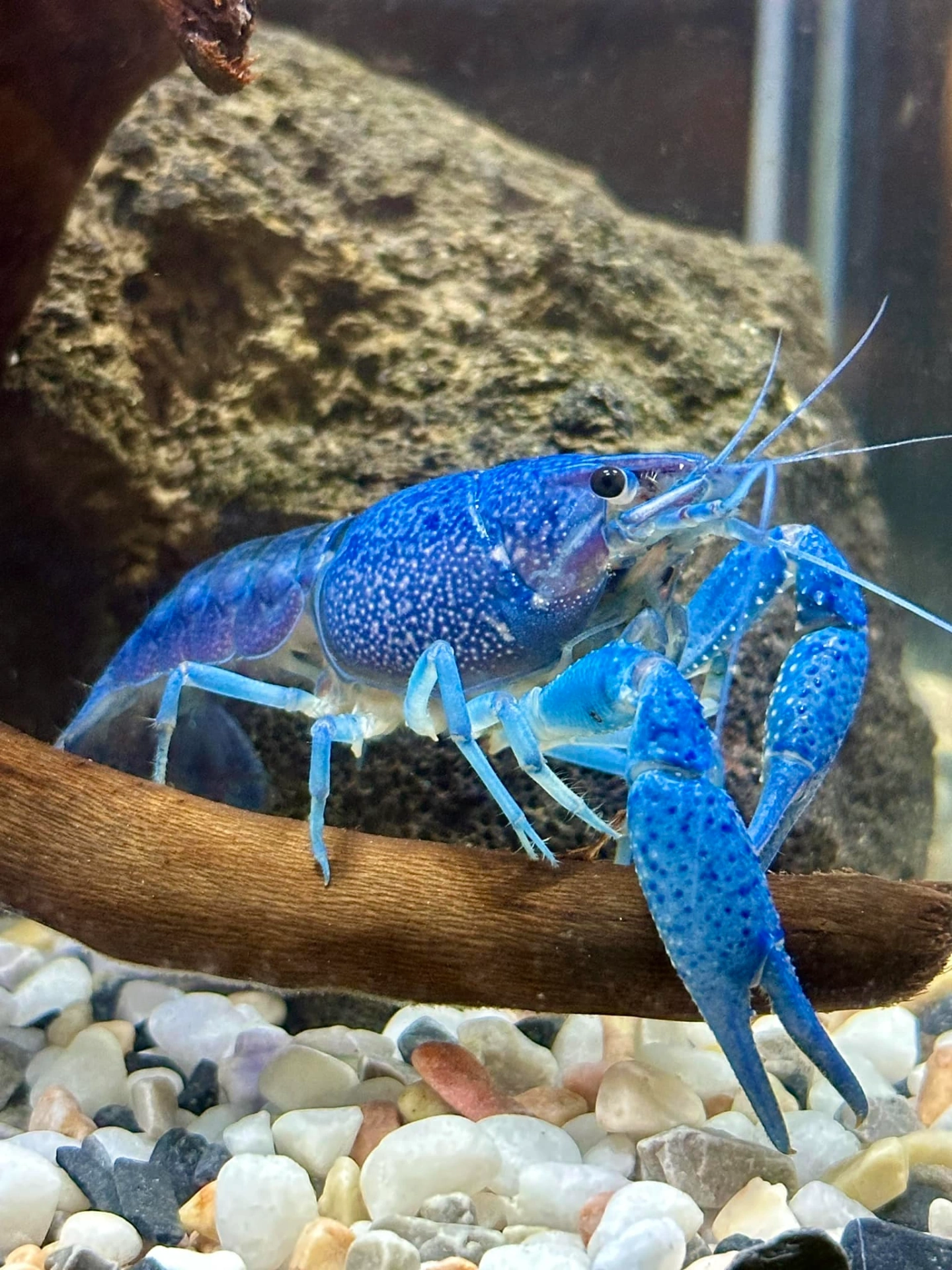
The Electric Blue Crayfish is a stunning color morph of the Florida Crayfish (Procambarus alleni) developed through selective breeding. The vibrant, almost neon blue coloration makes them among the most visually striking freshwater invertebrates available — and among the most commonly mis-sold as 'community safe' when they absolutely are not.
Let's be direct: Electric Blue Crayfish will eat your fish. They will eat your plants. They will eat your shrimp. They will try to eat anything they can catch, and they're surprisingly effective predators. Keeping them in community tanks results in missing fish, destroyed plants, and frustrated keepers. This isn't negotiable individual variation — it's their fundamental nature.
That said, in appropriate setups (species-only tanks or careful companion selection), they're rewarding to keep. The blue coloration is genuinely spectacular, and they display engaging behavior: territory defense, foraging, molting, and bold interaction with their environment. They're hardy, relatively long-lived (5-6 years), and breed readily.
They're also notorious escape artists. Any gap large enough for their claws to grip can become an exit. Weighted lids and sealed openings are mandatory. Despite their aquatic nature, crayfish can survive outside water for extended periods if conditions are moist, allowing them to explore disturbingly far from escaped tanks.
Natural Habitat & Origin
The Electric Blue Crayfish is a color morph of Procambarus alleni, native to Florida, USA. Wild populations inhabit ponds, swamps, ditches, and slow-moving waterways throughout the Florida peninsula. They're highly adaptable to varying conditions.
Wild-type Procambarus alleni are typically brown or tan — the electric blue coloration is a genetic variant selectively bred for the aquarium trade. The selective breeding doesn't affect their behavior or hardiness.
Natural habitat features vegetation, debris, and substrate they can manipulate. They're omnivorous scavengers and opportunistic predators.
Florida's warm but seasonally variable climate means these crayfish tolerate a broad temperature range — from cool winters to hot summers.
Native Region
North America — Florida, USA
Habitat Type
Ponds, swamps, ditches, slow-moving waterways
Wild Water Conditions
Variable — highly adaptable, temperate to subtropical
Appearance & Varieties
The Electric Blue Crayfish's most striking feature is vivid, electric blue coloration covering the entire body, including claws, walking legs, and tail. Color intensity varies with genetics, diet, and conditions.
Body structure is typical crayfish: segmented body with large claws, four pairs of walking legs, sensory antennae, and a fan-like tail. Adults reach 5-6 inches (12-15 cm) total length.
Color can fade or intensify based on conditions. Immediately after molting, new exoskeletons appear softer in color until hardening.
Sexing is possible: males have larger claws relative to body size and modified swimmerets. Females have smaller claws and wider tails for carrying eggs.
Popular Varieties
| Variety | Description | Rarity |
|---|---|---|
| Electric Blue (Standard) | Vivid blue coloration throughout body and claws. Intensity varies with genetics and conditions. | Common |
| Wild-Type (Procambarus alleni) | Brown/tan natural coloration. Occasionally available. Identical care and temperament. | Uncommon |
Tank Setup & Requirements
Quick Requirements Summary
Tank Size
Minimum Tank Size
20 gallons
Recommended Tank Size
30 gallons
Electric Blue Crayfish are hardy and undemanding regarding water parameters but require appropriate setup for their destructive tendencies and escape capabilities.
Water Parameters
Temperature 18-26°C (65-78°F), pH 6.5-8.5, hardness 6-20 dGH. Extremely adaptable. Moderate to hard water provides calcium for exoskeleton and molting. Stability matters more than hitting specific targets.
Substrate
Any — sand allows burrowing behavior; gravel works but limits digging. They'll rearrange substrate regardless of type.
Plants & Decorations
Multiple hiding spots essential — caves, PVC pipes, driftwood, rocks. Crucial during vulnerable molting. Expect decorations to be rearranged. Plants WILL be destroyed — they eat vegetation. Don't invest in plants for crayfish tanks.
Filtration & Water Flow
Good filtration handles moderate waste production. Cover intakes if possible. Sponge filters are safe options.
Lighting
No special requirements. Blue LED lighting can enhance their coloration dramatically.
Diet & Feeding Guide
Diet Type
omnivore
Feeding Frequency
Every 1-2 days
Portion Size
What they'll consume in a few hours. Remove uneaten food to maintain water quality.
Electric Blue Crayfish are omnivorous scavengers that eat virtually anything organic — including your fish and plants.
Best Foods for Electric Blue Crayfish
- Sinking pellets (shrimp/crayfish food) — Commercial foods provide balanced nutrition. Should form staple diet.
- Algae wafers — Readily consumed. Good plant-matter component.
- Blanched vegetables — Zucchini, spinach, peas, carrots — most vegetables accepted.
- Protein sources (bloodworms, shrimp) — Readily consumed. Good variety but don't need to be primary diet.
- Calcium sources (cuttlebone) — Support molting and exoskeleton health.
Foods to Avoid
- Copper-containing products — Copper is toxic to invertebrates. Avoid any copper exposure.
Omnivorous and unfussy. Main concern is avoiding copper exposure. Provide calcium sources for healthy molting.
Behavior & Temperament
Electric Blue Crayfish are bold, active invertebrates displaying interesting behaviors — territorial defense, foraging, exploring, and interacting with their environment. They're territorial and aggressive toward other crayfish and potential competitors. Predatory behavior is their defining characteristic — they actively hunt fish, especially bottom-dwellers and anything slow enough to catch. Molting occurs as they grow; post-molt crayfish are extremely vulnerable and typically hide for several days.
Tank Mates: Compatibility Guide
Compatible Tank Mates
Other Electric Blue Crayfish (with caution)
Can work in larger tanks with multiple territories. Fights will occur.
None (safest)
Species-only tanks eliminate risk. Their interesting behavior doesn't require tankmates.
Tank Mates to Avoid
All fish (realistically)
They will catch and eat fish, especially bottom-dwellers, slow swimmers, and sleeping fish.
Shrimp
Favorite food. Will be hunted and consumed within hours.
Snails
Food. Crayfish crack snail shells and eat them.
Bottom-dwelling fish
Share territory with crayfish and are most easily caught.
Common Pairing Questions
Can Electric Blue Crayfish live with fish?
Realistically, no. They will catch and eat fish — bottom-dwellers, slow swimmers, and sleeping fish are especially vulnerable. Species-only tanks are recommended.
Electric Blue Crayfish breed readily in captivity. Males deposit sperm packets; females carry fertilized eggs under their tail for 4-6 weeks. Babies hatch as miniature crayfish. Survival requires hiding spots and separation from adults.
Health Issues & Disease Prevention
Electric Blue Crayfish are remarkably hardy but can experience health issues related to molting, water quality, or physical injury.
Common Diseases
| Disease | Symptoms | Treatment |
|---|---|---|
| Failed molts | Stuck in old exoskeleton, partial molt, death during molting. | Ensure adequate hardness and calcium availability. |
| Shell rot (bacterial) | Dark spots, pitting, or erosion on exoskeleton. | Improve water quality. Iodine supplements may help. |
| Crayfish plague | Loss of coordination, paralysis, death. Highly contagious. | No effective treatment. Isolation may prevent spread. |
| Limb loss (from fighting) | Missing claws or legs from territorial disputes. | Lost limbs regenerate over successive molts. Ensure adequate territory. |
| Copper poisoning | Lethargy, loss of coordination, death. | Prevention only. Never use copper-based medications. |
Signs of a Healthy Electric Blue Crayfish
- Vibrant blue coloration
- Active behavior
- Good appetite
- Intact exoskeleton
- Regular molting
- Alert responses
Prevention Tips
- Maintain moderate water hardness for calcium
- Avoid copper-based products
- Provide hiding spots for molting
- Don't overcrowd multiple crayfish
- Secure lid to prevent escapes
Frequently Asked Questions
Realistically, no. They will catch and eat fish — this is consistent behavior, not occasional opportunism. Bottom-dwellers, slow swimmers, and fish sleeping at night are especially vulnerable. Species-only tanks are recommended.
Crayfish are notorious escape artists that climb anything their claws can grip. Any gap — around filter tubes, heater cords, loose lid edges — is a potential exit. They can survive outside water for extended periods if conditions are humid.
Adults reach 5-6 inches (12-15 cm) total length including claws. This is substantial for an aquarium invertebrate. They need adequate tank size (minimum 20 gallons).
Color intensity varies with genetics, diet, stress level, and molting stage. Immediately after molting, new exoskeletons appear softer in color until hardening. Quality diet and good conditions produce the most vibrant blue.
If this follows a molt (check for empty exoskeleton), it's normal — post-molt crayfish hide for several days while their new shell hardens.
Possible but risky. They're territorial and will fight, potentially causing injury or death. Success requires larger tanks with multiple hiding spots and territories.
Tips for Keeping Electric Blue Crayfish
Pro Tips
- ✓Accept their destructive nature — don't put plants you value in crayfish tanks.
- ✓Provide calcium (cuttlebone) for successful molting.
- ✓Blue LED lighting enhances their appearance dramatically.
- ✓Leave molted exoskeletons — they consume them for calcium.
Common Mistakes to Avoid
- ✗Keeping with fish — dead fish. They hunt and eat fish.
- ✗Inadequate lid security — escaped crayfish found across the room.
- ✗Expecting plants to survive — they eat vegetation.
- ✗Using copper-based medications — dead crayfish.
- ✗Overcrowding multiple crayfish — fighting, injury, death.
Related Species You Might Like
View All Fish →
Electric Blue Hap
Sciaenochromis fryeri
Paradise Fish
Macropodus opercularis
Assassin Snail
Clea helena
Bamboo Shrimp
Atyopsis moluccensis
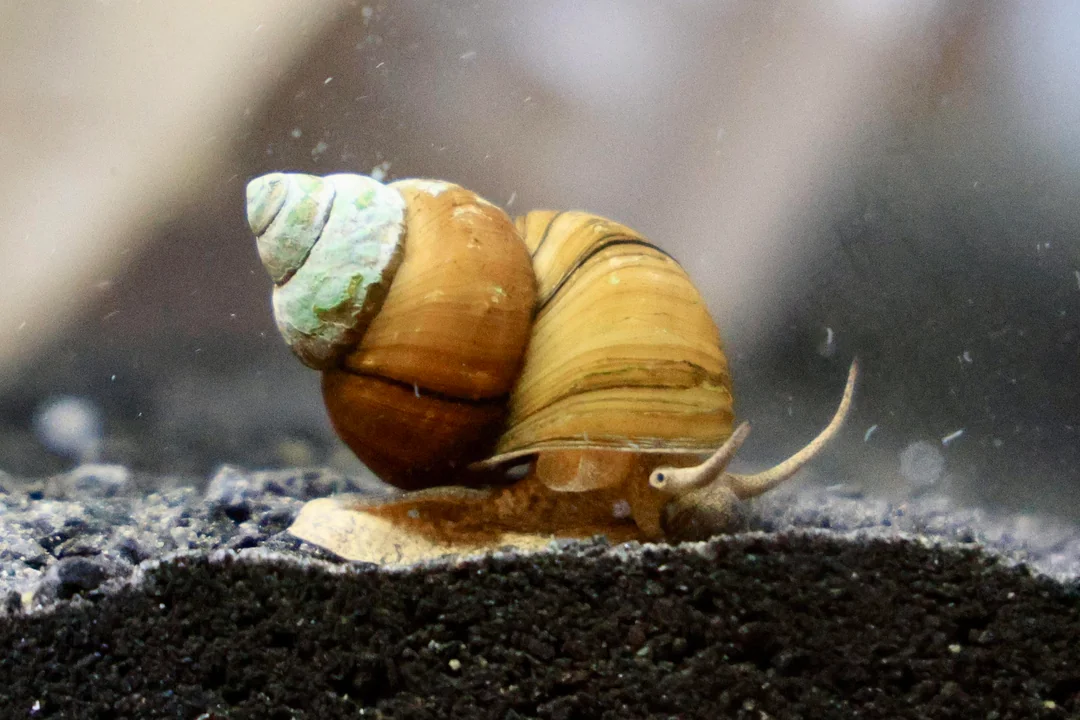
Japanese Trapdoor Snail
Cipangopaludina japonica
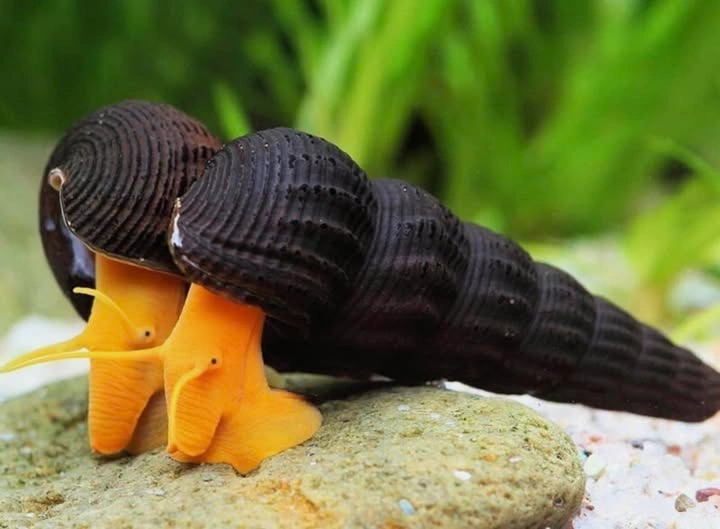
Rabbit Snail
Tylomelania spp.
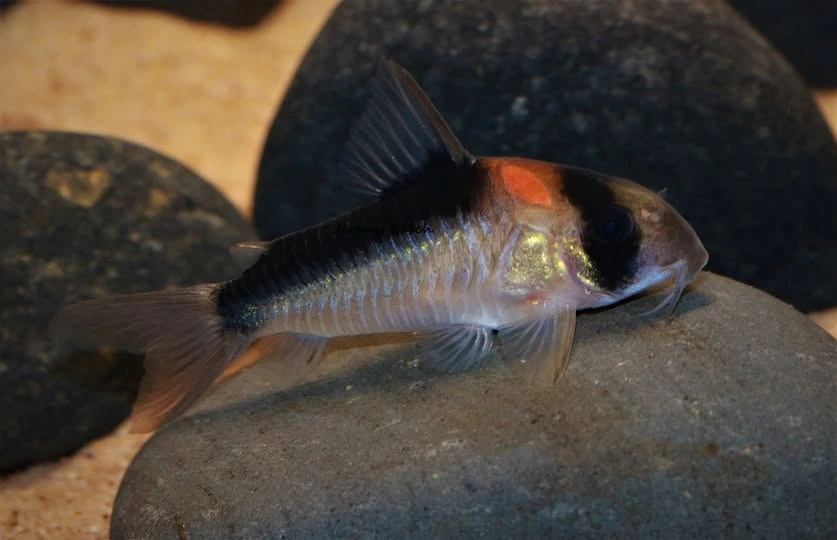
Adolfo's Corydoras
Corydoras adolfoi

African Clawed Frog
Xenopus laevis
Ready to Add Electric Blue Crayfish to Your Tank?
Use our free stocking calculator to check compatibility, bioload, and get personalized recommendations.