

Care Requirements
Adult Size
6.3" (16cm)
Min Tank
75 gal
Temperature
75-82°F
pH Range
7.5-8.8
Lifespan
7-10 years
Min Group
Can be kept alone
Diet
Carnivore
Swim Level
Middle
Bioload
4/10
Hardness
10-20 dGH
About Electric Blue Hap
The Electric Blue Hap is widely considered one of the most visually stunning freshwater fish in the aquarium hobby. Males develop an intense, almost iridescent metallic blue coloration that appears to glow under aquarium lighting — a blue so vivid it rivals many marine species. Native to Lake Malawi, this haplochromine cichlid has earned its place as a centerpiece fish in countless African cichlid setups.
Unlike the rock-dwelling mbuna that dominate the hobby, Electric Blue Haps are open-water predators. In the wild, they patrol the spaces above rocky substrates, hunting smaller fish with calculated precision. This predatory nature is important to understand — they're not community fish in the traditional sense. Any tankmate small enough to fit in their mouth will eventually become a meal, regardless of how long they've coexisted.
Females are an unremarkable silver-gray, which makes sexing straightforward once males begin to color up. However, patience is required — males may take 12-18 months to develop their full electric blue coloration, and subdominant males may never fully color up if kept with a dominant male. This slow color development frustrates some beginners who expect instant results.
Despite their predatory nature, Electric Blue Haps are not overly aggressive toward similarly-sized tankmates. They're actually one of the more manageable haplochromines for intermediate keepers, provided their specific needs for space, water chemistry, and appropriate tankmates are met. Their combination of breathtaking appearance and reasonable temperament makes them a rewarding species for those ready to move beyond basic community tanks.
Natural Habitat & Origin
Electric Blue Haps are endemic to Lake Malawi in East Africa, one of the ancient African Rift Valley lakes renowned for its extraordinary cichlid diversity. Unlike the mbuna species that cling to rocky shorelines, Electric Blue Haps inhabit the open water zones above rocky substrates, typically at depths of 10-40 meters. This open-water lifestyle influences their aquarium needs — they require more swimming space and less dense rockwork than their mbuna relatives.
In their natural habitat, they're ambush predators, hovering in the water column and striking at small fish, particularly the juveniles of other cichlid species. The rocky substrate below provides structure and hunting grounds, but they rarely wedge themselves into caves the way mbuna do. Lake Malawi's water is notably hard and alkaline, with a stable pH between 7.8-8.6, minimal seasonal variation, and exceptional clarity. These stable conditions mean Electric Blue Haps have little tolerance for fluctuating water parameters — consistency is more important than hitting exact numbers.
Native Region
Lake Malawi, East Africa
Habitat Type
Open water above rocky substrates, 10-40m depth
Wild Water Conditions
Hard, alkaline water (pH 7.8-8.6), extremely stable parameters, high oxygen content
Appearance & Varieties
Males are the showpiece — their entire body becomes a deep, metallic electric blue that seems to shift and glow under different lighting conditions. Faint vertical barring may be visible, particularly when the fish is stressed or displaying. The fins share the blue coloration, often with subtle darker edges. As males mature and establish dominance, their color intensifies further.
Females are plain silver-gray with sometimes a slight blue sheen, but nothing approaching the male's brilliance. Juveniles of both sexes start silver and are essentially impossible to sex until males begin coloring up around 6 months of age. Full male coloration typically takes 12-18 months to develop, and the intensity depends heavily on dominance status, diet, and water quality.
Popular Varieties
| Variety | Description | Rarity |
|---|---|---|
| Standard Electric Blue | The wild-type form with deep metallic blue coloration throughout the body and fins. The most commonly available and arguably the most stunning variant. | Common |
| Iceberg | A selectively bred variant featuring white or light blue base coloration with electric blue highlights. Creates a striking frosted appearance but can be more delicate than wild-type specimens. | Uncommon |
| Ahli | Often confused with S. fryeri, Sciaenochromis ahli is a closely related species sometimes sold under the same common name. Slightly different head shape and coloration pattern. | Uncommon |
Tank Setup & Requirements
Quick Requirements Summary
Tank Size
Minimum Tank Size
75 gallons
Recommended Tank Size
100 gallons
Setting up a tank for Electric Blue Haps requires understanding their open-water lifestyle. Unlike mbuna that need dense rockwork with countless caves, these haplochromines need swimming space above everything else. A successful setup balances territorial structure with open areas for cruising and hunting behavior.
Water Parameters
Lake Malawi water chemistry is non-negotiable. These fish have evolved in hard, alkaline conditions for millions of years and simply won't thrive in soft, acidic water. Use crushed coral, limestone, or aragonite substrate to naturally buffer pH. Stability matters more than hitting exact numbers — a steady pH of 7.8 is better than one that swings between 8.0 and 8.5. Ammonia and nitrite must be zero; nitrates below 20 ppm ideal. Temperature 24-28°C (75-82°F), pH 7.5-8.8, Hardness 10-20 dGH.
Substrate
Sand is preferred as it mimics the lake bottom and allows natural foraging behavior. Pool filter sand or aragonite sand work well. Aragonite has the added benefit of slowly dissolving to buffer pH and hardness. Avoid sharp substrates that could damage fish during territorial disputes.
Plants & Decorations
Unlike mbuna tanks packed with rock, Electric Blue Hap setups should prioritize open swimming space. Create 2-3 rock structures that break sightlines and provide territory markers, but leave the middle and upper tank relatively open. Large, stable rock formations work best. Plants aren't essential — hardy species like Anubias (attached to rocks) and Java Fern can survive, but don't expect a lush planted tank.
Filtration & Water Flow
These are messy predators that produce significant waste. Aim for 8-10x tank volume turnover per hour. A quality canister filter or sump system is essential. Multiple filters provide redundancy and help distribute water flow. Good oxygenation is important — consider adding a powerhead or airstone for additional surface agitation.
Lighting
Lighting should showcase their incredible blue coloration. LED lights with some blue spectrum enhance the metallic effect dramatically. Avoid overly bright lighting that may wash out colors or stress the fish. A lighting period of 8-10 hours daily works well. Actinic or blue LED accents can make males appear even more electric.
Diet & Feeding Guide
Diet Type
carnivore
Feeding Frequency
Once daily for adults, twice daily for growing juveniles
Portion Size
What can be consumed in 2-3 minutes. These fish are eager eaters and will always act hungry — don't overfeed.
Electric Blue Haps are carnivores and piscivores in the wild, primarily hunting smaller fish. Their predatory nature means they need a protein-rich diet, unlike the herbivorous mbuna that require vegetable-based foods. That said, variety is important — a diet of only one food type leads to nutritional deficiencies and faded coloration.
Best Foods for Electric Blue Hap
- High-quality cichlid pellets — Should form the staple diet. Choose pellets formulated for carnivorous cichlids with fish meal as the first ingredient. New Life Spectrum, Northfin, and Hikari are reliable brands.
- Frozen silversides — Whole small fish that mimic natural prey. Excellent for conditioning and bringing out color. Feed 1-2 times per week as a treat.
- Frozen krill — High in protein and astaxanthin, which enhances blue coloration. Feed 1-2 times per week.
- Frozen mysis shrimp — Excellent protein source that most cichlids readily accept. More nutritious than brine shrimp.
- Frozen prawns/shrimp — Can be chopped into appropriate sizes for larger specimens. High protein and readily accepted.
Foods to Avoid
- Feeder fish — High disease risk regardless of source. Feeder goldfish and minnows can introduce parasites, bacteria, and offer poor nutrition.
- Bloodworms — While not as dangerous as for mbuna, bloodworms offer limited nutrition and may contribute to digestive issues if fed frequently.
- Beef heart and mammalian proteins — Fish cannot properly digest mammalian fats, which can accumulate and cause organ damage over time.
- Low-quality pellets — Cheap foods with fillers like wheat and soy provide poor nutrition and can cloud water.
Feed once daily for adults. A varied diet of quality pellets supplemented with frozen foods promotes the best coloration and long-term health. Overfeeding is more dangerous than underfeeding.
Behavior & Temperament
Electric Blue Haps occupy an interesting middle ground in the African cichlid aggression spectrum. They're predatory and will absolutely eat smaller fish, but they're not the relentless bullies that some mbuna species can be. Understanding their behavior helps create harmonious tank dynamics.
Males establish and defend territories, particularly during breeding. A dominant male will claim a section of the tank — usually near a rock structure — and display intensely to females while chasing rival males. This territorial behavior is normal and manageable in appropriately sized tanks. The key is ensuring subordinate fish have escape routes and visual barriers.
Toward similarly-sized tankmates, Electric Blue Haps are reasonably tolerant. They'll posture and occasionally chase, but serious injuries are uncommon when tank size is adequate. They coexist well with other haplochromines and peaceful mbuna like Yellow Labs.
Their predatory behavior is methodical rather than frantic. They'll stalk smaller fish and strike when opportunity presents, but they're not constant hunters. This ambush style means small tankmates may survive for weeks before eventually being eaten — don't mistake temporary coexistence for compatibility.
Tank Mates: Compatibility Guide
Compatible Tank Mates
One of the most peaceful mbuna species. Different enough in appearance and behavior to coexist without major conflict.
Fellow haplochromines with similar temperament and water requirements. Choose species different in coloration to reduce male-to-male aggression.
Large, slow-moving Tanganyikan cichlid that won't compete for territory. Requires a very large tank for this combination.
Hardy African catfish that stays out of cichlid territorial disputes. Bottom-dwelling nature means different tank zone.
Rusty Cichlid
Peaceful mbuna that tolerates a range of tankmates. Different coloration reduces conflict.
Tank Mates to Avoid
Neon Tetra
Far too small — will be eaten immediately. Also requires soft, acidic water.
Guppy
Perfect prey size. Will be hunted and eaten within hours to days.
Small Rasboras
Too small to avoid predation. Wrong water parameters.
Cherry Shrimp
Expensive snacks. Shrimp of any kind will be eaten immediately by any African cichlid.
Highly aggressive mbuna
Species like Kenyi, Auratus, and some Melanochromis are too aggressive and will relentlessly harass the more peaceful Electric Blue Hap.
Other male Electric Blue Haps
Multiple males in anything less than 150+ gallons will result in constant fighting and subdominant males that never color up.
Common Pairing Questions
Can Electric Blue Haps live with mbuna?
Yes, but choose carefully. Peaceful mbuna like Yellow Labs, Rusty Cichlids, and Acei Cichlids work well. Avoid highly aggressive species like Kenyi, Auratus, and some Melanochromis that will bully the more peaceful Electric Blue Hap.
Will Electric Blue Haps eat small fish?
Absolutely. They're piscivores — fish eaters — and will consume anything that fits in their mouth. Even fish that have coexisted for months will eventually be eaten.
What's the difference between Electric Blue Hap and Electric Blue Ahli?
These names are often used interchangeably. Sciaenochromis fryeri and Sciaenochromis ahli are closely related species with very similar appearance. S. fryeri is more commonly available. Care requirements are identical.
Electric Blue Haps are maternal mouthbrooders, following the standard Lake Malawi reproductive pattern. Males display intensely to attract females, showing off their electric blue coloration and vibrating their bodies. Receptive females approach the male's territory where spawning occurs.
The female picks up the fertilized eggs immediately after spawning and incubates them in her mouth for 3-4 weeks. During this time, she won't eat and her throat will appear distended with the developing brood. A typical spawn produces 30-60 fry depending on female size and experience.
To successfully raise fry, most keepers remove holding females to a separate tank around day 18-21. The female can then release fry in safety and recover before being returned to the main tank. Alternatively, fry can be 'stripped' from the female's mouth around day 18-21 if separate tank space is limited.
Fry are large enough to accept crushed flake food and baby brine shrimp immediately after release. Growth is steady with proper feeding, but males may take 12-18 months to develop full coloration.
Health Issues & Disease Prevention
Electric Blue Haps are hardy fish when their basic needs are met, but they're not immune to common cichlid ailments. Most health issues trace back to water quality problems, dietary mistakes, or stress from aggression.
Common Diseases
| Disease | Symptoms | Treatment |
|---|---|---|
| Malawi Bloat | Swollen abdomen, loss of appetite, white stringy feces, lethargy, hiding, rapid breathing | Isolate immediately. Epsom salt baths (1 tablespoon per 5 gallons) can help. Metronidazole in food or water is the standard medication. Often fatal if not caught early. |
| Ich (White Spot Disease) | Small white spots like grains of salt covering body and fins, flashing/scratching against objects, clamped fins, lethargy | Raise temperature to 30°C (86°F) for 10-14 days. Add aquarium salt (1 tablespoon per 5 gallons). For severe cases, use ich medication. |
| HITH (Hole in the Head) | Small pits or holes developing on head and lateral line, usually starting near the eyes. Faded coloration, weight loss despite eating | Improve water quality immediately — HITH is strongly linked to high nitrates and poor nutrition. Metronidazole can help in active cases. |
| Fin Rot | Frayed, ragged, or eroding fin edges. May have white edges or reddening at base of fins | Improve water quality. Antibacterial medication for moderate to severe cases. Fins will regrow once conditions improve. |
| Swim Bladder Issues | Difficulty maintaining position in water, floating at surface, sinking to bottom, swimming at odd angles | Often caused by overfeeding or constipation. Fast the fish for 2-3 days, then feed blanched, deshelled peas. |
Signs of a Healthy Electric Blue Hap
- Intense, consistent blue coloration (males)
- Clear eyes without cloudiness or pop-eye
- Intact fins with no fraying or holes
- Active swimming and territorial behavior
- Strong feeding response
- Normal feces — brown, not white or stringy
- Smooth body surface without lesions or spots
Prevention Tips
- Maintain pristine water quality with weekly 25-30% water changes
- Keep nitrates below 20 ppm — high nitrates stress cichlids and contribute to HITH
- Feed a varied, high-quality diet appropriate for carnivorous cichlids
- Avoid overfeeding — one of the most common health mistakes
- Quarantine all new fish for 4-6 weeks before adding to main tank
- Ensure adequate tank size to reduce stress from aggression
- Maintain stable water parameters — avoid sudden changes in pH or temperature
Frequently Asked Questions
Males typically reach 6-7 inches (15-18 cm) in aquariums, with exceptional specimens occasionally reaching 8 inches. Females stay slightly smaller at 5-6 inches.
No. Electric Blue Haps are piscivores — fish eaters — and will consume anything that fits in their mouth. Tetras, rasboras, guppies, and other small fish are simply food to them.
Males typically begin showing blue coloration around 6 months of age. Full coloration usually develops between 12-18 months. Only dominant males achieve peak coloration.
One male with 3-4 females is standard. Multiple males in the same tank will fight constantly unless the tank is very large (150+ gallons).
Minimum 75 gallons (285 liters) for a single male with females, but 100+ gallons is strongly recommended. Tank length matters more than height.
It may be female (silver-gray), a juvenile that hasn't colored up yet, a subdominant male being bullied, or stressed by poor water quality or inappropriate tankmates.
Yes, but choose carefully. Peaceful mbuna like Yellow Labs work well. Avoid highly aggressive species like Kenyi and Auratus.
Sciaenochromis fryeri and S. ahli are closely related species with very similar appearance. S. fryeri is more commonly available. Care requirements are identical.
Tips for Keeping Electric Blue Hap
Pro Tips
- ✓Use blue-spectrum LED lighting to enhance their metallic coloration — the difference can be dramatic
- ✓Keep only one male unless you have 150+ gallons to prevent fighting and ensure peak coloration
- ✓Patience is essential — males can take 12-18 months to reach full coloration
- ✓Feed color-enhancing foods high in astaxanthin like krill for maximum blue intensity
- ✓Provide more open space than you think necessary — 60% open water, 40% structure
Common Mistakes to Avoid
- ✗Keeping with small community fish — all small fish will eventually be eaten
- ✗Keeping multiple males in inadequate space — constant fighting and subdominant males that never color up
- ✗Not providing enough swimming space — open-water species need room to patrol
- ✗Expecting instant coloration — male color development takes 12-18 months
- ✗Keeping in soft, acidic water — Lake Malawi chemistry is non-negotiable
- ✗Overfeeding — leads to obesity, bloat, poor water quality, and increased disease risk
Sources
- FishBase — Accepted scientific name, maximum size and native range for Electric Blue Hap.
Related Species You Might Like
View All Fish →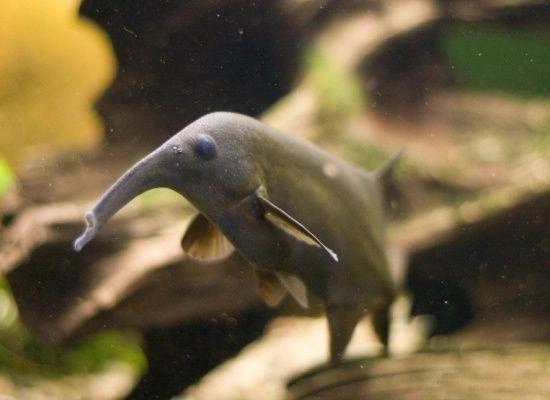
Elephant Nose Fish
Gnathonemus petersii

Severum
Heros efasciatus
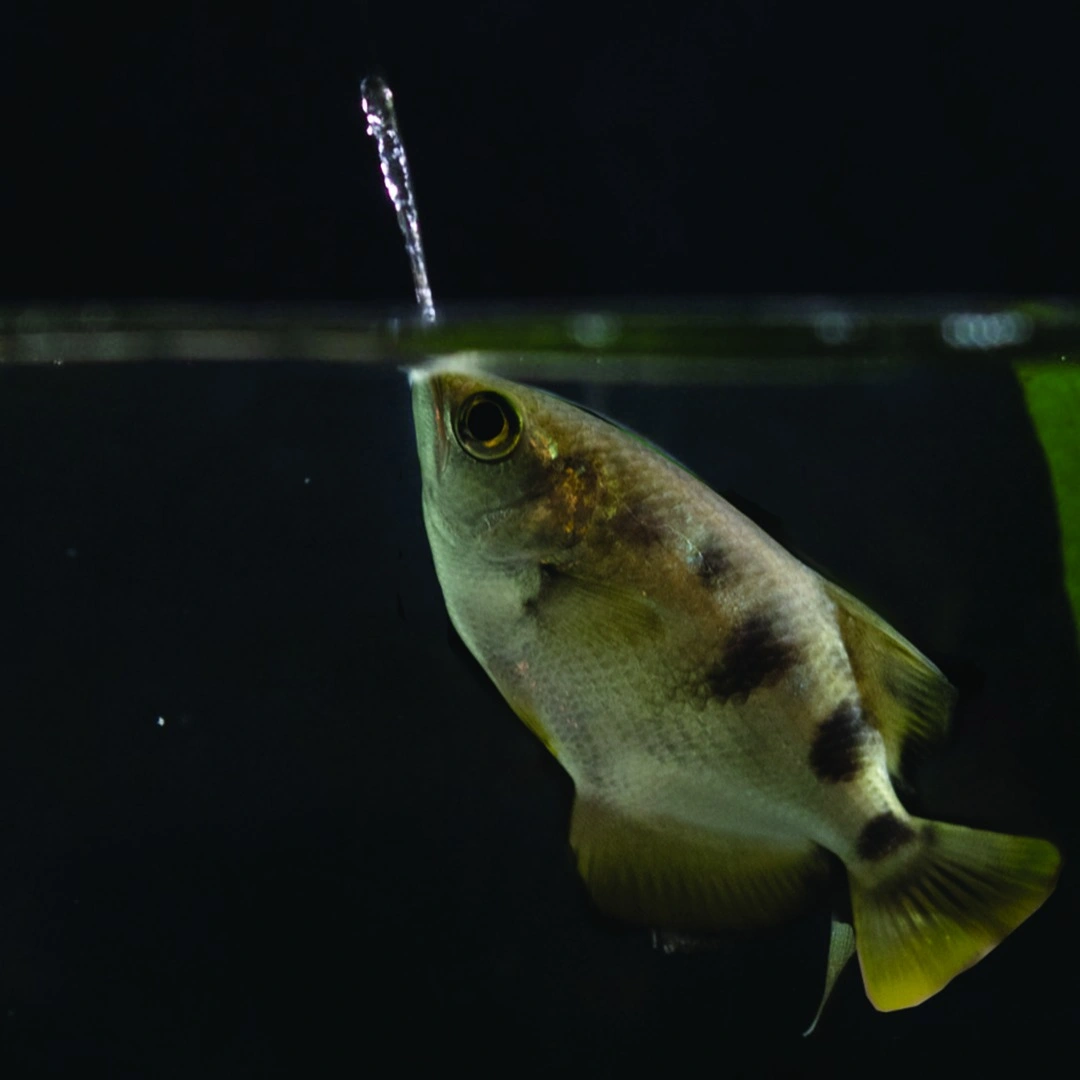
Archer Fish
Toxotes jaculatrix
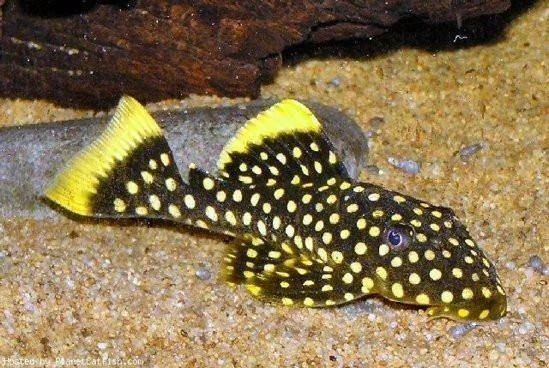
Gold Nugget Pleco
Baryancistrus xanthellus
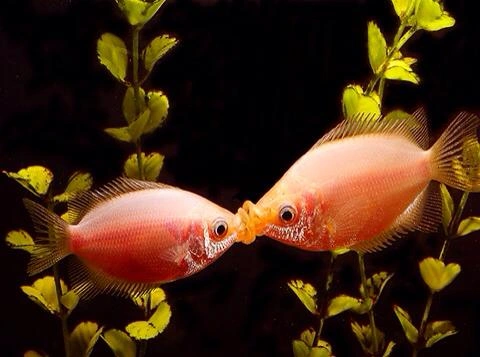
Kissing Gourami
Helostoma temminckii
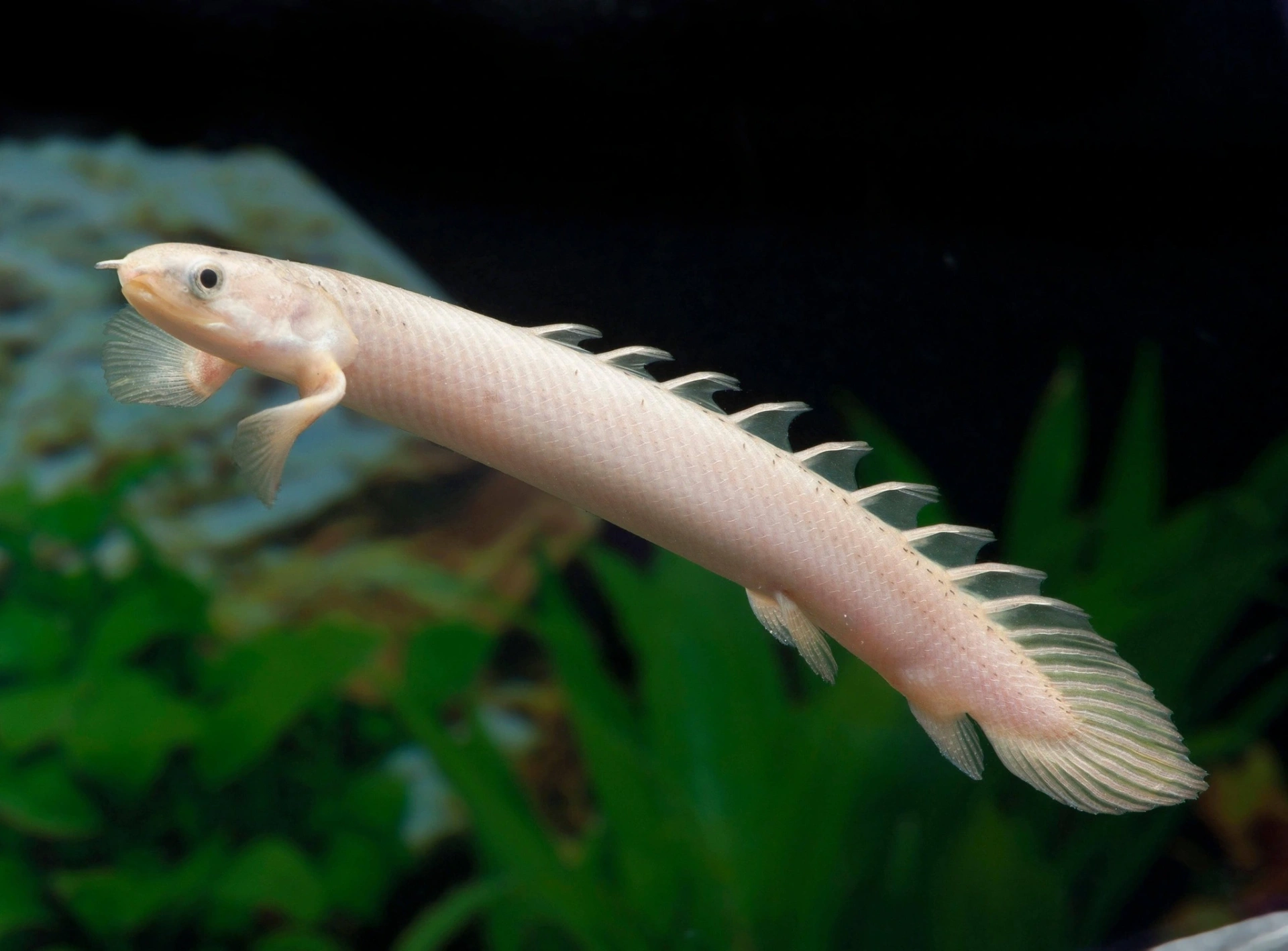
Senegal Bichir
Polypterus senegalus

Acei Cichlid
Pseudotropheus acei

Bumblebee Cichlid
Pseudotropheus crabro
Ready to Add Electric Blue Hap to Your Tank?
Use our free stocking calculator to check compatibility, bioload, and get personalized recommendations.