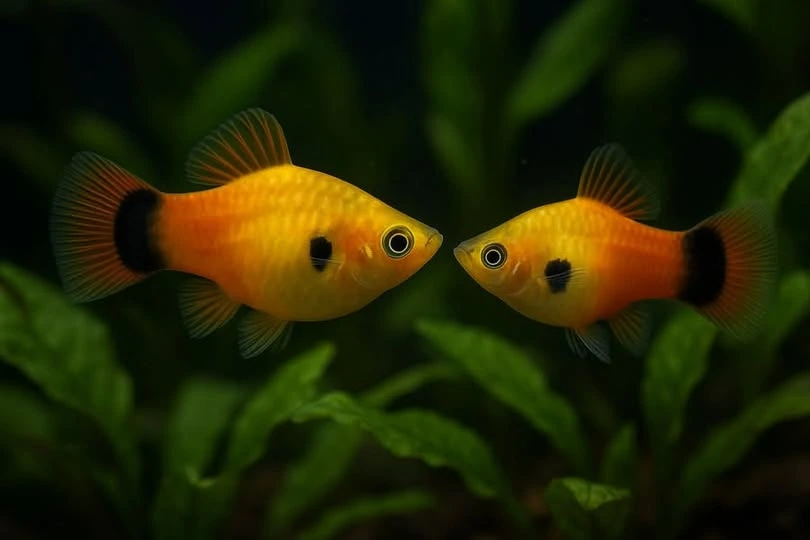
Platy
The natural companion: another livebearer wanting the same hard, alkaline, warm water, with the same feeding habits and none of the fin length that causes trouble.
Adult Size
2.0" (5cm)
Min Tank
10 gal
Temperature
72-82°F
pH Range
7-8.5
Lifespan
2-3 years
Min Group
3+ fish
Diet
Omnivore
Swim Level
Top
Bioload
2/10
Hardness
8-20 dGH
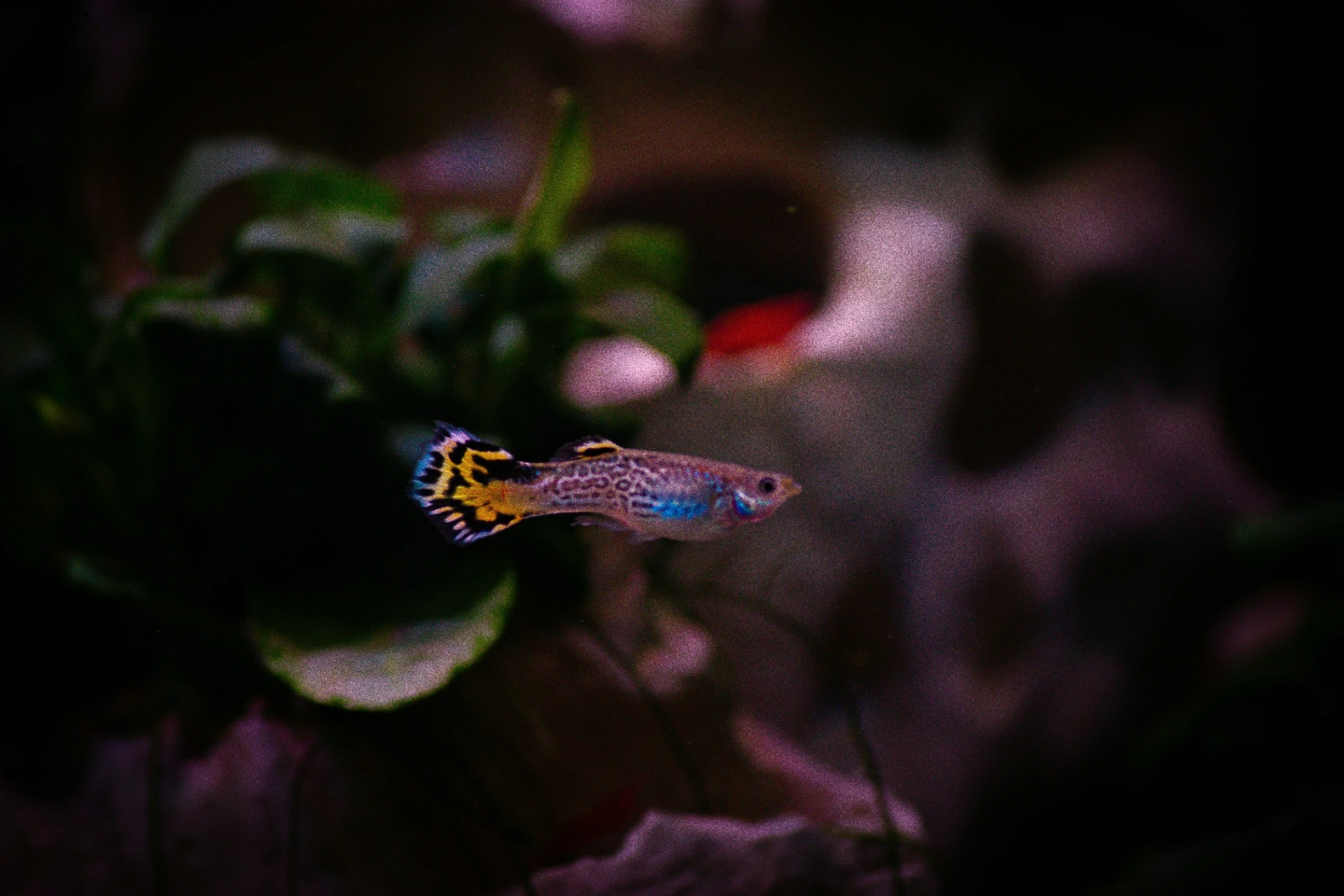
The Guppy, often called the 'million fish' for its legendary breeding prowess, is one of the most popular aquarium fish in the world. Native to northeastern South America and the Caribbean, guppies have been spread globally—both intentionally for mosquito control and through the aquarium trade. Their hardiness, peaceful nature, and spectacular colors make them a cornerstone of the fishkeeping hobby.
Male guppies are living art. Through decades of selective breeding, hobbyists have developed an astonishing variety of tail shapes, colors, and patterns. From cobra patterns to solid colors, from delta tails to swordtails, the diversity rivals that of any ornamental fish. Females, while less flashy, are larger and exhibit their own subtle beauty.
Guppies occupy a unique space in the hobby—they're simultaneously perfect for beginners due to their hardiness and fascinating for advanced hobbyists who pursue selective breeding programs. Few fish offer such accessibility combined with such depth of possibility.
Wild guppies inhabit freshwater streams, pools, and ditches throughout Trinidad, Barbados, and northern South America. They're remarkably adaptable, thriving in everything from nearly stagnant pools to fast-flowing streams. This adaptability explains their success as an introduced species across tropical regions worldwide.
Their natural waters tend to be warm, moderately hard, and slightly alkaline—quite different from the soft, acidic conditions preferred by tetras and other South American species. Guppies are found in both clear and murky water, often congregating near vegetation where they feed on algae, detritus, and insect larvae. This flexibility makes them one of the easiest fish to keep in home aquariums.
Native Region
Trinidad, Barbados, Venezuela, Guyana, Brazil
Habitat Type
Freshwater streams, pools, ditches, brackish estuaries
Wild Water Conditions
Warm (75-82°F), moderate to hard water, slightly alkaline pH (7.0-8.5)
Male and female guppies differ dramatically—one of the most pronounced sexual dimorphisms in freshwater fish. Males reach about 1.5 inches (4 cm) and sport elaborate, colorful tails and finnage. Their bodies display intricate patterns of virtually every color imaginable. Females are larger at up to 2.5 inches (6 cm) but are typically grayish or olive with minimal coloration.
Male tail shapes include delta (triangular), veil, fantail, swordtail (with pointed extensions), lyre, and many more. Body patterns range from solid colors to complex cobra patterns, tuxedo markings, and metallic sheens. Females show a distinctive gravid spot near the anal fin that darkens when pregnant. Males possess a modified anal fin called a gonopodium used for mating.
| Variety | Description | Rarity |
|---|---|---|
| Cobra/Snakeskin | Vertical striped pattern resembling snakeskin; comes in various color combinations | Common |
| Tuxedo | Solid dark coloration on rear half of body with contrasting front half | Common |
| Mosconi | Spotted pattern throughout body and fins; highly variable | Common |
| Dumbo/Elephant Ear | Enlarged, fan-like pectoral fins that resemble elephant ears | Common |
| Metal/Platinum | Solid metallic sheen covering entire body; various colors available | Common |
| Albino | Lack of black pigment with red or pink eyes; various patterns possible | Common |
| Endler Crosses | Hybrid with Endler's livebearer showing mixed characteristics | Common |
| Show Quality Strains | Selectively bred for competition standards; specific tail shapes and colors | Uncommon |
Minimum Tank Size
10 gallons
Recommended Tank Size
15 gallons
Guppies are among the most adaptable aquarium fish, thriving in a wide range of setups. They do best in planted tanks with some water movement but can survive in surprisingly spartan conditions. A 10-gallon tank comfortably houses a small group, though larger tanks help manage the inevitable population explosions.
Guppies prefer warm water between 72-82°F (22-28°C). Unlike many tropical fish, they thrive in moderately hard, alkaline water—pH 7.0-8.5 and hardness of 8-20 dGH is ideal. They struggle in soft, acidic water, which makes them poor tankmates for fish like cardinal tetras.
Any substrate works for guppies. Gravel, sand, or bare bottom tanks are all acceptable. Dark substrates can enhance male coloration, while planted substrates support live plant growth that guppies appreciate for cover.
Live plants are highly beneficial, especially for guppy fry survival. Floating plants like hornwort, water sprite, and guppy grass provide cover for newborns to hide from hungry adults. Dense plantings also give females respite from persistent male attention.
Standard filtration suits guppies. Sponge filters are ideal for tanks with fry since they don't trap babies. For larger tanks, hang-on-back filters work well. Avoid strong currents—guppy tails create drag that makes swimming against flow exhausting.
Standard aquarium lighting is fine. Guppies aren't particular about light levels. If keeping live plants, match lighting to plant needs. A consistent day/night cycle helps regulate breeding behavior.
Diet Type
omnivore
Feeding Frequency
2-3x daily
Portion Size
What they consume in 2-3 minutes
Guppies are enthusiastic omnivores that accept virtually any food. In the wild, they eat algae, plant matter, insect larvae, and small invertebrates. Varied diet in captivity ensures health, color, and breeding success.
Guppies are surface feeders with upturned mouths designed for feeding from above. They eat almost constantly when food is available—multiple small feedings are better than one large meal. Fry need very small foods like baby brine shrimp, crushed flakes, or commercial fry food 3-4 times daily.
Guppies are active, social fish that spend most of their time in the upper water column. Males constantly display for females, flaring their colorful tails and dancing in front of prospective mates. This persistent courting can exhaust females if not properly managed with correct sex ratios.
They're peaceful toward other species but males can squabble among themselves, particularly if there are too few females. Guppies quickly learn feeding routines and will gather at the surface in anticipation. They're active during daylight and rest among plants at night, their colors fading slightly while sleeping.
Guppies are usually the ones being hurt, not the ones causing harm: slow, bright, long-finned and breeding constantly. The list is shaped by three things — no fin nippers, nothing large enough to hunt them, and hard, alkaline water. Fry survival is the other half of the decision, since most tank mates treat them as food.
The natural companion: another livebearer wanting the same hard, alkaline, warm water, with the same feeding habits and none of the fin length that causes trouble.
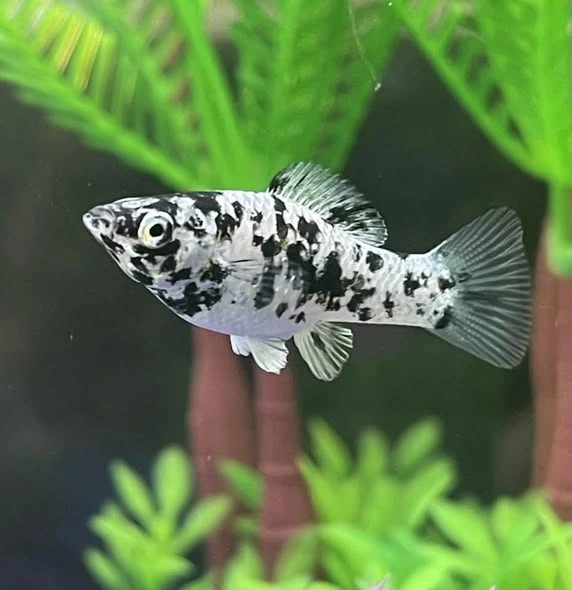
A larger livebearer, up to 10 cm in some varieties, that thrives in exactly the hard alkaline water guppies want and grazes algae off surfaces as a bonus.
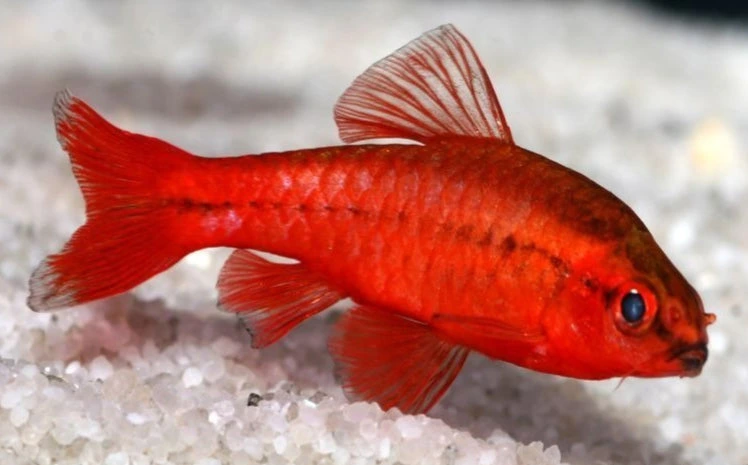
Slim, calm and entirely without the nipping habit that excludes the rest of the barb family, which makes it one of the few barbs that belongs near trailing fins.
Also compatible: Bronze Corydoras, Otocinclus, Nerite Snail, Amano Shrimp
Also avoid: Serpae Tetra, Silvertip Tetra, Cardinal Tetra, Pea Puffer
Full Guppy tank mates guideGuppies are among the easiest fish to breed—often the challenge is preventing breeding rather than encouraging it. They're livebearers, giving birth to free-swimming fry rather than laying eggs.
Females can store sperm for months, producing multiple batches of fry from a single mating. Gestation takes 21-30 days, and a single female can produce 20-100+ fry per batch depending on her size and age. The telltale sign of impending birth is a very dark, enlarged gravid spot and squared-off belly.
The major challenge is fry survival—adult guppies, including parents, readily eat their young. Dense floating plants like guppy grass or breeding boxes can save fry. Separate breeding tanks are most effective. Fry grow quickly on baby brine shrimp and crushed flakes, reaching maturity in 3-4 months.
Guppies are generally hardy but have become more disease-prone due to intensive commercial breeding. Inbreeding in many commercial strains has weakened their genetics. Buying from quality breeders or maintaining diverse genetic stock helps avoid these issues.
| Disease | Symptoms | Treatment |
|---|---|---|
| Ich (White Spot) | White salt-like spots, flashing against objects, clamped fins, lethargy | Raise temperature to 82-86°F, add aquarium salt (1 tbsp per 5 gallons), use ich medication. Treat entire tank. |
| Fin Rot | Fraying, disintegrating fins; white or red edges; fins progressively shortening | Improve water quality immediately, antibacterial medication (API Fin & Body Cure, Kanaplex), add Indian almond leaves. |
| Guppy Disease (Protozoan) | Clamped fins, shimmy swimming, loss of appetite, wasting away | Salt baths, raise temperature, treat with copper-free anti-parasitic. Often caused by poor genetics or stress. |
| Columnaris | White or gray patches (often mouth area), frayed fins, rapid breathing, white stringy feces | Kanaplex or Furan-2, lower temperature slightly, improve water quality. |
| Swim Bladder Issues | Floating sideways, sinking to bottom, difficulty swimming normally | Fast for 2-3 days, then feed daphnia or blanched pea. Often caused by constipation or overfeeding. |
| Bent Spine (Scoliosis) | Curved spine, difficulty swimming; genetic or caused by tuberculosis | No cure if genetic. If fish TB suspected, cull affected fish and sterilize equipment. |
Guppies typically live 2-3 years, with some reaching 4-5 years in optimal conditions. Commercial fancy guppies often have shortened lifespans due to inbreeding. Wild-type guppies and those from quality breeders tend to live longer.
Start with at least 3-4 guppies. The critical factor is sex ratio: keep 2-3 females per male to prevent females from being harassed to exhaustion. In a 10-gallon tank, 6-8 guppies is a good starting point—but expect babies!
Yes! All-male tanks are popular for their color without the constant breeding. Males may display minor aggression without females present, but this is rarely serious. Expect some tail nipping in tight quarters—a 10+ gallon tank helps.
Extremely fast. A single female can produce 20-100+ fry every 4-6 weeks and can store sperm for months. Starting with just a few guppies can result in hundreds within months. Plan ahead for this population explosion.
Common causes: poor water quality, temperature fluctuations, disease (often from mass-bred stock), aggression from improper sex ratios, or genetic weakness. Test water parameters, check temperature stability, and observe for disease symptoms.
Minimum 10 gallons (38 liters) for a small group. Larger tanks are easier to maintain and accommodate the inevitable breeding. A 20-gallon tank gives much more flexibility for population management and stable water conditions.
Usually yes, unless your room stays consistently 74-80°F. Guppies thrive in warm water (76-82°F) and are stressed by cold or fluctuating temperatures. A reliable heater prevents common health issues.
No. While guppies are hardy, bowls lack filtration, heating, and adequate space. Guppies need at least a 5-gallon (preferably 10+) filtered, heated tank to thrive. Bowls lead to poor water quality and early death.
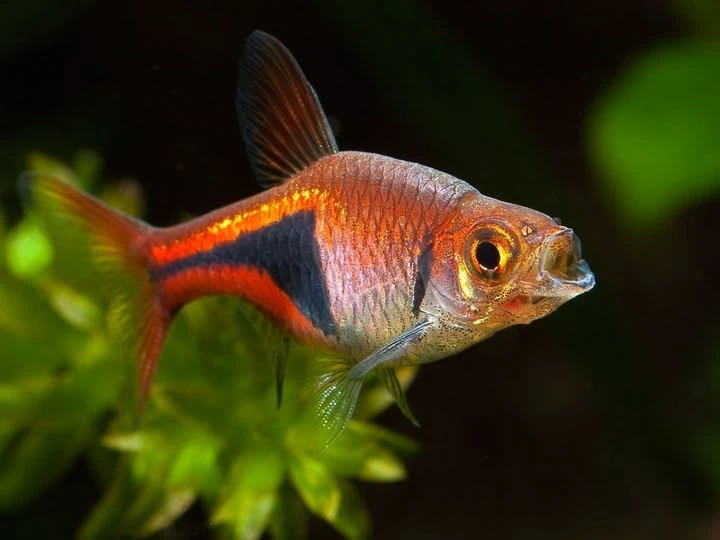
Trigonostigma heteromorpha
Poecilia sphenops
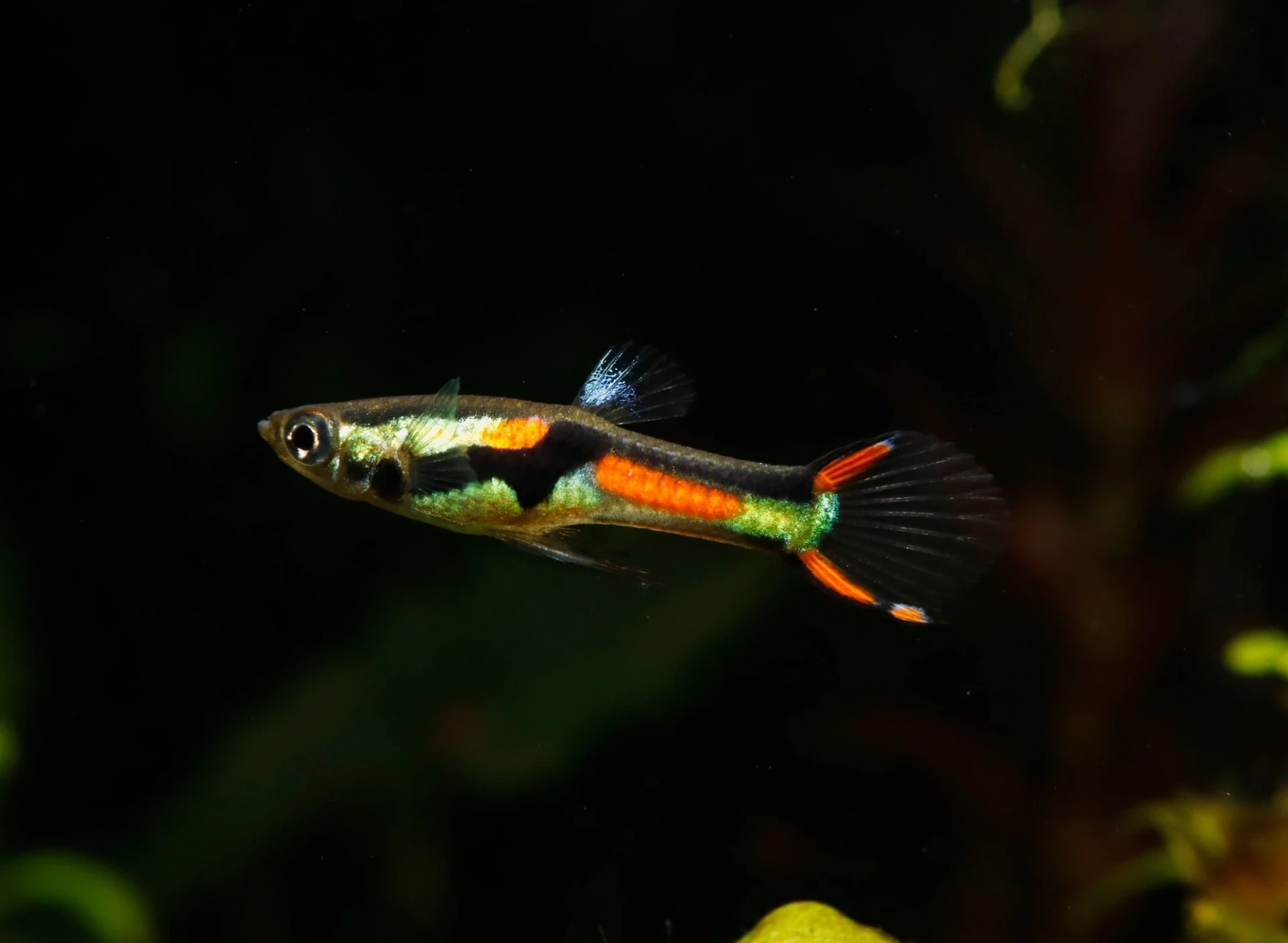
Poecilia wingei
Xiphophorus maculatus

Xiphophorus hellerii
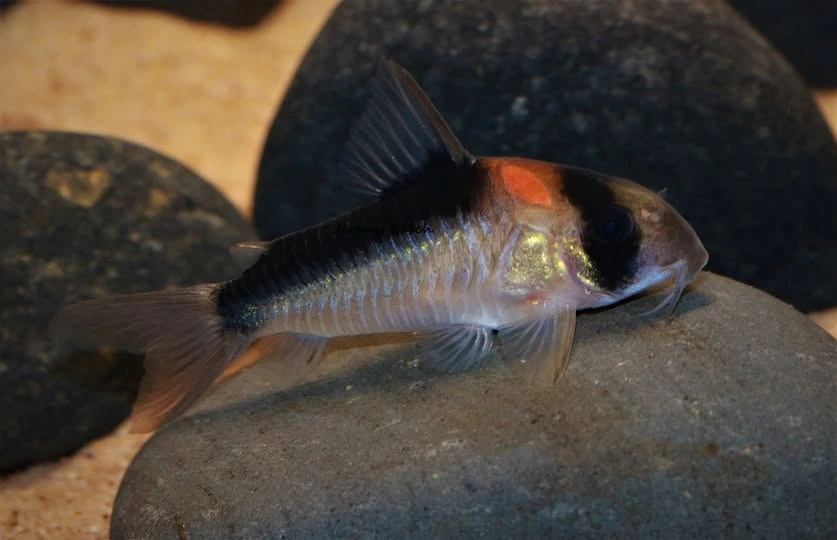
Corydoras adolfoi
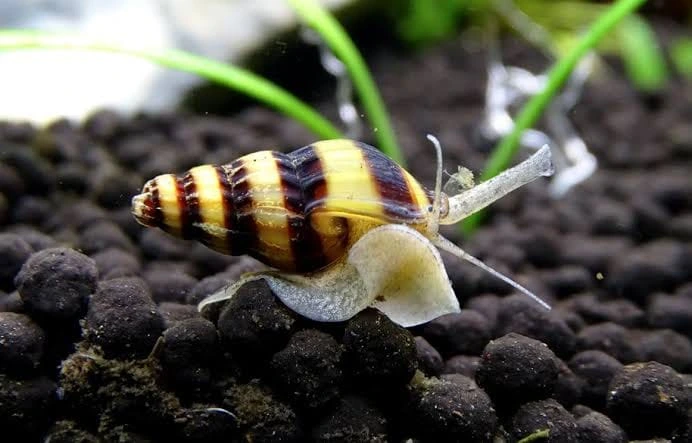
Clea helena
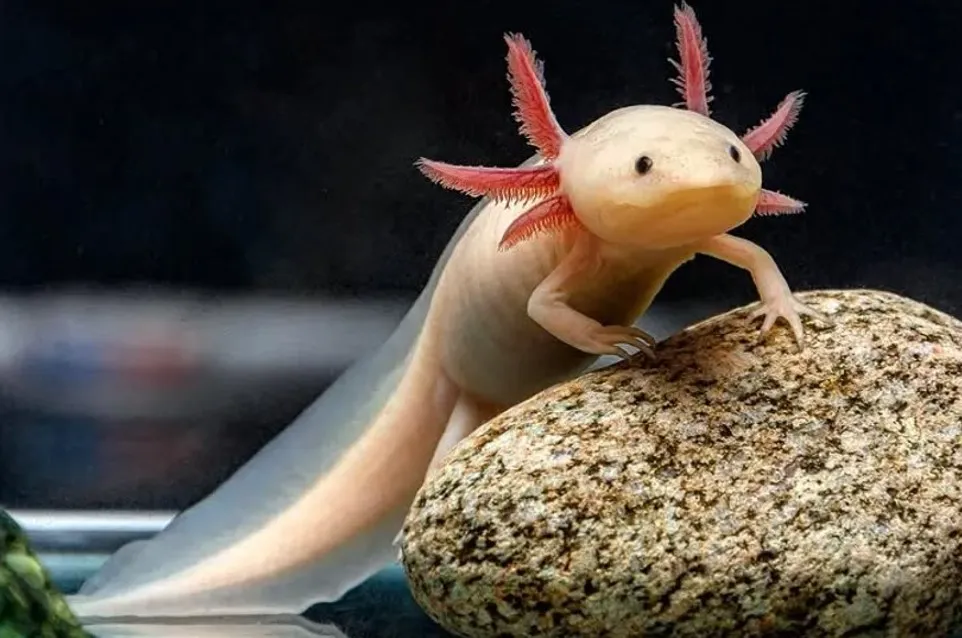
Ambystoma mexicanum
Use our free stocking calculator to check compatibility, bioload, and get personalized recommendations.