
Care Requirements
Adult Size
2.0" (5cm)
Min Tank
20 gal
Temperature
72-81°F
pH Range
6-7.5
Lifespan
5-7 years
Min Group
6+ fish
Diet
Omnivore
Swim Level
Middle
Bioload
2/10
Hardness
4-15 dGH
About Cherry Barb
The Cherry Barb is living proof that not all barbs are fin-nipping troublemakers. Native to Sri Lanka, this peaceful schooling fish has earned its place as one of the most reliable community tank inhabitants. While tiger barbs terrorize tankmates, cherry barbs mind their own business, adding vibrant color without the drama.
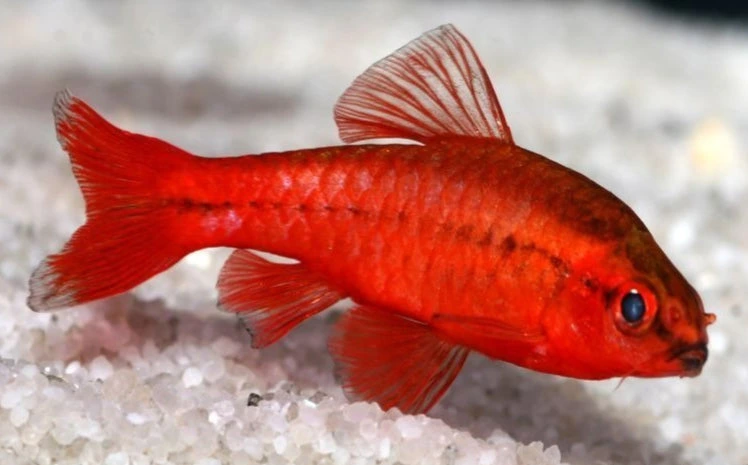
Male cherry barbs are among the most striking freshwater fish when in full color—a deep cherry red that intensifies during breeding displays or when competing with other males. Females and non-displaying males are more subdued with brownish-red coloration and a distinctive dark lateral stripe. The transformation when males color up is genuinely impressive.
What makes cherry barbs exceptional is their combination of beauty, hardiness, and peaceful temperament. They're hardy enough for beginners, colorful enough for experienced aquarists, and peaceful enough for any community tank. Add their interesting breeding behavior and relatively long lifespan, and you have an ideal aquarium fish.
Natural Habitat & Origin
Conservation status: Vulnerable (VU)
Cherry barbs are endemic to Sri Lanka, found only in the shaded streams and rivers of the island's wet zone rainforests. Their habitat is characterized by slow-moving, heavily vegetated water flowing through dense forest canopy. Fallen leaves carpet the bottom, and submerged roots and plants provide constant cover.
These habitats are threatened by deforestation and collection pressure, making the cherry barb endangered in the wild. Fortunately, virtually all aquarium specimens are now captive-bred, reducing pressure on wild populations. Understanding their forest stream origins explains their preference for planted tanks with subdued lighting and their shy nature when kept in sparse, brightly-lit aquariums.
Native Region
Sri Lanka (endemic)
Habitat Type
Shaded forest streams and rivers in wet zone rainforests
Wild Water Conditions
Warm (72-81°F), soft to moderate hardness, slightly acidic to neutral, heavily vegetated
Appearance & Varieties
Cherry barbs are small, torpedo-shaped fish reaching about 2 inches (5 cm). The body shape is typical of small barbs—streamlined and built for quick movements. A dark horizontal stripe runs from snout to tail base, more prominent in females and subdued males.
The real magic is male coloration. Dominant males in breeding condition turn deep cherry red across the entire body—fins included. This isn't subtle; it's a rich, saturated red that commands attention. Females remain brownish-red with a more visible lateral stripe and often show a slight golden iridescence. Both sexes have slightly forked tails and small barbels near the mouth.
Popular Varieties
| Variety | Description | Rarity |
|---|---|---|
| Wild-type | Natural coloration—males red when displaying, females brownish with stripe | Common |
| Super Red/Albino | Intensified red coloration bred for maximum color; albino variant also exists | Uncommon |
| Long-fin | Extended finnage; available in standard and super red colors | Uncommon |
Tank Setup & Requirements
Quick Requirements Summary
Tank Size
Minimum Tank Size
20 gallons
Recommended Tank Size
20 gallons
Cherry barbs thrive in planted community tanks that mimic their shaded forest stream habitat. They're adaptable fish but show their best colors and behavior in setups that make them feel secure—plenty of plants, moderate lighting, and a group of their own kind.
Water Parameters
Temperature 72-81°F (22-27°C), with the middle range ideal. pH 6.0-7.5 and hardness 4-15 dGH—they're quite adaptable. Captive-bred specimens tolerate a wider range than wild fish would. Stability matters more than hitting exact numbers.
Substrate
Dark substrates enhance their red coloration dramatically. Sand or fine gravel in brown or black shows off males beautifully. Light substrates work but colors appear washed out by comparison.
Plants & Decorations
Heavily planted tanks are ideal—cherry barbs come from densely vegetated streams. Include stem plants, floating plants to diffuse lighting, and areas of dense cover. They'll use open areas for swimming and displaying but retreat to plants when startled.
Filtration & Water Flow
Standard filtration adequate. They don't produce heavy waste and prefer gentle to moderate current. Avoid strong flow—they're not powerful swimmers and come from slow-moving water.
Lighting
Subdued to moderate lighting brings out the best coloration and behavior. Under bright lights without plant cover, they become shy and washed out. Floating plants help create the dappled light they prefer.
Diet & Feeding Guide
Diet Type
omnivore
Feeding Frequency
2x daily
Portion Size
What they consume in 2 minutes
Cherry barbs are undemanding omnivores that accept virtually any aquarium food. In the wild, they eat small invertebrates, algae, and plant matter. Variety promotes health and enhances their red coloration.
Best Foods for Cherry Barb
- Quality flake food — Staple diet—choose color-enhancing formulas for best red
- Micro pellets — Good alternative to flakes, less waste
- Frozen bloodworms — Excellent for conditioning and intensifying color
- Frozen brine shrimp — Readily accepted, good variety
- Frozen daphnia — Natural food, promotes good health
- Live foods — Daphnia, brine shrimp, microworms—triggers natural hunting behavior
- Blanched vegetables — Occasional spinach or zucchini for plant matter
Foods to Avoid
- Large pellets — Mouths are small—food should be appropriately sized
- Poor quality foods — Low nutrition dulls coloration; invest in quality food
Cherry barbs are enthusiastic eaters that quickly learn feeding routines. They feed primarily in the middle water column but will take food from the surface or chase sinking items. Color-enhancing foods with astaxanthin and carotenoids help maintain vibrant red coloration in males.
Behavior & Temperament
Cherry barbs are peaceful schooling fish with fascinating social dynamics. Males constantly display to each other and females, flaring their colors and posturing. This competition is entirely non-violent—no fin nipping or fighting, just showing off. Having multiple males creates a display tank where someone is always in full color.
They're active during the day, swimming throughout the middle levels and occasionally foraging at the bottom. When comfortable, they're bold and visible; when stressed (wrong tank setup, too few fish), they hide constantly. A group of 6+ in a planted tank shows completely different behavior than a lonely pair in a bare tank.
Unlike tiger barbs and many other barb species, cherry barbs do not nip fins. They can be kept safely with long-finned fish like bettas, guppies, and angelfish—something few barbs can claim.
Tank Mates: Compatibility Guide
Compatible Tank Mates
Perfect match—similar size, peaceful, overlapping parameters
Excellent companions, both peaceful schoolers
Peaceful bottom dwellers, no competition
Both peaceful, different zones, similar water preferences
Cherry barbs don't nip—one of few barbs safe with bettas
Safe combination—cherry barbs won't nip guppy fins
Peaceful algae eater, different zone
Compatible in planted community tanks
Both small and peaceful, nice color contrast
Tank Mates to Avoid
Tiger Barb
Tiger barbs are too boisterous and may stress peaceful cherry barbs
Oscar
Will eat cherry barbs
Large Cichlids
Aggression and predation risk
Red Tail Shark
Territorial aggression may stress cherry barbs
Chinese Algae Eater
Becomes aggressive with age
Common Pairing Questions
Can cherry barbs live with bettas?
Yes—cherry barbs are one of the few barb species safe with bettas because they don't nip fins. Keep a group of 6+ cherry barbs in a 20+ gallon planted tank with a betta. The cherry barbs will stay in the middle while the betta occupies the top. Monitor initially, but this combination usually works well.
Do cherry barbs nip fins?
No. Unlike tiger barbs, serpae tetras, and many other barbs, cherry barbs are genuinely peaceful and don't nip fins. They can be kept safely with long-finned fish like guppies, bettas, and angelfish. This makes them one of the most versatile community fish available.
How many cherry barbs should I keep?
Minimum 6, ideally 8-10+. Include both males and females—males display their best color when competing for female attention. A ratio of 1 male to 2 females reduces competition stress, but more males means more fish in full color at any time. They're not aggressive, so male-heavy groups work fine.
Cherry barbs are egg scatterers that breed readily in home aquariums. They're among the easier barbs to breed, often spawning without any special effort in well-maintained tanks.
For intentional breeding, set up a separate tank with fine-leaved plants or spawning mops. Condition a pair with live or frozen foods for a week. Males intensify to deep red when ready. Spawning typically occurs in the morning—the pair scatters eggs among plants, then ignores them.
Remove adults immediately after spawning as they'll eat the eggs. Eggs hatch in 24-48 hours, and fry become free-swimming in another 2-3 days. Feed infusoria initially, then baby brine shrimp. Fry grow relatively quickly and develop color within a few months.
Health Issues & Disease Prevention
Cherry barbs are hardy fish with few disease issues when basic care is provided. They're more robust than many popular community fish and tolerate beginner mistakes relatively well. Most problems trace to poor water quality or stress from inadequate group size.
Common Diseases
| Disease | Symptoms | Treatment |
|---|---|---|
| Ich (White Spot) | White salt-like spots on body and fins, scratching against objects, clamped fins | Raise temperature to 82-86°F gradually, add aquarium salt (1 tbsp per 5 gallons), use ich medication. Cherry barbs respond well to treatment. |
| Fin Rot | Fraying or deteriorating fins, white or red edges | Improve water quality—usually the primary cause. Antibacterial medication if severe. Fins regenerate once conditions improve. |
| Velvet | Gold or rust-colored dust on body, clamped fins, scratching, lethargy | Dim lights (parasite is photosynthetic), copper-based medication, raise temperature slightly. |
| Columnaris | White or gray patches, cottony growths, frayed fins, rapid breathing | Kanaplex or Furan-2, lower temperature slightly. Improve water quality. Quarantine affected fish. |
Signs of a Healthy Cherry Barb
- Active swimming, especially males displaying
- Vibrant red coloration in males
- Clear, intact fins
- Eager feeding response
- Schooling behavior with the group
- Clear eyes without cloudiness
Prevention Tips
- Keep in groups of 6+ to reduce stress
- Maintain stable water parameters
- Provide planted tank with hiding spots
- Perform regular water changes (25% weekly)
- Feed quality, varied diet
- Quarantine new fish before adding to established tanks
Frequently Asked Questions
Cherry barbs reach about 2 inches (5 cm) at maturity. Males are slightly smaller and slimmer than females. This modest size makes them suitable for tanks 15 gallons and up.
With proper care, cherry barbs live 5-7 years—longer than many similar-sized fish. Good water quality, varied diet, and appropriate group size contribute to longevity.
Several possibilities: They may be females (only males turn deep red), males not in display mode (need competition from other males), stressed (too few fish, wrong tank setup), or receiving poor nutrition. Color-enhancing foods and a proper group with multiple males usually solve this.
No—this is their key advantage over other barbs. Cherry barbs are genuinely peaceful and don't nip fins. They're safe with bettas, guppies, angelfish, and other long-finned species that tiger barbs would harass.
Minimum 6, ideally 8-10 or more. They're schooling fish that become stressed and hide in small groups. Include both sexes—males display better colors when females are present.
Yes—wild populations in Sri Lanka are threatened by habitat loss and over-collection. However, aquarium fish are almost exclusively captive-bred, so keeping them doesn't harm wild populations. Responsible fishkeeping may actually help preserve interest in protecting their native habitat.
Minimum 15 gallons (60 liters) for a group of 6. A 20-gallon or larger tank allows for a bigger school and more natural behavior. Longer tanks are preferable to tall ones for swimming space.
Yes, unless your room temperature stays consistently between 72-78°F. They're tropical fish that need stable warm temperatures. A reliable heater prevents temperature fluctuations that cause stress and illness.
Tips for Keeping Cherry Barb
Pro Tips
- ✓Keep multiple males—competition brings out the best color without actual fighting
- ✓Dark substrate makes red coloration dramatically more vivid
- ✓Floating plants create the dappled lighting they prefer and encourage natural behavior
- ✓Feed color-enhancing foods with astaxanthin for maximum red intensity
- ✓They're one of few barbs safe in a betta community tank—rare and valuable trait
- ✓Males in full display rival any marine fish for color intensity
Common Mistakes to Avoid
- ✗Keeping too few—groups under 6 hide constantly and never color up
- ✗Bright lighting without plant cover—washes out color and increases shyness
- ✗All-female group—you miss the spectacular male coloration
- ✗Assuming they're fin nippers like tiger barbs—they're completely different
- ✗Light-colored substrate—reduces color vibrancy significantly
- ✗Poor diet—quality food directly impacts coloration
Sources
- FishBase — Accepted scientific name, maximum size and native range for Cherry Barb.
- IUCN Red List — Vulnerable conservation assessment for Puntius titteya.
Featured in Biotope Presets
Related Species You Might Like
View All Fish →
Cherry Shrimp
Neocaridina davidi
Gold Barb
Barbodes semifasciolatus

Odessa Barb
Pethia padamya
Adolfo's Corydoras
Corydoras adolfoi
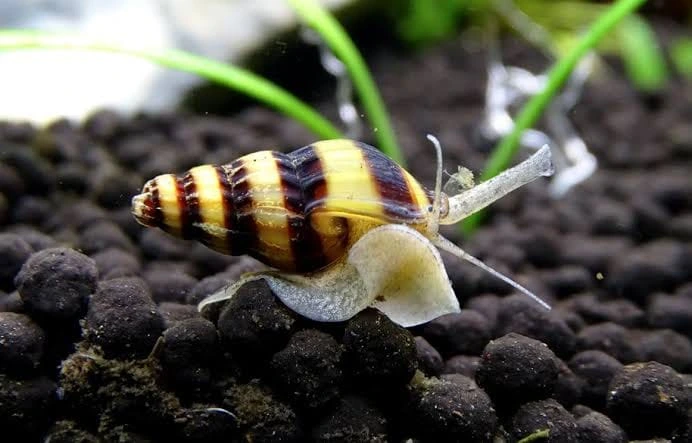
Assassin Snail
Clea helena
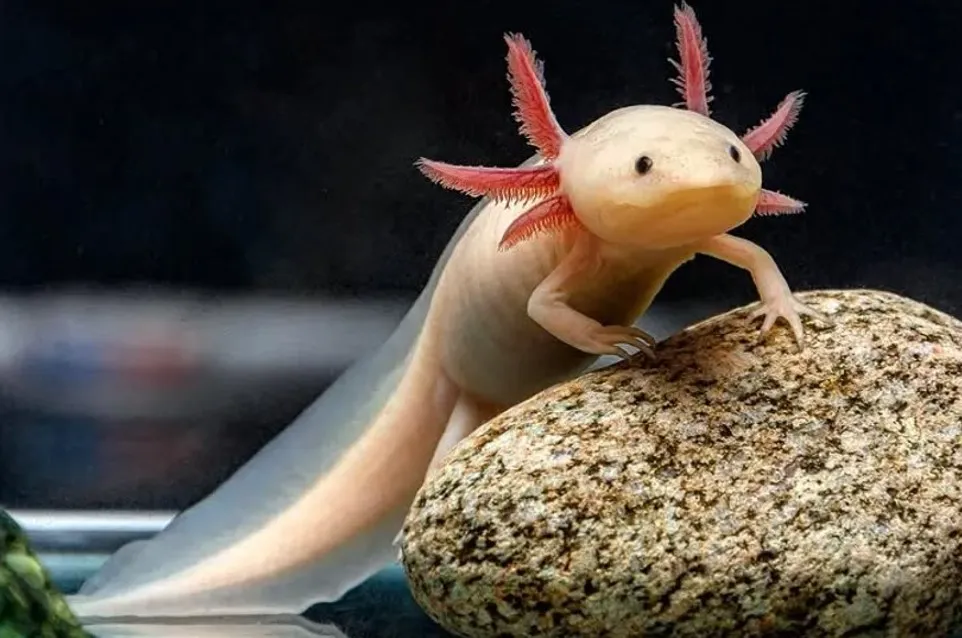
Axolotl
Ambystoma mexicanum
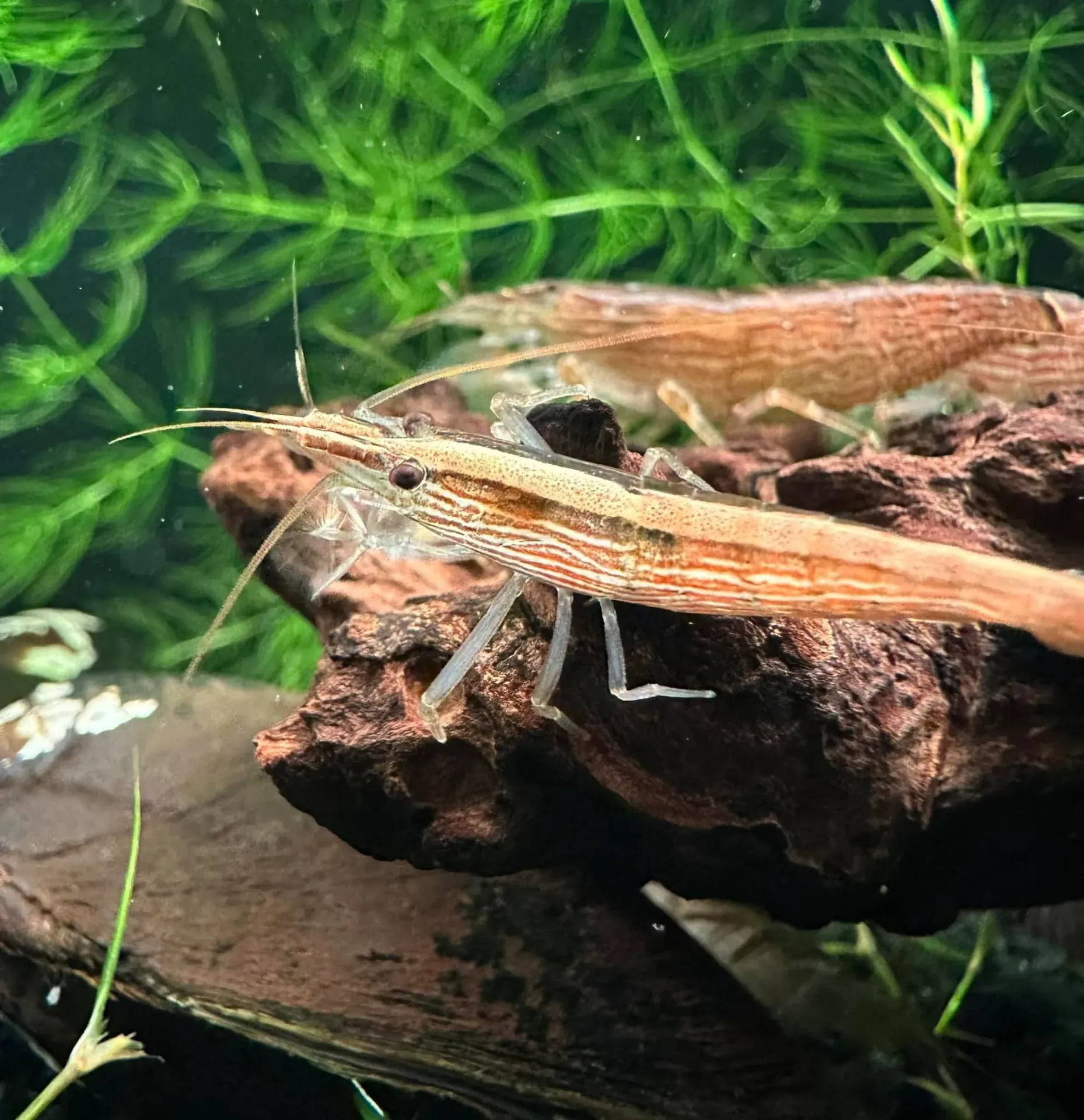
Bamboo Shrimp
Atyopsis moluccensis
Banjo Catfish
Bunocephalus coracoideus
Ready to Add Cherry Barb to Your Tank?
Use our free stocking calculator to check compatibility, bioload, and get personalized recommendations.