
Care Requirements
Adult Size
2.8" (7cm)
Min Tank
20 gal
Temperature
64-77°F
pH Range
6-8
Lifespan
5-7 years
Min Group
6+ fish
Diet
Omnivore
Swim Level
Middle
Bioload
2/10
Hardness
5-20 dGH
About Gold Barb
The Gold Barb is one of the most underrated and beginner-friendly fish in the freshwater aquarium hobby. This captive-bred golden variant of the Chinese Barb was developed by Thomas Schubert in the 1960s (hence the alternative name 'Schubert's Barb'), and has been a reliable staple of the hobby ever since.
What makes Gold Barbs exceptional is their combination of beauty, hardiness, and peaceful temperament. They're genuinely one of the most forgiving fish available—tolerating beginner mistakes, adapting to a wide range of water conditions, and eating virtually anything offered. Their bright golden coloration adds warmth and cheerfulness to any community tank.
Gold Barbs also stand out for their temperature versatility. Unlike most 'tropical' fish, they prefer cooler water and can thrive in unheated tanks or even outdoor ponds during summer months. This makes them compatible with goldfish and other cool-water species—a rare trait among attractively colored schooling fish.
Natural Habitat & Origin
The wild form of Gold Barbs (greenish-bronze Chinese Barbs) is native to the Red River basin in southern China and northern Vietnam. They inhabit slow-moving streams, ponds, ditches, and rice paddies with abundant vegetation in subtropical climates.
Their natural habitat experiences significant seasonal temperature variation, which has given them remarkable adaptability to different conditions. The slow-moving, vegetated waters they come from explain their peaceful nature and tolerance for various tank setups. While the gold aquarium strain doesn't exist in the wild, understanding their origins explains their cool-water preference and hardy constitution.
Native Region
Red River basin - southern China and northern Vietnam (wild form)
Habitat Type
Slow-moving streams, ponds, ditches, rice paddies with vegetation
Wild Water Conditions
Subtropical waters (60-77°F) with seasonal variation, moderate vegetation
Appearance & Varieties
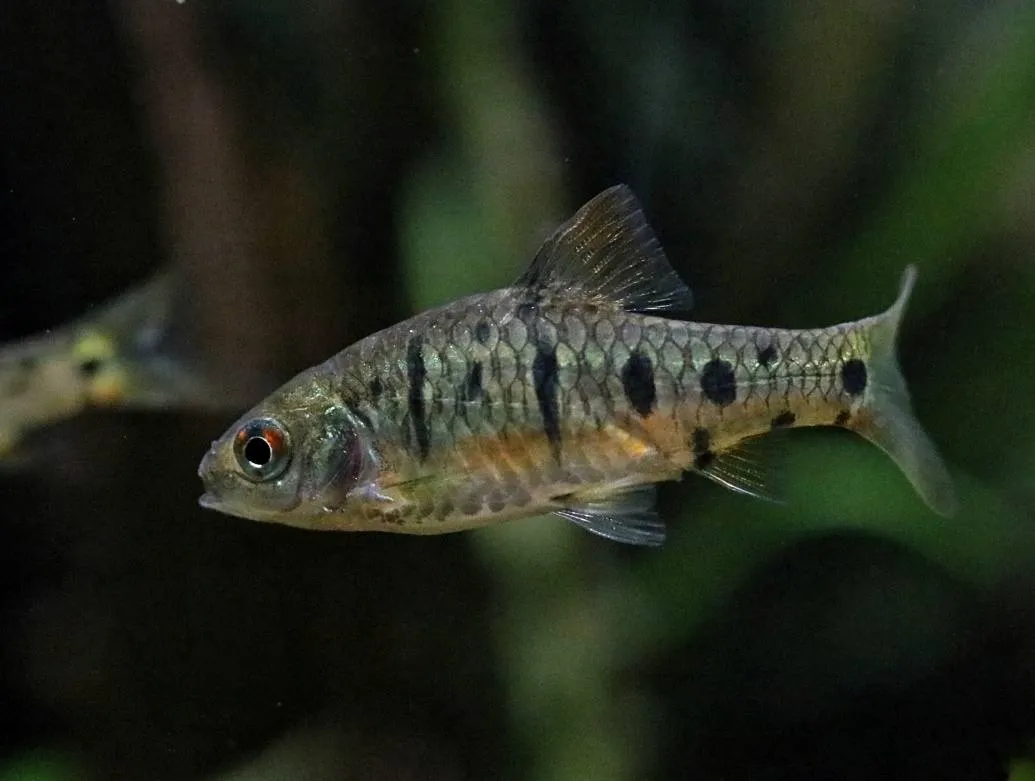
Gold Barbs reach about 3 inches (7 cm) in length with a moderately deep, laterally compressed body typical of barbs. Their most obvious feature is the bright golden-yellow coloration that covers the entire body—this is the captive-bred variant; wild fish are greenish-bronze.
Males are slimmer with brighter gold coloration and may develop a reddish tinge on their fins during breeding condition. Females are rounder and slightly duller, especially noticeable when carrying eggs. Some individuals show faint dark vertical bars or spots reminiscent of their wild ancestor's markings. Their fins are mostly transparent with a golden wash.
Tank Setup & Requirements
Quick Requirements Summary
Tank Size
Minimum Tank Size
20 gallons
Recommended Tank Size
30 gallons
Gold Barbs need a minimum of 20 gallons (75 liters) for a school of 6, with 30 gallons (115 liters) recommended for a comfortable community. They're adaptable to various tank configurations but appreciate swimming space.
Water Parameters
Temperature 60-77°F (16-25°C)—they prefer cooler conditions than most tropical fish. pH 6.0-8.0 and hardness 5-20 dGH—extremely adaptable. They're one of the most flexible species regarding water chemistry.
Substrate
Any substrate works—they look good against both light and dark backgrounds. Their golden color is warm enough to stand out against any substrate.
Plants & Decorations
Well-planted tanks are appreciated and they won't damage plants. Natural driftwood and rocks create a pleasant environment. Leave open swimming areas for schooling behavior.
Filtration & Water Flow
Moderate flow—adaptable to various conditions. Standard community tank filtration is perfectly adequate.
Lighting
Moderate—not demanding. Their golden color shows well under any reasonable lighting.
Diet & Feeding Guide
Diet Type
omnivore
Feeding Frequency
1-2x daily
Portion Size
What they consume in 2-3 minutes
Gold Barbs are true omnivores that eat virtually anything—insects, worms, crustaceans, algae, and plant matter. They're enthusiastic, sometimes greedy eaters that benefit from both protein and vegetable components in their diet.
Best Foods for Gold Barb
- High-quality flakes — Good staple—they eat eagerly
- Spirulina flakes — Important vegetable component
- Frozen bloodworms — Excellent protein supplement
- Blanched vegetables — Zucchini, peas, cucumber for variety
- Live foods — Outstanding conditioning food
- Color-enhancing foods — Carotenoid-rich foods enhance golden color
Foods to Avoid
- Overfeeding — They're greedy and prone to obesity—use portion control
- Protein-only diet — Need vegetable matter for balanced nutrition
Gold Barbs will eat almost anything, which makes them easy to feed but prone to overeating. Include fasting days and vegetable matter to prevent obesity. Carotenoid-rich foods enhance their golden coloration.
Behavior & Temperament
Gold Barbs are one of the most peaceful barb species—a stark contrast to the fin-nipping reputation of Tiger Barbs. They're active schooling fish that swim throughout the middle of the tank, creating a warm, golden display in proper groups.
Males may display to females with slightly intensified colors and occasional chasing, but this behavior is mild and harmless. They're confident fish whose active swimming helps shy tankmates feel secure, making them excellent dither fish. Their combination of peaceful temperament and active swimming makes them ideal community residents.
Tank Mates: Compatibility Guide
Compatible Tank Mates
Perfect cool-water companion
Similarly peaceful barb species
Hardy, active, temperature compatible
Peaceful bottom dweller
Hardy algae eater, different zone
Peaceful, different tank level
Temperature compatible—unusual and effective pairing
Tank Mates to Avoid
Discus
Requires much warmer water
Aggressive cichlids
Will harass peaceful Gold Barbs
Very small shrimp
May eat smaller shrimp species
Long-finned slow fish
Occasional minor nipping possible
Common Pairing Questions
Can Gold Barbs live with goldfish?
Yes—their temperature tolerance overlaps well with goldfish, and both are peaceful. Gold Barbs add activity and color to goldfish tanks. Ensure the goldfish aren't large enough to eat them and provide adequate space.
Are Gold Barbs good for beginners?
One of the absolute best choices for beginners. They tolerate mistakes, eat anything, don't nip fins, adapt to various water conditions, and are long-lived. Hard to go wrong with Gold Barbs.
Gold Barbs are one of the easiest egg-scatterers to breed, making them excellent for beginners learning fish breeding. They're prolific spawners that readily reproduce in captivity.
Set up a separate breeding tank with fine-leaved plants or spawning mops and marbles or mesh on the bottom to protect eggs. Temperature around 72-75°F (22-24°C) with soft to moderate water. Males chase females in the morning, and 200-300 eggs are scattered among plants and fall to the bottom.
Remove adults immediately after spawning—they eat eggs readily. Eggs hatch in 24-48 hours. Feed infusoria for the first few days, then graduate to baby brine shrimp. Fry are hardy and grow quickly, reaching sellable size within a few months.
Health Issues & Disease Prevention
Gold Barbs are among the hardiest aquarium fish available—they tolerate beginner mistakes, adapt to various conditions, and rarely develop health problems. Their main health concern is obesity from overfeeding rather than disease.
Common Diseases
| Disease | Symptoms | Treatment |
|---|---|---|
| Ich (White Spot Disease) | White spots on body, flashing, clamped fins | Raise temperature gradually (within their range), use ich medication. Very hardy fish that recovers well. |
| Fin rot | Frayed, deteriorating fins | Improve water quality—usually resolves without medication. |
| Obesity | Swollen belly, reduced activity, difficulty swimming | Reduce feeding, include fasting days, add more vegetable matter to diet. Prevention is easier than cure. |
Signs of a Healthy Gold Barb
- Bright gold coloration
- Active swimming and schooling
- Good appetite (but not bloated)
- Alert, confident behavior
- Intact, spread fins
- Proportionate body shape
Prevention Tips
- Don't overfeed—they're greedy and prone to obesity
- Include fasting days (1-2 per week)
- Regular weekly water changes of 25-30%
- Keep in schools of 6+ to reduce stress
- Include vegetable matter in diet
- Quarantine new fish for 2 weeks
- Don't overheat—cooler water is healthier for them
Frequently Asked Questions
The gold color is a captive-bred variant developed by Thomas Schubert in the 1960s (hence 'Schubert's Barb'). Wild fish are greenish-bronze. The gold strain has been line-bred for decades and breeds true.
Yes—they prefer cooler water (60-77°F / 16-25°C) and can live in unheated tanks or even outdoor ponds in summer. They're one of the most cold-tolerant 'tropical' fish.
Yes—their temperature tolerance overlaps with goldfish, and both are peaceful. Gold Barbs can work in goldfish tanks if the goldfish aren't large enough to eat them. Both prefer cooler water.
Rarely—they're one of the most peaceful barb species. Much better behaved than Tiger Barbs. Occasional minor chasing between males but rarely causes problems.
Minimum 6, ideally 8-10+. They're schooling fish that look best and behave most naturally in groups. A proper school is more active and confident.
Excellent choice—possibly the best barb for beginners. They're extremely hardy, tolerate mistakes, eat anything, don't nip fins, and adapt to various water conditions.
Tips for Keeping Gold Barb
Pro Tips
- ✓One of the best beginner fish—nearly indestructible
- ✓Cooler temperatures often suit them better than tropical heat
- ✓Can be kept in unheated tanks or outdoor ponds (summer)
- ✓The 'Schubert's Barb' name refers to the same gold variety
- ✓Excellent dither fish—their activity encourages shy fish
- ✓Wild-type green/bronze form exists but is rarely sold
- ✓Great for goldfish keepers who want more variety
- ✓Very long-lived for a small barb—5-7 years common
Common Mistakes to Avoid
- ✗Keeping too warm—they prefer subtropical temperatures
- ✗Overfeeding—they're greedy and prone to obesity
- ✗School too small—need 6+ for natural behavior
- ✗Expecting tropical fish requirements—they're subtropical
- ✗Not including vegetable matter in diet
- ✗Mixing with fish requiring very warm water
- ✗Underestimating their hardiness—they tolerate a lot
- ✗Keeping alone—they need schooling companions
Sources
- FishBase — Accepted scientific name, maximum size and native range for Gold Barb.
Related Species You Might Like
View All Fish →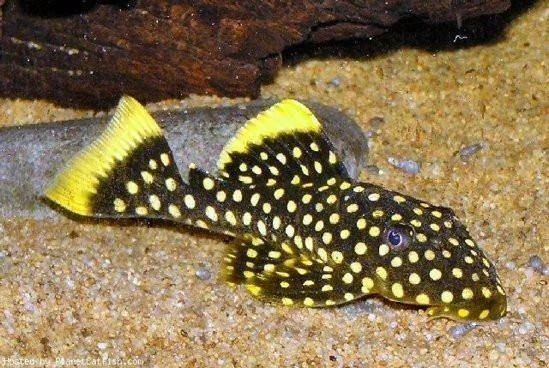
Gold Nugget Pleco
Baryancistrus xanthellus
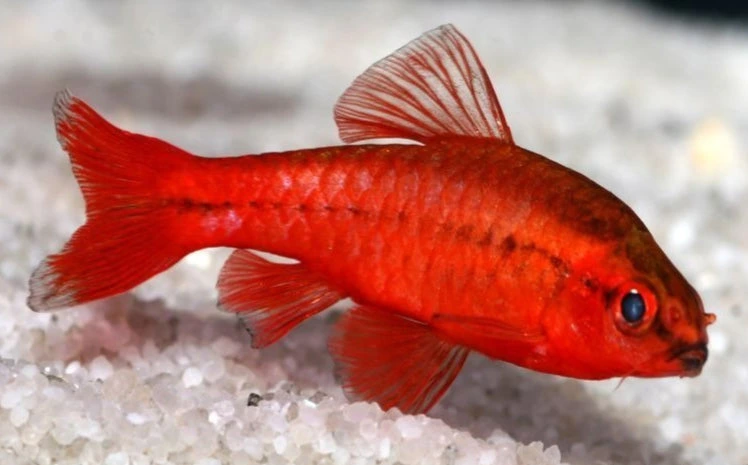
Cherry Barb
Puntius titteya

Odessa Barb
Pethia padamya
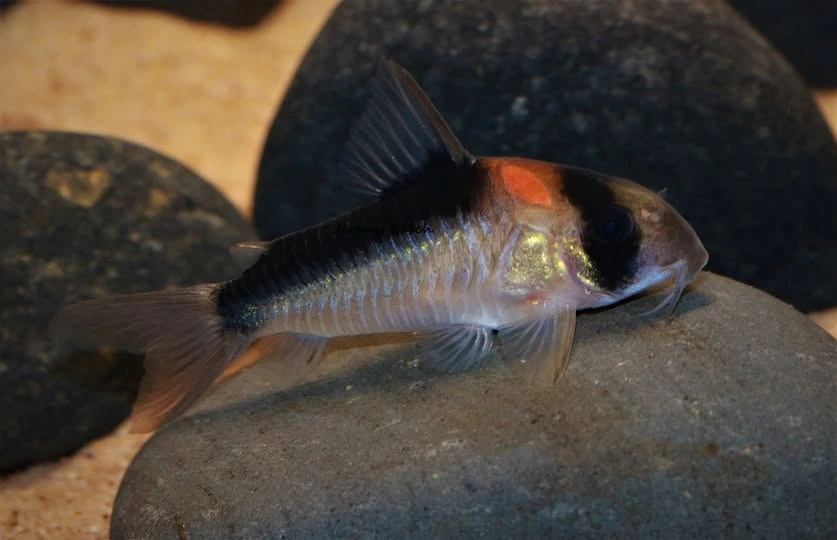
Adolfo's Corydoras
Corydoras adolfoi
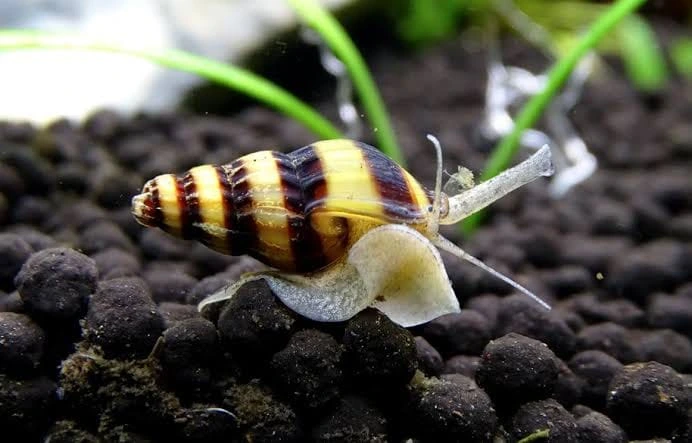
Assassin Snail
Clea helena
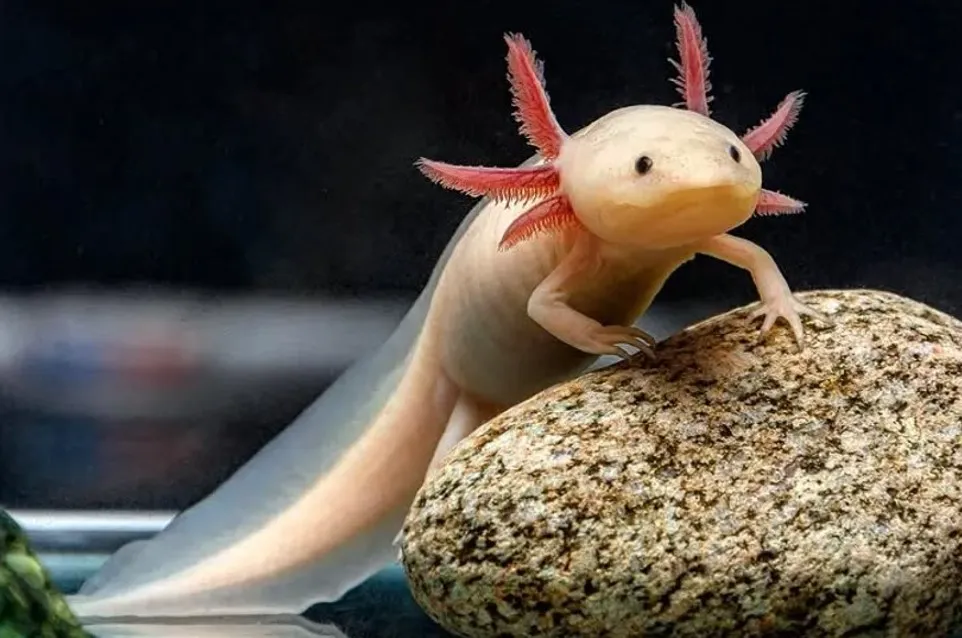
Axolotl
Ambystoma mexicanum
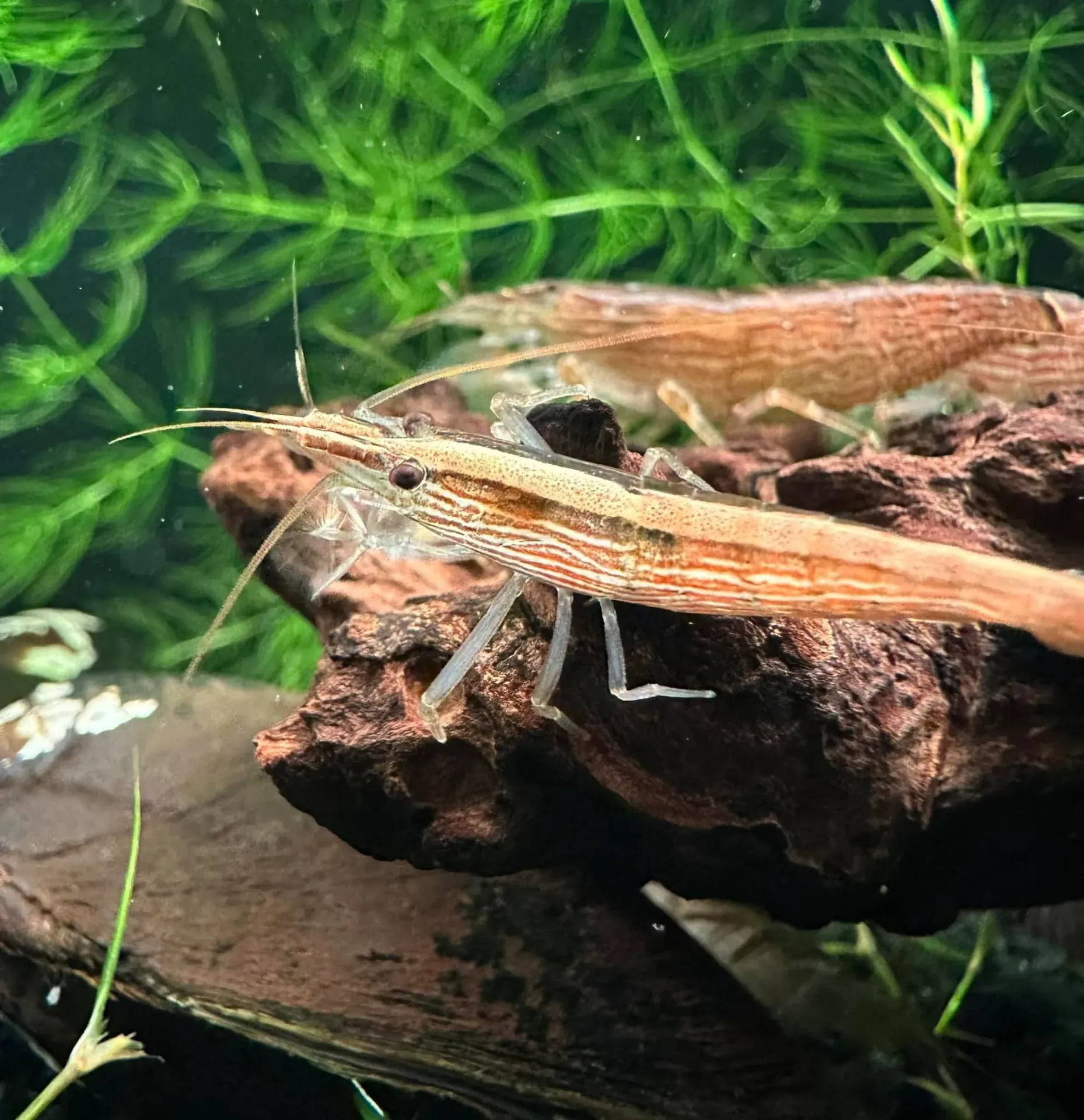
Bamboo Shrimp
Atyopsis moluccensis
Banjo Catfish
Bunocephalus coracoideus
Ready to Add Gold Barb to Your Tank?
Use our free stocking calculator to check compatibility, bioload, and get personalized recommendations.