Hillstream Loach
A flat, sucker-shaped loach built for cool, oxygen-rich water, which is exactly what a lightly heated goldfish tank should be.
Adult Size
7.9" (20cm)
Min Tank
30 gal
Temperature
64-75°F
pH Range
7-8
Lifespan
10-15 years
Min Group
Can be kept alone
Diet
Omnivore
Swim Level
All
Bioload
8/10
Hardness
8-20 dGH
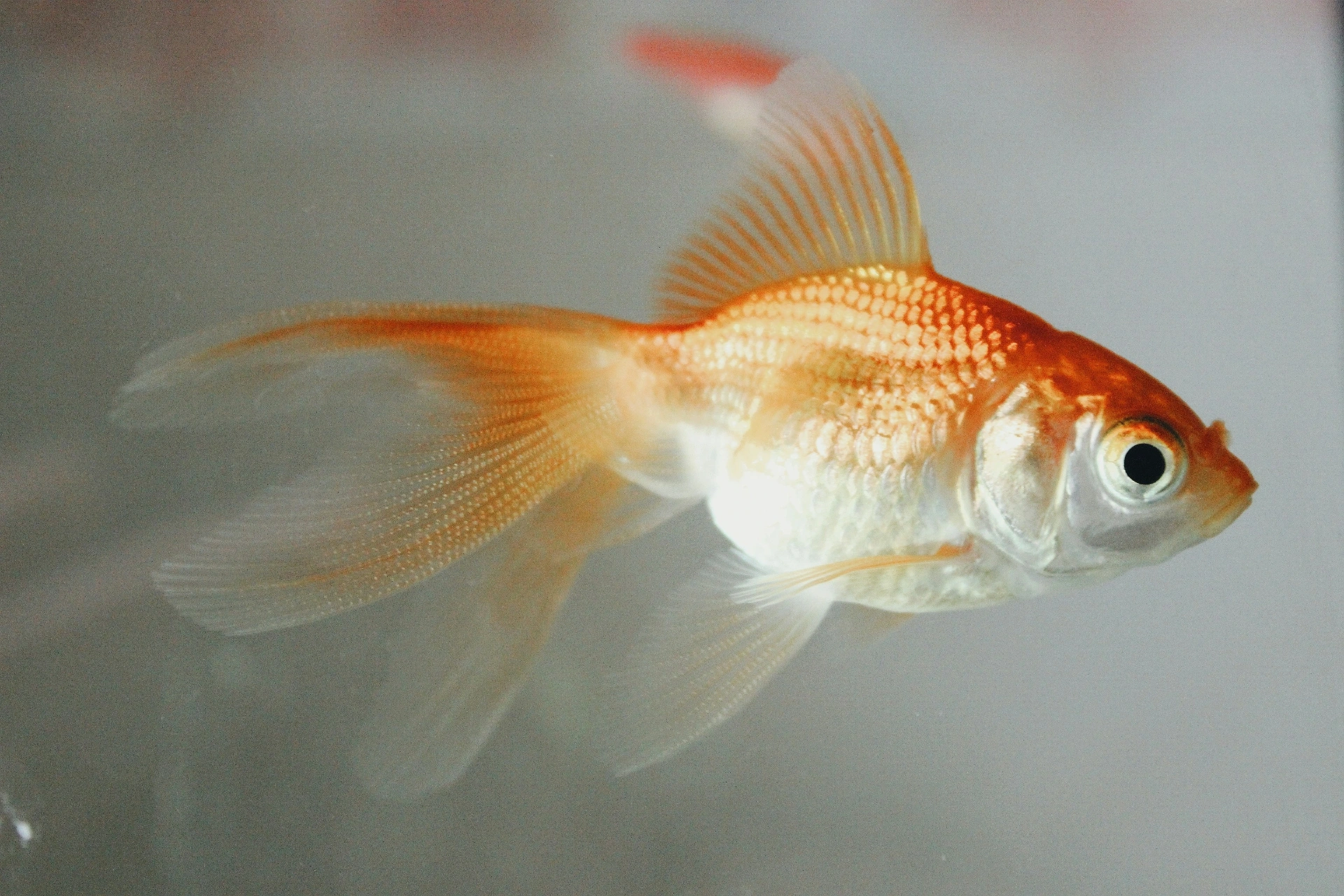
Fancy Goldfish are among the most recognizable and beloved aquarium fish in the world, with a history of selective breeding spanning over a thousand years in China and Japan. Unlike their streamlined common goldfish ancestors, fancy varieties feature rounded, egg-shaped bodies and elaborate finnage—double tails, flowing veils, and ornamental features like head growths (wens) or telescope eyes.
Despite their popularity, fancy goldfish are also among the most misunderstood fish in the hobby. The persistent myth that they can thrive in bowls has led to countless deaths from poor water quality, inadequate space, and improper care. In reality, fancy goldfish are surprisingly demanding: they produce massive amounts of waste, need powerful filtration, require coldwater temperatures, and can live 15-20+ years when properly cared for.
The good news is that well-kept fancy goldfish are incredibly rewarding pets. They're highly personable, learn to recognize their owners, display distinct personalities, and can even be trained to perform simple tricks. Their graceful, slow movements and stunning variety of colors and forms make them living works of art.
Committing to proper goldfish care means saying goodbye to the bowl and embracing proper aquarium husbandry—but the result is a beautiful, interactive pet that can be part of your life for decades.
Fancy goldfish don't exist in the wild—they're the product of centuries of selective breeding from wild Prussian carp (Carassius gibelio) in ancient China. The first ornamental goldfish appeared over 1,000 years ago, with fancy varieties developing through careful selection over many generations.
Their ancestors inhabited slow-moving, weedy waters of temperate East Asia—cool, oxygen-rich environments with abundant plant matter and natural filtration. Understanding these origins helps explain why fancy goldfish need cool temperatures (NOT tropical heat), excellent oxygenation, and struggle in the stagnant, warm water of unfiltered bowls.
Native Region
Domestically bred - ancestors from East Asia (China)
Habitat Type
Artificial/domesticated - no wild habitat
Wild Water Conditions
Ancestors from temperate, slow-moving, well-oxygenated waters
Fancy goldfish share several characteristics that distinguish them from common (single-tail) goldfish: rounded, egg-shaped bodies; double caudal (tail) fins; and typically shorter, more compact body plans. Beyond these basics, the variety is remarkable.
Colors range from classic orange-gold to red, white, black, calico, chocolate, blue, and combinations thereof. Metallic, matte, and nacreous (pearlescent) scale types create different visual effects. Body shape varies from the relatively streamlined Fantail to the extremely round Pearlscale or Ranchu.
Ornamental features further diversify fancy goldfish: Orandas and Lionheads develop fleshy head growths called wens; Black Moors and Telescopes have protruding eyes; Bubble Eyes have fluid-filled sacs beneath their eyes; Celestials have upward-facing eyes. Each variety has specific care considerations based on their unique features.
| Variety | Description | Rarity |
|---|---|---|
| Oranda | Prominent head growth (wen), flowing fins, many color varieties | Common |
| Ryukin | Distinctive humped back, pointed head, flowing tail | Common |
| Fantail | Classic double-tail fancy, good beginner variety | Common |
| Black Moor | Velvety black color, telescope eyes | Common |
| Ranchu | No dorsal fin, prominent wen, rounded body | Uncommon |
| Lionhead | Similar to Ranchu, prominent wen, no dorsal fin | Uncommon |
| Pearlscale | Raised, dome-like scales, very round body | Uncommon |
| Telescope Eye | Protruding eyes, various colors and fin types | Common |
| Bubble Eye | Large fluid-filled sacs under eyes, no dorsal fin | Uncommon |
| Celestial | Upward-facing eyes, no dorsal fin | Rare |
Minimum Tank Size
30 gallons
Recommended Tank Size
40 gallons
The single most important message for fancy goldfish care: THEY CANNOT LIVE IN BOWLS. This myth has killed more goldfish than any disease. Proper goldfish keeping requires real aquariums with real filtration.
Fancy goldfish are coldwater fish requiring temperatures of 65-73°F (18-23°C)—NOT tropical temperatures. Most room temperatures work fine; in very cold rooms, a heater set low prevents dangerous drops. pH should be 7.0-8.4 (they prefer slightly alkaline), hardness 5-19 dGH. Ammonia and nitrite must be zero; nitrates below 40 ppm.
Large smooth gravel or large river rocks prevent accidental ingestion (goldfish constantly forage and may swallow small gravel). Sand works well but can be messy. Bare-bottom tanks are popular for easy cleaning but less natural-looking.
Plants are extremely difficult—goldfish uproot and eat most species. Try Anubias and Java Fern attached to driftwood (inedible leaves, attached so they can't uproot). Marimo moss balls often survive. Quality artificial plants are a practical alternative. All decorations must be smooth without sharp edges that could damage eyes or fins.
OVERSIZED filtration is absolutely critical—aim for 10x tank volume turnover per hour. Goldfish produce massive waste; underfiltered tanks quickly become toxic. Canister filters or HOB filters rated for 2-3x your tank size are standard. Consider sponge pre-filters to protect delicate fancy fins. Excellent aeration is essential—air stones help.
Standard aquarium lighting 8-10 hours daily is fine. Some varieties (Orandas, Ranchus) show enhanced coloration under quality lighting.
Diet Type
omnivore
Feeding Frequency
2-3 times daily in small portions
Portion Size
What they consume in 2-3 minutes
Fancy goldfish are enthusiastic omnivores that will eat almost anything—which is both a blessing and a curse. Overfeeding is the #1 cause of goldfish health problems, leading to swim bladder issues, poor water quality, and obesity. Quality over quantity is essential.
Feed only what they consume in 2-3 minutes, 2-3x daily. Pre-soak pellets before feeding to prevent expansion in stomach. Weekly blanched peas are practically medicine for fancy goldfish—the fiber prevents constipation that leads to swim bladder issues. Fast one day per week to aid digestion. Goldfish will always beg for food—resist overfeeding.
Fancy goldfish are delightfully personable fish that quickly learn to recognize their owners. They'll swim excitedly to the front of the tank when you approach, beg shamelessly for food, and can even learn simple tricks with patient training.
Their swimming ability varies by variety—streamlined Fantails move relatively well, while extremely rounded Pearlscales or Ranchus are slow, awkward swimmers. This impacts tank mate selection and feeding strategies. Varieties with impaired vision (Telescope Eyes, Bubble Eyes) need special consideration.
Goldfish are social and do best in groups, though single fish can thrive with sufficient human interaction. They're constantly foraging, rooting through substrate, and exploring their environment. Despite appearing slow, they're intelligent fish with distinct personalities—some are bold and interactive, others more shy and retiring.
Fancy goldfish swim badly and see badly, so they lose every race to food and every chase they are drawn into. Tank mates have to be slow, cool-water and utterly uninterested in trailing fins and bulging eyes. Even well-chosen company usually means feeding the goldfish separately.
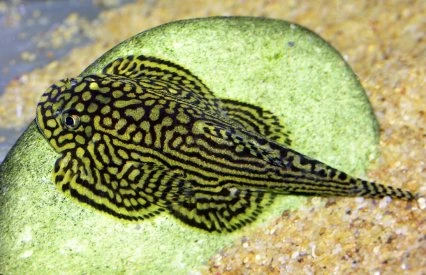
A flat, sucker-shaped loach built for cool, oxygen-rich water, which is exactly what a lightly heated goldfish tank should be.

A temperate loach that reaches 25 cm and behaves like a slow, harmless vacuum cleaner, working the substrate for food a fancy dropped or never found.
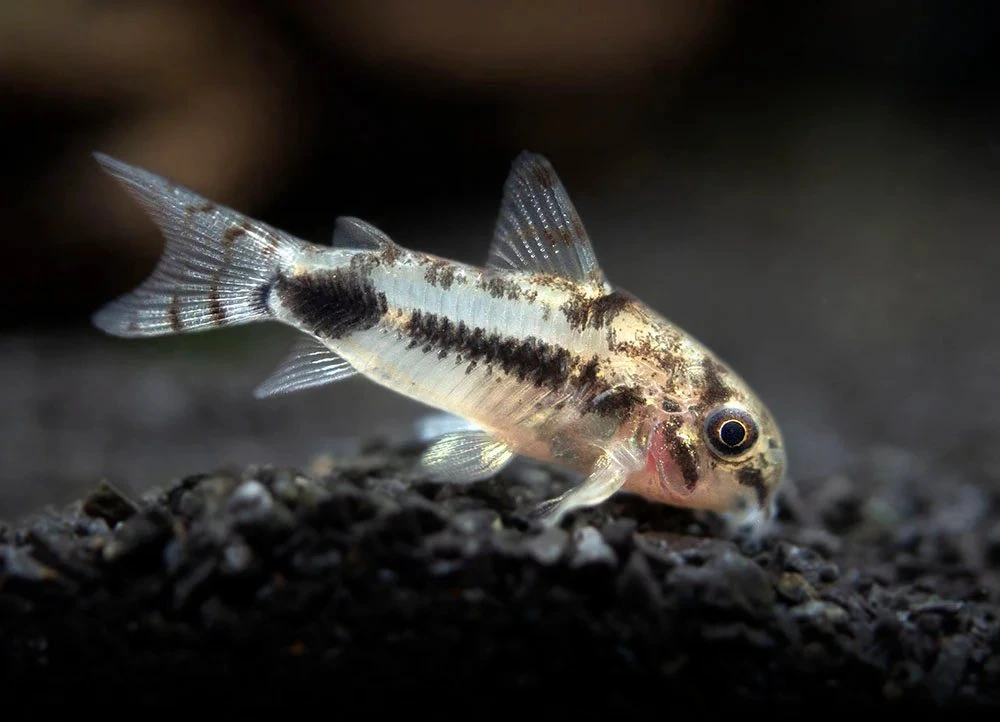
The one commonly sold corydoras that genuinely prefers cool water, comfortable at 18–23 °C where the bronze and sterbai varieties are not.
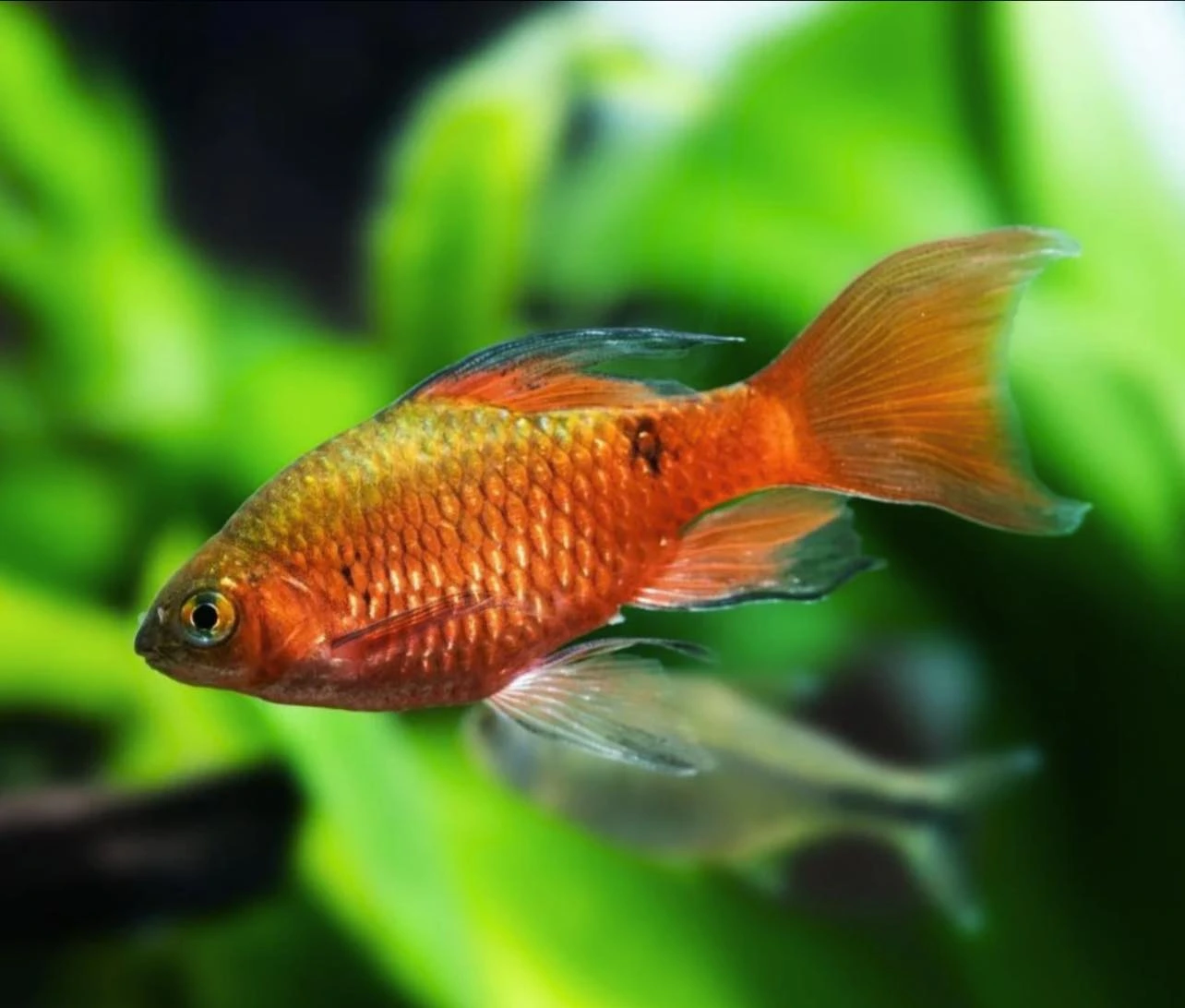
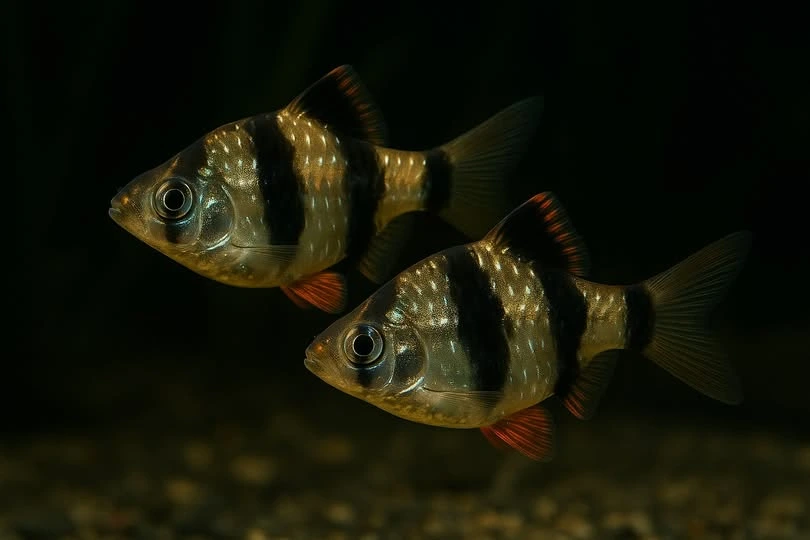
Also compatible: Gold Barb, Pearl Danio, Japanese Trapdoor Snail, Rubber Lip Pleco
Also avoid: Betta, Neon Tetra, Cherry Shrimp, Electric Blue Crayfish, Angelfish
Full Fancy Goldfish tank mates guideBreeding fancy goldfish is achievable for dedicated hobbyists and can be a rewarding project. They're egg scatterers that spawn in response to temperature changes mimicking spring—conditioning in cool water followed by gradual warming triggers spawning.
A breeding setup requires a large tank (40+ gallons minimum), spawning mops or dense plants for egg deposition, and a plan for the parents (they'll eat their own eggs immediately). Cool the tank to 60-65°F for a few weeks, then gradually warm to 68-74°F to simulate spring and trigger spawning.
Males develop white breeding tubercles (tiny bumps) on gill covers and pectoral fins during breeding season—the most reliable way to sex goldfish. Females become noticeably rounder with eggs. Males chase females aggressively during spawning.
Fry care is demanding: eggs hatch in 4-7 days, fry need infusoria then baby brine shrimp, and many will revert to wild bronze coloration as they mature. Breeding for quality fancy goldfish requires significant culling and years of experience.
Fancy goldfish are prone to several health issues, many related to their artificially selected body shapes. Swim bladder problems are particularly common in round-bodied varieties. Most health issues stem from poor water quality or overfeeding—the two factors entirely within the keeper's control.
| Disease | Symptoms | Treatment |
|---|---|---|
| Swim Bladder Disorder | Floating, sinking, swimming upside down, loss of balance, struggling to stay upright | Fast for 2-3 days, feed blanched peas, ensure sinking foods. Often caused by constipation, overfeeding, or gulping air. May be genetic in extremely round varieties. |
| Ich (White Spot) | White salt-like spots on body and fins, scratching against objects, clamped fins | Raise temperature to 78-80°F slowly (upper goldfish tolerance), add aquarium salt, use ich medication. Treat entire tank. |
| Fin Rot | Ragged, deteriorating fins, white or red edges, progressive damage | Improve water quality immediately (usually the cause), antibacterial medication if severe. Clean water is the primary treatment. |
| Dropsy | Severe bloating, scales sticking out like pinecone, lethargy | Often terminal by the time visible. Quarantine, Epsom salt baths, antibiotics. Prevention through excellent water quality is key. |
| Constipation/Bloat | Swollen belly, trailing feces, lethargy, loss of appetite | Fast for 2-3 days, feed blanched peas, ensure varied diet with fiber. Prevention: weekly peas, don't overfeed. |
NO. This is a harmful myth that has killed countless goldfish. Goldfish produce enormous waste and need proper filtration, oxygenation, and space. Minimum 20 gallons for first fish, 10+ gallons for each additional. Bowls cause suffering and early death.
No. Fancy goldfish are coldwater fish (65-72°F / 18-22°C) while tropical fish need 75-80°F+ (24-27°C+). Temperature needs are incompatible. Keep goldfish with other coldwater species only.
20 gallons for the first fish, add 10 gallons for each additional. So 20 gallon = 1 fish, 30 gallon = 2 fish, 40 gallon = 3 fish. Larger is always better due to their massive bioload.
Swim bladder disorder—very common in fancy goldfish. Causes: overfeeding, gulping air from surface feeding, constipation, poor genetics. Solutions: fast for 2-3 days, feed blanched peas, switch to sinking foods, maintain pristine water quality.
Fancy goldfish have double tail fins, rounder bodies, and various ornamental features (bubble eyes, head growths, etc.). Common/Comet goldfish have single tails, streamlined bodies, and are much more active swimmers. Fancy goldfish need different care and can't compete with commons.
No, fancy goldfish are coldwater and prefer 65-72°F (18-22°C). Most room temperatures work fine. In very cold rooms, a heater set to 65-68°F prevents temperature drops. Never keep them in tropical temperatures (75°F+).
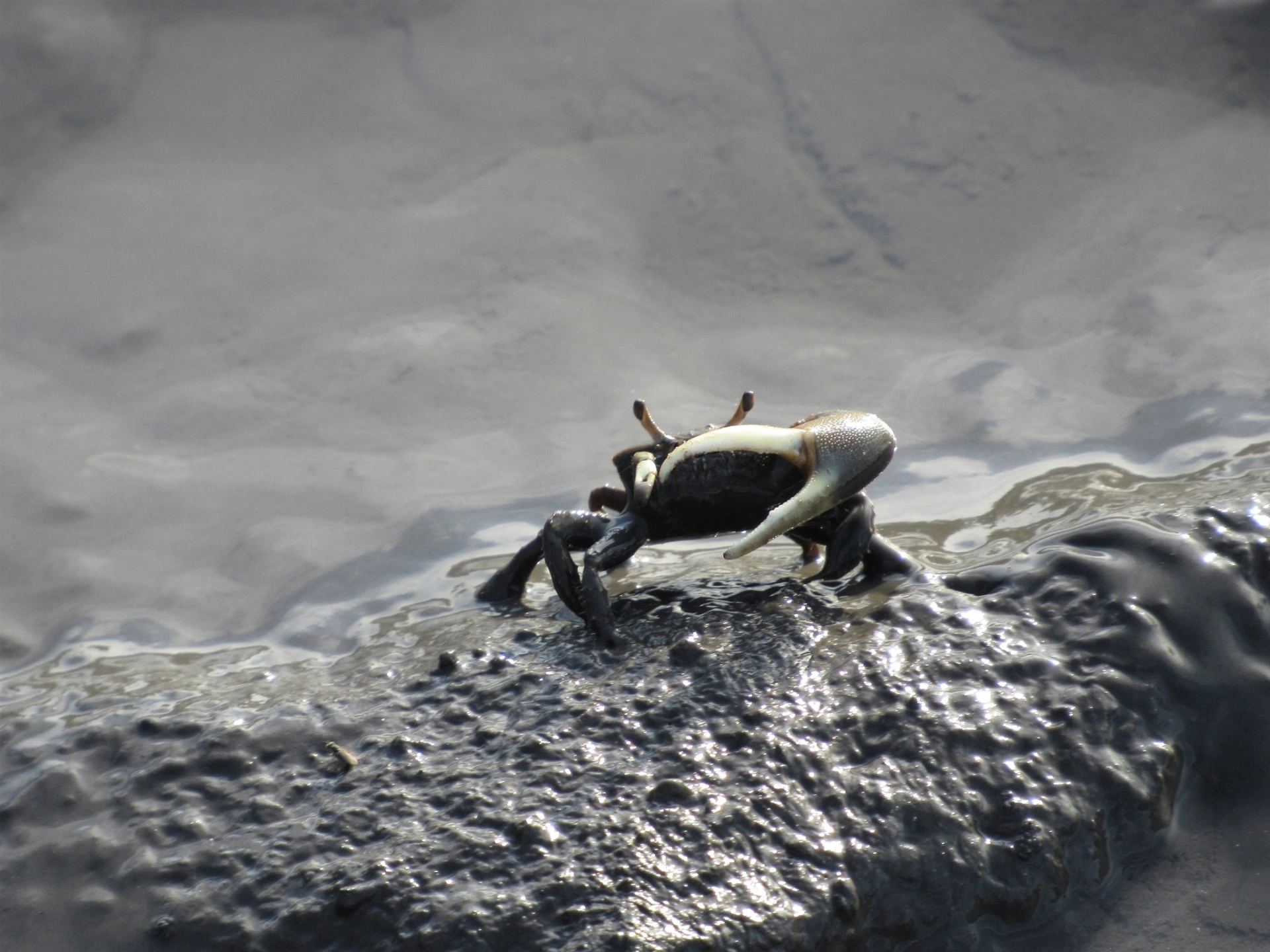
Uca spp.
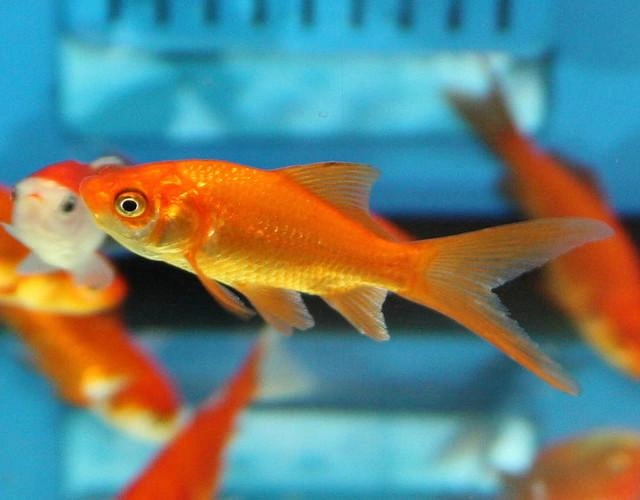
Carassius auratus

Melanotaenia splendida
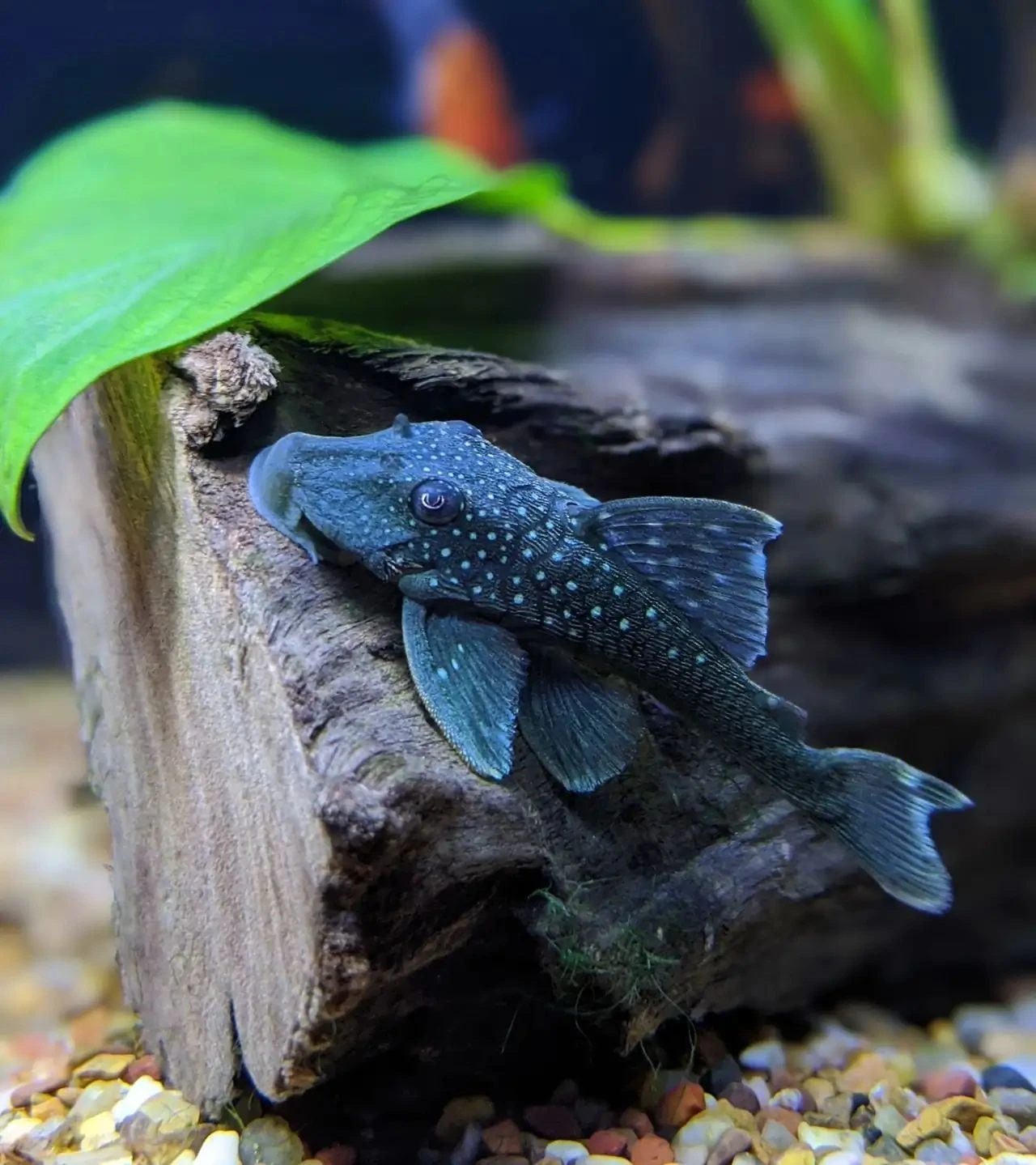
Hemiancistrus sp.
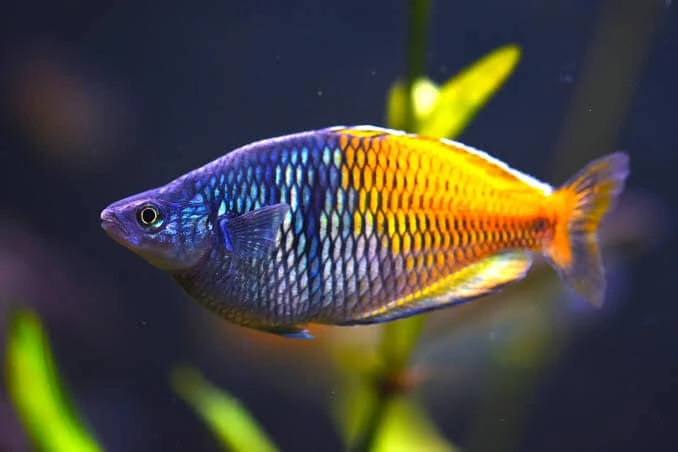
Melanotaenia boesemani
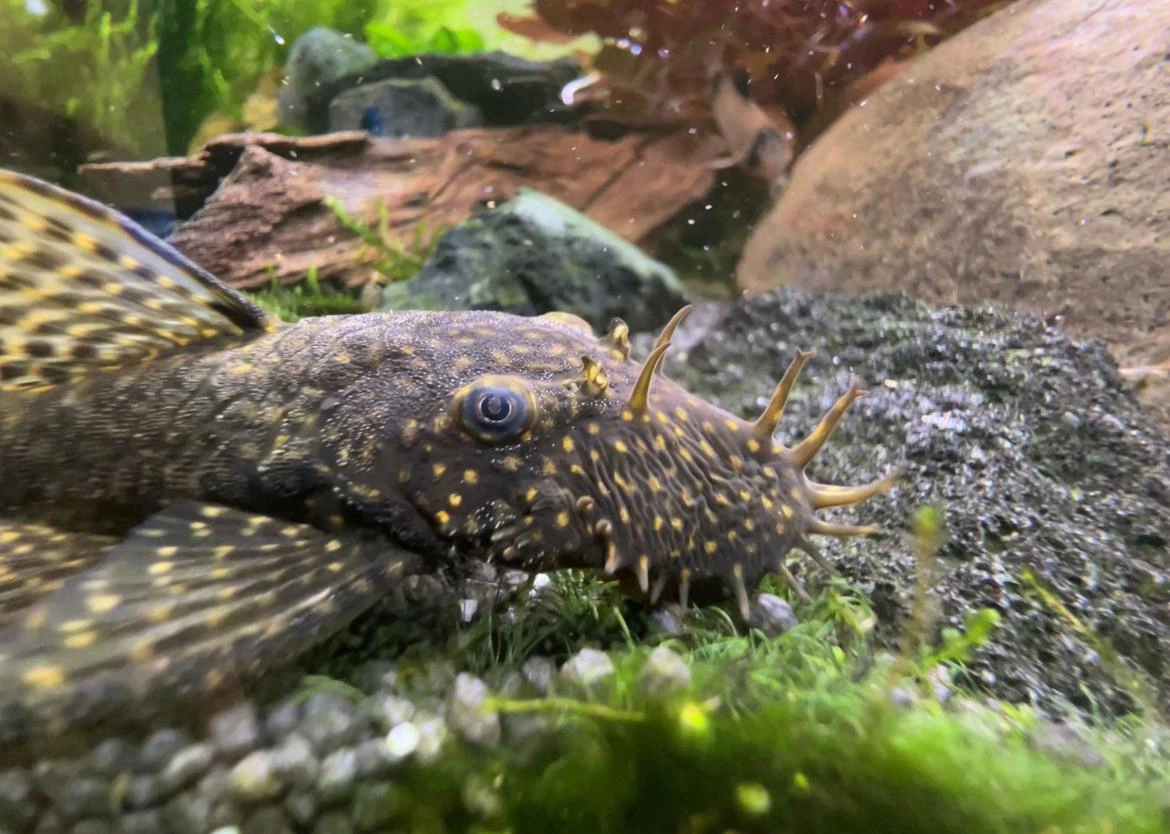
Ancistrus sp.
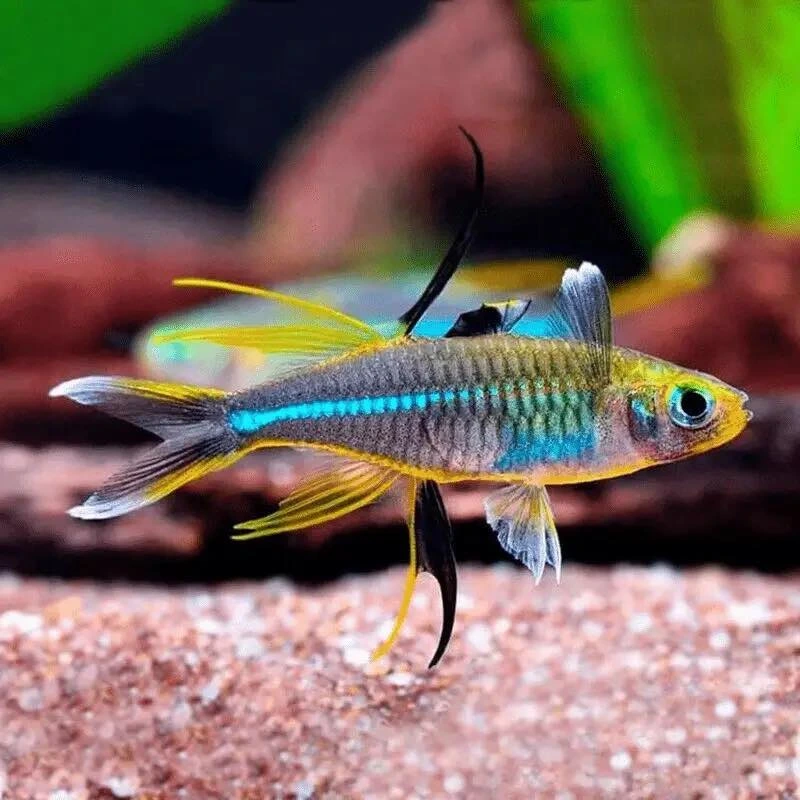
Marosatherina ladigesi

Phenacogrammus interruptus
Use our free stocking calculator to check compatibility, bioload, and get personalized recommendations.