

Care Requirements
Adult Size
9.8" (25cm)
Min Tank
55 gal
Temperature
59-77°F
pH Range
6.5-8
Lifespan
10-15 years
Min Group
3+ fish
Diet
Omnivore
Swim Level
Bottom
Bioload
5/10
Hardness
5-15 dGH
About Weather Loach
The Weather Loach, also known as the Dojo Loach, is one of the most personable and interactive fish available in the aquarium hobby. Named for their remarkable ability to sense changes in barometric pressure—becoming notably active before storms—these eel-like bottom dwellers have charmed fishkeepers for generations with their curious personalities and amusing behaviors.
What makes Weather Loaches truly special is their dog-like personality. They quickly learn to recognize their owners, will follow fingers along the glass, can be trained to eat from your hand, and often 'beg' for food at the front of the tank. Their willingness to interact combined with their hardy nature makes them excellent pets for fishkeepers of all experience levels.
These loaches are also remarkably adaptable, tolerating a wide range of temperatures from near-freezing to subtropical. This cold tolerance makes them one of the few fish suitable for unheated tanks and outdoor ponds in temperate climates. Their ability to breathe atmospheric air through intestinal respiration allows them to survive in low-oxygen conditions that would stress most fish.
Natural Habitat & Origin
Weather Loaches originate from East Asia, with a natural range spanning China, Japan, Korea, Vietnam, Myanmar, and parts of Siberia. They've since been introduced worldwide and can now be found in waterways across Europe, North America, and Australia—often as invasive species.
Their natural habitat includes slow-moving streams, ponds, rice paddies, marshes, and flooded agricultural areas with soft, muddy substrates. They're remarkably adaptable, tolerating stagnant water with low oxygen levels and even surviving temporary droughts by burrowing into mud and entering a dormant state. This adaptability to challenging conditions explains their hardiness in aquarium settings.
Native Region
East Asia (China, Japan, Korea, Vietnam, Myanmar, Siberia)
Habitat Type
Slow-moving streams, ponds, rice paddies, marshes, muddy substrates
Wild Water Conditions
Variable conditions, often low oxygen, cool to temperate temperatures
Appearance & Varieties
Weather Loaches have an elongated, eel-like body that can reach 10-12 inches (25-30cm) in aquariums, though 8 inches is more typical. Their body is cylindrical with a slightly flattened underside adapted for bottom dwelling. The head features distinctive sensory barbels around the mouth—ten in total—which they use to locate food in the substrate.
The natural coloration is olive-brown to grayish with darker mottling along the back and sides. The belly is lighter, typically yellowish or cream-colored. A golden/albino variant is popular in the hobby and has identical care requirements. Their small, rounded fins are positioned for efficient substrate navigation rather than fast swimming.
Popular Varieties
| Variety | Description | Rarity |
|---|---|---|
| Wild Type | Natural olive-brown coloration with darker mottling | Common |
| Golden/Albino | Yellow to orange coloration, pink eyes, equally hardy | Common |
Tank Setup & Requirements
Quick Requirements Summary
Tank Size
Minimum Tank Size
55 gallons
Recommended Tank Size
75 gallons
Weather Loaches require a minimum tank size of 40 gallons due to their adult size, with 55+ gallons recommended for a group. Long tanks with a large footprint are preferred over tall tanks, as they spend most of their time on the bottom. A secure, gap-free lid is absolutely essential—these fish are legendary escape artists.
Water Parameters
Temperature should be kept cool, between 59-77°F (15-25°C). They tolerate a wide pH range of 6.5-8.0 and moderate hardness. In most homes, they don't need a heater and actually prefer cooler conditions than typical tropical fish.
Substrate
Sand is essential for their welfare. Weather Loaches love to burrow, often burying themselves with only their heads visible. This is core natural behavior that cannot be expressed with gravel substrates. Fine, smooth gravel is acceptable but sand is strongly preferred. Avoid sharp substrates that can damage their sensitive barbels.
Plants & Decorations
Hardy plants that tolerate cooler water work well. Secure plants firmly as digging may uproot them. Include PVC pipes, smooth rocks, driftwood, and cave structures for hiding spots. They appreciate shaded areas to retreat to during bright lighting.
Filtration & Water Flow
Moderate to strong filtration is needed due to their significant bioload at adult size. Ensure good oxygenation, though they can supplement with atmospheric air. Cover filter intakes to prevent escape attempts.
Lighting
Moderate lighting is sufficient. They appreciate shaded areas and hiding spots but adapt to most lighting conditions.
Diet & Feeding Guide
Diet Type
omnivore
Feeding Frequency
1-2 times daily
Portion Size
What they consume in 3-5 minutes
Weather Loaches are enthusiastic omnivores with healthy appetites. In the wild, they consume insect larvae, worms, small crustaceans, detritus, and plant matter found in muddy substrates. In captivity, they accept virtually all sinking foods and will constantly sift through the substrate looking for morsels.
Best Foods for Weather Loach
- Sinking pellets — Should form the staple diet—ensure they reach the bottom
- Bottom feeder tablets — Excellent nutrition specifically designed for bottom dwellers
- Frozen bloodworms — Favorite food, excellent protein supplement
- Blanched vegetables — Zucchini, cucumber, peas—good fiber and variety
- Live earthworms (chopped) — Outstanding treat, can help with hand-training
- Algae wafers — Good supplemental food, will graze on these
Foods to Avoid
- Floating foods only — They struggle to eat at the surface—ensure food sinks
- Sharp-edged foods — Can damage their sensitive barbels and mouth
Weather Loaches are enthusiastic eaters and can become hand-tamed with patience—they'll eat right from your fingers. They constantly sift through substrate looking for food. If tankmates outcompete them, try feeding after lights go out when the loaches are most active.
Behavior & Temperament
Weather Loaches are famous for their interactive personalities and unusual behaviors. They become hyperactive before storms due to sensitivity to barometric pressure changes—the behavior that gave them their common name. While not 100% reliable as weather predictors, many keepers notice the pattern.
They're highly social fish that enjoy the company of their own kind, often found piled together in groups. Don't be alarmed if you find them resting on their sides or in seemingly dead positions—this is completely normal resting behavior, not a sign of illness. They may also wedge themselves into corners or drape over decorations.
Weather Loaches can breathe atmospheric air through intestinal respiration, so occasional trips to the surface for air are normal. They're most active in the evening and can survive brief periods out of water due to their ability to breathe through their skin—though this also makes them expert escape artists.
Tank Mates: Compatibility Guide
Compatible Tank Mates
Stays on the substrate and tolerates the same wide temperature band
Perfect match—similar temperature and peaceful nature
Excellent coldwater companions
Hardy and tolerate cool water
Peaceful bottom dweller, different territory
Peaceful substrate dwellers
Similar cool water requirements
Paradise Fish
Another coldwater-tolerant species
Tank Mates to Avoid
Aggressive Cichlids
Will stress the peaceful loaches
Tropical Fish (warm water)
Temperature incompatibility—loaches prefer cool water
Very Small Fish
May be accidentally eaten by large adult loaches
Aggressive Bottom Dwellers
Competition for territory and food
Common Pairing Questions
Can Weather Loaches live with goldfish?
Yes, they're one of the best goldfish tankmates. Both prefer cool water (65-75°F), are peaceful, and have similar care requirements. Ensure the tank is large enough for both species' adult sizes—at least 55-75 gallons for a group of each.
Do Weather Loaches need to be kept in groups?
While they can survive alone, they're much happier and more active in groups of 3 or more. They're social fish that often pile together and display more natural behavior when they have company.
Are Weather Loaches safe with shrimp?
Risky. Large adult Weather Loaches may eat small shrimp, especially shrimplets. Amano shrimp might be safer due to their larger size, but there's always some risk with any shrimp species.
Breeding Weather Loaches in home aquariums is difficult and rarely successful without hormone injection (the commercial method). They're seasonal spawners that require specific environmental cues to trigger reproduction.
Successful breeding requires a very large tank (100+ gallons), a group of mature fish, and a seasonal temperature cycle mimicking winter-to-spring transition. Start with cool temperatures (59-64°F/15-18°C) for several weeks, then gradually warm to 72-75°F (22-24°C) over several weeks to simulate spring. Soft, slightly acidic water helps.
When ready to spawn, males chase females vigorously. Females scatter several hundred to over 1000 eggs among plants and substrate. Adults show no parental care and will eat eggs if not removed. Eggs hatch in 2-3 days at warmer temperatures. Fry are tiny and require infusoria initially, graduating to baby brine shrimp. Most hobbyist-kept Weather Loaches are wild-caught or commercially bred using hormones.
Health Issues & Disease Prevention
Weather Loaches are exceptionally hardy fish that tolerate conditions that would stress most species. Their main health requirements are proper substrate (sand) for barbel health, cool temperatures, and escape-proof lids.
Common Diseases
| Disease | Symptoms | Treatment |
|---|---|---|
| Ich (White Spot Disease) | White spots on body, flashing, clamped fins | Raise temperature gradually to 82°F (if loaches tolerate), add salt, use commercial ich medication at half dose for scaleless fish |
| Skinny Disease | Wasting despite eating, sunken belly, lethargy | Often internal parasites—treat with anti-parasitic medication, ensure varied diet and excellent water quality |
| Bacterial Infections | Redness, ulcers, fin erosion, especially around barbels | Antibacterial medication, improve water quality, ensure sand substrate to prevent barbel damage |
Signs of a Healthy Weather Loach
- Active foraging and burrowing
- Plump, well-rounded body
- Intact barbels (not eroded or damaged)
- Responsive to feeding
- Clear eyes
- Regular burrowing behavior
Prevention Tips
- Use sand substrate to protect sensitive barbels
- Maintain cool, stable temperatures
- Secure all gaps in tank lid—they will escape
- Keep in groups for reduced stress
- Avoid medications containing copper at full strength
- Regular water changes to maintain quality
Frequently Asked Questions
Yes, to some extent. They become noticeably more active and may swim erratically before storms due to sensitivity to barometric pressure changes. This behavior gave them their common name. It's not 100% reliable but many keepers notice the pattern.
This is completely normal behavior! Weather Loaches often rest in unusual positions—on their sides, wedged in corners, or draped over decorations. It's not a sign of illness unless accompanied by other symptoms like loss of appetite or rapid breathing.
Yes, they're one of the best goldfish tankmates. Both prefer cool water (65-75°F), are peaceful, and have similar care requirements. Ensure the tank is large enough for both species' adult sizes.
Usually not. They prefer cooler water (59-77°F) and do well at room temperature in most homes. They can even tolerate brief periods near freezing. A heater is only needed if your home gets very cold.
Weather Loaches can breathe air through their intestines—it's called intestinal respiration. Occasional air gulping is normal. Excessive gulping may indicate poor water quality or low oxygen levels.
They can reach 10-12 inches (25-30cm) in aquariums, though 8 inches is more common. Don't be fooled by the small juveniles at pet stores—they need a 40+ gallon tank as adults.
Tips for Keeping Weather Loach
Pro Tips
- ✓Sand substrate transforms their behavior—you'll see natural burrowing you'd never witness with gravel
- ✓They can be trained to eat from your hand within weeks—very interactive pets
- ✓The 'golden' variant is the same species and has identical care requirements
- ✓Perfect for unheated tanks—saves on electricity and opens up coldwater fish options
- ✓Keep multiple—a group of 3+ piled together is one of the most endearing sights in fishkeeping
- ✓Check behind furniture if one goes missing—they can survive hours out of water
- ✓They make clicking/squeaking sounds when handled or excited—completely normal
Common Mistakes to Avoid
- ✗Tank too small—they reach 10 inches and need 40+ gallons minimum
- ✗Gravel substrate—sand is essential for their burrowing behavior and barbel health
- ✗Keeping in tropical tanks—they prefer cool water and suffer in warm tanks long-term
- ✗Gaps in lid—they WILL find and escape through any opening
- ✗Keeping alone—social fish that thrive in groups
- ✗Panicking when they lay on their side—this is normal resting behavior
- ✗Sharp decorations—can damage their scaleless bodies and sensitive barbels
- ✗Buying based on small juvenile size—they grow much larger than store size suggests
Sources
- FishBase — Accepted scientific name, maximum size and native range for Weather Loach.
Related Species You Might Like
View All Fish →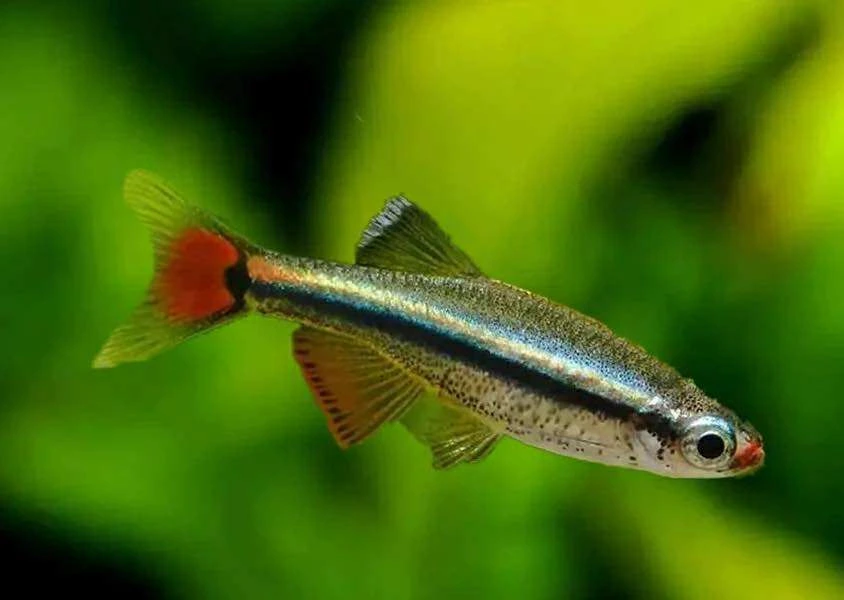
White Cloud Mountain Minnow
Tanichthys albonubes

Australian Rainbowfish
Melanotaenia splendida
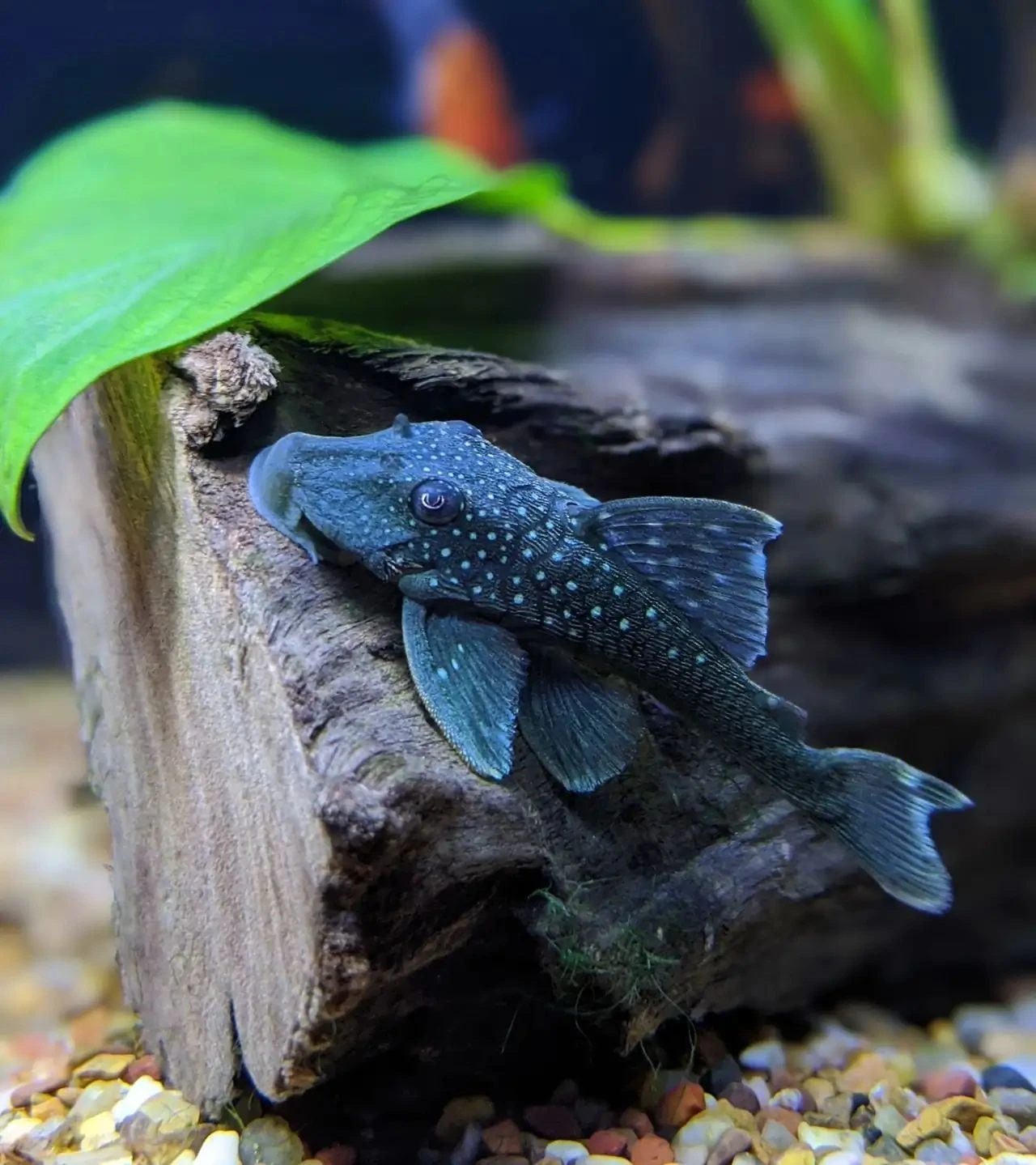
Blue Phantom Pleco
Hemiancistrus sp.
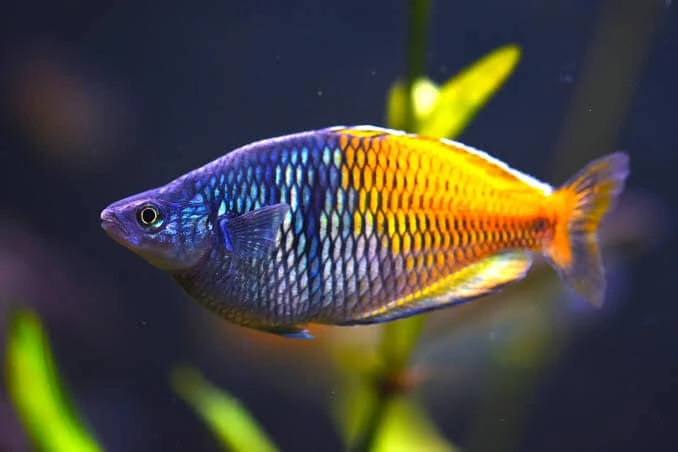
Boesemani Rainbowfish
Melanotaenia boesemani
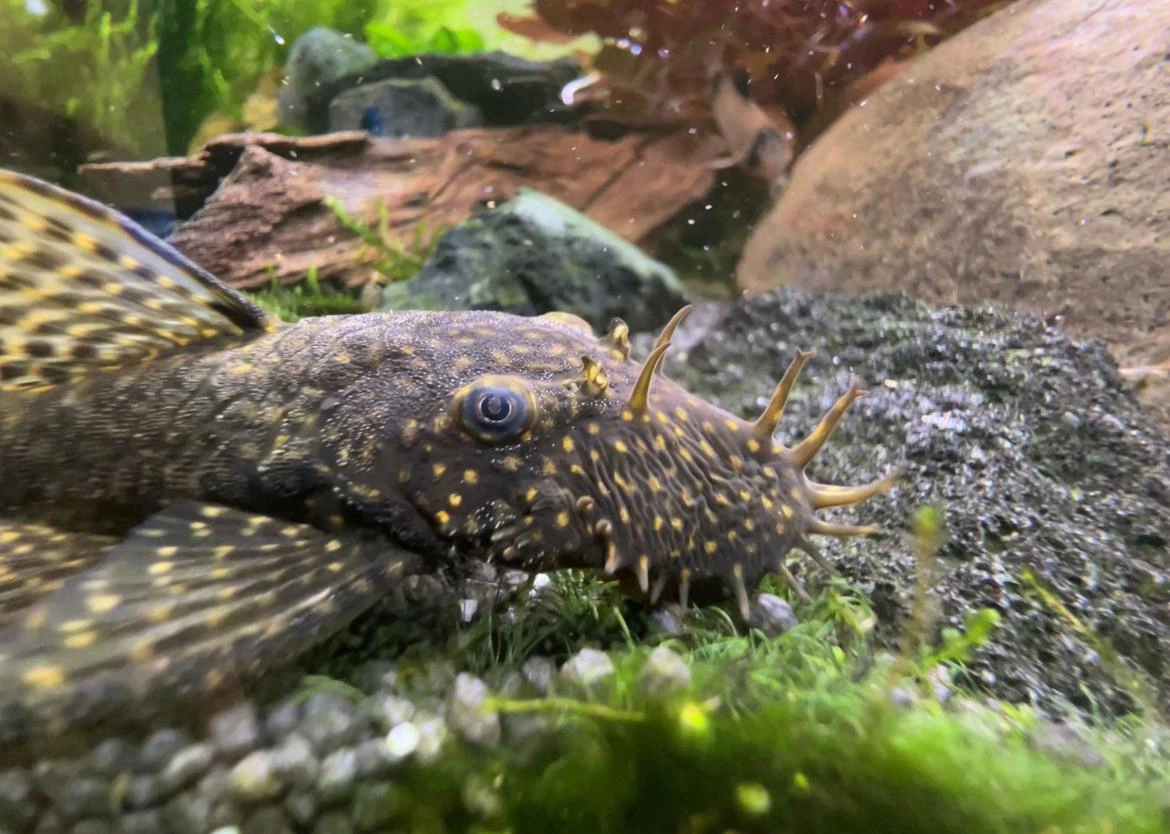
Bristlenose Pleco
Ancistrus sp.
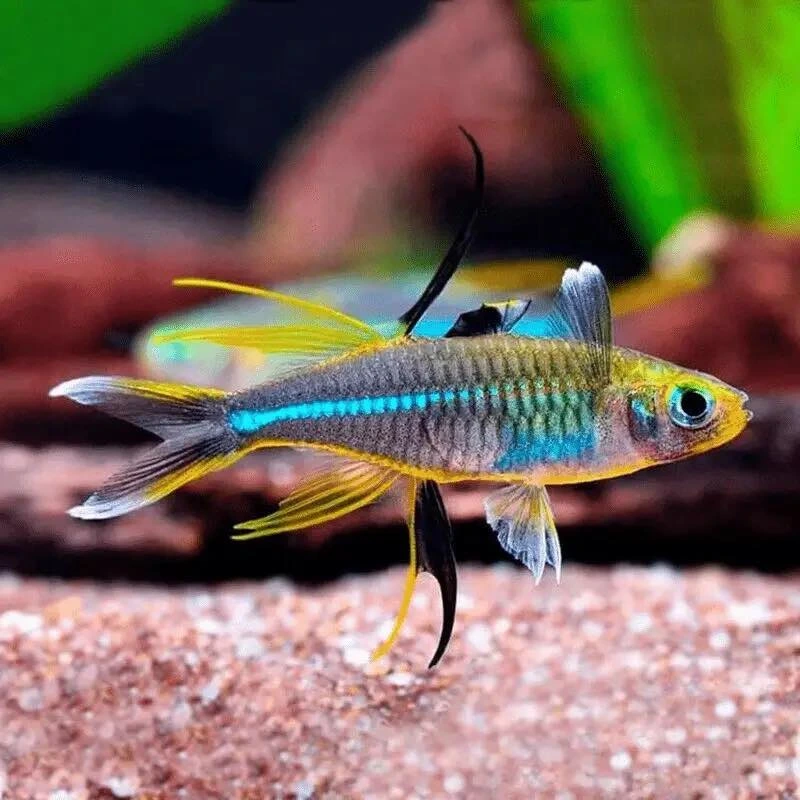
Celebes Rainbowfish
Marosatherina ladigesi

Congo Tetra
Phenacogrammus interruptus
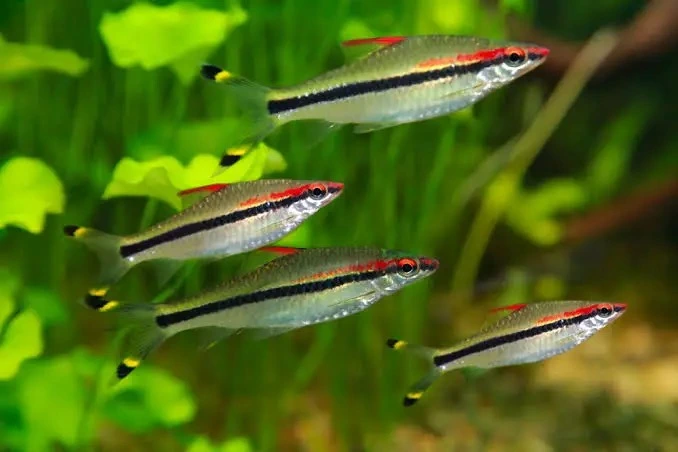
Denison Barb
Sahyadria denisonii
Ready to Add Weather Loach to Your Tank?
Use our free stocking calculator to check compatibility, bioload, and get personalized recommendations.