
Care Requirements
Adult Size
5.9" (15cm)
Min Tank
55 gal
Temperature
64-77°F
pH Range
6.5-7.8
Lifespan
5-8 years
Min Group
6+ fish
Diet
Omnivore
Swim Level
Middle
Bioload
4/10
Hardness
5-15 dGH
About Denison Barb
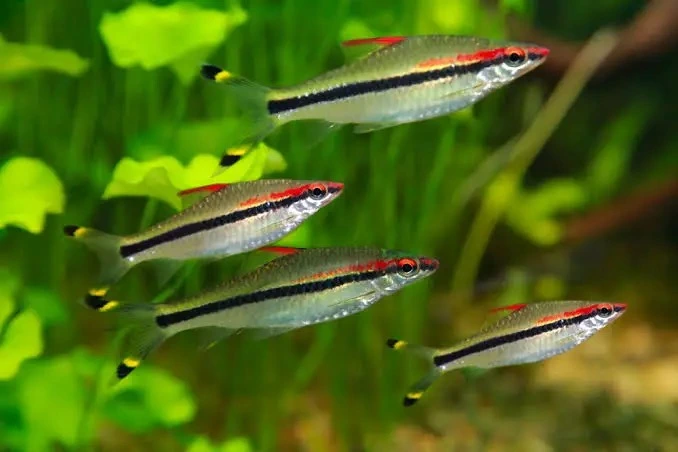
The Denison Barb—also known as the Roseline Shark or Red Line Torpedo Barb—is widely considered one of the most beautiful freshwater fish available. A bold red stripe runs from nose through eye along the body, contrasting with a black stripe below and silvery body above. Add their torpedo shape and active schooling behavior, and it's clear why they're so sought after.
Denison Barbs are endangered in their native Western Ghats of India, a sobering reminder of the hobby's impact. However, the vast majority of aquarium specimens are now captive-bred, which has reduced pressure on wild populations. Buying captive-bred fish supports conservation efforts.
These are not beginner fish. They need large tanks (60+ gallons minimum), cooler temperatures than typical tropicals (65-77°F), and extremely well-oxygenated water. They're also expensive compared to other barbs. But for those who can provide proper conditions, a school of Denison Barbs is among the most stunning displays in the freshwater hobby.
Natural Habitat & Origin
Denison Barbs are endemic to the Western Ghats of India, specifically Kerala and Karnataka states. They inhabit fast-flowing, highly oxygenated hill streams and rivers with rocky substrates and moderate vegetation.
Their natural habitat is cool, clean, and oxygen-rich—conditions that must be replicated in the aquarium. They're not adapted to the warm, still conditions of typical tropical tanks. This makes them more challenging to keep but also means they thrive in setups that differ from the usual tropical community.
Native Region
India—Western Ghats region, Kerala and Karnataka states
Habitat Type
Fast-flowing, highly oxygenated hill streams and rivers
Wild Water Conditions
Cool (65-77°F), high oxygen, clean water with moderate current
Appearance & Varieties
Denison Barbs are torpedo-shaped for speed, reaching about 6 inches (15 cm) in aquariums. Their most striking feature is the bold red stripe that runs from the nose through the eye and extends along the upper body. Below this, a black stripe runs along the lateral line, and the body above is silvery.
Adults develop a greenish tint on the head and yellow/black markings on the tail. Their fins are generally clear to yellowish. Sexing is difficult—females may be slightly rounder when full of eggs, but there's no reliable external difference. All specimens display the spectacular red and black striping that makes them so desirable.
Tank Setup & Requirements
Quick Requirements Summary
Tank Size
Minimum Tank Size
55 gallons
Recommended Tank Size
80 gallons
Denison Barbs require large aquariums—60 gallons (230 liters) minimum, 90+ gallons (340+ liters) recommended. Long tanks are essential for their fast swimming. They also need specific conditions that differ from typical tropical setups.
Water Parameters
Temperature 65-77°F (18-25°C)—cooler than most tropical fish. pH 6.5-7.8, GH 5-20. Very sensitive to nitrates—keep below 20 ppm. Pristine water quality is essential.
Substrate
Sand or smooth gravel is ideal—they forage along the bottom and can injure themselves on sharp substrates.
Plants & Decorations
Hardy plants that can handle some current work well. Secure plants firmly—these strong swimmers can uproot them. Smooth river rocks and driftwood create a natural look. Essential: leave open swimming lanes.
Filtration & Water Flow
Strong filtration with high flow is essential. They need well-oxygenated water and appreciate current to swim against. Use powerheads or spray bars to increase oxygen and provide water movement.
Lighting
Moderate lighting is fine. Not particularly sensitive to lighting levels.
Diet & Feeding Guide
Diet Type
omnivore
Feeding Frequency
2x daily
Portion Size
What they consume in 2-3 minutes
Denison Barbs are omnivores that need vegetable matter in their diet. In the wild, they graze on algae alongside other foods. High-quality, varied diet maintains their vibrant coloration.
Best Foods for Denison Barb
- High-quality flakes — Staple diet for mid-water feeding
- Pellets — Sinking pellets for bottom foraging
- Algae wafers — Important plant-based nutrition
- Frozen bloodworms — Excellent protein, enhances color
- Frozen brine shrimp — Good variety
- Blanched vegetables — Spinach, zucchini—they need vegetable matter
Foods to Avoid
- Low-quality foods — Affects color and health
- Dirty or old food — Water quality is critical for this species
Include vegetable matter in their diet—they naturally graze on algae. High-quality foods maintain their vibrant red and black stripes. They're eager feeders that accept most offerings.
Behavior & Temperament
Denison Barbs are extremely fast swimmers—their torpedo shape is built for speed. Despite their size and activity, they're peaceful fish that rarely bother tankmates. They need groups to feel secure and will become shy and stressed if kept alone or in pairs.
Large groups (8+) create impressive schooling displays, moving in coordinated patterns through the tank. This is one of the hobby's great visual experiences—worth the investment in tank size and proper setup. They're confident, active fish when kept in appropriate conditions but may hide and show faded colors when stressed.
Their endangered status in the wild is a reminder to provide the best possible care. These are special fish that deserve appropriate commitment.
Tank Mates: Compatibility Guide
Compatible Tank Mates
Fast enough to stay clear of a sparring gourami in a tank of this length
Other large peaceful fish
Must handle activity level
Rainbowfish
Active, similarly sized, peaceful
Similar size, different level
Peaceful cichlids (Geophagus, Severum)
Compatible in large tanks
Robust and active
Different level, peaceful
Peaceful bottom dwellers
Tank Mates to Avoid
Very small fish
May be accidentally swallowed or stressed
Aggressive fish
Will stress the peaceful Denisons
Slow-moving fish
Can't handle the activity level
Fish requiring warm water
Temperature incompatibility (above 77°F)
Common Pairing Questions
Are Denison barbs endangered?
Yes—they're endangered in the wild due to overcollection and habitat loss. However, most aquarium fish are now captive bred, reducing pressure on wild populations. Buying captive-bred fish supports conservation.
Why are Denison barbs so expensive?
They're difficult to breed commercially (require hormones), endangered in the wild, and highly sought after for their beauty. Prices have decreased as breeding has improved.
Do Denison barbs need cool water?
Yes—they prefer 18-25°C (65-77°F) and don't thrive in typical tropical temperatures above 26°C. They come from cool, well-oxygenated mountain streams.
Denison Barbs are extremely difficult to breed in home aquariums—virtually never successful without commercial techniques. Their wild breeding behavior involves specific seasonal triggers impossible to replicate at home.
Commercial breeding operations use hormone injections to induce spawning. Some very experienced hobbyists have reported success with massive tanks, large groups, and simulated seasonal changes, but this remains rare.
Most aquarium Denison Barbs are commercially bred with hormones. This actually supports conservation—captive breeding reduces collection pressure on endangered wild populations. Accept that home breeding isn't realistic for this species.
Health Issues & Disease Prevention
Denison Barbs are moderately hardy but have specific requirements. They're sensitive to water quality (especially nitrates), need high oxygen levels, and don't tolerate warm temperatures. Meeting these needs keeps them healthy.
Common Diseases
| Disease | Symptoms | Treatment |
|---|---|---|
| Ich | White spots, scratching | Raise temperature carefully (not above 80°F), standard ich medication |
| Bacterial infections | Red marks, fin rot, lethargy | Pristine water quality, antibacterial treatment |
| Oxygen deprivation | Gasping at surface, lethargy | Increase surface agitation, reduce stocking, lower temperature |
| Stress from poor conditions | Faded colors, hiding, loss of appetite | Address underlying issues—water quality, temperature, group size |
Signs of a Healthy Denison Barb
- Vibrant red stripe
- Active, fast swimming
- Good appetite
- Schooling together
- Alert, confident behavior
Prevention Tips
- Quarantine new specimens for 2-3 weeks
- Maintain pristine water quality—keep nitrates very low
- Ensure high oxygen levels with surface agitation
- Keep temperature below 77°F (25°C)
- Keep in groups of 6+ for security
Frequently Asked Questions
Yes—they're endangered in the wild due to overcollection and habitat loss. However, most aquarium fish are now captive bred, reducing pressure on wild populations. Buying captive-bred fish supports conservation.
They're difficult to breed commercially (require hormones), endangered in the wild, and highly sought after for their beauty. Prices have decreased as breeding has improved.
Yes—they prefer 18-25°C (65-77°F) and don't thrive in typical tropical temperatures above 26°C. They come from cool, well-oxygenated mountain streams.
Up to 6 inches (15cm). They need large tanks (60+ gallons minimum) and are often sold as small juveniles that will grow significantly.
Tips for Keeping Denison Barb
Pro Tips
- ✓One of the most beautiful freshwater fish available
- ✓Need large tanks—plan for adult size from the start
- ✓Keep cooler than typical tropical fish—don't overheat
- ✓High oxygen is essential—use powerheads and surface agitation
- ✓Buying captive-bred supports wild population conservation
- ✓Groups of 8+ create stunning schooling displays
- ✓They're worth the investment in tank size and group numbers
Common Mistakes to Avoid
- ✗Too small tanks—they need 60+ gallons and swimming length
- ✗Small groups—need 6+ to feel secure
- ✗Too warm water—they prefer subtropical temperatures
- ✗Poor oxygenation—they need strong filtration and surface movement
- ✗High nitrates—more sensitive than many fish
- ✗Expecting them to stay small—plan for 6 inch adults
Sources
- FishBase — Accepted scientific name, maximum size and native range for Denison Barb.
Related Species You Might Like
View All Fish →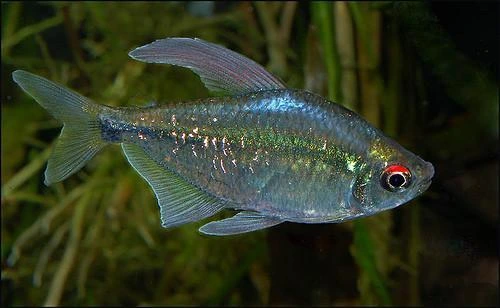
Diamond Tetra
Moenkhausia pittieri
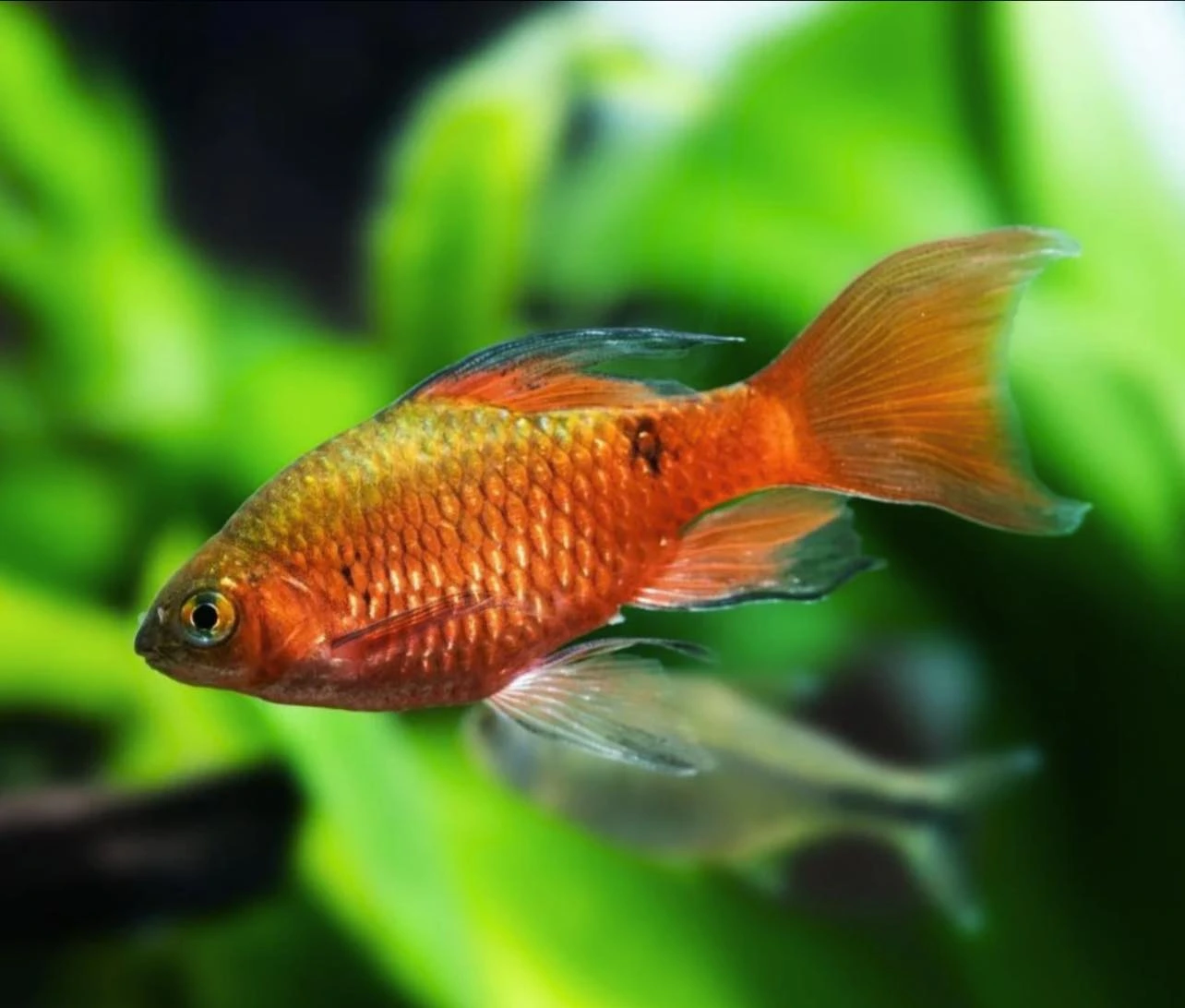
Rosy Barb
Pethia conchonius

Australian Rainbowfish
Melanotaenia splendida
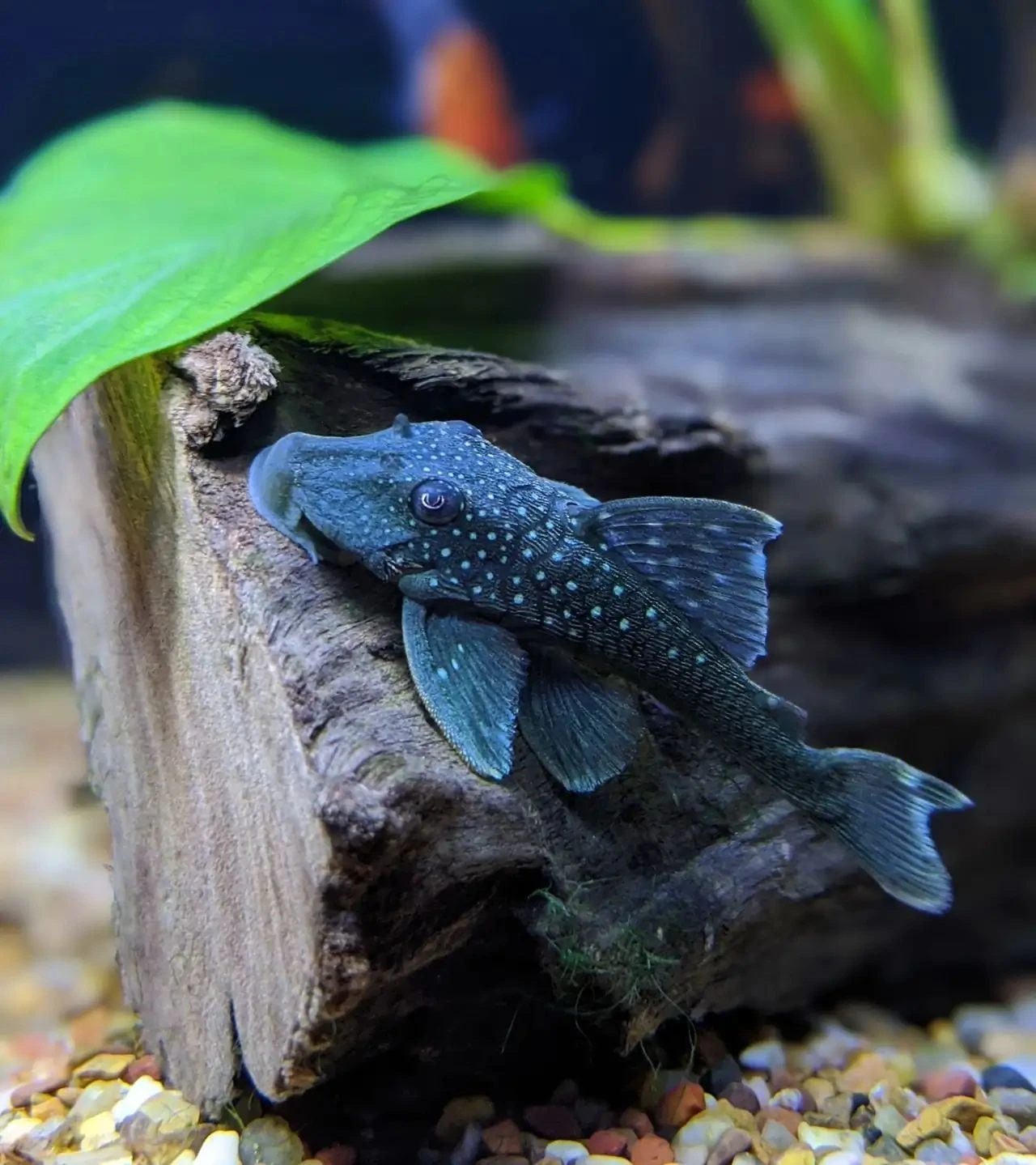
Blue Phantom Pleco
Hemiancistrus sp.
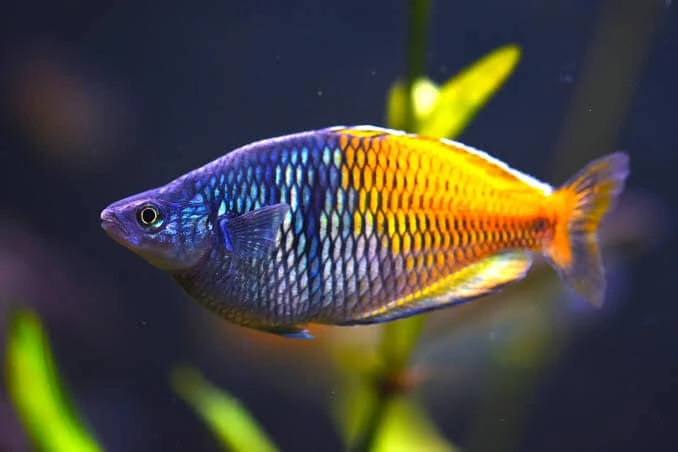
Boesemani Rainbowfish
Melanotaenia boesemani
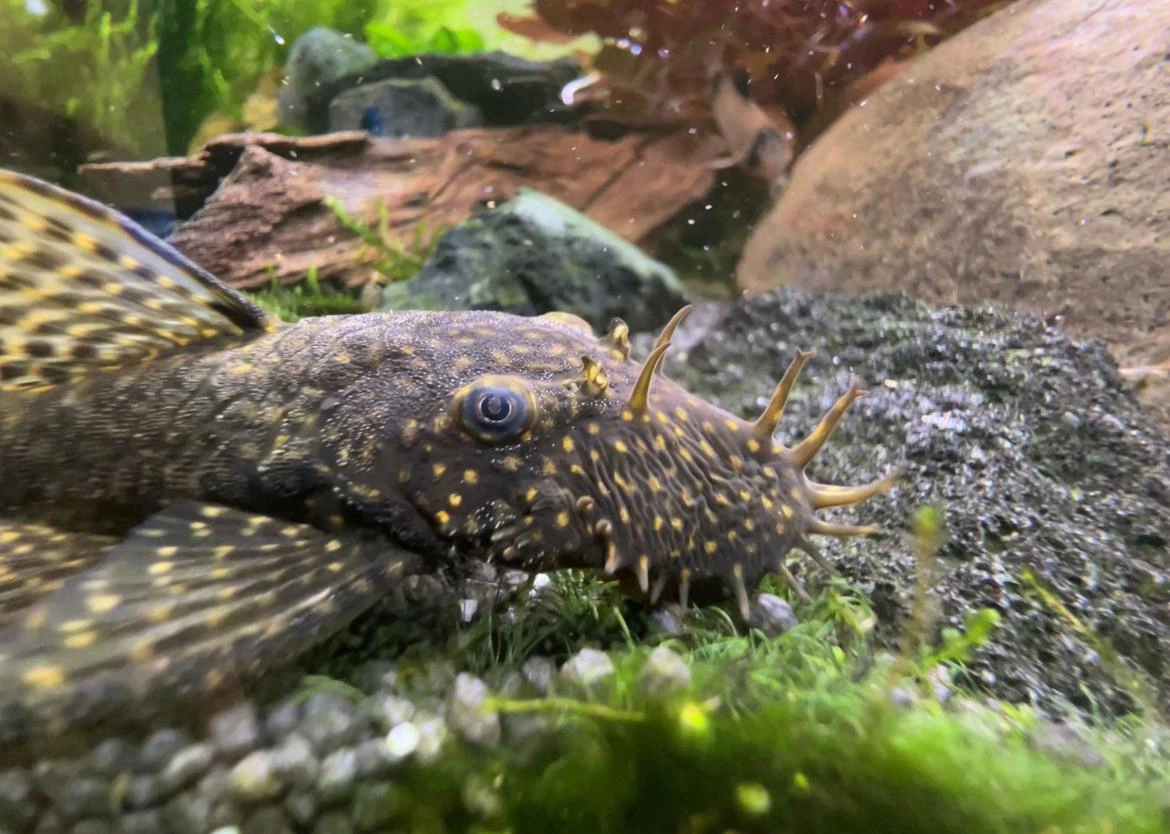
Bristlenose Pleco
Ancistrus sp.
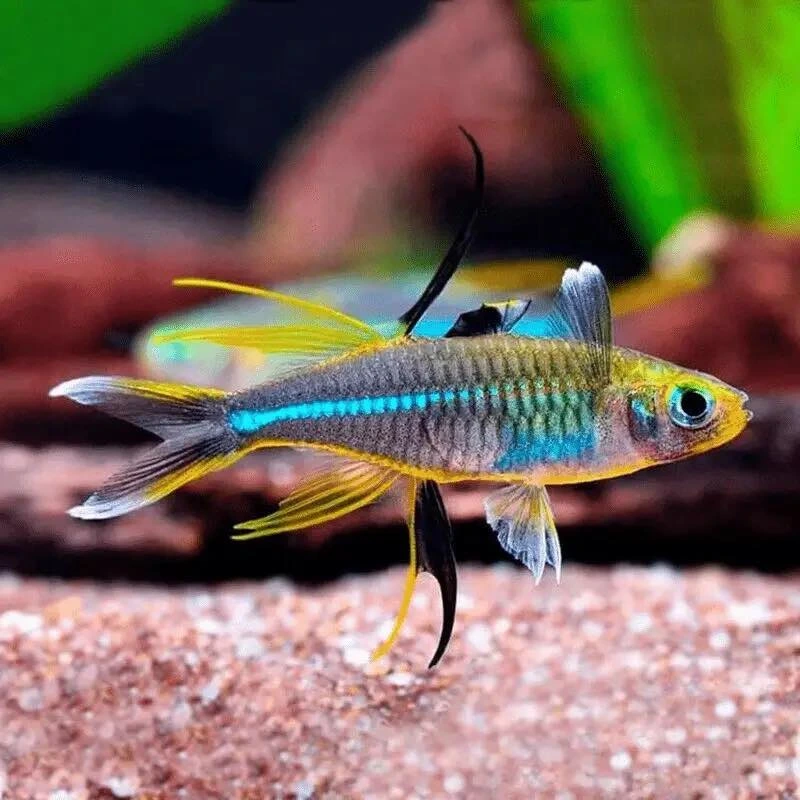
Celebes Rainbowfish
Marosatherina ladigesi

Congo Tetra
Phenacogrammus interruptus
Ready to Add Denison Barb to Your Tank?
Use our free stocking calculator to check compatibility, bioload, and get personalized recommendations.