
Marimo Moss Ball Care Guide
Aegagropila linnaei (syn. Cladophora aegagropila, Chaetomorpha linum var. aegagropila)
Reviewed by the AquariumStocking team · Updated August 2026
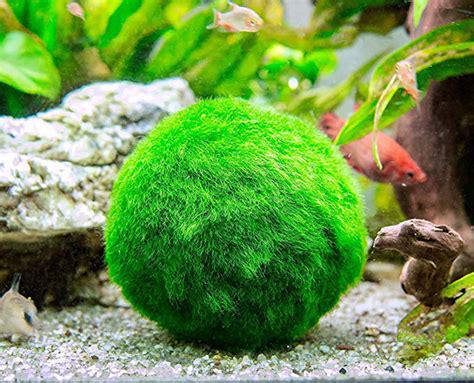
Not a moss and not a plant — a cold-water alga that grows as a sphere, needs rolling by hand, and browns in a warm tropical tank.
Marimo Moss Ball quick facts
- Light demand
- Low
- CO2 requirement
- Not needed
- Difficulty
- Beginner
- Growth rate
- Slow
- Placement
- Foreground
- Growth habit
- Algae ball
- Substrate need
- None — rests on the substrate
- Max size
- 12 cm (4.7 in) tall, ~12 cm wide
- pH
- 6.5–8.0
- Hardness
- 4–20 dGH
- Propagation
- Manual division — split the ball and re-roll each piece by hand
- Temperature
- 5–24 °C (41–75 °F) — below 22 °C is better
There is nothing to plant. The ball has no roots, no rhizome and no holdfast; it simply sits where you put it, which is why it has to be turned by hand.
Overview
A marimo moss ball is not a moss, and it is not a plant. Aegagropila linnaei is a filamentous green alga, and the ball is a colony of those filaments rolled into a sphere by slow currents on the floors of cold northern lakes. Both halves of the common name are wrong, and the correction is not pedantry — it is the reason the care instructions on this page look nothing like the ones on any other profile here.
Because it is algae, there is no rhizome to keep exposed, no crown to keep clear of the substrate, no roots to feed and no stems to trim. There is also no growth to speak of: a marimo adds a few millimetres of diameter a year, which makes it among the slowest-growing organisms in the freshwater hobby.
What it does need is cold water and your hands. Marimo comes from lakes that stay cool year-round, and in a standard tropical tank at 26 °C it browns, softens and eventually falls apart. And because nothing in an aquarium replicates the lake currents that rotate it, the ball has to be turned and squeezed by hand or it flattens and dies from the shaded side inward.
What you're buying
Marimo is sold everywhere, and a fair amount of what is sold is not marimo. Two checks at the counter and one after purchase cover almost everything that goes wrong.
Real ball or wrapped ball
Genuine marimo is dense and uniform all the way through. Cheap substitutes are a plastic or foam core with algae wrapped around it — squeeze the ball, and if there is a hard centre, put it back.
Colour and firmness
Deep even green with a springy, velvety surface. Brown patches, a slimy feel, or a ball that stays dented after you squeeze it all mean it has been kept too warm.
Quarantine and rinse
Rinse every new ball in dechlorinated water and inspect it. Retail marimo has a documented history of arriving with hitchhikers — see the sourcing note below.
A ball sold at four to five centimetres is several years old already. Larger specimens command a large premium for a reason: at a few millimetres a year, size is age.
Trade marimo is farmed, not collected from the wild. That matters, because wild populations are protected in Japan and have declined sharply across Europe — buying one does not take one out of a lake.
Light, CO2 & nutrients
Light
Low
CO2
Not needed
Fertilisation
Water column (liquid)
Light
Low light, and genuinely low. Marimo grows on lake beds under several metres of water, so it is adapted to dim conditions and bleaches under a strong planted-tank fixture.
A ball parked directly under a high-output LED goes pale and then brown on the exposed face. If the tank is bright, put the marimo in the shade of hardscape or a taller plant rather than in the open on the substrate.
Light also decides how often you turn it. Every side needs its share, so the rolling schedule below is not decoration — a ball left in one position for months browns underneath and stays that way.
CO2
Not needed, and not useful. At a few millimetres of growth a year there is no carbon demand worth supplementing.
A tank with CO2 injection is usually also a bright, warm, fast tank, and none of those three conditions suit marimo. If you run pressurised CO2, this is not the organism to add.
Work out your CO2 injection rate →
Nutrients
Marimo takes what it needs from the water column and needs almost nothing. Fish waste in any stocked tank covers it comfortably.
Dosing for the marimo itself is pointless. If you dose, you are dosing for the other plants — the ball will not respond either way.
The one nutrient problem worth watching is the opposite one: a high-nutrient, brightly lit tank grows hair algae into the marimo surface, and that is one of the few conditions this organism does not recover from.
Marimo takes almost nothing — check what the rest of the tank needs →
Water & temperature
pH
6.5–8.0
Hardness
4–20 dGH
Temperature
5–24 °C (41–75 °F) — below 22 °C is better
Temperature is the whole story. Marimo is a cold-water organism: it is comfortable from a few degrees above freezing up to around 22 °C, tolerates 24 °C, and steadily deteriorates above that. A tropical community tank at 26–28 °C will brown and soften a marimo over a matter of months.
This makes marimo the wrong recommendation for most beginner tropical tanks, however often it appears on beginner lists. It belongs in an unheated room-temperature tank, a white cloud mountain minnow or shrimp setup, or a cool species tank.
Chemistry is far more forgiving than temperature. It accepts pH from mildly acidic to alkaline and a wide hardness range, and it is indifferent to the moderate swings that come with normal water changes.
Never rinse it under a tap. Chlorine and chloramine damage the filaments, and the standard maintenance routine — squeezing it out — has to happen in dechlorinated water, ideally the bucket of tank water you just removed.
Care and handling
- 1Rinse the ball in a bucket of dechlorinated tank water before it goes in — never under the tap.
- 2Rest it on the substrate or a rock. There is nothing to plant, tie or glue.
- 3Roll it between your palms after every water change so each side gets its turn under the light.
- 4Squeeze it gently underwater while you roll it to purge trapped detritus, then reshape it into a sphere.
- 5Turn it to a new resting position each week; the underside is the part that browns.
- 6Keep it out of warm water. Above roughly 24 °C it browns and softens over a few months.
There is no planting step. Marimo is placed, not planted, and the maintenance it needs — rolling, squeezing, rotating — is manual work no other species on this site requires.
Placement & aquascaping role
It sits on the substrate, usually in the foreground where it can be seen and reached. There is no anchoring involved, so it can be moved at any time without setback.
Keep it off sharp hardscape. Filaments snag and tear on rough lava rock and jagged wood, and a torn surface never quite closes up again.
Shrimp tanks are the classic pairing, and not only for looks: shrimp graze biofilm off the surface constantly, which keeps the outer layer clean between squeezes.
Growth, trimming & maintenance
Expect a few millimetres of added diameter per year. A ball does not need trimming, topping, replanting or thinning — the entire maintenance routine is handling.
Roll it between your palms at every water change so a different face is uppermost. This is what the lake current does in the wild, and without it one side stays dark and dies back.
Squeeze it underwater in the bucket of water you just siphoned out. Detritus collects inside the ball and rots there, and squeezing purges it. Reform it into a sphere afterwards — it holds whatever shape you leave it in.
If it floats, leave it alone. Oxygen produced by photosynthesis gets trapped in the filaments and lifts the ball; it sinks again once the bubbles escape. A floating marimo is a photosynthesising marimo, which is the opposite of a problem.
A ball with a brown or black centre is dead inside and needs splitting. Cut it open, discard the dead core, and re-roll the healthy outer material into smaller spheres.
Propagation
Marimo does not divide itself. Left alone a ball simply gets very slightly bigger every year, and in the wild new balls form when a large one breaks apart in a storm and the pieces are rolled round again by the current.
In an aquarium you are the current. Splitting is a deliberate act, and an unrolled fragment stays a shapeless tuft of algae indefinitely — the sphere is a product of handling, not of growth.
- 1Choose a ball at least four centimetres across; smaller ones do not divide into anything worth keeping.
- 2Squeeze the water out and cut it in half, or into quarters, with clean scissors.
- 3Check the interior. Brown or black material in the centre is dead and should be cut away.
- 4Roll each piece firmly between your palms until it holds a round shape.
- 5Tie it loosely with cotton thread if it will not hold, and remove the thread after a few months.
- 6Keep rolling the new pieces at every water change — this is what keeps them spherical.
Troubleshooting & diagnosis
Almost every marimo failure traces back to one of three things: water that is too warm, a ball that has never been turned, or algae growing into the surface. The symptom identifies which.
| Symptom | Likely cause | Fix |
|---|---|---|
| Browning evenly all over | Water too warm, or light too strong | Move it to a cooler tank or an unheated one, and shade it from direct fixture output. |
| Brown or black in the centre when squeezed | The interior has died and rotted — trapped detritus and no light penetration | Cut the ball open, discard the dead core, re-roll the healthy outer layer into smaller balls. |
| Going flat or lopsided | Never rolled or turned — it holds whatever shape it is left in | Reshape by hand at every water change and rotate its resting position weekly. |
| Fine hair algae growing through the surface | High light and high nutrients | Reduce light and nutrients early; embedded hair algae cannot be pulled out without shredding the marimo and is often terminal. |
| Falling apart into loose strands | Usually heat, sometimes physical damage from fish or hardscape | Cool the tank; re-roll salvageable material into a smaller ball. |
| Floating at the surface | Trapped oxygen from photosynthesis | Nothing. It is a sign of health and it sinks again on its own. |
Algae relationship
Marimo is algae, which makes its relationship with other algae awkward in a way no plant on this site shares. It cannot outcompete anything — at a few millimetres a year it has no growth rate to compete with — and it offers a dense, textured surface that filamentous algae colonise readily.
Hair algae and black beard algae in the surface layer are the real threat. Both anchor between the filaments, and there is no way to remove them mechanically without tearing the marimo apart. Algaecides and hydrogen peroxide spot-treatments damage the marimo as readily as the algae, because it is the same kind of organism.
The defence is preventive: modest light, controlled nutrients, and shrimp or nerite snails grazing the surface. Once a ball is visibly threaded with hair algae, the usual outcome is that you cut out the clean sections and re-roll them.
Natural habitat & origin
Native range
Cool lakes of northern Japan, Iceland, Scotland, Estonia and northern Europe
Habitat type
Shallow lake beds with gentle, persistent wave-driven currents
Wild growing conditions
Cold, clear, hard water under low light at depth
Aegagropila linnaei grows in three forms in the wild: as a mat on rocks, as free-floating filaments, and — only in a handful of lakes with the right combination of depth, current and substrate — as the rolling sphere the aquarium trade sells. The ball is a local phenomenon, not the species' normal shape.
Lake Akan in Hokkaido is the best-known site, where the balls reach the size of a football over decades and hold formal protected status in Japan. European populations in Iceland, Scotland and the Baltic have declined sharply, and several have collapsed entirely as lake nutrient levels rose.
Every one of those lakes is cold. That single fact explains the temperature ceiling in a tropical tank, and it is the piece of context most care advice leaves out.
Aquarium marimo is cultivated rather than collected — commercial stock is farmed and hand-rolled, which is why sizes are consistent and why buying one does not touch the wild populations.
Fish & invert compatibility
The compatibility question for marimo is temperature before it is behaviour. Most of the fish on this site want 24–28 °C, and marimo does not — so a lot of otherwise harmless tankmates are the wrong answer for the wrong reason.
Safe with Marimo Moss Ball
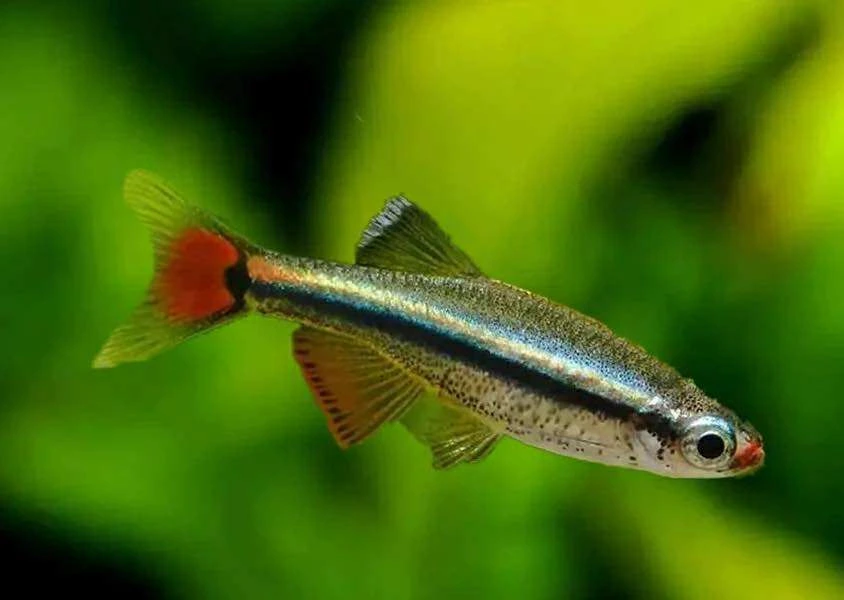 White Cloud Mountain MinnowTanichthys albonubes
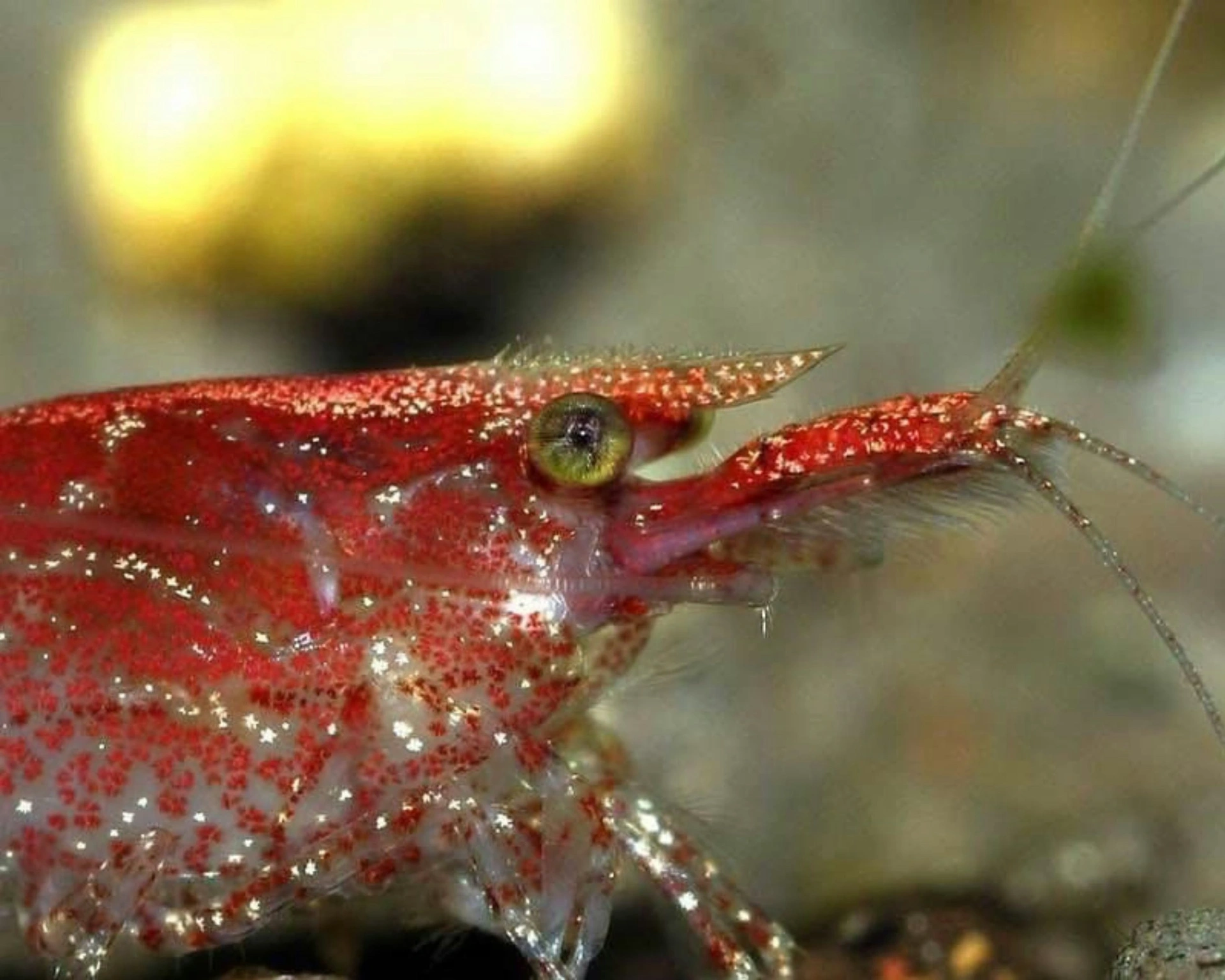 Cherry ShrimpNeocaridina davidi
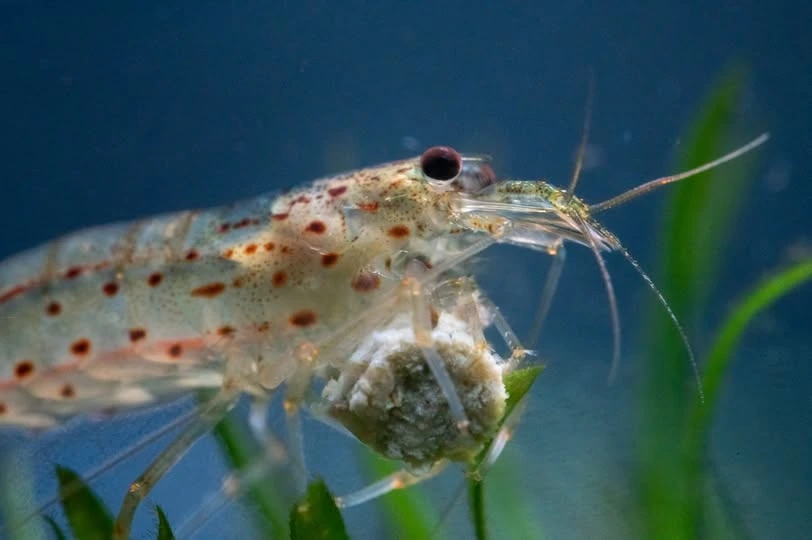 Amano ShrimpCaridina multidentata
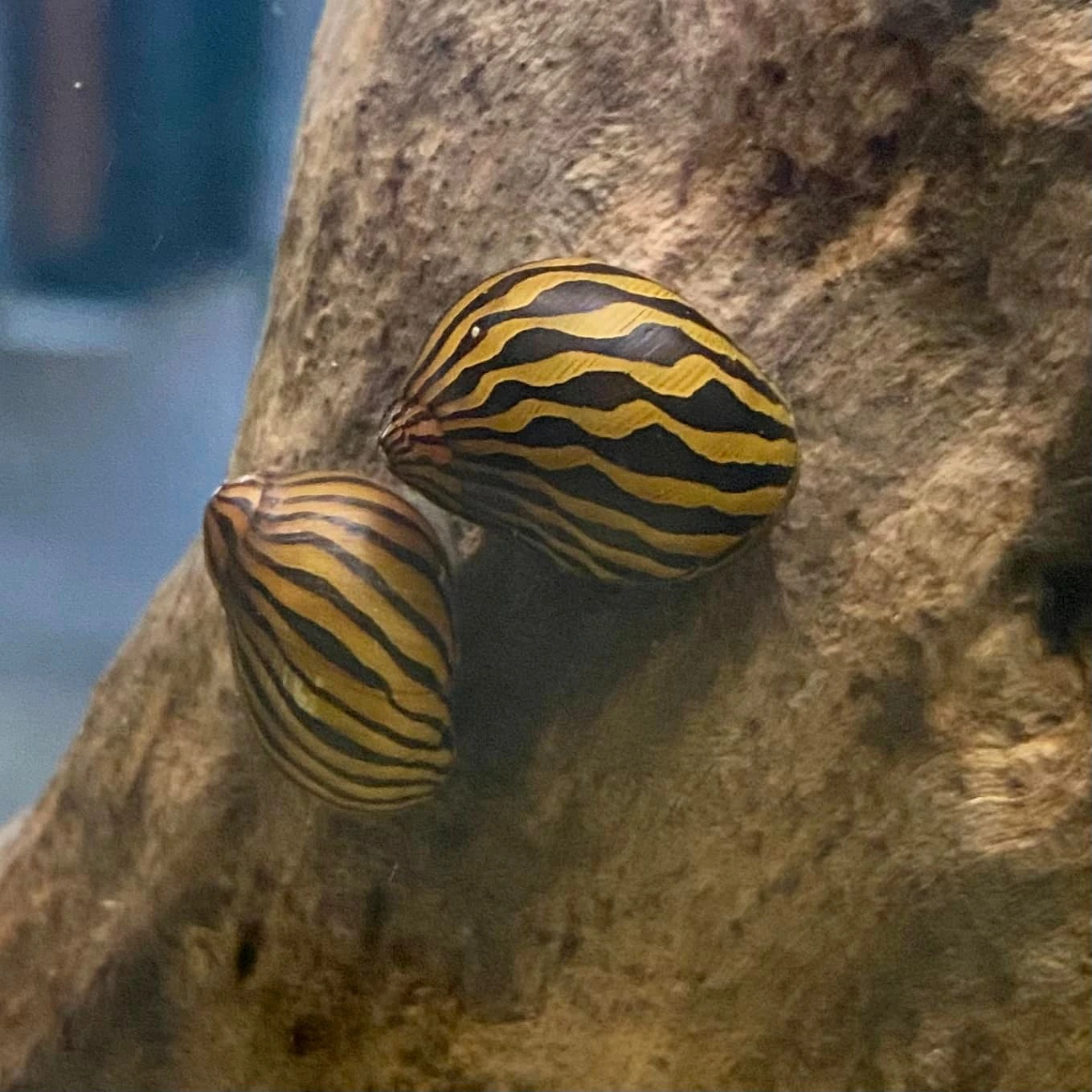 Nerite SnailNeritina sp.
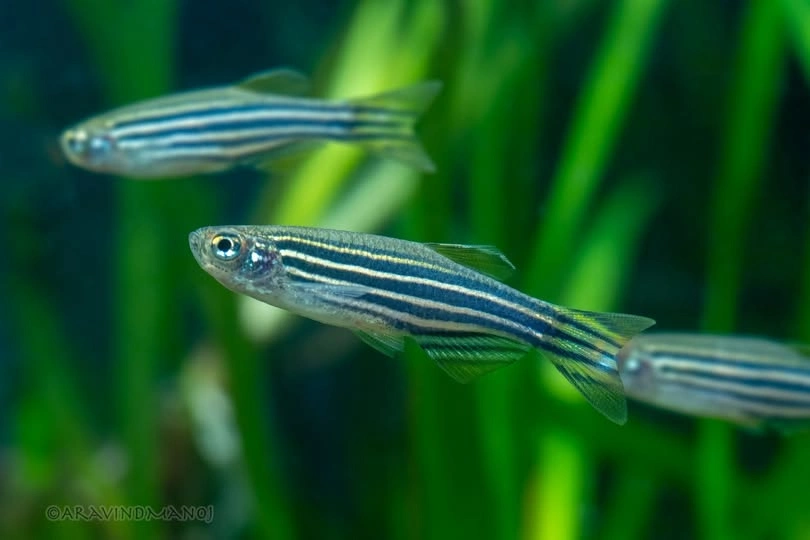 Zebra DanioDanio rerio
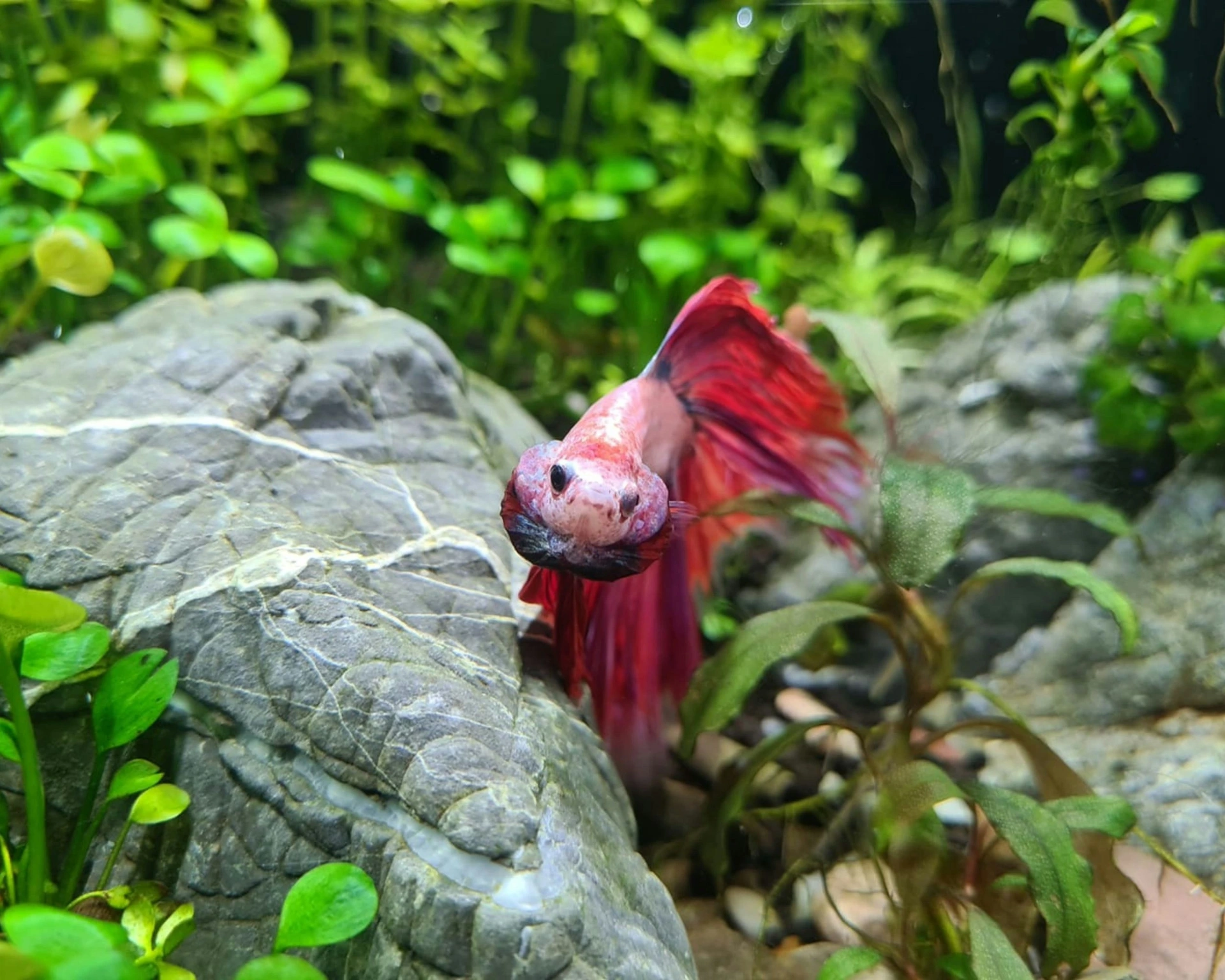 BettaBetta splendensFine with the ball itself, but a betta tank sits at 26–28 °C, which is too warm for marimo long-term.
Will eat or uproot it
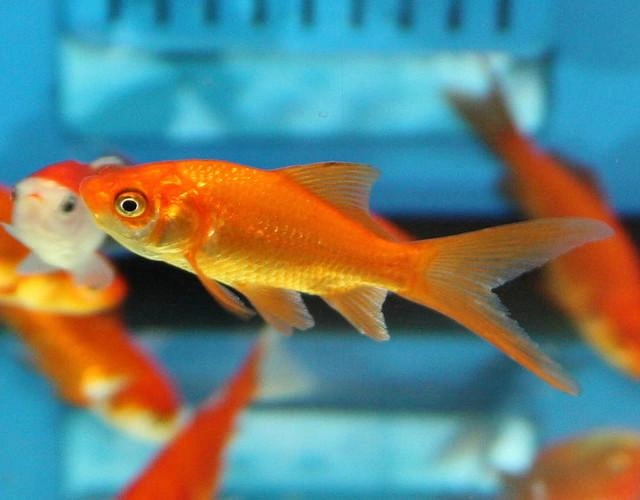


Companion plants
Plants that tolerate the low end of the temperature range and the low light marimo prefers. Anything demanding warmth belongs in a different tank.
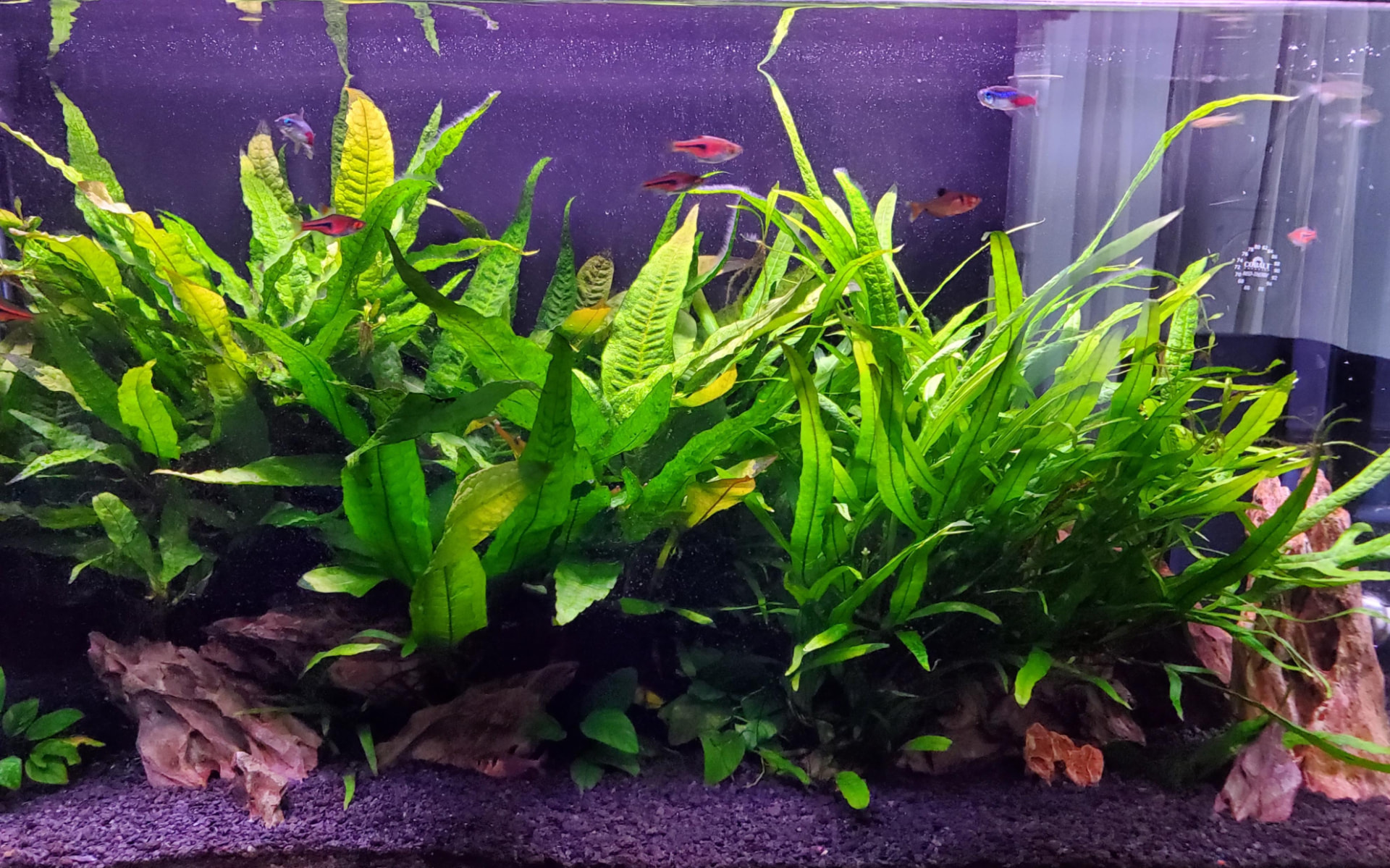
Java Fern
Microsorum pteropus
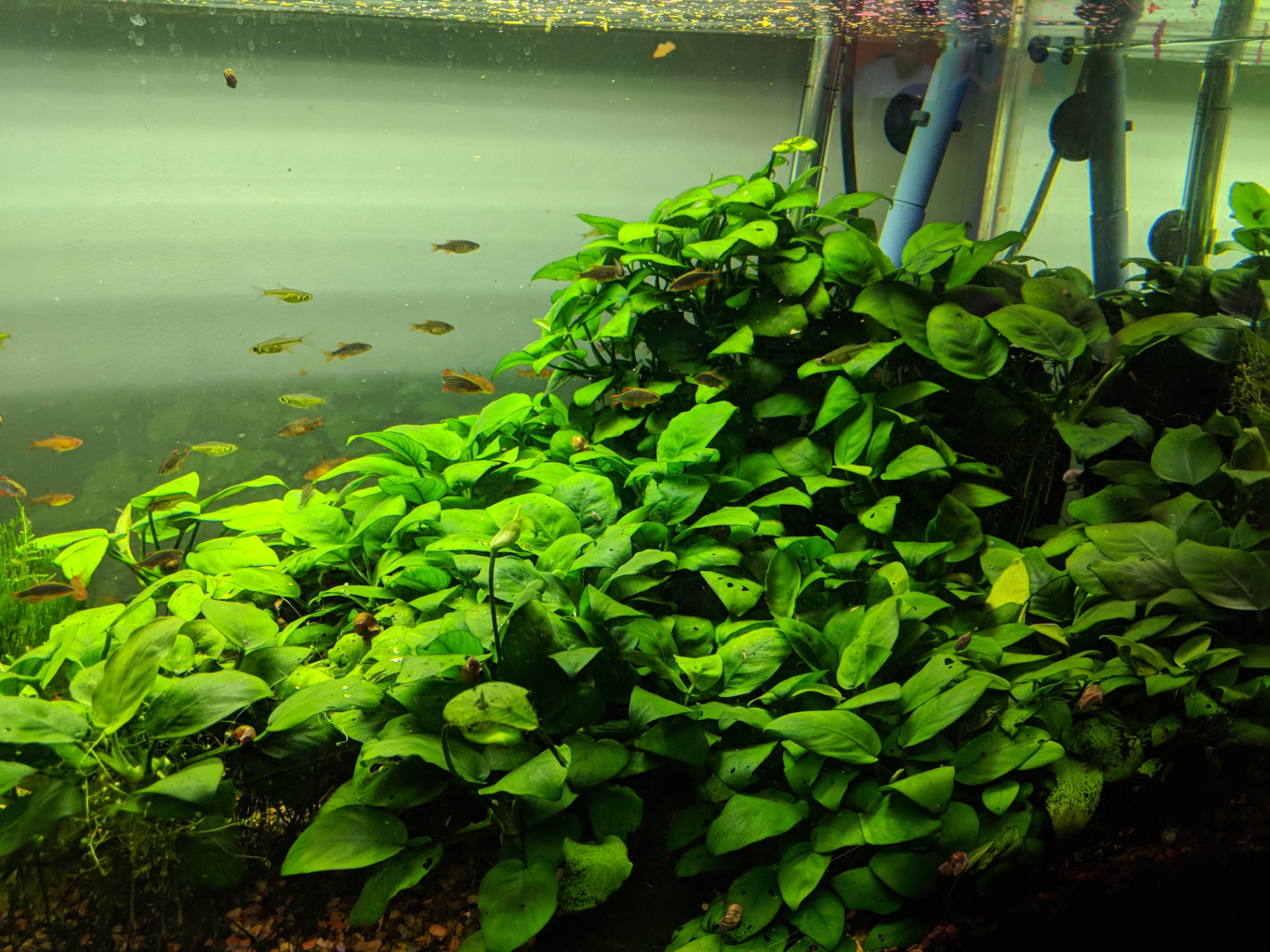
Anubias
Anubias barteri
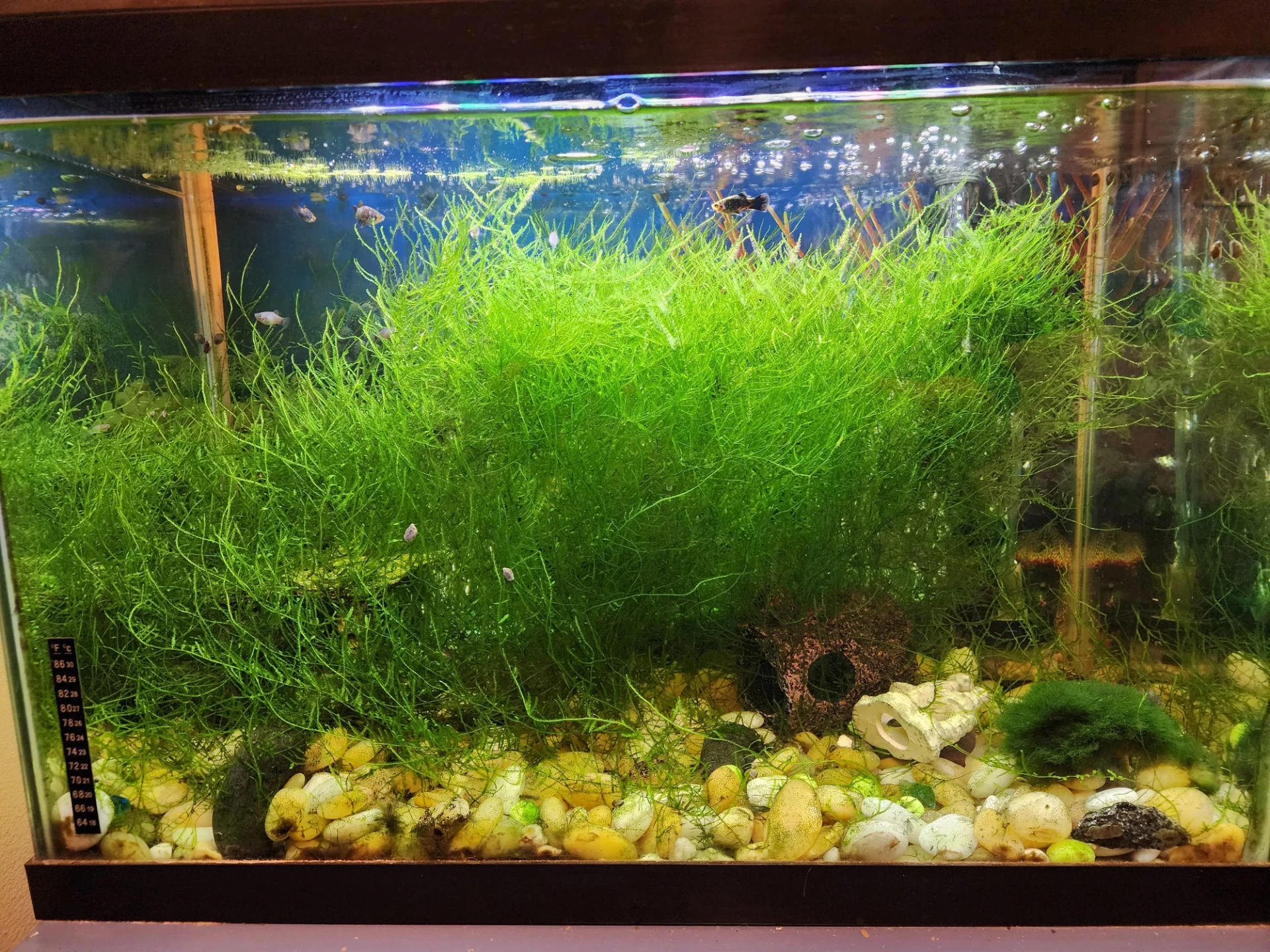
Java Moss
Taxiphyllum barbieri
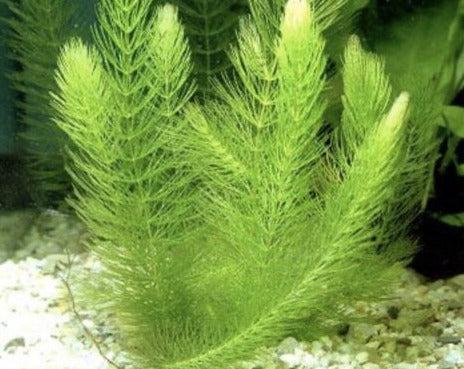
Hornwort
Ceratophyllum demersum
Pro tips & common mistakes
Pro tips
- Keep it in an unheated tank. Room temperature is closer to what it wants than any tropical setting.
- Squeeze it out in the bucket of old tank water at every water change — never under the tap.
- Rotate its resting position weekly so no face stays shaded for long.
- Give it shade in a bright tank; behind hardscape is better than out in the open.
- If it floats, do nothing. It is producing oxygen and will sink again.
- Split any ball that develops a soft or dark centre before the rot spreads outward.
Common mistakes
- Putting it in a 26–28 °C tropical community tank because it is sold as a beginner plant.
- Rinsing it under the tap and killing the outer filaments with chlorine.
- Never turning it, then wondering why one side is brown and the ball has gone flat.
- Panicking when it floats and weighting it down.
- Treating a hair algae infestation with peroxide, which damages the marimo just as much.
- Buying a wrapped foam core sold as a moss ball.
Frequently asked questions
Sources
- US Fish & Wildlife Service — Zebra mussels found in retail moss balls and the official decontamination and disposal protocol.
- Science Japan (Japan Science and Technology Agency) — Lake Akan marimo designated a Special Natural Monument in 1952 and the decline of the wild population.
- Ornamental Aquatic Trade Association — Trade marimo is commercially cultivated rather than collected from protected wild populations.
Related plants
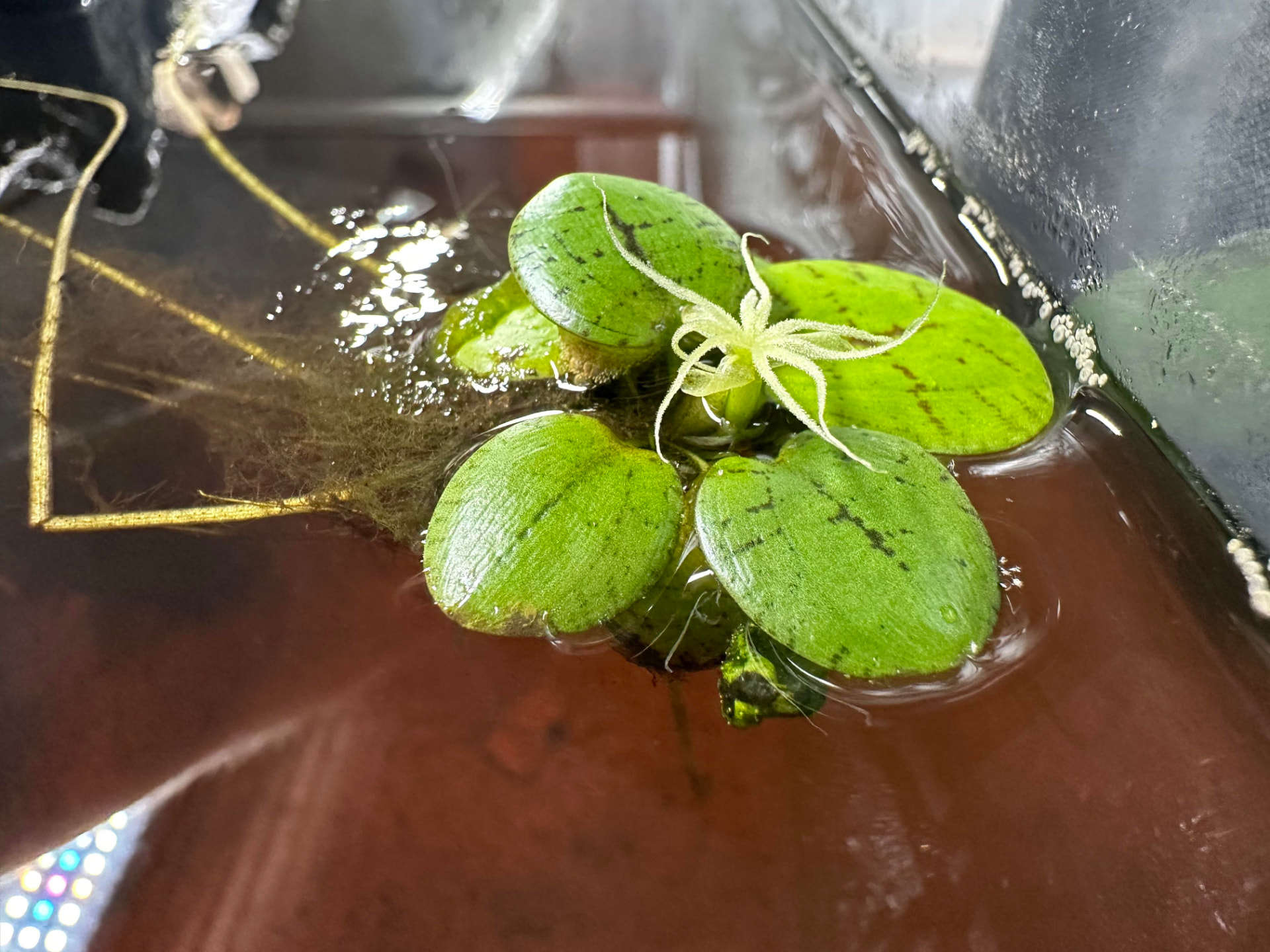
Amazon Frogbit
Limnobium laevigatum
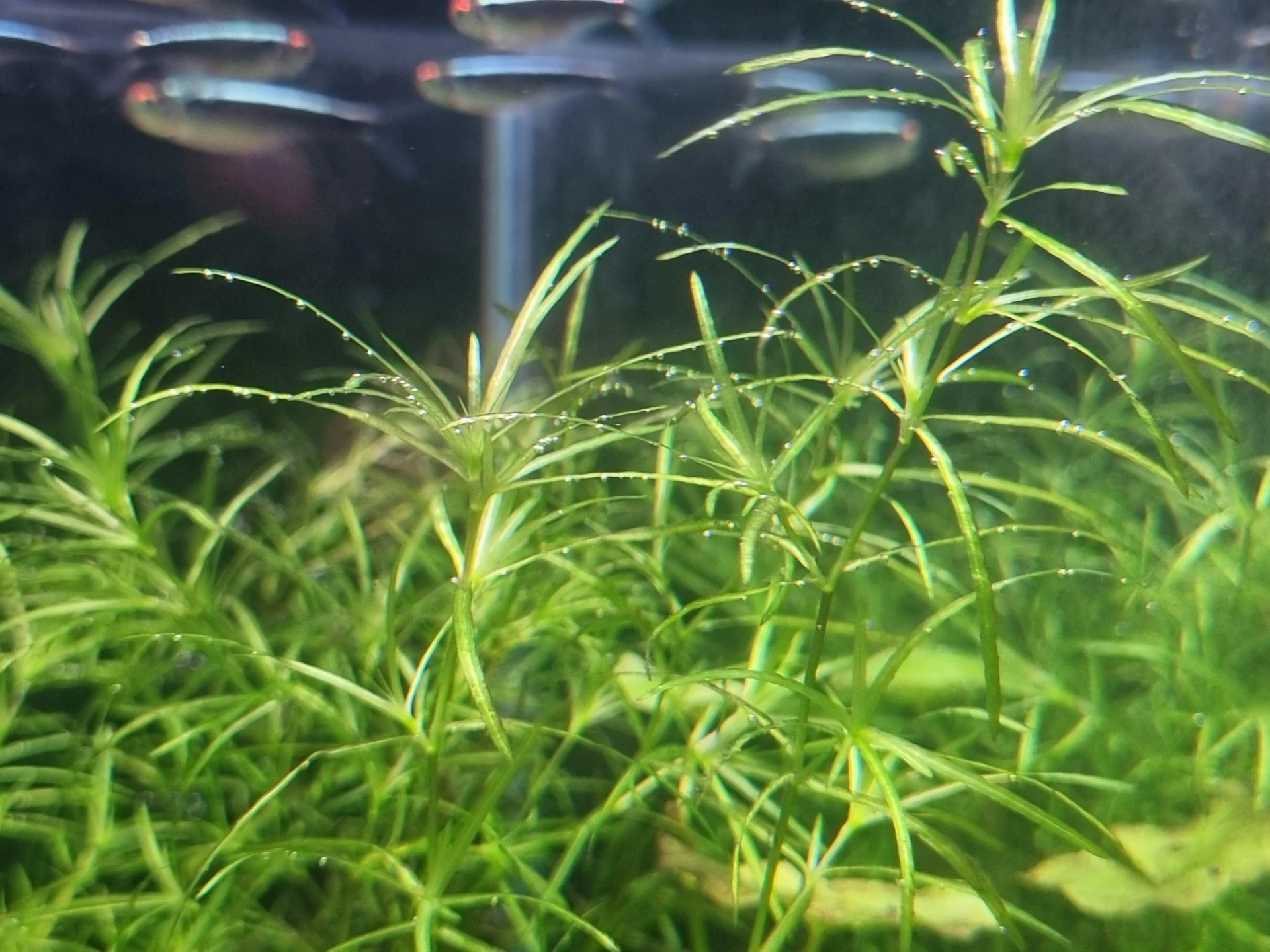
Guppy Grass
Najas guadalupensis
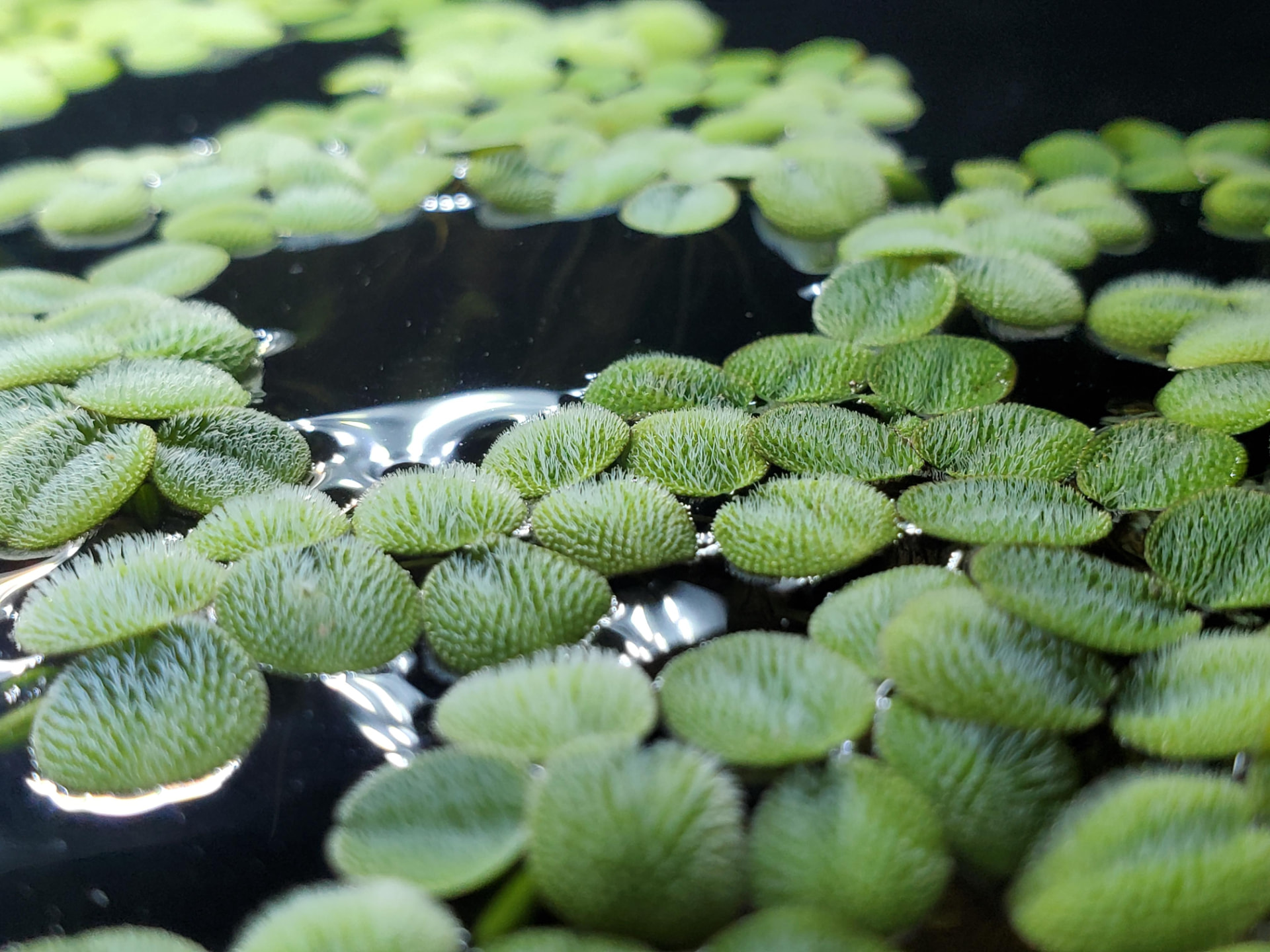
Salvinia
Salvinia minima
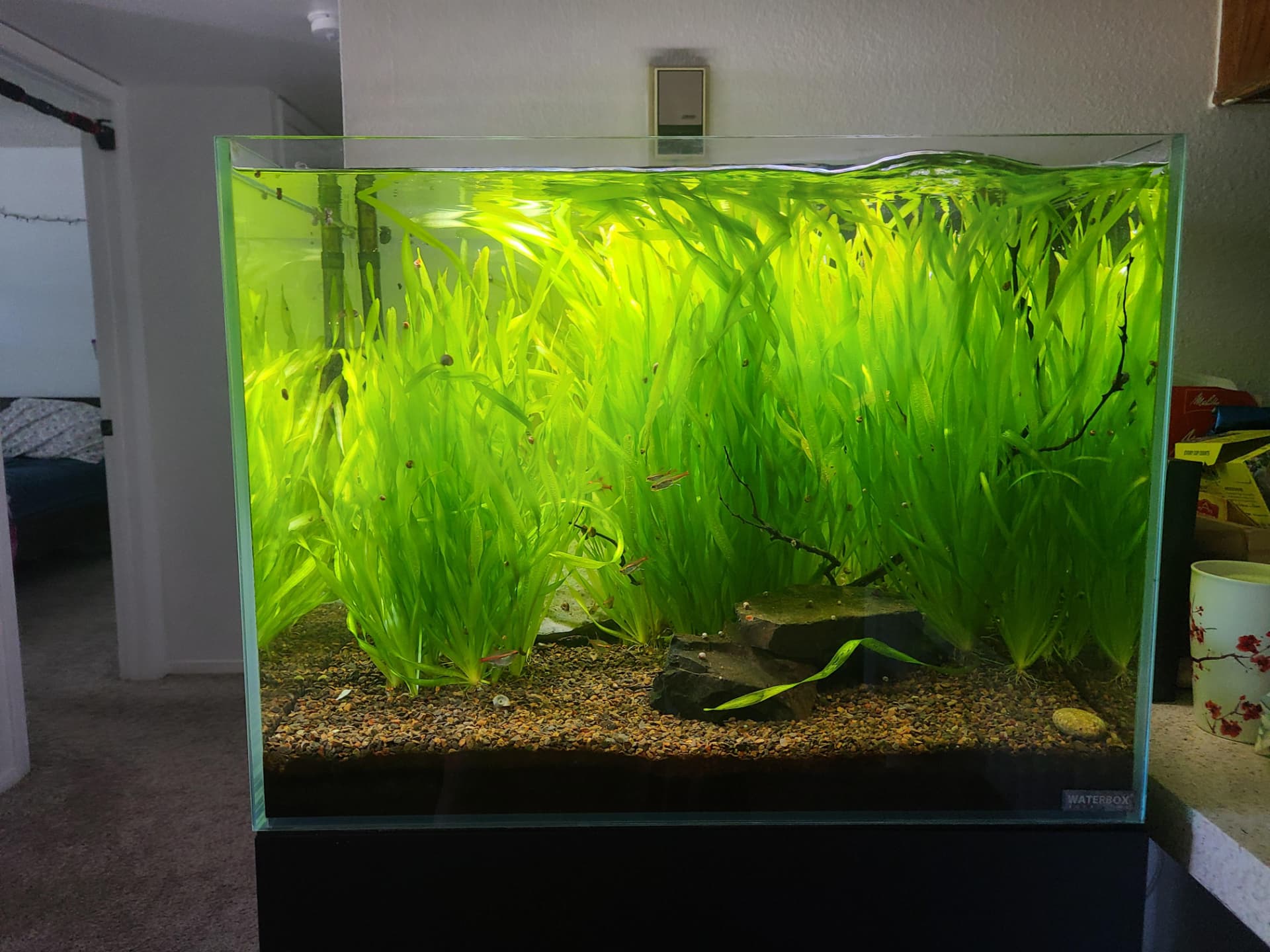
Vallisneria
Vallisneria spiralis
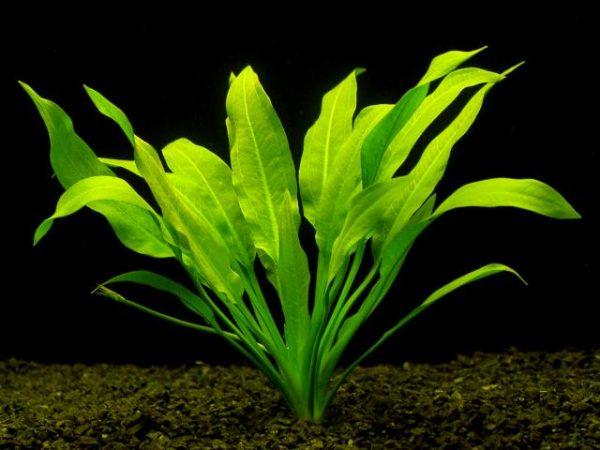
Amazon Sword
Echinodorus grisebachii
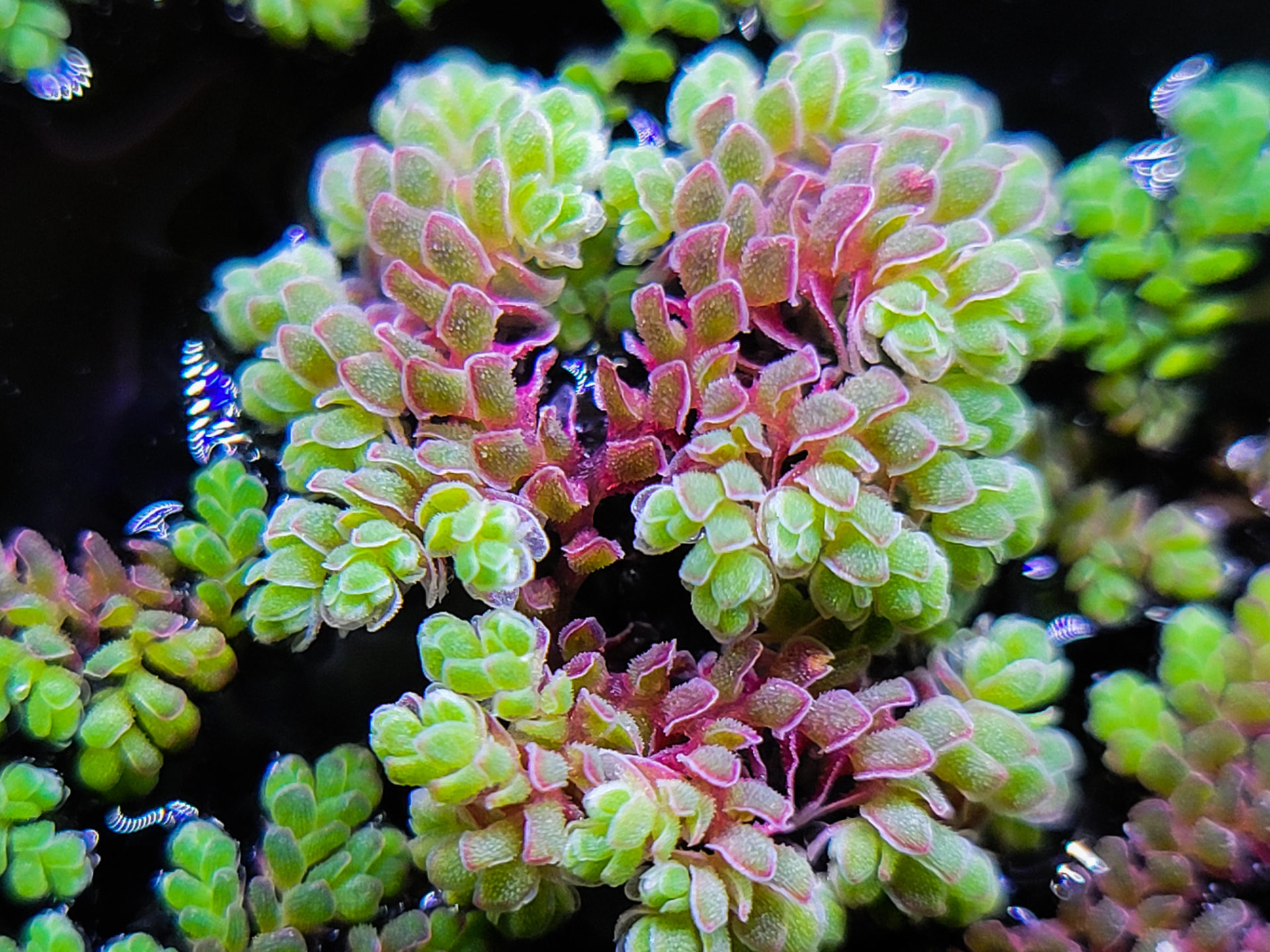
Azolla
Azolla filiculoides
Marimo suits a cool, lightly stocked tank
The temperature ceiling rules out most tropical community stocking. Work out what a cooler tank can carry before you build the list.
Reviewed by the AquariumStocking team · Updated August 2026