
Care Requirements
Adult Size
2.0" (5cm)
Min Tank
15 gal
Temperature
64-79°F
pH Range
6.5-7.5
Lifespan
3-5 years
Min Group
6+ fish
Diet
Omnivore
Swim Level
Top
Bioload
2/10
Hardness
5-15 dGH
About Zebra Danio
The Zebra Danio is the ultimate beginner fish—so hardy it's used in scientific research precisely because it tolerates almost anything. Native to South Asia, these energetic striped fish have been aquarium staples for over a century and remain one of the most recommended species for new fishkeepers. If you can't keep zebra danios alive, something is seriously wrong with your setup.
What makes zebra danios special isn't just their hardiness—it's their energy. These are hyperactive fish that never stop moving, darting around the tank in constant motion. A school of zebra danios adds life and activity to any aquarium. They're the opposite of sedentary fish that hide all day; zebras are always visible, always doing something.
Zebra danios are also scientifically important. They're the most studied fish in genetics and developmental biology, with their genome fully mapped. The famous GloFish—genetically modified fluorescent fish—started with zebra danios. Whether you're interested in fishkeeping basics or cutting-edge science, zebra danios connect to both worlds.
Natural Habitat & Origin
Zebra danios originate from the streams and rivers of South Asia, found in India, Pakistan, Bangladesh, Nepal, and Myanmar. They inhabit a remarkable range of environments—from slow-moving streams to fast-flowing rivers, rice paddies to flooded pools. This adaptability explains their legendary hardiness in aquariums.
Their natural habitat varies seasonally. During monsoon floods, they spread into temporary pools and rice paddies. In dry seasons, they concentrate in permanent streams and rivers. They've evolved to handle dramatic changes in water conditions—temperature fluctuations, varying flow rates, and different water chemistries. This makes them practically bulletproof in home aquariums.
Native Region
South Asia (India, Pakistan, Bangladesh, Nepal, Myanmar)
Habitat Type
Streams, rivers, rice paddies, flooded pools—highly variable
Wild Water Conditions
Wide range: 64-79°F, soft to moderately hard, slightly acidic to neutral, variable flow
Appearance & Varieties
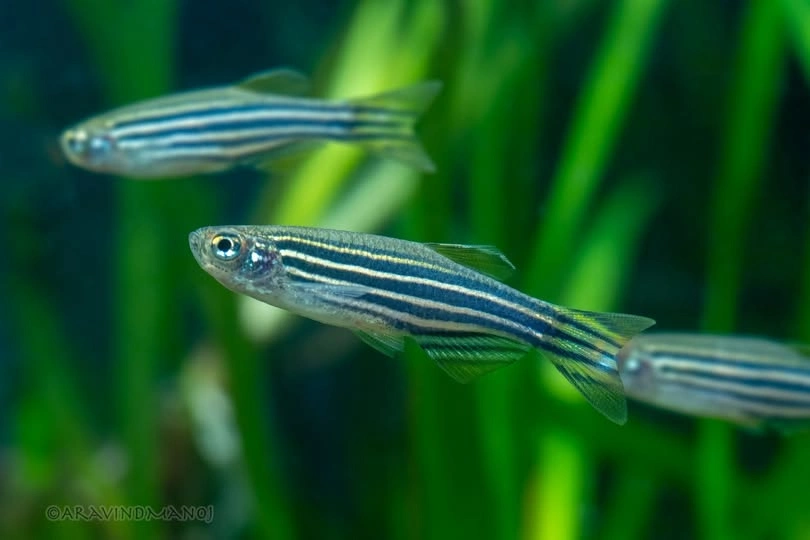
Zebra danios are small, torpedo-shaped fish reaching about 2 inches (5 cm). Their bodies are built for speed—streamlined and muscular. The namesake coloration consists of horizontal blue-purple stripes alternating with silver-gold stripes, running from gill to tail. Fins are typically olive-tinted with some striping.
Males are slimmer and often more gold-toned; females are rounder, especially when full of eggs, with more silver coloration. The differences are subtle compared to sexually dimorphic species like guppies. Several variants exist through selective breeding, including long-finned forms and the famous GloFish fluorescent varieties.
Popular Varieties
| Variety | Description | Rarity |
|---|---|---|
| Wild-type | Blue/silver horizontal stripes; the classic zebra pattern | Common |
| Longfin/Veil | Extended flowing fins; same striping pattern | Common |
| Leopard Danio | Spots instead of stripes; originally thought to be separate species | Common |
| GloFish | Genetically modified fluorescent variants in green, red, orange, blue, purple, pink | Common |
| Golden/Albino | Reduced pigmentation; golden body with faint striping | Uncommon |
Tank Setup & Requirements
Quick Requirements Summary
Tank Size
Minimum Tank Size
15 gallons
Recommended Tank Size
20 gallons
Zebra danios are famously undemanding, but they do have one clear preference: swimming space. These hyperactive fish need room to race around. A long tank is far more important than a tall one.
Water Parameters
Zebra danios tolerate an exceptional range. Temperature 64-79°F (18-26°C)—they handle cooler water than most tropical fish and are sometimes kept in unheated tanks. pH 6.5-7.5 and hardness 5-15 dGH covers their comfort zone, but they survive outside these ranges. They're often used to cycle new tanks because they tolerate ammonia spikes that would kill other fish.
Substrate
Any substrate works. Gravel, sand, or bare bottom—zebra danios don't care. They rarely interact with the substrate, preferring upper tank levels.
Plants & Decorations
Plants appreciated but not essential. Zebra danios use open space more than planted areas. If planting, leave significant open swimming areas—they need room to race. Floating plants can help reduce jumping (they're known jumpers).
Filtration & Water Flow
Standard filtration adequate. They tolerate a range of flow conditions—from still water to moderate current. Some flow is actually appreciated, giving them something to swim against. Ensure good oxygenation.
Lighting
Standard aquarium lighting fine. They're not sensitive to light levels and are active regardless of lighting conditions. GloFish variants look best under blue/actinic lighting that makes them fluoresce.
Diet & Feeding Guide
Diet Type
omnivore
Feeding Frequency
2x daily
Portion Size
What they consume in 2 minutes
Zebra danios are easy-to-feed omnivores that attack virtually any food with enthusiasm. They're surface-oriented feeders but chase food throughout the water column. Their eagerness makes them useful for ensuring food doesn't go uneaten—but also means they may outcompete slower tankmates.
Best Foods for Zebra Danio
- Quality flake food — Staple diet—they devour flakes enthusiastically
- Micro pellets — Floating types work well
- Frozen bloodworms — Readily accepted, good variety
- Frozen brine shrimp — Excellent food, triggers feeding frenzy
- Frozen daphnia — Natural food, good for conditioning
- Live foods — Daphnia, brine shrimp, mosquito larvae—triggers exciting hunting behavior
- Crushed pellets or flakes — They'll eat almost anything offered
Foods to Avoid
- Very large pellets — Small mouths—food should be appropriately sized
- Overfeeding — They eat everything offered regardless of hunger—don't let them overeat
Zebra danios are aggressive feeders that quickly learn feeding time and rush to the surface. They'll outcompete slower fish for food—in community tanks, ensure less aggressive species are also getting fed. They're excellent 'cleanup' fish that catch food other fish miss, reducing waste.
Behavior & Temperament
Zebra danios are hyperactive schooling fish that never stop moving. They race around the tank constantly, chasing each other in what appears to be endless games of tag. This activity level is normal and healthy—a sluggish zebra danio is a sick zebra danio.
They loosely school but also independently explore, unlike tight-schooling species like rummy-nose tetras. Males chase females and each other in non-aggressive displays. The constant activity adds energy to any tank, though some keepers find them too frenetic for their taste.
Important: Zebra danios are notorious jumpers. They leap from open tanks, especially when startled or chasing each other. A secure lid is essential—many zebra danios have died on floors beside their tanks. Even small gaps can be exploited.
Tank Mates: Compatibility Guide
Compatible Tank Mates
Excellent match—different zones, both hardy
Hardy community fish, tolerates danio activity
Similar hardiness, handles active tankmates
Large enough to not be bothered by danio activity
Bottom dweller, ignores danio antics
Similar activity level and temperature tolerance
Both tolerate cooler water, similar activity
Danios stay at top, shark at bottom—minimal conflict
Tank Mates to Avoid
Betta
Danios too active; may stress or nip slow-moving betta
Fancy Guppies
May nip flowing guppy tails; activity may stress guppies
Angelfish
Danios may nip angel fins; activity stresses slow-moving angels
Discus
Far too active and boisterous for sensitive, calm discus
Dwarf Gourami
May outcompete for food; activity may stress shy gouramis
Long-finned slow fish
General fin-nipping risk with any slow, flowing-finned species
Common Pairing Questions
Can zebra danios live with bettas?
Generally not recommended. Zebra danios are hyperactive fish that may stress a slow-moving betta and potentially nip at flowing fins. Danios also prefer cooler water than bettas. Some people have success in large, well-planted tanks, but it's a risky combination.
Are zebra danios good for cycling a new tank?
Historically yes—they're hardy enough to survive ammonia spikes. However, fishless cycling is now preferred as it doesn't subject fish to harmful conditions. If you must fish-in cycle, zebra danios are among the most tolerant species, but monitor ammonia closely and do frequent water changes.
How many zebra danios should I keep?
Minimum 6, ideally 8-10+. They're schooling fish that display more natural behavior in groups. Small groups may become nippy or stressed. A larger school spreads out aggression and creates more interesting schooling dynamics.
Zebra danios are easy to breed—so easy they're used in scientific research for studying fish reproduction and development. They're egg scatterers that spawn readily without special preparation.
For controlled breeding, set up a separate tank with marbles or mesh on the bottom (to protect eggs from being eaten). Add conditioned pairs or a small group. Spawning usually occurs at dawn—fish scatter eggs among plants or substrate, then immediately try to eat them. Hence the marbles or mesh to let eggs fall out of reach.
Eggs hatch in 2-3 days depending on temperature. Fry are tiny and require infusoria or liquid fry food initially, graduating to baby brine shrimp within a week. They grow quickly and can reach adult size in 3-4 months. Zebra danios are so easy to breed that unwanted spawning in community tanks is common.
Health Issues & Disease Prevention
Zebra danios are exceptionally hardy fish that rarely suffer from disease when basic care is provided. They tolerate conditions that would stress or kill most aquarium fish. Health problems usually indicate serious water quality issues that need immediate attention.
Common Diseases
| Disease | Symptoms | Treatment |
|---|---|---|
| Ich (White Spot) | White spots on body and fins, scratching against objects, clamped fins | Raise temperature to 82-86°F gradually (they tolerate the heat well), add aquarium salt, use ich medication. Zebra danios usually recover quickly. |
| Mycobacteriosis (Fish TB) | Wasting, curved spine, lethargy, loss of color—chronic and progressive | No effective treatment. Euthanize affected fish. Caused by Mycobacterium; can theoretically infect humans through open wounds (wear gloves). More common in fish kept in poor conditions for extended periods. |
| Fin Rot | Fraying fins, white or red edges, progressive deterioration | Improve water quality—if zebra danios get fin rot, water quality must be severely compromised. Antibacterial medication if needed. |
| Velvet | Gold dust-like coating, clamped fins, scratching, lethargy | Dim lights, copper-based medication, raise temperature slightly. Less common in zebra danios than other species. |
Signs of a Healthy Zebra Danio
- Constant active swimming
- Clear striping with good coloration
- Eager, aggressive feeding response
- Chasing and playing with tankmates
- No visible spots, fungus, or damage
- Full body shape (not sunken belly)
Prevention Tips
- Maintain basic water quality—if zebra danios get sick, something is seriously wrong
- Provide adequate swimming space—stress from cramped conditions weakens immunity
- Keep in proper schools (6+) to reduce stress
- Secure lid to prevent jumping deaths (very common)
- Avoid extreme temperature fluctuations despite their tolerance
- Quarantine new fish before adding to established tanks
Frequently Asked Questions
About 2 inches (5 cm). They're small but extremely active, needing horizontal swimming space rather than tank volume. A 20-gallon long is better than a 20-gallon tall.
3-5 years with proper care. Some may live longer. Their lifespan can be shortened by consistently high temperatures—they actually prefer cooler water than most tropical fish.
Not necessarily—they tolerate temperatures as low as 64°F (18°C). In heated homes, they often do fine without a heater. However, stable temperature is better than fluctuating, so a heater set to 70-72°F can help in cold climates.
Normal behavior—they're playing, establishing hierarchy, or males are courting females. Zebra danios are constantly active and chasing is their default mode. It's only concerning if one fish is being severely bullied and can't escape (rare in proper school sizes).
They can be. Fast-moving danios may nip at slow fish with flowing fins—bettas, fancy guppies, and angelfish are at risk. In proper schools with appropriate tankmates, nipping is minimal. Avoid pairing with slow, long-finned species.
Yes—they tolerate 64-79°F (18-26°C), making them suitable for unheated tanks in moderate climates. They're sometimes kept with goldfish, though this isn't ideal long-term due to different care needs. They're one of few 'tropical' fish that handle cooler temperatures.
Minimum 10 gallons for a small school, but 20 gallons or larger is much better. Length matters more than volume—a 20-gallon long is ideal. They're hyperactive swimmers that need room to race around.
GloFish are genetically modified zebra danios (and now other species) containing fluorescent genes from jellyfish or coral. They glow under blue light. Care requirements are identical to regular zebra danios. They're legal in most of the US but banned in some countries.
Tips for Keeping Zebra Danio
Pro Tips
- ✓A secure lid is essential—zebra danios jump, and many die on the floor beside their tanks
- ✓They make excellent 'dither fish'—their constant activity encourages shy fish to come out
- ✓Lower temperature (68-72°F) may extend lifespan compared to typical tropical temperatures
- ✓If zebra danios die, test your water immediately—they survive conditions that kill other fish
- ✓Long tanks beat tall tanks for this species—horizontal swimming space is key
- ✓Their hardiness makes them common cycling fish, but fishless cycling is kinder
Common Mistakes to Avoid
- ✗No lid—jumping deaths are extremely common
- ✗Pairing with slow, long-finned fish—nipping risk
- ✗Tall tanks with little horizontal space—they need room to race
- ✗Keeping too few—groups under 6 may become stressed or nippy
- ✗Assuming their hardiness means they need no care—they still need basic maintenance
- ✗Using them to cycle tanks and not monitoring ammonia—hardy doesn't mean immune
Sources
- FishBase — Accepted scientific name, maximum size and native range for Zebra Danio.
Featured in Biotope Presets
Related Species You Might Like
View All Fish →
Zebra Pleco
Hypancistrus zebra
Celestial Pearl Danio
Danio margaritatus
Pearl Danio
Danio albolineatus
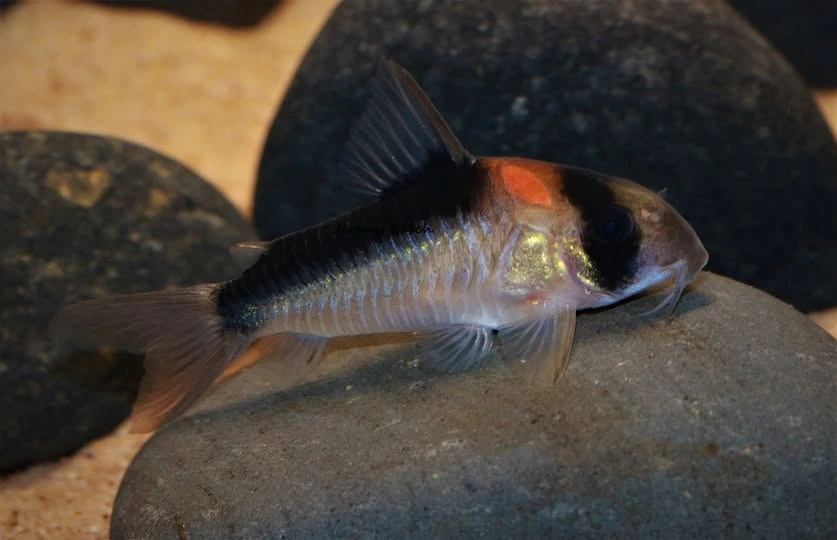
Adolfo's Corydoras
Corydoras adolfoi
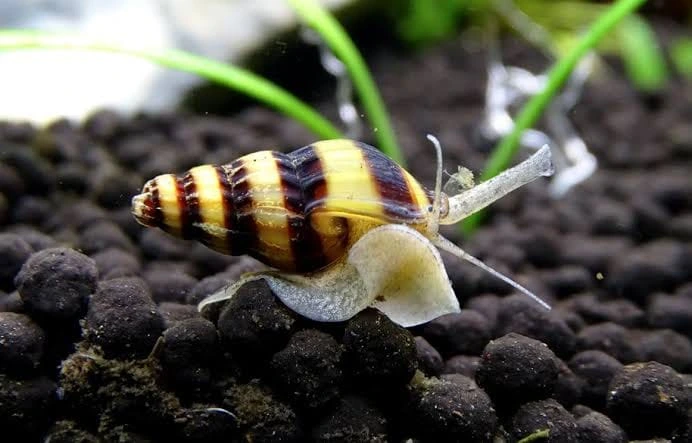
Assassin Snail
Clea helena
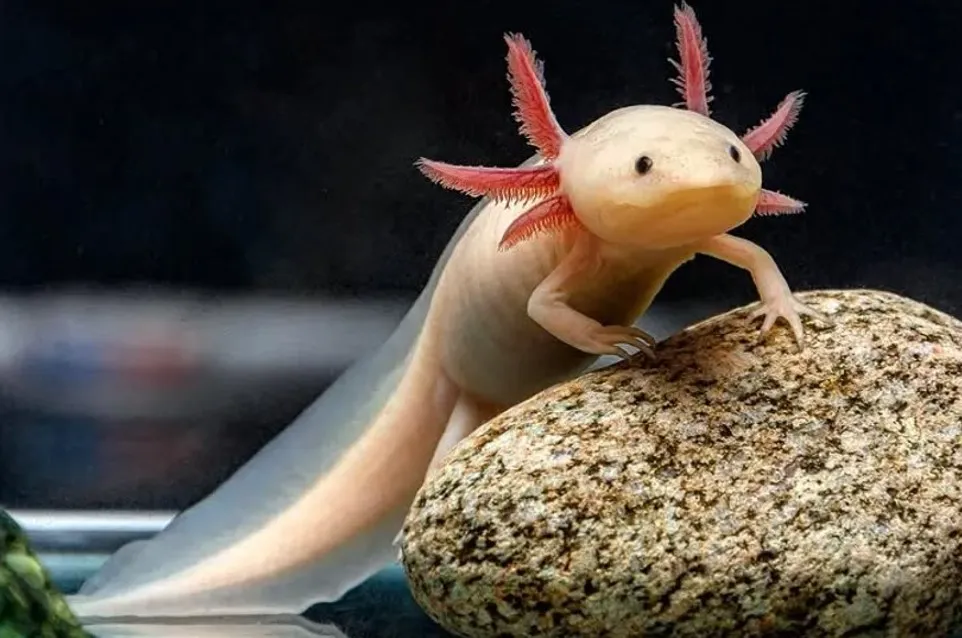
Axolotl
Ambystoma mexicanum
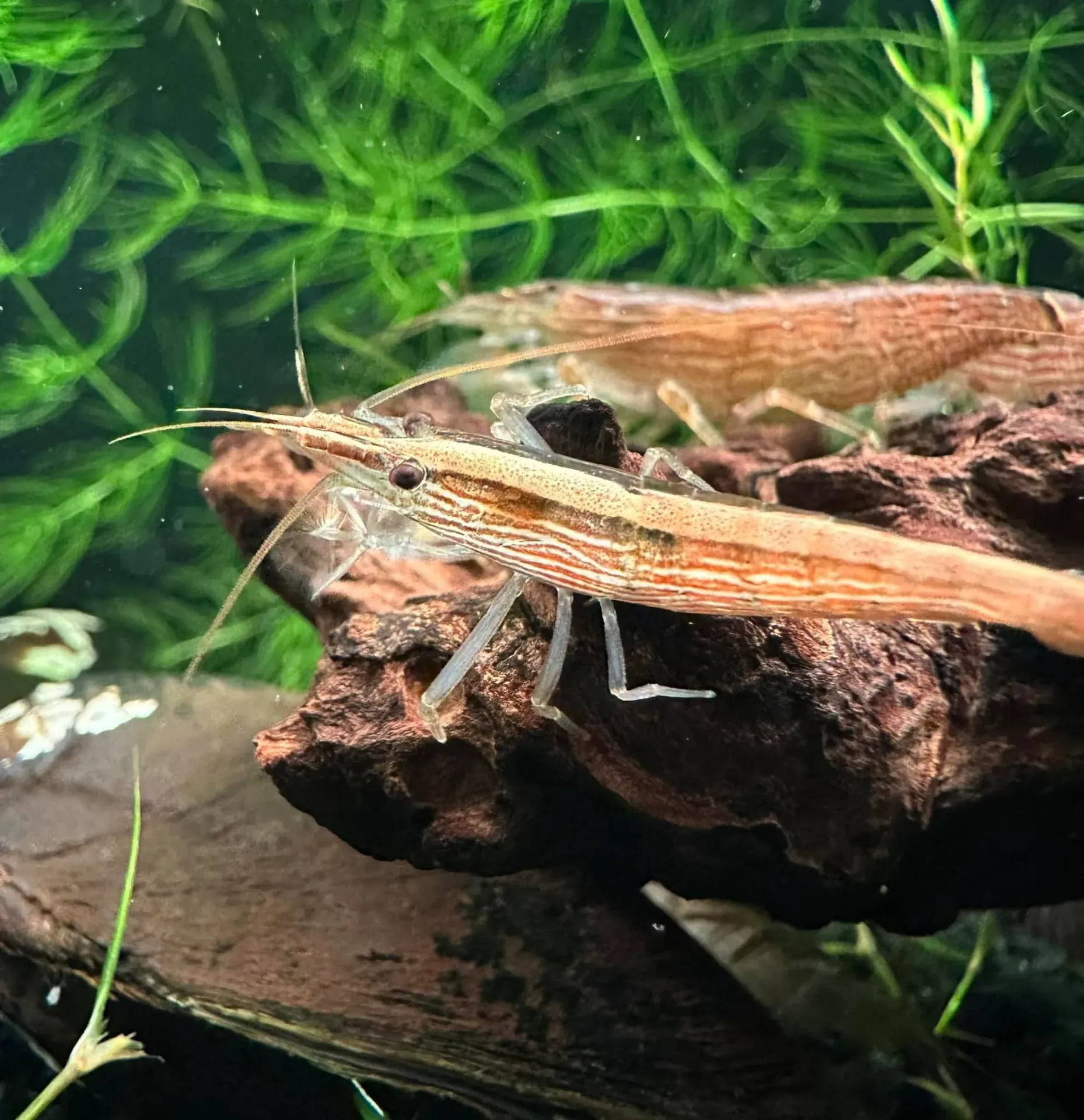
Bamboo Shrimp
Atyopsis moluccensis
Banjo Catfish
Bunocephalus coracoideus
Ready to Add Zebra Danio to Your Tank?
Use our free stocking calculator to check compatibility, bioload, and get personalized recommendations.