

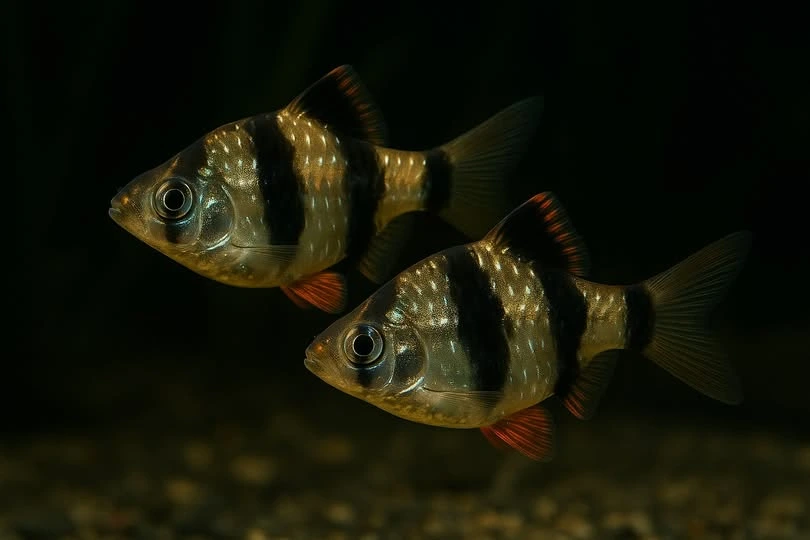
Tiger Barb
A boisterous mid-water shoal that is entirely unimpressed by a bottom-dwelling territorial fish, which is exactly what is wanted here.
Adult Size
5.9" (15cm)
Min Tank
55 gal
Temperature
75-82°F
pH Range
6.5-7.5
Lifespan
5-8 years
Min Group
Can be kept alone
Diet
Omnivore
Swim Level
Bottom
Bioload
4/10
Hardness
5-15 dGH
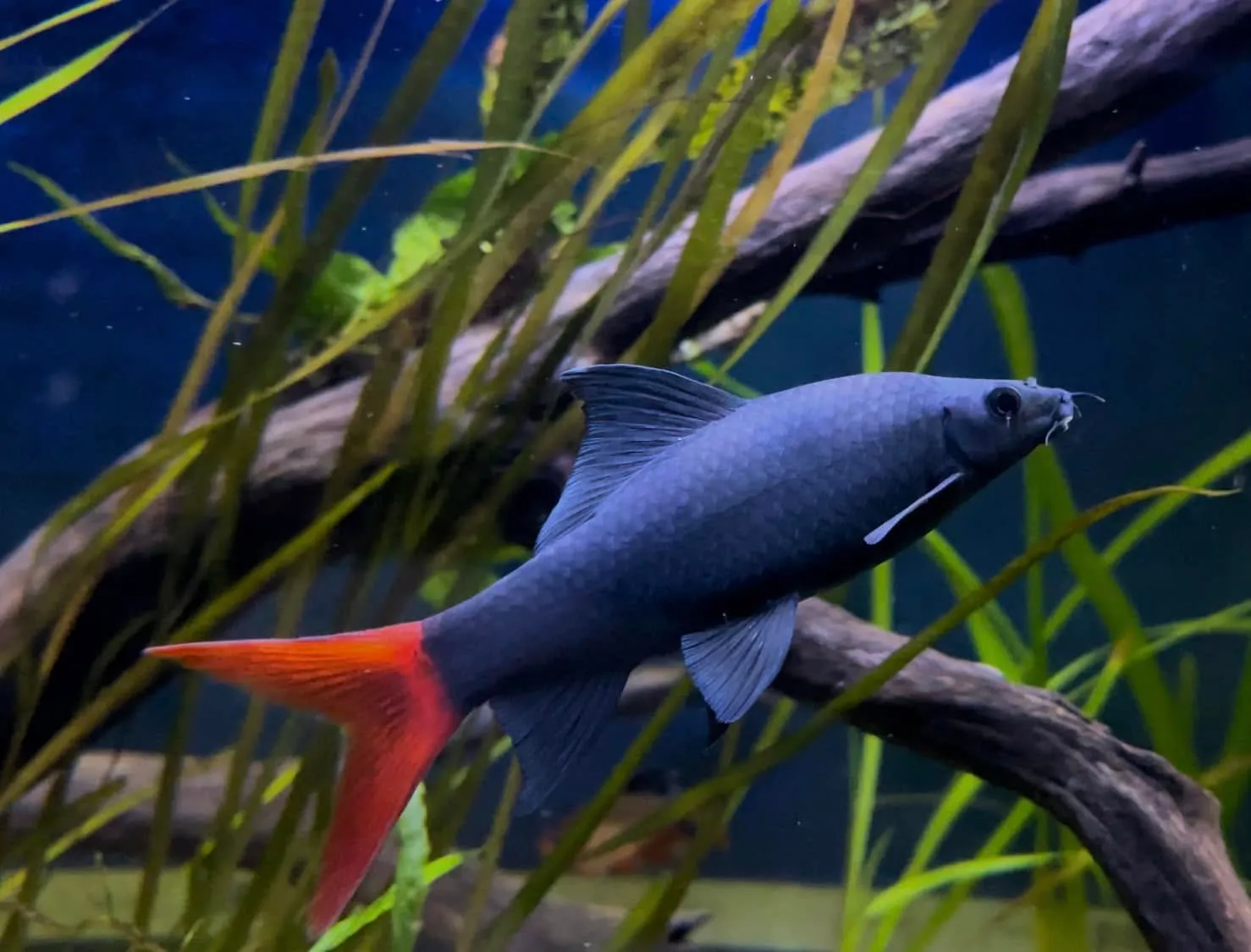
The Rainbow Shark is a striking freshwater fish known for its sleek dark gray-to-black body contrasted by vibrant red-orange fins. Despite their common name, Rainbow Sharks are not true sharks at all—they're members of the cyprinid family, more closely related to barbs and danios than any ocean predator. The 'shark' name comes solely from their dorsal fin shape.
Native to the rivers of Thailand, Rainbow Sharks have become popular for their dramatic appearance and active nature. However, their popularity often leads to impulse purchases by aquarists unprepared for their territorial aggression. What starts as a peaceful juvenile transforms into a territorial terror that relentlessly chases and harasses tankmates, particularly other bottom-dwelling fish.
The key to success with Rainbow Sharks is understanding that they must be kept as the ONLY specimen of their kind in a tank, provided with adequate territory, and housed with appropriate mid-to-upper level tankmates that can tolerate their patrolling behavior.
In the wild, Rainbow Sharks inhabit fast-flowing streams and rivers in Thailand's Chao Phraya, Mekong, and Mae Klong river basins. Their natural environment features rocky substrates, submerged roots, and areas of vegetation. Juveniles tend to congregate in calmer areas while adults establish territories in flowing sections.
Sadly, Rainbow Sharks are now considered endangered in the wild due to habitat destruction and damming of their native rivers. Nearly all specimens in the aquarium trade are commercially bred, making wild-caught individuals extremely rare. This conservation status underscores the importance of responsible keeping for those who choose to maintain these fish.
Native Region
Thailand - Chao Phraya, Mekong, and Mae Klong river basins
Habitat Type
Fast-flowing streams and rivers with rocky substrates and submerged roots
Wild Water Conditions
Warm (75-81°F), pH 6.5-7.5, flowing water with rocky substrate
Rainbow Sharks are sleek, torpedo-shaped fish reaching about 6 inches in length. Their most striking feature is the contrast between their dark gray to black body and vibrant red-orange fins. All fins—dorsal, pectoral, pelvic, anal, and caudal—display this vivid red coloration, creating the 'rainbow' effect in their name.
Their body is streamlined for life in flowing waters, with a slightly forked tail and a prominent dorsal fin that gives them their shark-like silhouette. Eyes are relatively large, and the mouth is positioned slightly downward for bottom feeding and grazing on surfaces.
| Variety | Description | Rarity |
|---|---|---|
| Standard Rainbow Shark | Dark gray/black body with red-orange fins on all fins | Common |
| Albino Rainbow Shark | Pink-white body with red fins and pink eyes | Common |
Minimum Tank Size
55 gallons
Recommended Tank Size
75 gallons
Rainbow Sharks require larger tanks than many aquarists expect—55 gallons minimum, with 75+ gallons recommended. The tank should be long rather than tall, maximizing bottom territory and swimming space. Multiple hiding spots and visual barriers are absolutely essential to manage territorial behavior.
Temperature 75-81°F (24-27°C), pH 6.5-7.5, hardness 5-15 dGH. They appreciate clean, well-oxygenated water with moderate flow. Sensitive to poor water quality—maintain ammonia and nitrite at 0 ppm, nitrate below 20 ppm.
Sand or smooth gravel works well. They spend significant time at the bottom and will graze on substrate surfaces. Avoid sharp or rough substrates that could damage their barbels.
Plants are recommended to create sight barriers and territory breaks. Java Fern, Anubias, Amazon Sword, and Vallisneria all work well. CRITICAL: Provide multiple caves, driftwood formations, and rock structures creating distinct territories. The shark needs a 'home base' cave it can claim.
Strong filtration with good current is appreciated—they come from flowing rivers. HOB or canister filters that create water movement suit them well. Target 6-8x turnover.
Moderate lighting—bright light may increase stress and aggression. Floating plants to diffuse light can help create a more comfortable environment.
Diet Type
omnivore
Feeding Frequency
Once daily
Portion Size
What they consume in 2-3 minutes
Rainbow Sharks are omnivores with a strong preference for vegetable matter. In the wild, they graze on algae, biofilm, plant matter, and small invertebrates. A varied diet with substantial plant content (50% or more) is essential for their health and coloration.
Rainbow Sharks need substantial vegetable matter in their diet. They naturally graze on algae and biofilm, but this shouldn't be relied upon as their primary food source. Blanched vegetables clipped to the tank wall are excellent supplements. Note that they may compete aggressively for food—ensure any bottom-dwelling tankmates (which you shouldn't have) get their share.
Rainbow Sharks are defined by their territorial aggression, which is central to understanding their care requirements. They establish a territory—typically around their chosen cave or hiding spot—and patrol it constantly, aggressively chasing away any fish that enters their domain.
This territorial behavior intensifies dramatically with age. Juveniles may seem relatively peaceful, lulling new keepers into a false sense of security. As they mature, however, they become increasingly aggressive, particularly toward other bottom-dwelling fish and any species with similar body shapes. This transformation catches many aquarists off guard.
Rainbow Sharks are most aggressive toward their own species and the closely related Red-Tail Black Shark. Keeping two Rainbow Sharks together almost always results in constant fighting that can lead to death. They're active during the day, constantly patrolling and grazing, and their vibrant fins make them visually striking despite their challenging temperament.
A rainbow shark patrols a stretch of the bottom and drives off anything that looks like another bottom dweller. Peaceful mid-water and surface fish are largely ignored; loaches, catfish and its own kind are not. Length of tank and number of separate hiding spots decide how this goes far more than the species list does.
A boisterous mid-water shoal that is entirely unimpressed by a bottom-dwelling territorial fish, which is exactly what is wanted here.
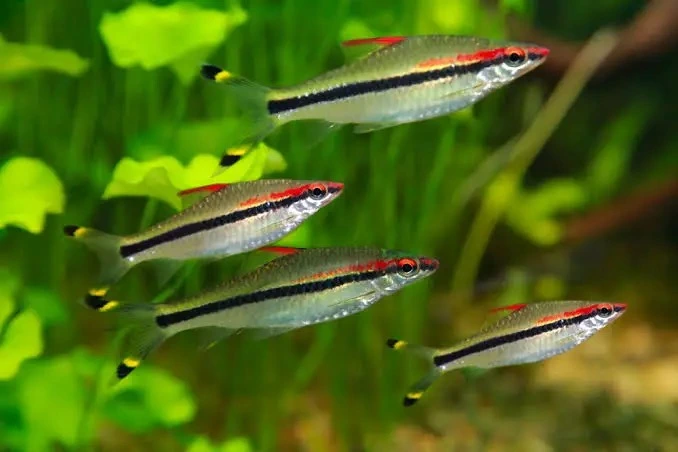
A 15 cm torpedo of a barb that matches the shark for size and outruns it comfortably, so a territorial rush registers as nothing at all.
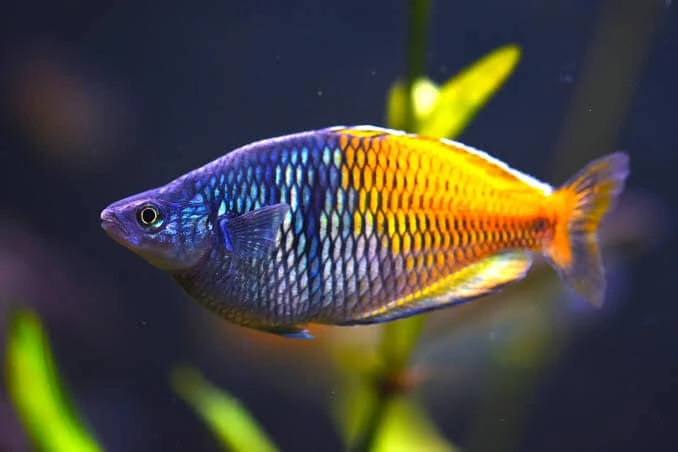
Holds the upper half of the tank permanently and has no interest in the substrate, which removes the conflict before it starts.
Also compatible: Congo Tetra, Giant Danio, Black Skirt Tetra, Pearl Gourami
Avoid — fights to a finish
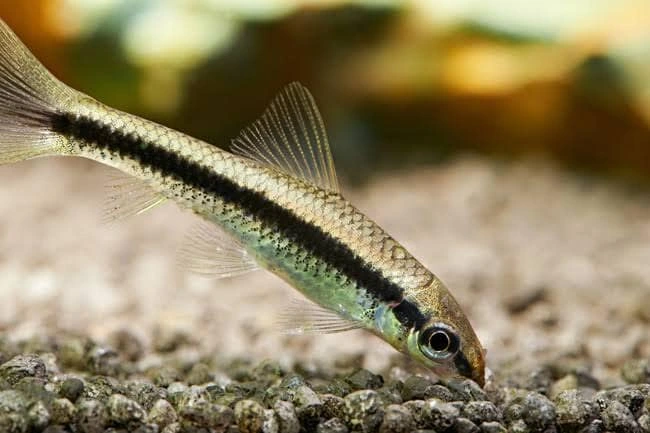
Avoid — same body shape

Avoid — territorial, rasps at fish
Also avoid: Neon Tetra, Pygmy Corydoras, Cherry Shrimp
Full Rainbow Shark tank mates guideBreeding Rainbow Sharks in home aquariums is virtually impossible and should not be attempted. Nearly all specimens in the trade come from commercial breeding farms that use hormone injections to induce spawning.
Rainbow Sharks are generally hardy fish when kept in appropriate conditions with proper tankmates. Most health issues arise from stress—either from inadequate tank size, territorial conflicts with inappropriate tankmates, or poor water quality.
| Disease | Symptoms | Treatment |
|---|---|---|
| Ich (White Spot) | White spots on body and fins, scratching against objects, flashing | Raise temperature to 82-86°F, aquarium salt, ich medication. Quarantine new fish to prevent introduction |
| Fin Rot | Ragged, deteriorating fins, redness at edges | Improve water quality—often stress-related. Antibacterial treatment for severe cases |
| Stress-related illness | Faded coloration, constant hiding, loss of appetite, injuries from fighting | Address root cause—usually inappropriate tankmates or inadequate territory |
| Velvet | Gold or rust-colored dust on body, scratching, rapid breathing | Dim lights, raise temperature, copper-based medication |
This is normal territorial behavior that intensifies with age. Ensure your tank is large enough (55+ gallons), add more hiding spots and visual barriers, and avoid bottom-dwelling tankmates. If aggression is severe despite proper setup, rehoming may be necessary.
No. While they eat some algae, Rainbow Sharks aren't efficient algae cleaners. They're territorial and aggressive, making them poor choices if algae control is your primary goal. Otocinclus, Bristlenose Plecos, or nerite snails are much better algae eaters.
Yes, coloration can fade due to stress, poor diet, or inadequate water quality. Vibrant red fins and dark body indicate good health. Pale, washed-out colors suggest the fish is stressed—review tank conditions, tankmates, and diet.
Yes, wild Rainbow Sharks are endangered in Thailand due to habitat destruction and dam construction. However, nearly all aquarium specimens are captive-bred on commercial farms, so purchasing them doesn't impact wild populations.
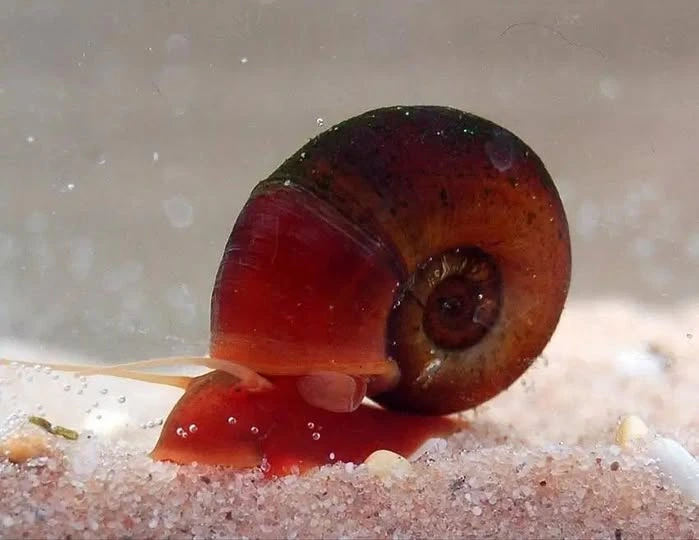
Planorbella duryi
Epalzeorhynchos bicolor
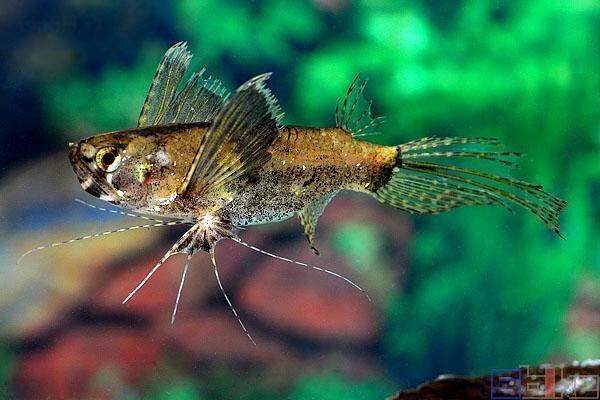
Pantodon buchholzi
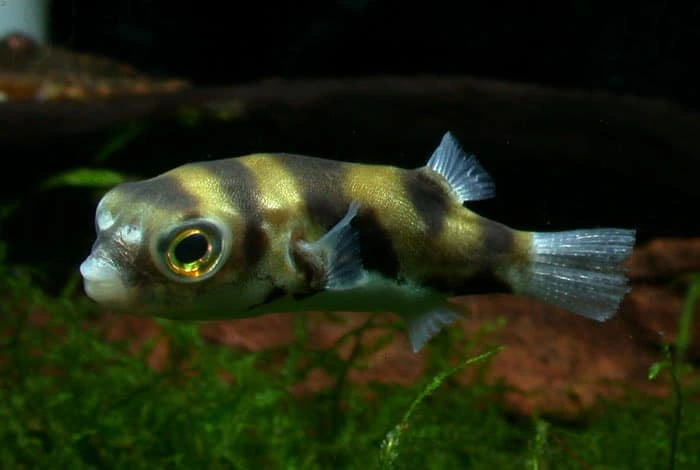
Colomesus asellus
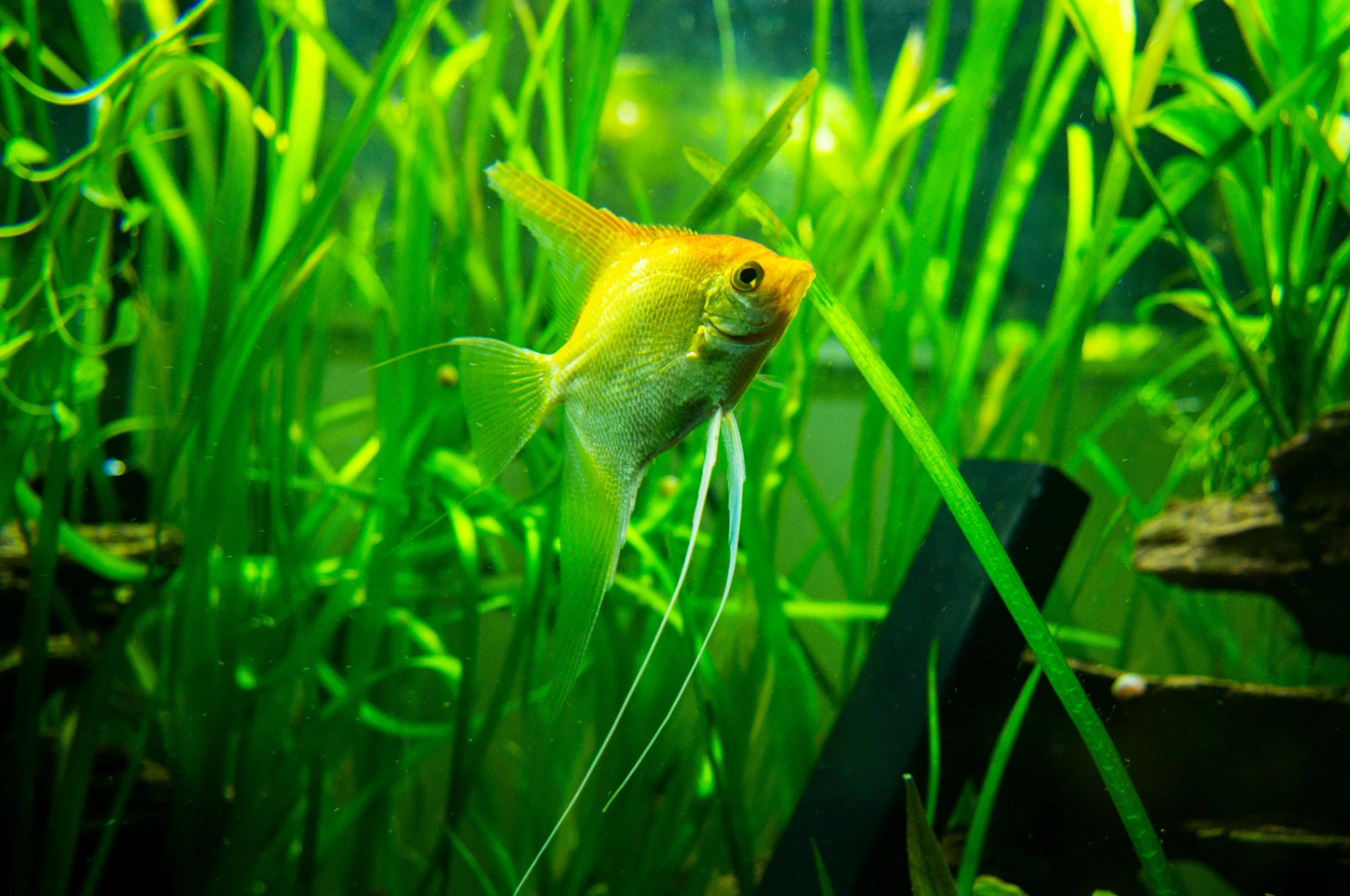
Pterophyllum scalare

Amphilophus hybrid

Altolamprologus calvus

Altolamprologus compressiceps
Use our free stocking calculator to check compatibility, bioload, and get personalized recommendations.