

Odessa Barb
A hardy mid-water barb that thrives at 22–26 °C, precisely the range that makes a red tail shark comfortable, and the male's red lateral stripe holds up against the shark visually rather than competing with it.
Adult Size
5.9" (15cm)
Min Tank
55 gal
Temperature
72-79°F
pH Range
6.5-7.5
Lifespan
5-8 years
Min Group
Can be kept alone
Diet
Omnivore
Swim Level
Bottom
Bioload
4/10
Hardness
5-15 dGH
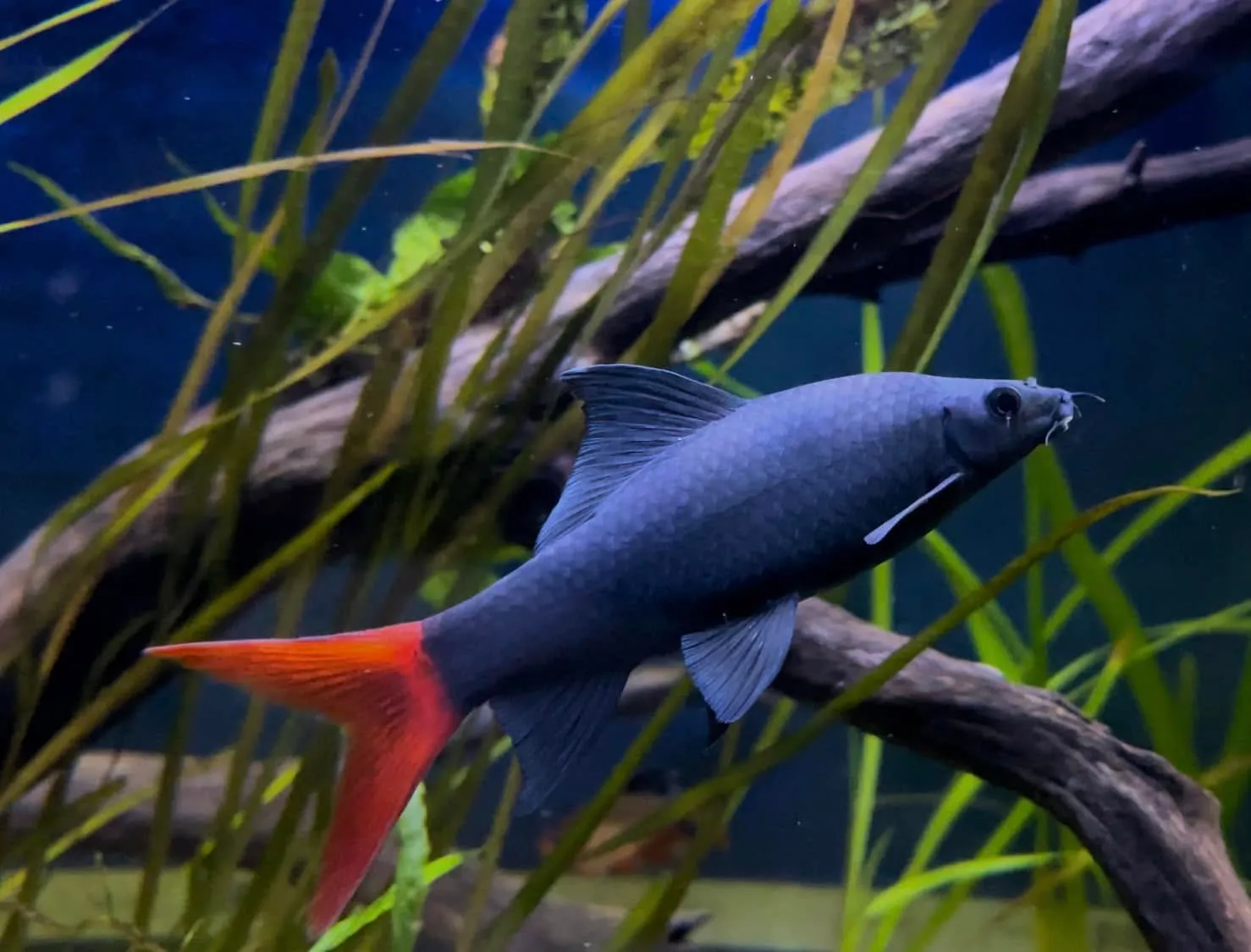
The Red Tail Shark (Epalzeorhynchos bicolor) is one of the most recognizable freshwater fish with its jet-black body and vivid red tail. Despite the name, it's not a shark at all — it's a cyprinid, more closely related to barbs and minnows. Native to Thailand's Chao Phraya basin, they're critically endangered or possibly extinct in the wild due to habitat destruction. All aquarium specimens are captive-bred. While stunningly beautiful, they're highly territorial and aggressive toward other bottom-dwellers, making tankmate selection critical. They're long-lived at 8-10 years and grow to 6 inches.
Conservation status: Critically Endangered (CR)
Red Tail Sharks are native to clear, flowing streams and rivers in Thailand's Chao Phraya basin with rocky substrates and algae-covered surfaces. They inhabit well-oxygenated water with moderate current. Tragically, they're critically endangered or possibly extinct in the wild due to habitat destruction. All aquarium specimens are captive-bred.
Native Region
Thailand — Chao Phraya basin (critically endangered/possibly extinct in wild)
Habitat Type
Clear, flowing streams and rivers with rocky substrates and algae-covered surfaces
Wild Water Conditions
Well-oxygenated water with moderate current
Red Tail Sharks have a sleek, torpedo-shaped body that's completely jet black, contrasted by a vivid red or deep orange tail fin. They grow to about 6 inches (15cm). The prominent dorsal fin gives them the 'shark-like' silhouette that earned their common name, though they're not related to true sharks. Sexing is very difficult — females may be slightly rounder when full of eggs, and males may have a slightly more pointed dorsal fin, but differences are subtle.
Minimum Tank Size
55 gallons
Recommended Tank Size
75 gallons
Red Tail Sharks need a large tank (55+ gallons minimum, 75+ recommended) with significant floor space for territory. A long tank is better than a tall one. Sand or fine gravel substrate allows natural grazing behavior. Well-planted tanks with caves, driftwood, and rock formations are essential to create multiple territories and visual barriers that reduce aggression toward tankmates. Moderate to strong flow mimics their stream habitat. ONE per tank only — they will fight with conspecifics and similar species.
Temperature 72-78°F (22-26°C), pH 6.5-7.5, hardness 5-15 dGH.
Sand or fine gravel — allows natural grazing behavior
Well-planted tanks with caves, driftwood, and rock formations essential. Create multiple hiding spots and visual barriers to reduce aggression to tankmates.
Moderate to strong flow — they come from flowing streams
Moderate — promotes algae growth they can graze on
Diet Type
Omnivore
Feeding Frequency
1-2 times daily
Portion Size
What they can consume in 2-3 minutes
Red Tail Sharks are omnivores that primarily graze on algae, plant matter, and organic detritus in the wild, supplemented by insects and small crustaceans. In captivity, provide sinking pellets, algae wafers, and spirulina-based foods as staples. Supplement with frozen bloodworms, blanched vegetables, and occasional live foods. They're not dedicated algae eaters despite being sold as such, but they do help with algae control.
Primarily grazes on algae and biofilm. Supplement with sinking foods and include vegetable matter. They're not dedicated algae eaters but do help with algae control.
Red Tail Sharks are territorial and aggressive toward similar species and bottom-dwellers. They relentlessly chase any fish that enters their perceived territory, especially other bottom-dwellers and similar-looking fish. Critically, aggression increases with age — juveniles often seem peaceful, leading people to buy them for community tanks without realizing adult behavior will be very different. They're not true sharks but cyprinids (carp family). Despite their aggression, they generally ignore dissimilar fish in the upper water column. They're critically endangered or possibly extinct in the wild — all aquarium specimens are captive-bred.
A red tail shark is the same territorial idea as a rainbow shark, only shorter-tempered and less willing to share a cave. It works with fast, open-water fish that never settle on the substrate, and fails with anything that competes for the floor. One per tank, always.
A hardy mid-water barb that thrives at 22–26 °C, precisely the range that makes a red tail shark comfortable, and the male's red lateral stripe holds up against the shark visually rather than competing with it.
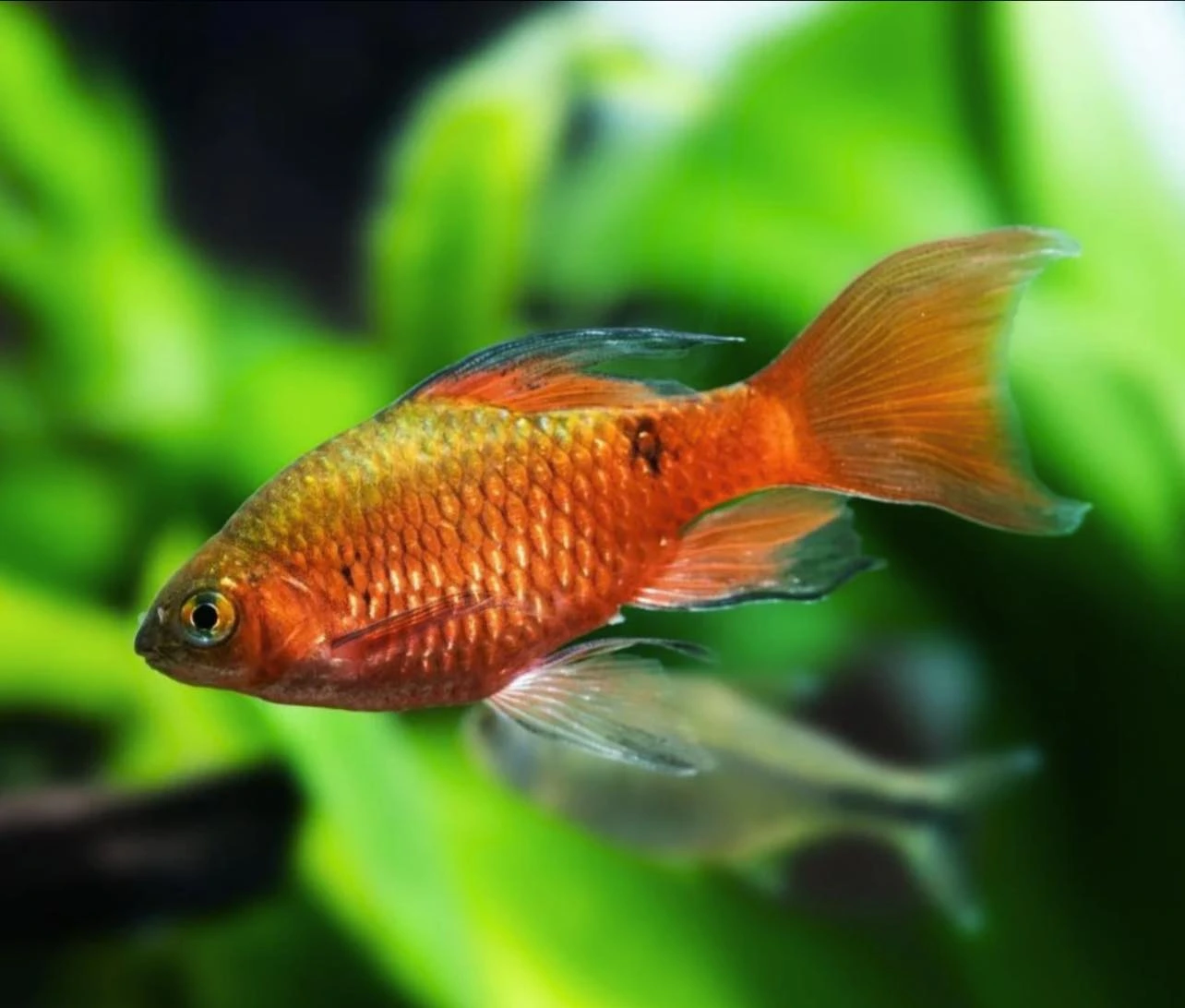
One of the toughest community fish available and comfortable in the same cooler water, which is why it appears on so few warm-tank lists and belongs on this one.
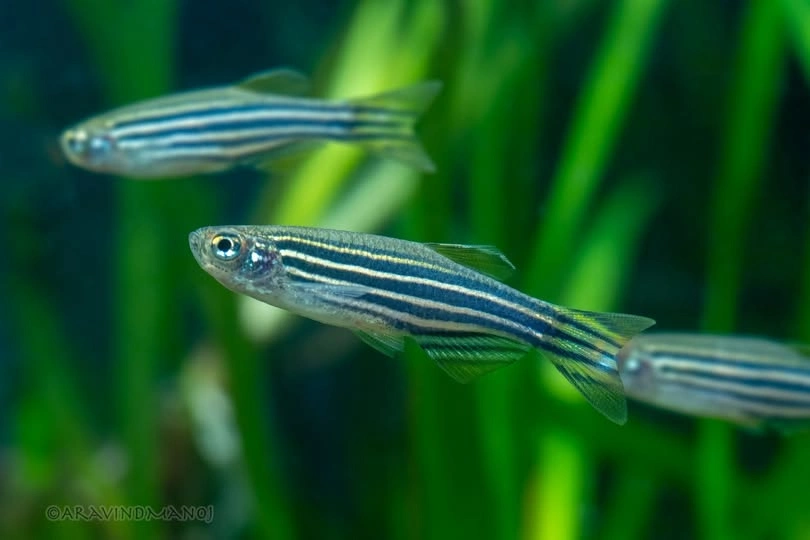
Permanently in motion across the top of the tank and effectively impossible for a bottom-dwelling fish to corner.
Also compatible: Harlequin Rasbora, Three Spot Gourami, Glass Catfish, Upside Down Catfish

Avoid — fights to a finish
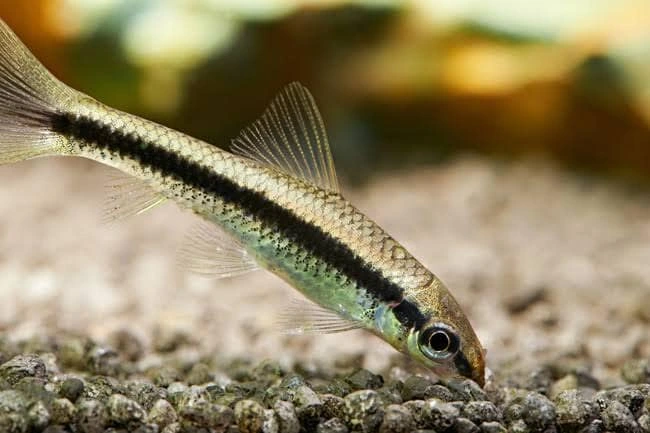
Avoid — same body shape
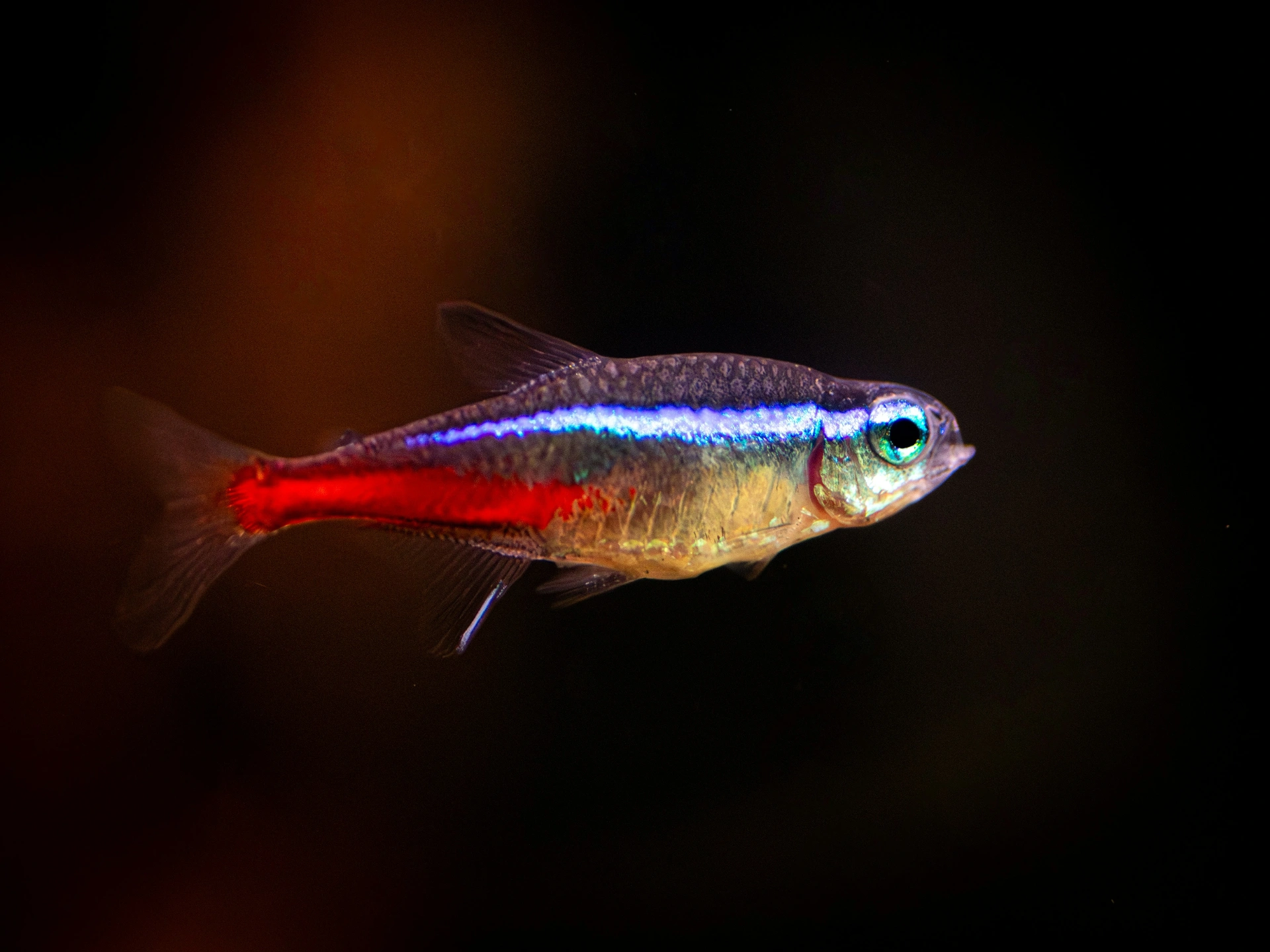
Avoid — harried into corners
Also avoid: Pygmy Corydoras, Chili Rasbora, Discus, Cherry Shrimp
Full Red Tail Shark tank mates guideBreeding Red Tail Sharks in home aquariums is virtually impossible. Their extreme territorial nature makes keeping breeding groups unfeasible, and they would need very large tanks with multiple specimens that don't coexist well. All aquarium specimens come from commercial breeding operations in Asia that use hormonal inducement. Don't attempt breeding at home — focus on providing the best possible care for your single specimen instead.
Red Tail Sharks are moderately hardy fish. Healthy specimens display jet-black bodies, bright red tails, active grazing/patrolling behavior, and normal territorial behavior. Stress signs include faded black coloration, pale or orange (rather than red) tail, constant hiding, and loss of appetite. They're susceptible to Ich, skin flukes, and bacterial infections, particularly if injured from fighting. Good water quality and a stress-free environment are key to their health.
| Disease | Symptoms | Treatment |
|---|---|---|
| Ich (White Spot Disease) | White spots, flashing, clamped fins | Raise temperature gradually, salt treatment, or medication |
| Skin flukes | Flashing, scratching, cloudy skin | Anti-parasitic medication |
| Bacterial infections | Red patches, ulcers, fin rot | Antibacterial medication, improve water quality |
No — they're highly territorial and will fight constantly. Even in very large tanks, keeping multiples usually results in the dominant fish relentlessly attacking others. ONE per tank is the rule.
No — they're cyprinids (carp family), more closely related to barbs and minnows. The 'shark' name comes from their body shape and prominent dorsal fin. They're freshwater fish, not marine.
This is normal — they're extremely territorial. They chase any fish that enters their perceived territory, especially bottom-dwellers and similar-looking fish. A larger tank with visual barriers helps but won't eliminate the behavior.
Yes — juveniles often seem peaceful, leading people to buy them for community tanks. As they mature and establish territory, aggression increases significantly. Plan for adult behavior, not juvenile behavior.
Red Tail Sharks have completely black bodies with red tails only. Rainbow Sharks have red/orange fins throughout (tail, dorsal, anal, pelvic fins). Both are territorial and shouldn't be kept together.
Yes — they're critically endangered or possibly extinct in the wild due to habitat destruction in Thailand. All aquarium specimens are captive-bred. Buying them doesn't harm wild populations.

Maylandia estherae
Epalzeorhynchos frenatum
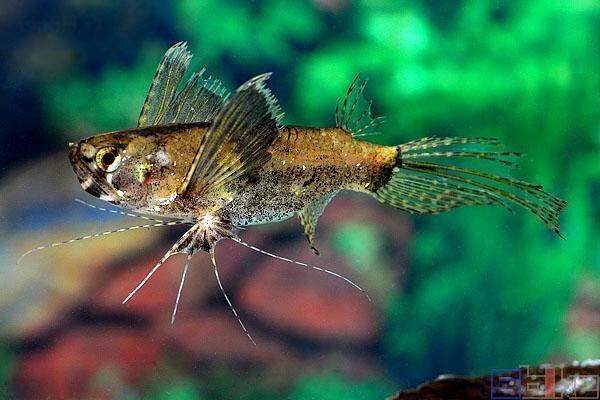
Pantodon buchholzi
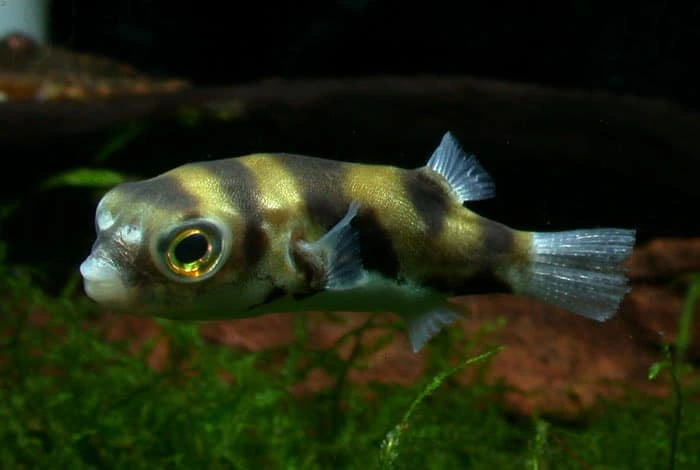
Colomesus asellus
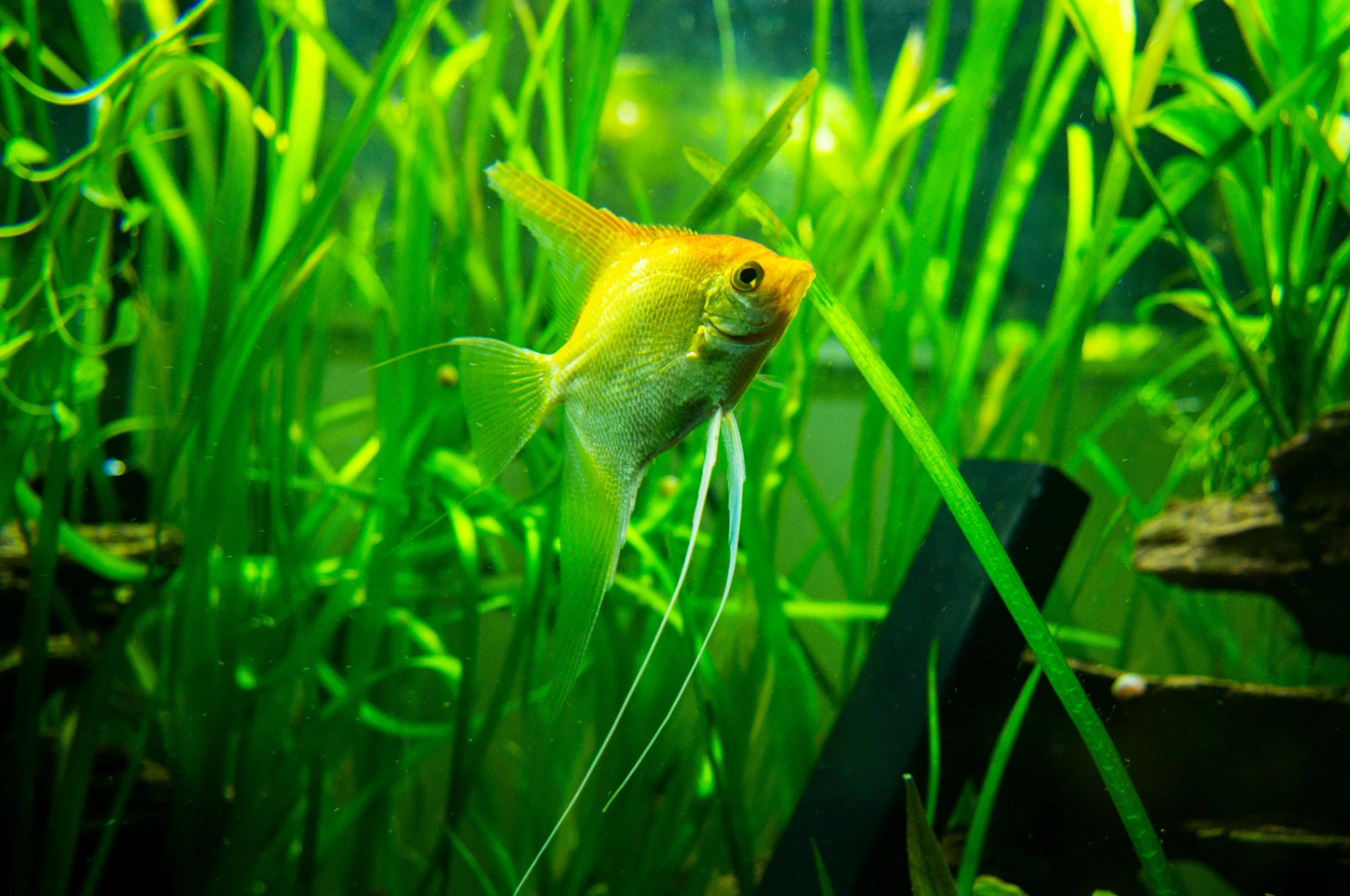
Pterophyllum scalare

Amphilophus hybrid

Altolamprologus calvus

Altolamprologus compressiceps
Use our free stocking calculator to check compatibility, bioload, and get personalized recommendations.