
Care Requirements
Adult Size
0.8" (2cm)
Min Tank
5 gal
Temperature
73-82°F
pH Range
4-7
Lifespan
4-8 years
Min Group
10+ fish
Diet
Omnivore
Swim Level
Middle
Bioload
1/10
Hardness
1-8 dGH
About Chili Rasbora
The Chili Rasbora, also known as the Mosquito Rasbora, is one of the smallest aquarium fish available, reaching only about 0.7-0.8 inches (1.8-2 cm). Despite their minuscule size, these tiny gems make an enormous visual impact when kept in proper schools—their brilliant red coloration creates a stunning display in planted aquariums.
Native to the blackwater peat swamps of Borneo, Indonesia, chili rasboras thrive in soft, acidic water stained with tannins. They represent the epitome of nano fishkeeping, allowing hobbyists to create thriving ecosystems in tanks as small as 5 gallons while still featuring proper schooling behavior.
While their small size might suggest fragility, well-acclimated chili rasboras are surprisingly hardy for such tiny fish. They're not recommended for complete beginners only because their tiny mouths require appropriately sized foods, and they're sensitive to water parameter swings. But for aquarists ready to meet their needs, few fish offer such big rewards in such a small package.
Natural Habitat & Origin
Chili rasboras originate from the blackwater peat swamp forests of southwestern Borneo, Indonesia. These unique ecosystems feature extremely soft, highly acidic water stained dark tea-color by decomposing organic matter. The pH in their native habitat can drop below 4.0—far more acidic than most aquariums.
The peat swamps are shallow, warm, and filled with submerged tree roots, fallen leaves, and aquatic vegetation. The dark water and dense cover provide protection from predators. Understanding this habitat explains their preference for soft, acidic water and their stunning appearance in blackwater aquarium setups.
Native Region
Southwestern Borneo, Indonesia
Habitat Type
Blackwater peat swamp forests with dense vegetation
Wild Water Conditions
Very soft, highly acidic (pH 4.0-6.0), tannin-stained, warm (75-82°F)
Appearance & Varieties
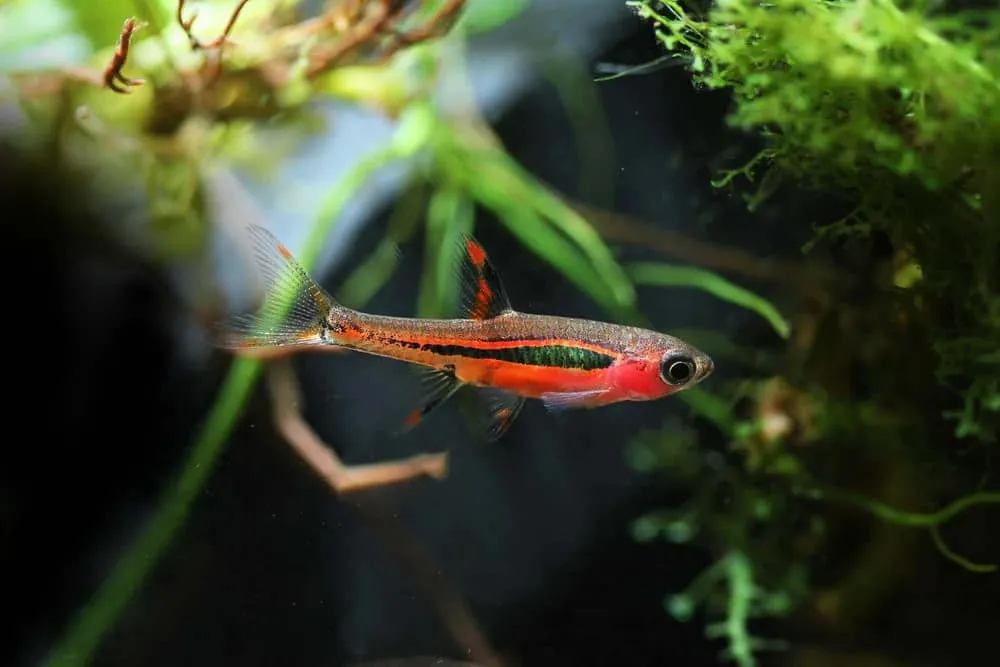
Chili rasboras are tiny fish, reaching only about 0.7-0.8 inches (1.8-2 cm) at maturity. Their bodies are torpedo-shaped and semi-transparent with a brilliant red to orange-red base color. A prominent dark lateral stripe runs from behind the gill cover to the base of the tail, bordered above by the intense red coloration.
Males are more intensely colored than females, displaying deeper red hues especially when competing for female attention. Females are slightly rounder (particularly when gravid) and have somewhat paler coloration. Both sexes intensify in color as they mature and when kept in optimal conditions with blackwater chemistry.
Tank Setup & Requirements
Quick Requirements Summary
Tank Size
Minimum Tank Size
5 gallons
Recommended Tank Size
10 gallons
Chili rasboras are ideal for nano planted tanks, thriving in aquariums as small as 5 gallons for a small group. Their tiny size means they don't need much space, but they do need pristine water quality and stable parameters.
Water Parameters
Temperature 75-82°F (24-28°C), pH 4.0-7.0 (prefer 5.5-6.5), hardness 1-10 dGH (prefer very soft water under 5 dGH). They're most colorful in soft, acidic blackwater conditions. Stability is crucial—their small size makes them vulnerable to parameter swings.
Substrate
Dark substrates dramatically enhance their red coloration. Fine black sand or dark planted substrate is ideal. Avoid bright or light-colored substrates that wash out their appearance.
Plants & Decorations
Heavily planted tanks are essential. They need dense vegetation for security and to mirror their swamp habitat. Java moss, Cryptocoryne, Bucephalandra, and floating plants all work well. Include driftwood and Indian almond leaves for tannins. Leave some open swimming space in the middle.
Filtration & Water Flow
Gentle filtration is critical—their tiny size means strong currents exhaust them. Sponge filters are perfect for nano setups. Keep flow minimal. Excellent biological filtration is essential since they're sensitive to ammonia and nitrite.
Lighting
Low to moderate lighting. Blackwater tanks with tannins naturally diffuse light. Floating plants help create the dim conditions they prefer. Their red color appears more vivid under subdued lighting.
Diet & Feeding Guide
Diet Type
carnivore
Feeding Frequency
2-3x daily in small amounts
Portion Size
Tiny amounts they consume in 1-2 minutes
Chili rasboras are micro-carnivores with extremely tiny mouths. Finding appropriately sized food is the main challenge in keeping them. They ignore or cannot eat standard aquarium foods.
Best Foods for Chili Rasbora
- Live baby brine shrimp — Perfect size, excellent nutrition, highly recommended
- Frozen cyclops — Ideal frozen option—right size for tiny mouths
- Frozen daphnia (crushed) — Must be small pieces they can consume
- Vinegar eels — Excellent small live food
- Micro worms — Another great live food option
- Paramecium — For fry and very small individuals
- Crushed/powdered quality flakes — Must be ground to powder consistency
- Fluval Bug Bites (crushed small) — Crushed to appropriate size
Foods to Avoid
- Standard pellets — Far too large—they cannot eat them
- Standard flakes (uncrushed) — Too big for their tiny mouths
- Large frozen foods — Pieces must be broken down small enough
- Bloodworms — Far too large for their mouths
Their extremely tiny mouths cannot consume standard aquarium foods. Live and frozen foods appropriately sized for their mouths are essential. Baby brine shrimp and cyclops are staples. Feed small amounts multiple times daily rather than one or two larger feedings. Ensure food reaches them before any faster tankmates consume everything.
Behavior & Temperament
Chili rasboras are peaceful, shy fish that spend their time swimming slowly through planted areas in the middle water column. In proper schools of 10+, they form loose shoals and display natural behaviors—males competing for female attention with intensified color displays.
They're timid by nature and need lots of hiding spots to feel secure. In sparsely decorated tanks or with boisterous tankmates, they hide constantly and never color up properly. But in appropriate setups with plenty of plants and gentle tankmates, they become bolder and more active.
Despite their shyness, they're not reclusive once established. A well-settled group will swim in the open, especially during feeding time, creating a beautiful display of tiny red jewels moving through the planted landscape.
Tank Mates: Compatibility Guide
Compatible Tank Mates
Perfect peaceful nano tankmate
Similar size and temperament
Beautiful nano combination
Peaceful tiny bottom dwellers
Gentle algae eaters
Great tankmates, though shrimplets may occasionally be eaten
Excellent algae control
Perfect peaceful addition
Tank Mates to Avoid
Any fish large enough to eat them
Their tiny size makes them prey for many fish
Fast, active fish
Will outcompete for food and stress them
Aggressive or territorial fish
Will harass and stress these shy fish
Most tetras (except smallest species)
Too large and active for chili rasboras
Bettas
May see them as food or harass them
Common Pairing Questions
How many chili rasboras should I keep?
Minimum 8, but 12-20+ is ideal. They're extremely social fish that only show natural behavior and full coloration in proper schools. Larger groups are also more confident and visible. In a 10-gallon tank, 15-20 is a good number.
Can chili rasboras live with shrimp?
Yes! They're one of the best fish for shrimp tanks. Adult cherry shrimp and amano shrimp are completely safe. Baby shrimp may occasionally be eaten, but their tiny mouths mean even shrimplets often survive in planted tanks.
Can chili rasboras live with bettas?
Generally not recommended. Chili rasboras are tiny enough to be eaten by bettas, and their timid nature means they'll hide constantly from a larger fish. Even peaceful bettas may stress them significantly.
Chili rasboras can breed in captivity, though raising the tiny fry is challenging. They're egg scatterers that show no parental care.
Health Issues & Disease Prevention
Despite their tiny size, well-acclimated chili rasboras are reasonably hardy. Their main vulnerabilities are water parameter instability and inappropriate food size.
Common Diseases
| Disease | Symptoms | Treatment |
|---|---|---|
| Ich (White Spot) | White spots visible on tiny bodies, flashing | Gradual temperature increase to 82°F, half-dose medications due to their sensitivity |
| Stress-related issues | Faded color, hiding, lethargy | Address environmental causes—water quality, tankmates, hiding spots |
| Starvation | Sunken belly, weight loss despite feeding | Provide appropriately small foods—baby brine shrimp, cyclops |
| Velvet | Gold dust appearance, scratching | Medication (use half doses), darken tank, improve water quality |
Signs of a Healthy Chili Rasbora
- Deep red coloration
- Active swimming in school
- Eagerly approaching food
- Males displaying to females
- Visible rounded belly (not sunken)
Prevention Tips
- Maintain stable water parameters—their small size makes them vulnerable to swings
- Provide appropriately sized foods—starvation is a common cause of death
- Keep in proper schools for reduced stress
- Provide plenty of hiding spots and plants
- Quarantine new additions carefully
Frequently Asked Questions
Pale coloration usually indicates stress, poor conditions, or inadequate diet. Check water parameters, ensure they're in a proper school (10+), provide hiding spots, and make sure they're eating appropriately sized foods. They also look paler in brightly lit tanks and against light substrates.
A properly maintained 5-gallon tank can house a small school, but 10 gallons is more stable and allows for a larger, more impressive group. Their tiny size means tank volume isn't about swimming space—it's about water parameter stability.
They're intermediate-level fish. The main challenges are providing appropriately small foods and maintaining stable water parameters. Once these needs are met, they're surprisingly hardy and long-lived (up to 8 years!).
Yes, they need stable tropical temperatures of 75-82°F (24-28°C). Their small size makes them vulnerable to temperature fluctuations, so a reliable heater is essential.
Tips for Keeping Chili Rasbora
Pro Tips
- ✓Larger schools (15-20+) create the most stunning visual impact
- ✓Dark substrate and blackwater conditions bring out the most intense red coloration
- ✓Baby brine shrimp should be a dietary staple—they can't eat standard foods
- ✓Despite tiny size, they can live 4-8 years with proper care
- ✓Let them settle for several weeks before judging their color—stress fades their red
- ✓Indian almond leaves and driftwood create ideal blackwater conditions
- ✓Perfect fish for planted nano tank aquascapes
- ✓One of the best nano fish for serious planted tank hobbyists
Common Mistakes to Avoid
- ✗School too small—need 8+ minimum, 12-15+ ideal
- ✗Standard fish food they can't eat—leads to starvation
- ✗Tankmates too large, fast, or aggressive
- ✗Light-colored substrate that washes out their color
- ✗Too much light—they prefer dim conditions
- ✗Not enough plants or hiding spots
- ✗Assuming they're too delicate—they're hardier than they look when needs are met
- ✗Expecting instant color—they need time to settle and conditions to color up
Sources
- FishBase — Accepted scientific name, maximum size and native range for Chili Rasbora.
Featured in Biotope Presets
Related Species You Might Like
View All Fish →
Chinese Algae Eater
Gyrinocheilus aymonieri
Exclamation Point Rasbora
Boraras urophthalmoides
African Dwarf Frog
Hymenochirus boettgeri
Amano Shrimp
Caridina multidentata
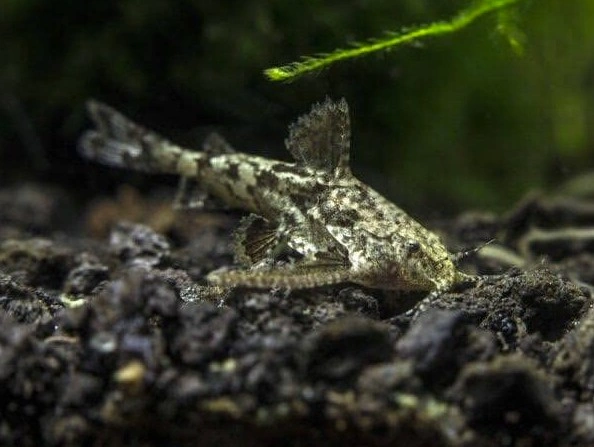
Asian Stone Catfish
Hara jerdoni
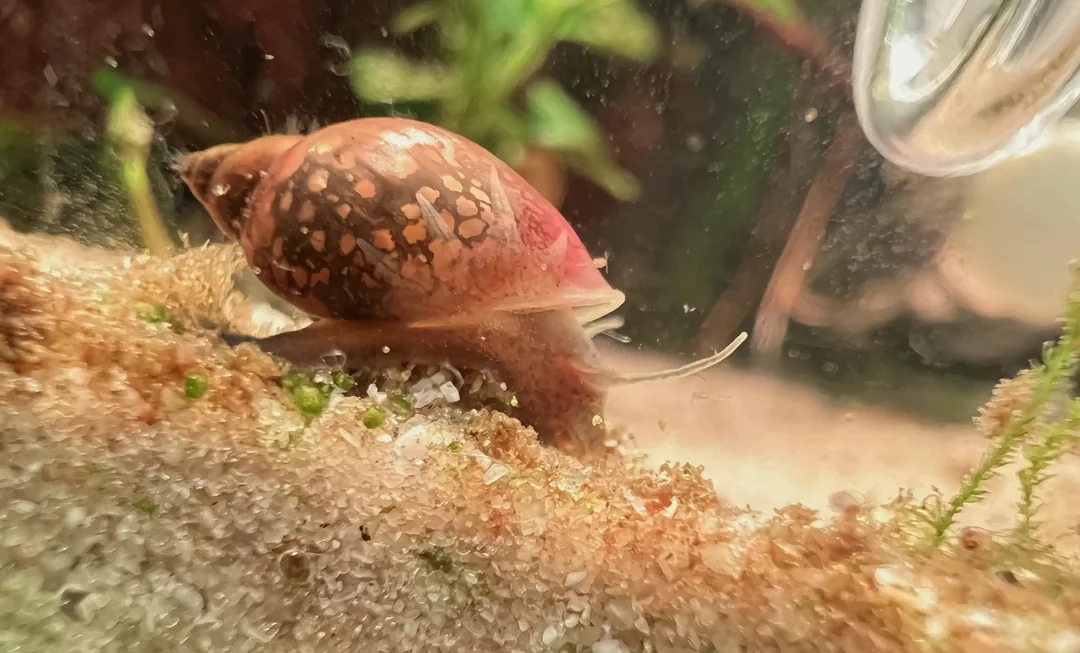
Bladder Snail
Physella acuta
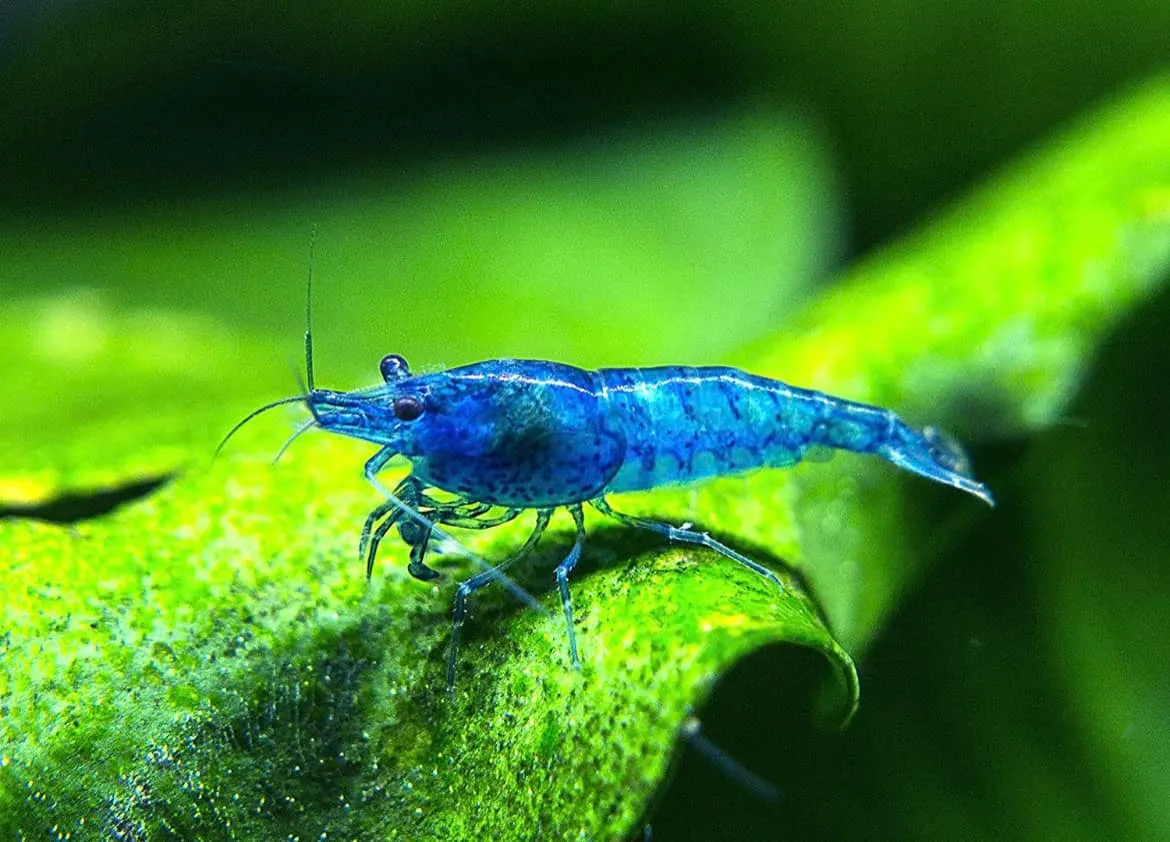
Blue Velvet Shrimp
Neocaridina davidi var. blue
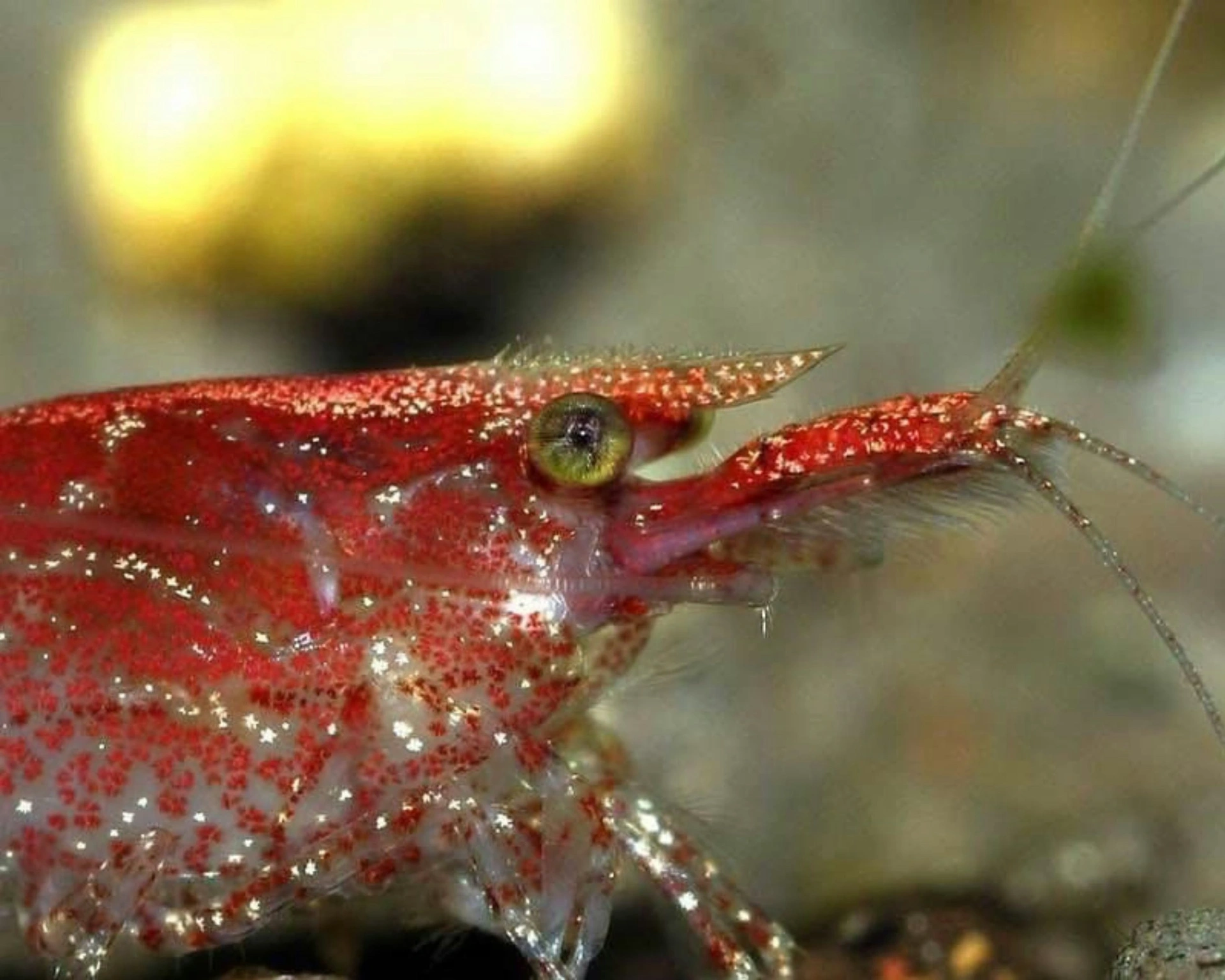
Cherry Shrimp
Neocaridina davidi
Ready to Add Chili Rasbora to Your Tank?
Use our free stocking calculator to check compatibility, bioload, and get personalized recommendations.