
Care Requirements
Adult Size
5.1" (13cm)
Min Tank
40 gal
Temperature
75-86°F
pH Range
6-7.5
Lifespan
5-6 years
Min Group
Can be kept alone
Diet
Carnivore
Swim Level
Top
Bioload
2/10
Hardness
1-12 dGH
About African Butterfly Fish
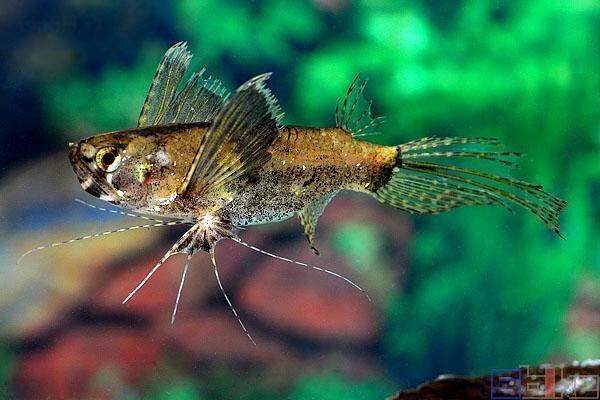
The African Butterfly Fish is one of the aquarium hobby's most distinctive and ancient oddities — a living fossil whose ancestors patrolled water surfaces 100+ million years ago during the age of dinosaurs. Their unique wing-like pectoral fins, upturned mouth, and flattened body represent perfect adaptation to life at the water's surface, a niche few aquarium fish occupy so completely.
Those magnificent 'butterfly wing' pectoral fins aren't just decorative — they enable short gliding flights above the water surface to escape predators or capture prey. In the wild, they launch themselves from the water to catch flying insects or evade threats, gliding several feet before splashing back down. This ability makes secure lids absolutely essential in aquariums.
Unlike most fish that exist in three dimensions, African Butterfly Fish live in two — they're exclusively surface dwellers that rarely descend more than a few inches below the waterline. This specialized lifestyle requires understanding; they won't compete for sinking food or interact with bottom-dwelling tankmates. Their world is the surface film and whatever falls upon it.
They're ambush predators waiting motionlessly at the surface for insects, small fish, or anything edible to come within range. That upturned mouth is designed for surface feeding — they're poorly adapted to taking food from anywhere else. This hunting style makes them appear lazy until feeding time reveals their lightning-fast strike.
Natural Habitat & Origin
African Butterfly Fish inhabit slow-moving or still waters across West and Central Africa — the Niger Delta, Congo Basin, Lake Chad region, and surrounding waterways. They're found in swamps, slow streams, and the vegetated margins of lakes and rivers where still surface water accumulates.
Their preferred habitat features abundant floating vegetation providing cover for their surface-dwelling lifestyle. Water hyacinth, water lettuce, and similar floating plants create the sheltered surface environment they prefer.
Water conditions in their native range tend toward soft and acidic, often tannin-stained from decaying vegetation. The slow or still water suits their sedentary hunting style.
Diet in the wild consists primarily of insects — both those landing on water surface and small flying insects caught during jumping. They also consume small fish, crustaceans, and anything edible at the surface.
Native Region
West and Central Africa — Niger Delta, Congo Basin, Lake Chad
Habitat Type
Still or slow-moving waters with surface vegetation
Wild Water Conditions
Warm (25-30°C), soft, acidic (pH 6.0-7.0), often tannin-stained
Appearance & Varieties
African Butterfly Fish possess one of the hobby's most distinctive appearances. The large, wing-like pectoral fins extend horizontally from the body, creating the butterfly silhouette. The body is strongly flattened from top to bottom and boat-shaped — perfect for surface dwelling. The upturned mouth points upward for surface feeding.
Coloration is cryptic — mottled brown, gray, and olive providing camouflage. Large eyes positioned near the top of the head allow surveillance of the surface. The caudal and dorsal fins are large and fan-like, while pelvic fins are elongated into thread-like appendages. Adults reach approximately 5 inches (13 cm).
Popular Varieties
| Variety | Description | Rarity |
|---|---|---|
| Standard/Wild-Type | Mottled brown/olive/gray with butterfly-wing pectorals. The only form available — no captive-bred variants exist. All specimens are wild-caught. | Common |
Tank Setup & Requirements
Quick Requirements Summary
Tank Size
Minimum Tank Size
40 gallons
Recommended Tank Size
55 gallons
African Butterfly Fish require tanks accommodating their surface-exclusive lifestyle. The surface environment is what matters — tank depth is largely irrelevant. Floating plants and secure lids are essential.
Water Parameters
They prefer warm, soft, acidic water reflecting their tropical African origins. Hard, alkaline water isn't well-tolerated. They're sensitive to poor water quality despite being hardy once established. Stability matters; avoid sudden parameter shifts.
Substrate
Substrate choice is entirely about aesthetics since they never descend to the bottom. Dark substrates create attractive contrast. Choose based on preferences for other tankmates or planting.
Plants & Decorations
Floating plants are nearly essential, providing security and mimicking natural habitat. Water lettuce, Amazon frogbit, and salvinia all work excellently. Cover 50-75% of the surface, leaving feeding areas clear. Tall plants reaching the surface like Vallisneria provide additional visual barriers.
Filtration & Water Flow
Strong surface movement disrupts their lifestyle — they need calm surface water. Sponge filters are excellent choices. HOB or canister filters can work if outputs are baffled or redirected downward. Minimal surface agitation is key.
Lighting
Very bright overhead lighting can stress surface dwellers. Floating plants naturally solve this by shading areas. Without floating plants, moderate or diffused lighting is preferable.
Diet & Feeding Guide
Diet Type
carnivore
Feeding Frequency
Once daily or every other day
Portion Size
A few appropriately-sized food items per feeding. Feed in clear surface areas away from strongest floating plant coverage.
African Butterfly Fish are surface-feeding carnivores requiring floating or live foods — they're poorly adapted to taking food from below the surface.
Best Foods for African Butterfly Fish
- Live insects — Crickets, flies, moths — exactly what they evolved to eat. Float insects on the surface.
- Floating pellets/sticks — Floating carnivore foods can be accepted with training. Food must remain at surface.
- Frozen bloodworms (floating) — Frozen bloodworms floated at the surface are usually accepted. Often the first frozen food accepted.
- Freeze-dried foods — Freeze-dried krill, shrimp float well and are often accepted.
- Frozen mysis shrimp — Floated at surface, usually accepted. Good protein source.
Foods to Avoid
- Sinking foods —
- Flake foods —
- Plant-based foods —
Food must float at the surface. They won't pursue sinking foods. Live insects trigger the most enthusiastic feeding response.
Behavior & Temperament
African Butterfly Fish exhibit patience as a hunting strategy — they float motionlessly at the surface, appearing almost comatose until prey appears. They're territorial toward conspecifics and similar surface-dwelling fish. Single specimens work best unless tank surface area is very large. Their surface-exclusive lifestyle means they ignore fish in lower water levels almost completely. Despite appearing sluggish, they're capable of explosive speed and will jump when startled.
Tank Mates: Compatibility Guide
Compatible Tank Mates
Tank Mates to Avoid
Small surface-dwelling fish
Prime prey — small fish at the surface will be eaten.
Other African Butterfly Fish
Territorial toward conspecifics. Multiple require very large tanks.
Small tetras and rasboras
May be consumed, especially near the surface.
Dwarf shrimp
Will be eaten if encountered at the surface.
Aggressive or fin-nipping species
Their wing-like fins attract nippers and their slow movement makes them vulnerable.
Common Pairing Questions
Can I keep African Butterfly Fish with tetras?
Only larger tetras like Congo Tetras that are too big to eat. Small tetras near the surface are at risk.
Can I keep multiple African Butterfly Fish?
Possible but risky without sufficient surface area. Single specimens are usually easiest.
African Butterfly Fish breeding in aquariums is rare but documented. They're egg scatterers spawning at the surface with floating eggs. Requires very soft, acidic water and heavy floating plant coverage.
Health Issues & Disease Prevention
African Butterfly Fish are reasonably hardy once established but can be sensitive during acclimation. Being wild-caught, they may carry parasites.
Common Diseases
| Disease | Symptoms | Treatment |
|---|---|---|
| Jumping injuries | Physical damage, torn fins, dried patches. | Return to water. Treat wounds with antifungal medication. Ensure secure lid. |
| Ich (White Spot Disease) | White spots, particularly on fins. Flashing. | Raise temperature. Commercial medications effective. |
| Internal parasites | Weight loss despite eating, stringy feces. | Anti-parasitic medication. Common in wild-caught specimens. |
| Bacterial infections | Cloudy eyes, fin deterioration, redness. | Improve water quality. Antibacterial medication. |
| Acclimation stress | Refusal to eat, hiding below surface, pale coloration. | Patience, optimal water conditions, floating plant cover. Offer live insects. |
Signs of a Healthy African Butterfly Fish
- Floating at surface with fins extended
- Alert response to surface activity
- Good appetite
- Clear eyes
- Intact pectoral fins
- Appropriate body condition
Prevention Tips
- Secure lid with adequate jumping clearance
- Provide extensive floating plant coverage
- Maintain soft, acidic water
- Keep surface agitation minimal
- Feed appropriate floating/live foods
Frequently Asked Questions
Sort of — they can glide, not truly fly. They launch from the water and use their wing-like pectoral fins to glide short distances above the surface. This means they can and will leave the tank if given opportunity. Secure lids are essential.
That's normal — they're ambush predators. Motionless floating at the surface is their hunting strategy. When food appears, they strike with surprising speed. Don't interpret their stillness as illness unless accompanied by other symptoms.
They're surface-feeding carnivores requiring floating foods. Ideal diet includes live insects, floating pellets, and frozen foods floated at the surface. They won't pursue sinking food.
Possible but risky without sufficient space. They're territorial toward conspecifics. Single specimens are usually easiest. If keeping multiples, provide very large surface areas and extensive floating plant coverage.
If they fit in their mouth and come near the surface — yes. However, fish staying in mid-water or bottom levels are generally ignored. Choose tankmates either too large to eat or that stay in lower tank levels.
Tips for Keeping African Butterfly Fish
Pro Tips
- ✓Floating plants are the secret to confident butterfly fish — more cover makes them more visible.
- ✓Live insects reveal their true hunting behavior — the explosive speed is remarkable.
- ✓Drop water level slightly below rim for jumping clearance within the tank.
- ✓Train them to floating pellets gradually starting with live/frozen foods.
Common Mistakes to Avoid
- ✗No floating plants — stressed, hiding fish that never settle in.
- ✗Strong surface current — disrupts their lifestyle.
- ✗Sinking or mid-water foods only — starvation.
- ✗Inadequate lid security — they can glide out.
- ✗Small surface-dwelling tankmates — those become food.
Sources
- FishBase — Accepted scientific name, maximum size and native range for African Butterfly Fish.
Related Species You Might Like
View All Fish →
African Clawed Frog
Xenopus laevis
Amazon Puffer
Colomesus asellus
Angelfish
Pterophyllum scalare

Blood Parrot Cichlid
Amphilophus hybrid

Calvus
Altolamprologus calvus

Compressiceps
Altolamprologus compressiceps

Electric Blue Acara
Andinoacara pulcher hybrid
Figure 8 Puffer
Dichotomyctere ocellatus
Ready to Add African Butterfly Fish to Your Tank?
Use our free stocking calculator to check compatibility, bioload, and get personalized recommendations.